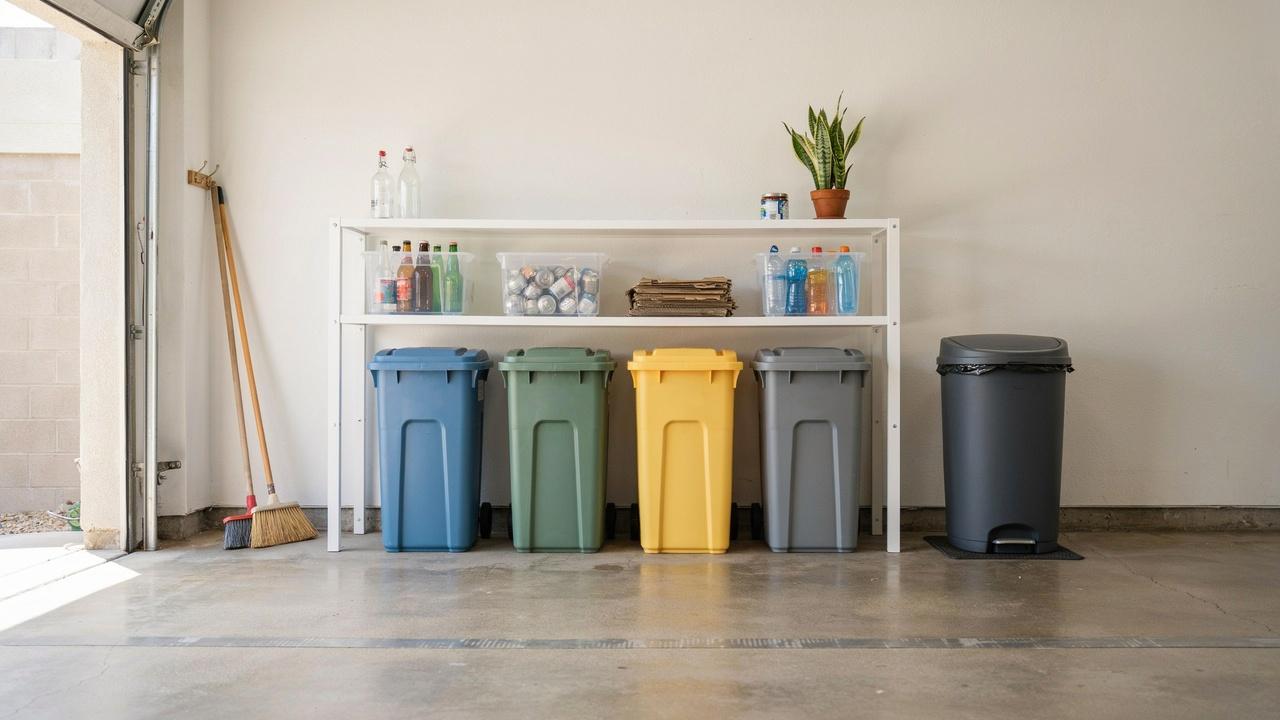
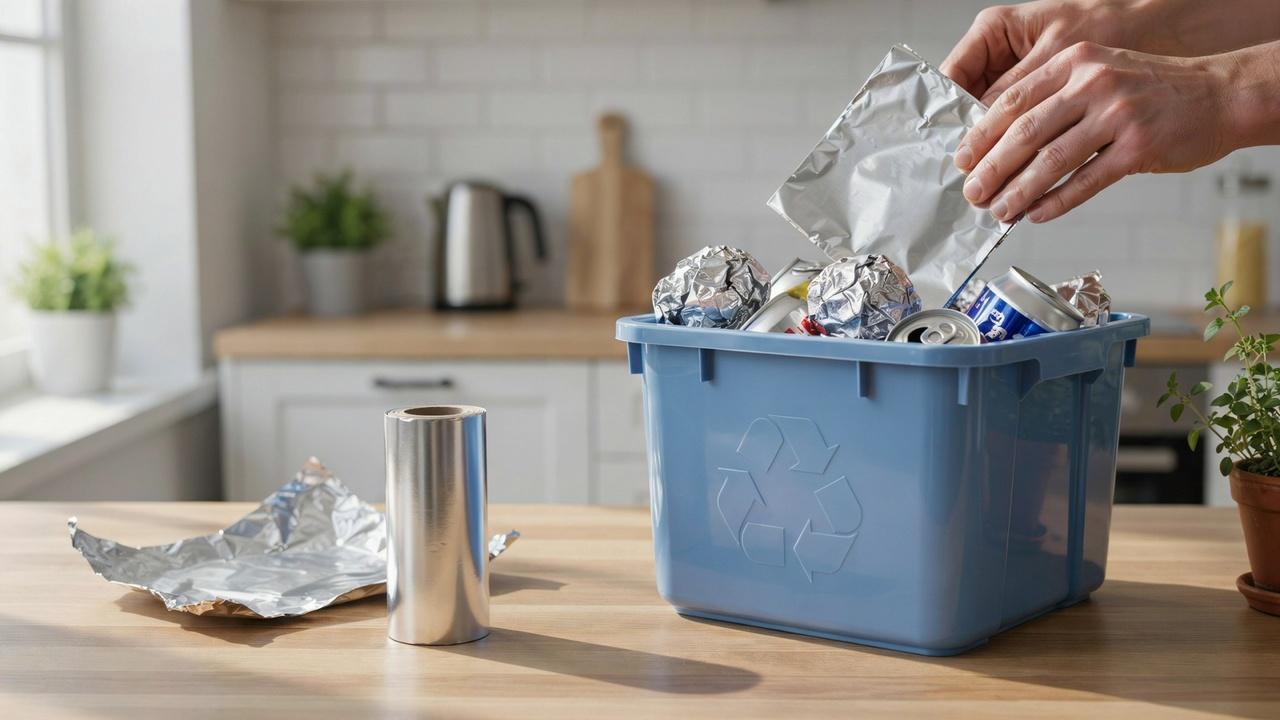
Many people toss aluminum foil in the recycling bin without thinking twice. But is aluminum foil recyclable? The answer is yes, but not always.
This article breaks down exactly when and how you can recycle aluminum foil, what programs accept it, and what common mistakes to avoid. You will also find out which aluminum foil items are safe to recycle and which ones are not.
This guide combines recommendations from municipal recycling programs, aluminum recycling organizations, and practical household recycling practices.
Whether your goal is to cut waste or do your part for the environment, this guide gives you clear, practical steps to recycle aluminum foil the right way.
Is Aluminum Foil Recyclable? The Quick Answer
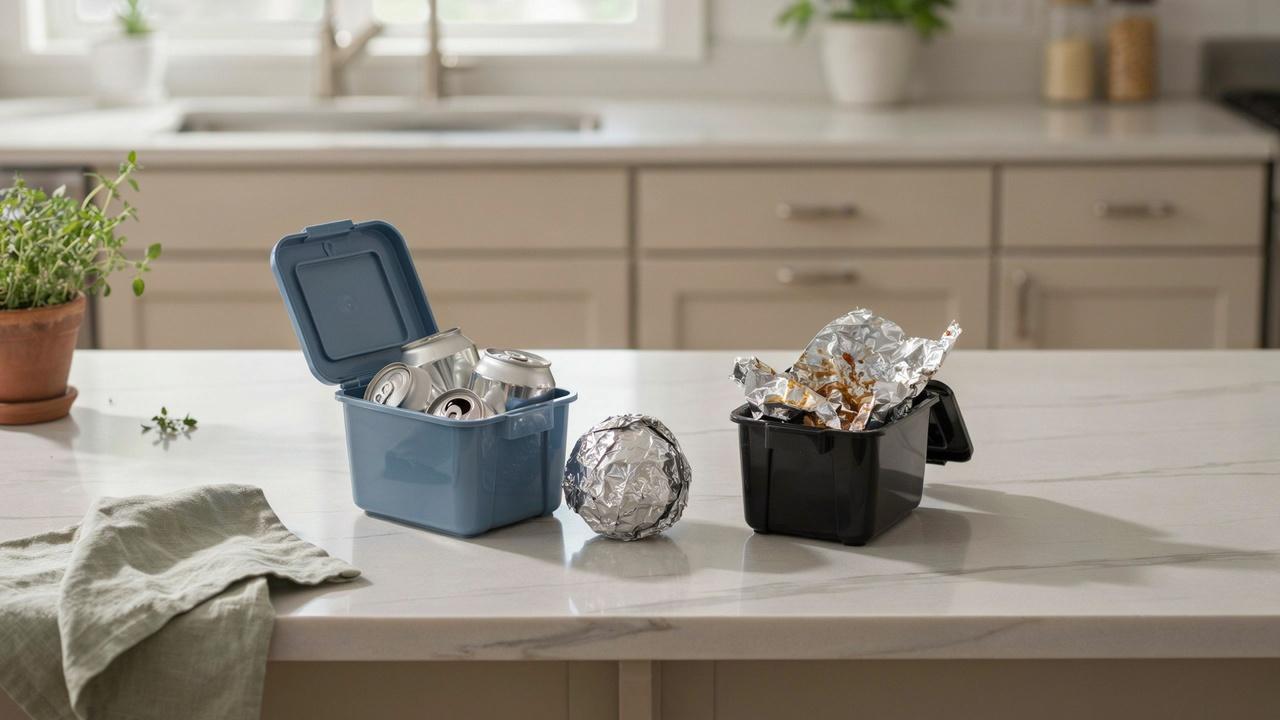
Aluminum foil is recyclable, but only if it is clean. If your foil has food, grease, or burnt residue on it, most recycling facilities will reject it.
Even a small amount of contamination can cause an entire batch of recyclables to be thrown out. Not all recycling programs are the same either.
Some cities have the equipment to sort and process aluminum foil, while others do not. This is why one neighborhood may accept foil while another does not.
It comes down to local infrastructure, not the material itself. Many curbside programs do accept clean aluminum foil, but always check your city or county recycling website before tossing it in the bin.
How to Recycle Aluminum Foil Correctly
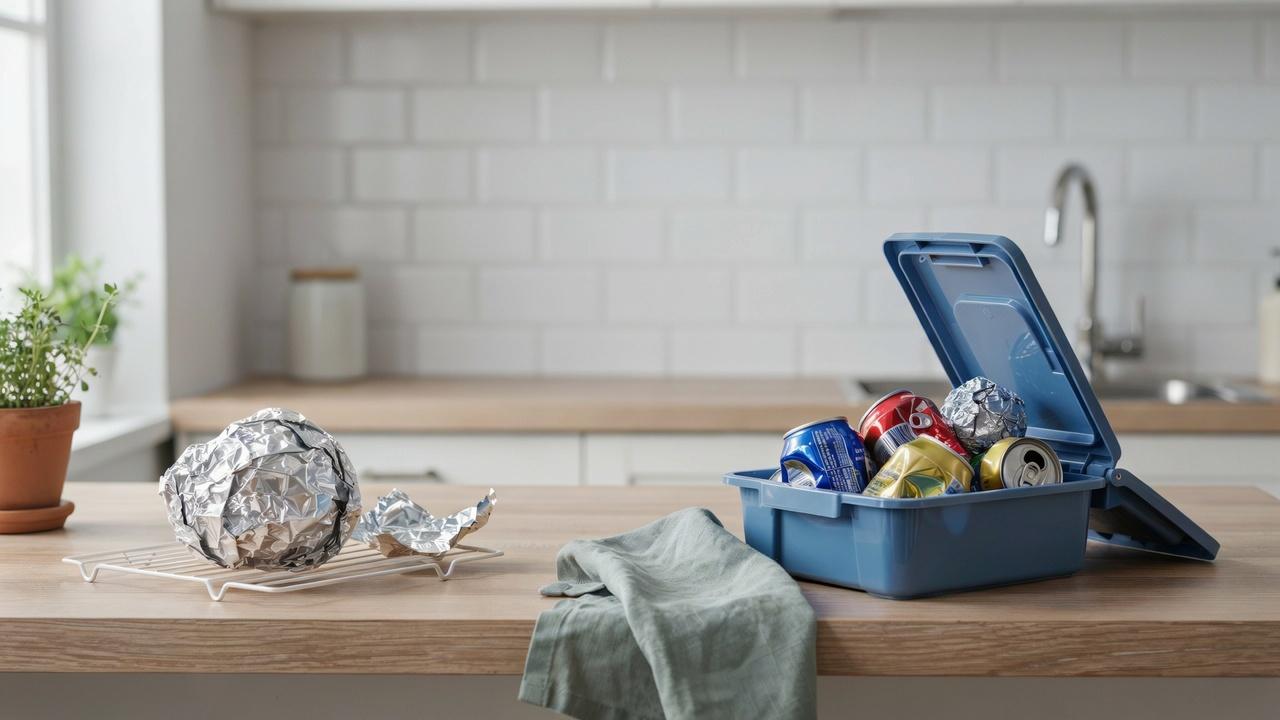
Recycling aluminum foil is simple once you know the steps.
Clean Off Food, Grease, and Residue
This is the most important step. Rinse or wipe the foil after use. You do not need to scrub it perfectly, but there should be no visible food or grease left.
If the foil is too dirty to clean, it belongs in the trash, not the recycling bin.
Crumple Small Pieces Into One Ball
Small loose pieces of foil are hard to sort at recycling facilities. They fall through gaps in equipment and get lost.
The fix is simple. Collect all your clean foil scraps and press them into one large ball. A ball that is at least the size of a golf ball works best.
This makes it easier for sorting machines to process.
Keep Aluminum Foil Separate From Plastic or Paper
Foil should never be bundled with plastic wrap or paper towels.
Mixed materials cannot be processed together. Keep your foil clean and separate before placing it in the bin.
Check Your Local Recycling Guidelines Before Recycling
Rules change. Even if your city accepted aluminum foil last year, that might not be the case today.
Always check current guidelines on your local recycling program's website. Search for your city name plus "recycling guidelines" to find the latest information.
When to Use a Scrap Metal Recycling Center
If your curbside program does not accept aluminum foil, a scrap metal recycling center is a great option.
These centers accept aluminum in many forms, including foil, pans, and trays. You may even be able to get a small payment for your aluminum, depending on the current scrap value.
Which Aluminum Foil Items Can Be Recycled?
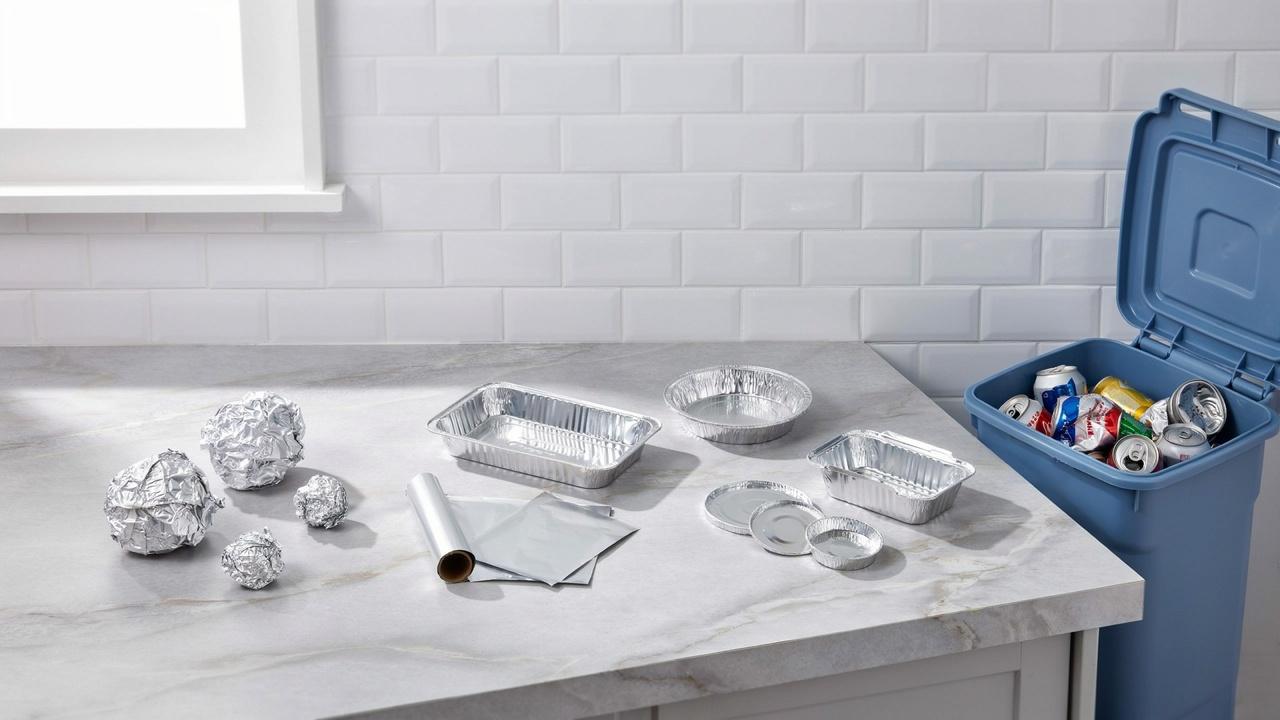
Not every foil product is the same. Here is a breakdown of what is and is not recyclable.
Aluminum Foil Sheets
Standard aluminum foil sheets used for wrapping food or lining pans can be recycled. As long as they are clean and free of residue, they are good to go.
Aluminum Foil Pans and Baking Trays
These are often easier to recycle than flat foil sheets because they are thicker and hold their shape. Many curbside programs accept clean foil pans. Rinse them out after use.
Pie Plates and Roasting Pans
Disposable aluminum pie plates and roasting pans are also recyclable when clean. These are made from heavier aluminum, which many recycling facilities handle well.
Disposable Takeout Containers
The aluminum containers you get from restaurants can be recycled too. Remove any leftover food and give them a quick rinse before recycling.
What Cannot Be Recycled (Foil Wrappers, Yogurt Lids, Laminated Foil)
Not all shiny things are recyclable. Many snack wrappers, yogurt lids, and juice pouches look like foil but are actually laminated.
These are made from a mix of foil, plastic, and other materials bonded together. They cannot be separated, so they cannot be recycled.
If you are unsure, do a simple test. Try to tear the item. If it tears like paper, it is likely laminated and not recyclable.
What Makes Aluminum Foil Non-Recyclable?

Even pure aluminum foil can become non-recyclable under certain conditions.
Food Contamination
Food left on foil is the number one reason recycling centers reject it. Even small bits of cheese, meat, or sauce can contaminate other recyclables nearby.
Oil, Grease, and Burnt Residue
Grease is especially tricky. It soaks into other materials and is very hard to remove during the recycling process.
Burnt foil with stuck-on residue is also difficult to process. When in doubt, throw it out.
Foil Mixed With Plastic or Paper
Composite packaging that combines foil with other materials cannot be recycled through standard programs.
The materials cannot be cleanly separated once bonded.
Small Loose Pieces That Get Lost During Sorting
Tiny pieces of foil fall through sorting machines. This is why crumpling foil into a ball before recycling is so important.
Loose scraps often end up in landfill even if they were meant for the recycling stream.
Aluminum Foil Recycling Rules You Should Know
Knowing the rules in your area is just as important as cleaning your foil.
- Recycling rules differ by city because each area contracts with different waste management companies that have different equipment, processing abilities, and material markets.
- To find local aluminum foil recycling programs, visit your city's official website or use Earth911.com to search by material and zip code.
- Curbside programs are convenient but limited. Scrap metal recycling centers accept a wider range of aluminum products and often take foil when curbside programs will not.
- If your city does not accept aluminum foil, collect clean foil at home and bring it to a scrap metal center once you have enough saved up.
- Some grocery stores and large retailers offer drop-off programs for aluminum products, so check with stores near you to see what they accept.
Aluminum Foil vs. Other Recyclable Kitchen Items

It helps to understand how aluminum foil compares to other common kitchen materials.
Aluminum Foil vs. Aluminum Cans
Aluminum cans are more widely accepted in recycling programs than foil. Cans are thicker, easier to sort, and have a well-established recycling market.
Foil is thinner and more prone to contamination, which is why some programs skip it. Both are made from aluminum, but they go through slightly different recycling processes.
Aluminum Foil vs. Pie Plates and Food Trays
Pie plates and food trays are made from heavier gauge aluminum. They are easier to clean and easier for recycling machines to detect and sort.
Many programs that do not accept foil sheets will still accept pie plates and trays.
Aluminum Foil vs. Tin Foil
Most people use these terms interchangeably, but they are not the same. True tin foil is made from tin and is rarely used today.
Modern "tin foil" is almost always aluminum foil. If someone refers to tin foil, they almost certainly mean aluminum foil. The recycling rules are the same as for standard aluminum foil.
Aluminum Foil vs. Plastic Food Wrappers
Plastic food wrap is not recyclable through most curbside programs.
Aluminum foil has a clear advantage here because it is made from a single material that can be melted down and reused.
Plastic wrap often ends up in landfill or causes issues at recycling facilities.
Common Aluminum Foil Recycling Mistakes to Avoid
Small mistakes can undo your recycling efforts. Here are the most common ones.
- Putting dirty foil in the recycling bin contaminates the entire load. Always clean foil before recycling it.
- Recycling composite foil packaging like chip bags or juice pouches sends non-recyclable materials into the system. Check before you toss.
- Throwing loose foil into the bin without forming it into a ball means it will likely be missed during sorting.
- Assuming every recycling program accepts aluminum foil can lead to recycling the wrong items. Always verify with your local program.
Why Recycling Aluminum Foil Matters

Recycling aluminum foil has real, measurable benefits for the environment.
Aluminum can be recycled indefinitely without losing quality, and a piece of foil recycled today can become a new product in as little as 60 days.
Recycling aluminum also uses about 95% less energy than producing new aluminum from raw ore, which reduces the need to mine bauxite and lowers environmental costs significantly.
Aluminum foil that ends up in landfill takes hundreds of years to break down, so keeping it out of the waste stream matters.
The energy savings and reduced landfill waste make recycling aluminum foil absolutely worth the small effort.
Expert Tips to Recycle Aluminum Foil Successfully
Follow these tips to make your aluminum foil recycling as effective as possible.
- Collect clean foil pieces throughout the week in a small container near your kitchen.
- Form all your clean foil scraps into one tight ball before placing it in the recycling bin.
- Store clean foil separately in a drawer or small bag until you have enough to recycle.
- Always check your local recycling rules before placing aluminum foil in the bin. Rules can change without notice.
Conclusion
Aluminum foil is recyclable, but only when it is clean and your local program accepts it. The steps are simple.
Clean the foil, form it into a ball, and check your local recycling rules before tossing it in the bin. Small actions like these add up to real change over time.
Now that you know how aluminum foil recycling works, put this information to use the next time you reach for the foil drawer.
Found this helpful? Share it with a friend or leave a comment below. Your kitchen habits can make a bigger difference than you think.