Bought a sweater that's a little too big? Or maybe your favorite knit has stretched over time?
If you're wondering how to shrink a sweater, you're in the right place. The good news is that many sweaters can be made smaller with the right method, but the fabric matters.
In this guide, you'll learn which sweaters can be shrunk, the safest methods to use, how much shrinkage to expect, and mistakes to avoid.
I've researched fabric care and common shrinking techniques to share practical steps that work for everyday home use.
By the end, you'll know how to get a better fit while helping reduce the risk of damaging your sweater.
Can You Shrink a Sweater?
Yes, many sweaters can be shrunk, but the results depend on the fabric.
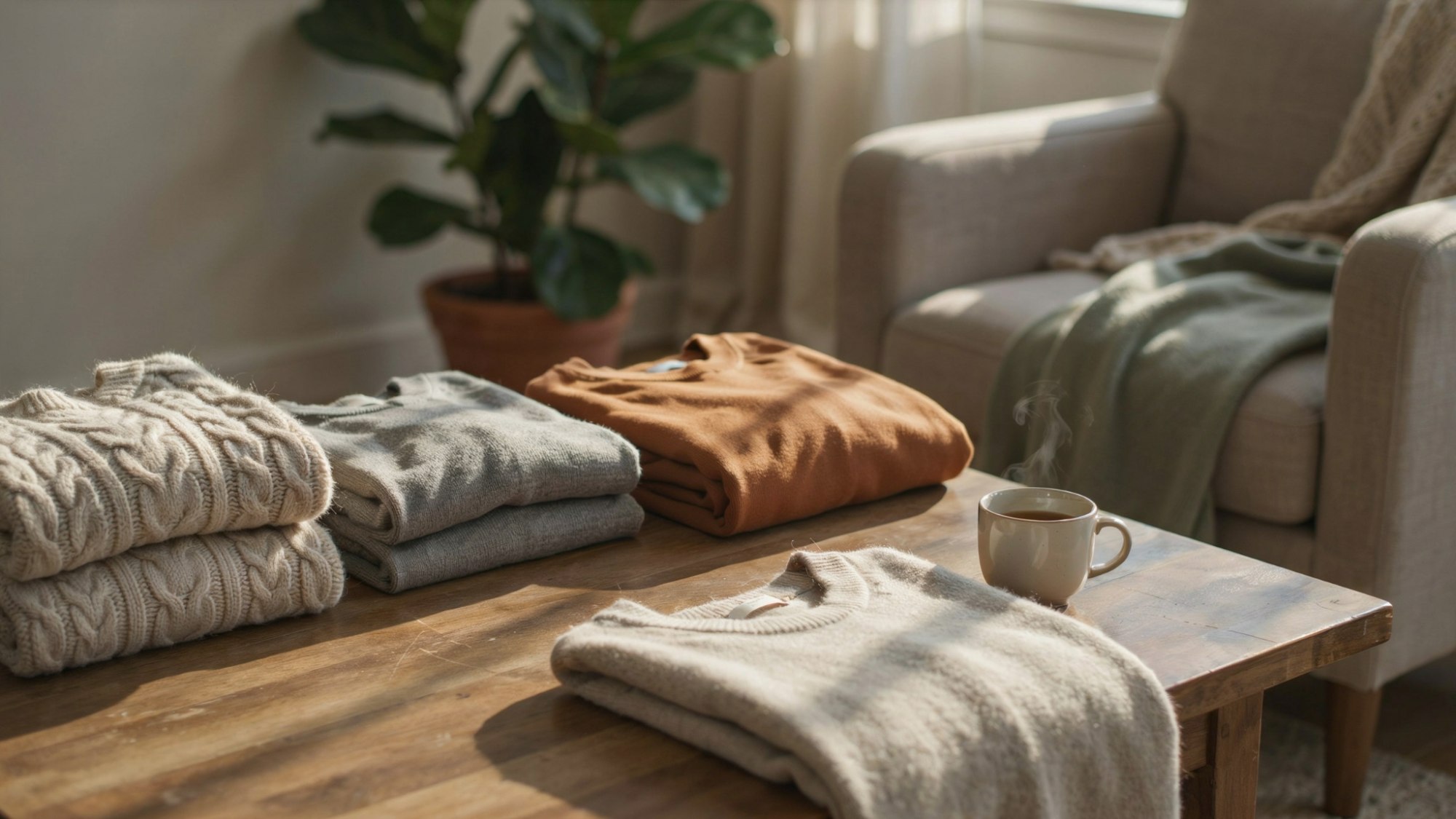
Sweaters shrink when heat, moisture, and agitation cause the fibers to tighten. Natural fibers like wool and cotton usually shrink more easily than synthetic materials.
That's why some sweaters become smaller after being washed or dried on high heat, even when it wasn't planned.
Not every sweater reacts the same way. Wool and cotton often shrink well, while acrylic, polyester, and other synthetic blends are made to resist shrinking. Some blended fabrics may shrink slightly, but the change is usually less noticeable.
Before you try any method, always check the care label. It tells you what the sweater is made of and how it should be cleaned.
This helps you choose the safest way to shrink it and lowers the chance of damaging the fabric. If you're unsure, start with a gentle method and check the fit often instead of trying to shrink it all at once.
What You'll Need
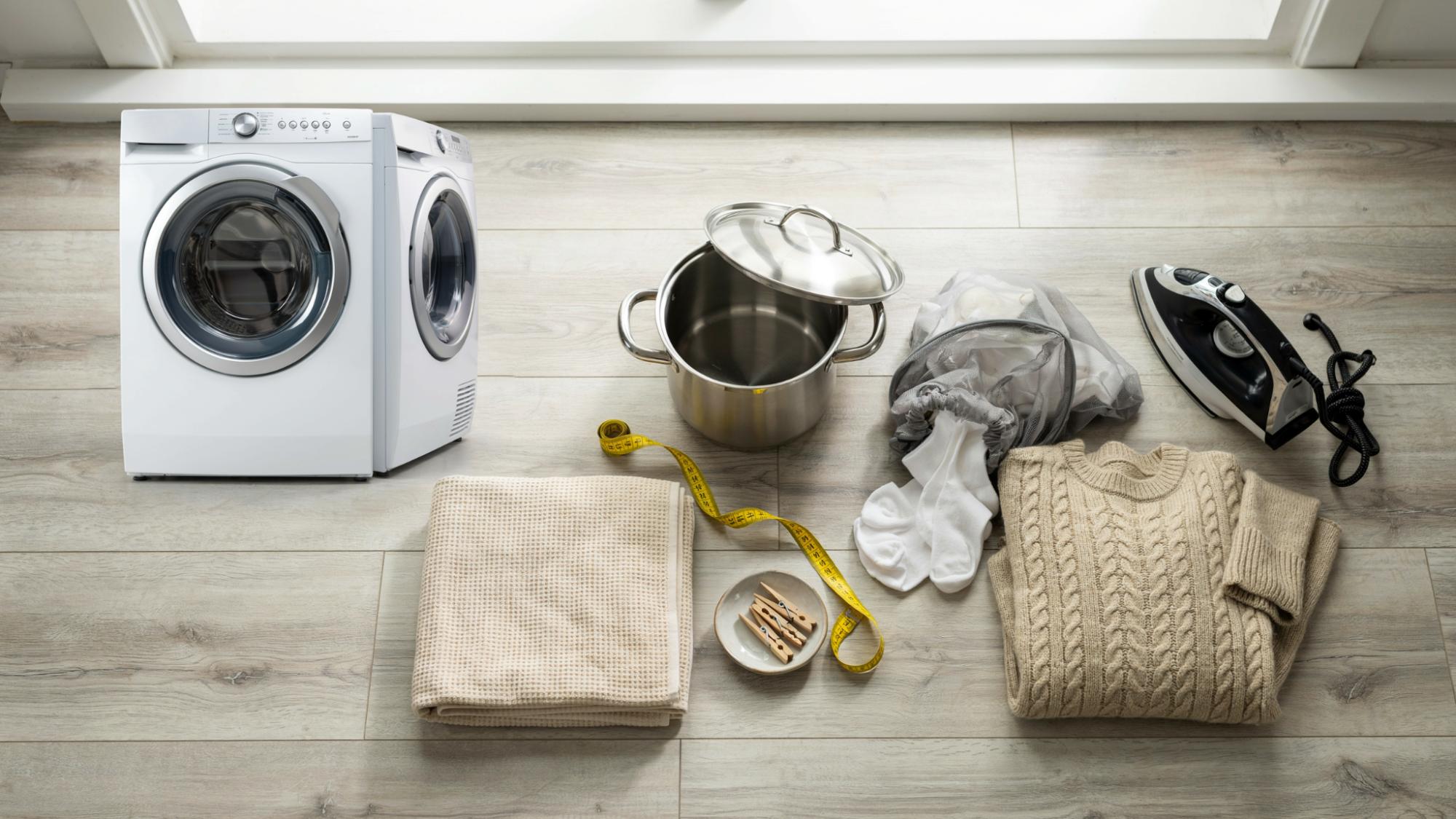
A few everyday household items are all you need to shrink a sweater safely at home.
- Washing Machine: Use a warm or hot wash cycle to help natural fibers like cotton and wool shrink gradually. Use the gentle cycle when working with delicate fabrics to limit agitation.
- Dryer: Apply controlled heat after washing, checking the sweater every few minutes to avoid over-shrinking.
- Large Pot: Perfect for the boiling method when shrinking cotton or wool sweaters that need a greater size reduction.
- Warm or Hot Water: Warm water creates gentle shrinkage, while hot water produces stronger results on natural fibers.
- Clean Towel: Press out excess water without wringing the sweater to help protect its shape and fibers.
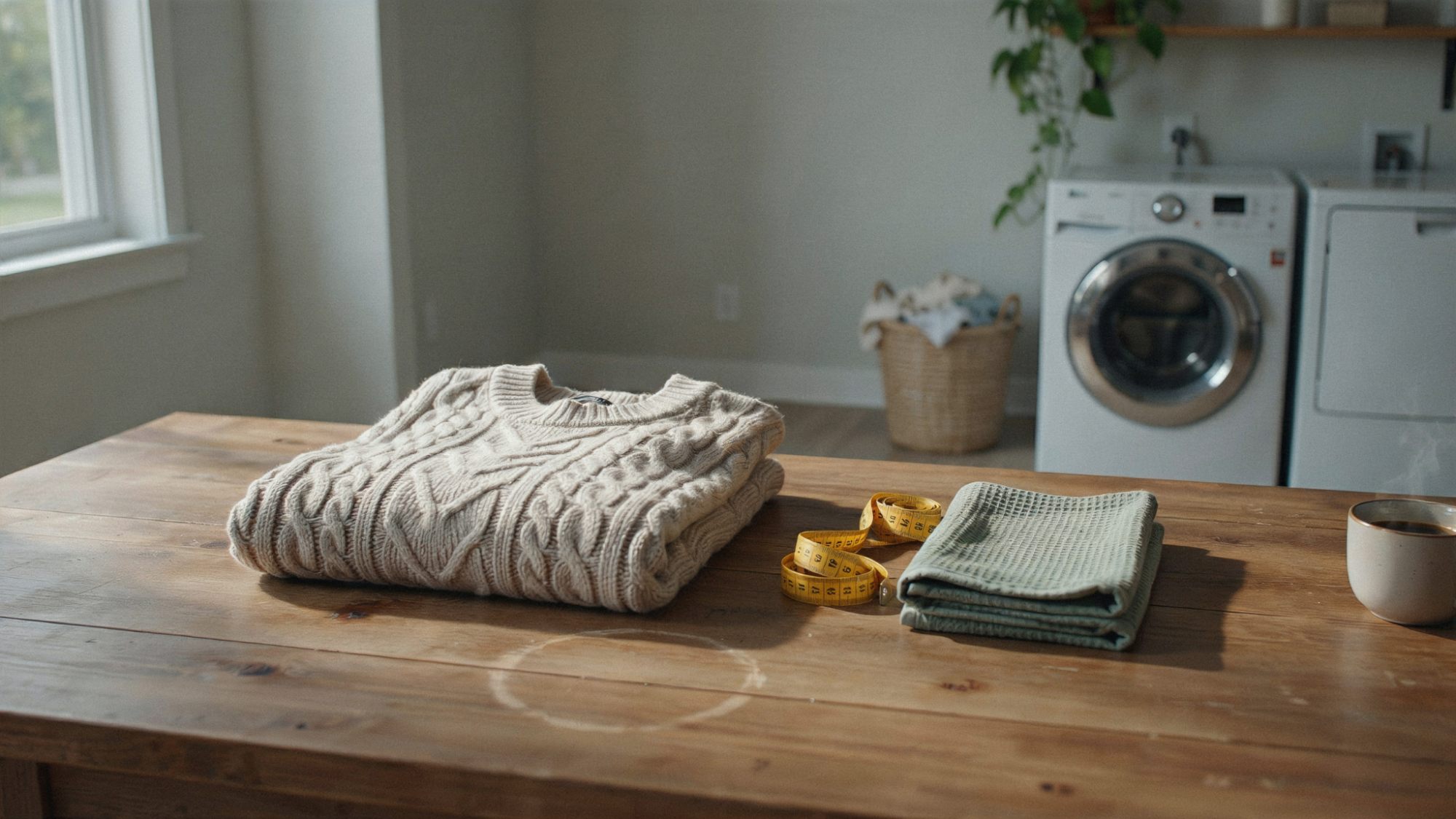
- Measuring Tape: Measure the sweater before and after each shrinking step to monitor your progress accurately.
- Mesh Laundry Bag: Place the sweater inside one before machine washing to reduce friction and protect the fibers from too much agitation.
- Iron (Optional): Use the steam setting to lightly shrink or reshape specific areas like sleeves, cuffs, or the neckline.
Check the Fabric Before You Start
Knowing what your sweater is made of will help you choose the safest shrinking method.
Wool
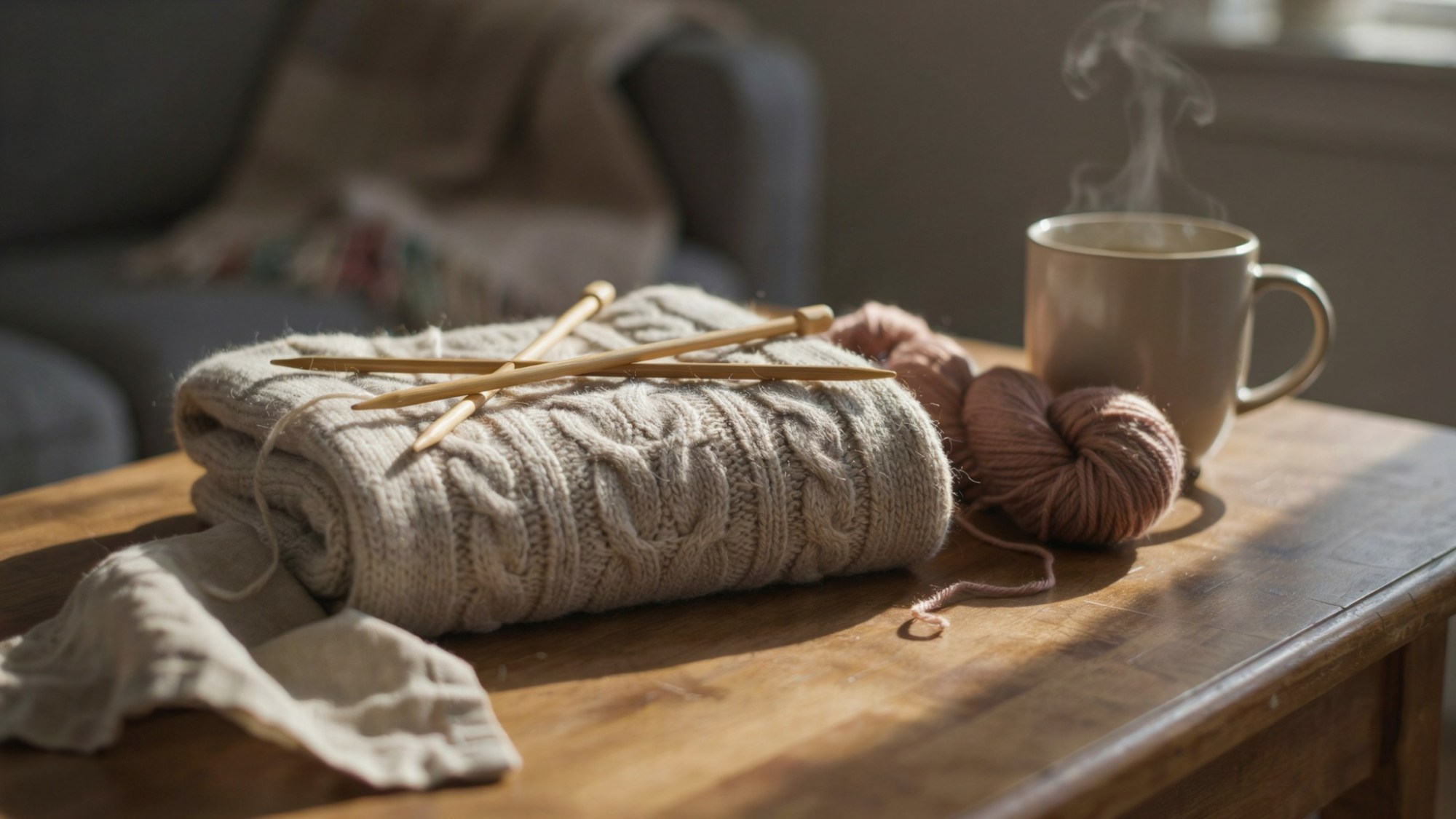
Wool is one of the easiest fabrics to shrink because its natural fibers tighten with heat and moisture. Wash it in warm or hot water, then dry it carefully while checking the size often. Since wool can shrink quickly, work in short steps to avoid making it too small.
Be aware that too much heat combined with heavy agitation can cause felting, where the wool fibers lock together permanently and become difficult to reshape.
Cotton
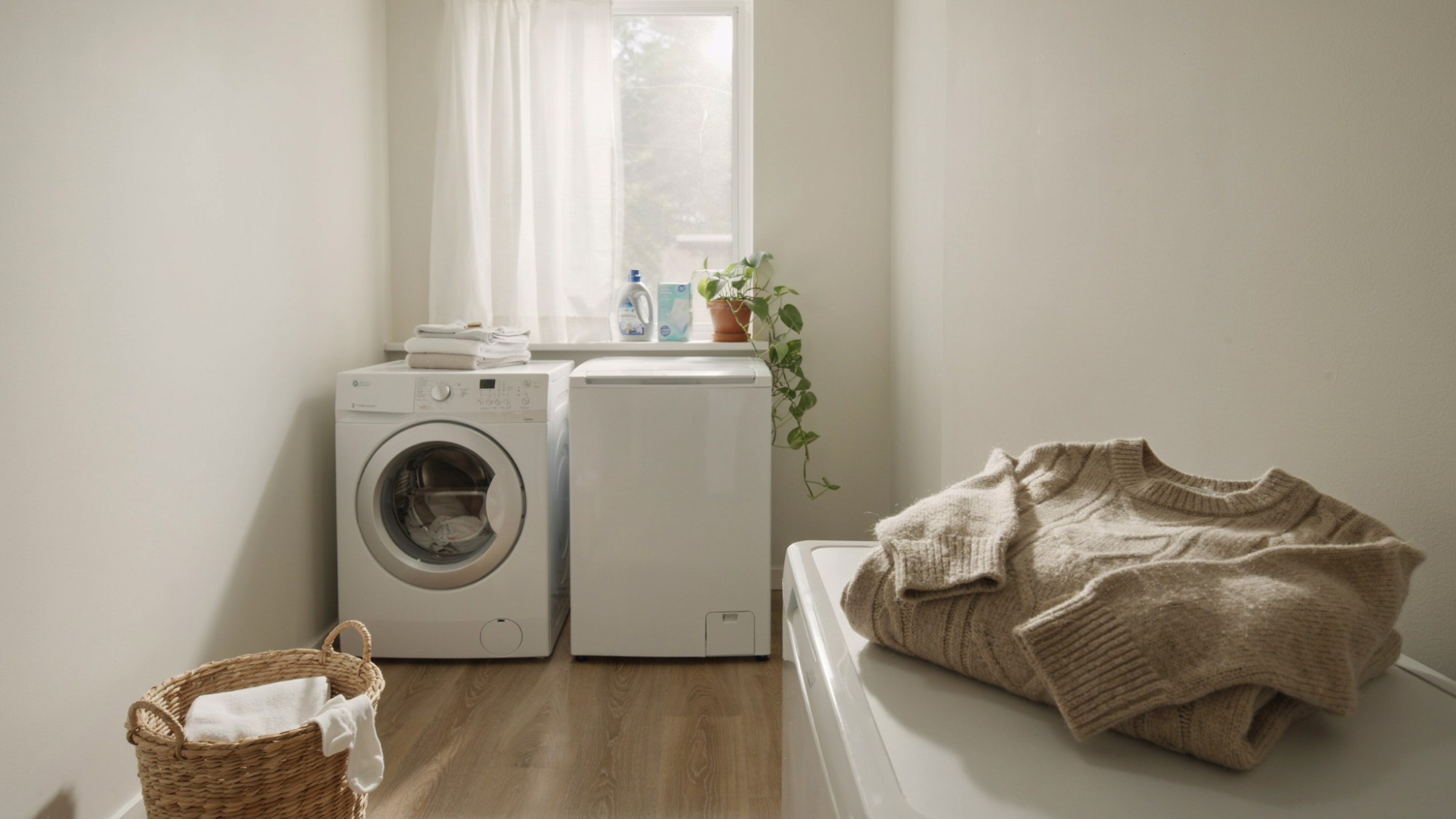
Cotton sweaters usually shrink well when exposed to hot water and high dryer heat. The amount of shrinkage depends on whether the cotton was pre-shrunk during manufacturing.
Check the fit after each wash or drying cycle so you can stop once the sweater reaches the size you want.
Cashmere

Cashmere is a delicate natural fiber that needs extra care. It can shrink with heat, but it can also lose its soft texture if handled roughly. Skip the washing machine and hand-wash instead, using a small amount of gentle detergent or baby shampoo.
If you need to reduce its size, use warm water and moderate heat, and monitor the sweater closely throughout the process.
Acrylic

Acrylic sweaters are made from synthetic fibers that resist shrinking. High heat may cause slight shrinkage, but it can also damage the fabric or change its shape unevenly.
If your sweater is mostly acrylic, don't expect major size changes. A gentle heat setting is usually the safest option.
Polyester Blends

Polyester blends are designed to hold their shape, so they rarely shrink as much as natural fibers. If the sweater contains cotton or wool, you may notice a small reduction in size.
Read the care label to see the fiber percentages before deciding which shrinking method to use.
Merino Wool

Merino wool is softer and finer than regular wool, but it can still shrink when exposed to heat and agitation.
Because the fibers are delicate, shrink the sweater gradually and check the fit after each step. Gentle handling helps maintain its softness while achieving a better fit.
How to Shrink a Sweater
The best method depends on your sweater's fabric. Start with the gentlest option and check the fit often to avoid shrinking it more than you want.
Method 1: Wash in Hot Water
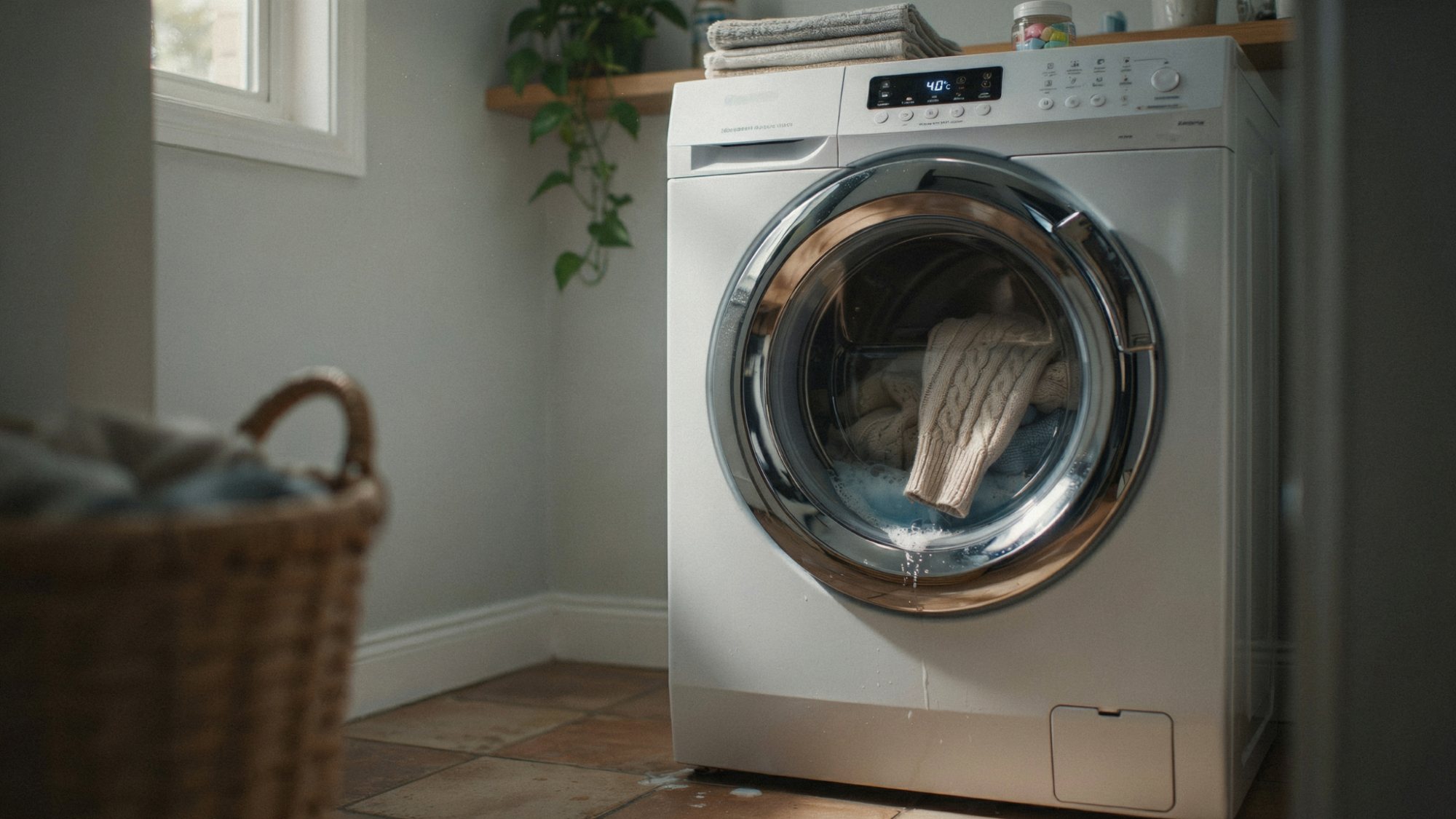
This is one of the easiest ways to shrink a sweater made from cotton or wool. Before you begin, check the care label to make sure the fabric can handle warm or hot water. Turn the sweater inside out to help protect the outer surface.
Place it in the washing machine by itself or with similar colors, then select a warm or hot wash cycle. Putting it in a mesh laundry bag first reduces friction and keeps agitation more controlled.
Once the wash cycle is complete, check the sweater's size. Some sweaters may shrink enough after just one wash, while others may need another cycle. If you still want a smaller fit, move on to drying with heat.
Avoid washing the sweater repeatedly without checking the size, as natural fibers can shrink quickly and become too small.
Method 2: Use the Dryer
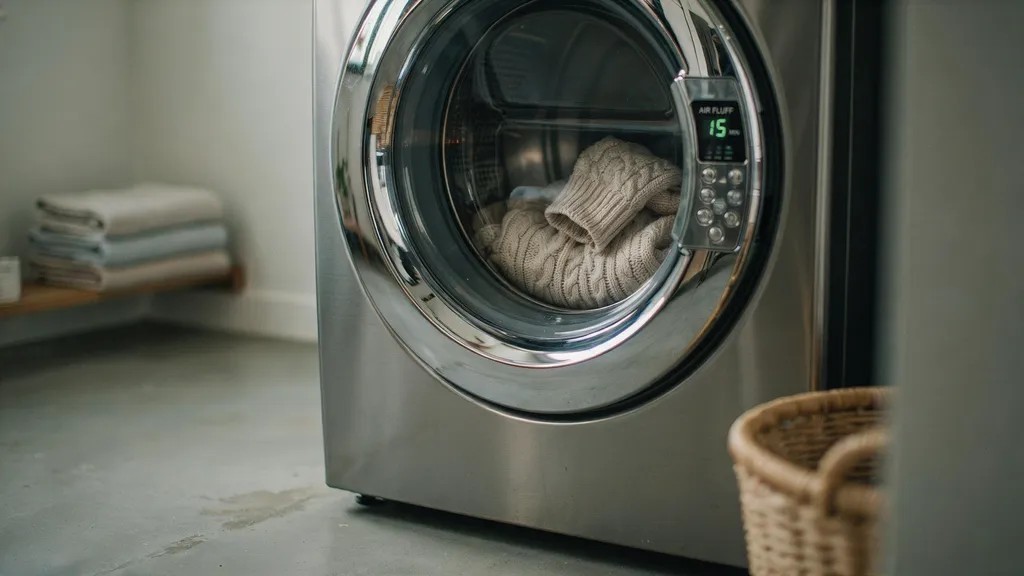
Using a dryer is one of the fastest ways to shrink many natural-fiber sweaters. After washing the sweater, place it in the dryer and choose a medium or high heat setting if the fabric allows it. Instead of running a full cycle, dry the sweater in 5 to 10-minute intervals.
Remove the sweater after each interval and let it cool for a minute before trying it on or measuring it.
This gives you better control over the shrinking process. Once the sweater reaches the desired size, remove it immediately and let it air dry completely. Leaving it in the dryer longer than necessary can cause excessive shrinkage or change its shape.
Method 3: Boil the Sweater
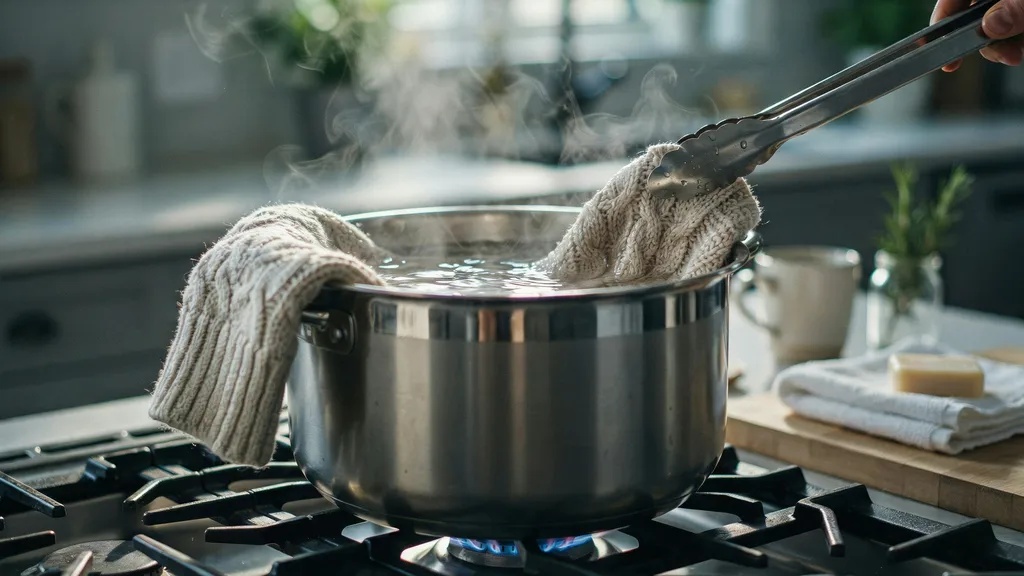
Boiling works best for cotton and some wool sweaters, but it should be used carefully because it creates significant shrinkage. Fill a large pot with enough water to completely cover the sweater and bring it to a gentle boil.
Turn off the heat, carefully place the sweater into the hot water, and let it soak for 10 to 30 minutes, depending on how much you want it to shrink.
Use tongs to remove the sweater, since the water will be very hot. Let it cool until it can be handled safely, then gently press out the extra water with a clean towel. Finish by drying it on medium heat if additional shrinking is needed. Check the fit before repeating the process.
Method 4: Spot Shrink Specific Areas

If only certain parts of your sweater feel loose, you don't have to shrink the entire garment. You can target areas like the sleeves, neckline, cuffs, or hem. Lightly dampen the area you want to shrink using warm water.
Then apply heat with a hair dryer or a warm iron using the steam setting, following the care instructions for the fabric.
Continue heating the area until it is dry, then check the fit. Repeat the process if needed, making small adjustments each time. This method gives you better control and helps keep the rest of the sweater the same size.
Method 5: Steam and Reshape

If your sweater only needs a slight adjustment, steam blocking is often the safest choice. Hang the sweater or place it on an ironing board. Use a garment steamer or an iron with a steam function to apply steam evenly across the fabric.
As the fibers warm up, gently reshape the sweater with your hands by pressing it into the size you want.
Allow the sweater to cool and dry completely before checking the fit. While this method won't create dramatic shrinkage, it works well for cashmere, merino wool, and other delicate knits that need only a small reduction in size without exposing them to excessive heat.
For even more control over the shape, place the sweater on a blocking mat and pin the edges while it dries.
How Much Can a Sweater Shrink?
The amount a sweater shrinks depends mostly on its fabric and how much heat you use.
| Fabric | Typical Shrinkage | What to Expect |
| Cotton | 5%–10% | Cotton usually shrinks well with hot water and dryer heat. Pre-shrunk cotton may only shrink a little. |
| Wool | 10%–20% | Wool shrinks quickly because the fibers tighten with heat and movement. Monitor it closely to avoid felting or over-shrinking. |
| Cashmere | 5%–10% | Cashmere can shrink, but it needs gentle handling since high heat may damage its soft texture. |
| Merino Wool | 5%–15% | Merino wool shrinks more gradually than regular wool but still requires careful monitoring. |
| Acrylic | 0%–3% | Acrylic resists shrinking. High heat may slightly reduce the size but can also damage the fibers. |
| Polyester Blends | 0%–5% | Polyester blends usually keep their shape. Any shrinkage depends on how much natural fiber is in the blend. |
Can You Unshrink a Sweater?
Sometimes a sweater can be stretched slightly, but it may not return to its original size. If a sweater has shrunk too much, soak it in lukewarm water mixed with a small amount of hair conditioner or baby shampoo for about 20 to 30 minutes.
Both products coat the wool fiber scales and help relax them, making the fabric easier to stretch back out. Gently press out the excess water with a towel, then carefully stretch the sweater back toward its original shape while it dries flat.
Keep in mind that this method works best on natural fibers such as wool and cotton, and the results are not guaranteed. If the sweater has been exposed to very high heat or has melted, it may not be possible to restore its original size completely.
If the sweater is expensive or delicate, it may be worth taking it to a dry cleaner or tailor who can assess what is possible.
How to Avoid Shrinking a Sweater Too Much
A slow and careful approach gives you the best chance of getting the right fit.
- Check the size often: Measure or try on the sweater after every wash or drying interval instead of waiting until the end.
- Use short drying cycles: Dry the sweater in 5 to 10-minute sessions so you can stop once it reaches the size you want.
- Start with moderate heat:If you're unsure how the fabric will react, begin with warm water or medium dryer heat before using higher temperatures.
- Measure before and after: Record the chest, sleeve length, and overall length to track how much the sweater has changed.
- Lay flat to dry when in doubt: If you're nervous about going too far, skip the dryer after washing and reshape the sweater on a flat surface to air dry. This gives you much more control.
- Stop once the fit feels right: Even if you think it could shrink a little more, avoid unnecessary heat because many fabrics continue to tighten slightly as they cool.
Conclusion
If you've been wondering how to shrink a sweater, the safest approach is to make small changes and check the fit as you go.
I've found that taking a few extra minutes to measure and inspect the sweater after each step is much better than trying to fix one that became too small.
With the right method for your fabric, you can often get a better fit without much effort.
If this guide helped, leave a comment with your experience, share it with someone who needs it, or try our other fabric care tips.
Frequently Asked Questions
Can every sweater be shrunk?
No. Sweaters made from natural fibers like wool and cotton usually shrink more easily than acrylic or polyester blends, which are designed to keep their shape.
Is it better to shrink a sweater in the washer or dryer?
Using both often gives the best results. Wash the sweater first, then dry it in short intervals while checking the fit regularly.
Can acrylic sweaters shrink?
Acrylic sweaters may shrink slightly under high heat, but the change is usually minimal. Too much heat can also damage the fibers or affect the sweater's shape unevenly.
Will boiling ruin a sweater?
Not always, but boiling should only be used on suitable natural fibers like cotton or some wool sweaters. Delicate fabrics such as cashmere can be damaged by this method.