Ever wanted to make steamed vegetables or dumplings but realized you don't have a steamer? You're not alone. The good news is that you don't need special equipment to get the job done.
Many everyday kitchen items can work just as well. In this guide, you'll learn how to steam without a steamer using simple tools you probably already have at home.
I'll walk you through easy methods, cooking tips, common mistakes to avoid, and steaming times for different foods.
I've researched practical cooking techniques and tested what works in a regular home kitchen so you can follow these steps with confidence.
By the end, you'll know exactly how to steam food without buying extra equipment.
Why Steam Food?
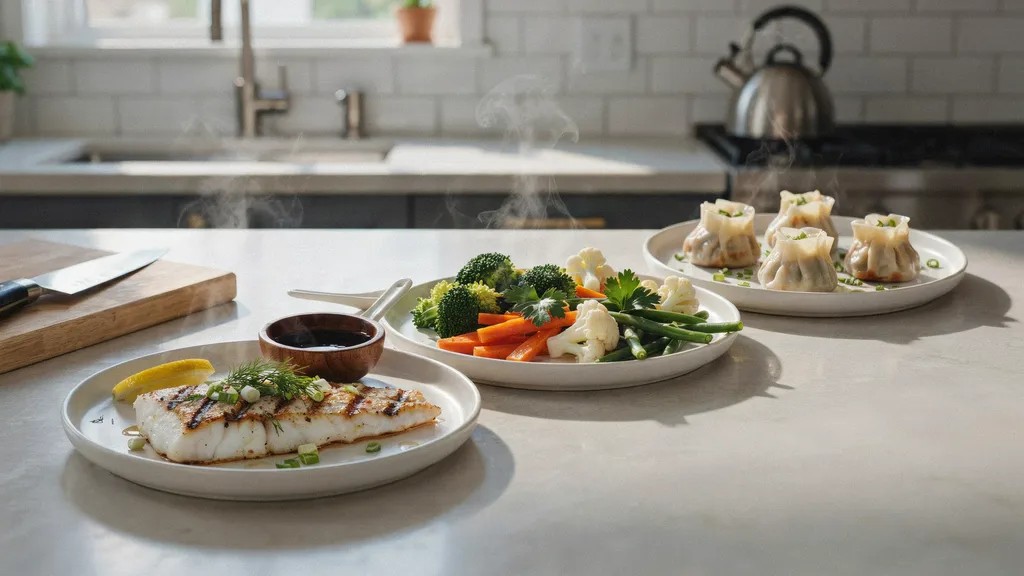
Steaming is a moist heat cooking method that cooks food using hot steam instead of boiling water or oil. Because food never sits in liquid, it keeps its natural flavor, color, and texture. It also stays firm and doesn't become soggy.
One of the biggest benefits is nutrient retention. Vitamins and minerals stay in the food instead of leaching out into cooking water. Steaming also requires no added butter or cooking oil, making it a simple option for everyday meals.
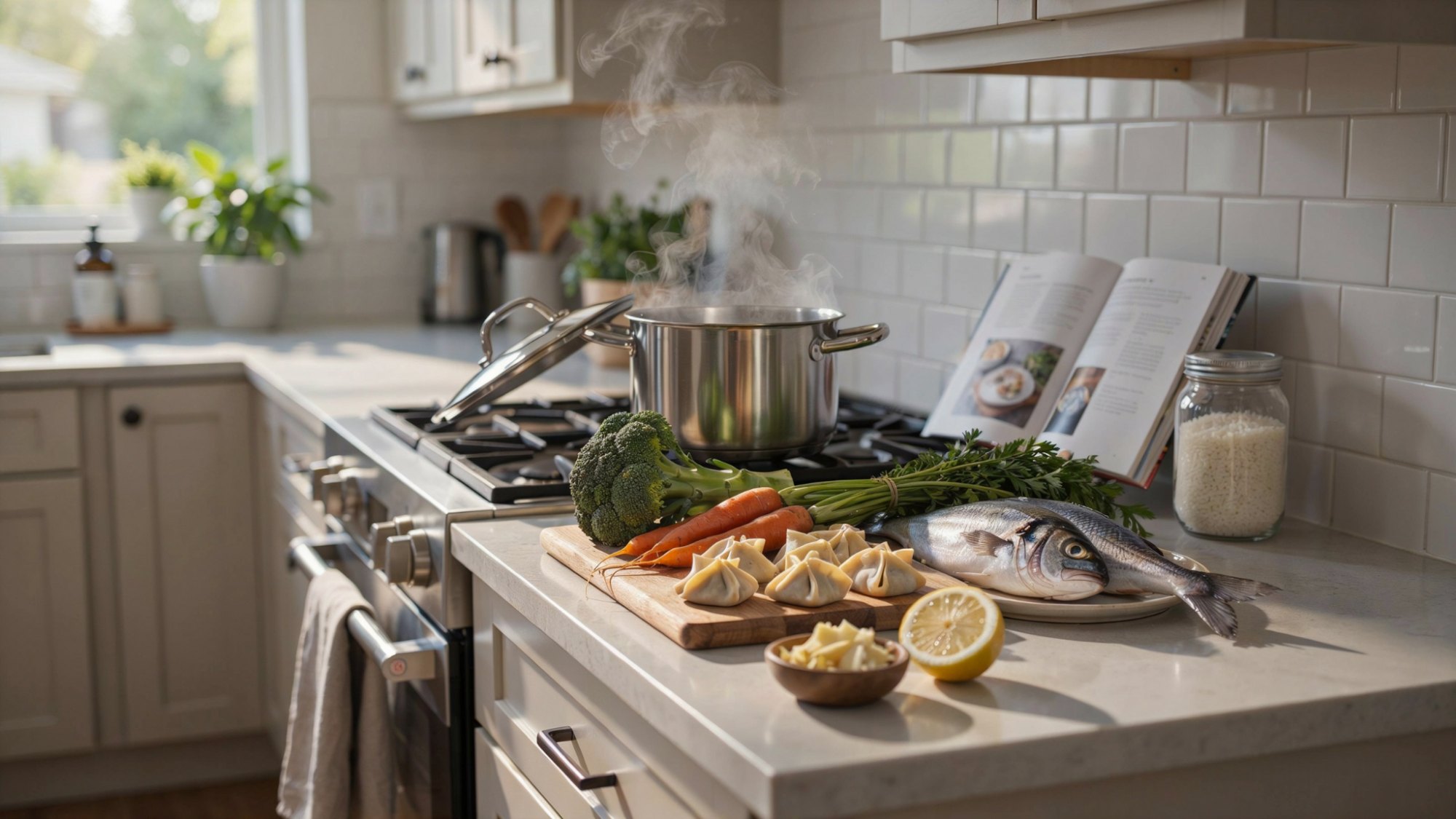
Many foods steam well, including broccoli, carrots, green beans, cauliflower, fish, chicken, dumplings, dim sum, and even potatoes and starchy vegetables like sweet potatoes. Delicate foods are less likely to break apart compared to boiling, and steaming helps vegetables keep their bright appearance.
Another benefit is convenience. You don't need advanced cooking skills, and cleanup is usually quick because you only need a pot and a few basic kitchen items. Whether you're preparing a side dish or a full meal, steaming is a reliable cooking method that works for beginners and experienced home cooks alike.
The best part is that you don't need a dedicated steamer. As you'll see throughout this guide, common kitchen tools can create the same steaming effect, making it easy to cook healthy meals with what you already have.
What You Need to Steam Without a Steamer
Most of the tools you need are probably already in your kitchen.
Pot or Saucepan with a Lid
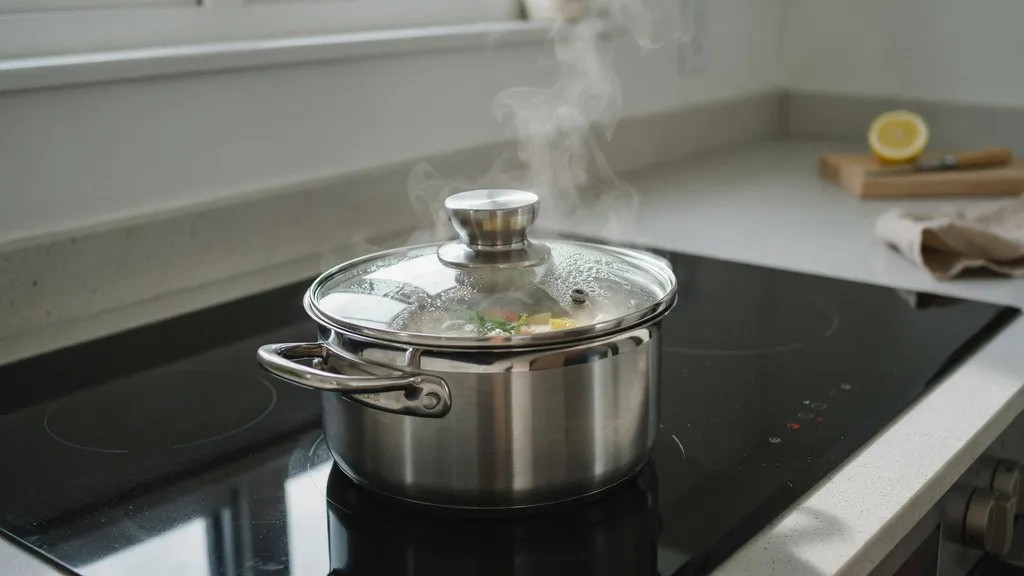
A deep pot or saucepan is the foundation of any steaming setup. It holds the water that creates steam at 212 degrees Fahrenheit and provides enough space to keep food above the water level. Choose a pot with a tight-fitting lid to trap the steam inside.
Glass lids are helpful because you can check the food without lifting the cover and letting heat escape. Make sure the pot is large enough for the food you plan to cook.
Heatproof Plate or Bowl
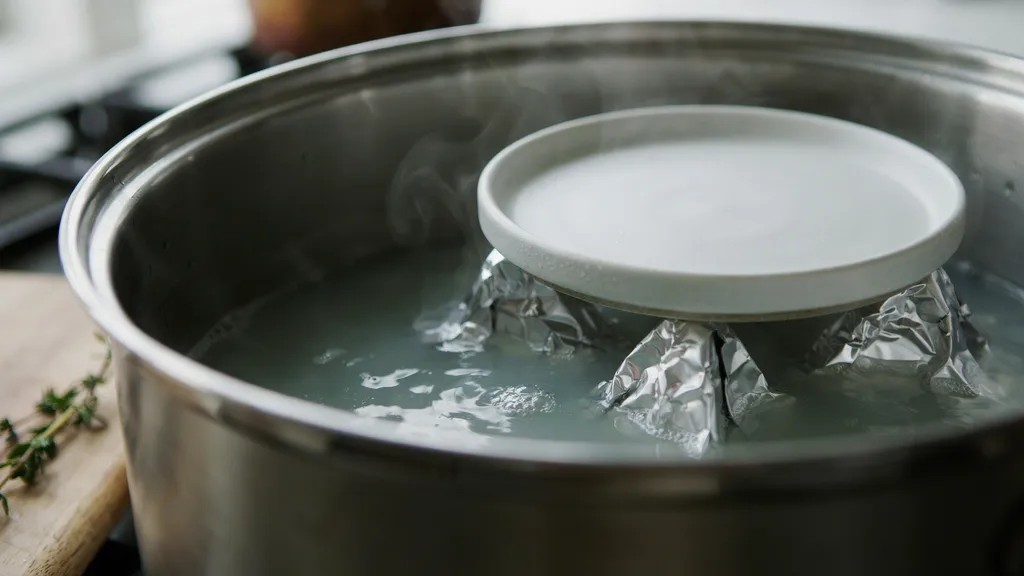
A heatproof ceramic, glass, or stainless steel plate can replace a steamer basket. Place it above the water using a stable support, such as aluminum foil balls or a metal rack. Arrange the food in a single layer so the steam can move around it evenly.
Avoid using regular plastic dishes, as they may melt or release unwanted chemicals when exposed to high heat.
Metal Colander or Strainer

A metal colander or mesh strainer is one of the easiest alternatives to a steamer basket. Set it over or inside a pot, making sure it does not touch the boiling water. Cover everything with a lid to keep the steam trapped.
This method works especially well for vegetables, dumplings, and seafood. Always use a metal colander since plastic versions are not designed for high cooking temperatures.
Wire Cooling Rack
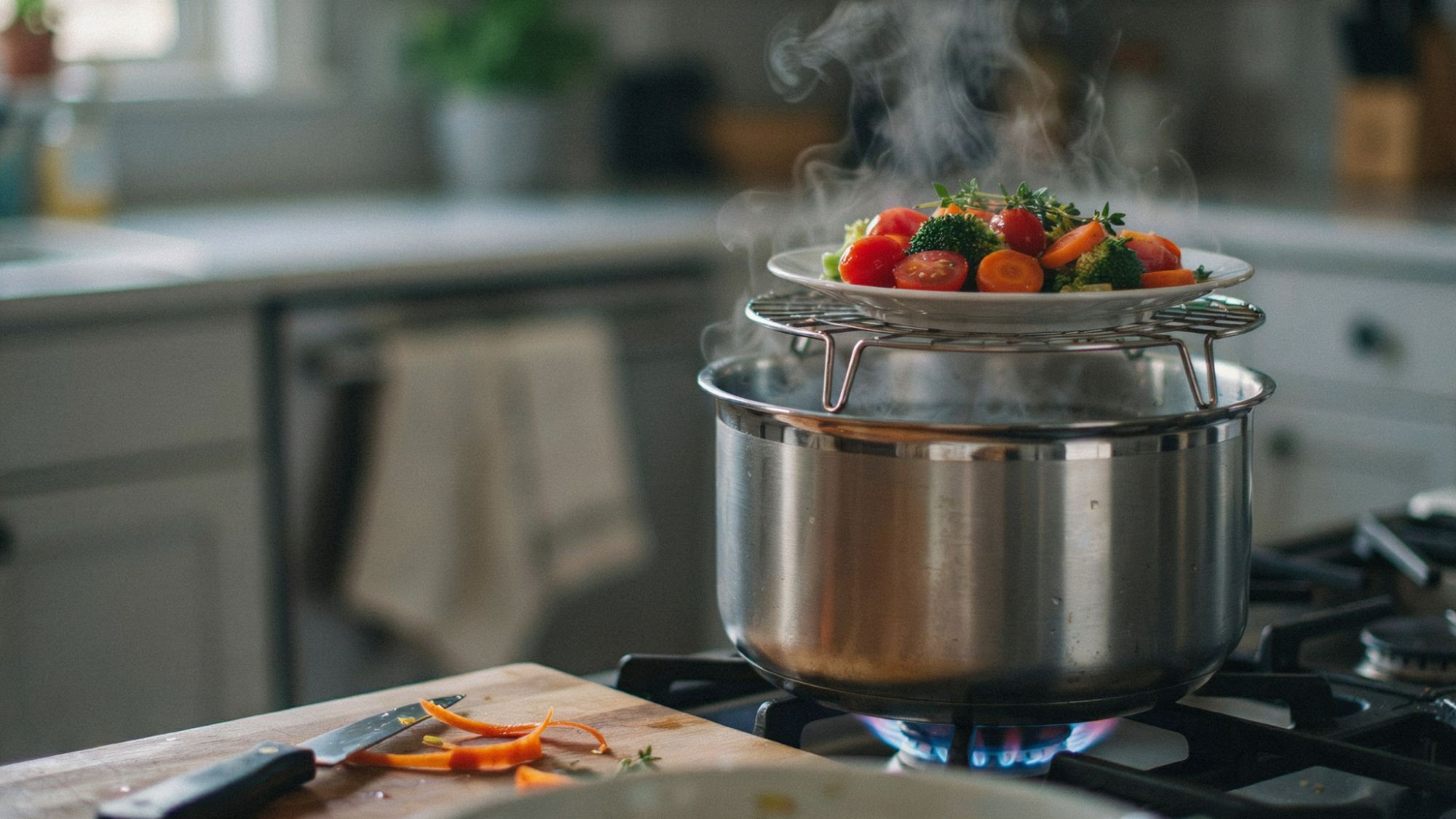
A wire cooling rack can create a simple steaming platform inside a large pot. Place the rack above a small amount of water, then set a heatproof plate or bowl on top to hold the food. This allows hot steam to circulate underneath while keeping the food out of the water.
Use a sturdy metal rack that fits securely inside the pot to prevent tipping during cooking.
Aluminum Foil
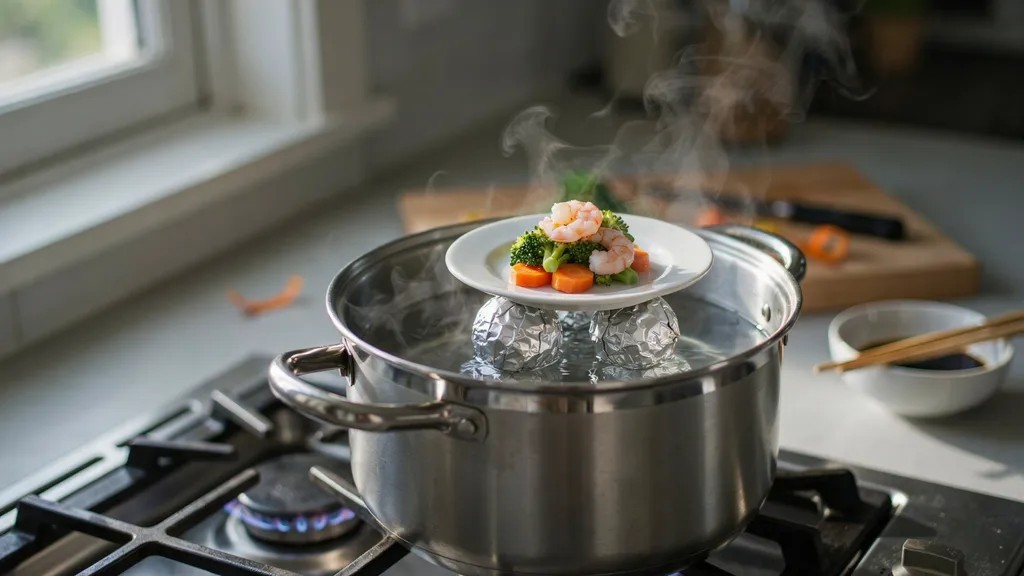
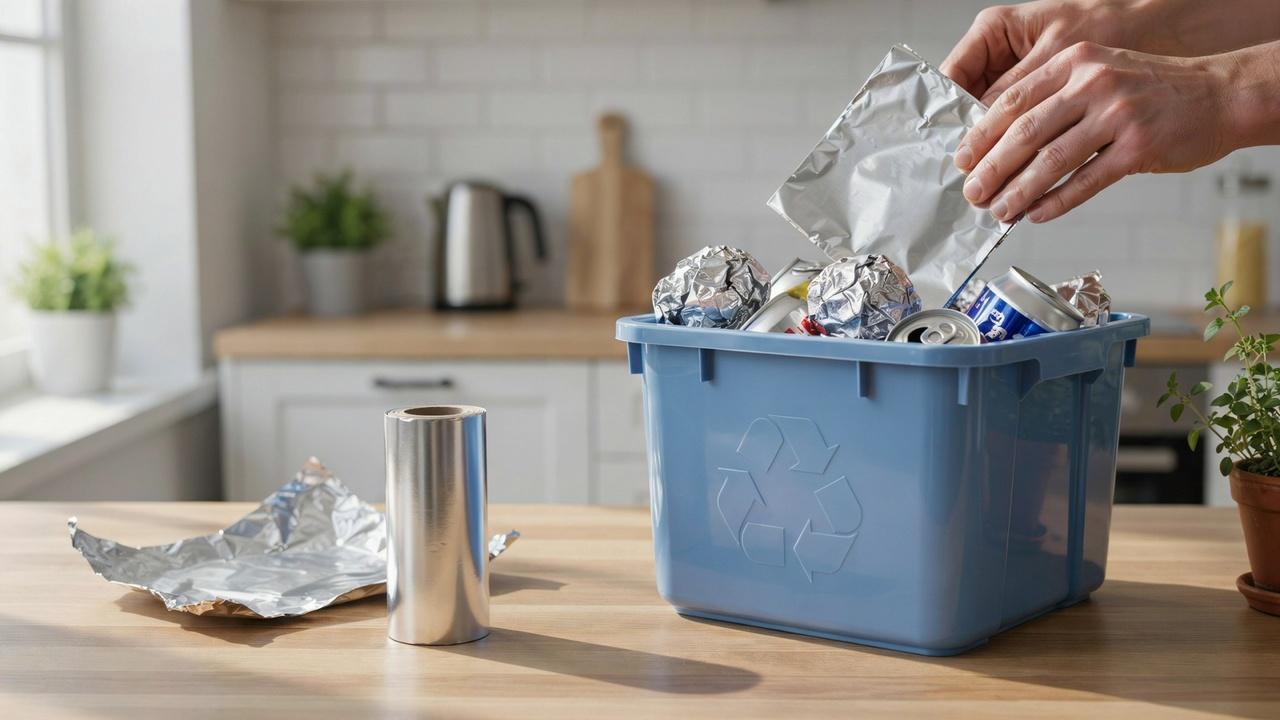
Aluminum foil is a handy tool for making a quick steaming stand. Roll several pieces into tight balls and place them on the bottom of the pot. Set a heatproof plate on top of the foil balls, then add water below the plate.
This simple setup lifts the food above the water so steam can cook it evenly. Make sure the foil balls are stable before placing food on the plate.
Aluminum Pie Pan

An aluminum pie pan from the grocery store is another low-cost option. Poke 12 to 16 holes in the bottom, then place the pan upside down in a pot with about an inch of water.
The rim of the pan keeps food above the water while the holes let steam pass through. This works especially well for dumplings and dim sum.
Microwave-Safe Dish

You can also steam food in the microwave with a microwave-safe dish and a loose-fitting lid or microwave-safe cover.
Add a small amount of water to the dish, place the food inside, and cover it to trap the steam. This method is best for vegetables and other quick-cooking foods.
Check the food every few minutes to avoid overcooking and to keep the texture tender.
Parchment Paper or Cabbage Leaves (Optional)
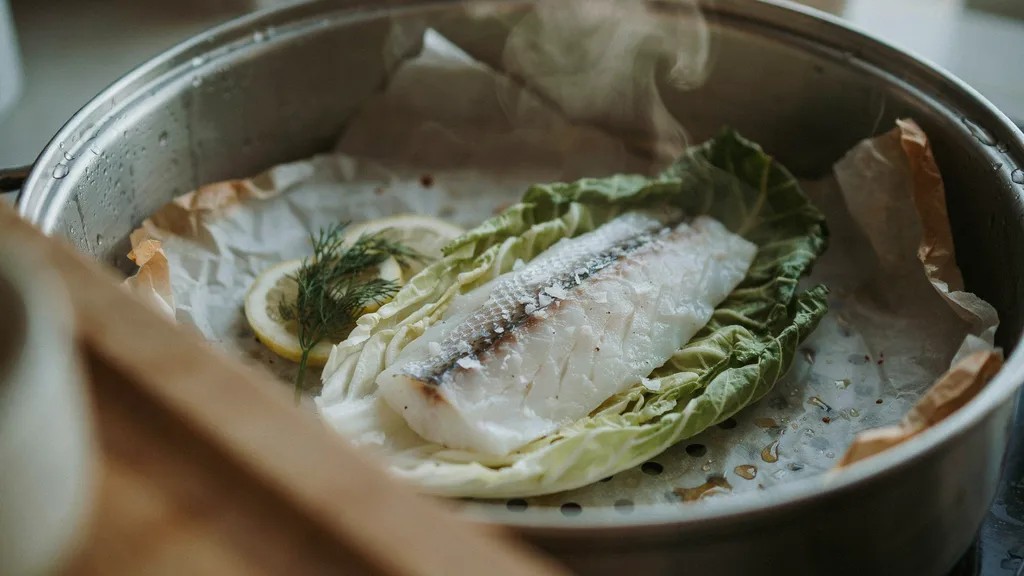
Parchment paper or cabbage leaves can be used as a protective layer between the food and the cooking surface. They help prevent delicate foods from sticking while allowing steam to circulate freely.
Parchment paper is the key tool in the French cooking technique called en papillote, where food is sealed in a pouch and cooked in its own steam. Cabbage leaves are especially useful when steaming dumplings, fish, or sticky foods.
Although optional, they make cleanup easier and can help keep soft foods intact while they cook.
How to Steam Without a Steamer Basket
You can steam food successfully with common kitchen tools and a little creativity.
Use a Metal Colander or Strainer

A metal colander or fine-mesh strainer is one of the simplest substitutes for a steamer basket.
Fill a pot with about an inch of water and bring it to a gentle boil. Place the colander inside or over the pot, making sure it stays above the water.
Add the food, cover with a tight-fitting lid, and let the steam do the work. This method is perfect for vegetables, dumplings, seafood, and small potatoes.
Place a Heatproof Plate on Aluminum Foil Balls

Roll three or four large pieces of aluminum foil into firm balls of equal size. Arrange them on the bottom of a pot and place a heatproof plate on top to create a stable platform. Add enough water so it stays below the plate without touching it.
Cover the pot tightly and steam the food until done. This setup works well for vegetables, fish fillets, chicken breasts, and dumplings.
Use a Wire Cooling Rack

Place a sturdy wire cooling rack inside a large pot so it sits above the water level. If needed, set a heatproof plate on the rack to hold the food. Add about an inch of water to the pot, then cover it with a lid to trap the steam.
Keep the lid closed while cooking for the best results. This method is ideal for vegetables, seafood, buns, and dumplings.
Use an Aluminum Pie Pan

Grab a disposable aluminum pie pan and poke about a dozen holes through the bottom. Place it upside down in a pot with a little water. Rest your food on the flat bottom of the inverted pan, cover the pot, and bring the water to a boil.
This is a good method for dim sum and dumplings because the setup closely mimics the perforated baskets used in restaurants.
Steam with a Microwave

A microwave offers a quick way to steam many foods. Place the food in a microwave-safe bowl with a few tablespoons of water.
Cover the bowl with a microwave-safe lid or plate, leaving a small gap for steam to escape. Microwave on high, checking every one to two minutes until the food is tender.
This method works especially well for broccoli, carrots, green beans, spinach, and other vegetables.
Use a Sieve Over a Pot

If you have a metal sieve that fits securely over a pot, it can work as a simple steamer. Fill the pot with a small amount of water and bring it to a simmer. Place the sieve over the pot without letting it touch the water, then cover it with a lid or aluminum foil.
Handle the hot sieve carefully with oven mitts. This method is best for small batches of vegetables and dumplings.
Steam Using a Rice Cooker
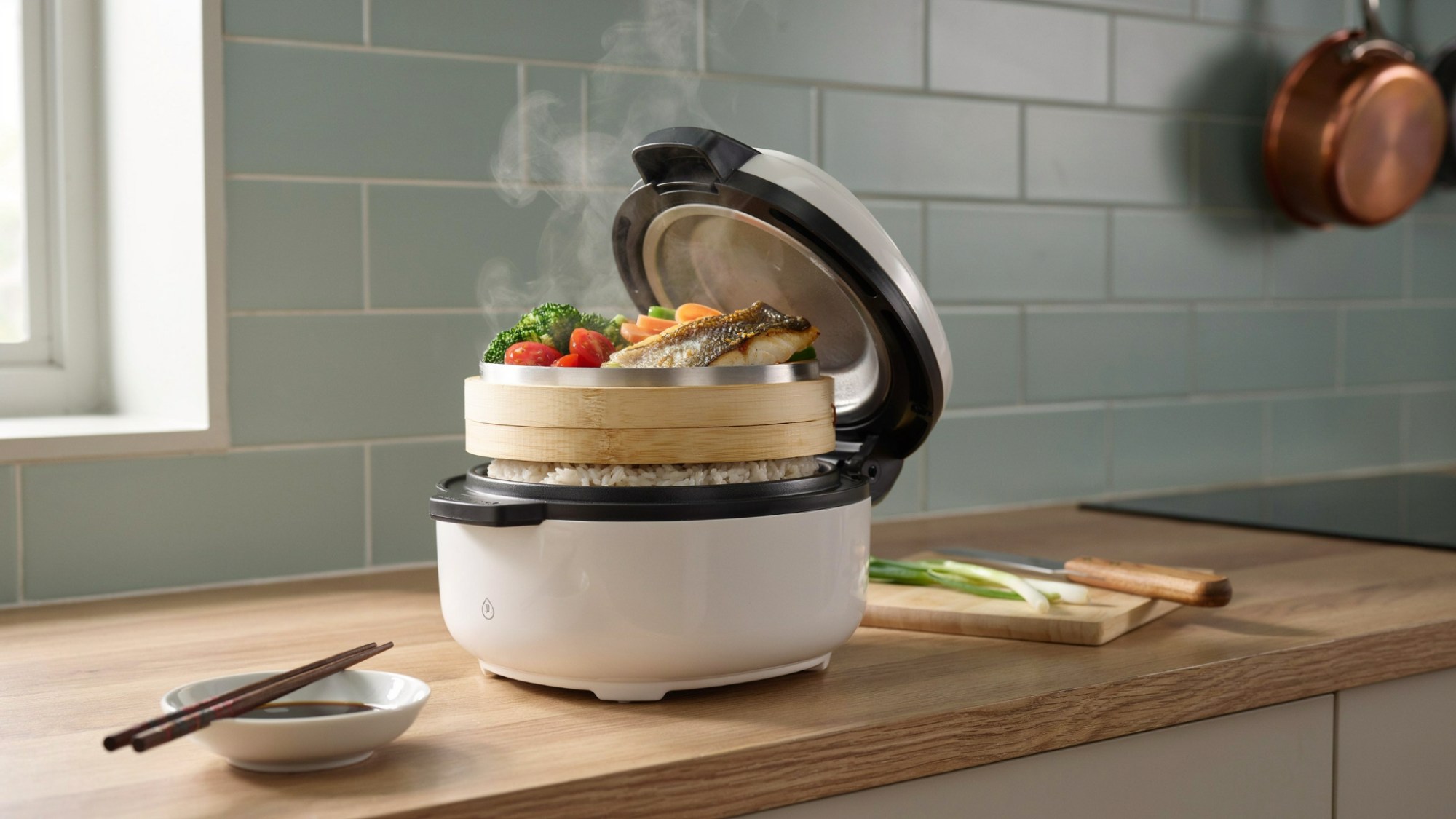
Many rice cookers can steam food with a few adjustments. Add the recommended amount of water to the cooker and place the food in the steaming tray, if included.
If your cooker doesn't have one, use a heatproof dish that fits inside without touching the water.
Close the lid and start the cooking cycle. You can steam vegetables, fish, dumplings, eggs, and chicken while the rice cooks below.
Steam Food in a Dutch Oven
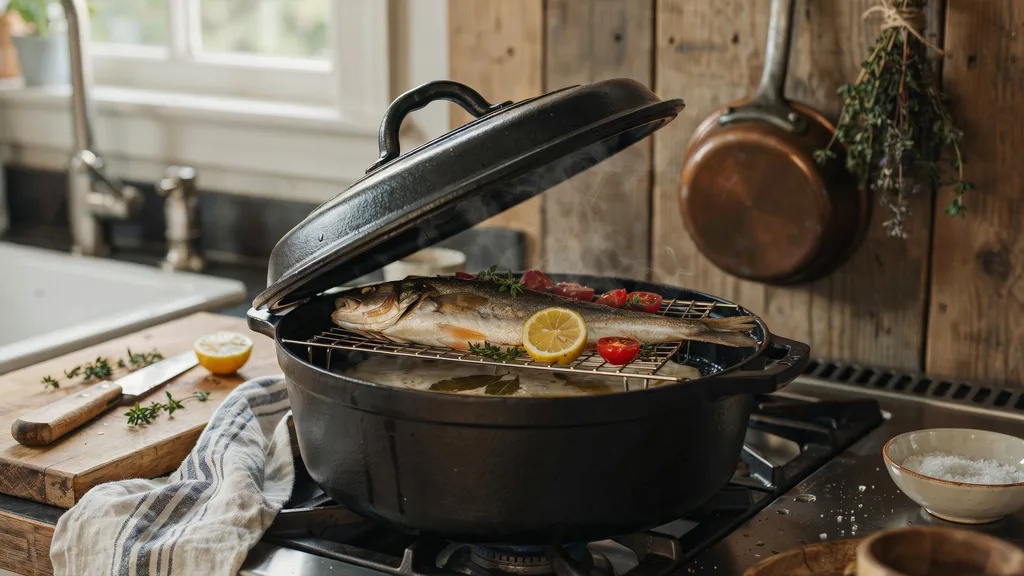
A Dutch oven is deep enough to create an effective steaming setup. Place a wire rack, foil balls, or a heatproof plate inside the pot to keep the food above the water. Add about an inch of water, cover with the heavy lid, and bring it to a gentle simmer.
The thick walls help maintain even heat throughout cooking. This method is great for vegetables, fish, tamales, buns, and large batches of food.
How Much Water Should You Use?
The right amount of water is important when steaming food without a steamer. In most cases, about 1 to 2 inches of water is enough, depending on the size of your pot and the steaming method you're using.
The water should stay below the plate, colander, rack, or other support so the food cooks with steam instead of boiling in water. If the food touches the water, it may become soggy, lose its texture, and cook unevenly.
As the water heats to 212 degrees Fahrenheit, it creates steam that circulates around the food and cooks it gently. For longer cooking times, such as steaming potatoes or larger pieces of chicken, check the water level occasionally.
If most of the water has evaporated, carefully add more hot water to prevent the pot from boiling dry and to keep the steam flowing consistently.
How Long Does It Take to Steam Different Foods?
Steaming times vary depending on the type, size, and thickness of the food.
| Food | Steaming Time | Tips |
| Broccoli florets | 5–7 minutes | Cook until bright green and tender-crisp. |
| Carrot slices | 8–10 minutes | Slice evenly for consistent cooking. |
| Green beans | 5–7 minutes | Steam until tender but still slightly crisp. |
| Asparagus | 3–5 minutes | Thick stalks may need an extra minute. |
| Cauliflower florets | 7–10 minutes | Avoid overcooking to keep the texture firm. |
| Fresh dumplings | 10–12 minutes | Steam until the filling is fully cooked. |
| Fish fillets | 8–10 minutes | Fish should flake easily with a fork. |
| Boneless chicken | 15–20 minutes | Check that the internal temperature reaches 165°F (74°C). |
| Rice and other grains | 10–15 minutes | Steam after boiling to finish cooking and improve texture. |
Tips for Better Steaming Results
These simple tips will help you steam food evenly and get the best texture every time.
- Keep the lid closed:Trap the steam inside to maintain steady heat and reduce cooking time.
- Cut food into even sizes: Similar-sized pieces cook more evenly from start to finish.
- Avoid overcrowding:Leave space between foods so steam can circulate freely.
- Season after steaming: Add salt, herbs, butter, or sauces after cooking for the best flavor.
- Check doneness with a fork: Test vegetables for tenderness and make sure meat is fully cooked.
- Refill water carefully if needed: Add hot water during longer cooking times to prevent the pot from boiling dry.
Conclusion
If you've been wondering how to steam without a steamer, I hope this guide showed you that it's easier than it seems.
I often use a simple plate-and-foil setup when I don't want to pull out extra cookware, and it works surprisingly well for everyday meals.
Give one of these methods a try the next time you're cooking and see which one fits your kitchen best.
If you have a favorite steaming tip or a question, leave a comment below. You can also share this guide or try our other cooking articles.
Frequently Asked Questions
Can I steam vegetables in the microwave?
Yes. Place the vegetables in a microwave-safe bowl with a small amount of water, cover loosely, and cook until they are tender.
How do I know if there is enough water in the pot?
The water should stay below the food and not touch it. If you're steaming for a long time, check the pot and add more hot water if needed.
Can I steam frozen food without thawing it first?
Yes. Many frozen foods, such as vegetables and dumplings, can be steamed directly. They usually need a few extra minutes of cooking time compared to fresh food.