Most people toss trash in a bin and toss recyclables in another without thinking twice.
But storing waste the wrong way can cause bad smells, attract pests, and ruin recyclable materials before they ever reach a facility.
How should trash and recyclables be stored at home? That is exactly what this article covers.
You will learn the right way to store both trash and recyclables, what goes in each bin, common mistakes to avoid, and tips to keep your home clean and odor-free.
I have spent time researching waste management practices and speaking with people who deal with household waste daily.
The advice here is practical, simple, and easy to follow for any household.
How Should Trash and Recyclables Be Stored at Home? (Quick Answer)
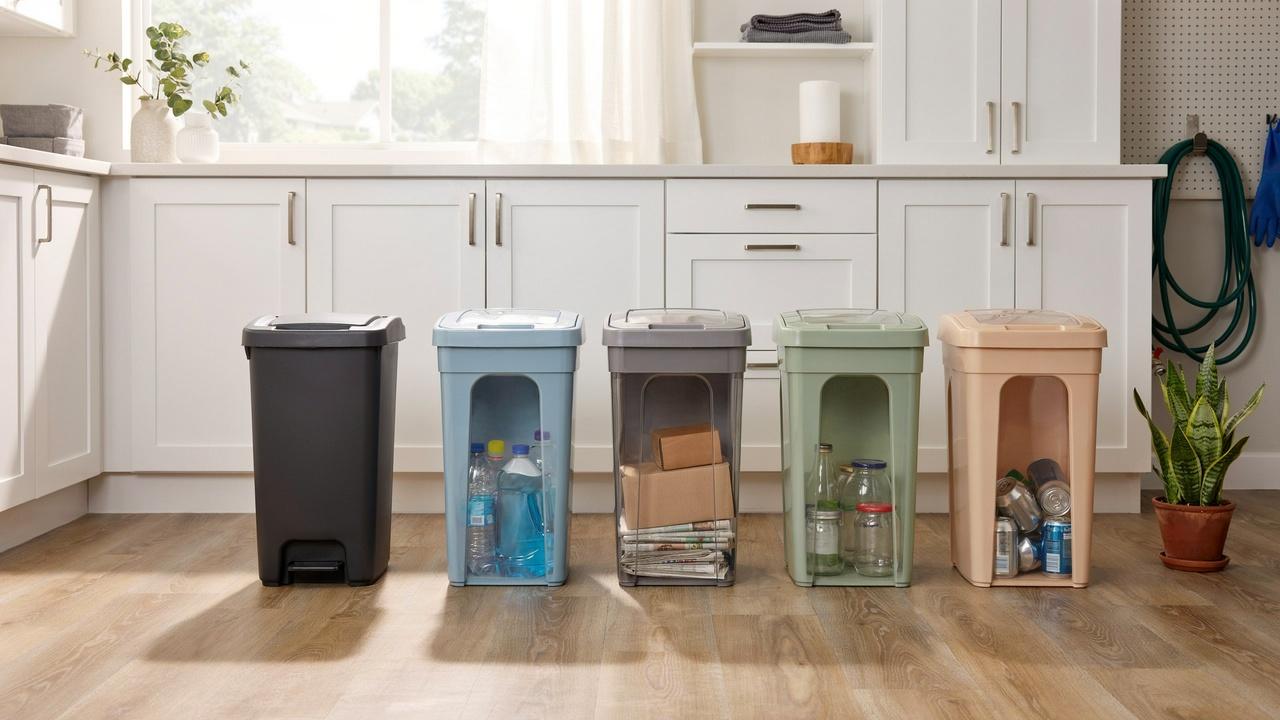
Storing waste properly does not have to be complicated, but a few basic rules make a big difference.
Trash should always go into a lidded bin lined with a trash bag, kept in a cool, dry spot away from direct sunlight, and emptied before it overflows.
For wet waste like food scraps, a smaller bin with a tight lid helps reduce smell.
Recyclables should be rinsed, dried, and sorted before storage using separate bins for plastic, glass, metal, and paper.
Always keep lids on all bins, rinse food containers before recycling, never mix trash with recyclables, clean bins regularly with soap and water, and wrap sharp items like broken glass before disposal.
Why Proper Trash and Recycling Storage Is Important
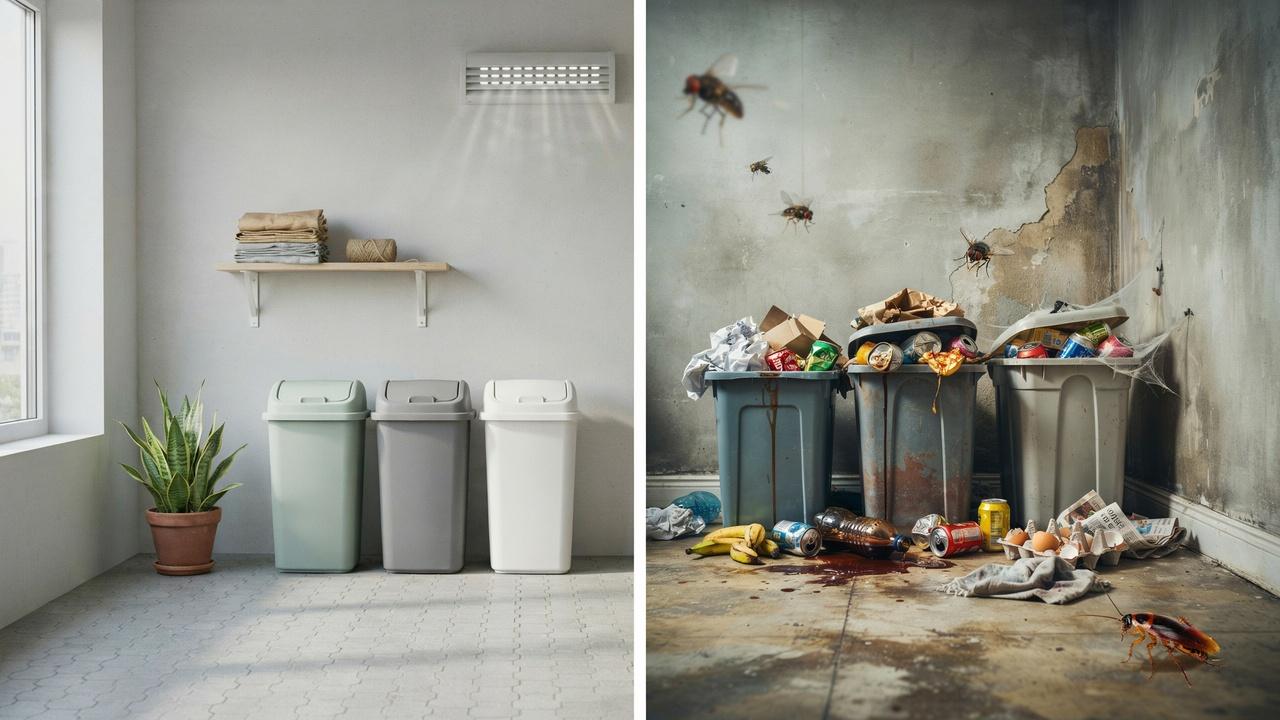
The way you store waste at home affects more than just your kitchen. It has real consequences for your health, your home, and the environment.
Prevents Rodents, Flies, and Other Pests
Open or overflowing bins are an open invitation for pests. Rats, flies, cockroaches, and raccoons are all attracted to exposed food waste.
A tightly sealed trash bin cuts off their access and keeps your home pest-free.
Reduces Bad Odors in Your Home
Food waste breaks down quickly and produces gases that smell terrible. Keeping your trash in a sealed bin, taking it out regularly, and cleaning the bin often all help control odor.
Adding a baking soda liner or a scented bin insert can also help. If smells are a persistent issue, try collecting food scraps in a small bag kept in the freezer until collection day.
Keeps Recyclables Clean for Processing
Dirty recyclables are often rejected at sorting facilities.
Studies suggest around 25 percent of items sent to recycling centers are not actually recyclable, and contaminated loads often end up in the landfill rather than being processed.
If a plastic bottle has leftover food in it, the entire batch of recycling it touches can be ruined. Clean recyclables are processed more efficiently and are far less likely to go to waste.
Protects Waste Collection and Recycling Workers
Loose sharp items, uncovered wet waste, and improperly stored chemicals can injure sanitation workers.
Proper storage protects the people who collect and sort your waste every week.
Helps Your Household Recycle More Effectively
When everyone in the household knows where each item goes and bins are clearly labeled, recycling becomes a habit.
A good system reduces confusion and increases the amount your home actually recycles.
How to Store Household Trash the Right Way
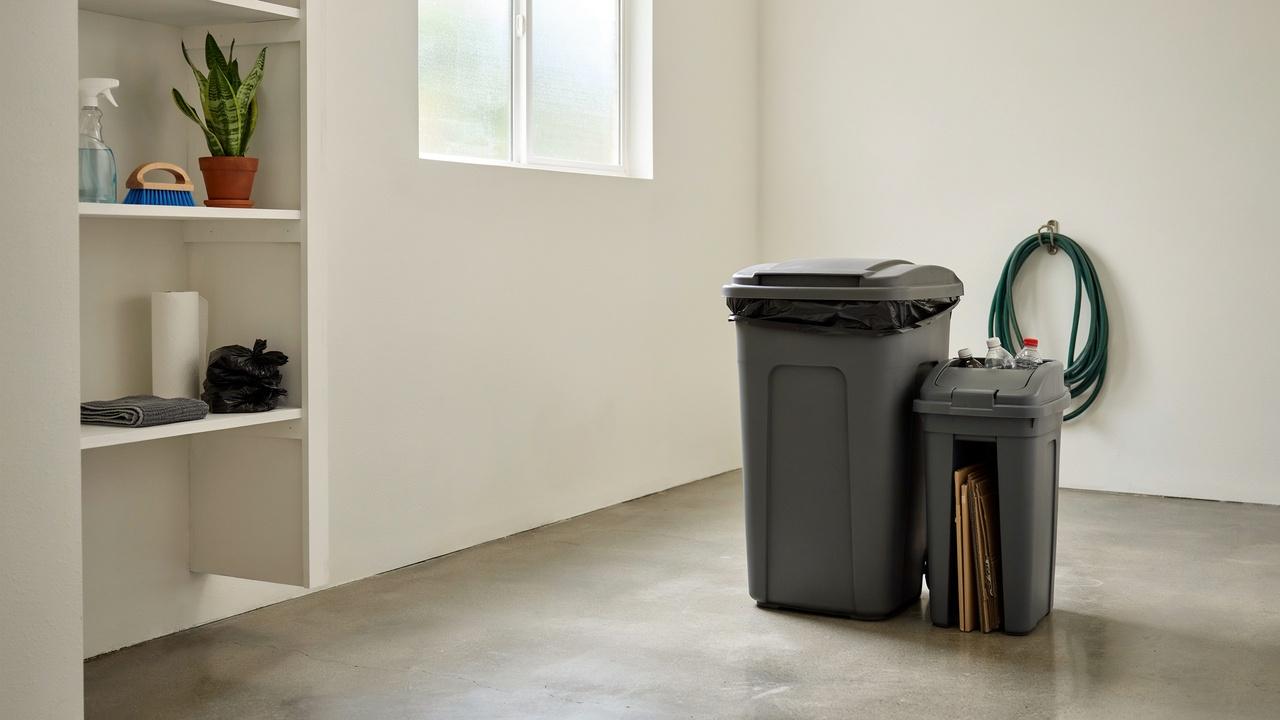
Good trash storage habits keep your home clean and make waste collection easier for everyone.
Choose a Trash Can With a Tight-Fitting Lid
A lid is not optional. It keeps smells in, pests out, and prevents spills. Look for a bin with a foot pedal or hands-free sensor so you do not need to touch it to open it.
This keeps the bin cleaner and more hygienic. For outdoor bins, use a heavy-duty container with a locking lid.
Use the Right Trash Bag for Each Bin
Use a trash bag that fits your bin properly. A bag that is too small will slip and tear. A bag that is too large creates extra folds where bacteria can grow.
Choose thick bags for wet or heavy waste and standard bags for dry waste.
Separate Wet and Dry Household Waste
Wet waste like fruit peels, leftover food, and coffee grounds breaks down fast and creates more odor.
A two-bin system works well here: one bin for dry waste like wrappers and tissues, and one small sealed bin for wet food scraps.
Empty the wet bin daily. If food odors are a recurring problem, store a small bag of food scraps in the freezer until garbage day so there is nothing to smell.
Wrap Sharp or Broken Items Before Disposal
Broken glass, razor blades, and sharp metal pieces should always be wrapped in newspaper or placed in a small cardboard box before going into the trash.
This protects both your household and sanitation workers from cuts.
Empty Trash Before It Overflows
Overflowing bins are messy, smelly, and attract pests. Set a schedule based on how quickly your household fills its bins.
For most families, emptying the kitchen trash every two to three days is a good starting point.
Clean and Disinfect Trash Bins Regularly
Even with bags, bins get dirty over time. Wash your trash can inside and out at least once a month with warm soapy water.
Spray it with a disinfectant and let it dry before putting a new bag in. This removes bacteria and controls odor.
Indoor vs Outdoor Trash Storage
Where you store trash matters just as much as how you store it. Indoor and outdoor bins face different challenges, and treating them the same way leads to problems.
Indoor bins are closer to living spaces, so odor control and hygiene are the top priority. Keep them in a cool, dry area away from heat vents or direct sunlight to slow bacterial growth.
Outdoor bins must handle weather, pests, and longer storage periods between collections.
Use heavy-duty containers with locking lids, place them on a hard surface away from doors and windows, and never leave bags sitting directly on the ground.
The EPA recommends keeping outdoor waste containers secured and away from areas where children and pets play.
If your outdoor bin sits in full sun, move it to a shaded spot since heat speeds up decomposition and worsens odors significantly.
How to Store Compostable Waste
Compostable waste is one of the most overlooked categories in household waste management, yet one of the most valuable.
Food scraps, vegetable peels, coffee grounds, eggshells, and yard trimmings can all be composted instead of sent to a landfill.
Store compostable materials in a small countertop bin with a tight-fitting lid and a carbon filter to absorb odors, and empty it every one to two days into an outdoor compost pile or bin.
The EPA notes that nearly 30 percent of household waste is organic and compostable, making this a meaningful step toward reducing landfill load.
Many municipalities also offer green waste pickup or curbside compost programs, so check your local municipal guidelines to confirm what organic materials are accepted in your area before adding items like meat, dairy, or cooked food scraps.
How to Store Recyclables Properly
Clean, sorted recyclables are far more likely to actually get recycled. A little effort at home goes a long way.
Rinse Bottles, Cans, and Food Containers
Before placing any container in the recycling bin, give it a quick rinse. You do not need to scrub it spotless, but removing leftover food or liquid is important.
Even a small amount of food residue can contaminate other recyclables in the bin.
Keep Paper and Cardboard Clean and Dry
Wet or greasy paper cannot be recycled. Store newspapers, cardboard, and paper products in a dry area away from sinks or wet surfaces.
A pizza box with grease on the bottom should go in the trash, not recycling.
Flatten Cardboard Boxes to Save Space
Cardboard takes up a lot of room. Flatten all boxes before placing them in your recycling bin or bundling them for pickup.
Most recycling centers actually require boxes to be flat before accepting them, so this step also helps with curbside collection.
Separate Plastic, Glass, Metal, and Paper
Not all recycling programs accept mixed materials together.
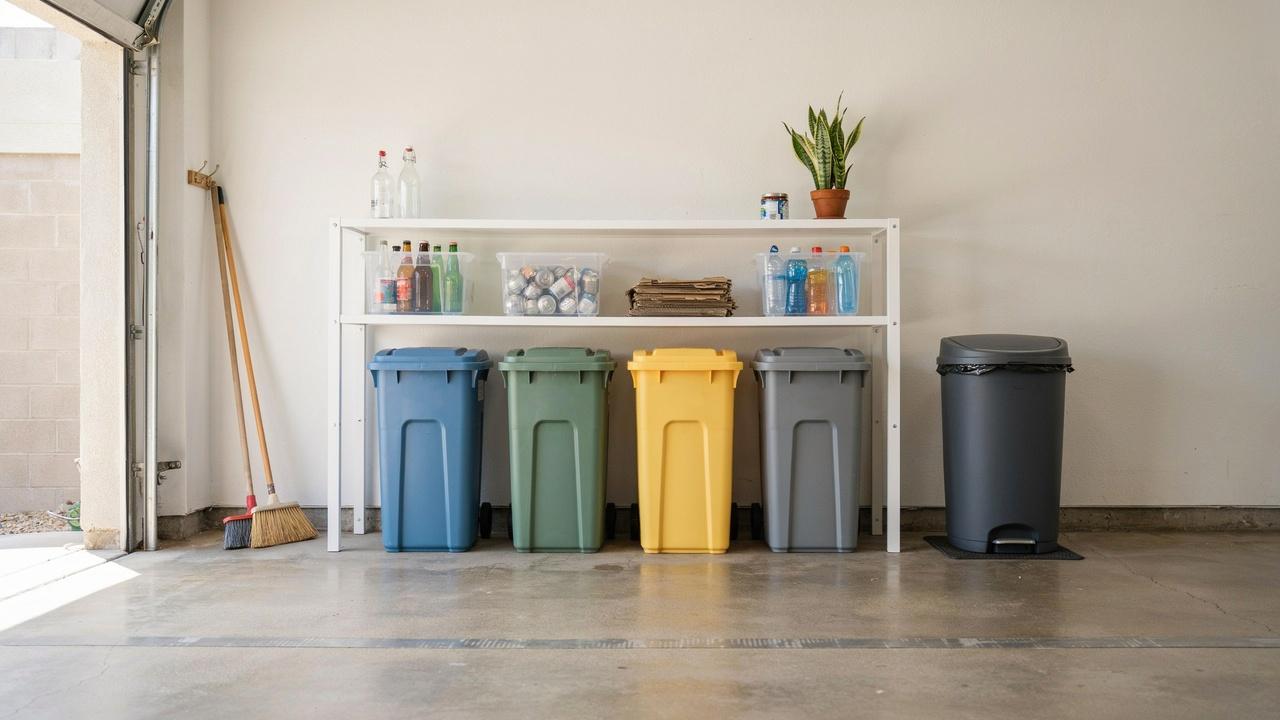
Using separate bins or compartments for each material type makes sorting easier and ensures the right materials go to the right place.
For plastic items, check the resin identification code, which is the small number printed on the bottom of the container.
Numbers 1 and 2 are accepted by most curbside programs, while others vary by location.
Use Labeled or Color-Coded Recycling Bins
Labels and colors reduce confusion. Blue bins are often used for paper, yellow for plastics and metals, and green for glass.
Check what your local program recommends and label your bins clearly so everyone in the home can follow the system.
Store Recyclables in a Clean, Dry Area
Humidity and moisture can ruin recyclable materials, especially paper. Keep your recycling bins in a dry area like a utility room, garage, or pantry.
Avoid storing them near sinks, outside without cover, or in damp basements.
Check Your Local Recycling Guidelines
Recycling rules vary by city and region. What is recyclable in one area may not be accepted in another.
Check your local waste management website or call your provider to get a current list of accepted materials.
Your curbside recycling program is the most reliable source for up-to-date information.
Trash vs. Recyclables: What Goes in Each Bin?
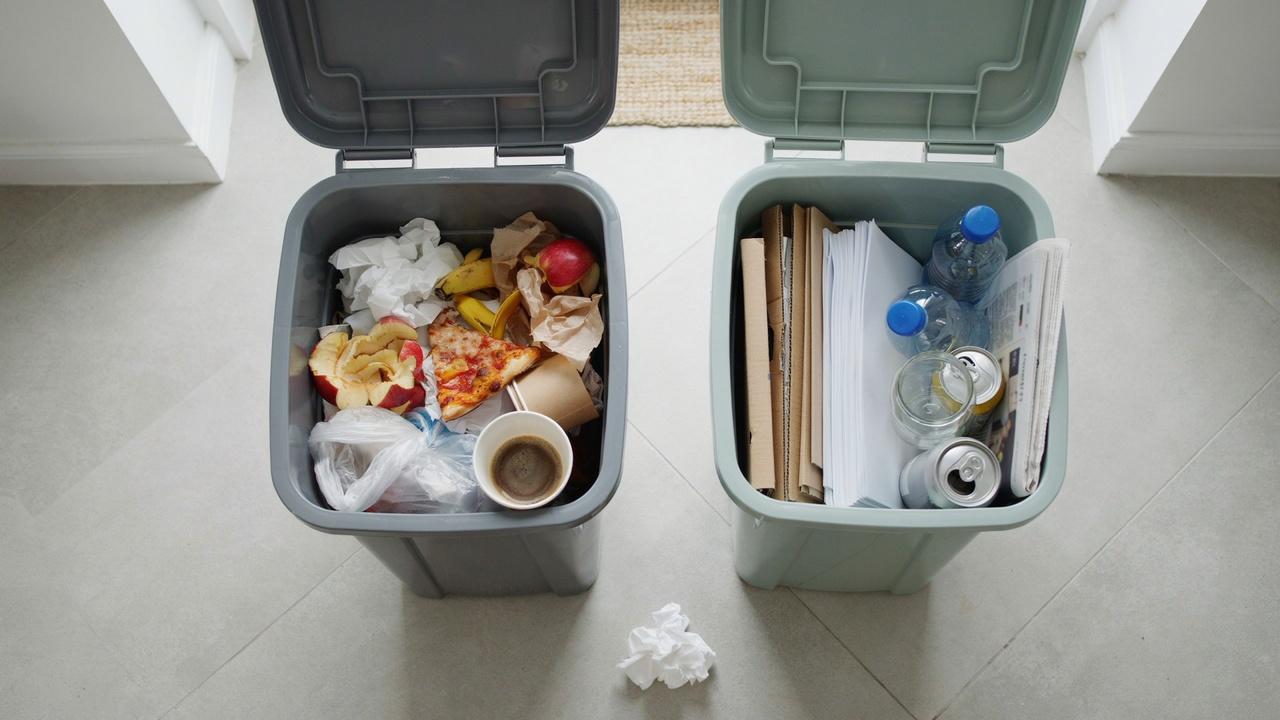
Knowing what belongs where saves time and prevents contamination at recycling facilities.
Common Household Items That Belong in the Trash
Some items look recyclable but are not.
These go in the trash:
Food-soiled containers, used tissues and paper towels, broken ceramics or glassware, diapers, plastic bags and film, Styrofoam packaging, and wax-coated cardboard like juice cartons that are not accepted locally.
Common Household Items You Can Recycle
Most curbside programs accept:
Clean plastic bottles and containers (check the resin identification number on the bottom), aluminum and steel cans, glass bottles and jars, flattened cardboard, newspapers, magazines, and office paper.
Items That Need Special Disposal
Some materials should never go in regular trash or recycling.
These include batteries, electronics, motor oil, paint, medications, and fluorescent light bulbs.
These items require drop-off at hazardous waste facilities or special collection sites in your area.
Easy Trash vs. Recycling Comparison Table
Knowing what goes where takes the guesswork out of sorting waste every single day.
| Item | Trash or Recycle? |
| Empty soda can | Recycle |
| Greasy pizza box | Trash |
| Glass juice bottle | Recycle |
| Used paper towel | Trash |
| Plastic bag | Trash (or store drop-off) |
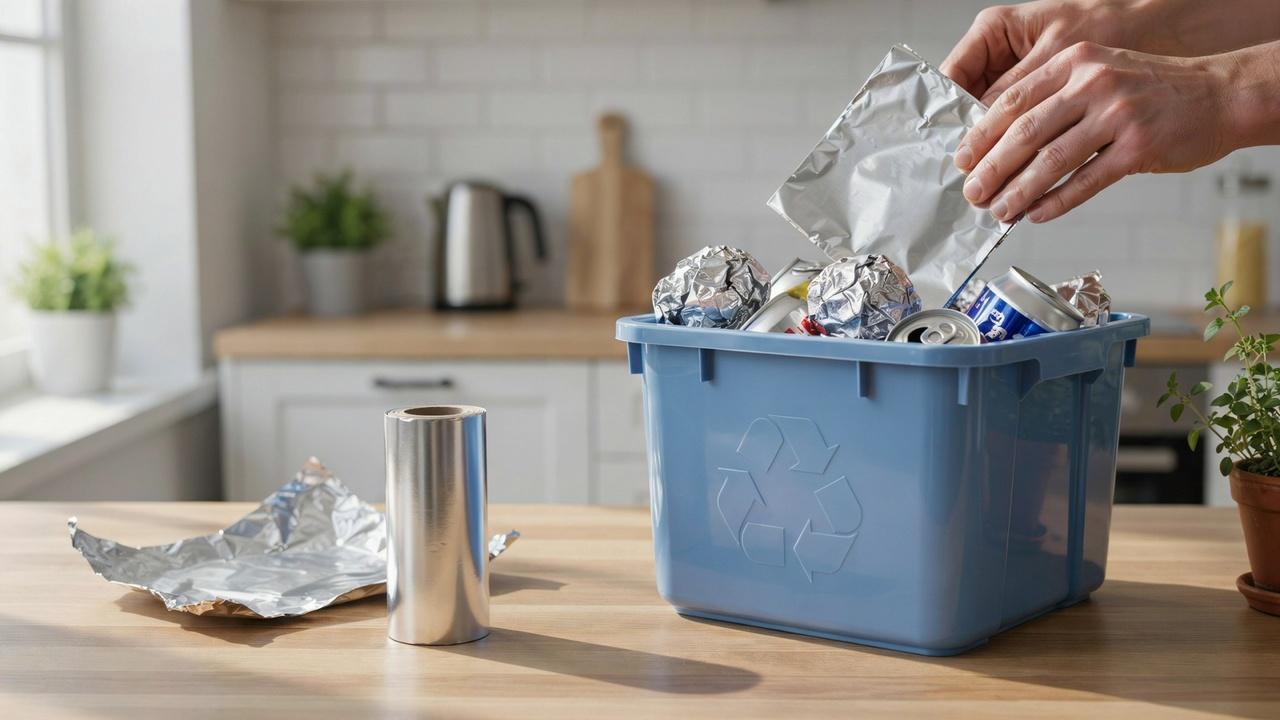
| Aluminum foil (clean) | Recycle |
| Broken ceramic mug | Trash |
| Flattened cardboard | Recycle |
| Styrofoam cup | Trash |
| Empty shampoo bottle (rinsed) | Recycle |
Conclusion
Knowing how trash and recyclables should be stored at home is a small step that creates real results.
It keeps your home cleaner, cuts down on pests and odors, and helps recyclable materials actually get processed instead of ending up in a landfill.
The tips in this article are easy to apply starting today. Pick one or two changes, put them into practice, and build from there.
If you found this helpful, share it with someone who could use it or drop a comment below with your own waste storage tips. Small habits add up to a bigger impact.
Frequently Asked Questions
Can I store recyclables in plastic bags?
Most recycling programs do not accept materials inside plastic bags. Empty recyclables loose into the bin and dispose of plastic bags separately.
How often should outdoor trash bins be cleaned?
Outdoor trash bins should be cleaned once a month or immediately after any spills, leaks, or pest activity to prevent buildup.
Is it okay to recycle items without removing the label?
Yes, paper and plastic labels on bottles and cans do not need to be removed before recycling. Most sorting facilities handle them during processing.
Where should I store recycling bins if I have a small home?
A cabinet under the sink, a corner of the pantry, or a slim rack in a hallway all work well for compact recycling storage in smaller spaces.
Can I put compostable items in the recycling bin?
No. Compostable materials like food scraps and compostable packaging belong in a compost bin or green waste bin, not in standard recycling.