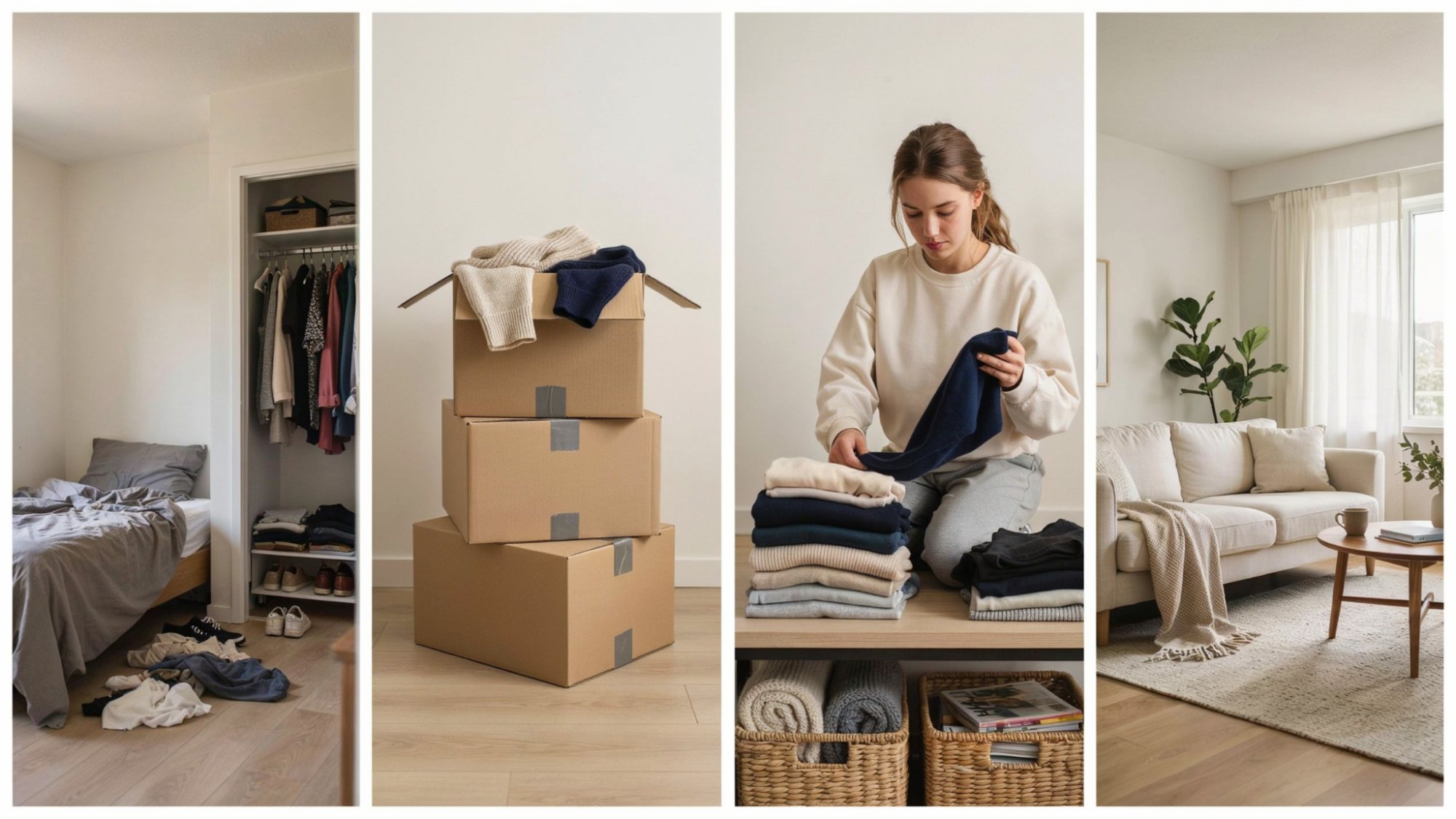
Living in a small apartment can feel challenging when clutter starts taking over your space.
You may wonder how to declutter a small apartment without feeling stressed or spending days cleaning.
This guide will help you solve that problem with simple, practical steps you can actually follow.
In this article, you’ll learn room-by-room decluttering tips, smart storage ideas, and easy habits to keep your home organized.
With experience exploring simple home solutions, I’ll share realistic ideas that work for everyday spaces.
Let’s make your apartment feel calmer, cleaner, and more comfortable.
Why Decluttering a Small Apartment Matters

A cluttered apartment can make even a small space feel crowded and difficult to manage. Decluttering a small apartment helps you create a cleaner, calmer, and more comfortable home.
When everything has its place, your apartment can feel bigger and more open. It also reduces visual mess, which can help you feel less stressed after a busy day.
An organized space saves time because you spend less time searching for everyday items like keys, clothes, or kitchen tools.
Small apartments need smarter organization because every corner matters.
By removing unnecessary items and using your space wisely, you can create a home that feels functional, peaceful, and easier to enjoy.
How to Declutter a Small Apartment: Step-by-Step Process
Decluttering a small apartment becomes easier when you follow a clear plan instead of trying to fix everything at once.
Step 1: Create a Decluttering Plan Before You Start

Choose your decluttering method:You can organize your process based on rooms, categories, or time blocks.
For example, you can focus on clothes first, then books, kitchen items, and other belongings.
Prepare your supplies:Keep trash bags, donation boxes, storage containers, and labels ready before you begin.
Having everything nearby helps you stay focused and avoid interruptions.
Create a timeline:Set a realistic schedule and take breaks when needed.
A simple timeline prevents burnout and helps you complete the process without feeling overwhelmed.
Step 2: Start With One Small Area at a Time
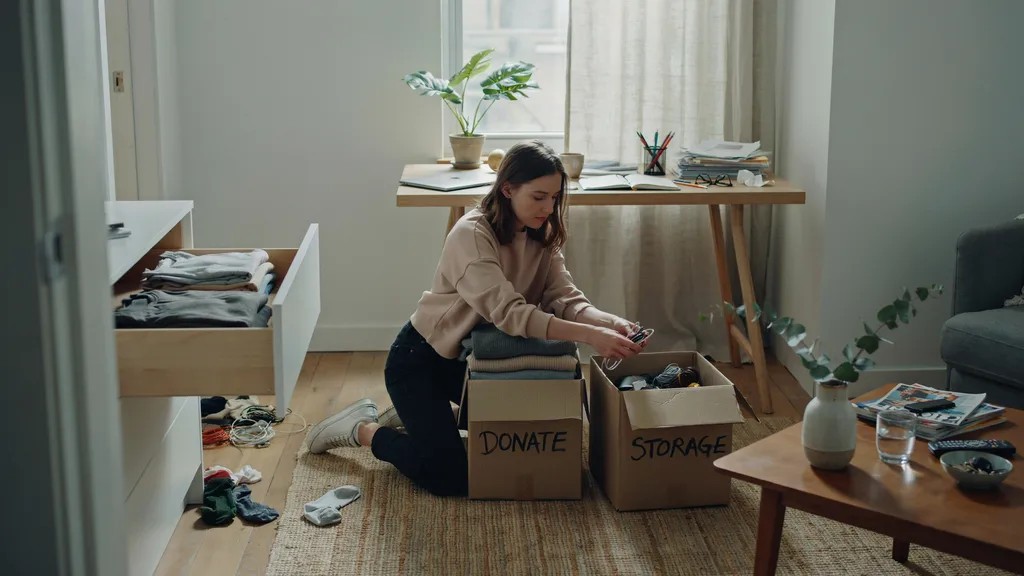
Avoid doing everything at once:Trying to declutter your whole apartment in one day can feel exhausting.
Instead, focus on one small space and complete it before moving forward.
Begin with easy areas:Start with places that collect clutter quickly, such as the entryway, coffee table, countertops, or drawers.
These areas often give quick results and motivate you to continue.
Focus on small wins:Small progress can make a big difference.
Clearing one drawer or organizing one shelf helps build momentum and makes the entire apartment feel more manageable.
Step 3: Declutter Room by Room

Breaking the process room by room helps you stay organized and makes it easier to decide what belongs in each space.
Decluttering the Living Room:
- Remove unnecessary items:Clear out unused décor, old magazines, extra items, and anything that makes the space feel crowded.
- Organize everyday belongings:Create proper places for books, electronics, cables, and blankets so they are easy to find and store.
- Use smart furniture choices:Choose multifunctional furniture and hidden storage options to make the most of your living area without adding clutter.
Decluttering the Bedroom:
- Sort your clothes:Separate your belongings into three groups: keep, donate, and toss. This makes it easier to remove items you no longer use.
- Organize storage spaces:Arrange closets and drawers so frequently used items are easy to access and everything has a proper place.
- Create a relaxing space:Remove items that do not support a peaceful bedroom environment and keep only what makes the room comfortable.
Decluttering the Kitchen:
- Clear your countertops:Remove items that are rarely used and keep only daily essentials visible to create a cleaner cooking area.
- Check food and supplies:Throw away expired products and review your pantry items regularly to prevent unnecessary buildup.
- Remove duplicates:Get rid of extra utensils, appliances, or tools that take up valuable space but are rarely needed.
Decluttering the Bathroom:
- Remove expired products:Check skincare, makeup, medicines, and toiletries to remove anything old or unused.
- Group similar items:Keep similar products together so your bathroom feels organized and easier to maintain.
- Use vertical storage:Make use of shelves, racks, and wall storage to save counter space in a small bathroom.
Decluttering the Entryway:
- Create a dedicated spot:Assign specific places for shoes, keys, bags, and daily essentials to prevent clutter from spreading.
- Keep daily items accessible:Store frequently used items where you can easily reach them when leaving or entering your apartment.
Step 4: Use Smart Storage Solutions for Small Apartments

Maximize vertical space:Use shelves, wall hooks, and over-door organizers to store items without taking up valuable floor space.
Choose furniture with storage:Furniture like storage beds, ottomans, and foldable pieces can help you save space while keeping items organized.
Use containers and baskets:Storage baskets and labeled containers help group similar items together and keep clutter hidden but easy to access.
Step 5: Decide What to Keep, Donate, or Throw Away
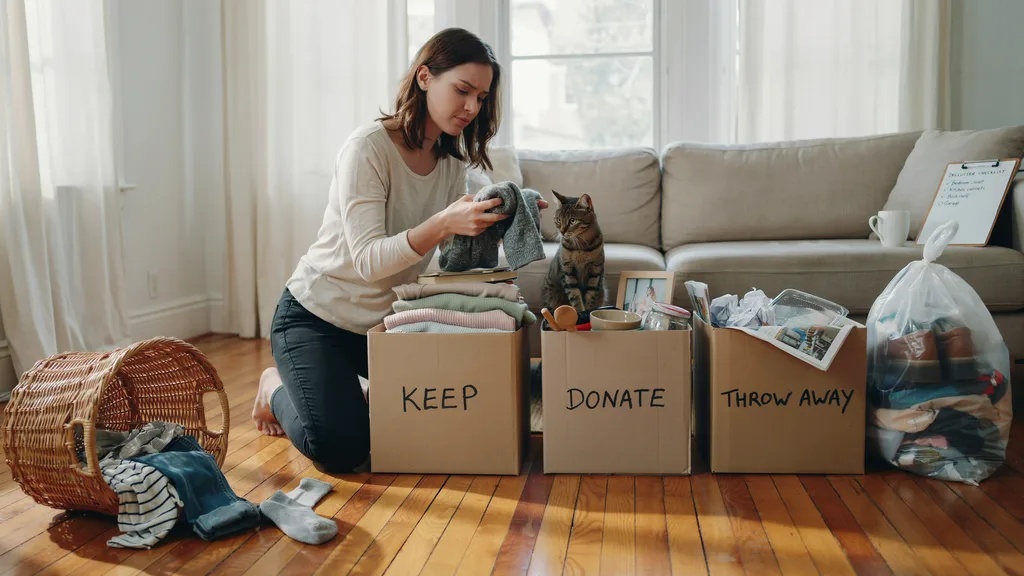
Before keeping something, ask: Have I used this in the last year? Does it add value to my life? Would I buy this again today?
Let go of sentimental clutter:Keep meaningful items that truly matter, but avoid holding onto everything just because it has a memory attached.
Avoid the “just in case” habit:Many items stay unused because we think we might need them someday. Be honest about what you actually use.
Step 6: Create Daily Habits to Prevent Clutter

Follow the one-in, one-out rule:Whenever you bring a new item home, consider removing an old item to maintain balance.
Spend 10 minutes daily:A short daily cleanup routine can prevent clutter from building up again.
Return items after use:Putting things back in their proper place keeps your apartment organized with less effort.
Schedule mini decluttering sessions:Regular small cleanups are easier to manage than waiting until clutter becomes overwhelming.
Common Decluttering Mistakes to Avoid
Before you start organizing your apartment, avoid these common mistakes that can make decluttering harder and less effective.
Trying to arrange everything first can hide the real problem. Remove items you no longer need before creating storage solutions.
Avoid purchasing containers and organizers before knowing what you actually need. Too much storage can sometimes create more clutter.The money is already spent, so focus on whether the item is useful or valuable in your current life.
Starting without a clear method can feel overwhelming. A simple plan helps you stay focused and complete the process smoothly.
Conclusion
Decluttering your home is not about making everything perfect; it is about creating a space that feels easier to live in.
When I tried simple decluttering steps myself, I noticed that removing unused items made daily routines feel smoother.
I hope these ideas help you see your small apartment differently and take one simple step today. Start with one corner, one drawer, or one room and build from there.
If this guide on how to declutter a small apartment helped you, share your thoughts in the comments or try more home organization tips.
Frequently Asked Questions
How long does it take to declutter a small apartment?
The time depends on the amount of clutter and your schedule. Starting with small areas can make the process easier to manage.
What should I declutter first in a small apartment?
Begin with visible areas like countertops, tables, or entryways. These spaces often create quick improvements and motivation.
Should I buy storage items before decluttering?
It is better to declutter first and then choose storage solutions. This helps you avoid buying items you may not need.
How can I keep my apartment clutter-free after decluttering?
Create simple daily habits like putting items back after use. Small cleaning routines help maintain an organized space.
How do I decide what to keep or remove?
Ask yourself if you use the item or if it adds value to your life. If it no longer serves a purpose, consider donating or removing it.