Rust stains on glass can be frustrating, especially when they show up on windows, tables, or shower doors you clean often.
The good news is that most rust marks can be removed with things you already have at home.
In this guide, you will learn step-by-step methods to remove rust from different types of glass.
We will cover the best cleaning solutions, including vinegar, lemon juice, and baking soda, along with tips to avoid damaging the glass. You will also find ways to prevent rust from coming back.
I have tested these methods myself on old jars and window frames, and they work.
By the end of this post, you will know exactly how to handle rust on glass safely and keep it looking clean for longer.
What You'll Need to Remove Rust from Glass

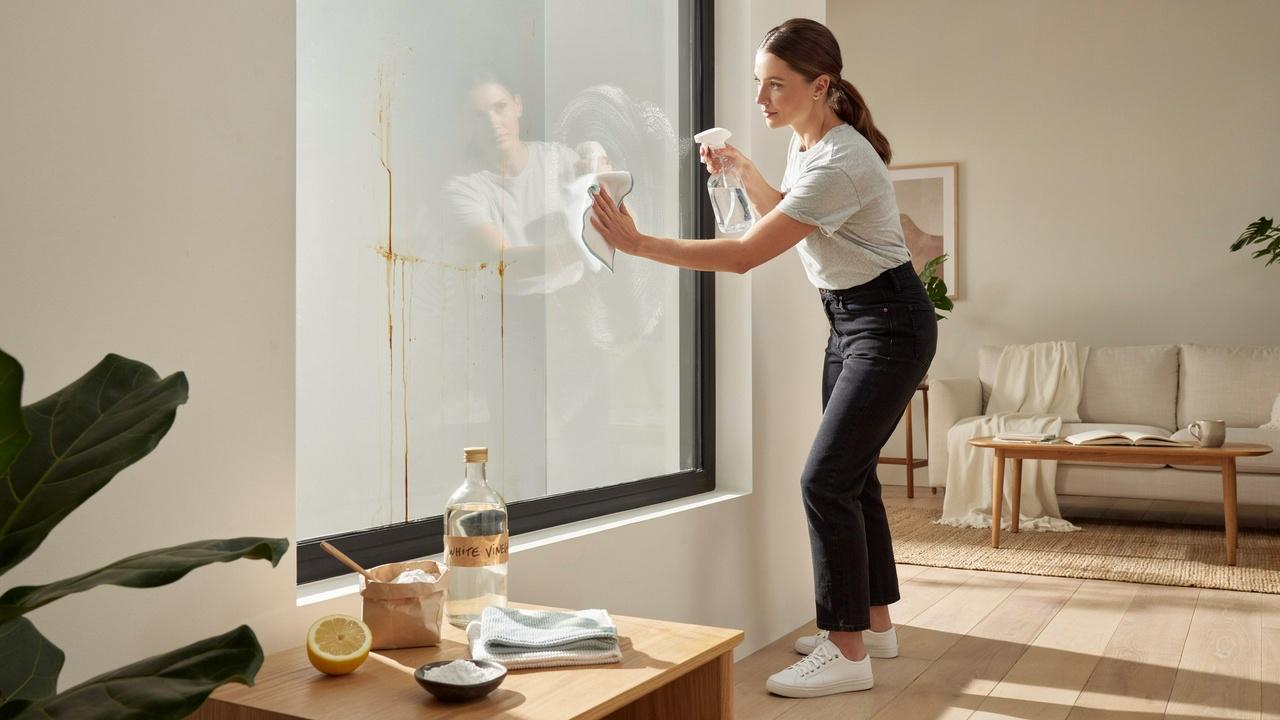
Before you start, gather a few simple items. Most of these are already in your home.You will need white vinegar or lemon juice. Both work well to break down rust.
Baking soda is also helpful. It forms a paste that lifts stains without scratching glass.
Keep a soft cloth or sponge nearby. Avoid rough scrubbers, since they can leave marks on the surface.
A small bowl helps mix your cleaning paste. You can also use an old toothbrush for tight corners or edges.
Rubber gloves are a good idea too. They protect your skin from vinegar and rust residue.
Lastly, have some clean water and a dry towel ready. These help you rinse and finish the job properly.With these basic supplies on hand, you are ready to begin the cleaning process.
How to Get Rust Off Glass (Step-by-Step)
Rust stains on glass look bad, but you can remove them using a few simple household tools and some patience.
Step 1: Clean the Glass Surface

Before you treat the rust, wipe the glass with plain soap and water. This removes dust, dirt, and loose grime.
A clean surface helps the rust remover work better. It also lets you see exactly where the stains sit.
Step 2: Apply a Rust Remover or DIY Cleaning Solution

You can use a store-bought rust remover or mix your own at home. Vinegar, lemon juice, and baking soda all work well on glass.
Apply the solution directly onto the rust spots. Cover the area fully so the cleaner can start breaking down the stain.
Step 3: Let the Cleaner Work

Give the solution time to sit on the rust. Most cleaners need at least ten to fifteen minutes to loosen the stain.
Do not rush this part. The longer the cleaner sits, the easier the rust will lift off later.
Step 4: Gently Scrub Without Scratching the Glass

Use a soft cloth or a non-scratch sponge to scrub the area. Move in small circles instead of pressing hard in one spot.
Avoid steel brushes or rough pads. Glass scratches easily, and a scratch is often harder to fix than the rust itself.
Step 5: Rinse and Dry Thoroughly
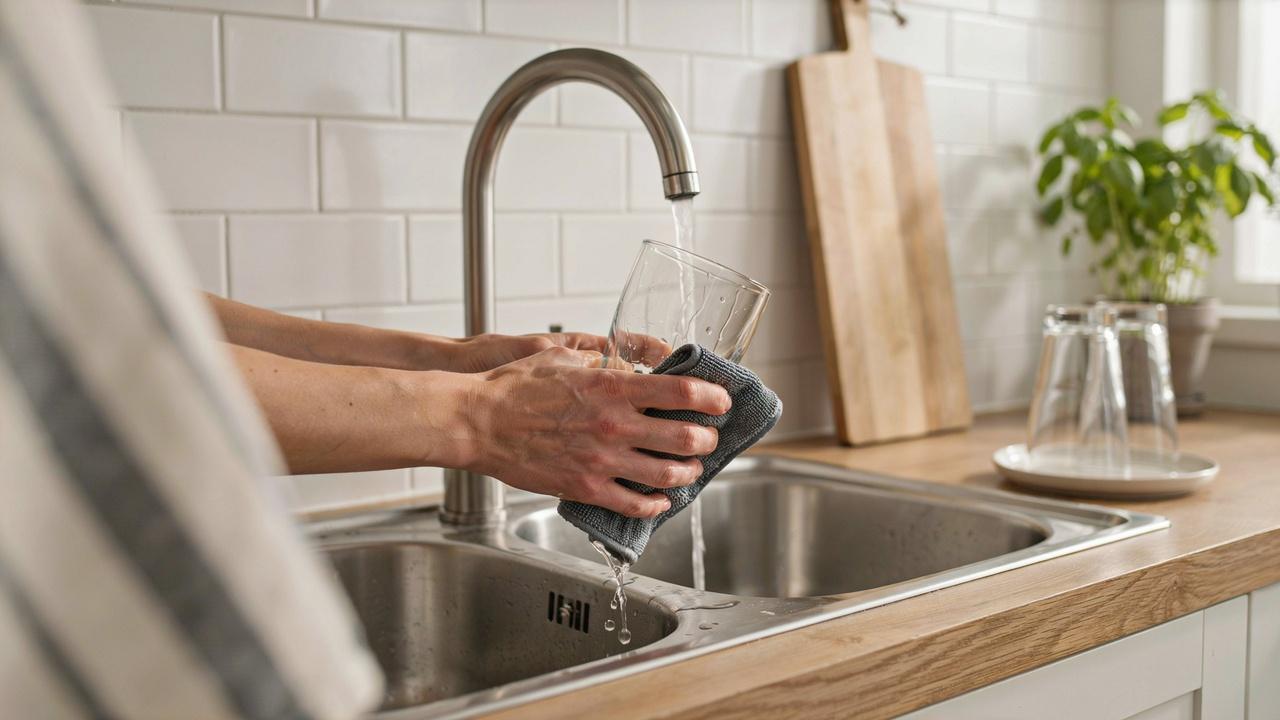
Once the rust lifts, rinse the glass with clean water. This removes any leftover cleaner or rust particles.
Dry the glass with a soft towel right away. Leaving it wet can lead to water spots or new stains.
Step 6: Repeat for Stubborn Rust Stains

Some rust stains need more than one round of cleaning. If marks remain, repeat the process from step two.
Stay patient with tough stains. Forcing the process with strong scrubbing can damage the glass.
Best Methods to Get Rust Off Glass
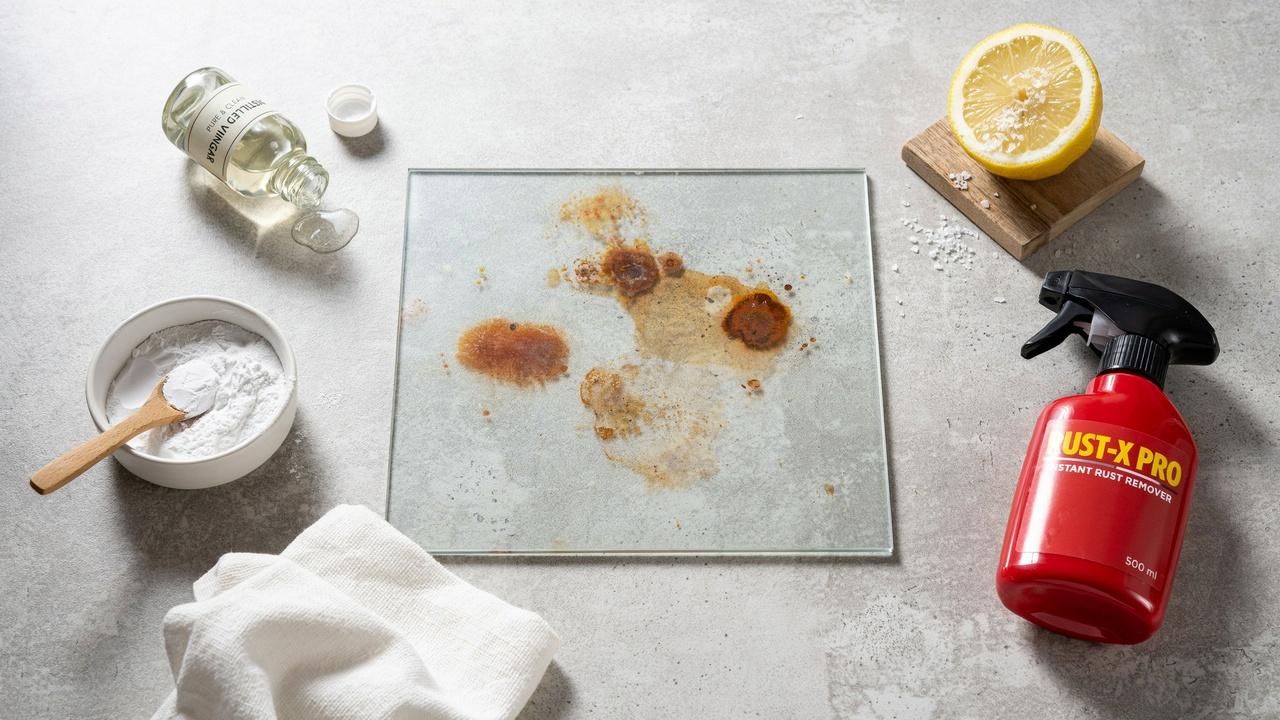
A quick look at common rust removal methods, including vinegar, lemon, baking soda, and commercial products.
- White Vinegar: Soak a cloth in vinegar and press it onto the stain for a few minutes, then wipe clean. Works best on light rust marks.
- Lemon Juice and Salt: Mix into a paste and rub onto the stain in small circles. Rinse once the rust fades.
- Baking Soda Paste: Mix with water into a thick paste, spread on the rust, and let it sit. Gentle but effective on newer stains.
- Commercial Rust Removers: Made for tougher stains and often faster acting. Check the label for glass safety and follow instructions closely.
- Which Method Works Best: Light stains respond well to vinegar or lemon juice. Older, thicker rust may need a commercial remover. Test a small area first.
How to Get Rust Off Different Glass Surfaces

Different types of glass, including windows, tables, jars, and shower doors, need slightly different rust cleaning approaches.
How to Get Rust Off Glass Windows
Window glass is often exposed to rain, metal frames, and outdoor dust. Rust marks here usually come from nearby metal parts.
Clean the glass with vinegar or a mild rust remover. Wipe the frame too, since rust can spread from metal edges onto the glass.
How to Get Rust Off Glass Table Surfaces
Glass tables often pick up rust from metal legs or nearby objects. Wipe the surface with a soft cloth and a gentle cleaner.
Since table glass is usually visible, work carefully to avoid streaks. A final polish with a dry cloth gives a clear finish.
How to Get Rust Off Glass Jars
Glass jars can develop rust rings from metal lids. Soak the jar in a vinegar solution for a short time.
Scrub gently with a soft brush around the rim. Rinse well before reusing the jar.
How to Clean Rust Off Shower Glass
Shower glass often gets rust from old pipes or metal fixtures. Moisture makes rust spread faster in this area.
Use a mild rust remover made for bathroom surfaces. Rinse and dry the glass fully to stop the stain from returning.
How to Remove Stubborn Rust Stains from Glass
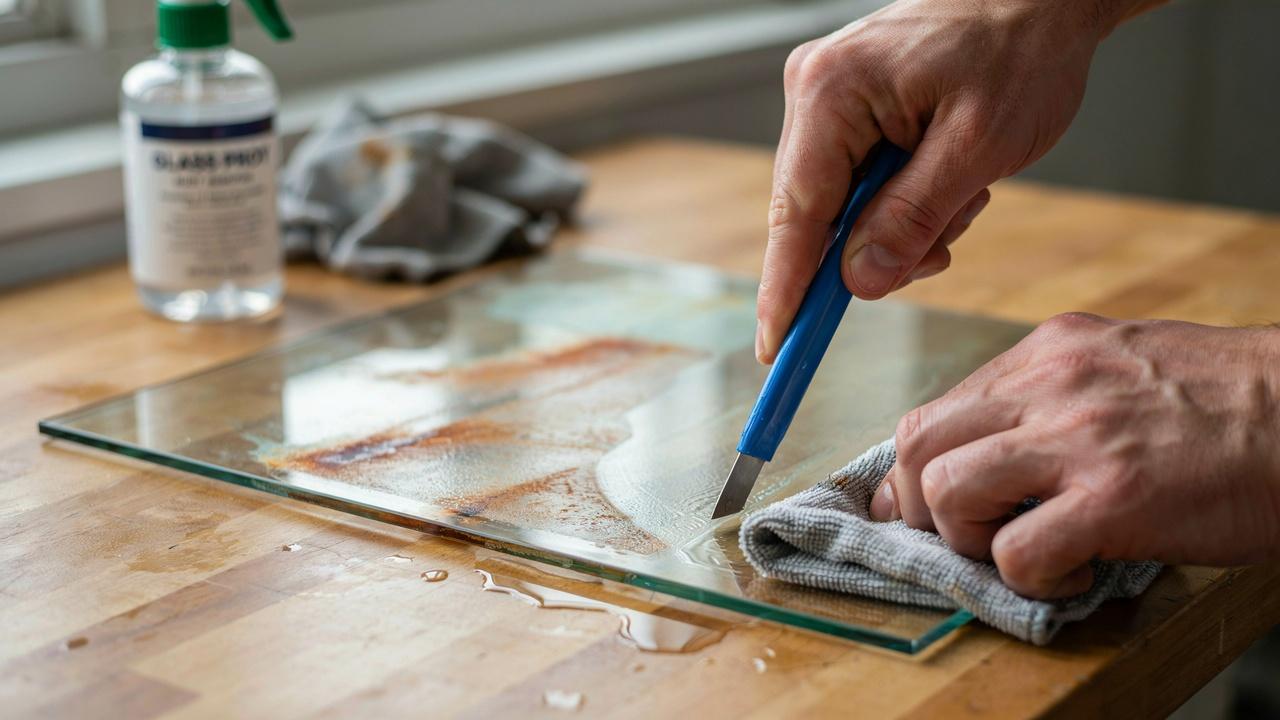
Safe techniques, including scraping and steel wool, for rust stains that do not respond to basic cleaning.
Using a Plastic Scraper Safely
Hold the scraper at a low angle and push gently to lift thick rust. Avoid metal scrapers, as they can leave scratches.
When to Use #0000 Steel Wool
Fine steel wool can work after other methods fail. Rub lightly, check often, and stop if any marks form.
What to Do If Rust Stains Remain
The stain may be etched into the glass if it stays after several attempts. Try a stronger commercial product, or consider professional glass restoration.
Common Mistakes to Avoid When Removing Rust from Glass
Avoid abrasive scrubbers, leaving acidic cleaners on too long, mixing chemicals, and using metal blades incorrectly, as these are the most common ways people accidentally damage glass while removing rust.
- Using Abrasive Scrubbers or Steel Brushes: Rough brushes and scrubbers can scratch glass permanently. Stick to soft cloths or approved fine steel wool to protect the glass while still removing rust.
- Leaving Acidic Cleaners on Too Long: Vinegar and lemon juice work well, but leaving them too long can harm certain glass finishes, especially coated or tinted glass. Set a timer and rinse as soon as time is up.
- Mixing Different Cleaning Chemicals: Combining different cleaning products can create harmful fumes and damage the glass surface. Use one cleaner at a time and rinse fully before switching.
- Using Metal Blades Incorrectly: Blades or razors can cause deep scratches if handled wrong, especially on window and shower glass. Keep the blade flat against the glass and move slowly.
Why Rust Stains Form on Glass
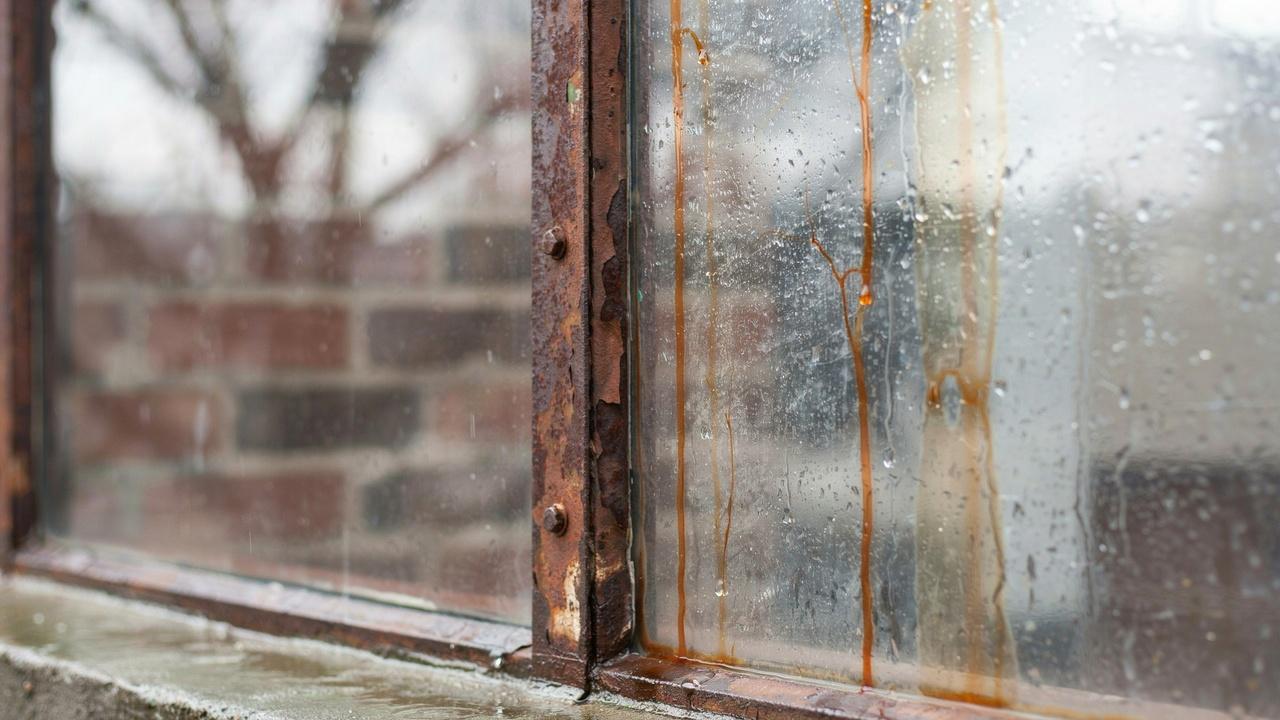
Rust stains form when metal objects near the glass start to corrode. Water and air cause the metal to break down and release rust particles.
These particles land on the glass and stick to the surface over time. Window frames, hinges, and nearby pipes are common sources.
Humidity and rain speed up this process. Glass near metal fixtures in bathrooms and outdoor areas is especially prone to rust marks.
How to Prevent Rust Stains on Glass

Simple habits that reduce the chances of rust forming on glass again.Coat nearby metal parts with rust-resistant paint to stop rust before it starts, and check hinges and fixtures regularly.
Clean the glass weekly to keep dust and mineral buildup from settling in. Reduce hard water with a softener or a quick wipe after use, and always dry the glass after rain or washing to stop rust particles from settling.
Tips for Removing Rust from Glass Safely
Test in a small spot first, use soft cloths, work section by section, avoid over-scrubbing, and wear gloves with chemical cleaners to remove rust safely without damaging the glass.
- Test cleaners on a small area first: Try any cleaner on a small, hidden spot and wait a few minutes to check for a negative reaction before treating the full stain.
- Use soft cloths or non-scratch sponges: Microfiber cloths lift rust without leaving marks. Avoid anything rough or gritty that could scratch the glass.
- Work in small sections: Cleaning one area at a time gives better control and makes it easier to spot progress, especially on large surfaces like windows or tables.
- Avoid over-scrubbing the glass: Too much pressure, even with a soft tool, can wear down the glass and push rust particles into small scratches. Let the cleaner do the work.
- Wear protective gloves when using chemical cleaners: Gloves protect your skin from irritation, especially with strong commercial products. Always follow the label instructions.
Conclusion
Rust on glass is annoying, but it doesn't have to be permanent. I've dealt with rust rings on old jars and window frames myself, and a little vinegar and patience always did the trick.
The next time you spot rust on your glass, try one of these methods before reaching for something harsh.
Take it slow, protect the surface, and you'll likely see results faster than expected. Got a method that worked for you?
Drop it in the comments below, and share this post with anyone else dealing with rust off glass at home.
Frequently Asked Questions
What is the fastest way to get rust off Glass?
White vinegar is usually the quickest option for light rust stains. Soak a cloth, press it onto the mark for a few minutes, then wipe clean.
Does baking soda actually remove rust from Glass?
Yes, baking soda works well on lighter or newer rust stains. Mix it with water into a paste, apply it, and let it sit before wiping away.
Can rust permanently damage glass?
In most cases, rust sits on the surface and can be cleaned off. If it has been etched into the glass, some marks may remain even after cleaning.
Is it safe to use steel wool on Glass?
Only fine #0000 steel wool should be used, and only after gentler methods fail. Regular steel wool or brushes can scratch the glass badly.
How can I stop rust stains from coming back on Glass?
Keep nearby metal parts protected with rust-resistant paint and dry the glass after rain or washing. Regular cleaning also helps stop rust from settling in.