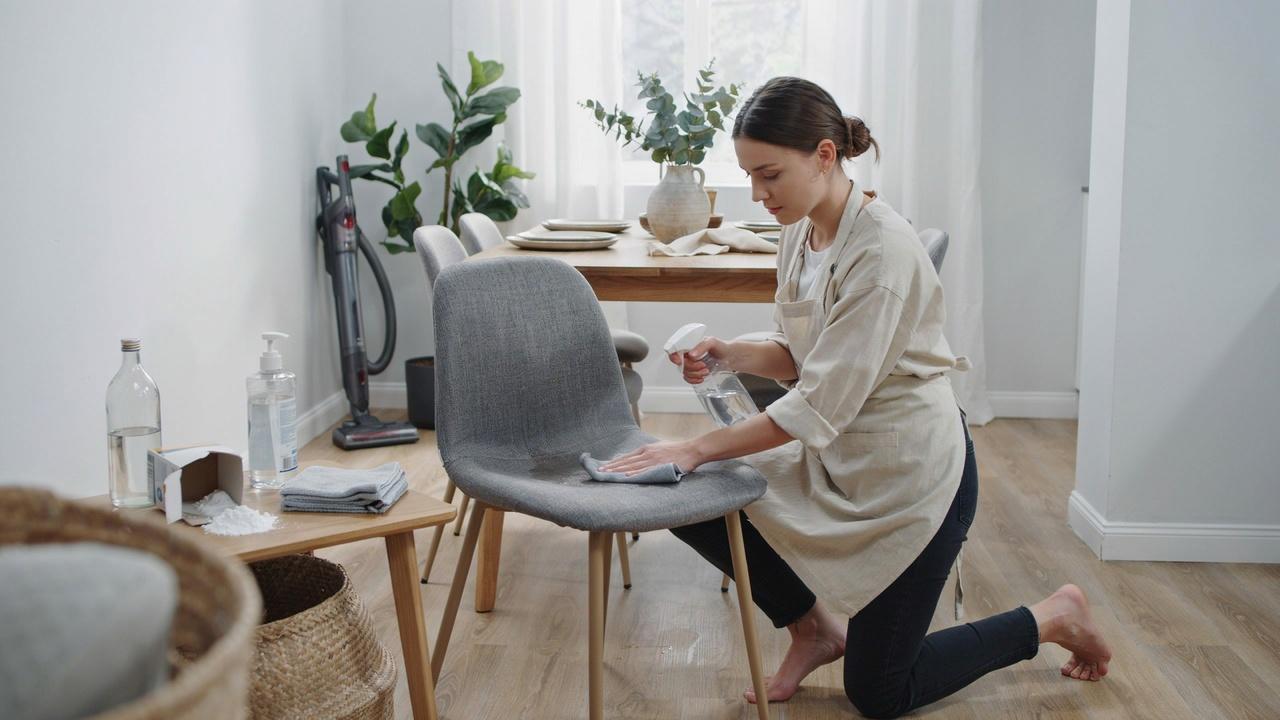
Cloth chairs pick up dust, stains, and odors faster than most people expect. A coffee spill or a muddy paw print can make a favorite chair look worn out in no time.
This guide walks you through how to clean cloth chairs at home, step by step.
You will learn the best DIY solutions, how to remove tough stains, and safe ways to sanitize fabric without damaging it.
I have dealt with my fair share of stubborn stains and know what actually works and what just wastes your time.
By the end, you will know exactly how to keep your chairs looking fresh, smelling clean, and lasting longer. No guesswork, just simple steps you can start using today.
Things to Know Before Cleaning Cloth Chairs

Cleaning cloth chairs is not hard, but a little planning goes a long way. A few small checks can save your fabric from harm.
Check the care tag first. Every chair has cleaning codes that show which products are safe to use. Skipping this step can lead to damage.
Test your cleaner on a small hidden spot before using it on the whole chair. Wait a few minutes and check for any color change.
Know your fabric type. Cotton, linen, and synthetic blends all react differently to water and soap, so it helps to know what you're working with.
Vacuum the chair first to remove loose dirt and crumbs before adding any liquid. This stops dirt from turning into mud during cleaning.
Blot fresh stains right away instead of rubbing them. Rubbing only pushes the stain deeper into the fabric.
Avoid using too much water, since it can soak the padding and lead to mold or a bad smell. Light dampness is usually enough.
Let the chair air dry fully before sitting on it. A fan or open window can speed up the process. Once dry, brush the fabric gently to restore its texture and lift away any leftover residue.
What You'll Need to Clean Cloth Chairs at Home

To clean cloth chairs at home, you'll need a vacuum, mild soap, white vinegar, a soft brush, clean clothes, a spray bottle, baking soda, and a bucket of warm water.
- Vacuum cleaner with an upholstery attachment, to remove loose dirt, crumbs, and pet hair first
- Mild dish soap or a gentle upholstery cleaner, since strong chemicals can damage fabric fibers
- White vinegar, mixed with warm water, to help lift stains and reduce odors
- Soft bristle brush, for working the cleaning solution into the fabric without scrubbing too hard
- Microfiber cloths or clean towels, for blotting spills and drying the chair afterward
- Spray bottle, to apply your cleaning mix evenly across the surface
- Baking soda, to sprinkle on and lift out any lingering smells before vacuuming
- Small bucket of warm water, for rinsing your cloth or brush as you clean
With these basic supplies ready, you can move on to the actual cleaning steps with confidence.
How to Clean Cloth Chairs at Home (Step-by-Step)
Keeping cloth chairs clean is easier than most people think. Follow these simple steps to remove dirt, stains, and odors safely at home.
Cloth chairs collect dust, hair, and stains over time. A regular cleaning routine keeps them fresh and looking good for longer.
Step 1: Vacuum Loose Dirt, Dust, and Pet Hair
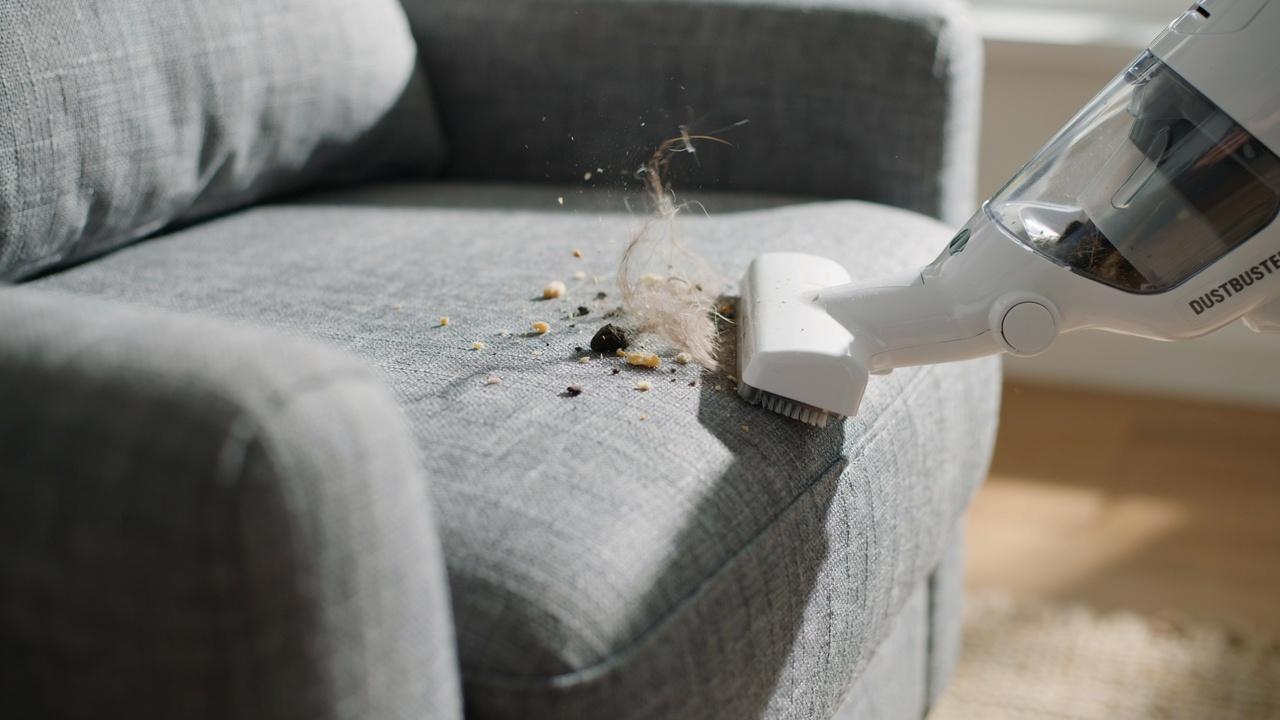
Start every cleaning session with a vacuum. Use the upholstery attachment to lift dust, crumbs, and pet hair from the fabric. Go over the seat, backrest, and armrests slowly.
This step stops dirt from turning into deeper stains once you add any liquid.
Step 2: Spot Treat Stains Before Cleaning

Check the chair for visible marks before you clean the whole surface. Dab a small amount of cleaning solution on the stain with a soft cloth. Blot gently instead of rubbing.
This helps lift the stain without pushing it deeper into the fibers.
Step 3: Clean the Entire Chair with a Gentle Solution

Mix a mild soap with warm water and test it on a hidden spot first. Once you know it's safe, wipe down the entire chair using a soft cloth or sponge.
Work in small sections so the fabric doesn't get too wet.
Step 4: Remove Soap Residue

Leftover soap can attract more dirt if it's not rinsed out. Use a clean, damp cloth to wipe the fabric again and lift away any soap that's left behind.
Change the cloth often so you're not spreading residue around.
Step 5: Dry the Chair Properly

Let the chair air dry in a room with good airflow. Open a window or turn on a fan to speed things up. Avoid sitting on the chair until it's fully dry, since damp fabric can develop a musty smell.
Best DIY Cleaning Solutions for Cloth Chairs
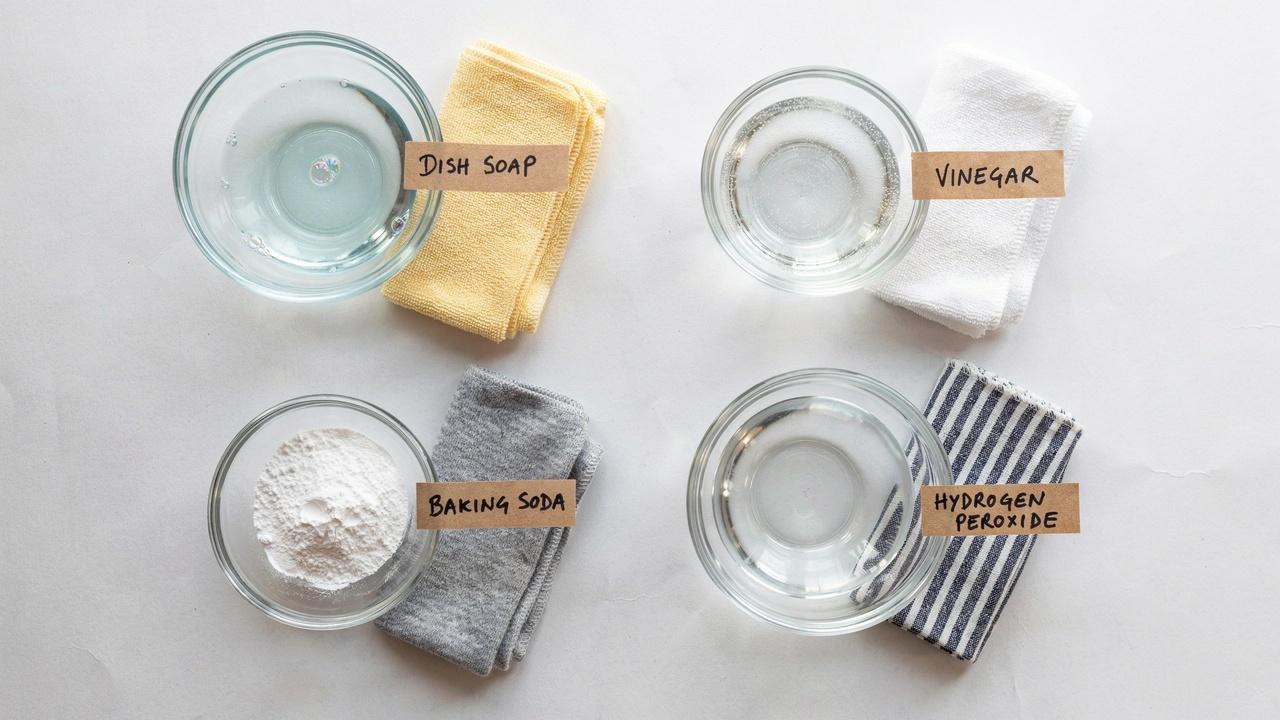
Simple homemade mixes using soap, vinegar, baking soda, and peroxide can clean most cloth chairs without harsh store-bought products.
Dish Soap and Warm Water
A few drops of dish soap mixed into warm water works for most everyday dirt. It's gentle on fabric and safe for most cloth types. This mix is a good first choice for light cleaning.
White Vinegar Solution
Mix equal parts white vinegar and water for a solution that cuts through grime and mild odors. Vinegar also works well for freshening fabric that smells a little stale.
Baking Soda for Odors
Sprinkle baking soda over the chair and let it sit for a few hours before vacuuming it up. It pulls out trapped smells from sweat, pets, or smoke without leaving a residue.
Hydrogen Peroxide for Stubborn Stains
Hydrogen peroxide can help with tougher stains, but test it on a hidden area first since it can lighten some fabric colors. Apply a small amount, let it sit briefly, then blot clean.
How to Remove Common Stains from Cloth Chairs
Simple methods to treat coffee, wine, grease, ink, and pet stains without damaging cloth chair fabric.
Coffee, Tea, and Wine Stains

Blot the spill right away with a dry cloth. Then use a mix of dish soap and water, working from the edge of the stain inward.
Food and Grease Stains
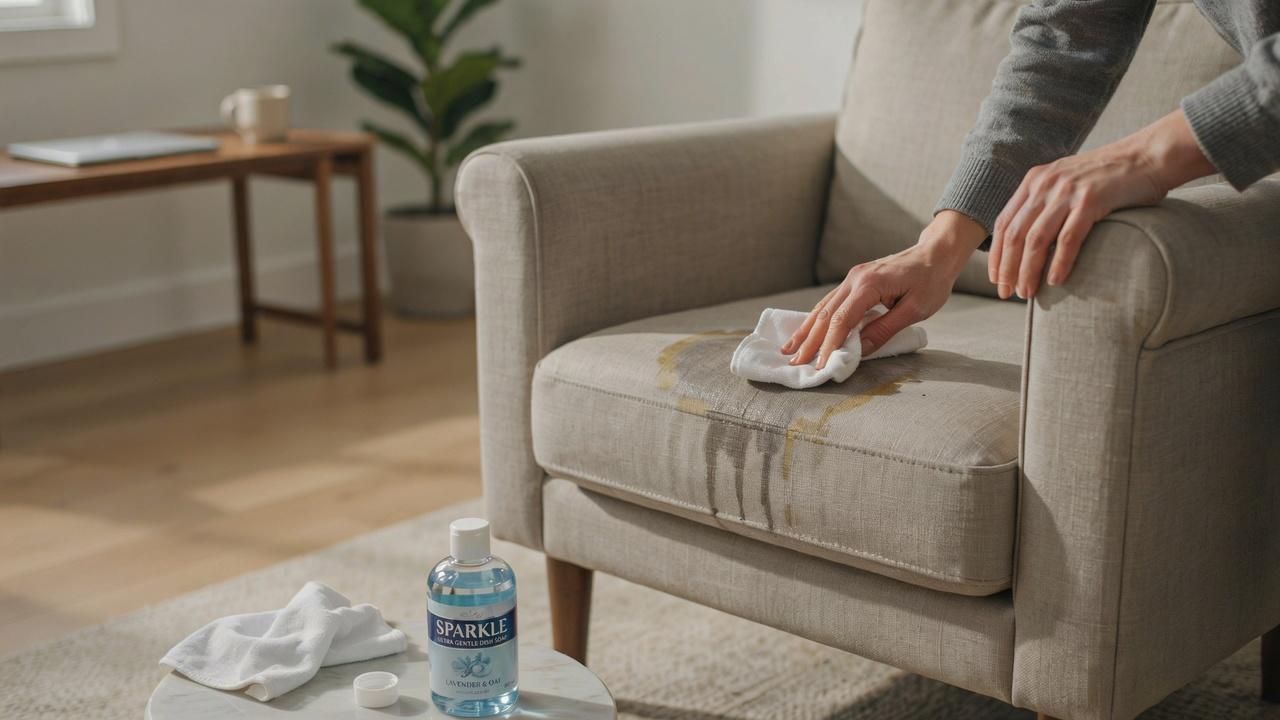
Scrape off any solid food first. Sprinkle baking soda on grease marks, vacuum it up, then apply a soap and water mix.
Ink and Marker Stains

Dab rubbing alcohol on a cloth and gently blot the stain. Check the fabric often so the mark doesn't spread.
Pet Stains and Odors

Blot up the liquid, then apply a vinegar and water solution. Follow up with baking soda to absorb any remaining odor.
How to Sanitize Cloth Chairs Safely

Find out safe ways to sanitize upholstered fabric, including steam cleaning and disinfecting methods that won't harm the material.
Steam cleaning works well for a deeper clean since heat can kill bacteria and loosen dirt without soaking the fabric, making it a good option for chairs that see heavy daily use.
Always check the fabric care label before using any disinfectant spray, and stick to gentle choices like a diluted vinegar solution or a fabric-safe disinfectant that won't harm the material or its color.
Cloth chairs can also be sanitized during cold, flu, or COVID-19 season using a fabric-safe disinfectant spray. Just let the spray sit for the time listed on the label before wiping it down.
Common Mistakes to Avoid When Cleaning Cloth Chairs
Avoid these frequent cleaning errors that can damage fabric, leave stains behind, or shorten your chair's lifespan.
- Using too much water: Soaking the fabric can lead to mold, mildew, and a longer drying time. Use a damp cloth instead of pouring liquid directly onto the chair.
- Scrubbing stains too hard: Hard scrubbing can wear down fibers and spread the stain further. Blotting gently is always a safer choice than rubbing.
- Skipping the fabric care label: Every fabric reacts differently to cleaning products. Checking the care label first helps you avoid using something that could damage or discolor the material.
- Using harsh chemicals: Strong chemicals can weaken fabric fibers over time and cause fading. Mild, natural solutions are usually safer and still get the job done.
Tips to Keep Cloth Chairs Clean Longer
Simple daily habits like regular vacuuming, quick spill cleanup, and fabric protection can keep chairs looking fresh for years.
- Vacuum regularly: A quick vacuum once a week keeps dust and hair from building up. This small habit makes deep cleaning sessions much easier down the road.
- Treat spills immediately: The faster you blot a spill, the less likely it is to leave a lasting stain. Keep a clean cloth nearby for quick cleanup.
- Apply a fabric protector: A fabric protector spray adds a layer of resistance against future spills and stains. Reapply it every few months for the best results.
- Reduce dust, pet hair, and everyday wear: Using a throw blanket or cover can lower daily wear on the fabric. It also makes cleanup faster since you can just wash the cover instead of the whole chair.
- Keep chairs out of direct sunlight: Long hours in direct sun can fade fabric and make it weaker over time. Moving chairs away from windows helps colors stay true for longer.
Conclusion
I still remember scrubbing a coffee stain into my old sofa chair years ago, only to watch it spread because I rubbed instead of blotted. Lesson learned the hard way.
Now I keep a cloth and a bit of vinegar solution close by, and it saves me every time.
Cleaning cloth chairs doesn't have to feel like a chore once you know what actually works. Try one tip from this guide today and see the difference for yourself.
Got a stain that just won't budge? Drop a comment below, and share this with someone who needs it too.
Frequently Asked Questions
How often should I clean my cloth chairs?
A quick vacuum once a week keeps dirt from building up. A deeper clean every one to two months keeps fabric looking fresh.
Can I use a washing machine to clean cloth chair covers?
Only if the care label says the fabric is machine washable. Always check the label first to avoid shrinking or damaging the material.
Is vinegar safe for all cloth chair fabrics?
Vinegar is generally safe, but it's best to test it on a hidden spot first. Some delicate fabrics may react differently to acidic solutions.
How do I get rid of a musty smell on cloth chairs?
Sprinkle baking soda over the fabric and let it sit for a few hours. Vacuum it up afterward to lift out trapped odors.
What should I do if a stain won't come out?
Try a hydrogen peroxide solution on tougher stains after testing it on a hidden area. If it still won't budge, a professional cleaner may be the better option.