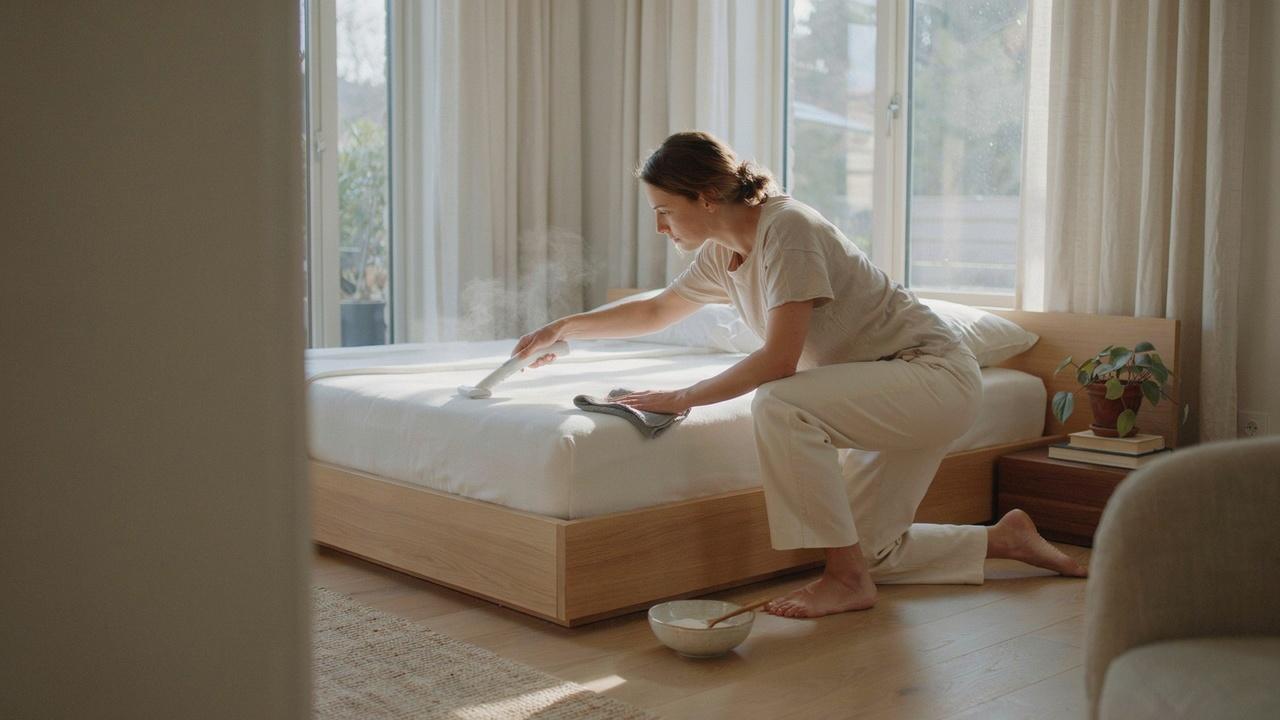
A mattress holds onto more dirt, sweat, and dust than most people realize. Over time, this buildup can affect your sleep and even trigger allergies.
If you have ever wondered how to wash a mattress properly, you are in the right place.
This guide walks you through every step, from removing stains to deodorizing with baking soda.
You will also learn how to clean different mattress types, wash your mattress protector and topper, and keep everything fresh for longer.
I have tested these methods on my own mattress, so I know what actually works. No confusing steps, just simple, practical advice you can use today.
By the end, you will know exactly how to keep your mattress clean, fresh, and ready for a good night's sleep.
What You'll Need Before You Wash a Mattress

Before you begin, gather your supplies. This saves time and stops mid task delays.
You will need a vacuum with an upholstery attachment. This removes dust and loose dirt first.Keep baking soda on hand. It helps lift smells and soaks up moisture.
Grab a mild detergent or a gentle stain remover made for fabric. Strong chemicals can damage the mattress material.
A spray bottle is useful for applying cleaning solutions evenly. Fill it with water and a small amount of soap.
Clean, dry clothes or towels are a must. Use them to blot stains and wipe away extra liquid.
Have a soft brush ready too. It works well for scrubbing tough spots without harming the fabric.
If you plan to sun dry the mattress, pick a day with good weather. Fresh air and sunlight help kill bacteria and remove odor naturally.
Lastly, open a window or turn on a fan. Good airflow speeds up drying and keeps the room fresh while you work.
How Do I Wash a Mattress? Step-by-Step Guide
A mattress collects sweat, dust, and stains over time. Regular washing keeps it fresh, clean, and safe to sleep on.
Step 1: Remove all Bedding and Wash it

Strip off your sheets, pillowcases, and mattress protector first. Wash them in hot water using your regular detergent. This gives you full access to the mattress surface.
Step 2: Vacuum the Mattress Thoroughly
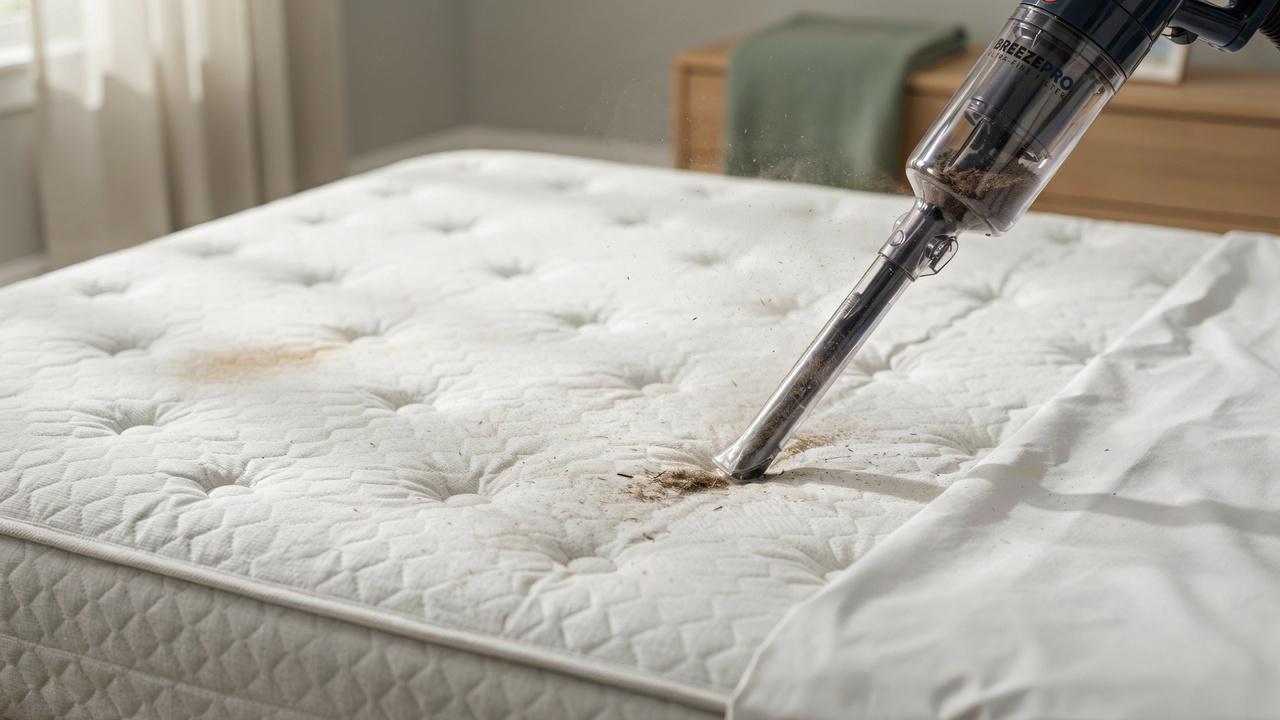
Use a vacuum with an upholstery attachment. Go over the entire surface, including seams and edges. This removes dust, dead skin, and small debris.
Step 3: Spot Clean Stains

Mix mild dish soap with water in a spray bottle. Dab the stained area with a clean cloth. Avoid soaking the mattress, as too much moisture can lead to mold.
Step 4: Deodorize the Mattress with Baking Soda

Sprinkle baking soda evenly across the mattress. Let it sit for a few hours, or overnight if the smell is strong. Baking soda absorbs odors and pulls out extra moisture.
Step 5: Vacuum away the Baking Soda

Once the baking soda has done its job, vacuum it off completely. Make several passes to catch every bit of powder. Your mattress should smell noticeably fresher.
Step 6: Air Dry the Mattress Completely

Open a window or turn on a fan to speed up drying. Make sure the mattress is fully dry before adding sheets back. Sleeping on a damp mattress can cause mildew.
How to Remove Common Mattress Stains

Different stains need different treatments. Here is how to handle the most common ones without damaging your mattress.
How to Remove Sweat Stains
Mix equal parts water and white vinegar in a spray bottle. Apply it to the yellowed area and blot with a cloth. Let it air dry fully before covering the mattress again.
How to Remove Blood Stains
Blot the stain right away with cold water, never hot. Make a paste using cold water and baking soda, then apply it to the spot. Let it dry, then scrape and vacuum it off.
How to Remove Urine Stains
Blot up as much liquid as possible first. Spray the area with a mix of vinegar, water, and a bit of dish soap. Follow up with baking soda to lift the smell.
How to Remove Food and Drink Stains
Scrape off any solid residue before treating the stain. Blot with a cloth dipped in mild soapy water. Work from the outside of the stain inward to stop it from spreading.
How to Remove Pet Stains and Odors
Blot the area to remove excess liquid. Apply an enzyme cleaner made for pet messes, since it breaks down odor-causing bacteria. Let it sit as directed on the bottle before blotting dry.
How to Clean Different Types of Mattresses
Every mattress material reacts differently to moisture and cleaning products. Knowing your mattress type helps you avoid damaging it.
Memory Foam Mattress

Memory foam absorbs liquid easily, so use as little moisture as possible. Blot stains instead of scrubbing them. Let the foam dry fully before you use the bed again.
Hybrid Mattress

Hybrid mattresses combine foam and springs, so they need gentle care. Stick to light spot cleaning and avoid soaking the surface. Too much water can reach the springs and cause rust.
Innerspring Mattress

Innerspring mattresses can handle slightly more moisture than foam. Still, blot stains rather than pouring liquid directly. Vacuum regularly to keep dust from settling near the coils.
Latex Mattress

Latex is naturally resistant to dust mites and mold. Clean it with a mild soap solution and a soft cloth. Avoid harsh chemicals, as they can break down the latex over time.
How Do I Wash a Mattress Protector?

Mattress protectors need regular washing to stay effective. Here is how to clean them properly without shrinking or damaging the fabric.
Can you Machine Wash a Mattress Protector?
Most mattress protectors are machine washable. Check the care label first, since some have waterproof backing that needs gentler handling. Wash it separately from other heavy items.
Best Washing and Drying Settings
Use cold or warm water on a gentle cycle. Skip the fabric softener, since it can affect the waterproof layer. Tumble dry on low heat, or line dry if the label suggests it.
How often should you Wash a Mattress Protector?
Wash your mattress protector every one to two months. Wash it sooner if it gets stained or starts to smell. Regular washing keeps it working well and keeps your mattress protected.
How Do I Wash a Mattress Topper?

Mattress toppers need care based on their material. Washing them correctly helps them last longer and stay comfortable.
Washing a Memory Foam Mattress Topper
Never put a memory foam topper in the washing machine. Spot clean stains with a damp cloth and mild soap. Let it air dry completely before putting it back on the bed.
Washing a Fiberfill or Cotton Mattress Topper
Check the care label, since many fiberfill and cotton toppers are machine washable. Use a large capacity machine and a gentle cycle. Dry on low heat, fluffing occasionally to keep the fill even.
Drying a Mattress Topper Properly
Always let a topper dry fully before use. Lay it flat or hang it in a well ventilated area. Rushing this step can trap moisture and lead to mildew.
How Often Should You Wash a Mattress?
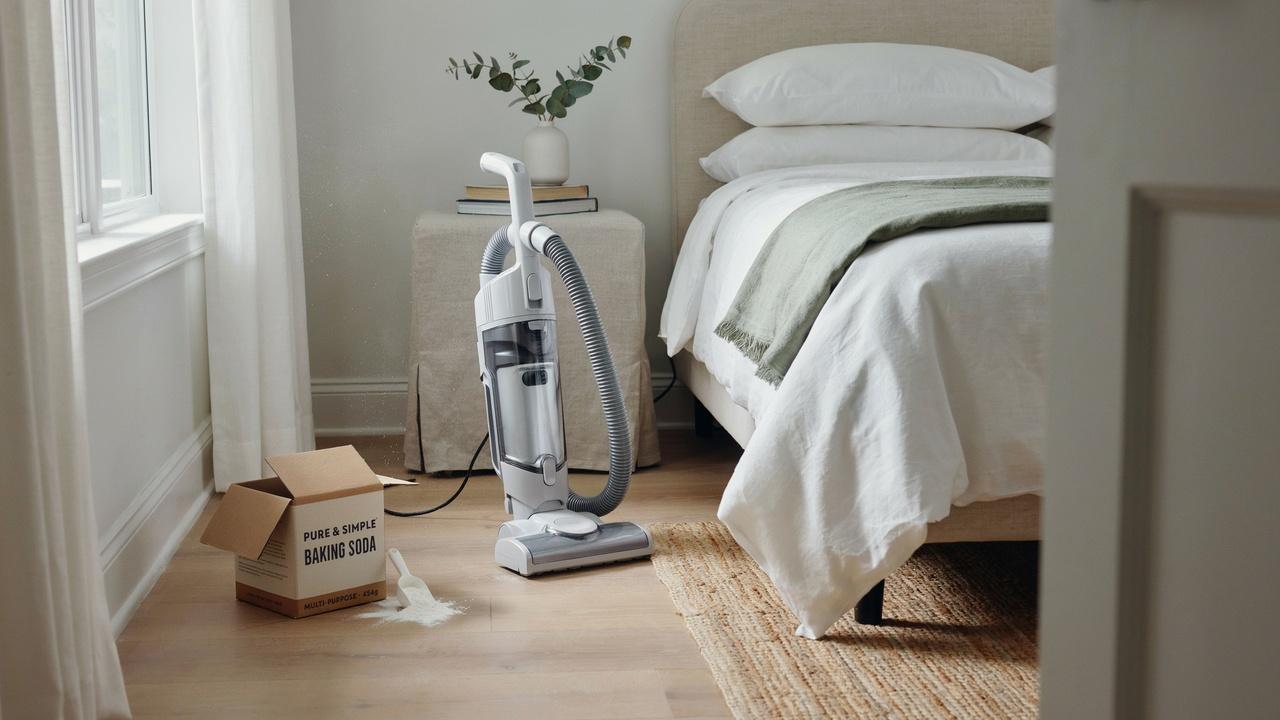
Deep clean your mattress every three to six months. If you have allergies, pets, or young children, clean it a bit more often.
Regular care prevents dust buildup and keeps odors from settling in.
Tips to Keep Your Mattress Clean Longer
Simple habits can help your mattress stay fresh between deep cleanings.
- Use a waterproof mattress protector. A good protector blocks spills, sweat, and dust from reaching the mattress itself. It also makes cleanup much easier when accidents happen.
- Wash your bedding regularly. Wash your sheets and pillowcases every one to two weeks. Clean bedding keeps sweat and skin cells from soaking into the mattress below.
- Vacuum your mattress every few months. A quick vacuum session removes dust and allergens before they build up. This small habit makes deep cleaning easier down the road.
- Rotate your mattress as recommended. Rotating your mattress every few months helps it wear evenly. Check the manufacturer's guide, since some mattresses only need rotating, not flipping.
- Keep moisture, food, and pets under control. Avoid eating or drinking in bed when possible. Keep pets off the mattress if they tend to have accidents. Small precautions go a long way in keeping your mattress clean.
Conclusion
A clean mattress makes a real difference in how you sleep, and I noticed it myself after my first deep clean. That musty smell was gone, and my bed felt genuinely fresh again.
If you have been putting off learning how to wash a mattress, let this be your sign to finally do it this weekend.
Grab some baking soda, set aside an afternoon, and give your bed the care it deserves. Already tried these steps?
Drop a comment and share your results, or pass this guide along to a friend who needs it too.
Frequently Asked Questions
How long does it take to wash a Mattress?
A full mattress cleaning usually takes two to three hours, including drying time. If you let it air dry overnight, plan for a full day before use.
Can I use a washing machine to clean my Mattress?
No, mattresses cannot go into a washing machine since they are too large and dense. Stick to spot cleaning and vacuuming instead.
What is the best homemade Mattress cleaner?
A mix of water, white vinegar, and a bit of dish soap works well for most stains. Baking soda is also great for lifting odors and moisture.
How do I know if my Mattress needs cleaning?
Look for visible stains, a musty smell, or increased allergy symptoms while sleeping. If it has been over six months since the last clean, it is time.
Is it safe to sleep on a Mattress right after cleaning?
Only sleep on it once it is completely dry, since damp spots can cause mold. Waiting a full day is the safest approach.