
Washers and dryers are not cheap.
So when yours starts acting up, you want to know if it is worth fixing or close to the end of its life. I get it. You are not alone in wondering this.
In this guide, I will walk you through the average lifespan of different washer and dryer types, what wears them out faster, and how you can stretch their life by a few extra years.
I have spent time looking into appliance repair trends and talking to homeowners who went through this same thing.
By the end, you will know what to expect from your machines and how to keep them running longer.
Let's get into it.
How Long Do Washers and Dryers Last?

On average, a washer lasts about 10 to 13 years. A dryer usually lasts a bit longer, around 13 to 17 years.
These numbers change based on the type of machine, how often you use it, and how well you take care of it.
Some machines die early. Others keep going long past their expected age. It really comes down to habits and maintenance.
Average Lifespan of Different Types of Washers

Top-load, front-load, and HE washers all last around 10 to 14 years depending on care and use.
1. Top-load washers
Top-load washers usually last 10 to 12 years. They have simpler designs with fewer electronic parts, which makes them easier and cheaper to repair.
2. Front-load washers
Front-load washers tend to last a similar amount of time, around 11 years. They clean better and use less water, but repairs can cost more since parts are pricier.
3. High-efficiency (HE) washers
HE washers can last 11 to 14 years if you use the right detergent and keep up with cleaning. They are gentler on clothes but need more careful upkeep.
Average Lifespan of Different Types of Dryers
Electric and gas dryers both hold up well, with gas models often lasting a few years longer.
1. Electric dryers

Electric dryers typically last 13 to 15 years. They have fewer parts than gas models, so there is less that can go wrong.
2. Gas Dryers

Gas dryers can last just as long, sometimes up to 17 years, but they need yearly checks to keep the gas line and igniter safe and working right.
3. Vented vs. Ventless Dryers

Vented dryers push hot air outside and tend to dry clothes faster, which can mean less wear over time.
Ventless dryers recycle air and often take longer to dry a load, adding more hours of use each year.
What Affects How Long Washers and Dryers Last
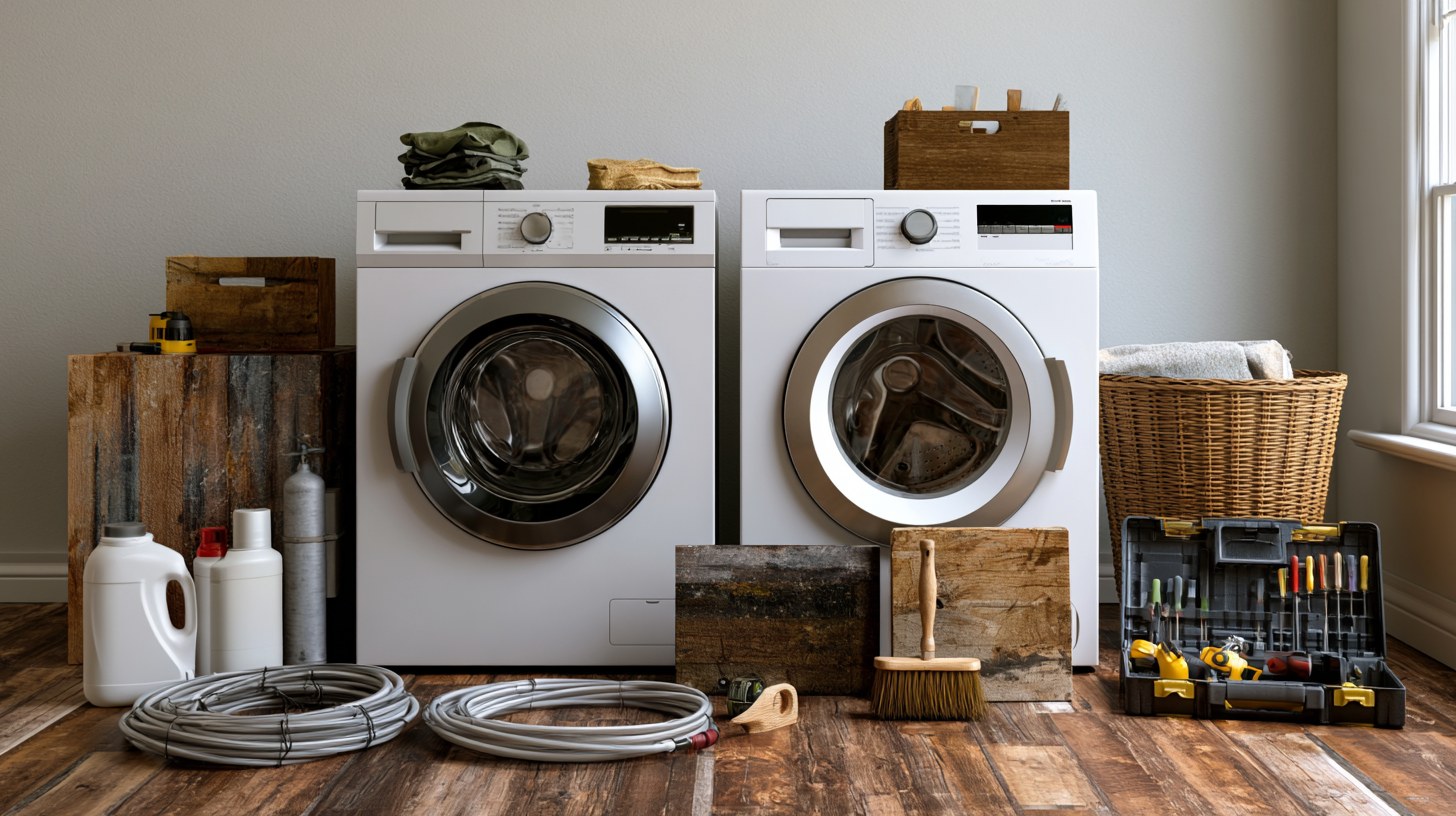
Usage, load size, maintenance, installation, and water quality all play a part in how long your machine holds up.
1. Frequency of Use
A machine doing one load a week will outlast one running daily loads for a big family. More use simply means more wear.
2. Load Size and Overloading
Stuffing too many clothes into one load puts strain on the motor and drum. Smaller, balanced loads are easier on the machine.
3. Maintenance Habits
Cleaning the lint trap, wiping down seals, and checking hoses regularly can add years to your appliance's life.
4. Installation Quality
A poorly installed washer or dryer can vibrate, shake, or leak, which speeds up wear and tear. Proper leveling matters more than people think.
5. Water Quality and Detergent Use
Hard water leaves mineral buildup inside your washer. Using too much detergent causes residue that clogs parts over time.
6. Brand and Build Quality
Some brands are known for lasting longer because of sturdier parts and better engineering. Reading reviews before buying can save you years of trouble.
How to Make Your Washer Last Longer
Here are a few habits that help:
- Clean the drum and detergent tray once a month
- Leave the door open after each wash to prevent mold
- Do not overload the machine
- Use the right amount and type of detergent
- Check hoses for cracks or leaks every few months
- Run a cleaning cycle regularly if your model has one
How to Extend the Life of Your Dryer
Small habits go a long way with dryers too. Clean the lint filter after every single load. A clogged filter forces the machine to work harder and raises fire risk.
Check the outside vent a few times a year to make sure it is not blocked. Do not overload the drum, since clothes need room to tumble freely.
Give your dryer a break between loads so the motor does not overheat. If you smell something burning, stop and check it right away.
Signs Your Washer or Dryer Is Wearing Out
Watch for these warning signs:
- Loud banging or grinding noises during a cycle
- Water leaking from the washer
- Clothes coming out still damp after a full dry cycle
- The machine takes longer than usual to finish
- Rust forming on the drum or exterior
- Frequent error codes or sudden stops
- A burning smell coming from the dryer
Why Newer Washers and Dryers Last Longer
Newer models come with better sensors, safer motors, and smarter cycles that reduce strain on the machine.
Many now include self cleaning features and alerts that tell you when something needs attention before it turns into a bigger problem.
Manufacturers have also improved materials used in drums and seals, which cuts down on rust and cracking over time.
Tips for Choosing a Long-Lasting Washer and Dryer
Keep these points in mind when shopping:
- Look for brands known for solid warranties
- Check repair costs and part availability before buying
- Pick a model with a simple design if you want easier repairs
- Read real customer reviews, not just star ratings
- Choose a size that fits your household needs, not more than that
- Ask about average lifespan for the exact model you are considering
Conclusion
I know appliance shopping is not fun, and neither is wondering if your washer is about to give out.
I have been there, staring at a machine making a weird noise, trying to decide if it is worth saving.
Most of the time, a little care goes a long way toward getting more years out of what you already own.
Try one small habit from this guide this week, maybe just cleaning that lint trap tonight.
If this helped you, drop a comment below or share it with someone dealing with the same washer and dryer questions.
Frequently Asked Questions
How long should a washer last before replacing it?
Most washers last around 10 to 13 years. If yours needs frequent repairs after that point, replacing it usually makes more sense.
Do front-load washers break down more than top-load washers?
Front-load washers can have pricier repairs, but they do not necessarily break down more often if maintained well.
Is it normal for a dryer to take longer to dry clothes as it ages?
Yes, this is common and often means the vent is clogged or the heating element is wearing out. Check both before assuming the worst.
Can hard water really shorten a washer's lifespan?
Yes. Mineral buildup from hard water can clog parts and reduce efficiency, which puts extra strain on the machine over time.
Should I buy a washer and dryer from the same brand?
It is not required, but matching brands can make troubleshooting easier and sometimes qualifies you for bundled warranties.