
A sour smell in your room is more than just annoying. It can be a sign of something bigger going on, like mold, moisture, or a hidden mess you have not spotted yet.
I have helped friends and family track down some really stubborn odors, and the fix was almost always simpler once we found the real source.
This guide walks you through why my room smells sour, what causes it, and exactly how to get rid of it.
You will learn how to find the source, clean it up the right way, and stop it from coming back. Whether the smell is mild or strong, this article gives you practical steps that actually work.
Why Does My Room Smell Sour?

A sour smell in a room is usually caused by bacteria, mold, or moisture breaking down organic material. When something stays damp for too long, it starts to release unpleasant odors. This can happen in carpets, walls, furniture, or even your air system.
The smell is your room's way of telling you something is wrong. Ignoring it will not make it go away. In most cases, the smell gets worse over time if the root cause is not fixed.
Some people mistake a sour smell for a musty one, but they are slightly different. A sour smell tends to be sharper and more acidic.
A musty smell is flatter and more earthy. Both point to moisture problems, but knowing the difference helps you narrow down the cause faster.
One reason sour smells are so sharp is the science behind them. Mold releases compounds called microbial volatile organic compounds, or mVOCs.
Certain mVOCs, particularly carboxylic acids, produce that distinct sour or vinegar-like odor you might notice even when you cannot see any mold.
Common Causes of a Sour Smell in a Room
Sour room odors rarely come from just one place. Here are the most common reasons your room might smell off.
Hidden Mold and Mildew

Mold does not always show itself. It can grow behind walls, under flooring, or inside furniture without you seeing it. When mold grows in a hidden spot, it produces a sharp, sour, or musty odor.
If you smell something sour but cannot find the source, mold is one of the first things to check. Look behind furniture, inside closets, and around windows where moisture tends to build up.
Signs that mold may be involved include dark spots or discoloration on surfaces, a smell that returns quickly after cleaning, and allergy-like symptoms in anyone spending time in the room.
Small patches of mold, roughly the size of a dinner plate or smaller, can usually be handled yourself. Larger areas, or mold behind walls and ceilings, need professional help.
Excess Humidity and Poor Ventilation

Rooms that do not get enough fresh air trap moisture inside. That trapped moisture settles on surfaces, fabrics, and walls.
Over time, it creates the perfect conditions for bacteria and mold to grow. High humidity on its own can make a room smell stale and sour, even without visible mold. Bedrooms with closed windows and no fans are especially prone to this. .
Water Leaks Behind Walls, Ceilings, or Floors

A slow leak you cannot see can cause serious odor problems. Water that seeps into walls or under floors sits there and feeds mold growth for weeks or months. By the time you notice the smell, the damage is already done.
Check for water stains on ceilings, soft spots on walls, and any area near pipes or exterior walls. If you have a crawl space below your room, check it too.
Moisture in a crawl space can travel up through gaps around pipes and spread a sour smell into the room above.
Damp Carpets, Rugs, and Carpet Padding

Carpet holds moisture longer than most surfaces. If your carpet ever got wet from a spill, a leak, or high humidity, the padding underneath may still be damp. That damp padding is a breeding ground for bacteria and mold, both of which produce sour odors.
Even carpets that look dry on top can be wet underneath, so a sour smell near the floor is often a sign the padding needs attention.
Dirty Laundry, Towels, Bedding, and Mattresses

Clothes left in a pile for too long start to smell. Towels that stay damp between uses grow bacteria quickly. Bedding absorbs sweat, skin cells, and oils every night. If these are not washed regularly, they produce a strong sour smell.
Mattresses are often overlooked. They absorb sweat over months and years, and without regular cleaning, they can become a major odor source.
Pet Urine and Other Pet-Related Odors

Pet urine soaks into carpet fibers, padding, and even the subfloor beneath. Once it dries, it crystalizes and releases ammonia-like odors that get stronger in warm or humid conditions.
If the urine has soaked all the way into the subfloor, no amount of carpet cleaning will fully remove the smell without also treating or sealing that surface.
Pets also carry dander, oils, and outdoor bacteria into the room, all of which can add to a general sour or stale smell over time.
Food Spills, Trash, and Forgotten Organic Matter

A piece of food that rolled under the bed or a forgotten snack in a drawer can create a strong sour smell as it breaks down. Trash cans without lids or that are not emptied often are another common culprit.
Even small food spills on carpet or furniture, if not cleaned properly, can ferment and produce odors.
HVAC Systems, Air Conditioners, and Dirty Air Filters

Your air system moves air throughout your room. If the filters are dirty or the ducts have mold, that air carries odors with it. Air conditioners that are not cleaned regularly can grow mold inside the unit, including on the evaporator coils, and spread that smell every time they run.
In older homes, ducts can also build up heavy deposits of dirt and debris that contribute to the smell.
A sour or musty smell that gets worse when the AC or heat turns on is a strong sign the air system needs cleaning.
Plumbing Issues and Sewer Gas
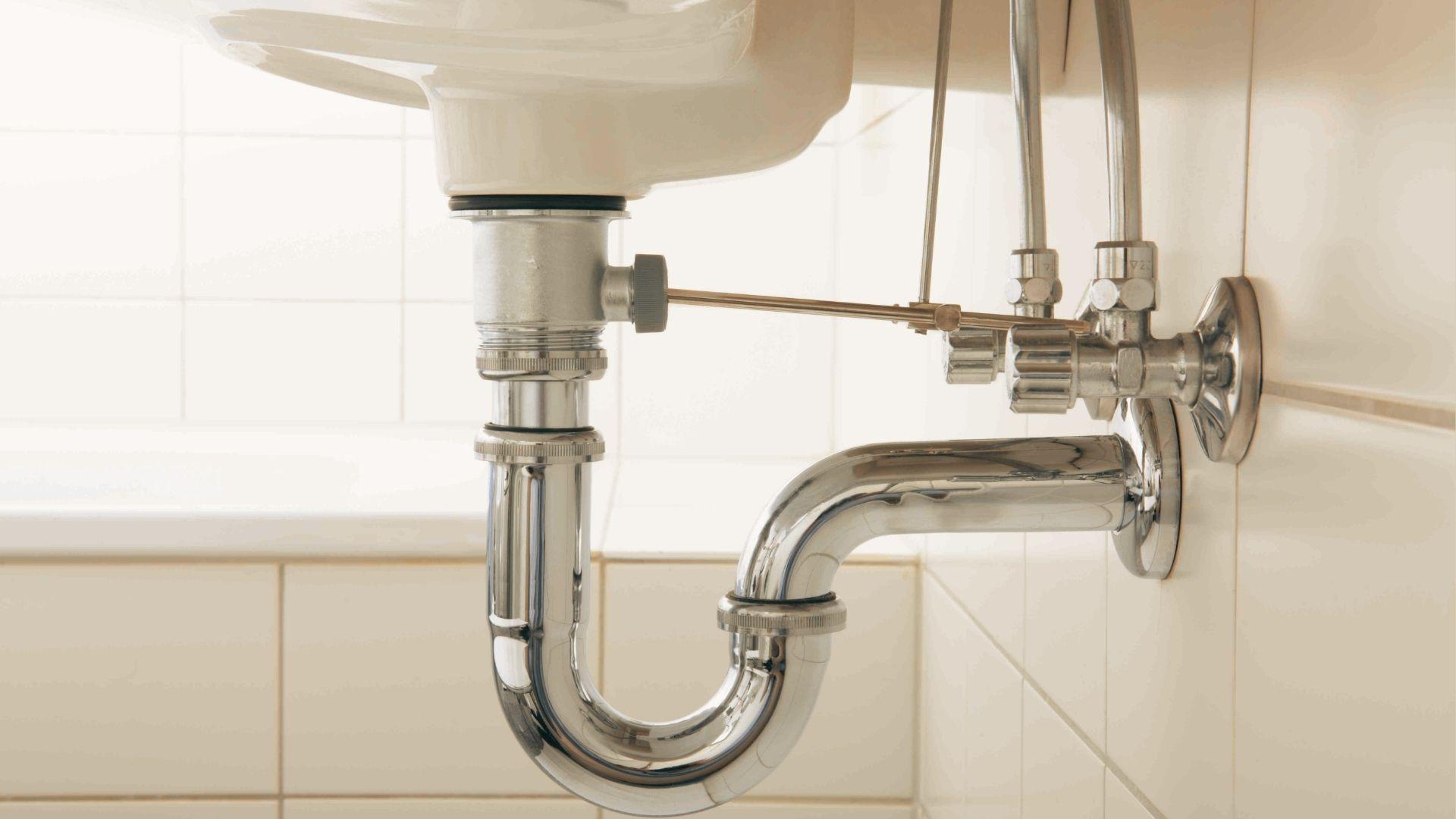
Dry drain traps, cracked pipes, or venting problems can allow sewer gases to seep into your room. These gases have a sulfur or sour smell that can be hard to trace.
The P-trap is the curved section of pipe under a sink or drain. It holds a small amount of water that blocks sewer gases from rising up into the room.
If a drain is not used regularly, that water evaporates and the trap goes dry, letting the gases through. Running water in unused drains every few weeks is a simple way to prevent this.
If the smell is strongest near a bathroom, a sink, or a drain, the plumbing is likely the source. If you are on a septic system, an overdue pump-out can also send sour and sulfur odors back through your drains.
This is one case where calling a professional sooner rather than later makes sense.
Overwatered Houseplants and Damp Soil

Houseplants are a common and overlooked source of sour odors. When soil stays wet for too long, it starts to ferment and grow bacteria and fungus. The result is a sour, earthy smell that can fill a room.
Check your plants if you notice a sour smell that worsens after watering. Let the soil dry out between watering sessions.
How to Find the Source of the Sour Smell
Finding the source is the most important step. Covering the smell with sprays or candles will not fix anything.
Start by walking slowly around the room and sniffing near different areas. Get close to the floor, walls, furniture, and vents. The smell will usually be strongest closest to the source.
Check these spots carefully:
- Behind and under furniture
- Inside closets and storage areas
- Along baseboards and corners
- Near windows and exterior walls
- Around any vents or air returns
- Inside or under beds and mattresses
- In your crawl space if you have access to it
How to Get Rid of a Sour Smell in Your Room

Getting rid of a sour smell takes more than masking it. You need to remove the source and then clean up properly.
Eliminate the Source of Moisture First
Nothing else will work if moisture is still present. Fix any leaks, reduce humidity, and improve airflow before you do anything else.
Use a dehumidifier to bring humidity below 50 percent and dry out any damp areas with fans or a wet vacuum.
Deep-Clean Carpets, Upholstery, and Fabrics
Regular vacuuming is not enough for sour smells. Rent a carpet cleaner or hire a service to do a deep extraction cleaning. For furniture, use an upholstery cleaner or a solution of water and white vinegar.
If the carpet pad is the source, it likely needs to be replaced entirely, especially after a water leak or pet urine has soaked through it. Surface cleaning alone will not remove the smell if the pad is contaminated.
Baking soda sprinkled on carpets and left for several hours before vacuuming can help absorb odors between deep cleans.
Wash Bedding, Curtains, and Washable Items
Wash all fabric items in the room, including sheets, pillowcases, blankets, and curtains. Use hot water when the fabric allows, as heat kills bacteria more effectively.
If your mattress smells, sprinkle baking soda over the surface, let it sit for several hours, and vacuum it thoroughly. An enzyme-based cleaner works well for sweat and biological odors.
Improve Ventilation and Lower Indoor Humidity
Open windows when the weather allows. Use a bathroom exhaust fan or a box fan to move stale air out. Cross-ventilation, where air flows in from one window and out through another, is especially effective.
You can also place a bowl of white vinegar where the smell is strongest. Unlike sprays, white vinegar neutralizes odor molecules rather than masking them. Leave it out for 24 to 48 hours while you work on the root cause.
This same vinegar solution also works well diluted with water for wiping down upholstery and hard surfaces.
Clean HVAC Filters and Air Vents
Replace your air filters every one to three months and clean the vents with a damp cloth or vacuum attachment. If you suspect mold inside the ducts, have them professionally inspected.
A professional HVAC technician can also clean the evaporator coils safely, which is important since those coils collect moisture and can spread mold through the room every time the unit runs.
Use an Air Purifier to Reduce Lingering Odors
An air purifier with a HEPA filter and activated carbon layer can capture airborne mold spores, bacteria, and odor particles.
The activated carbon is especially important because it adsorbs odor molecules that HEPA alone cannot trap. It does not fix the root cause, but it helps clear the air while you address the source.
Place it in the area of the room where the smell is strongest for best results.
Safely Clean Small Areas of Mold
For small mold patches on hard surfaces, use a solution of one cup of water and one tablespoon of dish soap with a small amount of white vinegar. Scrub the area, rinse it, and dry it completely. Wear gloves and a mask when cleaning mold.
Never paint over mold or cover it without cleaning it first, as that only traps moisture and makes things worse. If you cannot see mold but strongly suspect it, a professional air quality test or mold inspection can confirm it.
Common Mistakes That Keep Sour Smells Coming Back
Many people try to fix sour smells but make mistakes that let the problem return.
- Using air fresheners without treating the source only covers the smell temporarily
- Cleaning only the carpet surface without addressing the padding underneath
- Cleaning visible mold without fixing the moisture problem underneath
- Leaving damp items like towels or wet shoes in the room regularly
- Not checking carpet padding, which stays wet long after the surface feels dry
- Running the AC or heat without changing the filter, which spreads odors
- Overwashing plants or leaving water sitting in saucers under pots
Conclusion
A sour smell in your room is not just unpleasant. It is a sign that something needs your attention. The good news is that most causes are fixable once you find the source.
Start by checking for moisture, mold, dirty fabrics, and overlooked spots like your carpet pad, crawl space, and drain traps. Clean thoroughly, improve ventilation, and keep up with a simple maintenance routine.
Small consistent habits go a long way. If this guide helped you figure out why my room smells sour, take action today and share this article with someone who needs it.
Drop a comment below telling us what worked for you, and check out our related guides for more room care tips.
Frequently Asked Questions
Can a sour smell in my room make me sick?
Yes, prolonged exposure to mold spores or sewer gas can cause headaches, allergies, and respiratory issues, especially in children and sensitive individuals.
How long does it take for a sour smell to go away after cleaning?
If the source is fully removed and the area is dried properly, the smell usually clears within one to three days with good ventilation.
Can a new room or freshly painted wall smell sour?
Yes, some paints and building materials use off-gas chemicals that smell sharp or sour initially. It typically fades within a few weeks with airflow.
Why does my room smell sour only at night?
Closed windows, body heat, and lower airflow at night concentrate odors. It does not mean the smell is new, just more noticeable in still air.