
Sticker adhesive on clothes is annoying. It sticks to shirts, jeans, and jackets, and a regular wash rarely takes it off. If you want to know how to remove sticker glue from clothes without damage, this guide will help.
It covers simple, safe methods using things you probably already own, like rubbing alcohol, vinegar, and dish soap.
You will also learn which method fits which fabric, so you don't ruin something delicate by accident.
I have used several of these tricks myself after peeling off price tags and stickers, and they work well without harsh chemicals. By the end, you will know how to get your clothes clean again.
.
What You'll Need Before Removing Sticker Glue

A few basic supplies make this job much easier.
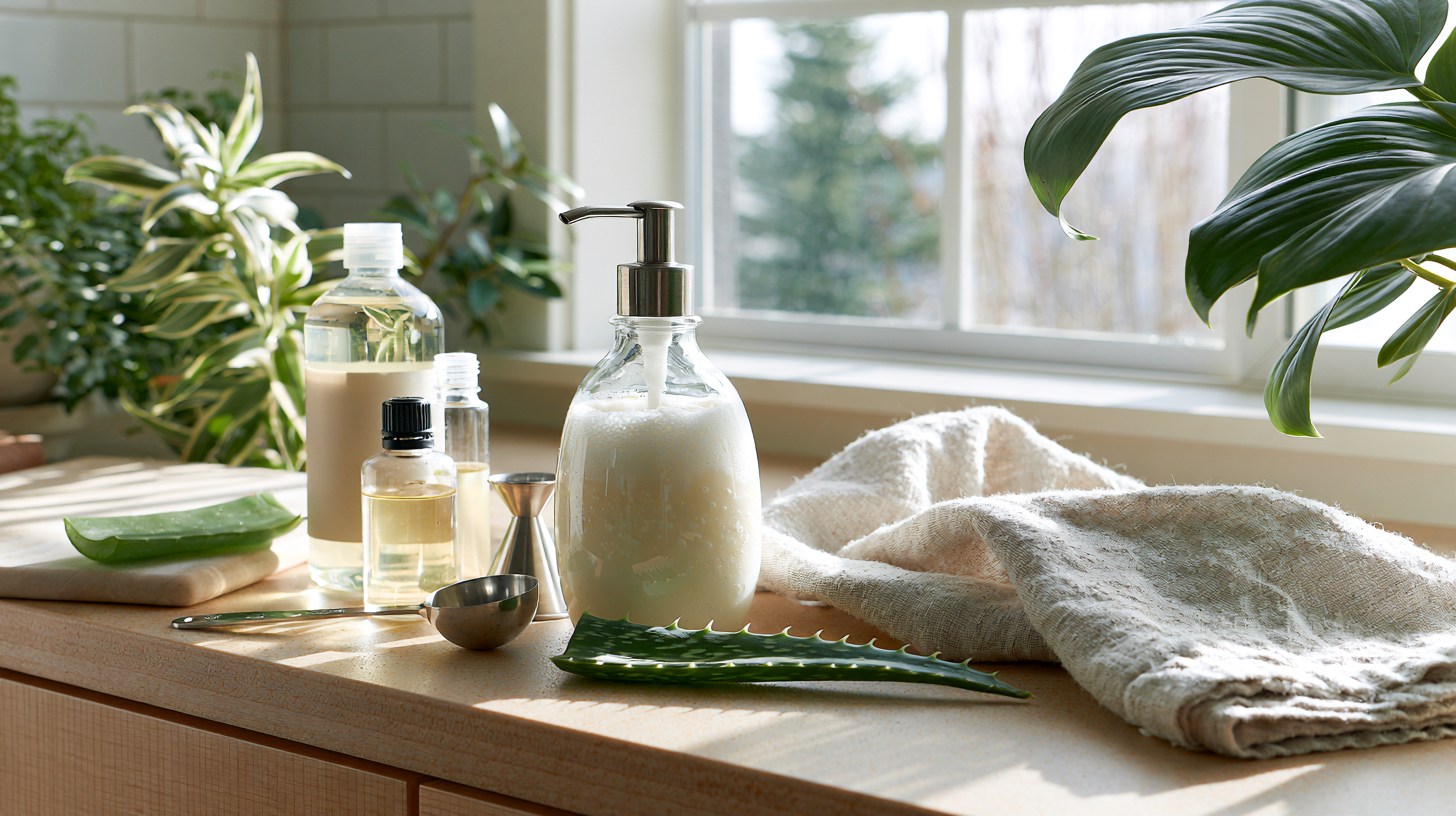
Before you start, gather rubbing alcohol, white vinegar, dish soap, laundry detergent, a soft-bristled brush, a butter knife or old credit card, a soft cloth, and some duct tape.
Baking soda and a bit of cooking oil are also handy for stubborn spots. You don't need anything fancy. Most of these items are already sitting in your kitchen or bathroom cabinet.
Which Sticker Glue Removal Method Should You Try First?
Start gentle before moving to stronger methods. If the sticker just came off, try the freezer trick or duct tape first, as these are the safest for fabric and work well on fresh adhesive residue.
If the sticky residue is older or has already gone through the wash, rubbing alcohol or vinegar will likely be needed.
Always run a quick patch test on a hidden spot before treating visible areas, especially on colored or delicate fabric.
How to Remove Sticker Glue From Clothes (Step-by-Step)
Here are six methods that work for most types of sticker glue.
Method 1: Lift Fresh Residue with Duct tape
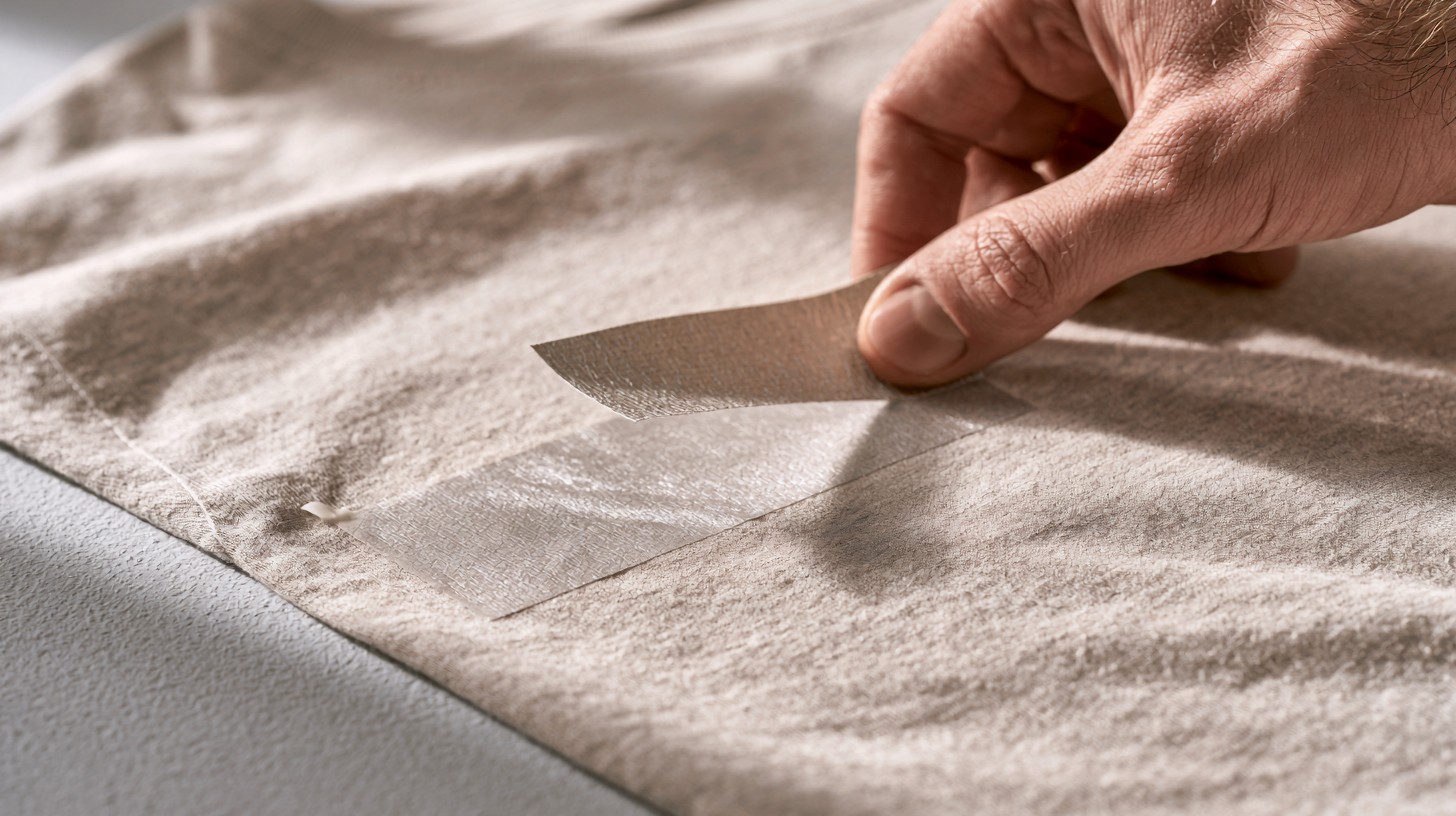
Press a piece of duct tape firmly onto the adhesive residue , then peel it back slowly. Repeat with a fresh piece of tape until most of the residue lifts away.
This works best right after the sticker comes off, before the glue has time to set into the fabric fibers.
Duct tape works best on cotton and cotton-blend clothing. Painter's tape, packing tape, or scotch tape can work too, but they usually take more tries.
Skip Gorilla tape, since its extra-strong grip can pull at fabric fibers and make the spot worse instead of better.
Method 2: Remove Adhesive Residue with Rubbing Alcohol
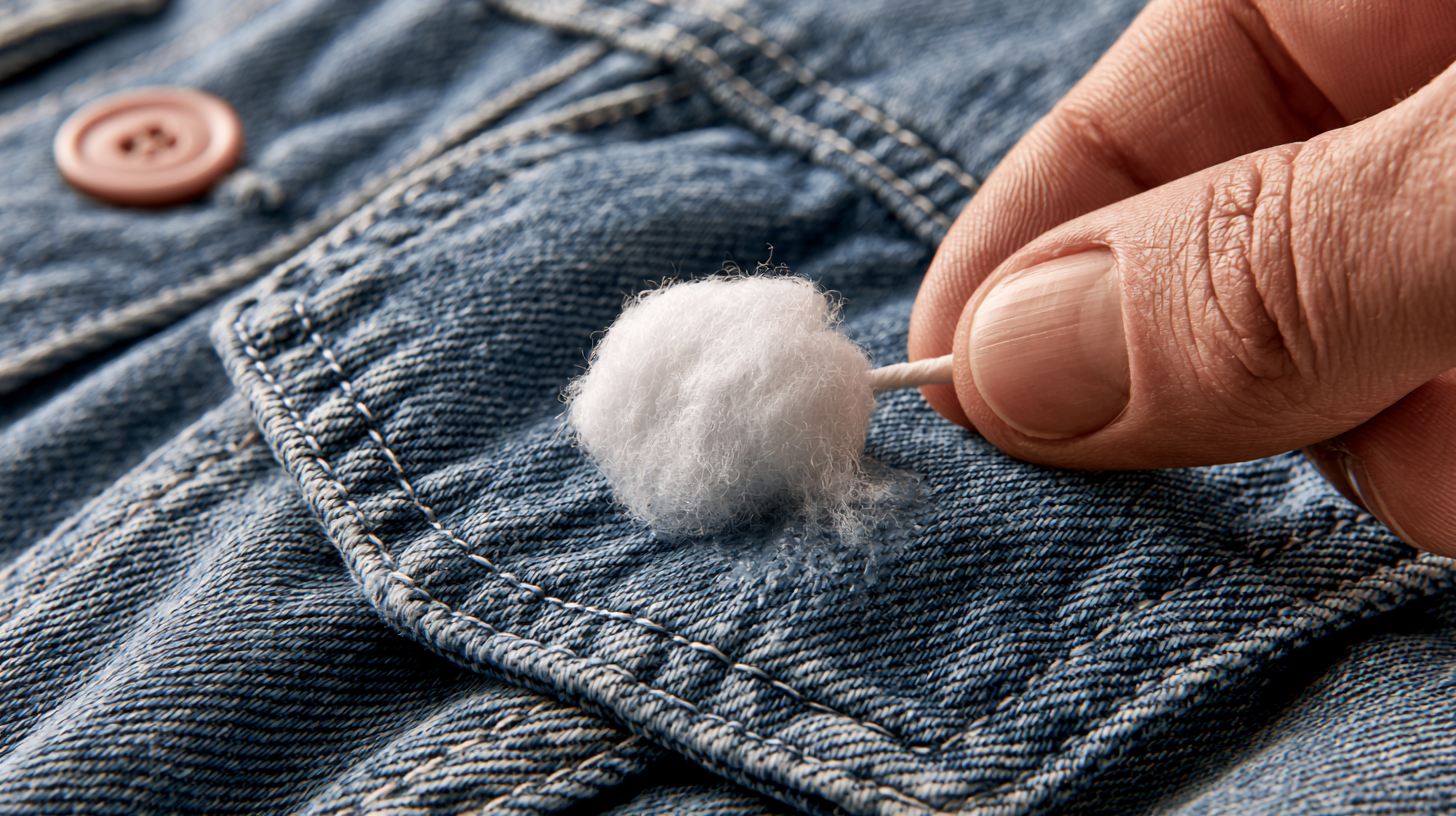
Dab a cotton ball or cloth with rubbing alcohol and press it onto the sticky spot. Isopropyl alcohol breaks down the adhesive bond, so let it sit for a minute, then gently rub in small circles.
The glue should start to loosen and lift off. Rinse the area with cool water once the residue is gone.
Method 3: Loosen Sticker Adhesive Using White Vinegar

Soak a cloth in white vinegar and lay it over the glue for about ten minutes. Vinegar breaks down the sticky bond without harming most fabrics.
After soaking, scrape off the loosened glue gently with a butter knife or the edge of an old credit card.
Method 4: Clean Light Residue with Dish soap
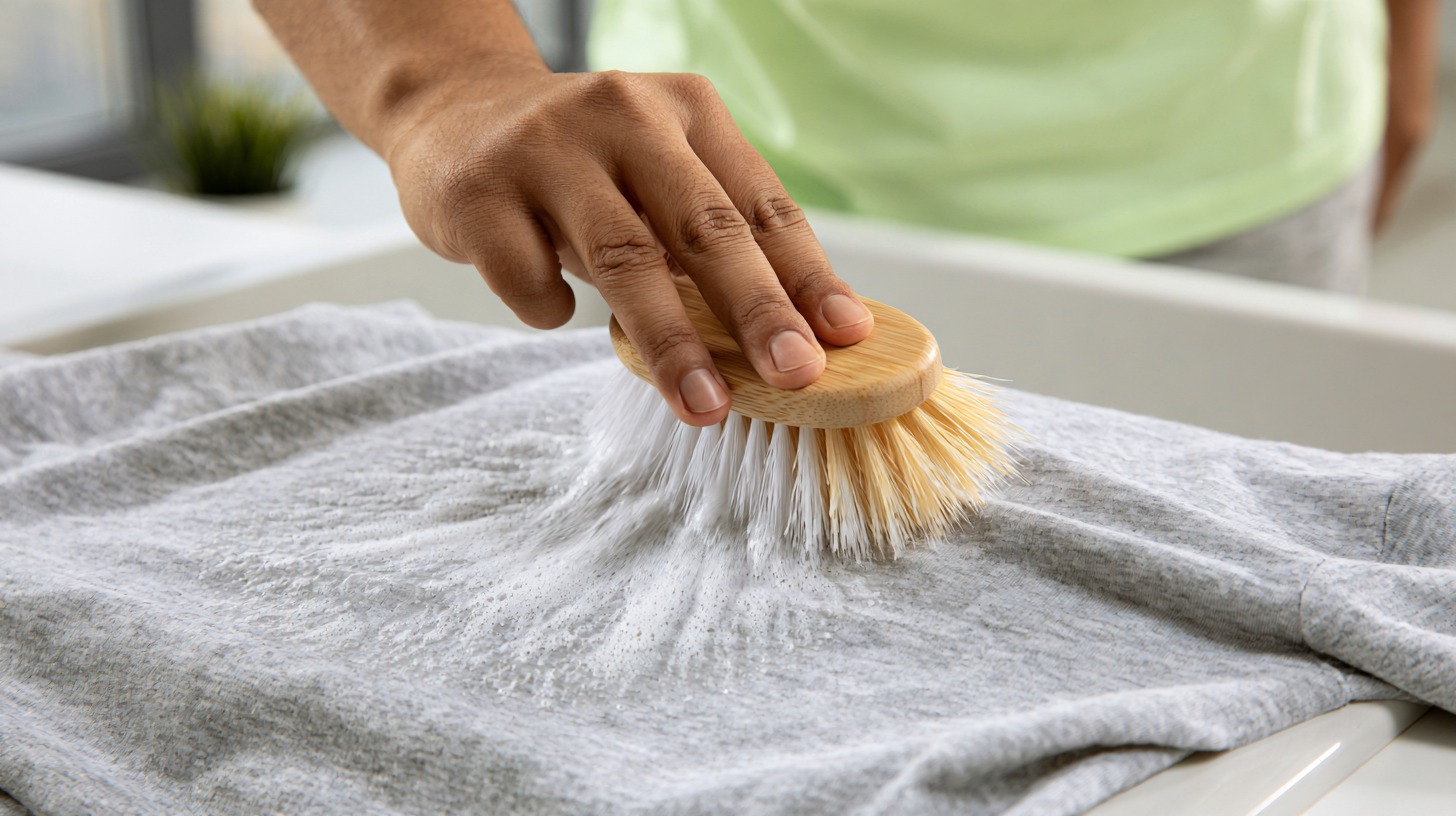
For small or fresh spots, mix a few drops of dish soap with warm water. Rub the mixture into the glue with a soft cloth, a soft-bristled brush, or an old toothbrush.
Dish soap is gentle, so it's a good first choice for kids' clothes or sensitive fabrics.
Method 5: Freeze Sticker Glue for Easier Removal
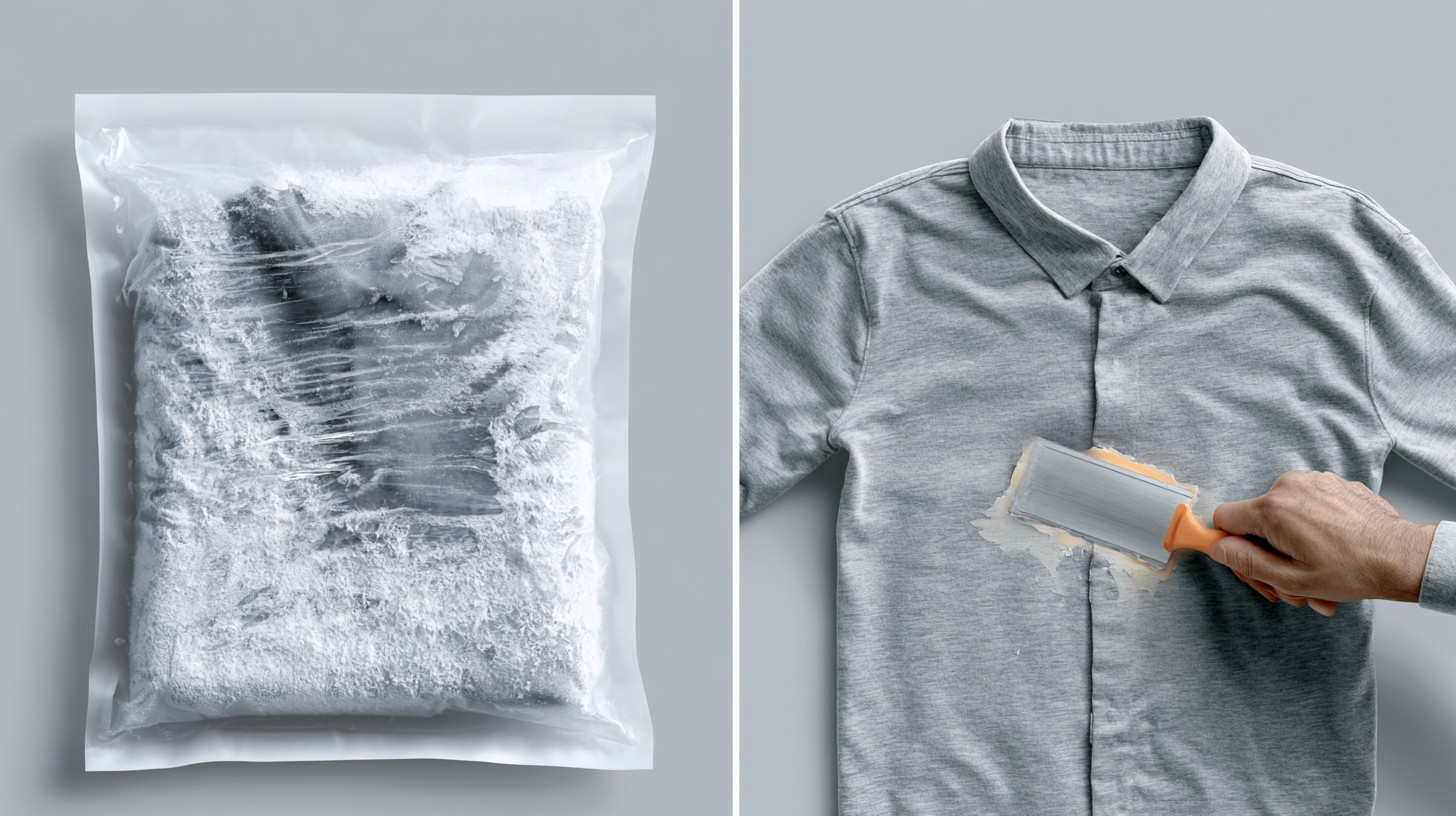
Place the garment in a plastic bag and put it in the freezer for one to two hours. Cold temperatures make glue brittle and easier to scrape off.
Once frozen, use a butter knife or old credit card edge to gently flake the glue away.
Method 6: Use Cooking Oil or Baby oil for Stubborn Adhesive

Rub a small amount of cooking oil or baby oil directly onto the glue. Let it sit for a few minutes so the oil can soak into the adhesive.
If the residue still won't budge, a hairdryer on a low setting can help warm and loosen it before you wipe it away.
Wipe away the loosened glue with a cloth, then wash the garment right away to remove the oil.
Wash and Inspect the Garment Before Drying
Once the glue is gone, wash the item with your regular laundry detergent and check the spot closely before it goes in the dryer.
Heat from the dryer can set any leftover residue permanently, so it's worth a second look. If any glue remains, repeat one of the methods above before drying.
Best Sticker Glue Removal Method by Fabric Type

Different fabrics need different care to avoid damage.
Cotton and Cotton Blends
Cotton handles most methods well, which makes it one of the easier fabrics to treat. Duct tape, rubbing alcohol, or vinegar are all safe choices and rarely cause fading or texture change.
Because cotton is sturdy, you can usually move straight to a stronger method without worrying too much about damage.
Start with duct tape for fresh residue, then switch to alcohol or vinegar if any glue remains. Always do a quick patch test first if the item is dyed or printed, just to be safe before treating the visible spot.
Polyester and Synthetic Fabrics
Synthetics can react to strong alcohol, so it's worth testing a small area first before treating the whole spot. Dish soap or the freezer method are gentler starting points that lower the risk of damage.
Polyester can sometimes hold onto residue longer than cotton, so you may need to repeat a method once or twice.
Avoid high heat when drying synthetic fabric with leftover glue, since it can melt slightly and bond the residue even deeper into the fibers than before.
Denim
Denim is sturdy and can handle rubbing alcohol or vinegar without much worry, making it one of the more forgiving fabrics to work with. Just avoid scrubbing too hard on printed or dyed areas, since heavy friction can wear down the design faster than plain denim.
Duct tape also works well here for lifting fresh residue before reaching for liquids. Because denim is thick, you may need a bit more patience with older glue, but the fabric itself rarely suffers damage from these methods.
Wool, Silk, and other Delicate Fabrics
Stick to the freezer method or a small dab of dish soap on delicate fabrics, since these options are the gentlest available. Strong liquids like alcohol or vinegar can damage these fragile materials, causing fading, stretching, or texture changes that are hard to fix.
Always test a hidden seam first, even with mild products. For a delicate piece with heavy residue, it's often safer to hand the job to a dry cleaner instead of treating it at home, since professional care reduces the risk of ruining the garment.
Kids' Clothing and School Uniforms
Dish soap and warm water are usually enough for these fabrics, since kids' clothes often have simple stickers with lighter glue. Because children's clothing is washed often and made for everyday wear, it tends to handle gentle cleaning well without much fuss.
Rub the soap in with a soft cloth or brush, then rinse and wash as usual. If any residue remains after a first try, a light dab of rubbing alcohol can help finish the job without being too harsh for regular school uniforms.
Household Remedies vs Commercial Adhesive Removers
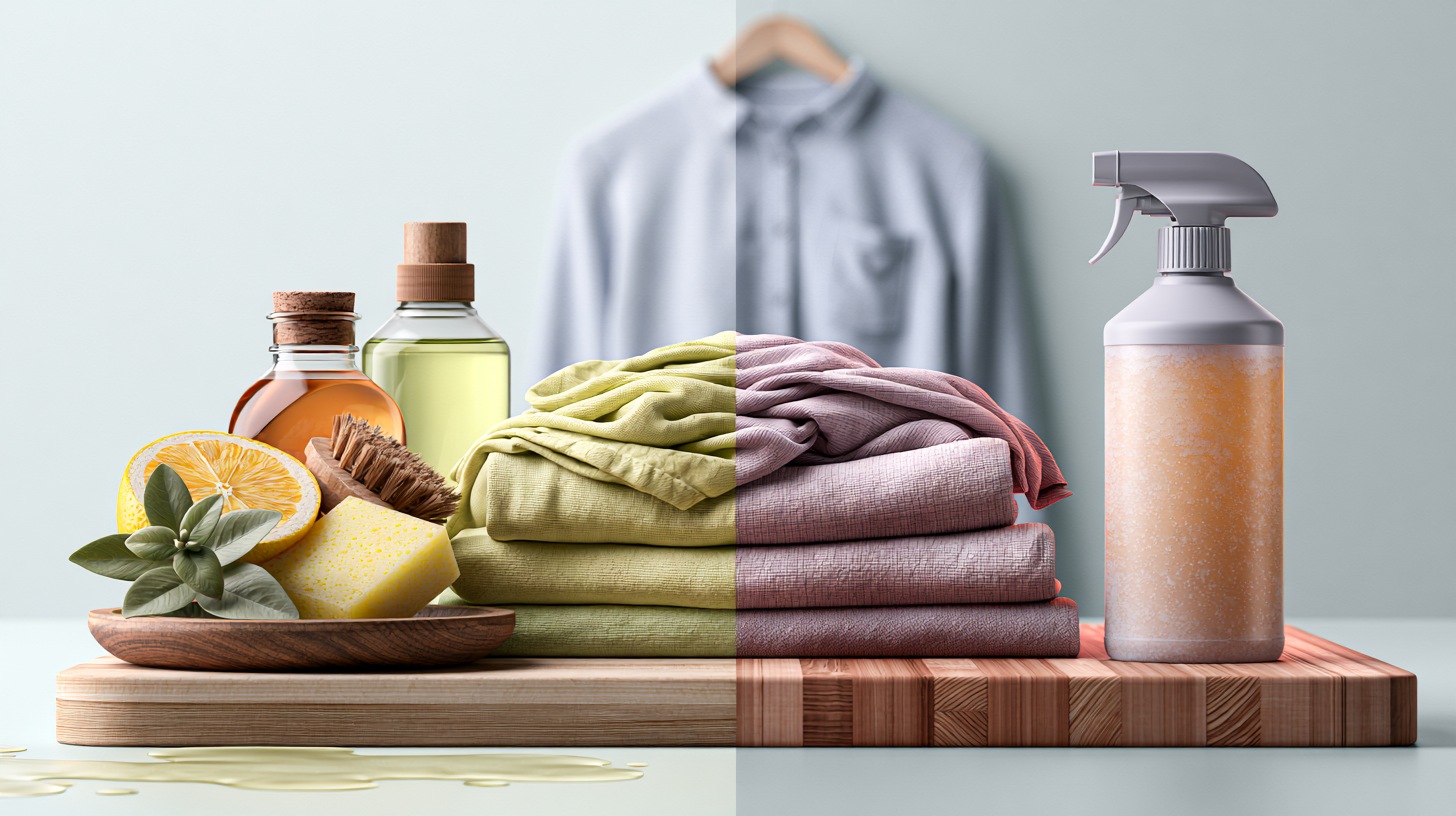
Both options work, but they fit different situations.
| Factor | Household Remedies | Commercial Adhesive Removers |
| Cost | Low, uses items you already own | Higher, requires buying a product |
| Speed | Slower, may need repeat attempts | Usually faster on tough glue |
| Fabric safety | Generally gentle when tested first | Varies by brand, check labels |
| Availability | Found in most homes already | Needs a trip to the store |
| Best for | Light to moderate residue | Heavy, old, or stubborn glue |
Common Mistakes That Can Damage Clothes
A few small errors can turn a simple fix into a bigger problem.
- Scrubbing too hard, which can wear down fabric fibers or fade color
- Using hot water before the glue is fully removed, which sets it deeper
- Skipping the patch test on colored or delicate fabric
- Drying the garment before confirming the glue is completely gone
- Mixing chemicals like vinegar and alcohol without checking fabric care labels
- Using sharp tools that can tear or snag the fabric
- Using Gorilla tape instead of regular duct tape, since its stronger grip can stress the fibers
How to Remove Old or Washed-and-Dried Sticker Glue
Dried and set-in glue takes a bit more patience to remove.
If the glue has already gone through a wash and dry cycle, it will feel harder and more stubborn. Start with rubbing alcohol or oil to soften it, then let it sit for a few extra minutes before scraping.
You may need to repeat the process two or three times, since heat from the dryer often bonds the glue deeper into the fibers.
Troubleshooting Sticky Residue That Won't Come Off
Sometimes one round of treatment isn't enough. Here's what to do next.
- Residue is still sticky after treatment: Try a second round with a different method, such as switching from dish soap to rubbing alcohol. Combining methods often finishes the job.
- Glue has left a stain: Treat the stain with a bit of dish soap and cold water before washing. Avoid hot water, since it can lock the stain into the fabric.
- Fabric looks dull or discolored: This can happen with rough scrubbing or strong alcohol on sensitive dye. Let the fabric air dry and check again once fully dry before deciding on further treatment.
- When to repeat the cleaning process: If any residue remains after washing, repeat the same method rather than switching too quickly. Consistency usually works better than trying five different products in one sitting.
How to Prevent Sticker Adhesive From Sticking to Clothes
A little care when removing stickers goes a long way.
Peel stickers off slowly and at an angle instead of pulling straight up, since this reduces how much glue stays behind.
Warming the sticker slightly with a hairdryer before peeling can also help it come off cleanly.
When shopping, try to remove price tags and stickers as soon as you get home, before the glue has time to set into the fabric.
Expert Tips for Safe Sticky Residue Removal
Keep these points in mind for the best results every time.
- Always test any product on a hidden seam or inside label first
- Work in small sections instead of covering the whole stain at once
- Blot rather than scrub whenever possible to protect fabric fibers
- Let the garment air dry after treatment to check for leftover residue
- Avoid mixing cleaning products, since some combinations can damage fabric or cause fumes
- Keep a small removal kit at home for quick fixes after shopping, including duct tape, rubbing alcohol, and a soft-bristled brush
Conclusion
Removing sticker glue from clothes doesn't have to ruin your favorite shirt or jeans. With a few household items and the right method for your fabric, you can get rid of sticky residue safely and keep your clothes looking their best.
Start with a gentle option like the freezer method or dish soap, then move to rubbing alcohol or vinegar if needed.
Try these steps the next time a sticker leaves its mark, and let us know in the comments which method worked for you.
Feel free to share this guide with anyone dealing with the same sticky problem.
Frequently Asked Questions
Does WD-40 remove sticker glue from clothes?
Yes, WD-40 can loosen sticker glue, but it leaves an oily residue. Wash the item immediately with dish soap afterward.
Can toothpaste remove sticker glue?
Non-gel toothpaste can help with light residue. Rub a small amount on the spot, then rinse with warm water.
Is it safe to use nail polish remover on clothes?
It depends on the fabric. Acetone can damage synthetic materials and some dyes, so test a hidden area first.
How long should I let vinegar sit on sticker glue?
About ten minutes is usually enough. Longer soaking rarely improves results and may affect fabric color over time.