
My gas bill went up last winter, and I had no idea why. That one question sent me down a rabbit hole I wasn’t expecting.
Turns out, a lot more runs on gas than most people realize. It’s not just the stove.
If you’ve ever wondered what appliances use gas in the house, you’re in the right place. I put together a complete, easy-to-follow list so you can finally see the full picture.
By the end, you might look at your own home very differently.
Why Gas Appliances Are Common in Homes

Gas appliances cost less to run over time. In most areas, natural gas is cheaper than electricity, so your monthly bills stay lower even with heavy use.
They also work faster. A gas burner heats up instantly. A gas furnace warms a room much quicker than an electric one. That speed adds up to real comfort, especially in winter.
Natural gas is widely available in cities and suburbs. Most homes already have a gas line, which makes adding or switching appliances straightforward.
It’s also a cleaner option compared to coal or oil. Gas burns more efficiently and releases fewer pollutants, which makes it a reasonable middle ground for energy-conscious homeowners.
What Appliances Use Gas in the House? (Complete List)
If you’ve ever wondered what appliances use gas beyond just cooking, you might be surprised.
There are quite a few, and many of them are running in your home right now without you thinking twice about it.
1. Gas Stoves and Cooktops

The gas stove is the most common gas appliance in American homes. You light it, and the heat is there immediately. No waiting around.
That instant control is a big deal in the kitchen. You can go from a rolling boil to a gentle simmer in seconds. Electric coils just can’t do that.
Professional chefs almost always prefer gas cooktops for this reason. The flame gives you visual feedback and precise control that electric options still struggle to match.
If you’re cooking daily, a gas cooktop is one of the most practical appliances you can have.
2. Gas Ovens

Gas ovens heat up fast and keep a steady temperature throughout the cooking process. That consistency makes a real difference in baking and roasting.
They also cost less to operate than electric ovens. Since gas is generally cheaper per unit of energy, you spend less every time you preheat and cook.
Most homes that have a gas cooktop also have a gas oven built into the same unit. It’s a common and practical combination.
For everyday home cooking, a gas oven is a solid, cost-efficient choice.
3. Gas Water Heaters

Hot water is one of the biggest energy expenses in any home. A gas water heater handles that job faster and cheaper than most electric models.
You can choose between a tank model or a tankless one. Tank heaters store a set amount of hot water. Tankless models heat water on demand, which can save even more energy.
Either way, gas heats water significantly faster than electric. That means shorter wait times and more hot water available when you need it.
Over a year, the savings on your utility bills from a gas water heater can be quite noticeable.
4. Gas Furnaces

A gas furnace is the heart of central heating in many homes. It pulls in cold air, heats it using a gas burner, and pushes warm air through your vents.
In colder climates, a gas furnace is especially effective. It reaches high temperatures quickly and keeps your home warm even when it’s freezing outside.
Gas furnaces are also reliable. They don’t depend on electric resistance heating, which can struggle in extreme cold.
If you live somewhere with harsh winters, a gas furnace is likely the most important gas appliance in your home.
5. Gas Dryers
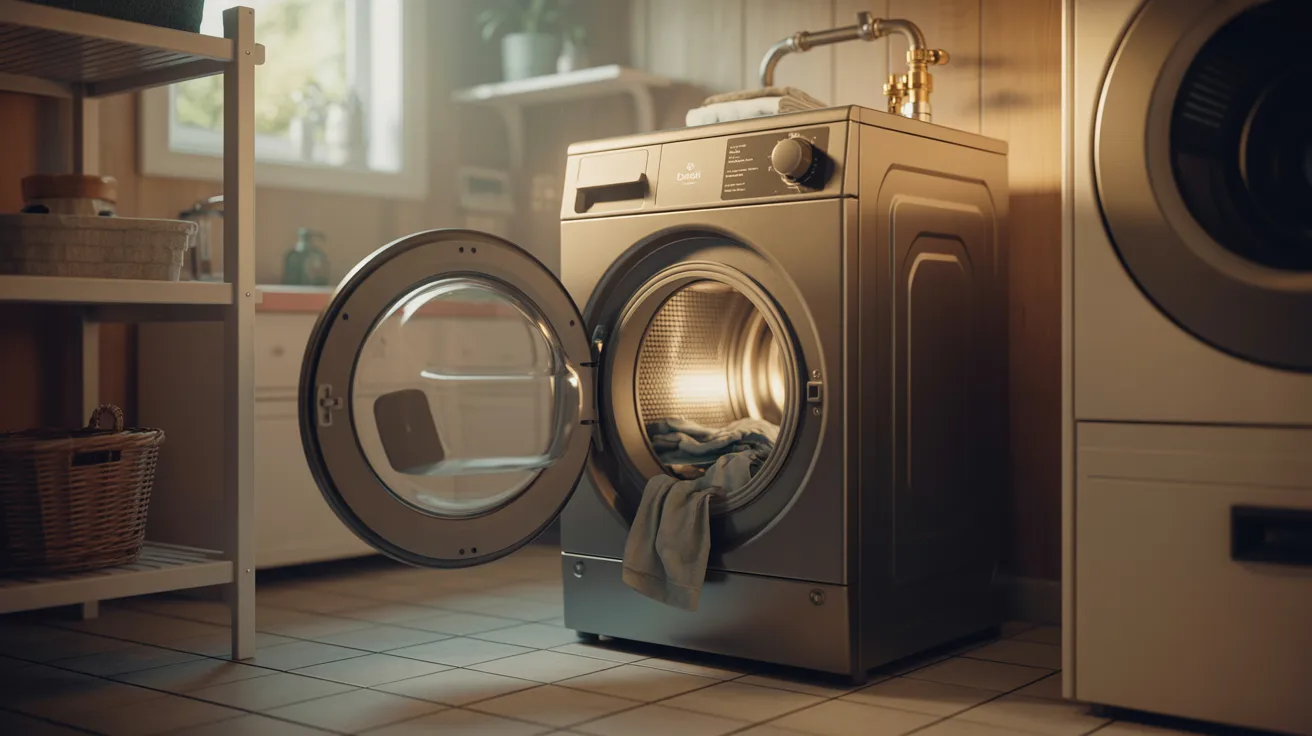
Most people don’t think of dryers when they think of gas appliances. But gas dryers are very common, and they have clear advantages.
They dry clothes faster than electric dryers. The heat is more intense and consistent, which means shorter cycles and less wear on your clothes over time.
They also use less electricity since the heating comes from gas. For a household that does several loads of laundry each week, this makes a real difference.
Gas dryers cost a bit more upfront but usually pay for themselves through lower running costs.
6. Gas Fireplaces

A gas fireplace gives you warmth and ambiance without the hassle of wood. You turn it on, the flame appears, and the room heats up. That’s it.
Compared to a wood-burning fireplace, gas is far cleaner. There’s no smoke, no ash, and no need to store firewood. Your air quality stays better too.
They’re also easier to maintain. No chimney cleaning for soot buildup, and the operation is simple enough for anyone to manage.
For homeowners who want the cozy look of a fireplace with much less work, gas is the obvious answer.
7. Gas Grills

Gas grills are the go-to for outdoor cooking. Whether you’re using propane or natural gas, they heat up fast and give you consistent temperature control.
They’re popular for backyard BBQs because you can cook a lot of food at once without managing charcoal. Just turn the knob and start grilling.
Propane grills use a portable tank, while natural gas grills connect directly to your home’s gas line. The natural gas version is more convenient if you grill often.
Either option is efficient and easy to use for everything from burgers to whole chickens.
Safety Tips for Using Gas Appliances
Gas appliances are safe when you maintain them properly. The key is staying consistent with checks and not ignoring warning signs.
Here are the most important safety habits to follow:
- Check for gas leaks regularly. If you smell something like rotten eggs near an appliance, take it seriously and call your gas company right away.
- Install carbon monoxide detectors. Place them near sleeping areas and any room with a gas appliance.
- Keep appliances well-ventilated. Gas burns oxygen, so good airflow is important to prevent buildup of harmful gases.
- Schedule annual servicing. Have a licensed technician inspect your gas appliances once a year, especially your furnace and water heater.
- Turn off the gas supply when leaving for extended periods. It’s a simple step that reduces risk significantly.
None of these steps take much time or money. But skipping them can turn a perfectly safe appliance into a real hazard. Build these habits now, and your gas appliances will serve you well for years.
Conclusion
Gas appliances have made a real difference in how I manage my home. And I think once you start paying attention, you’ll feel the same way.
The next step is yours. Walk through your home today and check what’s running on gas and what isn’t. If something feels outdated or inefficient, it’s worth looking into.
Have a gas appliance question I didn’t cover? Drop it in the comments. I read every one.
And if this guide helped you, share it with someone who’s about to move into a new home.
Frequently Asked Questions
What Appliances Use Gas the Most in a Home?
Furnaces, water heaters, and stoves are the biggest gas consumers in most homes. These appliances run frequently, so they account for the largest share of your gas bill.
What Appliances Use Gas in the House Besides Cooking?
Water heaters, dryers, furnaces, and fireplaces all run on gas. Many homeowners are surprised by how many non-cooking appliances rely on it.
Are Gas Appliances Cheaper to Run Than Electric Ones?
In most cases, yes. Natural gas tends to cost less per unit of energy than electricity, though this depends on your local utility rates.
How Can I Tell if My Appliance Is Gas or Electric?
Look for a gas line connection at the back of the appliance. You can also check the product label or your owner’s manual for fuel type.
Is It Safe to Use Gas Appliances at Home?
Yes, gas appliances are safe when properly installed and maintained. Regular inspections, proper ventilation, and working carbon monoxide detectors are all you need to keep things safe.