A dirty banneton can ruin your bread's rise and flavor.
If you're wondering how to clean a banneton the right way, you're in the right place.
This guide walks you through every step, from brushing off flour to handling mold and stubborn dough residue.
You'll also learn what not to do, so you don't damage the cane or wood fibers.
I've cleaned my own banneton more times than I can count, and these are the exact steps that keep it fresh for years.
By the end, you'll know how to clean, dry, and store your banneton the right way, every single time.
Why Cleaning a Banneton Is Important
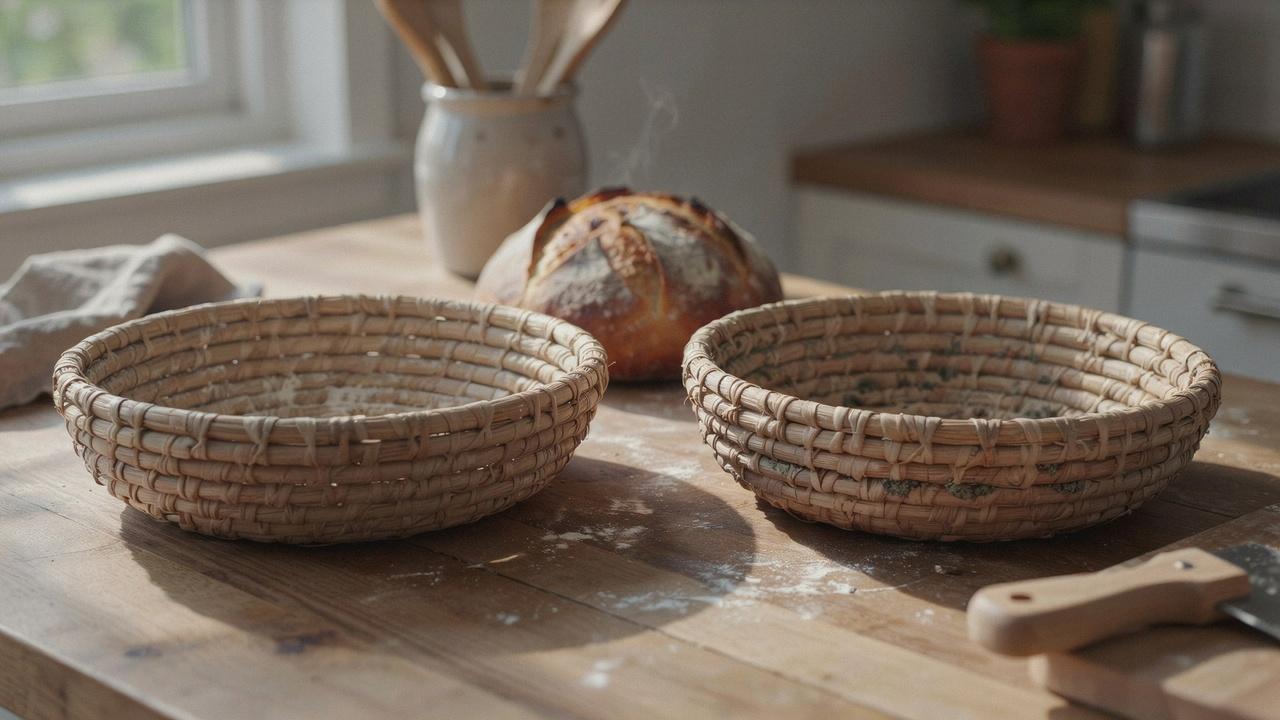
A clean banneton keeps your bread safe, fresh, and free from mold or bad smells.
A banneton holds flour and dough every time you bake. Over time, leftover flour can turn stale or grow mold if it's not cleaned. This can affect the taste and smell of your next loaf.
Keeping your banneton clean also helps it last longer. Cane and wood baskets can crack or rot if flour builds up and traps moisture.
A quick clean after each use keeps your basket in good shape for many bakes to come.
When Should You Clean a Banneton?
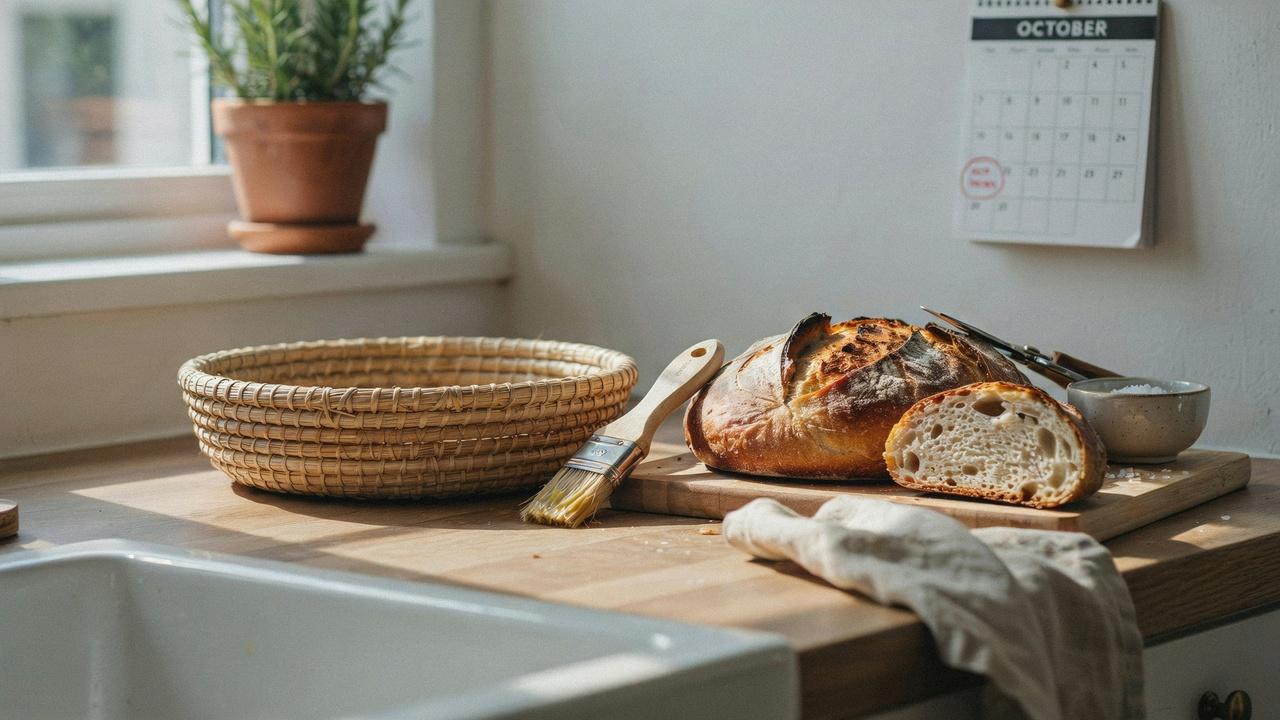
Clean your banneton after every bake, and give it a deeper clean once a month.
You don't need to wash your banneton every single time. A light brush after each bake is usually enough.
But once a month, give it a deeper clean to remove any buildup you might have missed.
If you notice a musty smell, dark spots, or sticky patches, clean it right away. Waiting too long can lead to mold, which is harder to remove later.
How to Clean a Banneton Step by Step
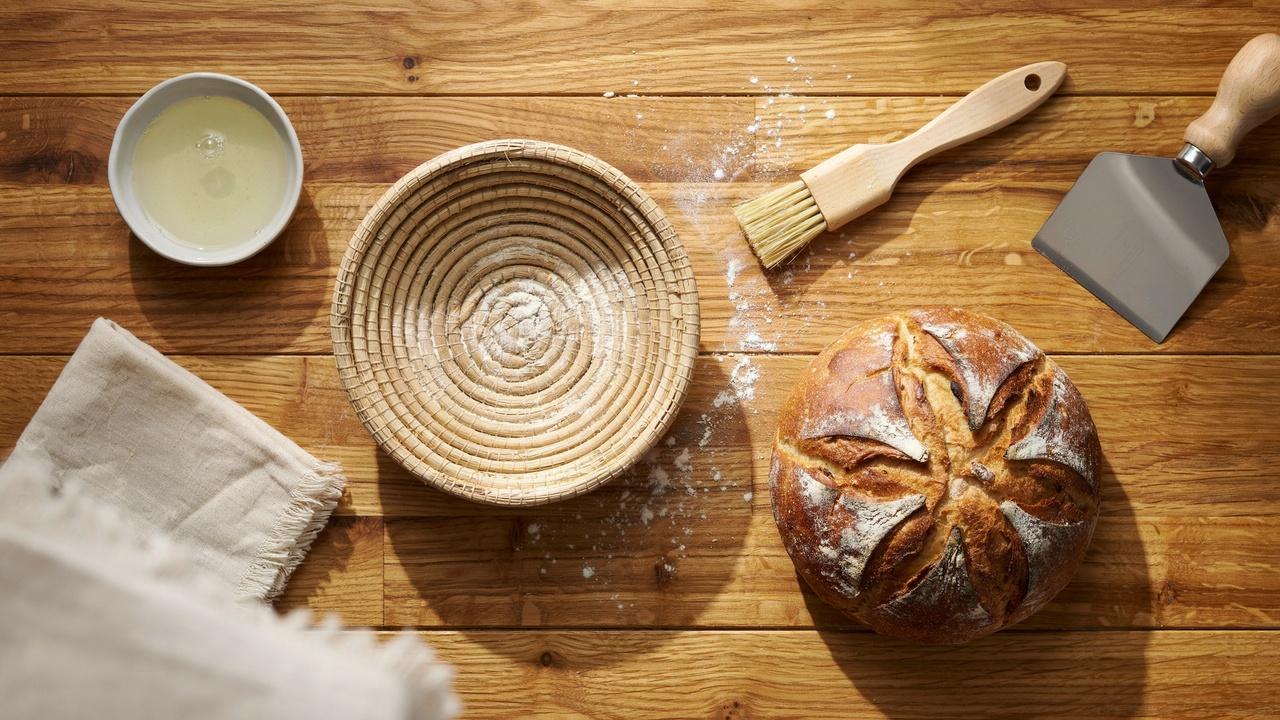
Follow these five simple steps to keep your banneton clean and ready for the next bake.
Let the Banneton Dry Completely
Before you clean your banneton, let it air dry first. Damp dough sticks less once it's fully dry. Leave the basket out in a room with good airflow for a few hours. Avoid using a hairdryer or oven, since heat can warp the wood or cane.
Brush Away Loose Flour and Dough
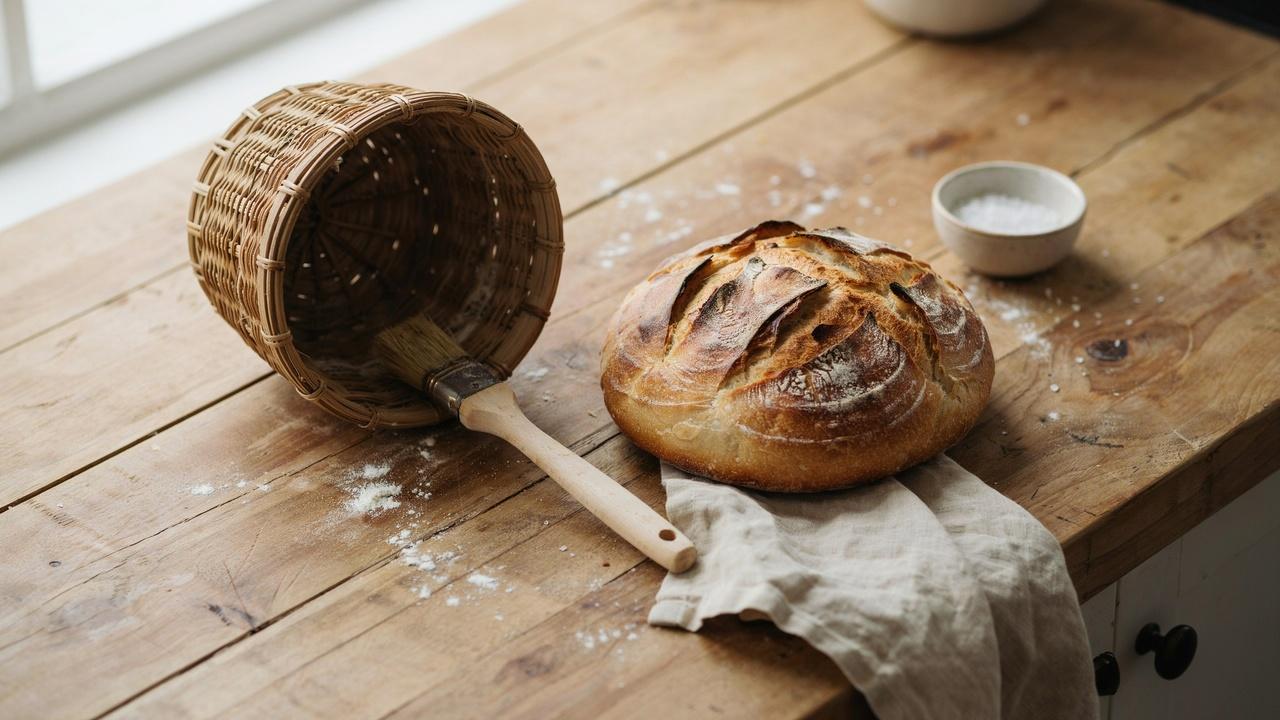
Once dry, use a stiff, dry brush to sweep out loose flour and dough bits. A pastry brush or a small natural bristle brush works well. Brush in the direction of the weave to loosen dough without pushing it deeper into the fibers.
Remove Stubborn Dough Residue
For dried bits that won't budge, use a dough scraper or the edge of a butter knife. Gently scrape at an angle, following the pattern of the basket. Go slow so you don't pull at the fibers or damage the shape.
Sanitize the Banneton if Needed
If your banneton smells off or shows signs of mold, a light clean can help. Wipe the surface with a cloth lightly dampened in a vinegar and water mix. Never soak the basket. Let it dry fully before using it again.
Dry the Banneton Before Storing
Always make sure your banneton is bone dry before you put it away. Any leftover moisture can lead to mold, even in storage. Set it in a warm, dry spot for a full day before storing.
What Not to Do When Cleaning a Banneton
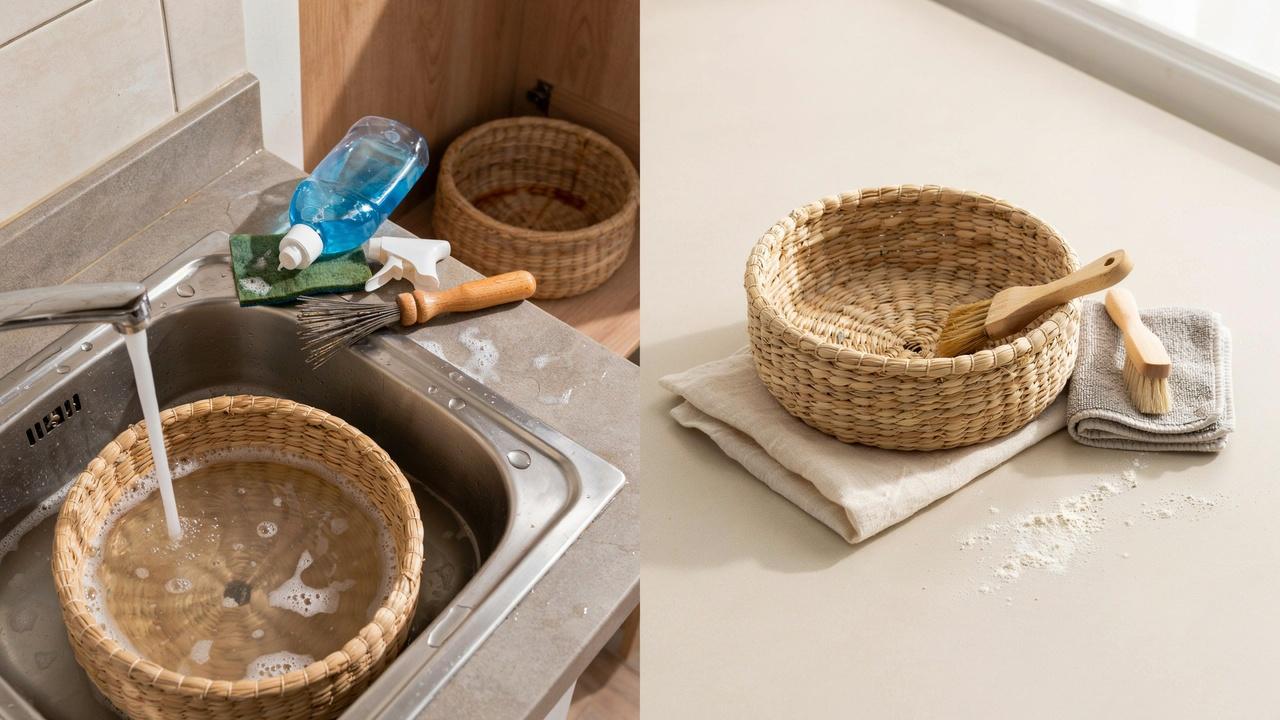
Avoid these common cleaning habits that can ruin your banneton over time.
Do Not Soak a Banneton in Water
Soaking your banneton in water can cause the wood or cane to swell, crack, or warp. It can also trap moisture deep in the fibers, which leads to mold. Stick to dry brushing and light wiping instead.
Avoid Soap and Harsh Chemicals
Soap can strip the natural coating that keeps dough from sticking. It can also leave a smell or taste behind in your next loaf. Skip soap and chemical cleaners completely.
Never Store a Damp Banneton
Storing a wet or even slightly damp banneton is one of the fastest ways to grow mold. Always double check that it's fully dry, even if it looks dry on the surface.
Do Not Scrub Too Hard
Scrubbing too hard can wear down the natural fibers and shorten the life of your banneton. Use gentle motions and let time, not force, do the work.
How to Remove Mold From a Banneton
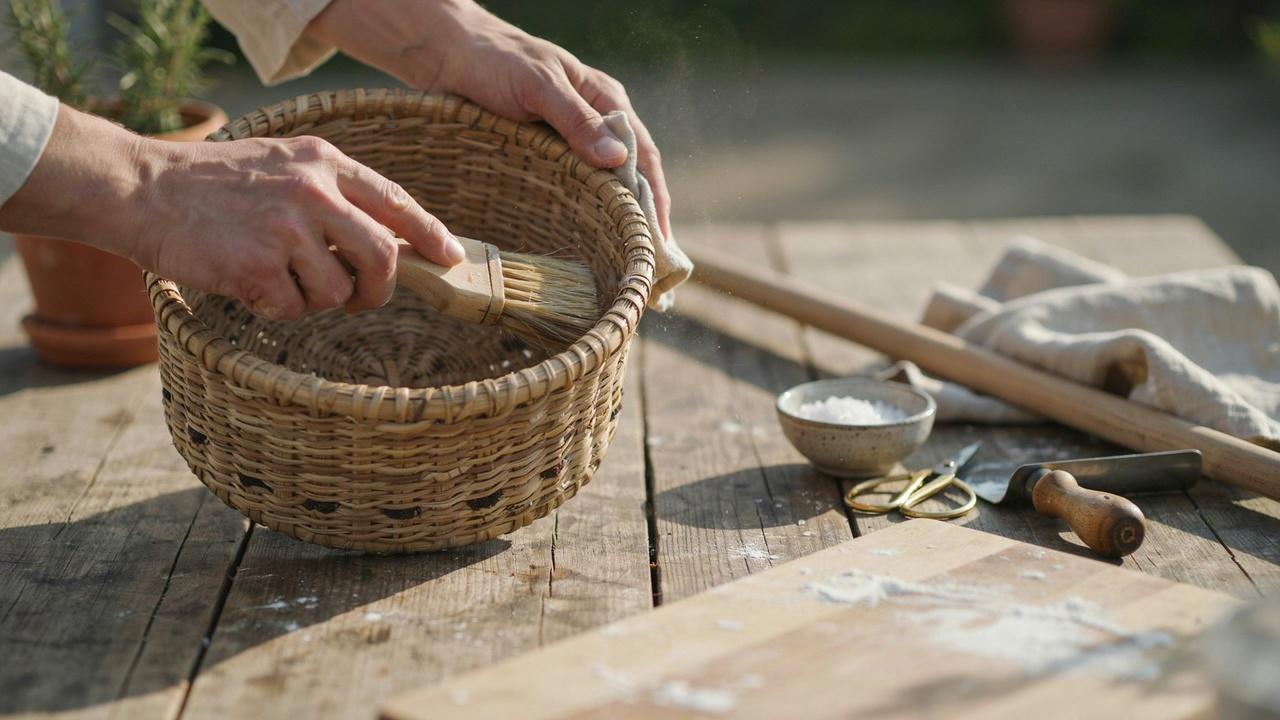
Catch mold early and treat it fast to save your banneton.
Remove Surface Mold
If you spot mold, brush off any loose spores outdoors, away from your kitchen. Use a dry brush first, then a cloth dipped in a vinegar and water mix to wipe the area.
Sanitize and Dry the Banneton
After removing the mold, let the banneton dry completely in a sunny, well ventilated spot. Sunlight helps kill leftover spores. Check it again after a day before storing.
How to Store a Banneton Properly
Store your banneton somewhere dry, open, and away from moisture.
Keep your banneton in a dry cupboard or open shelf with good airflow. Avoid sealing it in plastic bags or airtight containers, since trapped moisture can lead to mold. A cotton bag or open basket works best for long term storage.
Tips to Keep Your Banneton Clean Longer
Small daily habits go a long way in keeping your banneton fresh.
- Use rice flour before proofing to stop dough from sticking
- Brush off flour after every single use
- Let the banneton air dry fully before storing it
- Store it in a dry, well ventilated place
- Check it often for early signs of mold
Common Mistakes to Avoid When Cleaning a Banneton
These small mistakes can shorten the life of your banneton fast.
- Soaking the basket in water
- Using soap or strong cleaning chemicals
- Storing it while still damp
- Scrubbing too hard and damaging the fibers
- Skipping regular flour brush-offs
Conclusion
Cleaning a banneton isn't hard once you know the steps.
I used to toss mine in a drawer without a second thought, until mold taught me a hard lesson. Now I brush it after every bake and it still looks great years later.
If you follow these steps, your banneton will last a long time and keep your bread tasting fresh. Give your basket a little care today.
Drop a comment if this helped, share it with a fellow baker, or check out our other bread care guides.
Frequently Asked Questions
How often should I clean my banneton?
A light brush after every bake is enough. Give it a deeper clean once a month.
Can I wash a banneton with water?
No, soaking it in water can warp the wood or cane. Stick to dry brushing and light wiping only.
Why does my banneton smell musty?
A musty smell often means moisture got trapped inside. Dry it fully in a well ventilated spot to fix this.
How do I know if my banneton has mold?
Look for dark spots or a sour smell on the surface. Brush it off and wipe with a vinegar and water mix.
How long does a banneton last with proper care?
With regular cleaning and dry storage, a banneton can last for many years. Avoiding soap and water is key to this.