
I used nylon spatulas for years. No questions asked. Then one day, I noticed my spatula was melting at the edges.
That’s when I started digging. What I found was not pretty.If you cook daily, your utensils touch every meal you make.
Are they actually safe? That’s a fair question, and you deserve a straight answer.
This article covers whether nylon utensils are safe to cook with, 15 non-toxic alternatives you can switch to today, and simple tips to keep your kitchen tools lasting longer.
Let’s get into it.
Why the Material of Your Cooking Utensils Actually Matters
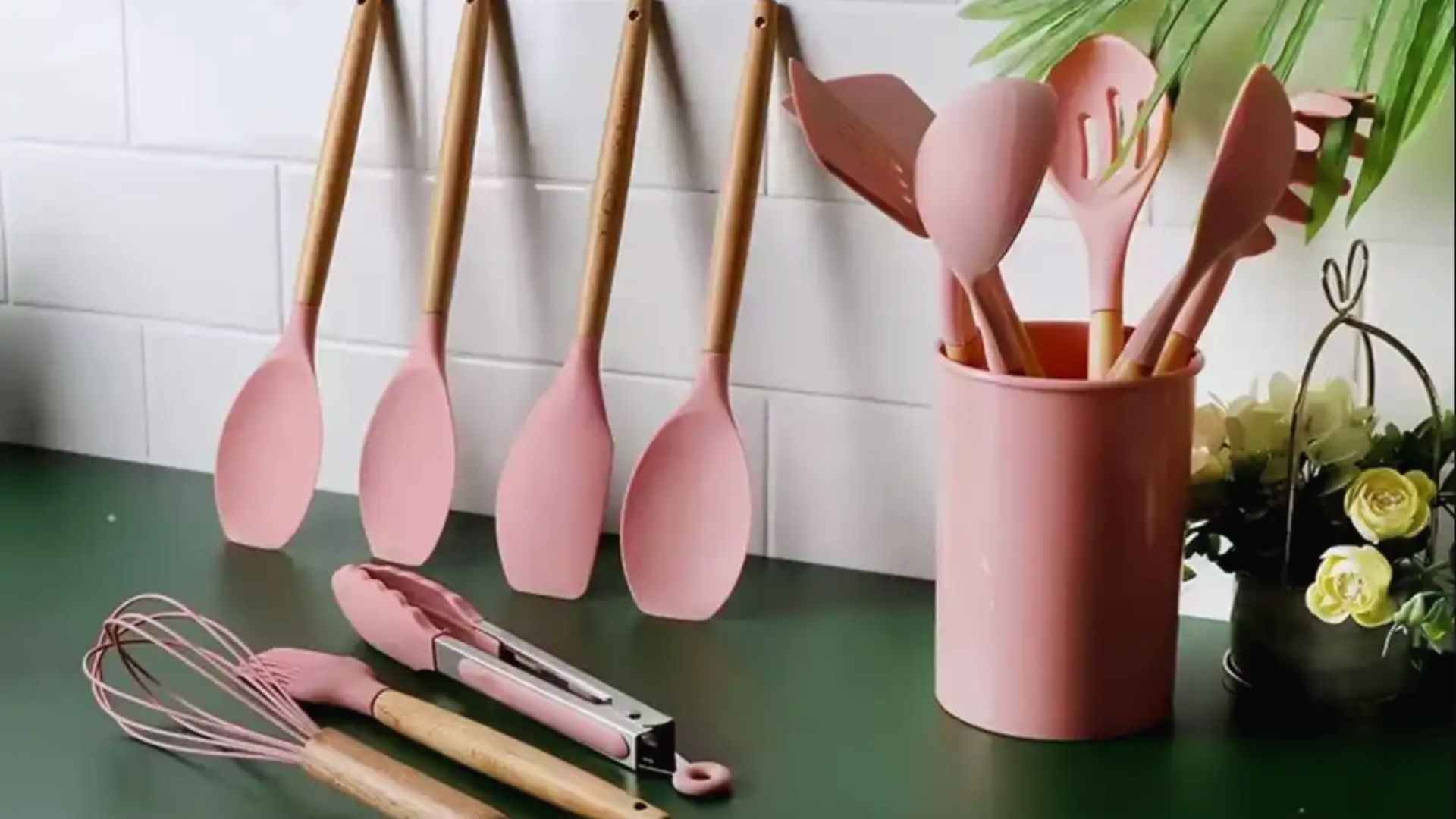
Most people pick kitchen tools based on price or looks. That’s completely normal. But the material your utensils are made from affects more than just how they feel in your hand.
It affects what goes into your food.Every time you stir, flip, or scoop, that tool makes direct contact with what you eat.
If it breaks down under heat or wears over time, small particles can end up in your meal. You may not see them. You may not taste them. But they’re there.
Safer options exist for every tool in your kitchen. Knowing what to look for is the first step. That’s exactly what this blog helps you do.
Are Nylon Cooking Utensils Safe?
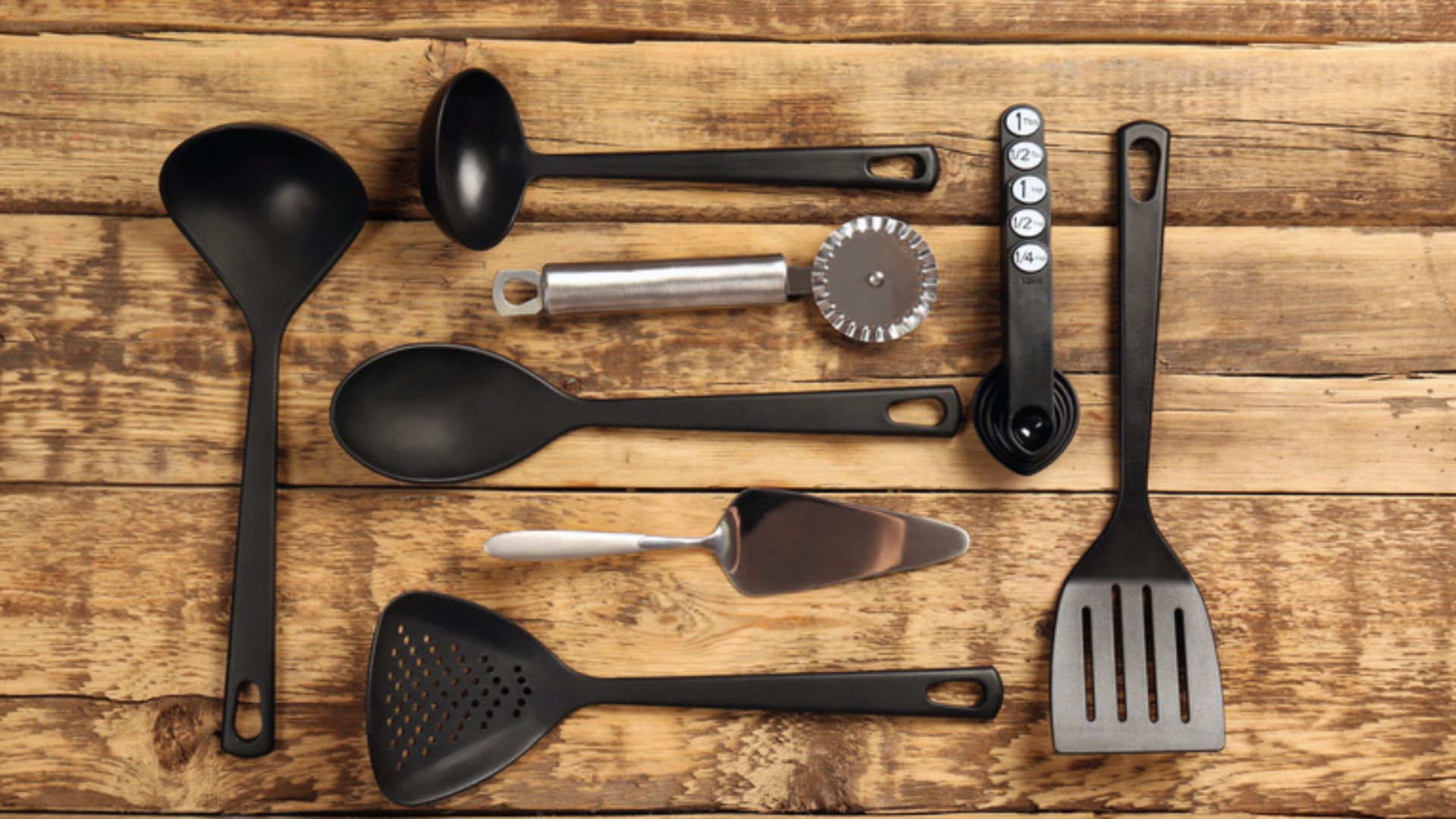
Nylon utensils are made from a type of plastic. They work fine at low to medium heat. But once temperatures rise above 400°F (204°C), nylon can begin to melt or break down.
When that happens, tiny particles and chemicals can mix into your food. This is called leaching.
Over time, repeated exposure to these chemicals may not be good for your health. Nylon also wears down with use, releasing microplastics that you can’t see.
For everyday high-heat cooking, nylon utensils carry risks that are worth taking seriously.
List of 15 Safer, Non-Toxic Alternatives to Nylon Utensils
Simple swaps that keep your cooking clean, safe, and chemical-free every single day.
1. Stainless Steel Skillets & Pans
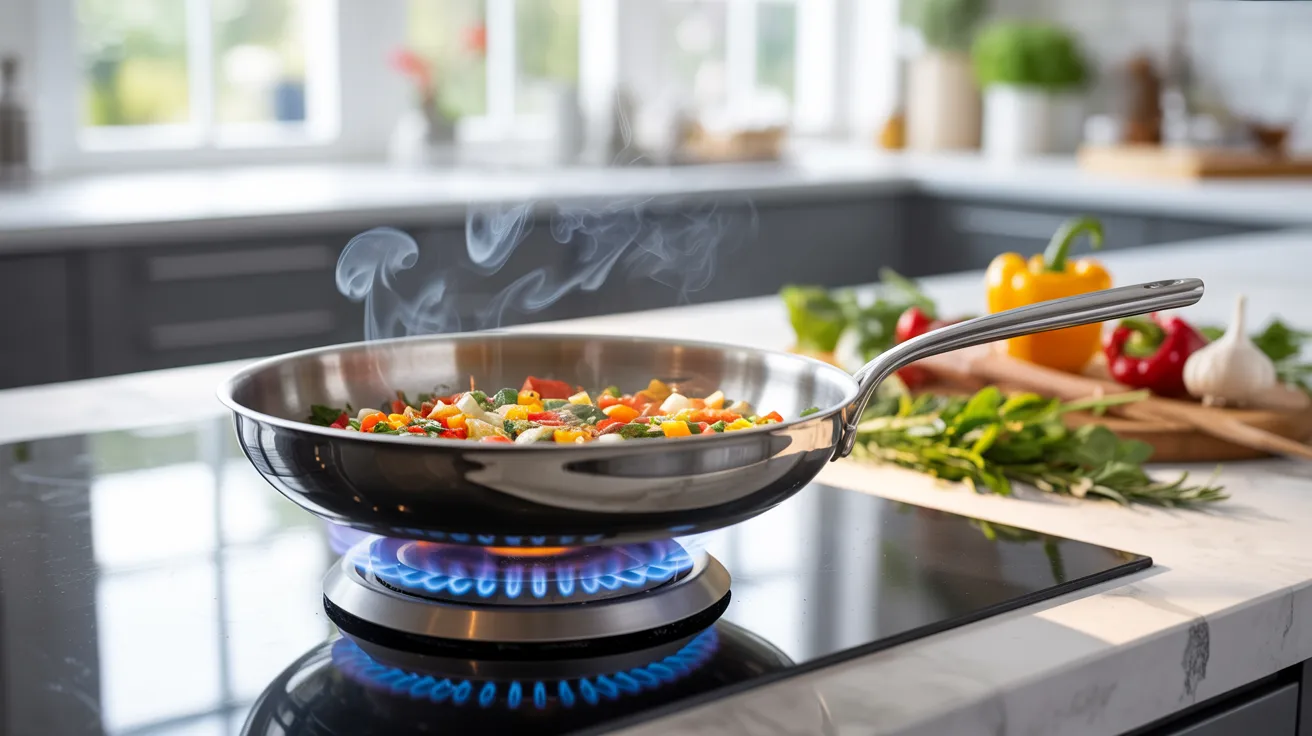
Stainless steel is one of the most reliable materials you can cook with. It does not react with food, even at very high temperatures.
No chemicals. No coatings that flake off. It heats evenly and holds up for years. Stainless steel is also easy to clean and dishwasher-safe.
If you want a pan that is both safe and strong, stainless steel is a smart, long-term choice for your kitchen.
2. Silicone Spatulas & Turners
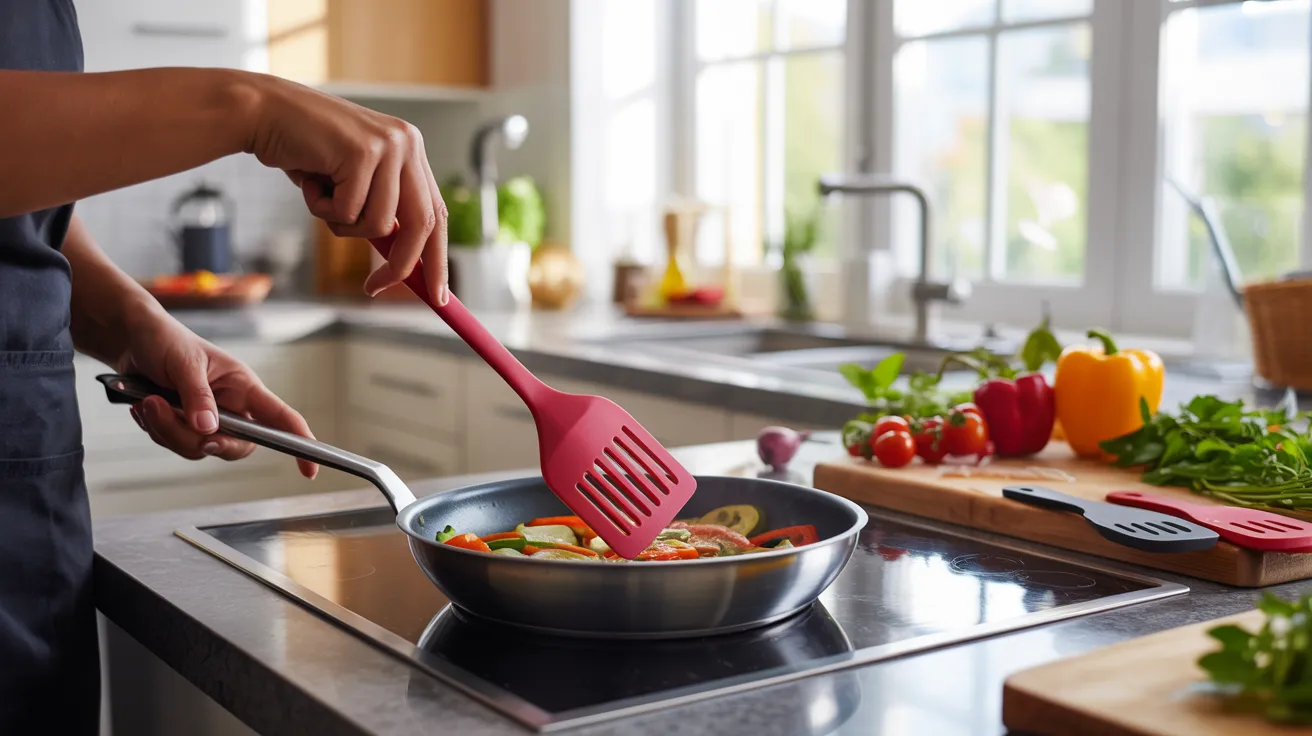
Food-grade silicone is flexible, soft, and built to handle heat up to 600°F. Unlike nylon, it does not melt or release particles at cooking temperatures.
It’s great for non-stick pans because it won’t scratch the surface. Look for 100% food-grade silicone without fillers.
You can bend it, squeeze it, and wash it easily. It’s one of the safest plastic alternatives you can buy today.
3. Wooden Cooking Spoons
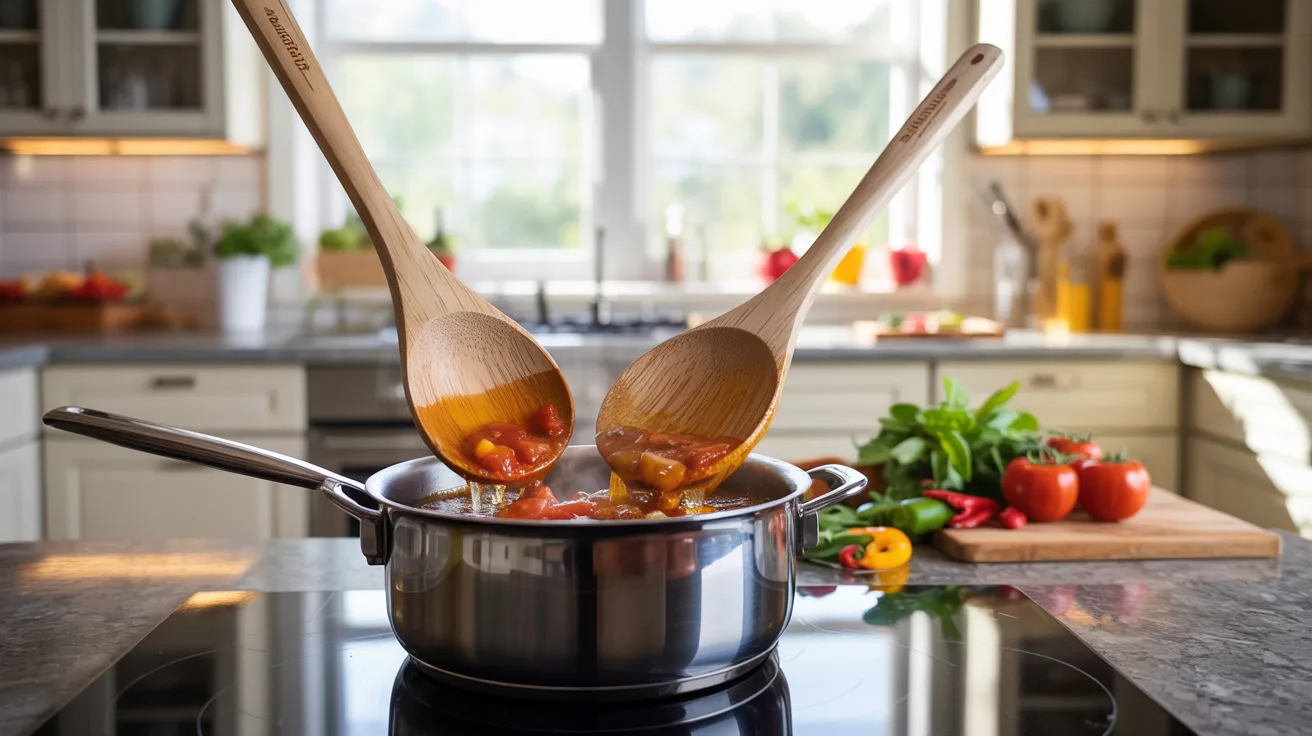
Wood has been used in kitchens for hundreds of years. It does not conduct heat, so it stays cool in your hand.
It won’t scratch pots or pans. Wood is also non-reactive, meaning it won’t change the taste of your food.Opt for untreated, food-safe wood with no chemical finishes.
With simple care, hand washing and occasional oiling, a good wooden spoon can last for many years.
4. Teak or Hardwood Utensils
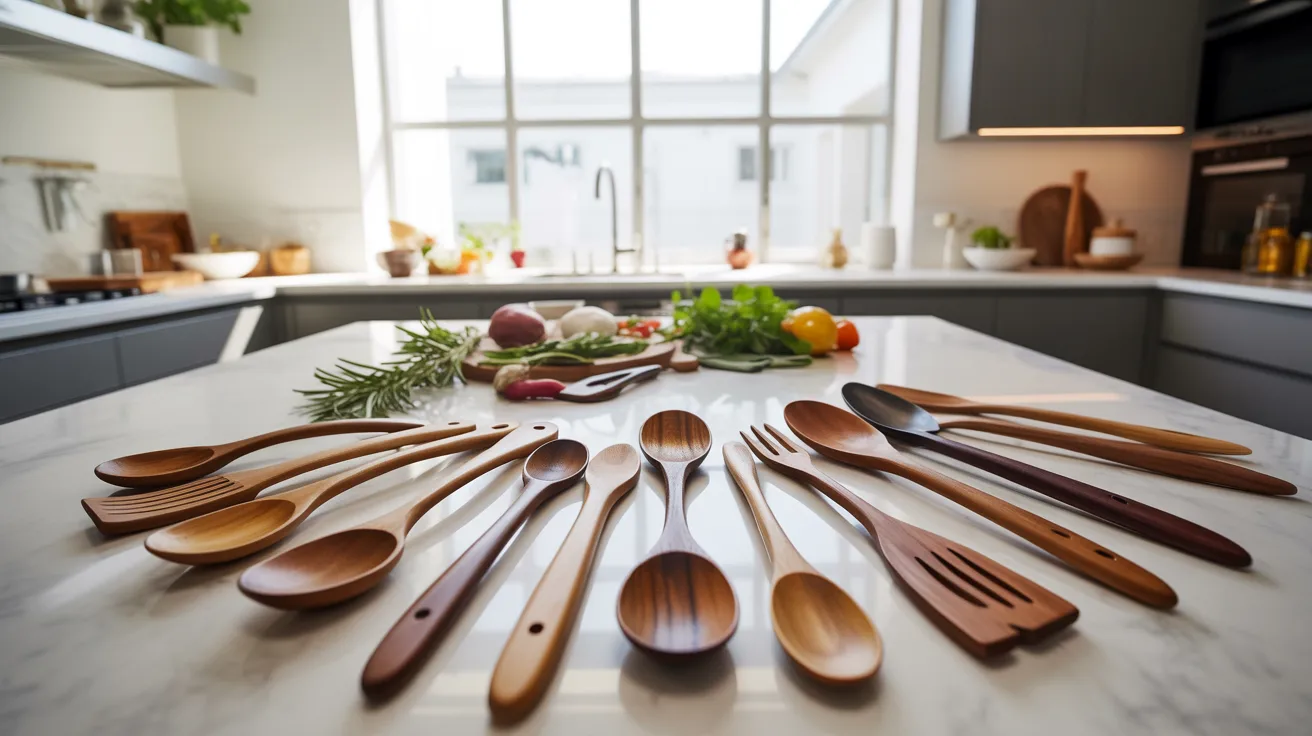
Teak is a very dense hardwood. That density makes it naturally resistant to moisture, cracks, and bacteria.
It doesn’t warp easily and holds up better than softer woods over time. Teak utensils are a solid choice for stirring, scraping, and serving.
They look great and feel sturdy in your hand. Just make sure the teak is sustainably sourced and finished with food-safe oil only.
5. Stainless Steel Tongs
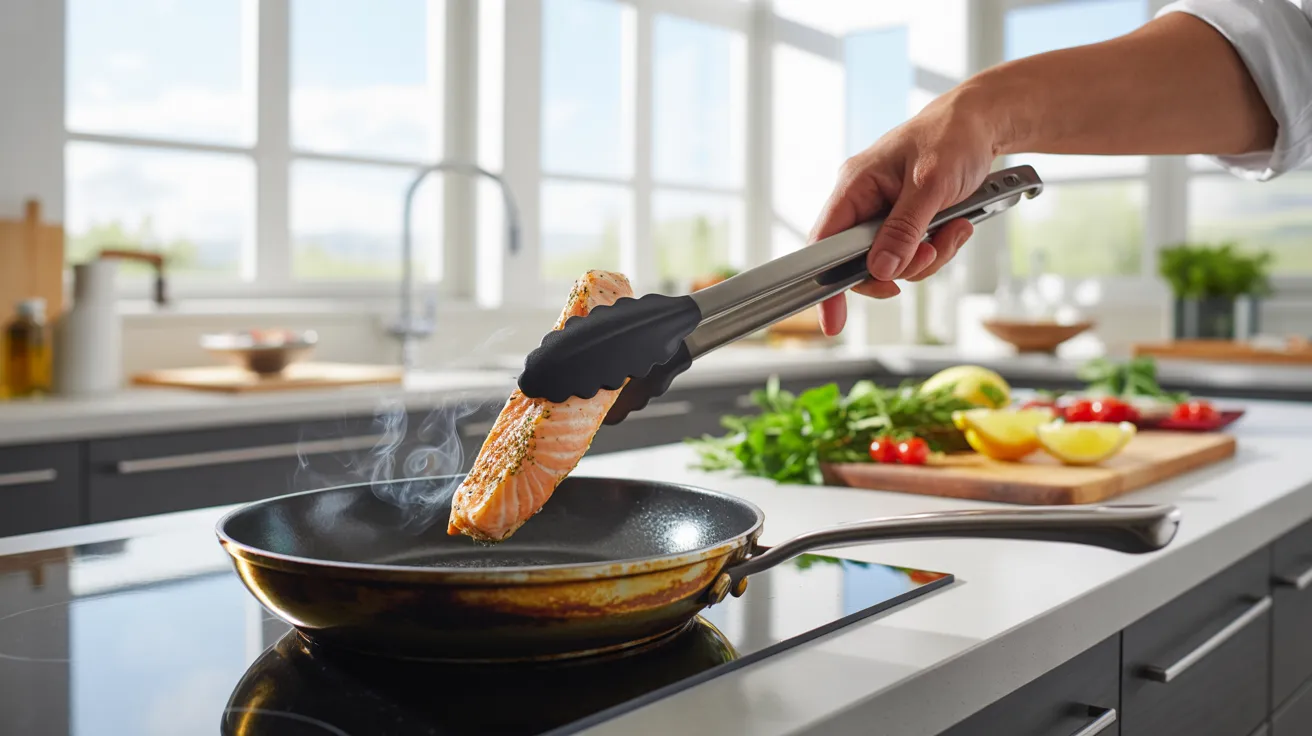
Tongs made entirely of stainless steel are built for heavy use. They grip food firmly, handle high heat without warping, and never release chemicals.
Many tong sets include silicone tips, which are also safe. Avoid tongs with plastic handles near hot surfaces.
Stainless steel tongs are easy to sanitize, rust-proof, and work well for grilling, frying, and serving. A simple tool, done right.
6. Cast Iron Skillets
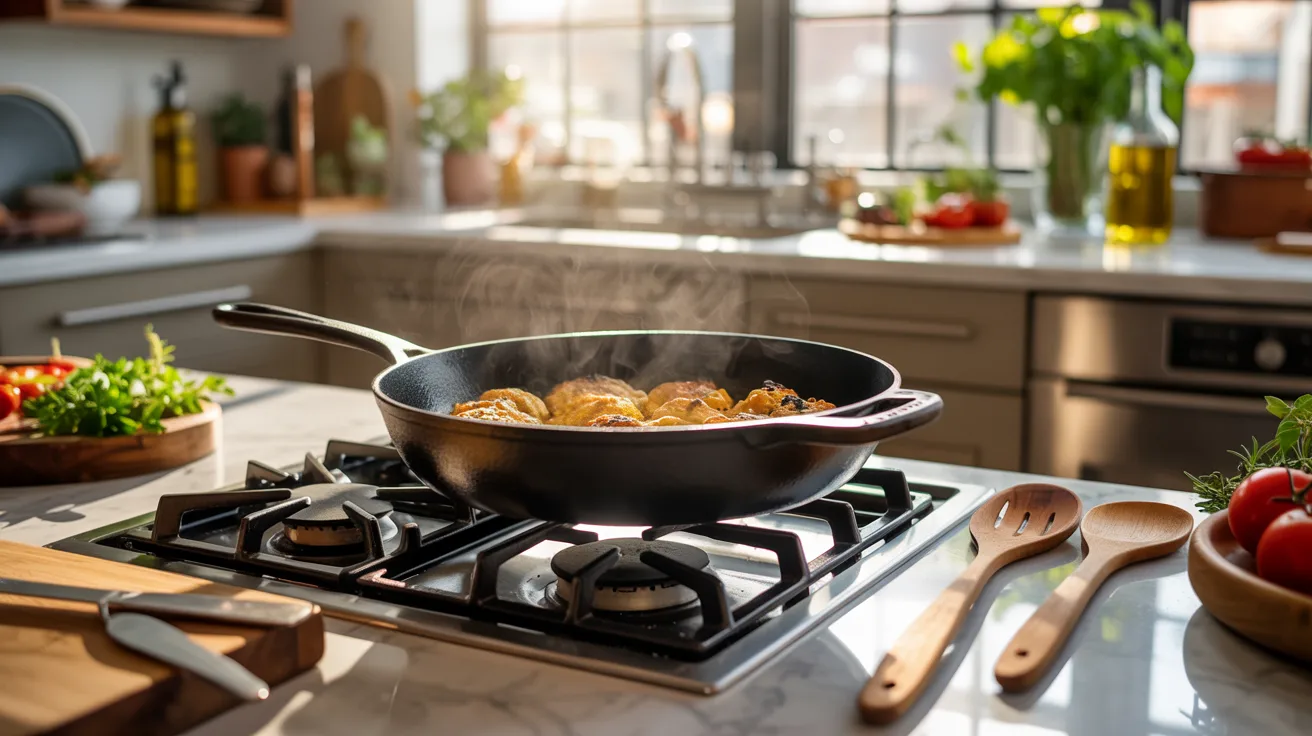
Cast iron has stood the test of time for a reason. It heats slowly but holds heat very well. It’s naturally non-stick when seasoned properly.
It can even add small amounts of iron to your food, which some people find beneficial. Cast iron is tough, heavy, and lasts a lifetime if you take care of it.
No coatings. No chemicals. Just honest, reliable cookware that gets better with age.
7. Enameled Cast Iron Dutch Ovens
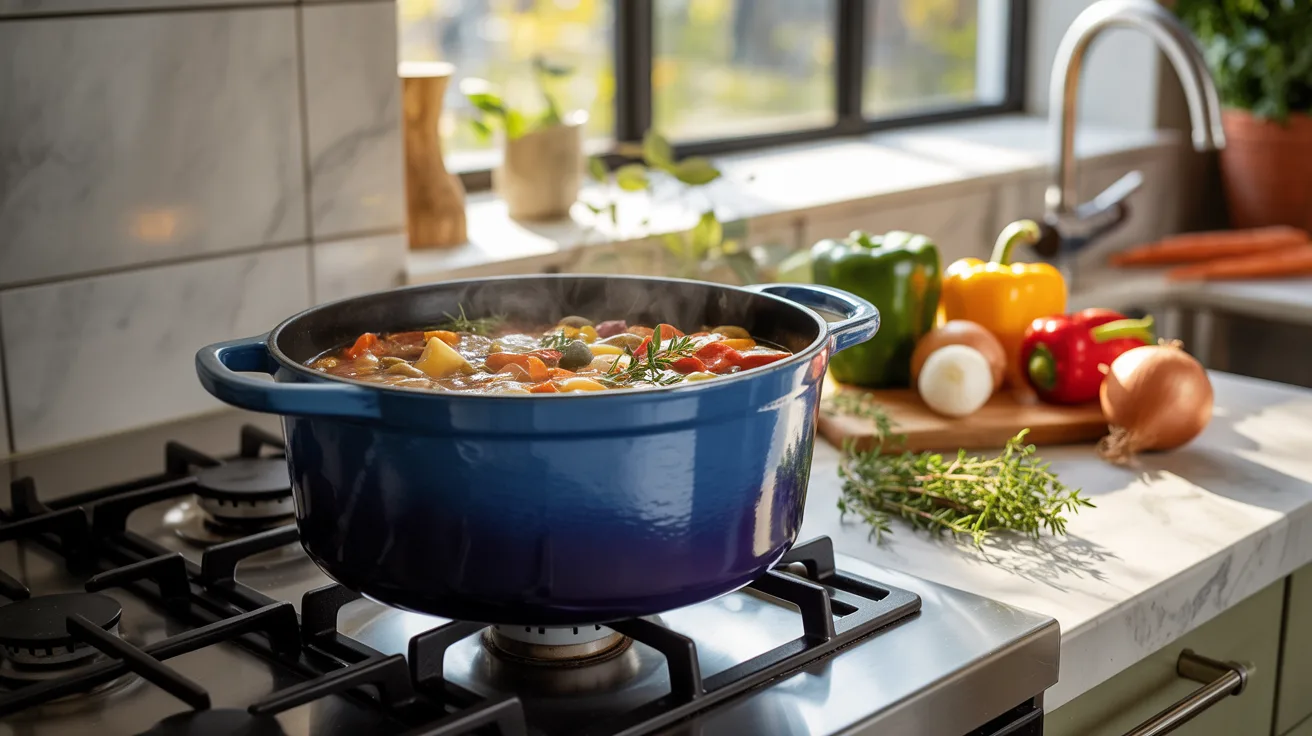
Enameled cast iron combines the strength of cast iron with a smooth, glass-like coating. The enamel layer prevents food from touching bare metal.
It also makes cleaning much easier. There’s no need to season it, unlike regular cast iron. It works on all stovetops and in the oven.
It’s perfect for soups, stews, and braises. A Dutch oven like this is a kitchen workhorse that’s truly built to last.
8. Silicone Baking Mats
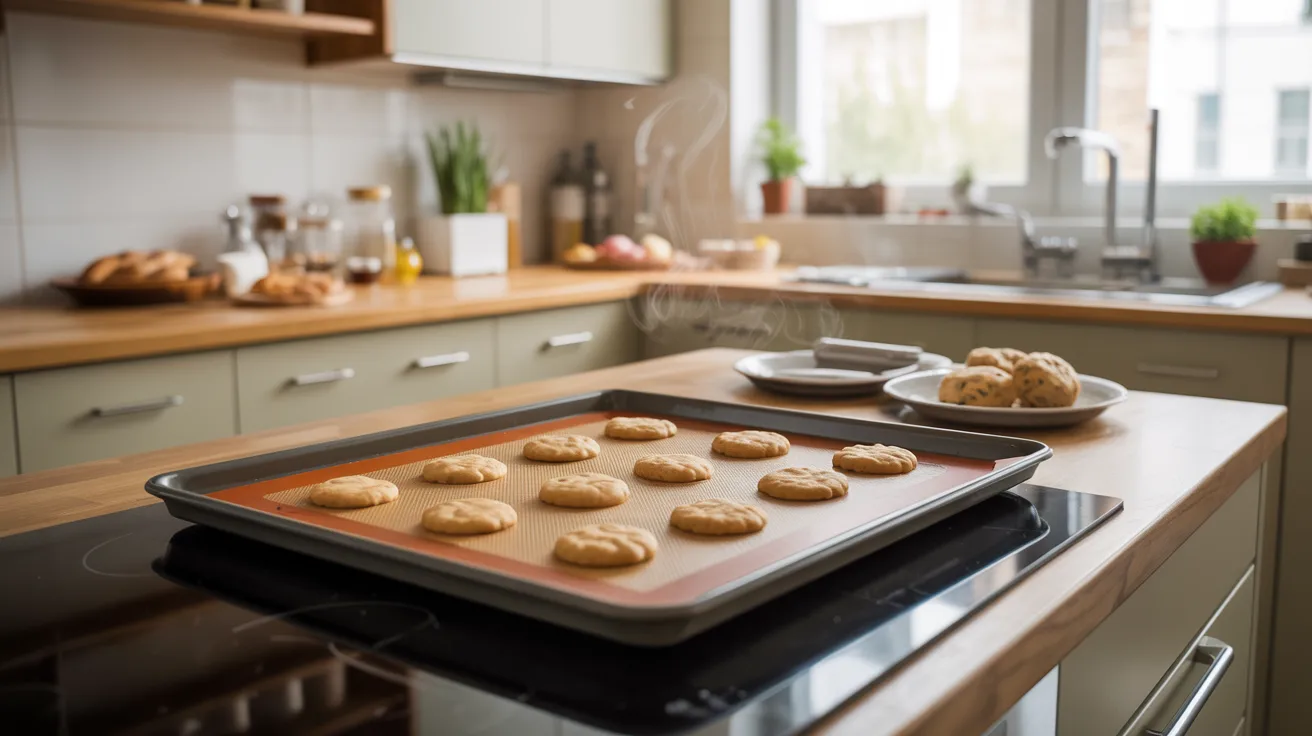
Silicone baking mats replace parchment paper and cooking sprays. They’re reusable, non-stick, and easy to clean.
They handle oven temperatures without breaking down or releasing anything into your food.Make sure the mat is 100% food-grade silicone, not a mix of materials.
These mats are a great way to cut waste and keep baking safer at the same time. One mat can last hundreds of uses.
9. Glass Mixing Bowls
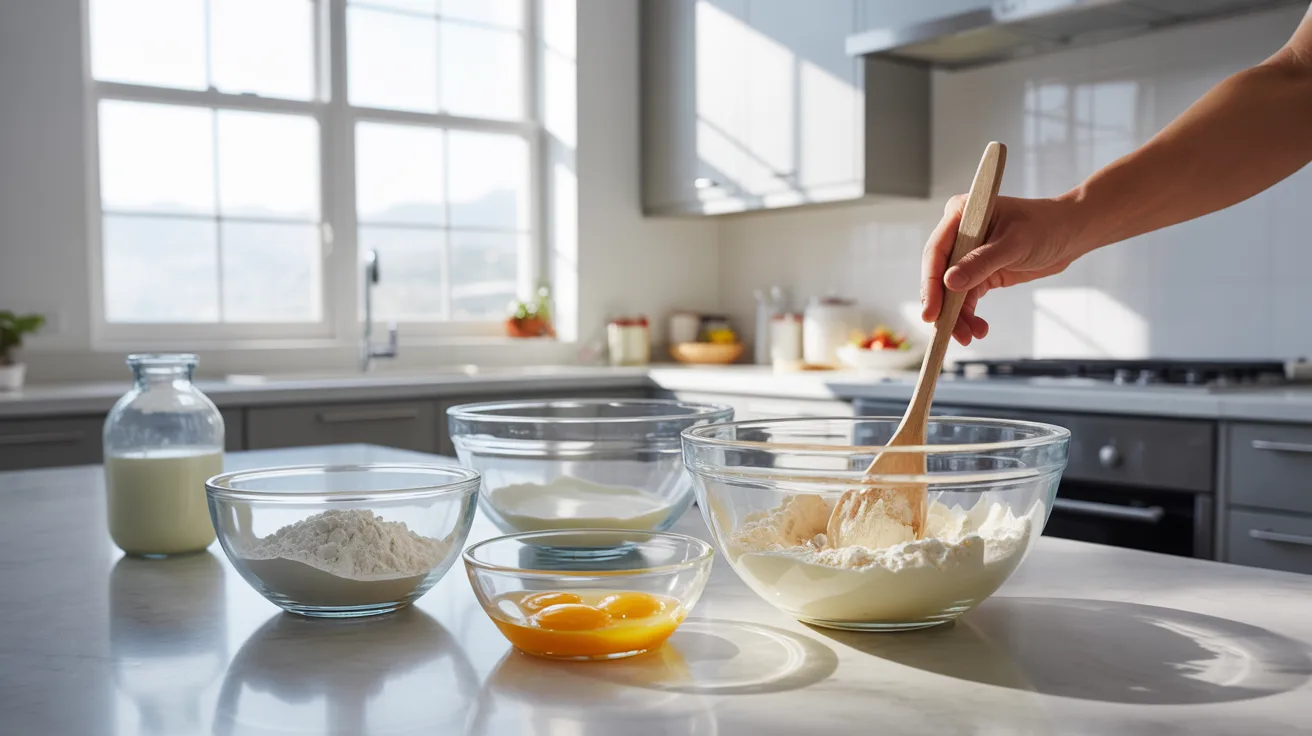
Glass is completely inert. It will not react with food, absorb odors, or stain over time. It’s also microwave-safe and easy to see through, which helps when you’re mixing or measuring.
Glass mixing bowls are heavy, but that stability keeps them in place while you stir.
They’re dishwasher-safe and hold up well over years of use. For a truly chemical-free mixing option, glass is hard to beat.
10. Stainless Steel Measuring Cups & Spoons
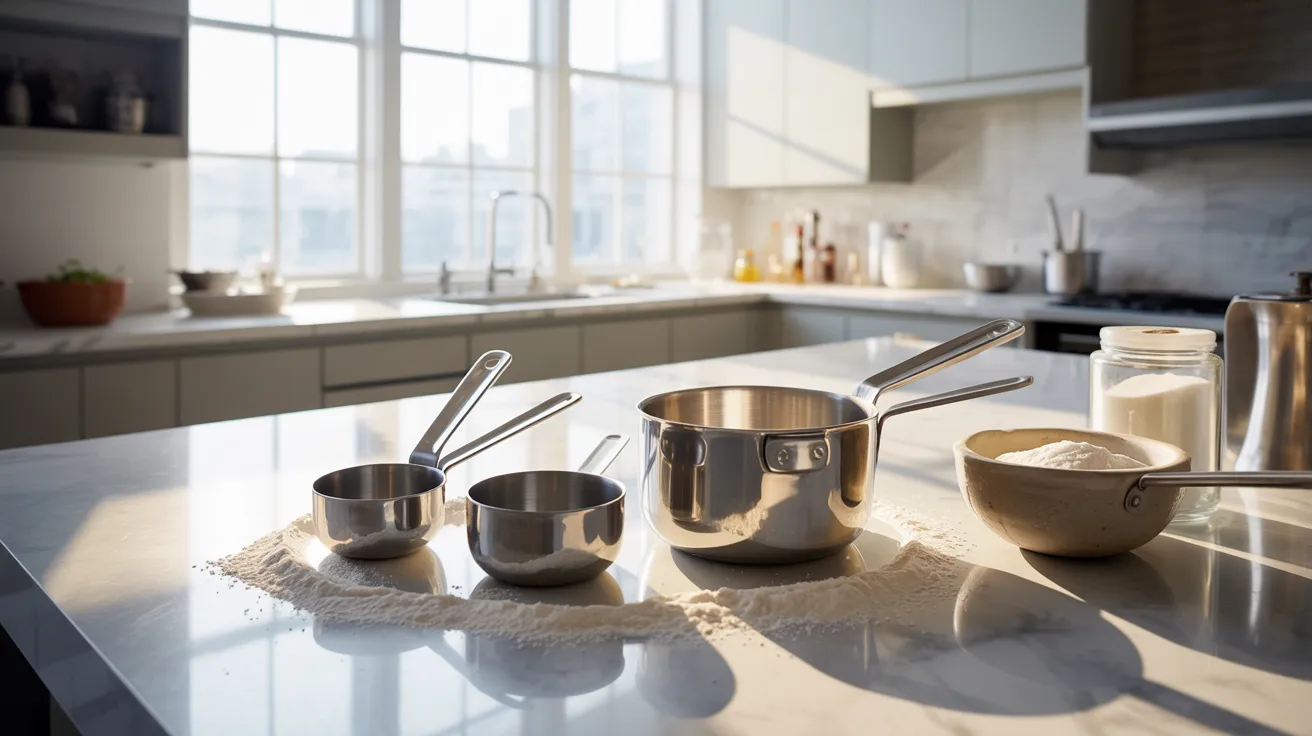
Plastic measuring tools can warp, stain, and scratch over time. Stainless steel versions hold their shape and stay accurate for years.
They’re also easy to sanitize fully.Accurate measurements matter in baking, and warped plastic cups can throw off your results.
Stainless steel measuring tools are a small upgrade with a big payoff. They’re durable, safe, and look great in any kitchen drawer.
11. Bamboo Utensils (100% Pure, No Glue)
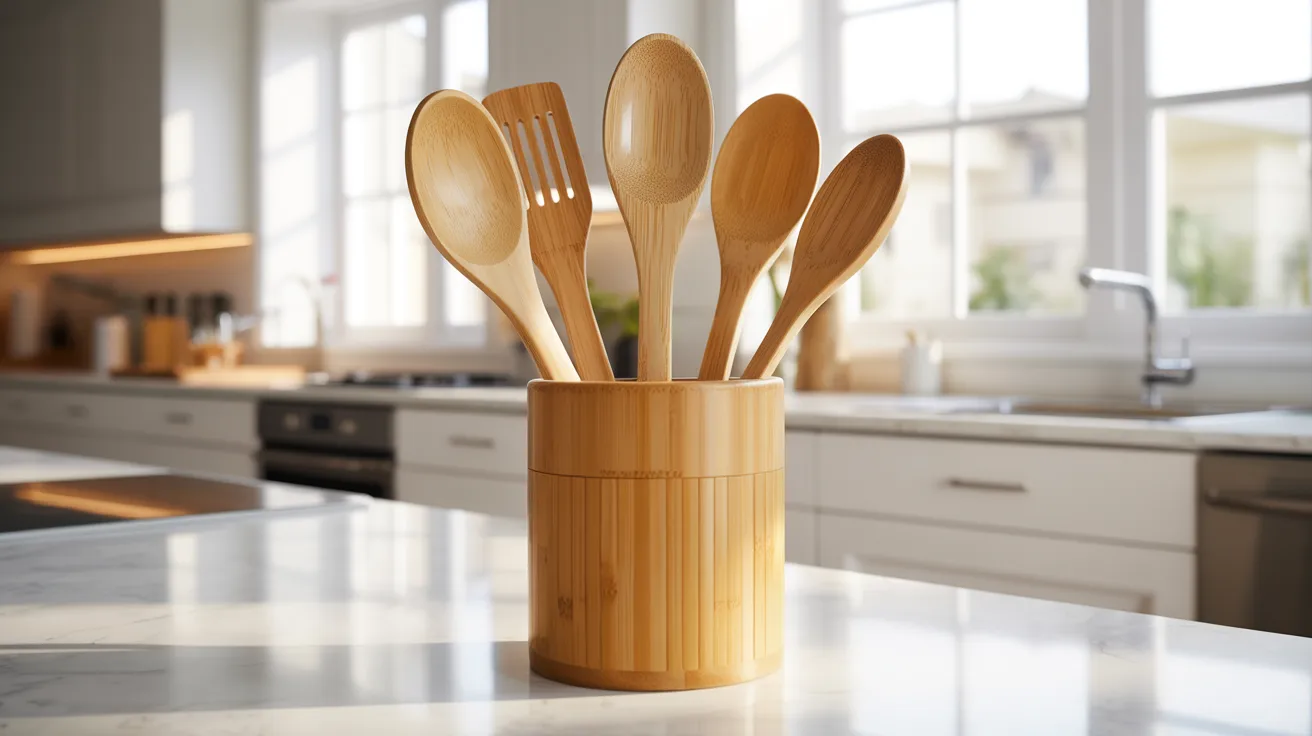
Bamboo grows quickly and does not need pesticides to thrive. That makes it one of the more sustainable materials for kitchen tools.
The key is to choose bamboo utensils with no added glue or chemical bonding agents. Some cheaper bamboo products use formaldehyde-based glues that are not safe near food.
Pure, untreated bamboo is lightweight, strong, and gentle on cookware. It’s a smart, natural swap for nylon.
12. Stainless Steel Strainers & Colanders
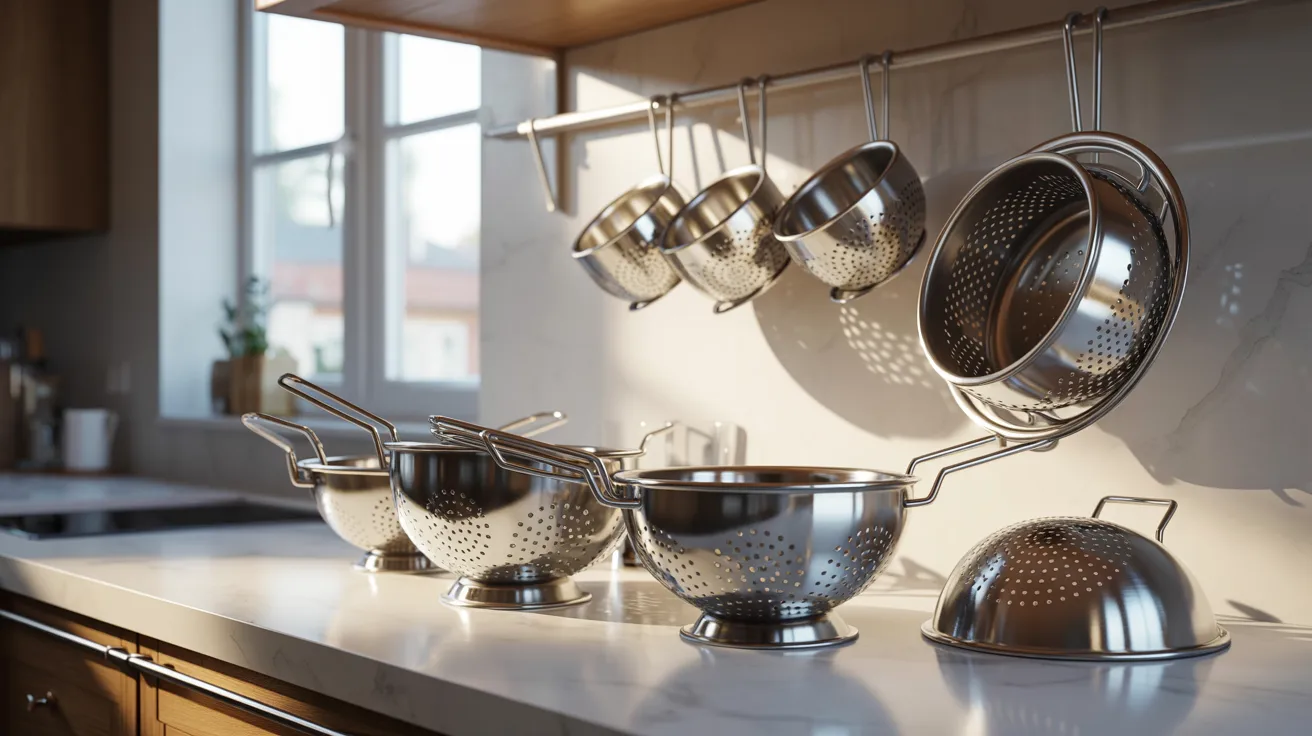
Draining boiling pasta or rinsing vegetables is something most people do every day.Plastic strainers can warp from boiling water and may transfer small particles to your food.
Stainless steel strainers don’t have that problem. They handle heat with ease, stay clean, and don’t hold onto odors.
They also last much longer than plastic versions. If you’re still using a plastic colander, a stainless steel one is a worthwhile swap.
13. Glass or Silicone Food Storage Containers
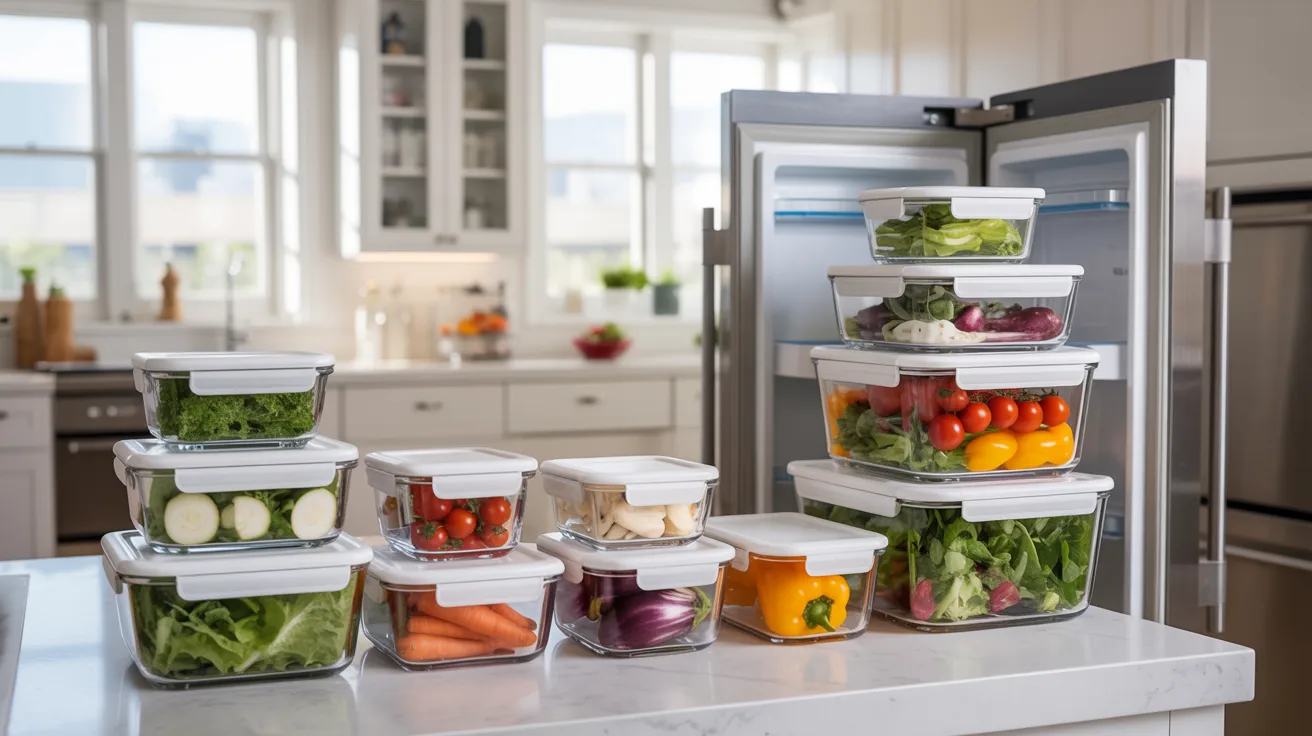
Storing food in plastic containers carries the risk of chemical transfer, especially when the food is warm. Glass containers remove that risk entirely. \
Silicone containers are lighter and more flexible, with the same safety benefits. Both options are safe for the fridge, freezer, and microwave.
They don’t stain, don’t hold smells, and clean easily. Switching your food storage is one of the easiest ways to reduce plastic exposure in your daily life.
14. Wooden or Bamboo Cutting Boards
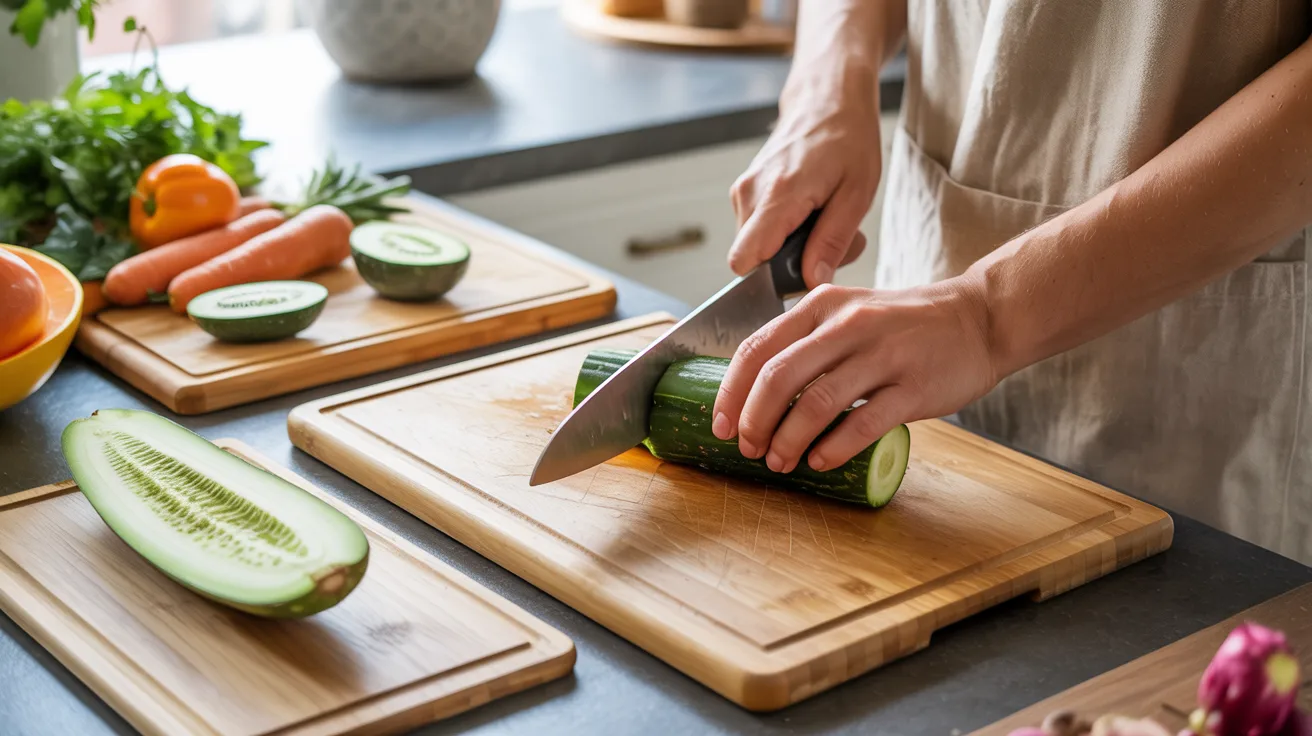
Plastic cutting boards shed tiny plastic shavings when you chop and slice on them. Over time, that plastic ends up in your food.Wooden and bamboo boards don’t have that problem.
They’re also naturally antimicrobial when kept clean and dry. A good wooden cutting board, oiled regularly, can last for many years.
It’s a simple, effective way to keep plastic out of your meals without spending a lot.
15. Stainless Steel Whisks & Ladles
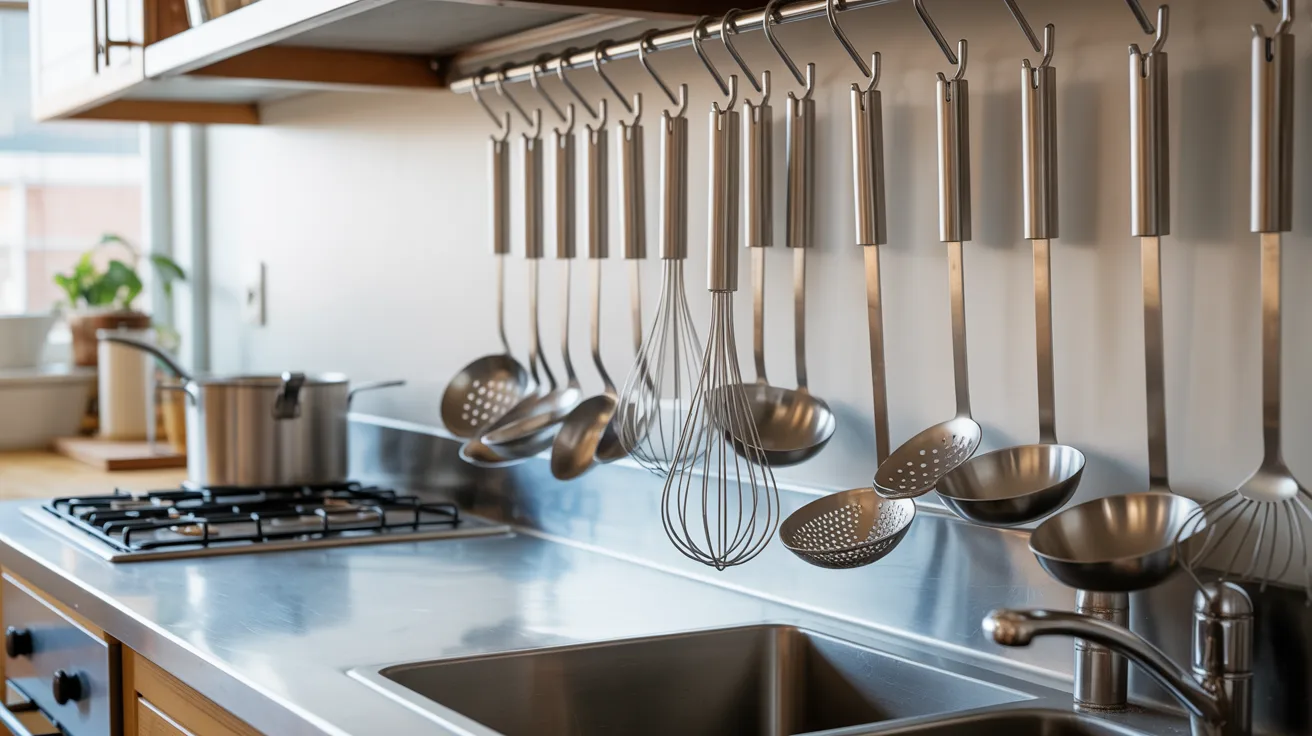
Whisks and ladles made from stainless steel are built for real kitchen work. They don’t bend, melt, or release anything into your food.
They’re rust-resistant and dishwasher-safe. Look for a single-piece or fully welded design with no plastic joints that could crack or trap bacteria.
Stainless steel whisks and ladles are low-maintenance, long-lasting tools. Once you switch, you’ll wonder why you ever used plastic ones.
Tips for Maintaining Safe Cooking Utensils
Your utensils work hard every day. Here is how to keep them safe and lasting longer.
- Stay within heat limits:Going beyond a utensil’s temperature range causes breakdown and chemical release.
- Check your tools regularly: Look for melting, cracks, or rough edges. Replace them right away.
- Hand wash wood and bamboo: Soaking warps the material. Use mild soap and dry immediately.
- Store tools away from direct heat: Keeping them near a hot stove speeds up wear over time.
- Avoid harsh scrubbers: Rough pads scratch and break down surfaces, making utensils degrade faster.
Small habits like these add years to your tools and keep every meal cleaner.
Conclusion
I never thought much about my kitchen tools until I saw my nylon spatula melting at the edges. That one moment changed everything.
Are nylon cooking utensils safe? For everyday cooking, the answer is no. But the good news is, safer options are easy to find and easy to switch to.
Start with just one swap from this list. Your food, your family, and your health are worth it.
Found this helpful? Share it with someone who cooks daily. And drop your favorite safe utensil in the comments below!
Frequently Asked Questions
Are nylon utensils safe to use on non-stick pans?
At high heat, nylon can melt into your food, so silicone is the safer choice.
At what temperature does nylon start to melt?
Nylon breaks down around 400°F (204°C), a temperature most stovetop cooking can easily reach.
Is silicone safer than nylon for cooking?
Yes, food-grade silicone handles heat up to 600°F without releasing any harmful chemicals.
Do wooden spoons carry bacteria?
Not if you wash and dry them properly. Wood naturally resists bacteria better than most people think.
How often should I replace my cooking utensils?
Replace any utensil showing cracks, melting, or heavy discoloration. Don’t wait until it fully falls apart.