
Our toilet started making a strange running sound at 2 a.m., and I had no idea how old it even was.
If you’re wondering how long toilets actually last, or if yours is due for a replacement, you’re in the right place.
This blog covers everything you need to know, from what affects toilet lifespan to signs it’s time to replace yours.
I’ll also help you pick one that lasts. No confusing terms, just clear and honest answers.
Why Some Toilets Last Decades?
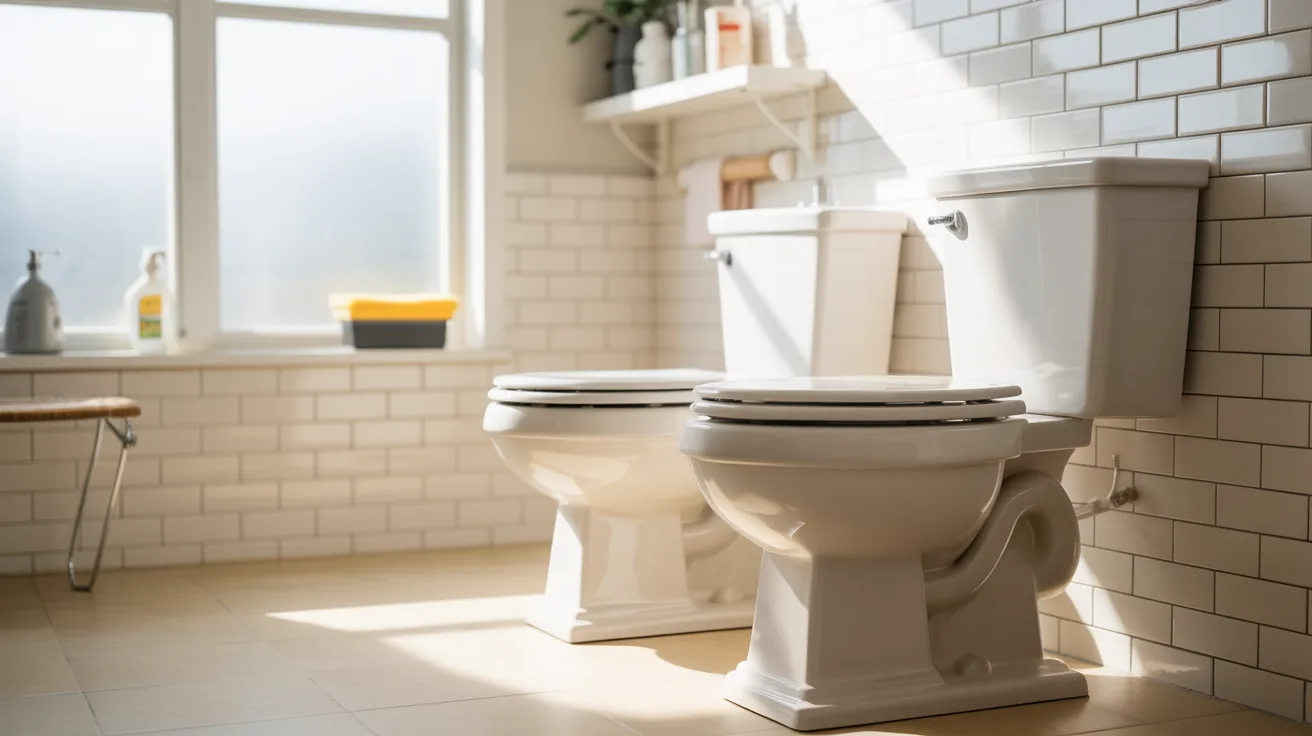
Some toilets keep working for 30 to 50 years while others fail in under a decade. The difference usually comes down to build quality, water conditions, and how well the toilet is maintained.
A well-made porcelain bowl can last a lifetime, but the internal parts, like flappers, fill valves, and seals, wear out much sooner.
Toilets in high-use homes or areas with hard water tend to show problems faster.
Regular care and quick fixes go a long way in keeping a toilet running strong for years.
5 Factors That Affect Toilet Lifespan
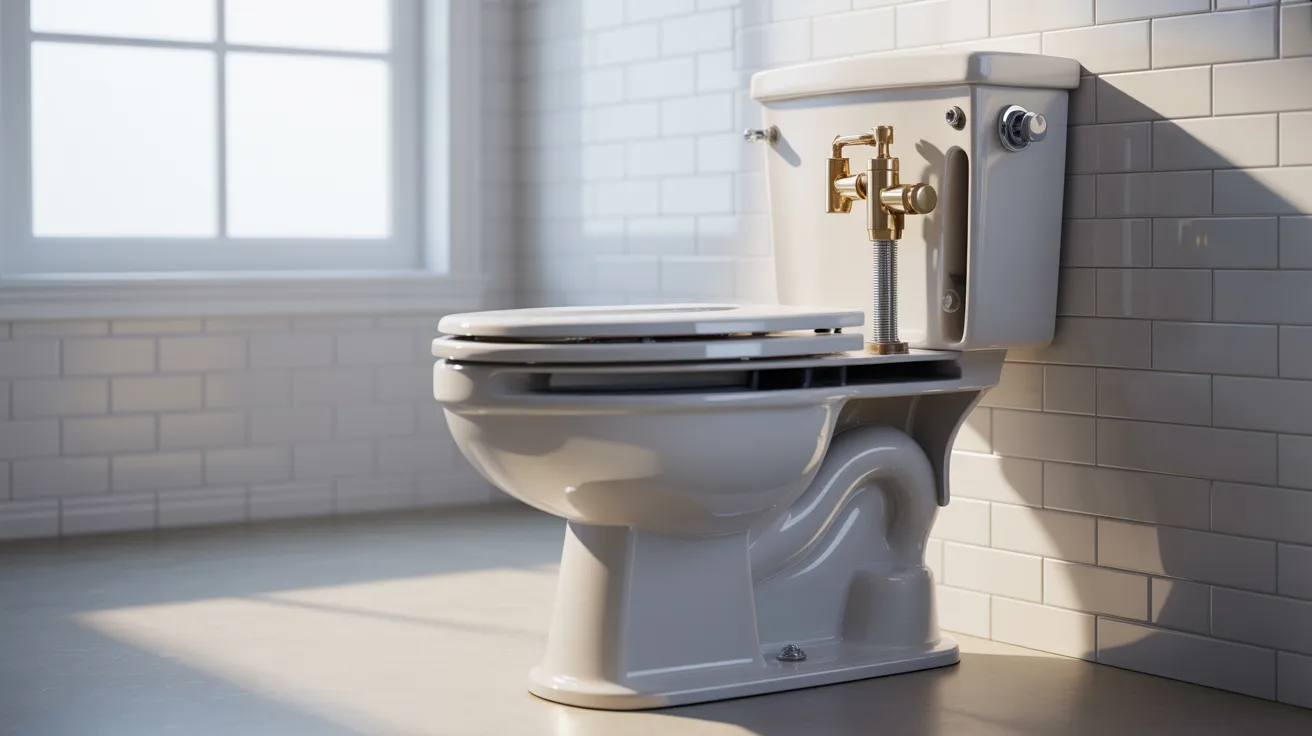
These five factors play the biggest role in how long your toilet will actually last.
1. Build Quality and Materials
The quality of porcelain and internal components matters more than most people think. A thick, well-made porcelain bowl resists cracks and stains for decades.
But the flapper, fill valve, and seals inside the tank wear out much sooner. Cheaper toilets use lower-grade parts that fail faster.
Spending a little more upfront on build quality saves you from constant repairs later.
2. Frequency of Use
A toilet used by a large household takes a lot more daily wear than one used by just one or two people.
More flushes mean more stress on the handle, seals, and flushing mechanism. High-traffic bathrooms need more frequent part checks and replacements.
If your toilet gets heavy use every single day, expect internal parts to wear out sooner than the average timeline.
3. Water Quality
Hard water is one of the biggest threats to toilet lifespan. Mineral deposits build up inside the tank, around the flush holes, and on internal parts over time.
This slows flushing, causes leaks, and damages the fill valve and flapper.
If your area has hard water, regular descaling and a water softener can slow this damage and keep your toilet working properly for longer.
4. Maintenance Habits
Small problems ignored today become big, costly problems tomorrow. A slow drip, a running tank, or a loose handle might seem minor, but they add up fast.
Regular checks inside the tank, quick part replacements, and routine cleaning keep everything working as it should.
A toilet that gets basic attention every few months will always outlast one that gets none at all.
5. Installation Quality
Even the best toilet will cause problems if it’s installed incorrectly.
A wax ring that isn’t seated right, bolts that are over-tightened, or a poor floor connection can lead to leaks and cracks within months.
Good installation sets the foundation for a long-lasting toilet. Always use a skilled plumber or follow manufacturer instructions closely to make sure the job is done right from the start.
Modern Toilets vs Older Models: Quick Comparison
A quick side-by-side comparison helps you understand how modern toilets improve on older designs.
|
Feature |
Older Toilets |
Modern Toilets |
|
Water Usage |
3.5 to 5+ gallons per flush |
1.28 to 1.6 gallons per flush |
|
Flushing Power |
Weaker, more clogs |
Stronger, more efficient |
|
Durability |
Parts wear out faster |
Improved materials, longer lifespan |
|
Maintenance |
Frequent repairs |
Fewer issues, easier upkeep |
|
Features |
Basic design |
Dual-flush, soft-close, comfort height |
|
Cost Efficiency |
Higher water bills |
Saves water and money over time |
Overall, modern toilets offer better efficiency, performance, and long-term savings compared to older models.
Signs Your Toilet Is Reaching the End of Its Lifespan
Knowing the warning signs early can save you from bigger repair bills down the road.
- Frequent Repairs: If you’re fixing something every few months, the costs add up fast and replacement starts to make more sense.
- Cracks in Tank or Bowl: Hairline cracks can leak slowly and worsen over time, leading to water damage on your floor.
- Constant Running or Leaking: A toilet that won’t stop running wastes hundreds of gallons of water each month.
- Frequent Clogs or Weak Flush: Older low-flow models often struggle with flushing power, leading to repeated clogs.
- Wobbling or Unstable Base: A rocking toilet usually means a failed wax seal, which can cause leaks under the floor.
If you’re seeing more than two of these signs at once, it’s time to seriously consider a replacement.
Repair vs Replace: What Should You Do?
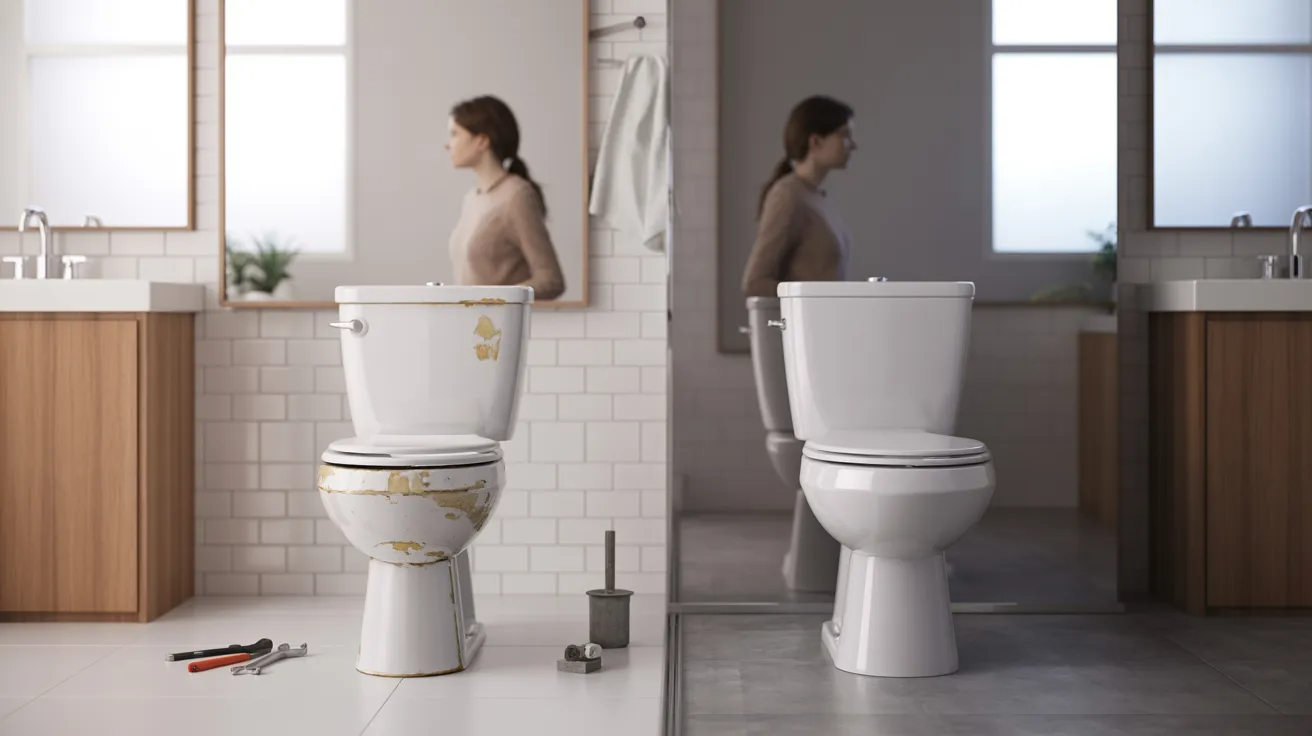
The general rule is simple. If the repair costs less than half the price of a new toilet, fix it. If your toilet is over 15 to 20 years old and keeps needing work, replacing it is the smarter move.
Older toilets also use far more water per flush, so a newer model can cut your water bill noticeably.
I’ve seen homeowners spend hundreds on repeated repairs when a single replacement would have cost less overall.
Think about the long-term cost, not just the short-term fix.
How to Choose a Long-Lasting Toilet
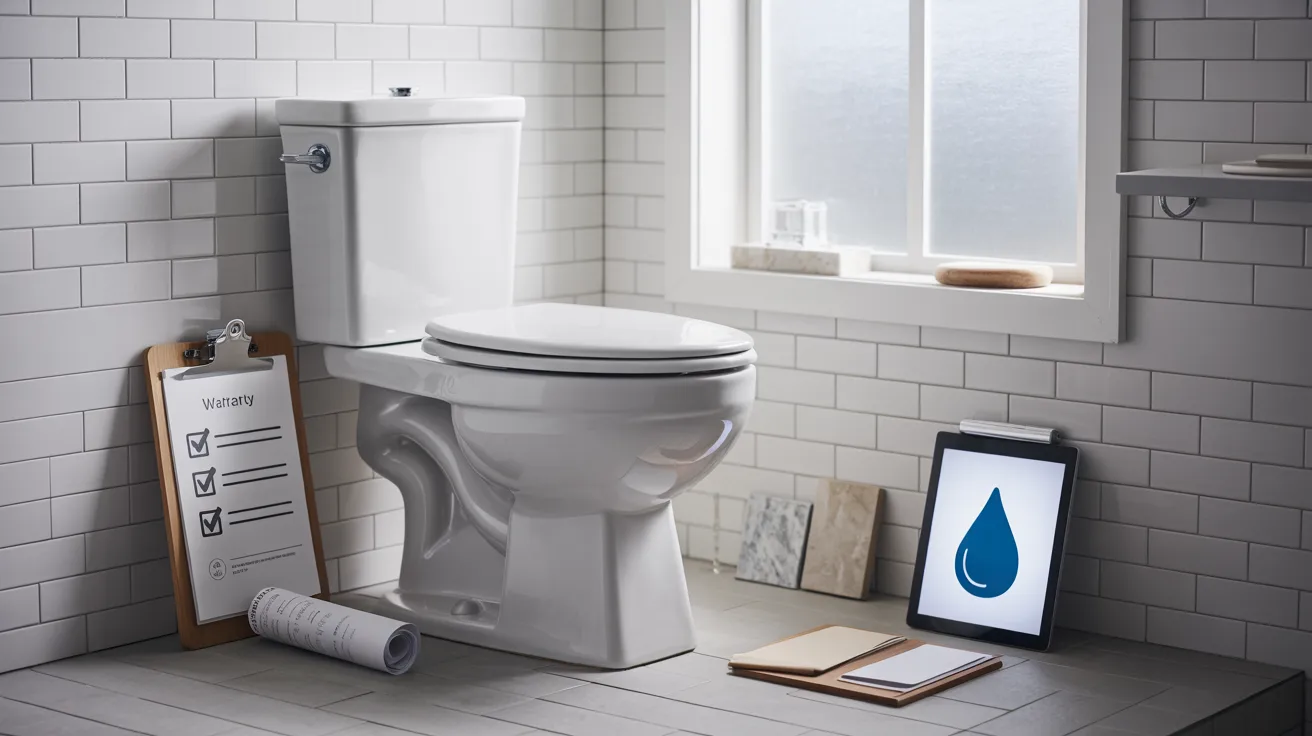
Start by looking at the flushing system. A pressure-assisted or gravity-fed toilet with a strong flush rating will hold up better over time.
Check the warranty too. Good brands offer at least a five-year warranty on parts.
Go for a toilet with ceramic-coated internal components if possible, as they resist mineral buildup better. Comfort height models are also worth considering for daily ease.
Stick to well-known brands with good reviews, and always have it installed properly. A solid choice now saves you a lot of trouble later.
Conclusion
I didn’t think much about our toilet until it started causing problems every other month. Once I replaced it with a better model, the difference was clear.
No more running water sounds at night, no more repairs.
If your toilet is aging or acting up, trust what you’re seeing. The signs are usually obvious once you know what to look for.
Found this helpful? Drop a comment, share it with a friend, or check out our other home guides for more practical tips.
Frequently Asked Questions
How long does a toilet typically last?
Most toilets last 15 to 50 years, but internal parts need replacing every 5 to 10 years.
What is the most common reason toilets fail early?
Hard water buildup and ignored small repairs are the top culprits.
Is it worth repairing an old toilet or should I replace it?
If repairs keep coming back or cost more than half a new toilet, replace it.
How can I make my toilet last longer?
Clean it regularly, fix leaks early, and replace worn parts before they fully fail.
What are the best toilet brands for durability?
Toto, Kohler, and American Standard are known for long-lasting, reliable toilets.