
When I got my first home, the excitement quickly mixed with a wave of responsibility.
Leaky pipes, HVAC filters, gutters, it all became mine to handle.
That is why I put together this guide on home maintenance tips for new homeowners, covering everything from monthly checklists and seasonal tasks to must-have tools and when to call a pro.
With years of hands-on experience, every tip here is tested and practical. You can trust this guide to help you stay ahead of problems and protect your home with confidence.
What Every New Homeowner Should Know Before Getting Started
Owning a home for the first time feels exciting but can quickly get overwhelming when reality sets in.
Most new homeowners do not realize how much regular upkeep a house actually needs until something breaks or a repair bill arrives.
The good news is that staying on top of your home does not require expert skills or a big budget.
It just takes consistency, a basic understanding of your home’s systems, and a simple plan.
This guide gives you exactly that practical, straightforward advice to help you start strong and stay ahead.
Important Home Maintenance Tips for New Homeowners
Take care of the basics first. These habits protect your home all year long and stop big problems before they start.
1. Inspect and Maintain Your HVAC System Regularly

Your heating and cooling system works hard year-round. Change filters every 1 to 3 months.
Schedule a professional service check at least once a year. A clean system runs better, costs less to operate, and lasts longer.
2. Clean Gutters and Downspouts to Prevent Water Damage

Clogged gutters push water toward your foundation and walls. Clean them at least twice a year in spring and fall. Make sure downspouts direct water away from your home.
3. Check Your Roof for Leaks and Damaged Shingles
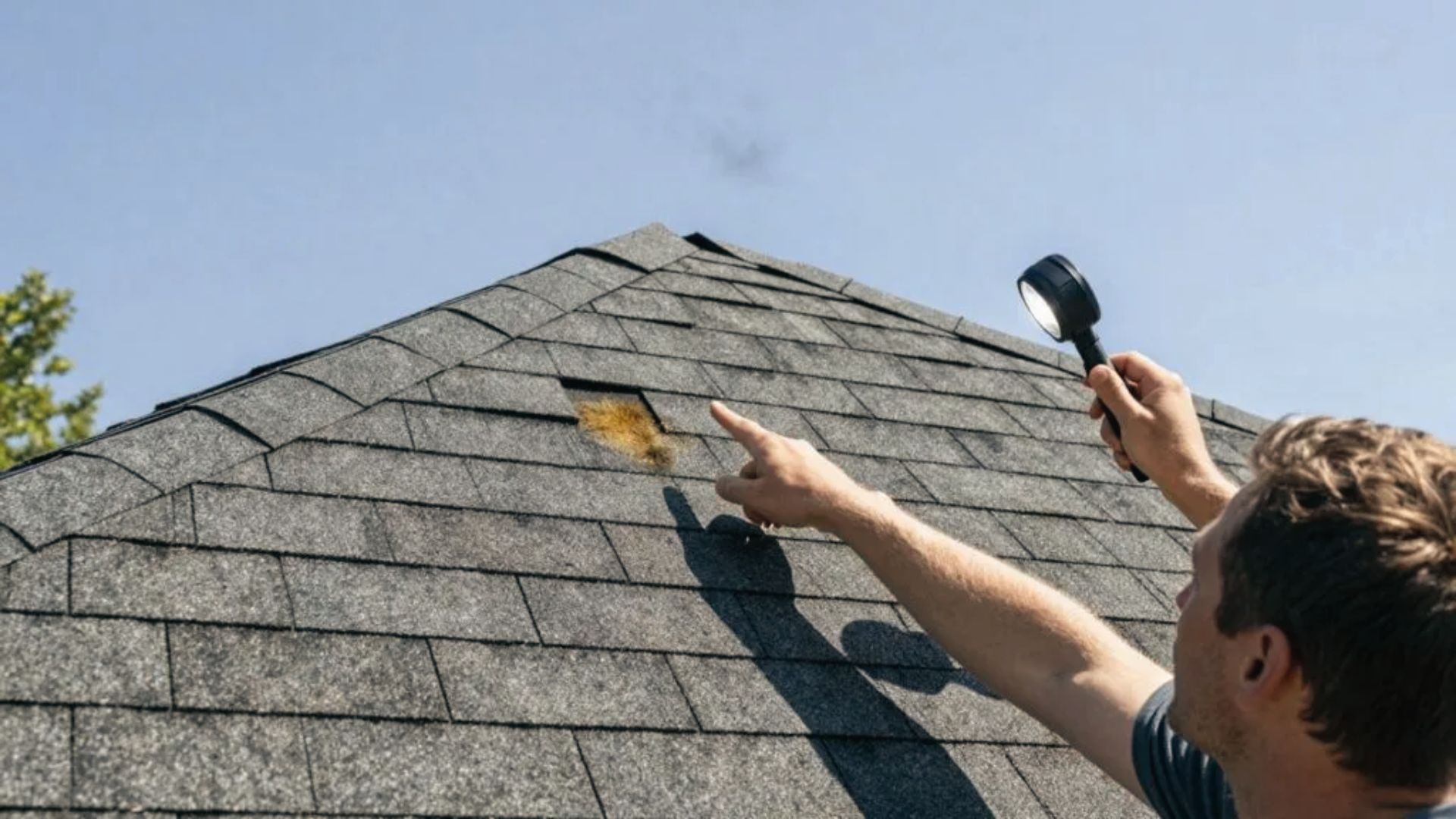
Walk around your home after heavy rain or wind. Look for missing or cracked shingles from the ground.
Check your attic for water stains. Catching roof damage early saves thousands in repair costs.
4. Test Smoke Alarms and Carbon Monoxide Detectors
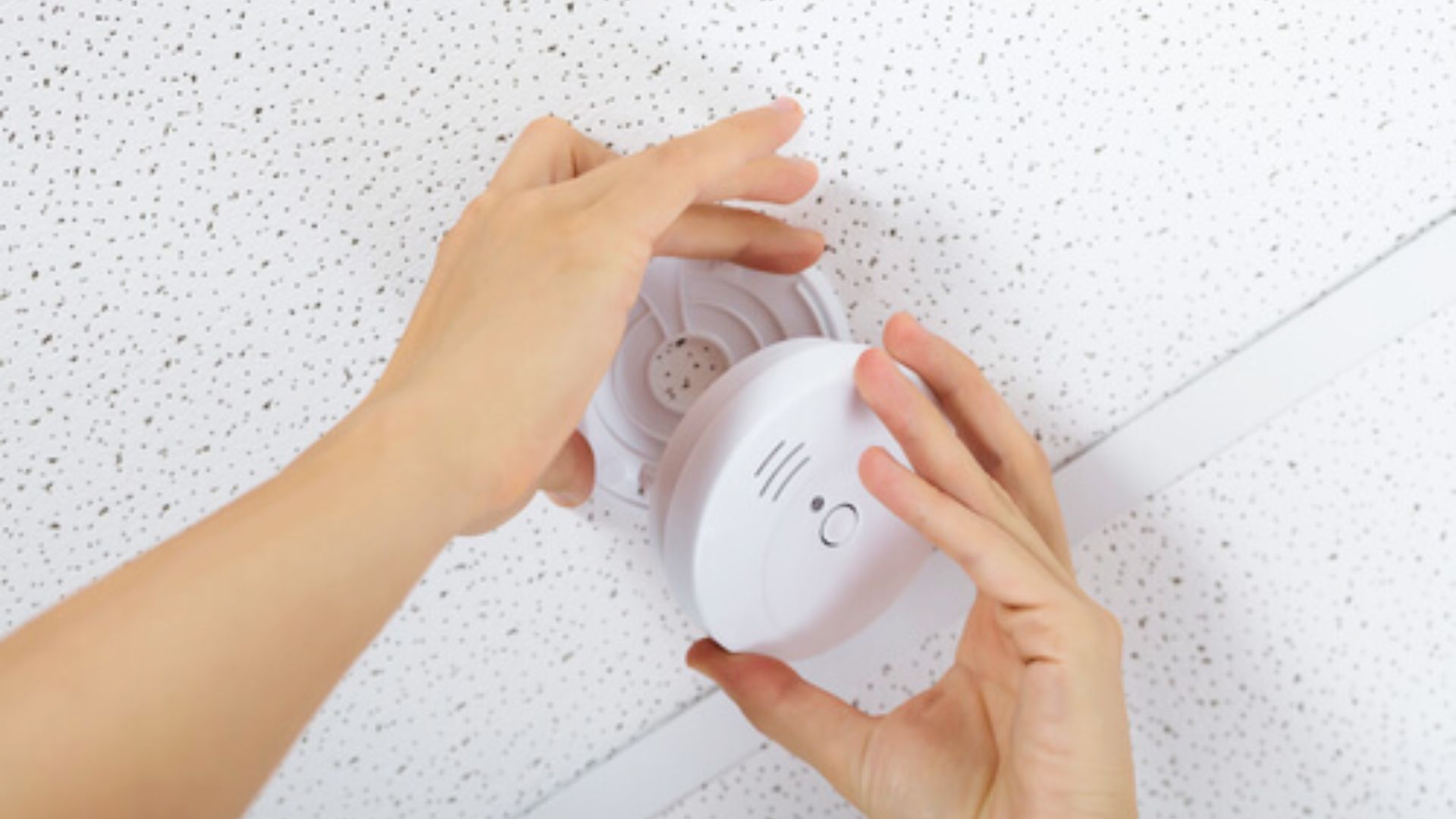
Press the test button on all detectors monthly. Replace batteries once a year. Replace the units completely every 10 years. This simple habit can save lives.
5. Inspect Plumbing Fixtures and Pipes for Leaks

Check under sinks, around toilets, and near appliances for moisture or dripping. A small drip wastes hundreds of gallons a year and can cause mold. Fix leaks as soon as you find them.
6. Maintain Windows and Doors for Energy Efficiency

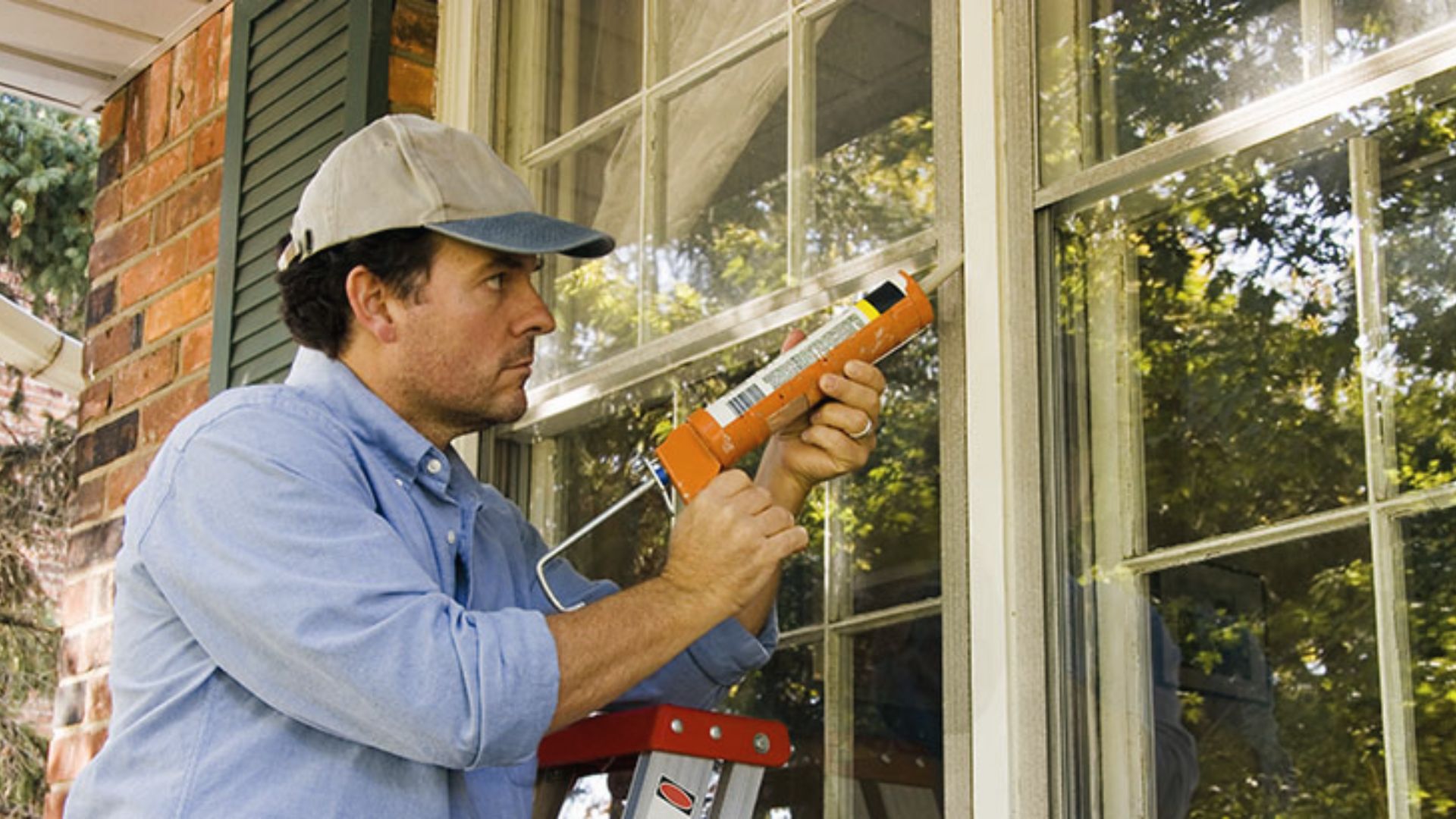
Check the seals around windows and doors every season. Look for drafts, cracks, or gaps. Replace worn weatherstripping to keep energy bills low and your home comfortable.
7. Protect Your Foundation With Proper Drainage Systems

Make sure the ground slopes away from your home. Poor drainage causes water to pool near your foundation and weaken it over time.
Clean window wells and check basement walls for cracks yearly.
8. Service Appliances and Clean Dryer Vents Regularly

Clean your dryer vent every year to prevent fire risk. Run a cleaning cycle on your dishwasher and washing machine monthly. Check refrigerator coils and defrost as needed.
9. Maintain Lawn, Garden, and Outdoor Landscaping
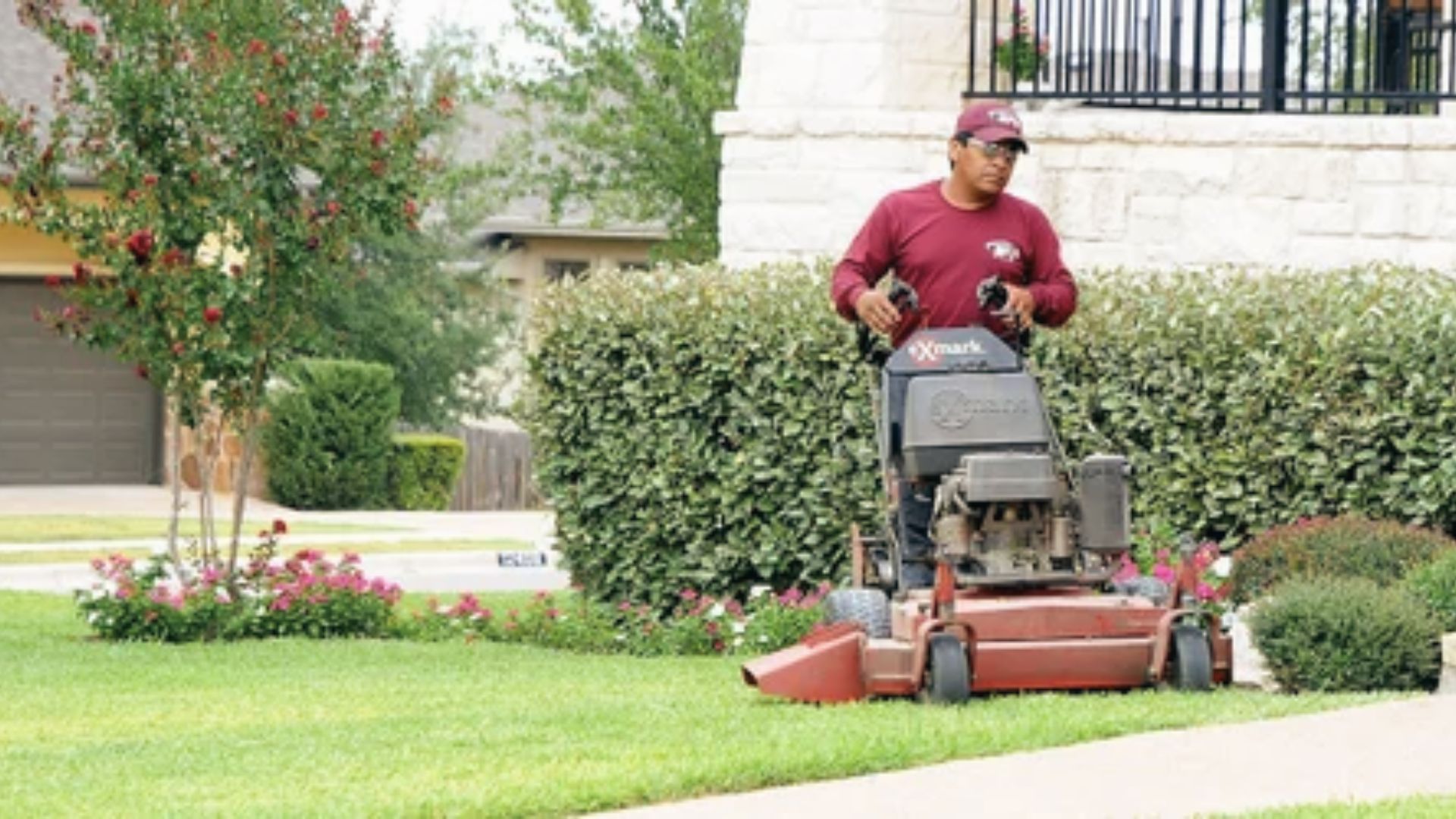
Keep trees and shrubs trimmed away from your house. Overhanging branches can damage your roof. Clear leaves and debris that trap moisture near your walls or foundation.
10. Inspect Electrical Panels and Shut-Off Valves

Know where your main water and electrical shut-off valves are. Check your breaker box for any tripped breakers or signs of heat. If something looks unusual, call a licensed electrician.
11. Prevent Mold and Moisture Buildup Indoors

Run exhaust fans in bathrooms and kitchens. Fix leaks quickly. Keep indoor humidity between 30% and 50% using a dehumidifier if needed.
Check behind appliances and under sinks seasonally.
12. Upgrade Home Security and Safety Systems

Install or update deadbolt locks on all entry doors. Add motion-sensor lights outside. Consider a video doorbell or a basic alarm system for added peace of mind.
13. Create an Emergency Preparedness Kit

Keep a kit with a flashlight, batteries, first aid supplies, water, and a few days of non-perishable food. Store it somewhere easy to access. Review and update it every year.
Common Home Maintenance Problems and How to Prevent Them

Knowing what usually goes wrong helps you stop it before it starts.
Preventing Plumbing Leaks and Water Damage
Check supply lines to your washer, fridge, and toilet each year. Replace rubber hoses with braided steel ones. They last longer and resist bursting.
Avoiding HVAC System Breakdowns
Schedule annual professional tune-ups. Change filters on time. Keep vents clear of furniture and debris. A well-maintained HVAC lasts 15 to 20 years.
Protecting Your Home From Mold and Humidity Issues
Fix leaks fast. Ventilate properly. Use a moisture meter to check hidden areas if you suspect a problem. Mold spreads quickly and is costly to remove.
Preventing Pest Infestations and Structural Damage
Seal gaps and cracks around the home’s exterior. Store firewood away from the house. Check for termite activity near wooden structures annually.
Creating a Simple Home Maintenance Routine

Build habits that work for your schedule and keep your home running smoothly all year.
Building a Yearly Maintenance Calendar
Start with a simple spreadsheet or a notes app. Assign tasks to specific months. Group seasonal tasks together to make them easier to remember.
Setting Reminders for Regular Inspections
Use your phone calendar to set quarterly reminders. Label them clearly “Check HVAC filter,” “Inspect gutters,” and so on. Consistency matters more than perfection.
Budgeting for Annual Home Maintenance Costs
A common rule of thumb is to set aside 1% of your home’s purchase price each year. So for a $300,000 home, that is $3,000 per year. Build this into your monthly budget.
Keeping Maintenance Records Organized
Save all receipts, inspection reports, and contractor contacts in one folder physical or digital. This helps with insurance claims, resale, and knowing when things were last serviced.
Quick Tips to Keep Your Home in Good Shape
Small habits done regularly make a big difference in the long run.
- Check for water leaks under sinks and around toilets every month before they turn into costly repairs.
- Change your HVAC filter every 1 to 3 months to keep air clean and energy bills low.
- Walk around your home after every heavy storm to spot roof or gutter damage early.
- Keep a basic tool kit at home so small fixes do not turn into calls to a contractor.
- Write down every repair and service date so you always know what needs attention next.
Conclusion
When I moved into my first home, I had no idea where to begin. Over time, I learned that small, regular habits matter more than big one-time fixes.
Home maintenance tips for new homeowners are not about doing everything at once. They are about doing the right things regularly and staying consistent through every season.
Start with one task this week and build from there. Even the smallest effort protects your home and your investment.
Got a tip that worked for you? Drop it in the comments. I would love to hear it!
Frequently Asked Questions
How Often Should New Homeowners Inspect Their Home?
Do a walkthrough monthly for visible issues. Schedule full seasonal inspections four times a year to catch problems before they grow.
What Are the Most Important Maintenance Tasks to Never Skip?
Never skip HVAC filter changes, smoke detector tests, gutter cleaning, and roof checks. These prevent the most common and costly problems homeowners face.
How Much Should Homeowners Budget for Maintenance?
Plan to spend 1% to 3% of your home’s value each year on maintenance. Older homes may need more. Start with a savings fund and add to it monthly.
What Seasonal Maintenance Tasks Are Most Important?
In spring, focus on roof and gutter care. In fall, prepare for heating needs and seal drafts. Winter and summer checks focus on weather protection and outdoor upkeep.
Can I Handle Most Home Maintenance Tasks Myself?
Many tasks like filter changes, caulking, and minor repairs are easy DIY jobs. For anything involving gas, electrical systems, or structural work, hire a licensed professional.