
I was about to scrub my glass shower door with steel wool when my neighbor stopped me. "That will ruin it," she said. But was she right?
I did some serious testing after that and the results were not what I expected. Will steel wool scratch glass? The answer is more interesting than a simple yes or no.
It depends on the grade, the surface, and how you use it. Stick with me because what I found out changed how I clean glass completely. You might be surprised too.
Does Steel Wool Scratch Glass?
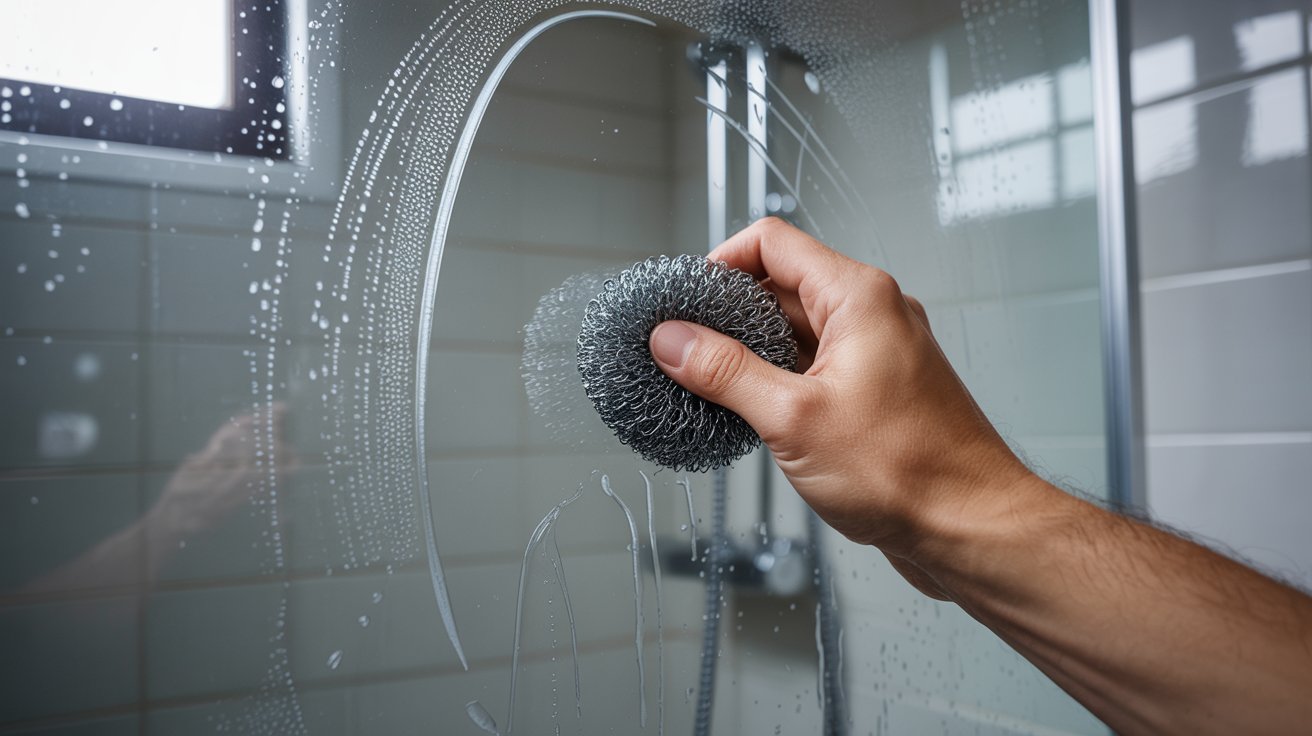
The answer is not a simple yes or no. It really depends on the grade of steel wool and the type of glass you are working with.
Coarser grades are very likely to scratch glass. Ultra-fine grades, especially 0000, behave very differently and are far gentler on surfaces.
It also comes down to how glass and steel wool interact. Glass is hard, but certain abrasives can still leave marks depending on pressure, grit, and surface condition.
Will steel wool scratch glass in all cases? No. But using the wrong grade or wrong technique increases the risk significantly.
Understanding Steel Wool Grades and Their Impact
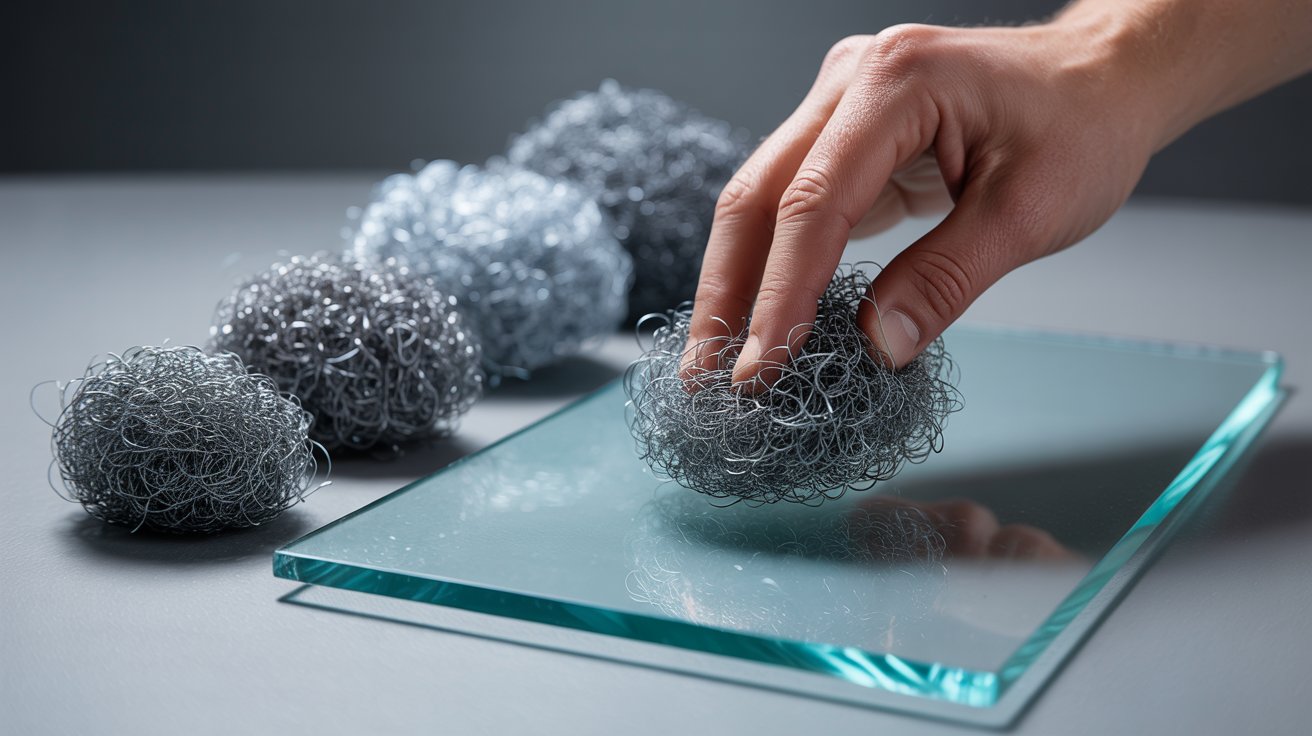
Steel wool comes in a range of grades, from very coarse to ultra-fine. Most people do not realize how much the grade changes what the product actually does to a surface.
A coarse grade like 3 or 4 is made for heavy stripping and rust removal. An ultra-fine grade like 0000 is made for delicate polishing. Using the wrong one on glass is one of the most common cleaning mistakes people make.
What Is 0000 Steel Wool?
0000 steel wool is the finest grade available. The fibers are so thin they feel almost soft to the touch.
It is commonly used for polishing wood, removing light water spots, and cleaning delicate surfaces. Many professional cleaners use it on glass specifically because of how gentle it is.
When used correctly, 0000 steel wool is much less likely to scratch glass compared to any other grade. But "correctly" is the key word here.
When Steel Wool Can Scratch Glass
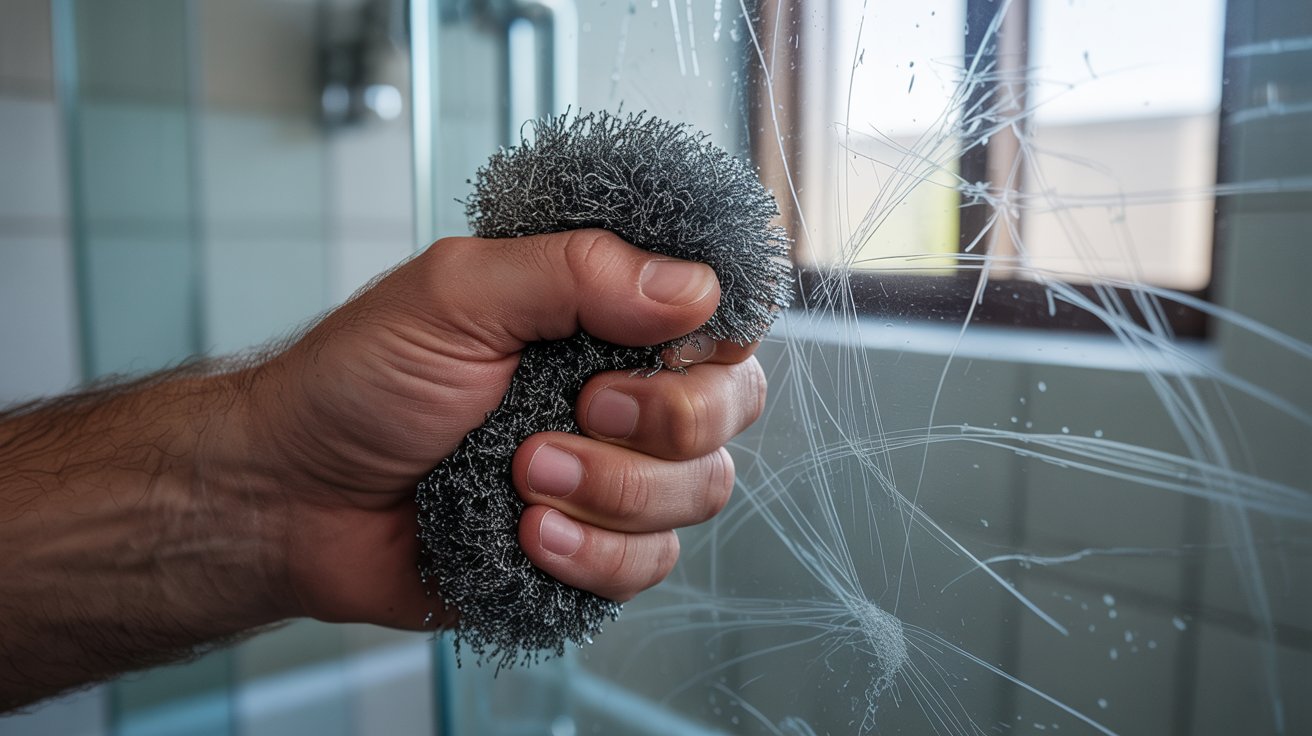
There are specific situations where even fine steel wool causes damage. Understanding these helps you avoid the mistakes that lead to scratched glass.
It is never just about the tool. It is always about how you use it and what condition it is in.
Dirty or Contaminated Steel Wool
If your steel wool has trapped debris, dirt, or dried particles in it, those act like sandpaper on the glass surface.
Even a tiny piece of grit caught in the fibers can drag across the glass and leave a visible mark. Always use a fresh, clean pad.
Never reuse steel wool that has already picked up dirt from another surface. The contamination you cannot see is often the most damaging.
Applying Too Much Pressure
Pressing hard does not clean better. It just increases friction, and that friction is what causes scratches.
Steel wool works best with light, controlled movement. The moment you start pressing down harder out of frustration, you are increasing your risk.
Think of it like polishing, not scrubbing. Light and steady is always the right approach on glass.
Certain Types of Glass (Tempered, Coated, or Tinted)
Tempered glass and coated glass are more vulnerable than regular glass. The coating on top is often softer than the glass itself.
Tinted glass and UV-protective glass have surface layers that steel wool can strip away even at 0000 grade.
The glass beneath may survive, but the coating will not. And once a coating is damaged, the glass loses its function along with its appearance.
When Steel Wool Is Safe to Use on Glass
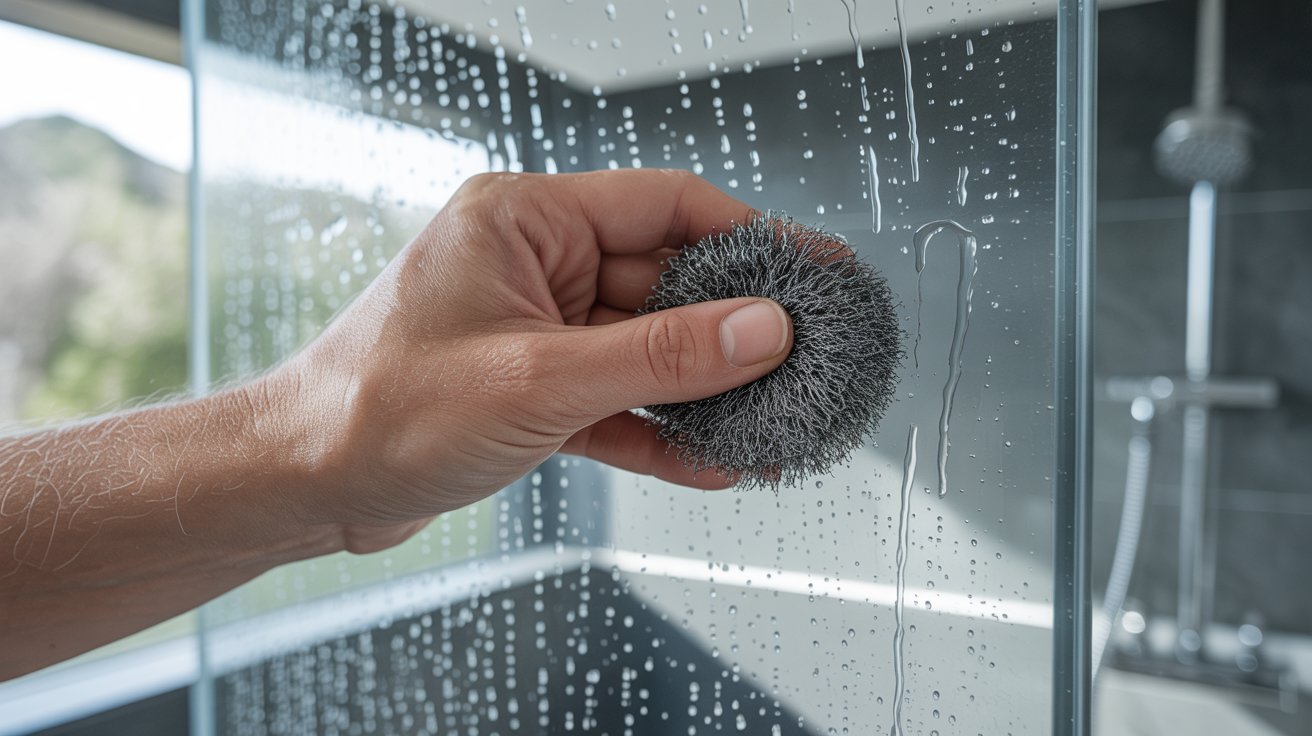
Used correctly, 0000 steel wool can be genuinely effective on glass surfaces. The key is keeping everything controlled.
It works well for removing paint spots, old stickers, mineral deposits, and hard water stains that regular cleaners cannot touch. These are situations where a little abrasion is actually needed.
Always keep the surface wet when using steel wool on glass. Water or a glass cleaner acts as a lubricant and reduces direct friction significantly.
Move in slow, circular motions rather than back-and-forth scrubbing. Circular motion distributes pressure more evenly and lowers the chance of leaving directional scratch marks.
Can You Use Steel Wool on Glass Cooktops?
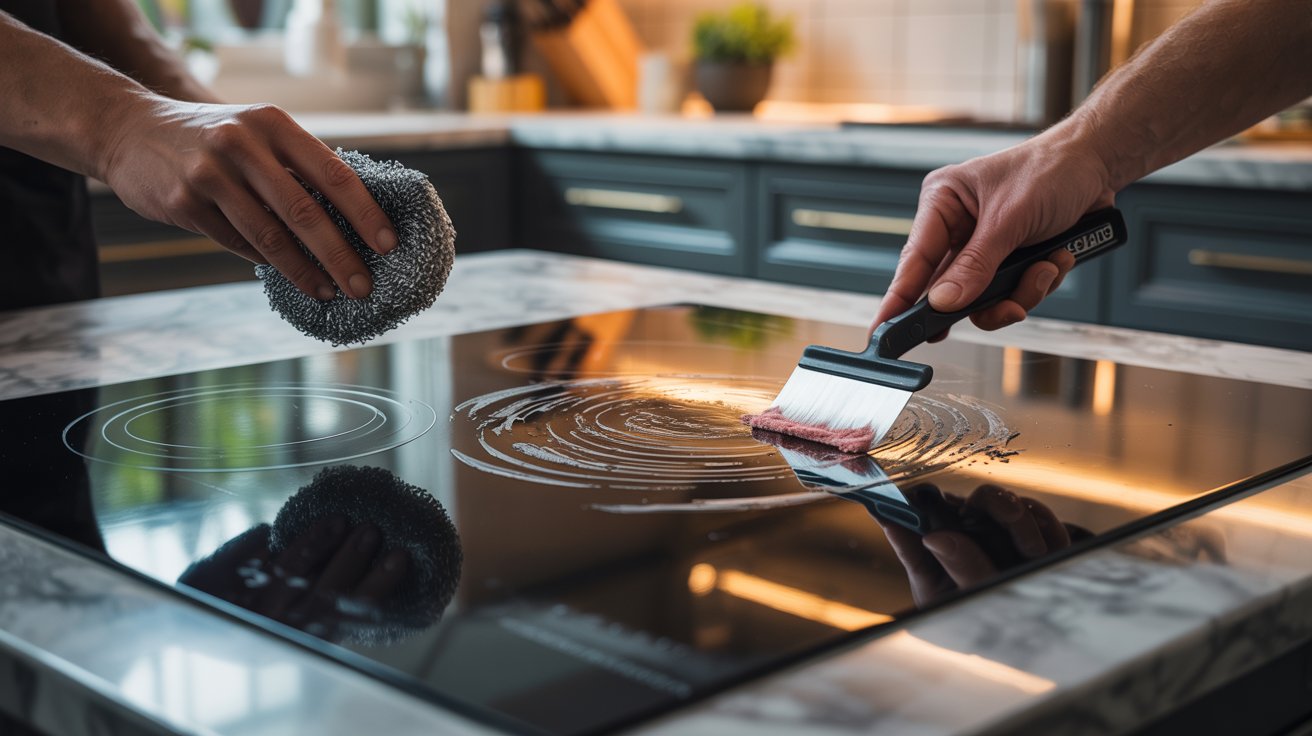
This is where things get more serious. Many people ask will steel wool scratch glass cooktop surfaces, and the concern is very valid.
Glass cooktops have a ceramic coating on top. That coating is what makes them look smooth and shiny, but it is also what makes them vulnerable.
Most cooktop manufacturers specifically advise against using steel wool of any grade. The coating can dull, chip, or develop micro-scratches that are hard to reverse.
Even 0000 grade carries real risk on a cooktop surface. The risk of damage is higher here than on plain glass because of that coating layer.
If you must remove a stubborn stain from a cooktop, use a cooktop scraper or a cleaner made specifically for ceramic glass surfaces. It is just not worth the risk with steel wool.
Best Practices to Avoid Scratching Glass

Using steel wool on glass without proper technique is where most people go wrong. A few simple habits make a big difference in the outcome.
Before you start on a visible area, always test on a small hidden spot first. If there is any sign of scratching, stop immediately and switch to an alternative method.
- Always use 0000 grade steel wool only, never anything coarser.
- Keep the glass surface wet throughout the entire cleaning process.
- Test on a small, hidden area before cleaning any visible surface.
- Use gentle, circular motions with almost no downward pressure.
- Replace your steel wool pad as soon as it looks worn or dirty.
- Never use steel wool on coated, tinted, or tempered glass.
Following these steps consistently means you are working with the tool correctly, not against it. Steel wool is not a bad product. It just needs to be used with care and intention.
Better Alternatives to Steel Wool for Glass Cleaning
If you are not confident about using steel wool, you do not have to. There are several safer options that work very well on glass without any scratch risk.
For most everyday glass cleaning needs, these alternatives will get the job done without any stress about damage.
- Microfiber cloth: Soft, scratch-free, and very effective for regular glass cleaning and smudge removal.
- Razor blade scraper: Works well for dried paint or sticker residue on flat glass when held at a low angle.
- Baking soda paste: Mix with water to form a mild abrasive paste for water stains and light buildup.
- Commercial glass cleaners: Many products are made specifically for hard water and mineral deposits without any abrasive risk.
Each of these options is safer for coated or delicate glass surfaces. Try the gentler option first and move up only if needed. That approach protects your glass and saves you from a costly mistake.
Common Myths About Steel Wool and Glass
There is a lot of wrong information out there about steel wool and glass. Some of it sounds logical but leads people to make bad choices.
Clearing up these myths helps you make smarter decisions about how and when to use steel wool.
- "Glass is too hard to scratch": Glass is hard, but its coatings and surface finishes are not. Scratching the surface layer is very possible.
- "All steel wool is safe on glass": Only 0000 grade is considered relatively safe. Coarser grades will almost certainly cause damage.
- "More pressure cleans better": Pressure increases friction and scratch risk. Lighter pressure with the right product always gives better results on glass.
These myths stick around because they sound reasonable on the surface. But when you actually test them, the damage they cause speaks for itself. Always go in with the right information before touching glass with any abrasive tool.
Conclusion
Here is what I know after testing this myself. The right grade and the right technique make all the difference. Will steel wool scratch glass? It does not have to. But one wrong move and the damage is done.
Now it is your turn. Have you tried steel wool on glass before? Did it work or did it go wrong? Tell me in the comments below.
I read every single one. And if this saved you from a costly mistake, share it with a friend who might need it right now.
Frequently Asked Questions
Will 0000 Steel Wool Scratch Glass?
In most cases, 0000 steel wool will not scratch plain glass when used with light pressure and proper lubrication. However, it can still damage coated or tinted glass surfaces, so always test first.
Is Steel Wool Safe for Shower Glass Doors?
0000 steel wool is commonly used to remove mineral deposits and soap scum from shower glass doors. Keep the surface wet and use gentle pressure to avoid any surface damage.
Can Steel Wool Damage Tempered Glass?
Steel wool is less likely to scratch the glass itself but can damage any coating on tempered glass. The coating is often more vulnerable than the glass underneath it.
What Is the Safest Way to Clean Glass Without Scratching It?
A microfiber cloth with a quality glass cleaner is the safest option for everyday glass cleaning. For tougher stains, a razor blade scraper or baking soda paste is a much lower-risk choice.
Why Does Glass Sometimes Get Scratched Even With Fine Steel Wool?
Trapped dirt in the steel wool pad, too much pressure, or using it on a coated surface are the most common causes. Technique and pad condition matter just as much as the grade you choose.