
I once watched a toddler ignore an entire basket of toys and spend forty minutes playing with an empty cereal box. No joke.
That moment stuck with me, and it made me start paying attention to something most parents overlook completely.
The best household items that can be used as toys are already sitting in your home right now. No trip to the store needed.
What I found when I dug deeper honestly surprised me. Some of these ideas are so simple, you will wonder why you never thought of them sooner.
Why Household Items Make the Best Toys
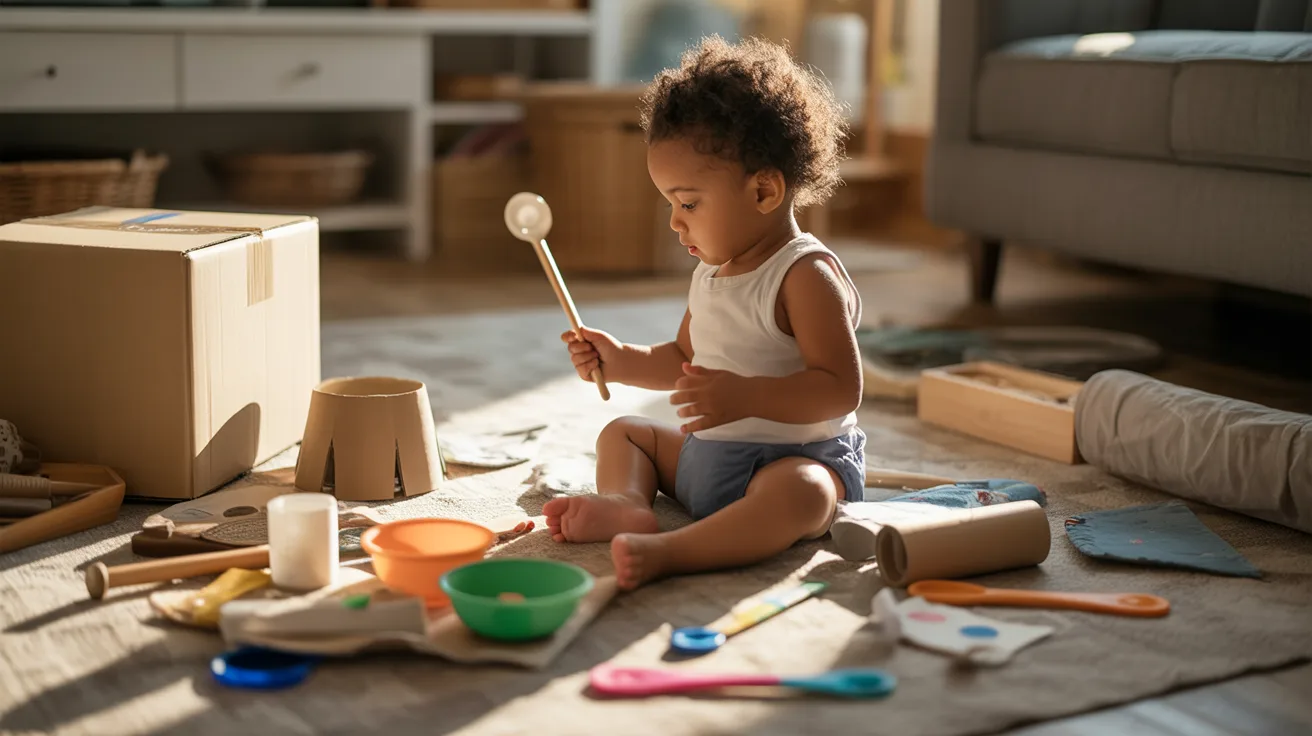
Kids do not need expensive toys to use their imagination. In fact, open-ended objects with no fixed purpose often spark more creative play than anything sold in a store.
A box becomes a spaceship. A spoon becomes a drum. That kind of thinking is good for growing minds.
It also cuts screen time without a fight. When kids have something physical to build, sort, or pretend with, they stay engaged longer. The play feels active and real, not passive.
From a budget side, it is hard to beat free. Most of these items are already in your home or heading to the recycling bin. Giving them a second life as play materials also reduces waste, which is a genuine win.
The developmental benefits are real too. Sorting, building, pretending, and creating all work different parts of a child’s brain. Motor skills, problem-solving, and social play all get a workout without a single app or instruction manual.
19 Household Items That Can Be Used as Toys
You do not need to buy anything new. Look around your home and you will find most of these already waiting to be used. Here is the full list.
1. Cardboard Boxes
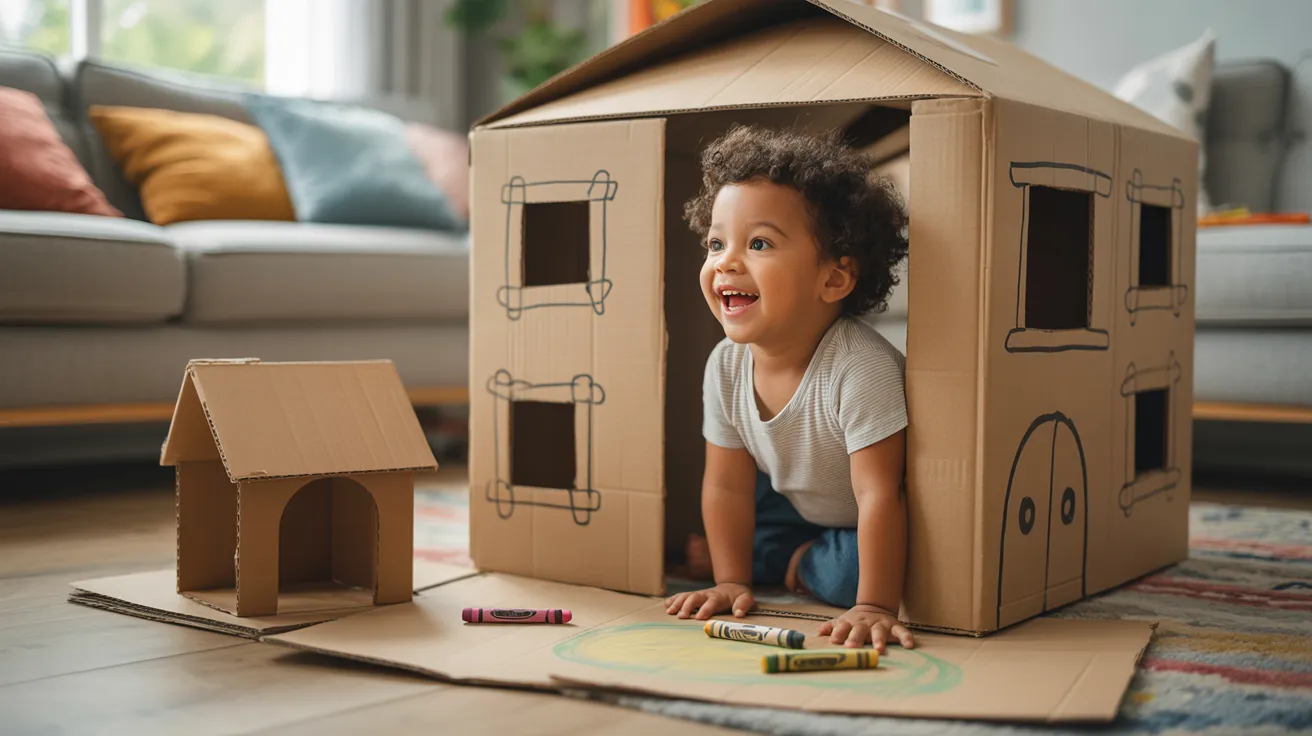
A large cardboard box is one of the most versatile household items that can be used as toys. Kids can turn it into a car, a house, a rocket, or a puppet theater with nothing more than some crayons and tape.
Cut out windows and doors and it becomes a playhouse. Flip it upside down and it is a tunnel. The possibilities shift every time a child looks at it.
Cardboard is also safe, lightweight, and easy to work with. Even toddlers can get involved without much supervision.
2. Plastic Bottles
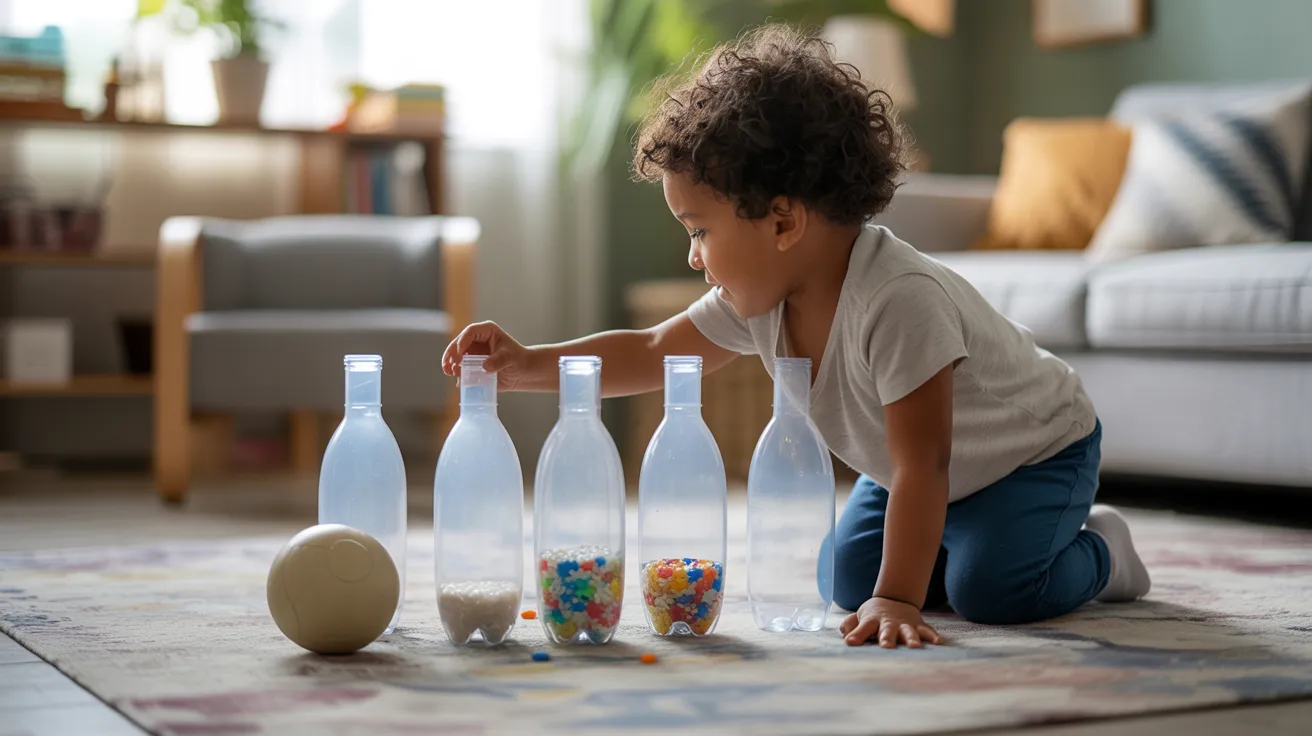
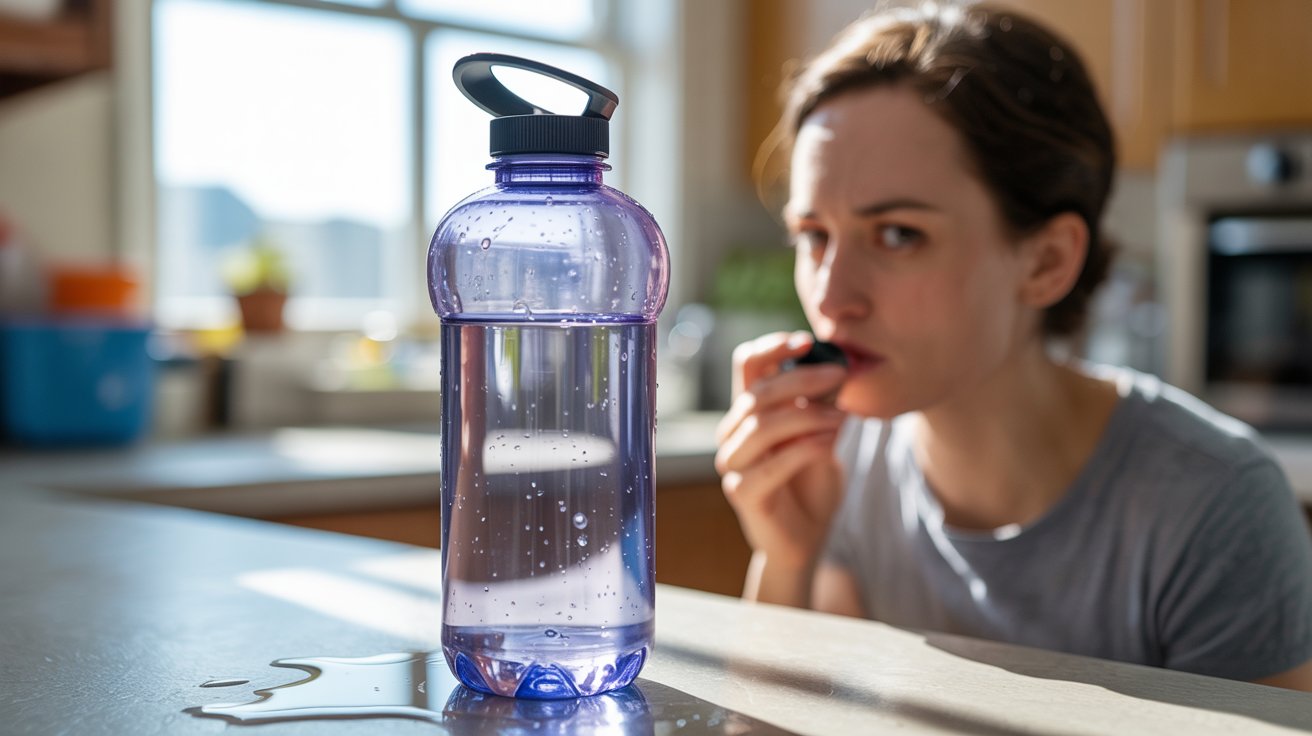
Clean plastic bottles make surprisingly good bowling pins. Line up six or ten of them, grab a soft ball, and you have an indoor bowling lane ready in minutes.
You can also fill them with rice, beads, or water and food coloring to make sensory bottles. Kids love shaking them, watching the contents move, and listening to the sounds they make.
Always use bottles with secure lids and check for any sharp edges before handing them over. A little prep goes a long way here.
3. Wooden Spoons and Utensils
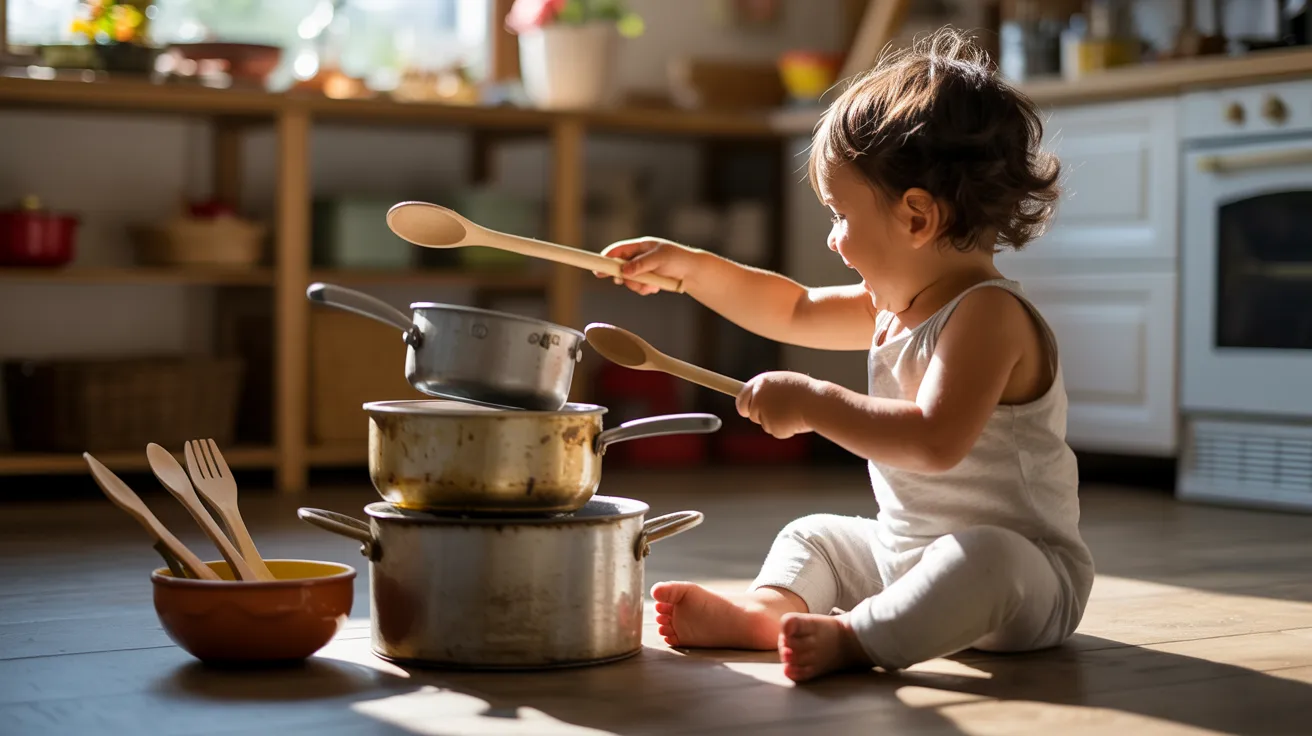
Hand a child a wooden spoon and they will find a use for it within seconds. Most often it becomes a drumstick, and any pot or container nearby becomes the drum kit.
Wooden utensils also work well for pretend cooking play. Set up a small play kitchen using real bowls and spoons and kids will stay busy for a long time.
They are sturdy, safe for most ages, and easy to wash. Keep a dedicated set aside for play so they do not end up back in the kitchen drawer.
4. Old Newspapers
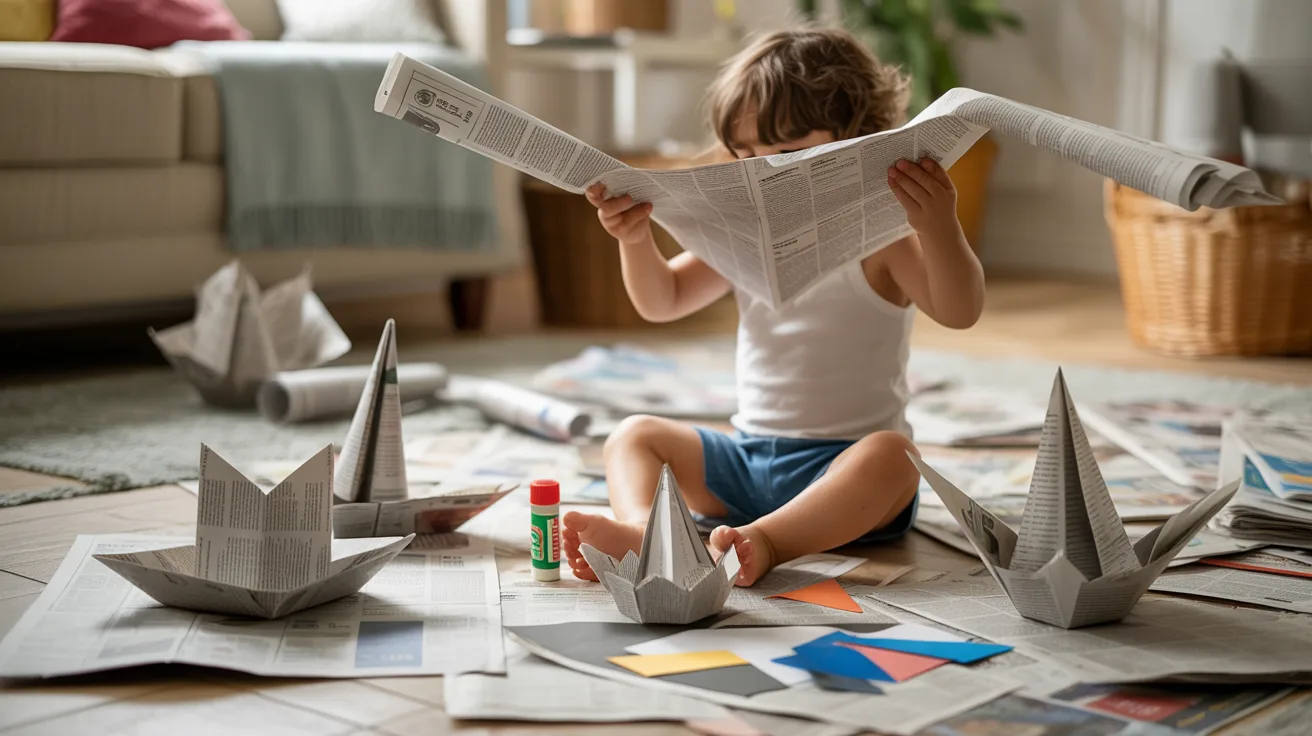
Newspapers are one of those household items that can be used as toys in more ways than most people realize. Roll one up tightly and it becomes a sword. Fold it and you get a hat, a boat, or a paper airplane.
Older kids can cut and paste strips to make collages or papier-mache projects. It is hands-on, creative, and keeps them off screens for a good stretch of time.
Just watch out for ink transfer onto hands and surfaces. A quick wash solves that, but it is worth knowing upfront.
5. Socks
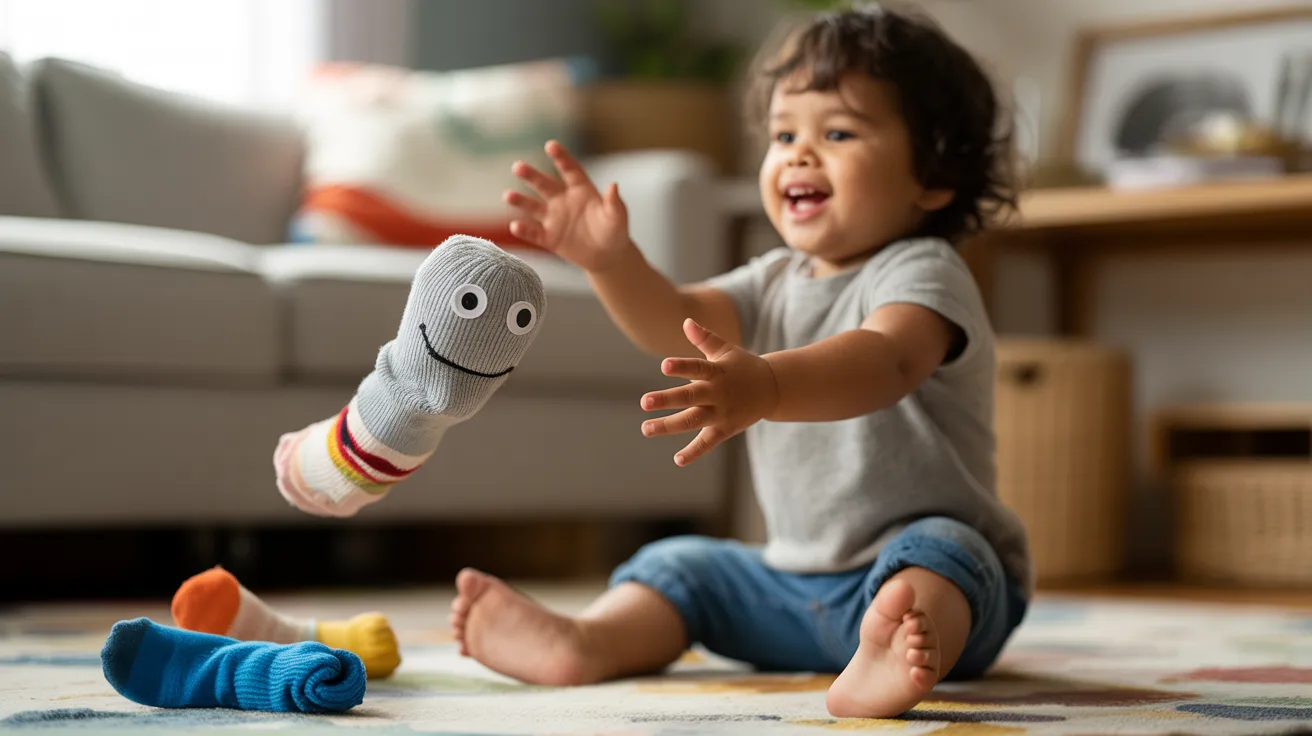
A clean sock stuffed with another sock becomes a soft ball that is safe to throw indoors. It is light enough to not break anything and firm enough to actually toss and catch.
Socks also make great hand puppets. Draw a face on the toe area with a marker, add some button eyes if you have them, and you have a character ready for a whole show.
This is one of the quickest setups on the list. Two minutes of prep and kids are entertained for far longer.
6. Blankets and Bedsheets
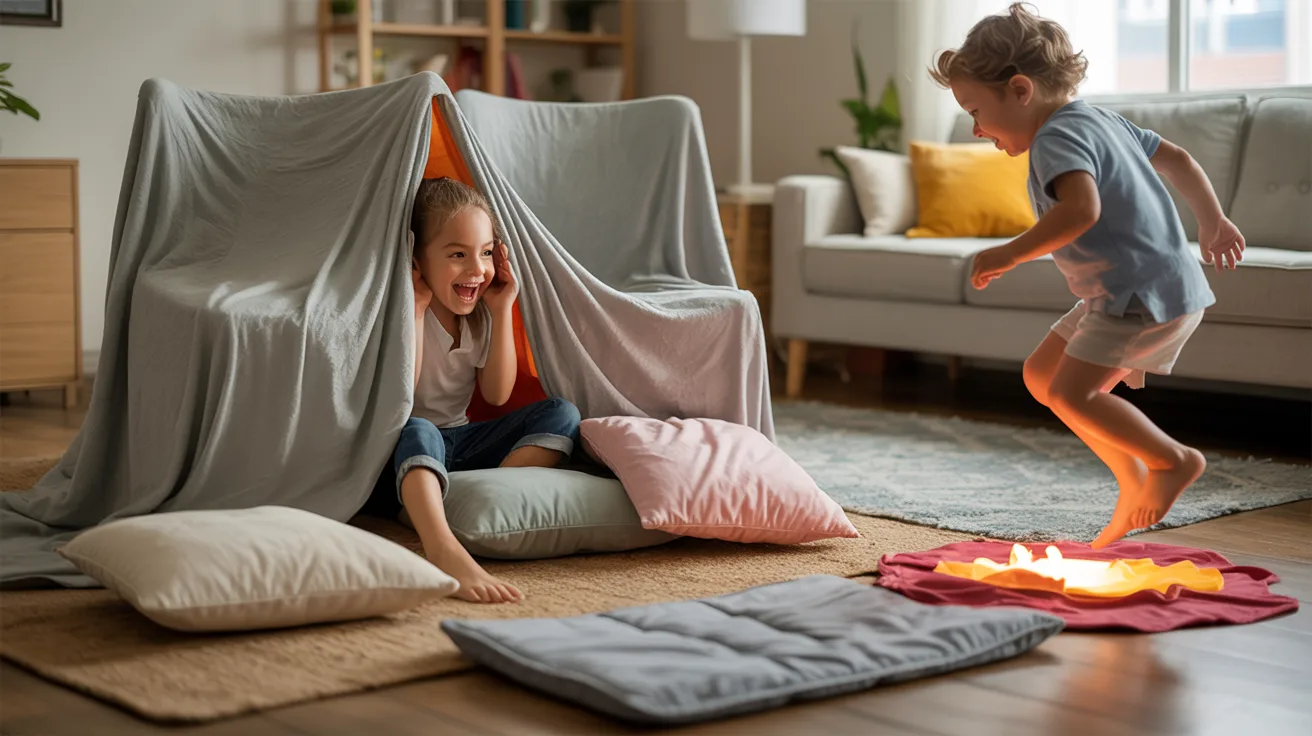
Draping a sheet over two chairs creates a fort that children will defend and decorate for hours. Add some pillows inside and it becomes a reading den, a hideout, or a pretend cave.
For more active play, lay blankets on the floor as stepping stones in a lava game. Kids have to jump from one to the next without touching the floor.
The setup takes almost no effort and the play it generates is rich and physical. That combination is hard to beat.
7. Paper Towel Rolls
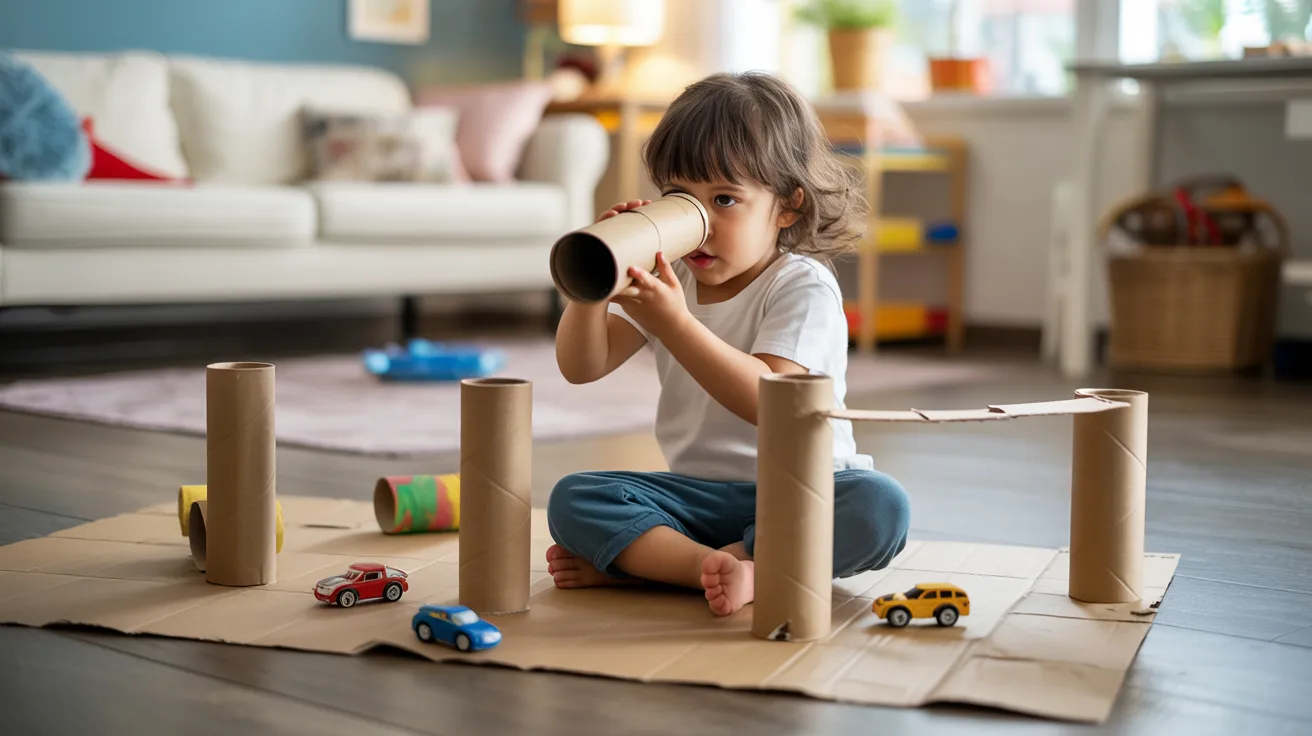
A single paper towel roll becomes a telescope, a megaphone, or a tunnel for small toy cars. Connect several together with tape and you can build a marble run or a track system right on the floor.
Painting them first adds another layer of activity. Kids get a craft project and a toy at the end of it.
They are light, easy to cut, and completely free once the paper towel is used up. Keep a few in a drawer and bring them out on slow afternoons.
8. Kitchen Containers
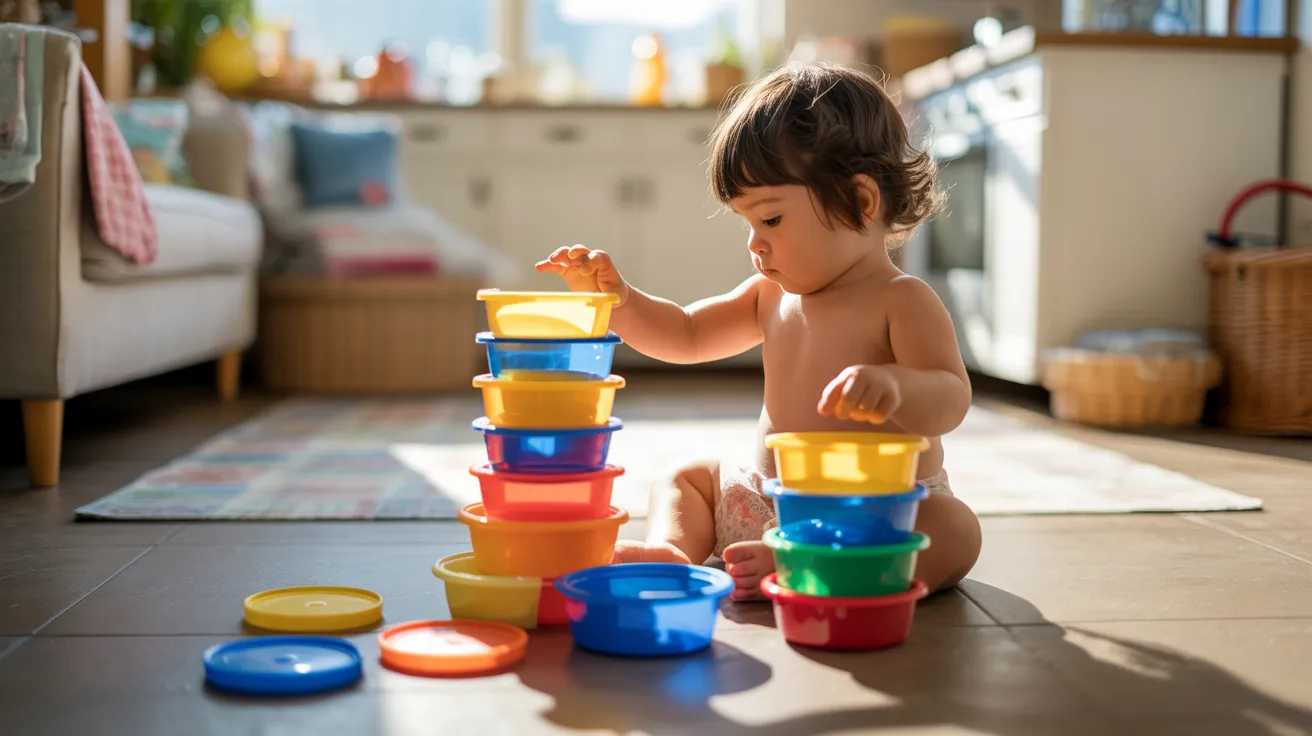
Plastic containers of different sizes are perfect for stacking and sorting games. Kids figure out which lids match which containers, which sizes stack without falling, and which ones nest inside each other.
For younger toddlers, this kind of play builds hand-eye coordination and logical thinking without them realizing it. It looks like play, but a lot of learning is happening underneath.
Make sure all containers are clean and free of any sharp rims. Lightweight plastic works better than glass for obvious reasons.
9. Aluminum Foil
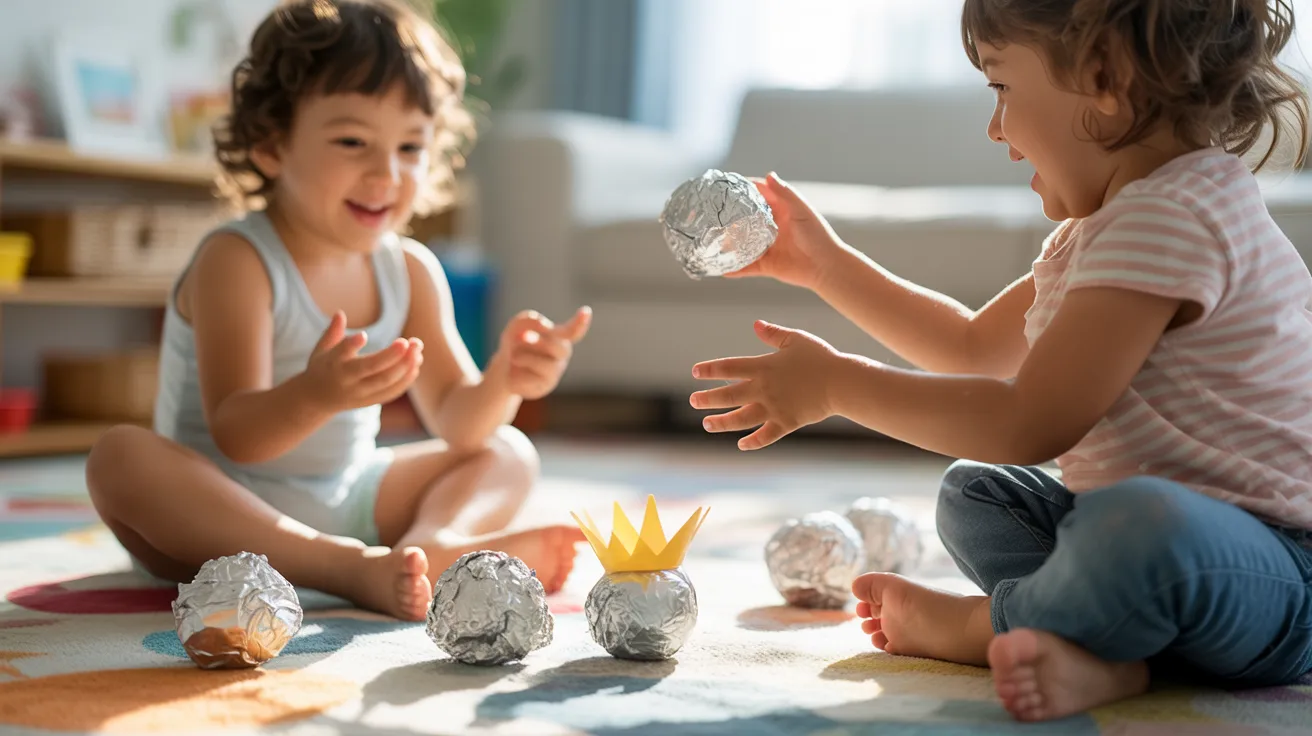
Aluminum foil is one of those underrated household items that can be used as toys with very little effort. Kids can mold it into balls, animals, crowns, or pretend tools. It holds its shape just enough to be satisfying.
Rolled into a ball, it doubles as a lightweight toy for indoor throwing games. Two kids can toss it back and forth without any real risk of damage.
Supervision is needed with younger children since torn foil can have sharp edges. For older kids, it is a genuinely fun and hands-on material to work with.
10. Old Keys (Supervised)
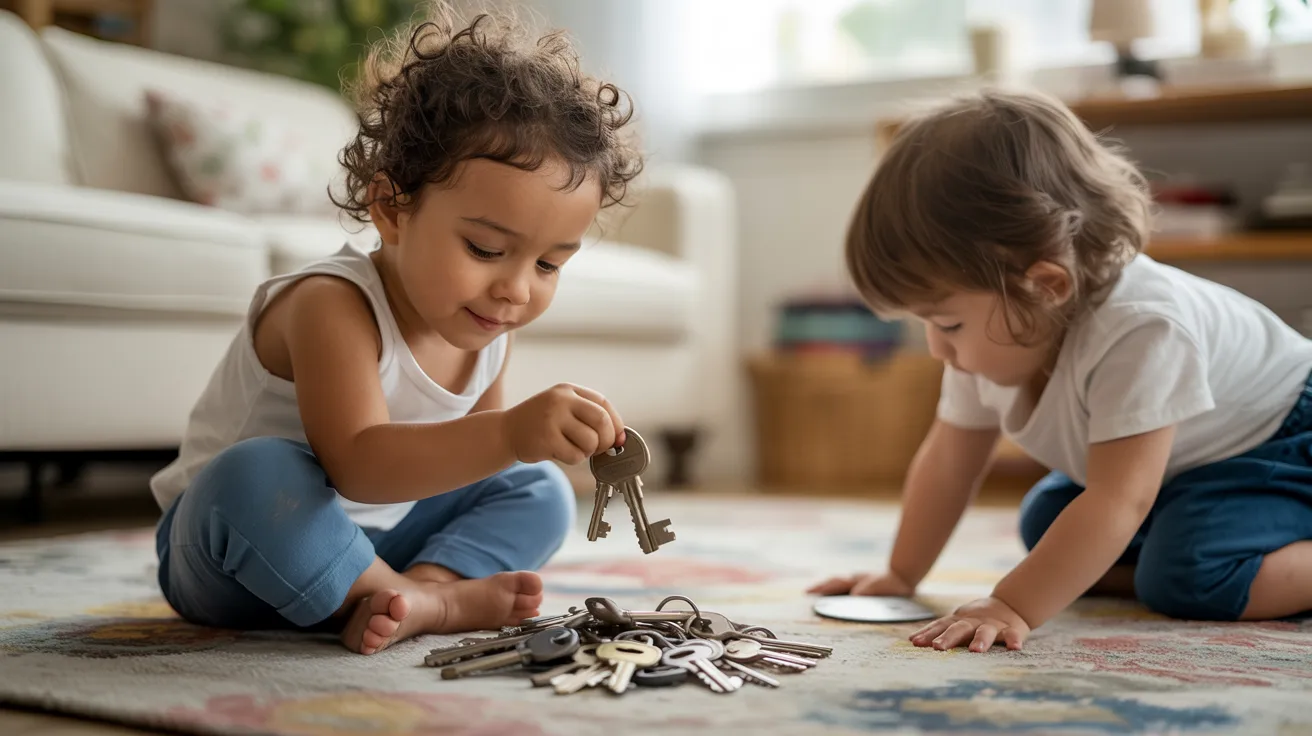
A set of old keys that are no longer in use makes a great sensory and sound toy for slightly older kids. They love the weight, the metallic sound, and the visual interest of different shapes and sizes.
Keys also work well in treasure hunt games. Hide them around the house and give kids clues to find them. It builds problem-solving and keeps them moving.
Always supervise this one, especially with children under four. Keys can have sharp edges and should not be used with very young kids without an adult present.
11. Sponges
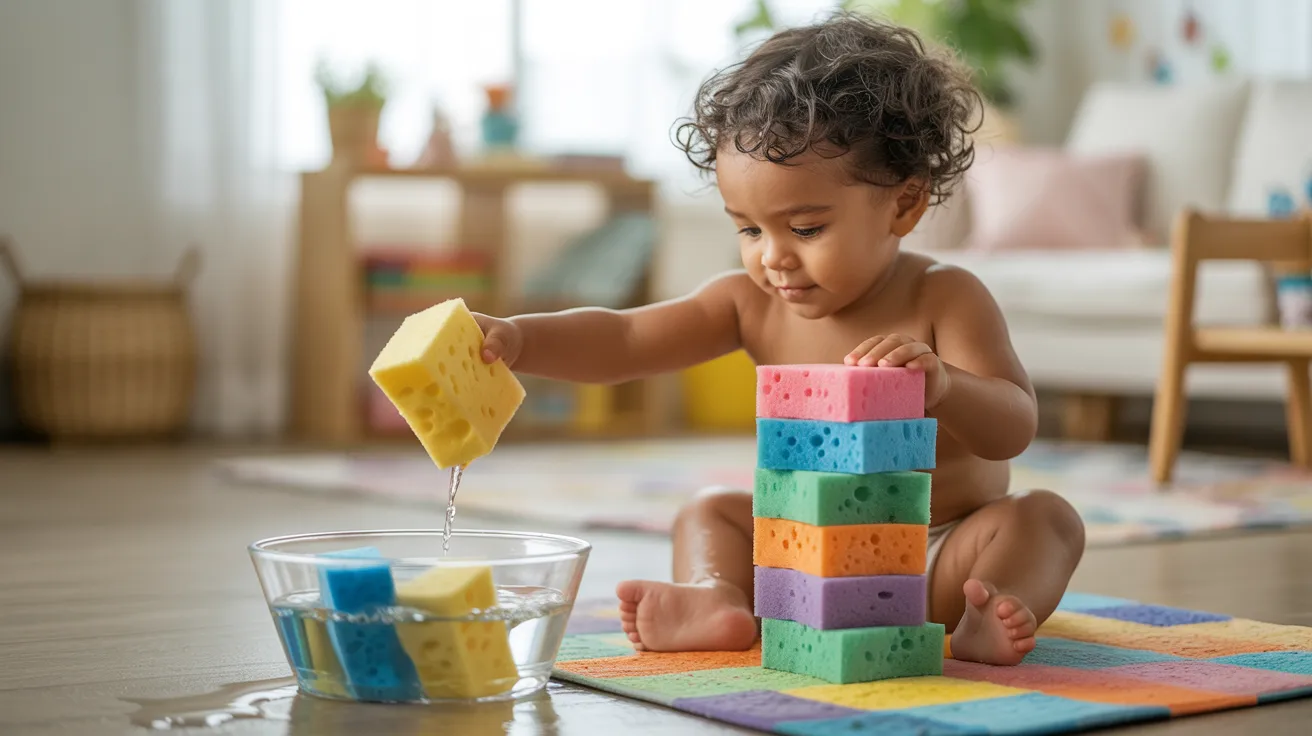
Dry sponges stack like soft building blocks and are completely safe for young children. Kids can build towers, knock them down, and start again without any mess or noise.
For water play in the bath or a small basin, wet sponges become squeeze toys and pouring tools. Kids can fill cups, transfer water, and explore how sponges absorb and release liquid.
They are cheap, easy to clean, and come in different sizes and colors. A small pack of sponges goes a long way.
12. Bottle Caps
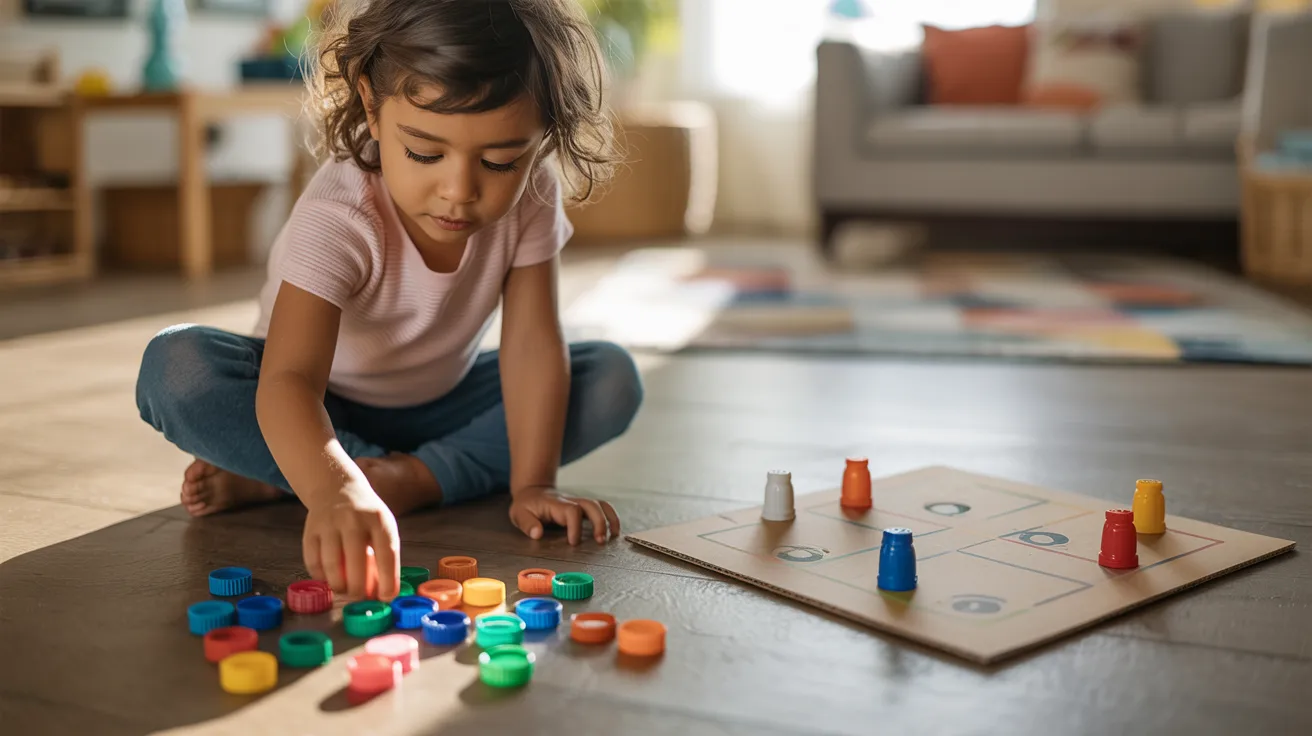
Bottle caps are small but useful household items that can be used as toys for counting, sorting, and simple board games. Collect a variety of colors and sizes and let kids sort them into groups.
They also work as playing pieces for homemade board games. Draw a simple track on cardboard, assign a cap to each player, and you have a game ready in minutes.
Keep this one for children old enough to not put small objects in their mouths. Age five and up is a safe general guideline.
13. Cushions and Pillows

Scatter cushions around the living room floor and tell kids the ground is lava. That single instruction keeps them jumping, balancing, and laughing for a surprisingly long time.
Pillows also work well for building soft forts and walls. Stack them, arrange them, and kids will spend ages designing their own spaces.
The best part is the cleanup takes about thirty seconds. Just toss them back on the sofa when play is done.
14. Clothespins
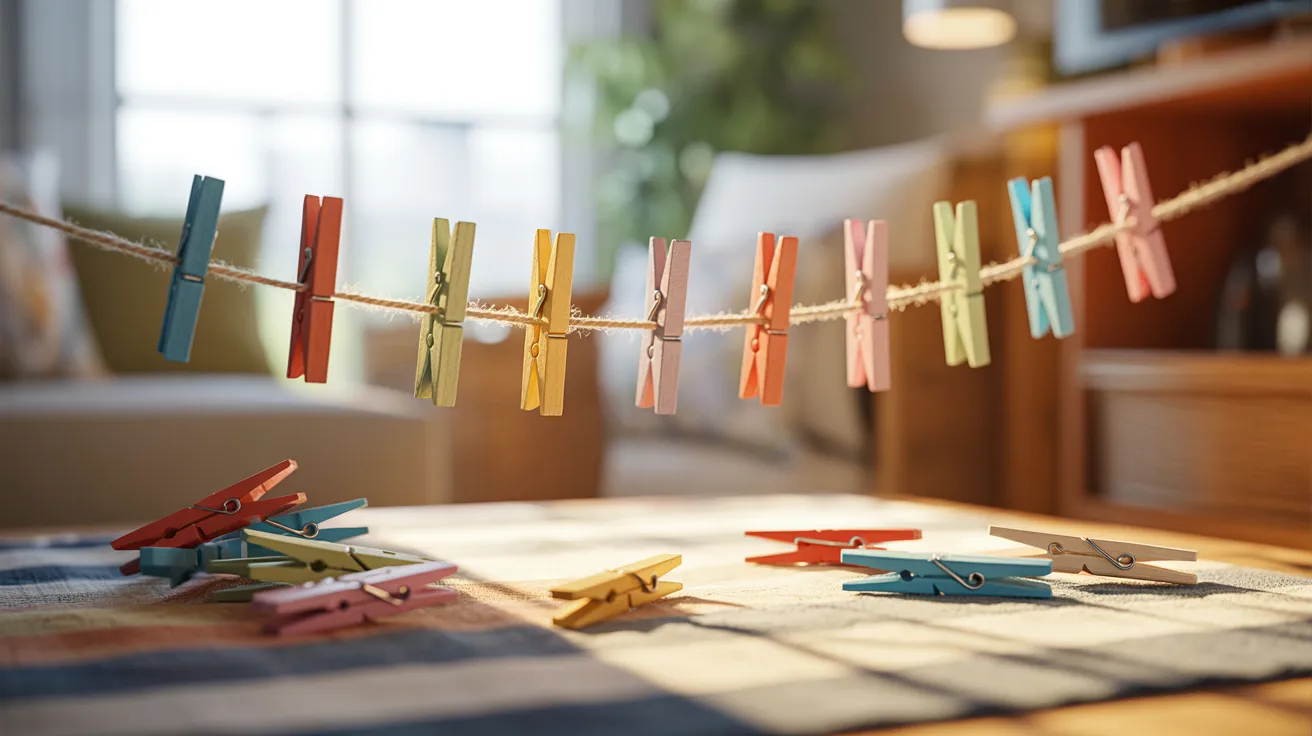
Clipping and unclipping clothespins is a great fine motor activity for young children. It builds finger strength, which is directly useful for writing and drawing later on.
Kids can clip them onto a stretched piece of string in color patterns, or race to clip as many as they can in a set time. Simple games, real skill-building.
Wooden clothespins are safer than plastic spring ones for younger kids. Check for any splinters before use and you are good to go.
15. Old Magazines
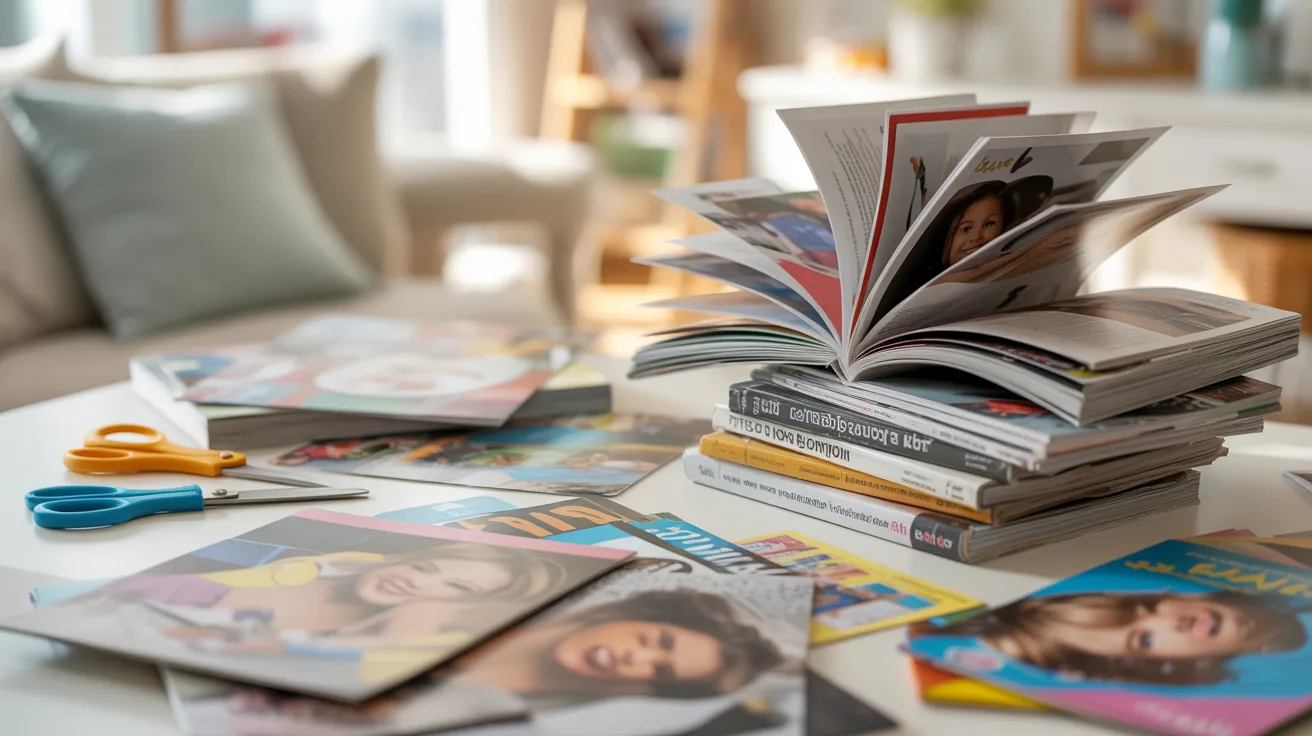
Old magazines are full of images that kids can cut out, sort, and use for collage projects. Give them a theme, like animals or food or things that are blue, and let them build their own picture collections.
Older kids can use magazine pages to create storytelling boards. Cut out characters and scenes, then make up stories around them.
Keep a pair of child-safe scissors nearby and lay down some newspaper underneath to catch the scraps. It is one of those activities that keeps kids genuinely focused.
16. Ice Cube Trays
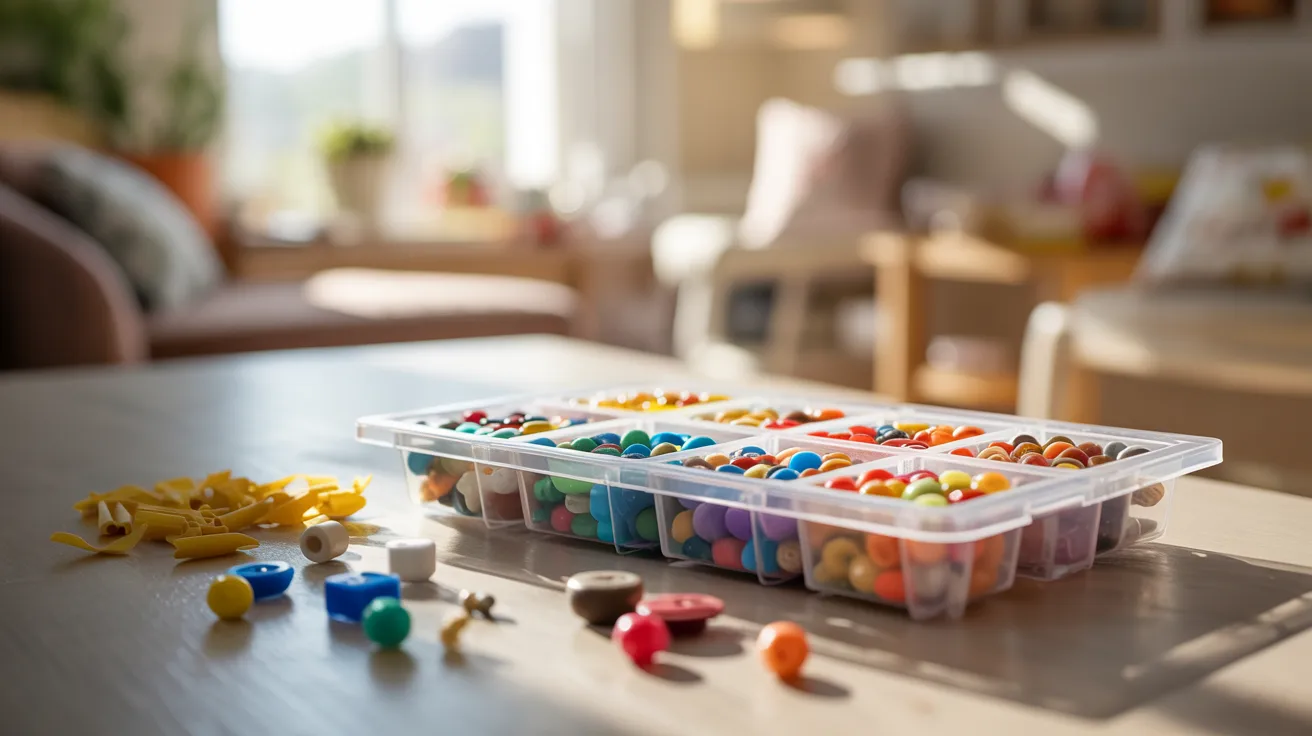
An ice cube tray is a surprisingly good sorting toy. Fill each section with a different color of small objects like buttons, beads, or dried pasta and let kids sort them by color, size, or shape.
They also work for simple counting exercises. Drop one item in the first section, two in the second, and so on. It is hands-on math without any worksheets.
Use large, non-swallowable objects with young children. This activity works best for kids aged three and up with light supervision.
17. Flashlights
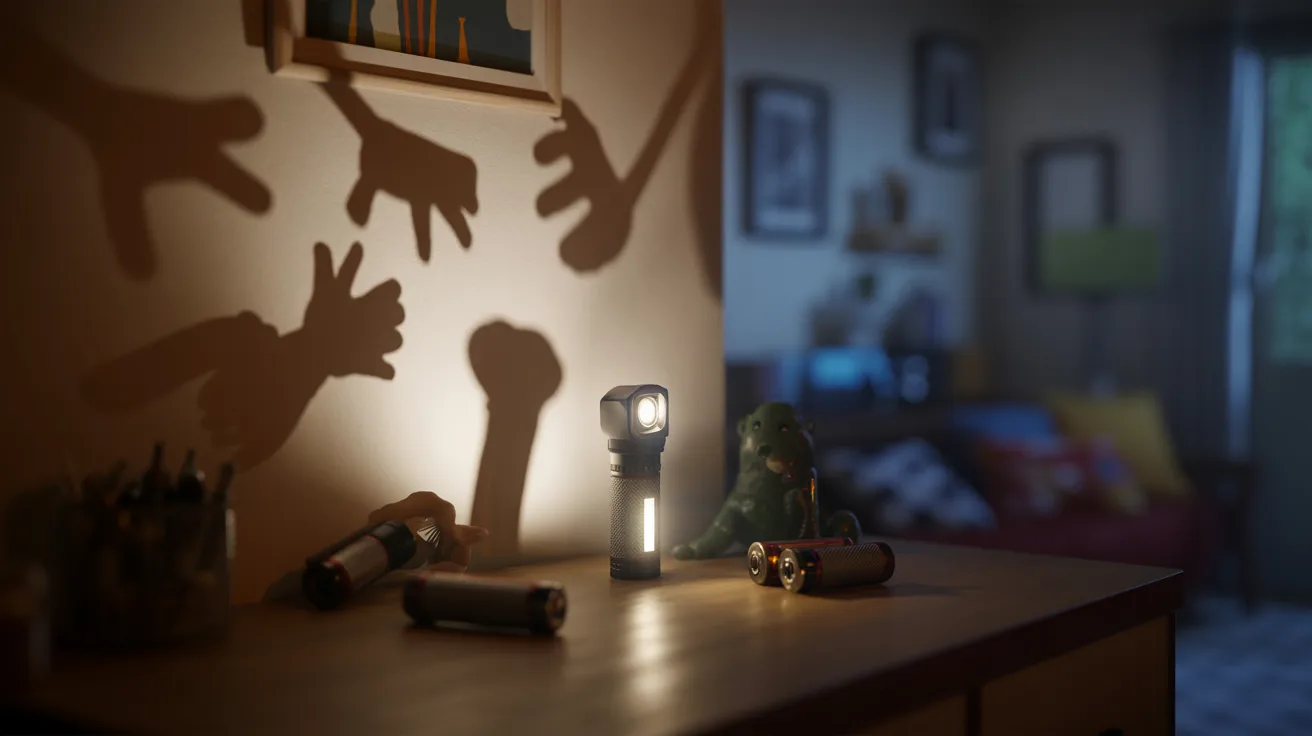
A flashlight in a dimmed room opens up a whole world of play. Shadow puppets are the obvious one. Kids use their hands to make animals and shapes on the wall, and they will keep going once they figure out how it works.
Flashlights also work for simple light-and-seek games. Hide a small object and use the flashlight to scan for it. It adds a dramatic edge to an otherwise simple activity.
Check the batteries before you start so the fun does not die halfway through. Have a spare set nearby just in case.
18. Rope or String

A length of rope or thick string laid out on the floor becomes a balance beam, a maze boundary, or a shape-making tool. Tell kids to walk along it without stepping off and they will take it seriously.
For group play, a rope is all you need for tug-of-war. It is physical, competitive in a fun way, and works with as few as two kids.
Use soft rope rather than rough twine to avoid friction burns. Tie off any fraying ends before handing it over.
19. Buckets and Bowls
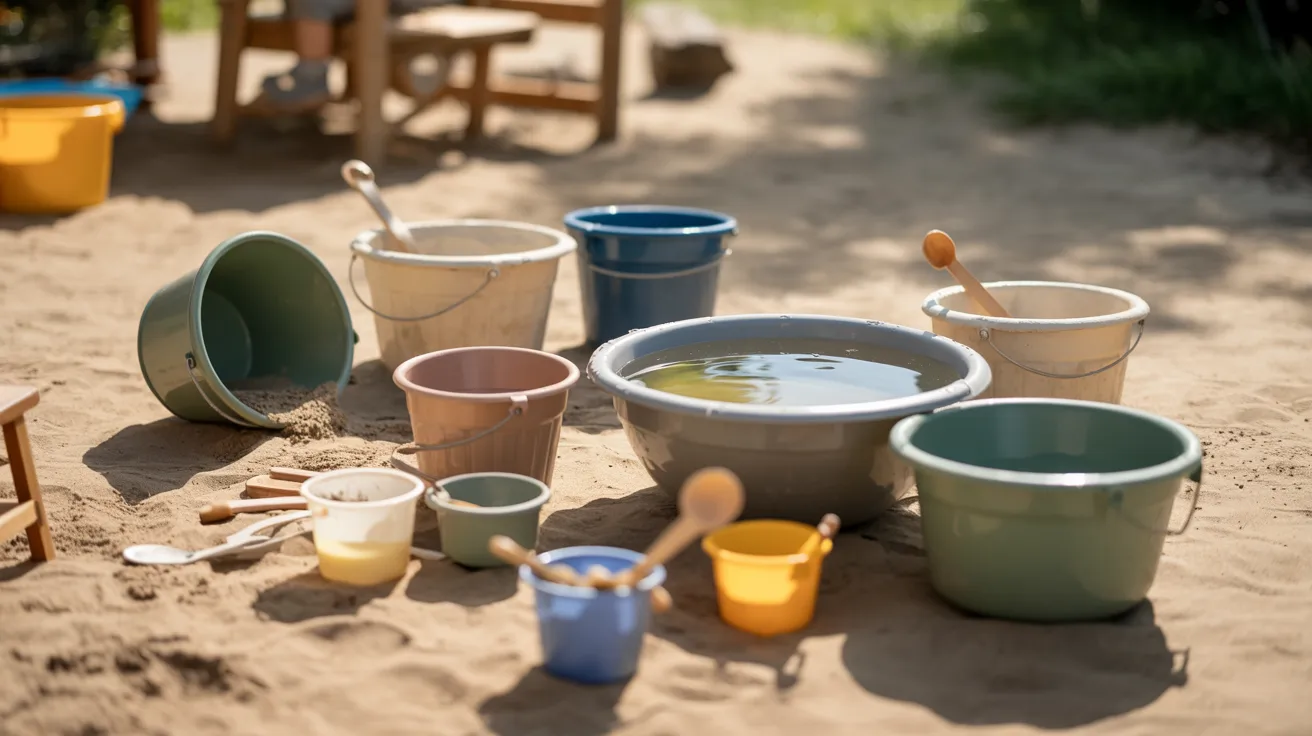
Buckets and bowls are some of the most open-ended household items that can be used as toys, especially for water and sensory play. Fill a large bowl with water and give kids cups, spoons, and small containers. They will pour, measure, and experiment on their own.
Outside, buckets work for sand play, nature collecting, and even target toss games. Inside, they become drums when turned upside down.
Always supervise water play closely with young children. Keep the water level low and never leave kids unattended near any container of water.
Safety Tips When Using Household Items as Toys
The items in your home can make for great play, but a quick safety check before any session keeps things worry-free. Most accidents happen not because the items are dangerous, but because they were not checked or supervised properly.
- Avoid sharp edges and small pieces: Anything that could splinter, crack, or be swallowed is not suitable for young children. Always inspect items before handing them over.
- Supervise younger kids closely: Children under three especially need an adult nearby. What seems harmless can become a choking hazard quickly.
- Clean items before use: Kitchen containers, bottles, and sponges should be washed before they go into play. Hygiene matters just as much as fun.
- Match items to the child’s age: A bottle cap is fine for a seven-year-old but not for a two-year-old. Use common sense and err on the side of caution.
- Store items safely after play: Put everything back after each session. Leaving small objects on the floor overnight creates hazards for everyone in the house.
A little preparation goes a long way. The goal is fun, and fun works best when everyone stays safe.
Conclusion
Honestly, the best toy in your home is the one your kid has never thought to play with yet. And that is the fun part. You get to show them.
Pick one item from this list, hand it over, and watch what happens. Do not overthink it. Kids take care of the rest. If you try something from this list and it becomes a house favorite, tell me about it in the comments below.
And if you found this helpful, share it with another parent who could use a break from the toy aisle.
Frequently Asked Questions
What Are the Best Household Items That Can Be Used as Toys?
Cardboard boxes, plastic bottles, cushions, and blankets are among the top choices because they are safe, versatile, and easy to use. Most kids gravitate toward open-ended items they can shape and use in their own way.
Are Household Items Safe for Kids to Play With?
Yes, as long as you check for sharp edges, small parts, and age-appropriateness before use. Proper supervision, especially with younger children, keeps playtime both fun and safe.
How Do Household Toys Help Child Development?
Playing with everyday objects builds creativity, fine motor skills, and problem-solving abilities in children. The open-ended nature of these items encourages kids to think independently and stay engaged longer.
Can Adults Also Enjoy Household DIY Toys?
Absolutely. Many household items that can be used as toys for men double as stress-relief tools or creative hobbies, from building structures to hands-on craft projects. Play is not just for kids.
How Can I Make DIY Toys More Engaging for Kids?
Add storytelling, set challenges, or turn activities into group games to keep the energy up. The more kids feel involved in creating the rules and setup, the longer they stay interested.