
Ever wondered what the sanitize cycle on your washer actually does? You’re not alone.
Many people ignore it without knowing it could be the most useful setting on their machine.
In this guide, I’ll explain exactly what the sanitize cycle does, how it works, and when you should use it.
We’ll also cover how it differs from a regular wash and share tips to get the best results. With years of experience in home appliance guidance, you’re in the right place.
Let’s get straight to it
How Does the Sanitize Cycle Work in a Washing Machine?
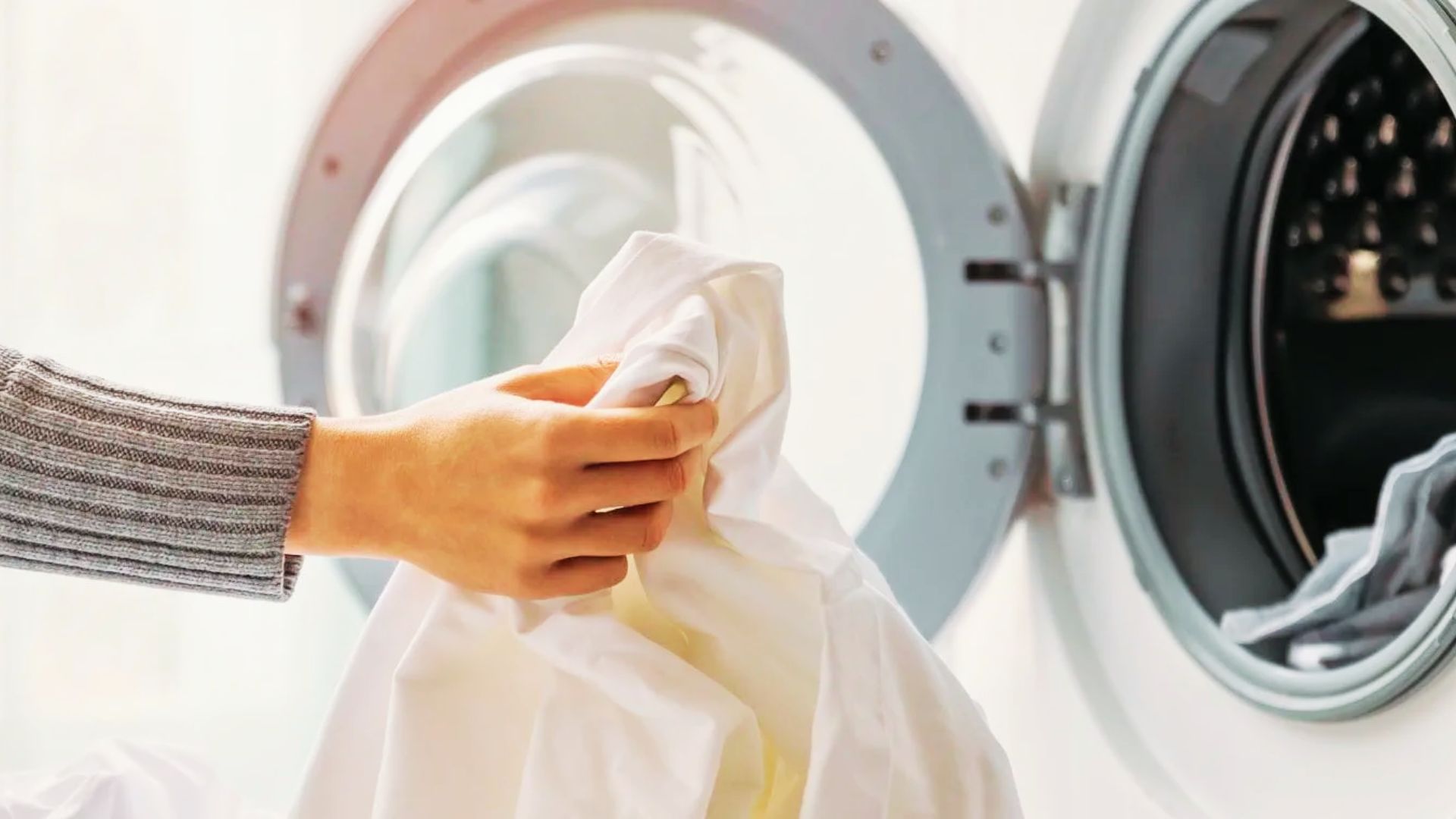
It uses high heat and extended time to destroy germs regular cycles leave behind.
High Water Temperature Explained
The sanitize cycle heats water to 140°F–170°F, far beyond a standard hot wash. This range exceeds the thermal tolerance of most bacteria and pathogens.
Some machines display a sanitize indicator to confirm the target temperature was reached.
How Heat and Time Kill Germs
Heat disrupts the proteins and cell membranes of bacteria, destroying them at a biological level.
The cycle holds peak temperature longer than normal, ensuring heat penetrates deep into fabric.
This combination of sustained heat and extended exposure is what makes it work.
Built-In Heating vs Regular Hot Water
Home water heaters typically max out at 120°F not hot enough to sanitize. Machines with a built-in heater independently raise water to certified sanitizing levels.
This internal element separates a true sanitize cycle from simply selecting “hot wash.”
Does the Sanitize Cycle Kill Germs, Bacteria, and Viruses?
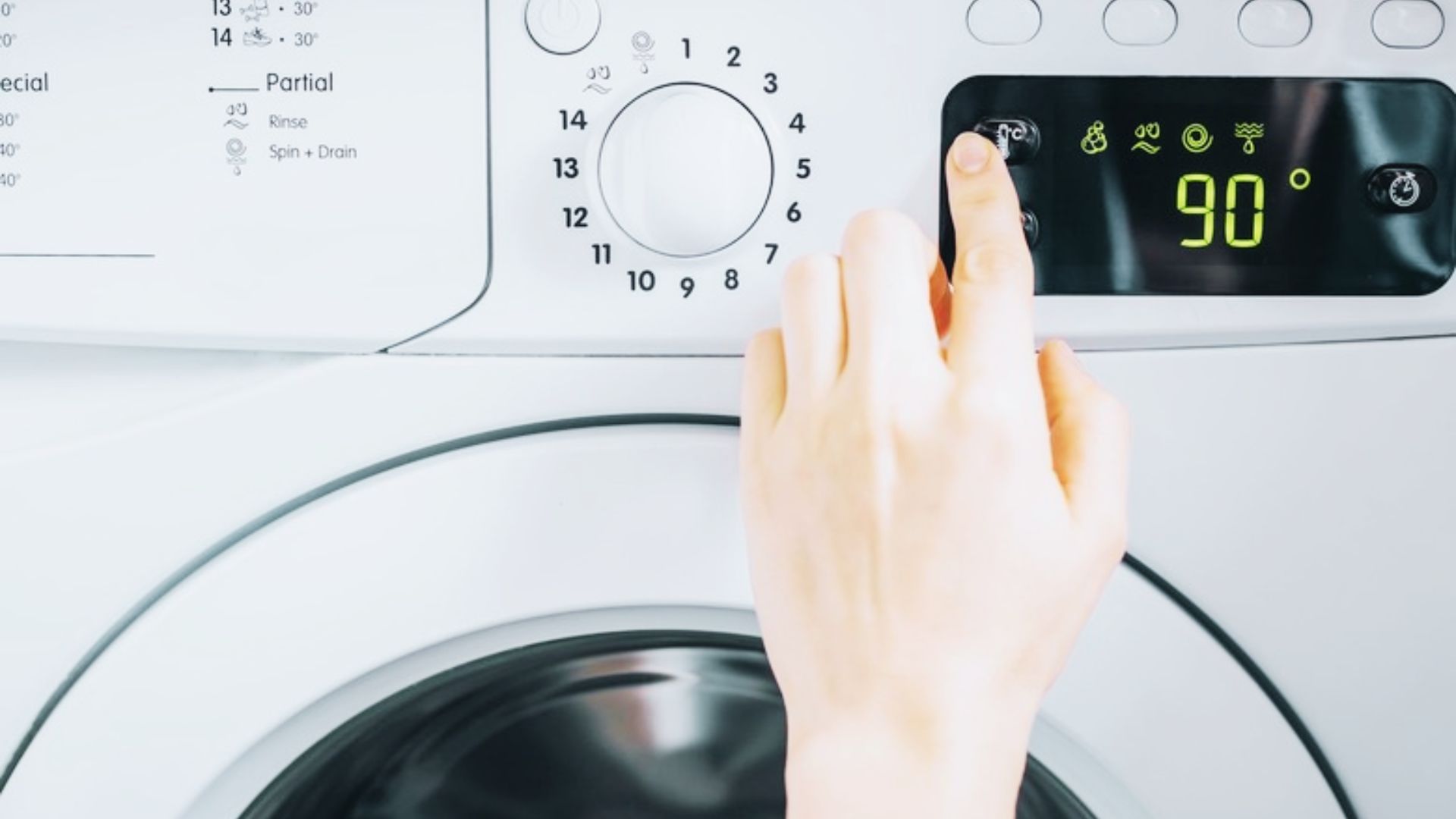
Yes it eliminates the vast majority of harmful microorganisms when used correctly.
How It Eliminates 99.9% of Bacteria
NSF International certifies machines that reduce bacteria by 99.9% under controlled conditions. This is achieved through sustained high heat combined with longer agitation periods.
Look for NSF/ANSI Standard 177 certification to confirm your machine qualifies.
Effect on Viruses and Allergens
High heat can inactivate many common viruses, including influenza, when paired with proper detergent. The cycle also reduces dust mite allergens and pet dander embedded in fabric.
It significantly lowers microbial load, though it won’t eliminate every particle.
What “Sanitized” Actually Means
“Sanitized” means microbial levels are reduced to a publicly safe standard not fully sterile. The term is regulated under NSF testing guidelines with specific performance thresholds.
Uncertified machines may run hotter but still not meet the same benchmark.
What Is the Difference Between Sanitized Cycle and Normal Wash?
Both cycles clean laundry differently in temperature, time, and germ-fighting ability.
Temperature Differences
The sanitize cycle uses very high water temperatures, between 140°F and 170°F, to kill harmful pathogens.
Normal wash cycles use warm or cold water, around 60°F to 100°F, which cleans but won’t eliminate germs.
This temperature gap makes sanitizing far more effective against bacteria and viruses.
Cycle Time Differences
Sanitize cycles run much longer, often 1.5 to 2 hours, to maintain high heat throughout the wash. Normal cycles finish in 30 to 60 minutes, focusing on efficiency over deep cleaning.
The extra time ensures heat fully penetrates fabrics for thorough disinfection.
Cleaning Purpose Comparison
Normal wash cycles remove everyday dirt, sweat, and light stains from clothing. The sanitize cycle targets bacteria, allergens, and mold that regular washing leaves behind.
It’s best for baby clothes, bedding, and items exposed to illness or contamination.
Benefits of Using the Sanitize Cycle
The sanitize cycle offers real health and hygiene advantages beyond a regular wash.
Removes Germs and Bacteria Effectively
The sanitized cycle’s high heat kills up to 99.9% of common household bacteria and viruses. It’s especially useful after illness to ensure contaminated items are fully disinfected.
This makes it an important tool for a cleaner, healthier home.
Reduces Odors in Laundry
Persistent odors in towels and gym clothes are usually caused by bacteria and mildew buildup. The sanitized cycle’s intense heat destroys these odor-causing microorganisms at the source.
Laundry comes out smelling fresher and staying cleaner for longer.
Helps with Hygiene and Freshness
Using the sanitize cycle on high-contact items like pillowcases and underwear improves personal hygiene. It removes invisible residues that a normal wash often misses.
Fabrics come out hygienically fresh and safe for everyday use.
Useful for Allergy Control
The sanitized cycle effectively eliminates dust mites, pet dander, mold spores, and pollen from fabrics. These allergens commonly trigger sneezing, skin irritation, and respiratory issues.
Weekly sanitizing of bedding and linens can noticeably reduce allergy symptoms.
Does the Sanitize Cycle Require Detergent?
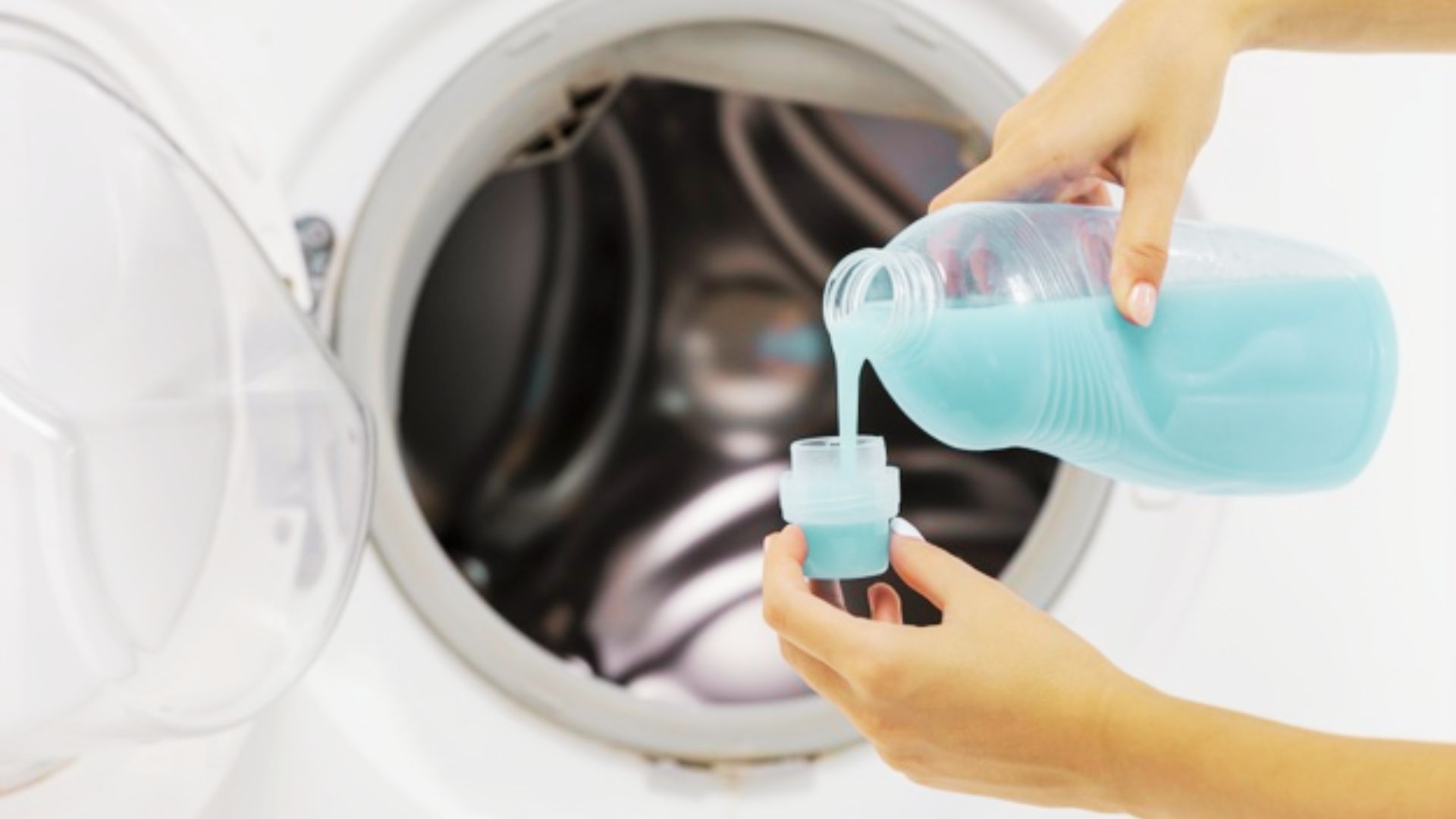
Yes, using detergent with the sanitize cycle is recommended for the best cleaning results.
Why Detergent Is Still Necessary
The sanitize cycle relies on heat to kill germs, but detergent helps break down dirt, oils, and residue that heat alone cannot remove.
Without it, your clothes may come out disinfected but not fully clean. Using a good detergent alongside the cycle gives you the most thorough wash.
Can You Add Bleach or Sanitizers?
You can add bleach or laundry sanitizers to boost the germ-killing power of the cycle. However, always check your machine’s manual before adding any extra products.
Some washers have specific dispensers designed for sanitizing agents.
Best Practices for Clean Results
Always sort your laundry and only run items that can handle high heat through the sanitize cycle. Use the recommended amount of detergent and avoid overloading the machine.
Following these steps consistently will help you get the most out of every wash.
Tips for Using the Sanitize Cycle Effectively
The sanitize cycle works best when you use it the right way. Here are five simple tips to follow.
- Load the washer correctly to avoid poor cleaning
- Only wash fabrics that can handle high heat
- Keep heavily soiled clothes separate from the rest
- Measure detergent carefully for best performance
- Use the sanitize cycle only when it is truly needed
Conclusion
Honestly, once I started using the sanitize cycle regularly, especially after someone at home was sick, I never looked back.
It gave me real peace of mind knowing my laundry was not just clean but genuinely germ-free.
The sanitize cycle uses high heat to kill bacteria and allergens, making it perfect for bedding, baby clothes, and towels.
Use it when it counts most. Have questions or tips of your own? Drop them in the comments and I would love to hear from you.
Frequently asked questions
Does the sanitize cycle really kill germs?
Yes, it uses high water temperatures between 140°F and 150°F to eliminate up to 99.9% of bacteria and viruses. It is one of the most effective ways to deep-clean heavily soiled laundry.
How long does the sanitize cycle take?
It generally takes anywhere from 1 to 2 hours to complete, longer than a standard wash. The extra time helps the machine reach temperatures needed for proper disinfection.
Is it safe for all clothes?
No, the intense heat can damage delicate or synthetic fabrics. Always check the care label before using this setting.
Does it shrink clothes?
It can cause shrinkage, especially with cotton or heat-sensitive fabrics. Use this cycle only on sturdy items like towels and bedding.
Do all washing machines have a sanitized cycle?
Not every washer has this feature, as it is more common in newer or higher-end models. Check for NSF/ANSI Standard 60 certification if your machine lacks it.