
Washing a weighted blanket can feel confusing because it’s heavier than a regular blanket, and one wrong step can shift the filling, tear the fabric, or ruin the whole thing.
I’ve been there, and I know how stressful it is when you’re unsure what to do.
That’s why this guide covers everything you need, from how to check your blanket before washing and hand washing and machine washing steps to safe drying methods and common mistakes to avoid.
With years of hands-on experience in home care tips, I’ll walk you through it all. Simple. Clear. No guesswork.
How to Start Washing a Weighted Blanket Safely

Before you toss your weighted blanket into the wash, take a few minutes to prepare. Skipping this step leads to damage you can’t fix.
Always start with the care label. It tells you exactly what your blanket can handle. Some are machine washable. Others say hand wash only or dry clean only. If the label is faded or missing, hand wash with cold water and mild soap.
Check your washer’s weight limit too. Most standard machines handle 8 to 10 pounds. A weighted blanket can weigh 12 to 25 pounds, so if yours is over 15 pounds, use a commercial washer at a laundromat.
The filling type also matters. Glass beads and plastic pellets are machine safe. Steel shot beads need extra caution. Organic fillings like rice, corn, or beans should never be washed with water. If you’re unsure what’s inside, contact the brand before you start.
Step-by-Step Washing a Weighted Blanket in a Washing Machine
Machine washing a weighted blanket is simple when you follow the right steps from start to finish.
Step 1: Pre-Treat Stains Properly
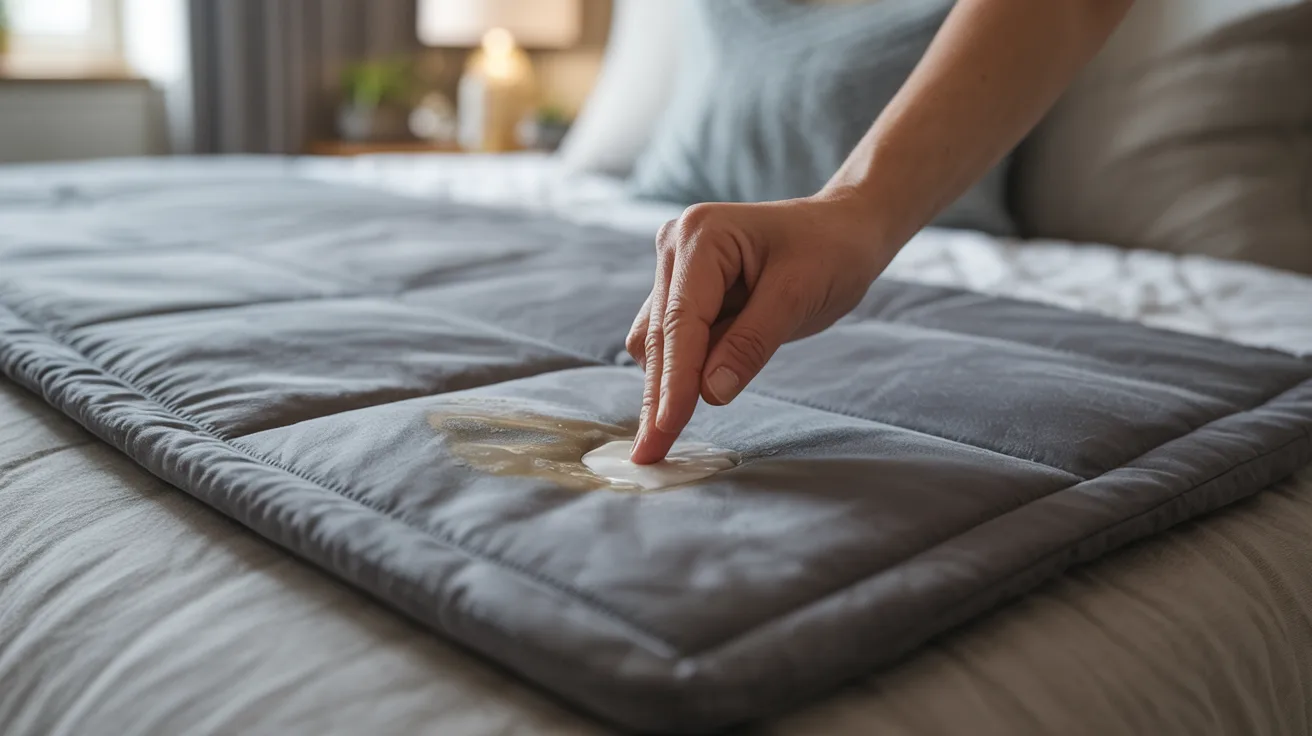
Before loading the blanket, check for visible stains. Don’t skip this step. Stains that go into the wash untreated often set deeper into the fabric after the cycle.
Dab a small amount of mild liquid detergent directly onto the stain. Gently rub it in with your fingers or a soft cloth. Let it sit for five to ten minutes before loading the blanket into the machine.
Step 2: Load the Blanket Evenly
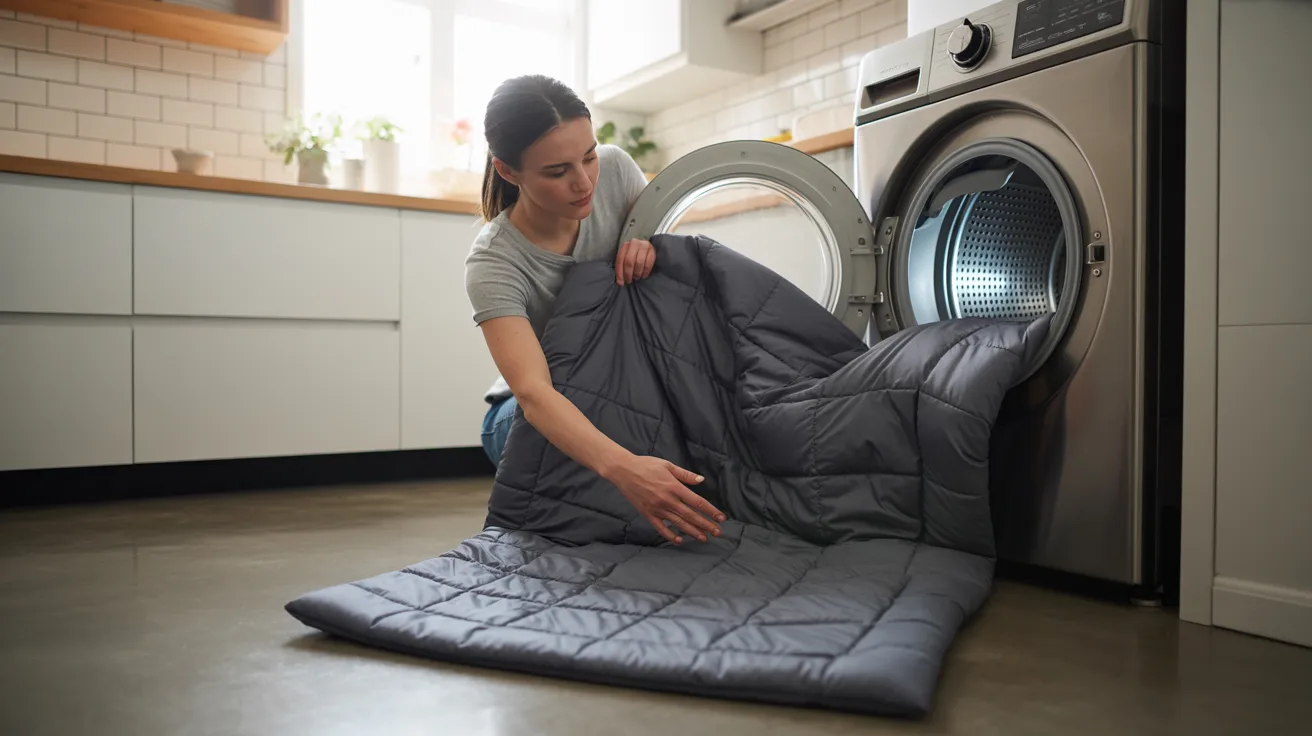
Place the blanket in the drum by itself. Do not add other items. Washing it alone gives it enough room to move freely and clean properly.
Spread it out as evenly as possible inside the drum. An uneven load causes the machine to shake and can throw the drum off balance mid-cycle.
Step 3: Use Cold Water and Gentle Cycle
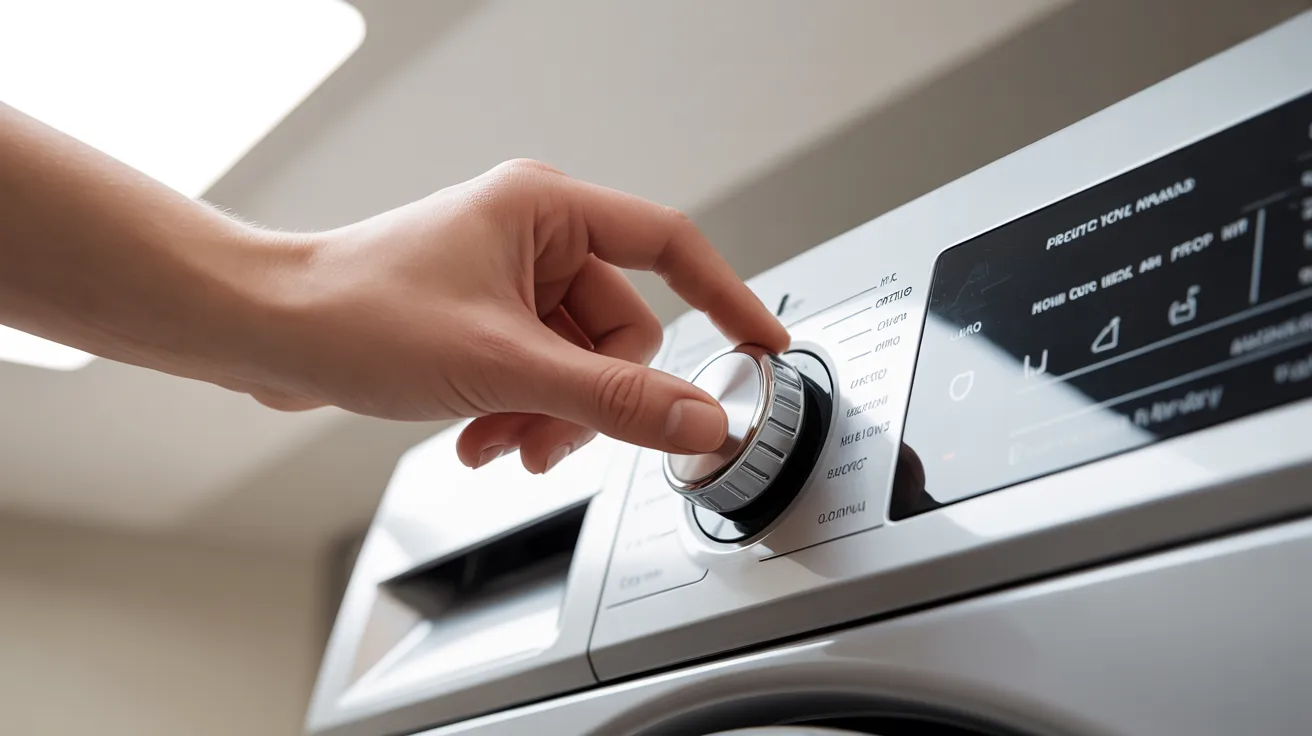
Set your machine to a gentle or delicate cycle. This setting uses slower spin speeds that are safer for the blanket’s fabric and filling.
Always use cold water. Warm or hot water can shrink the fabric, weaken the stitching, and warp plastic pellets inside the blanket. Cold water cleans just as well without the risk.
Step 4: Choose a Mild, Dye-Free Detergent
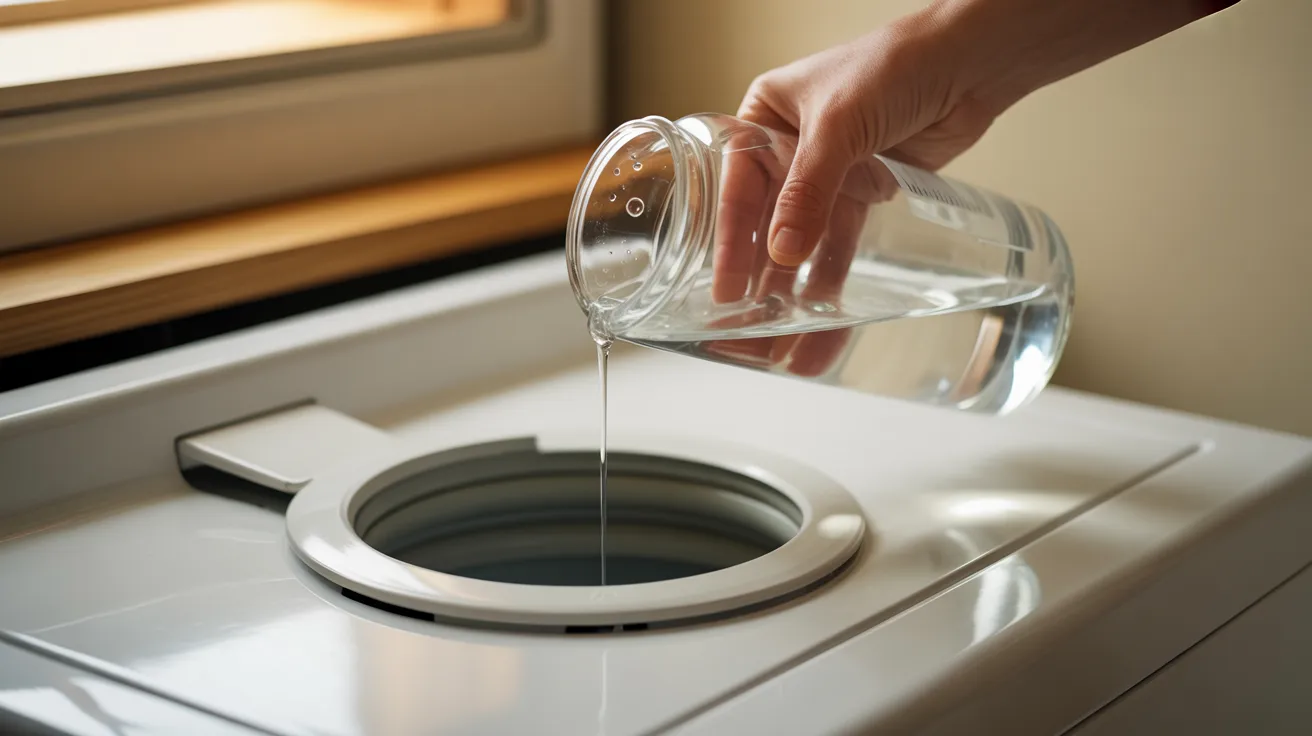
Use a small amount of mild, dye-free, and fragrance-free detergent. About one to two tablespoons is enough for a full blanket.
Avoid regular detergents with strong chemicals. They break down fabric fibers over time and can leave residue inside the filling. Stay away from fabric softeners too. They coat the fabric and reduce breathability.
Step 5: Run an Extra Rinse and Spin Cycle
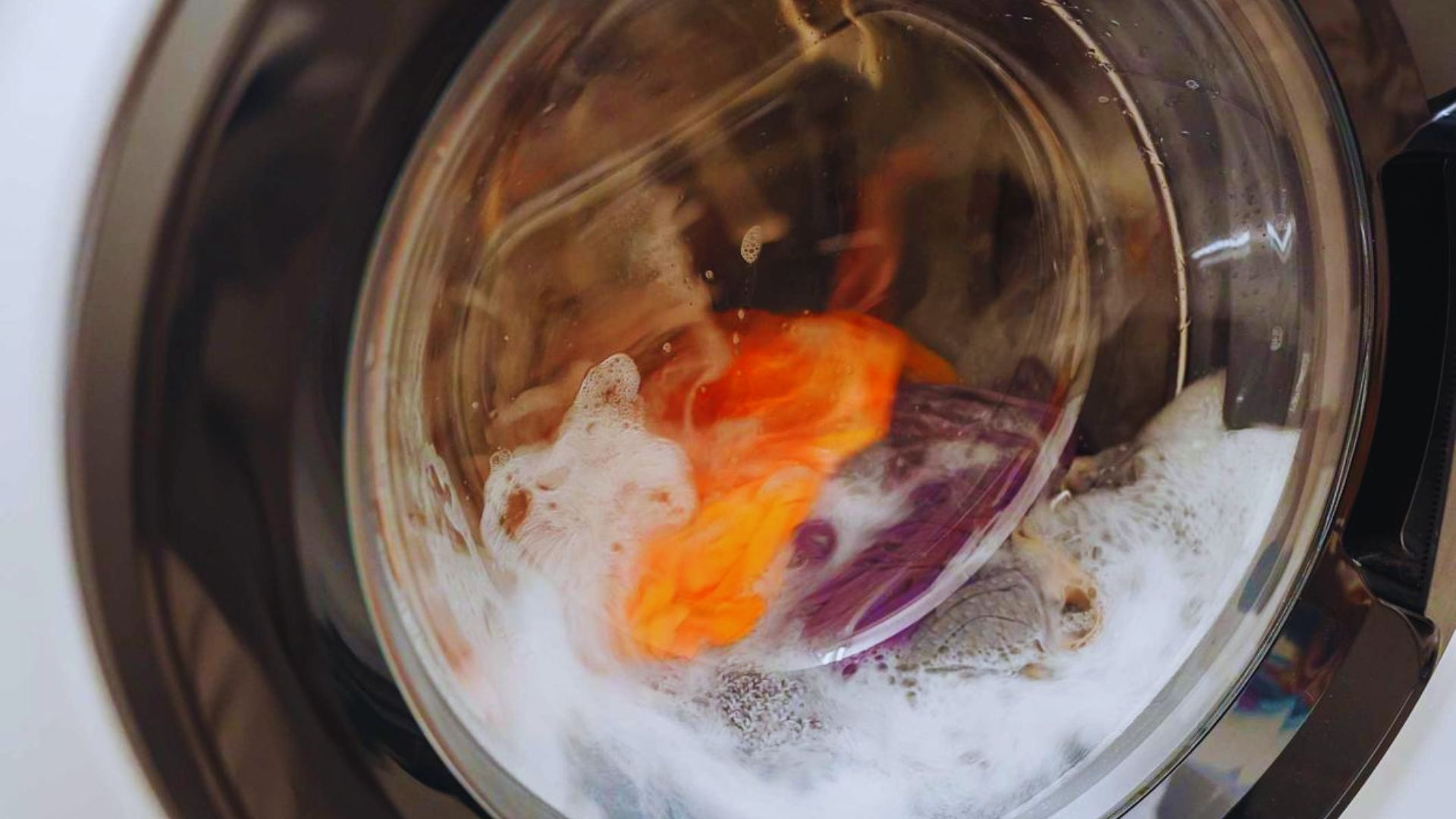
Once the main cycle finishes, run one extra rinse cycle. Weighted blankets hold onto soap more than regular blankets because of their thickness and weight.
Leftover detergent can cause skin irritation and make the fabric feel stiff. The extra rinse clears it out completely. After rinsing, run a spin cycle to remove as much water as possible before drying.
Step-by-Step Washing a Weighted Blanket by Hand
Hand washing takes more effort, but it’s the safest method for most blankets. Here’s how to do it right.
Step 1: Prepare a Cleaning Solution

Fill a bathtub or large basin with cool or lukewarm water. Add a small amount of mild detergent. Use about one to two tablespoons.
Avoid strong detergents, bleach, or fabric softeners. These can break down the fabric and damage the filling over time.
Stir the water gently until the soap mixes in.
Step 2: Soak the Blanket (10–60 Minutes)
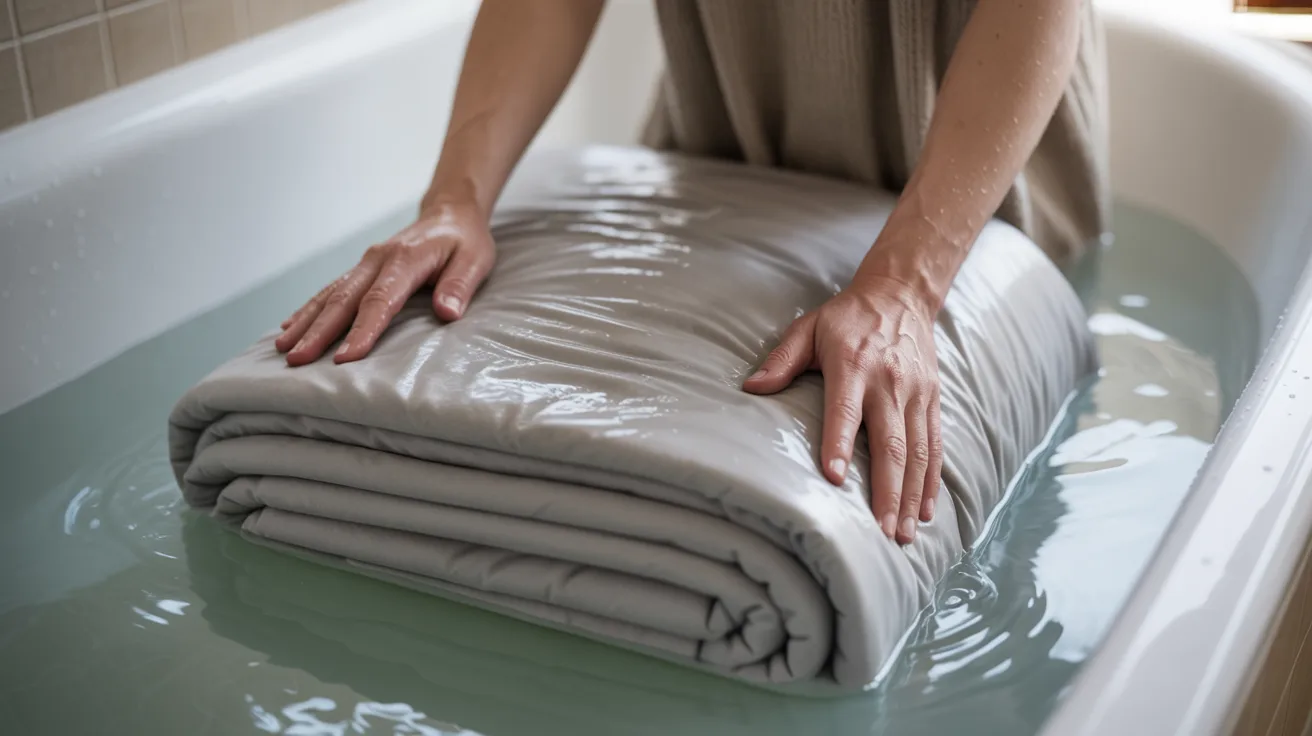
Submerge the blanket fully in the water. Press it down gently so the water gets into all areas.
Let it soak for 10 to 60 minutes depending on how dirty it is. Lightly used blankets need about 10 to 15 minutes. Heavily soiled ones can soak for up to an hour.
Don’t scrub or twist it yet. Just let it sit.
Step 3: Gently Scrub Stained Areas

After soaking, look for stains or dirty spots. Use a soft cloth or your fingers to gently rub those areas.
Work in small circular motions. Don’t use a hard brush. Hard scrubbing can damage the fabric stitching and shift the filling inside.
Take your time with this step. Patience works better than force.
Step 4: Rinse Until Water Runs Clear
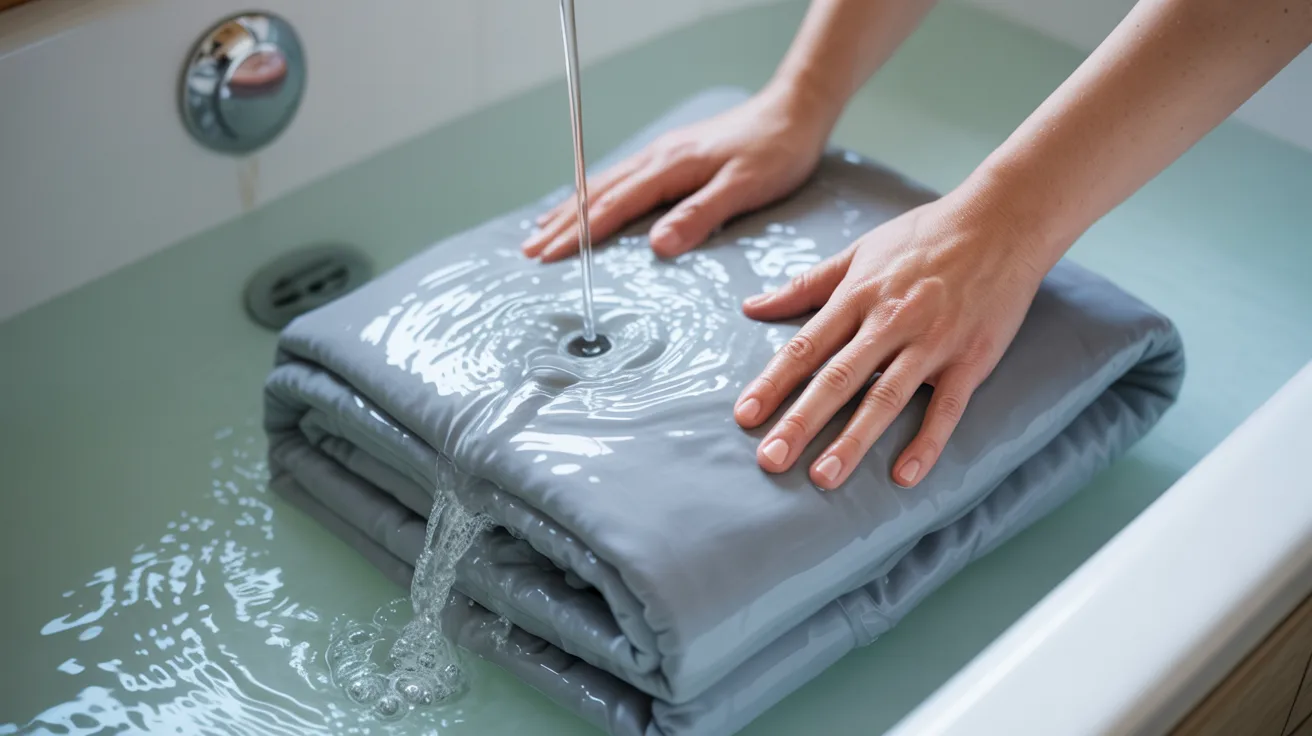
Drain the soapy water. Refill the tub with clean, cool water.
Press the blanket gently to push out the soap. Drain again. Repeat this process until the water coming out of the blanket looks completely clear.
This might take three to five rinse cycles. Don’t rush it. Soap left in the blanket can cause skin irritation and damage the fabric.
Step 5: Remove Excess Water Carefully

Do not wring the blanket. Twisting and wringing can break the inner stitching and bunch up the filling.
Instead, press the blanket flat against the bottom of the tub. Use your hands or arms to push the water out. Then carefully lift the blanket out of the tub. Support the full weight of it so it doesn’t pull apart.
Lay it flat on a clean dry surface or move it directly to the drying area.
How to Dry After Washing a Weighted Blanket
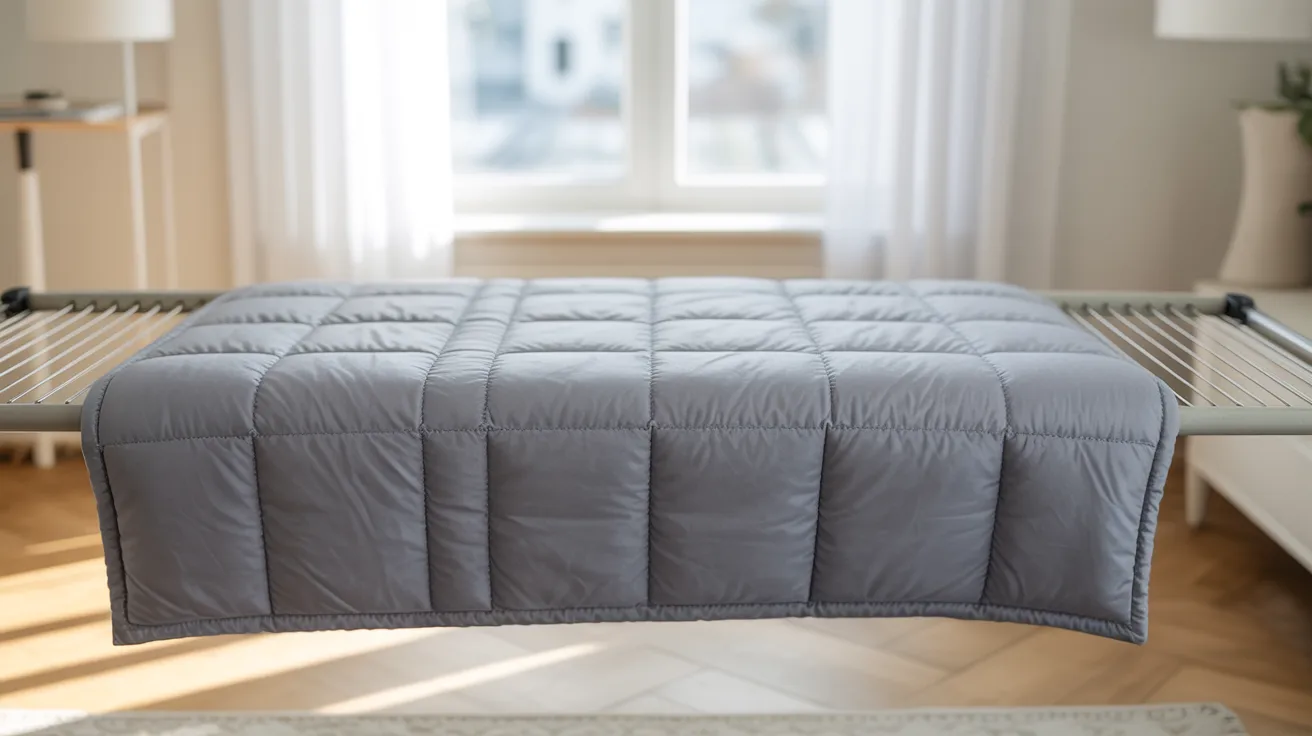
Drying is just as important as washing. A poorly dried blanket can grow mildew, lose its shape, or develop clumps inside.
The best method is laying the blanket flat on a clean surface and flipping it every few hours so both sides dry evenly. Never fold it while wet as this causes uneven drying and mildew growth.
If your care label allows machine drying, use the lowest heat setting with two or three dryer balls to prevent clumping. Stop every 30 minutes to shake and redistribute the blanket.
Air drying takes 24 to 48 hours and machine drying takes 2 to 3 hours on low heat. Press firmly into the center to check for inner dampness before putting it away.
A damp blanket stored too soon leads to mildew and a bad smell.
Washing a Weighted Blanket with Beads or Special Fillings

Different fillings need different care. Washing the wrong filling the wrong way can completely ruin your blanket.
Glass Beads and Plastic Pellets (Safe Methods)
Glass beads and plastic pellets are the most common fillings. Both are water-safe.
You can machine wash blankets with these fillings on a gentle or delicate cycle with cold water. Use mild detergent. Avoid hot water, which can warp plastic pellets over time.
Glass beads are heavier and more durable. They hold up well in both hand washing and machine washing.
Steel Shot Beads (Extra Care Tips)
Steel shot beads are small metal pellets. They’re dense, heavy, and can rust if not dried properly.
Wash quickly with cold water. Rinse thoroughly. Dry immediately and completely after washing. Even a small amount of leftover moisture can cause rust spots inside the blanket.
The machine washes on a short gentle cycle. Dry on low heat in the dryer. Do not air dry for extended periods.
Organic Fillings (Rice, Corn, Beans: Avoid Washing)
Never wash a blanket filled with rice, corn, beans, or similar organic materials with water. These fillings absorb water, swell up, and rot, making the blanket completely unusable.
If your blanket has organic fillings, spot clean stains with a damp cloth only, use a dry fabric cleaner or baking soda for odors, air it out in a well-ventilated area, and contact the manufacturer for specific care advice.
Common Mistakes When Washing a Weighted Blanket
Small mistakes can cause big damage. Here are the most common ones to avoid.
- Using hot water or high heat shrinks fabric, warps plastic pellets, and weakens stitching. Always use cold or lukewarm water and low heat when drying.
- Overloading the washing machine means a heavy blanket can’t clean properly and damages the drum and motor. Match the blanket’s weight to your machine’s capacity or use a laundromat.
- Using harsh detergents or fabric softeners weakens fibers over time and can trap heat while irritating sensitive skin. Use a mild, fragrance-free detergent and keep it to one to two tablespoons.
- Skipping proper drying techniques like folding a wet blanket, using high heat, or not checking for inner dampness all cause long-term damage. Take drying as seriously as washing.
- Not checking the care label before washing leads to using the wrong method entirely. The label tells you exactly what your blanket can and cannot handle.
How Often Should You Be Washing a Weighted Blanket?
For most people, washing a weighted blanket once every one to two months is enough. If you use it every night, wash it monthly. If you use it a few times a week, every six to eight weeks is fine.
Wash more often if you have allergies, pets, kids, or sweat at night. Adjust based on how you use it.
Using a duvet cover is the smartest way to cut down on washing. It collects dirt, sweat, and oils so the blanket stays clean longer. Wash the cover weekly and the blanket only every one to two months.
Pro Tips to Keep Your Weighted Blanket Clean Longer
A little daily care goes a long way. These habits keep your blanket fresher between washes.
- Spot clean stains right away by blotting with a clean damp cloth and a small drop of mild soap. Work from the outside in and let the area air dry completely before using it again.
- Use a removable cover made from breathable fabric like cotton to protect the blanket from wear, fading, and skin oils. Wash the cover regularly and the blanket stays clean much longer.
- Remove pet hair before washing by using a lint roller, shaking the blanket outdoors, and running a dry dryer cycle for 10 minutes with a dryer sheet to loosen remaining hair.
- Store the blanket folded loosely in a breathable bag or on a shelf in a cool, dry space. Never store it in a damp area or compressed tightly, and always make sure it’s fully dry before putting it away.
- Wash less often by adjusting your cleaning schedule based on use. The less direct contact the blanket has with sweat, oils, and mess, the longer it stays fresh between full washes.
Conclusion
Washing a weighted blanket is not complicated once you know the steps.
I used to stress about it too, worried I’d ruin mine. But after following a clear process, it came out fresh and soft every time.
Now it’s your turn. Take it one step at a time. Check the label. Use cold water. Dry it fully.
Tried these steps? Drop a comment below and tell me how it went.
Share this post with someone who needs it. And check out our related guides for more home care tips.
Frequently Asked Questions
Can I wash a weighted blanket in a regular washing machine?
Yes, if the blanket weighs 15 pounds or less and the care label allows it. Use a gentle cycle with cold water and mild detergent for best results.
What happens if I wash a blanket with organic fillings?
Organic fillings like rice, corn, or beans absorb water and break down. The blanket becomes lumpy, heavy, and may grow mold inside. Only spot clean these types.
How do I know if my weighted blanket is fully dry?
Press firmly into the center and thickest areas. If it feels cool or slightly damp inside, it needs more drying time. Do not store it until it feels completely dry throughout.
Can I use fabric softener when washing a weighted blanket?
No. Fabric softener coats the fibers, reduces breathability, and may irritate sensitive skin. Use a small amount of mild, fragrance-free detergent instead for safe and effective cleaning.
How long does a weighted blanket last with proper care?
With regular but careful washing and proper storage, a good quality weighted blanket can last five to ten years. Following the care label and avoiding high heat extends its life significantly.