So you have a steam mop sitting in your closet, or maybe one just arrived at your door. You know it promises clean, sanitized floors without harsh chemicals. But you are not fully sure how to use it the right way.
Good news. You are in the right place.
This guide walks you through every step, from filling the tank to picking the right steam setting for your floor.
You will learn which floors love steam and which ones you should avoid completely. You will also learn the small mistakes that quietly ruin results for so many people.
By the end, you will know exactly how to steam mop like someone who has done it for years. Your floors, and your peace of mind, will thank you. Let's get started.
What Really Happens When You Steam Clean a Floor?
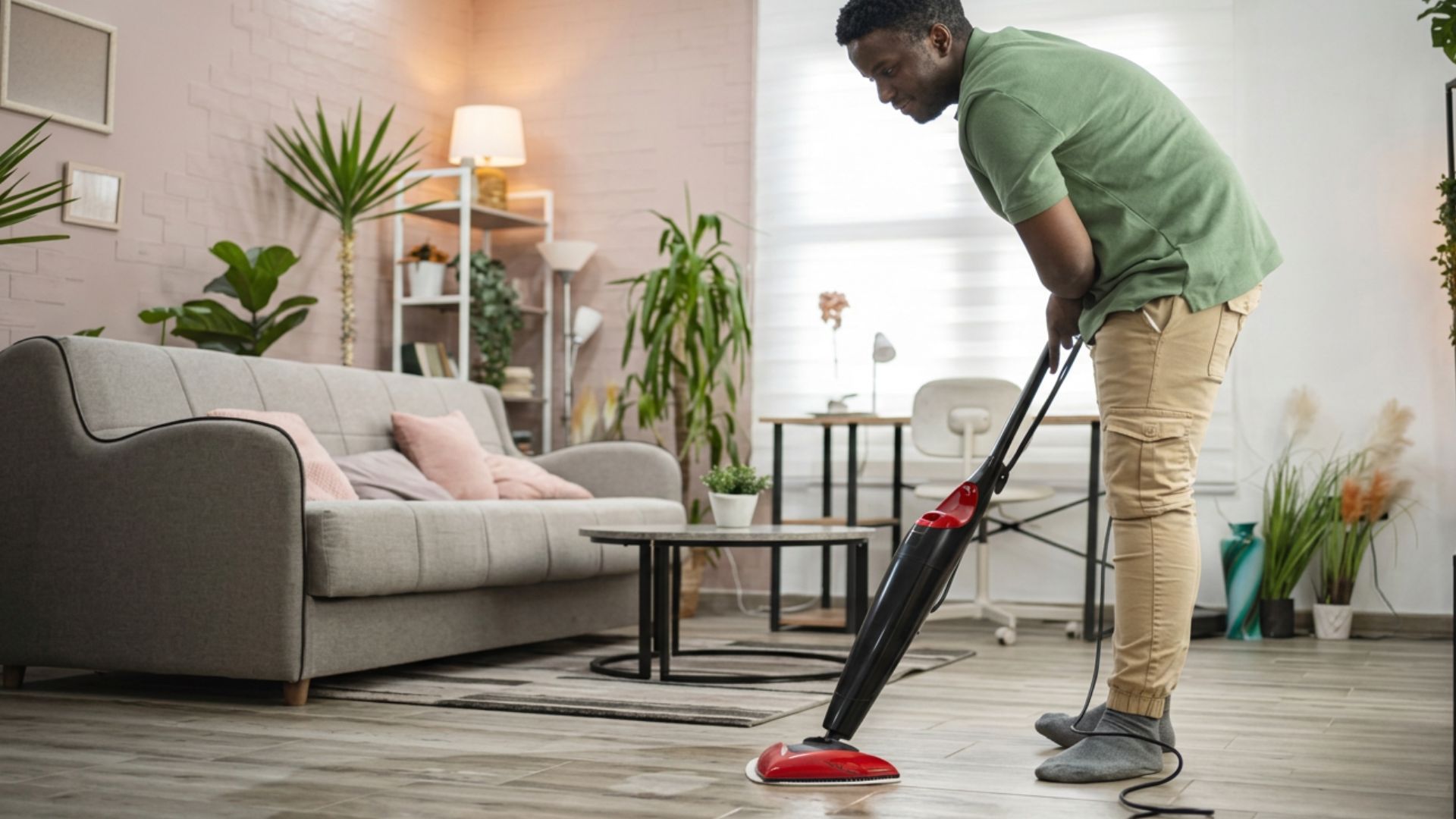
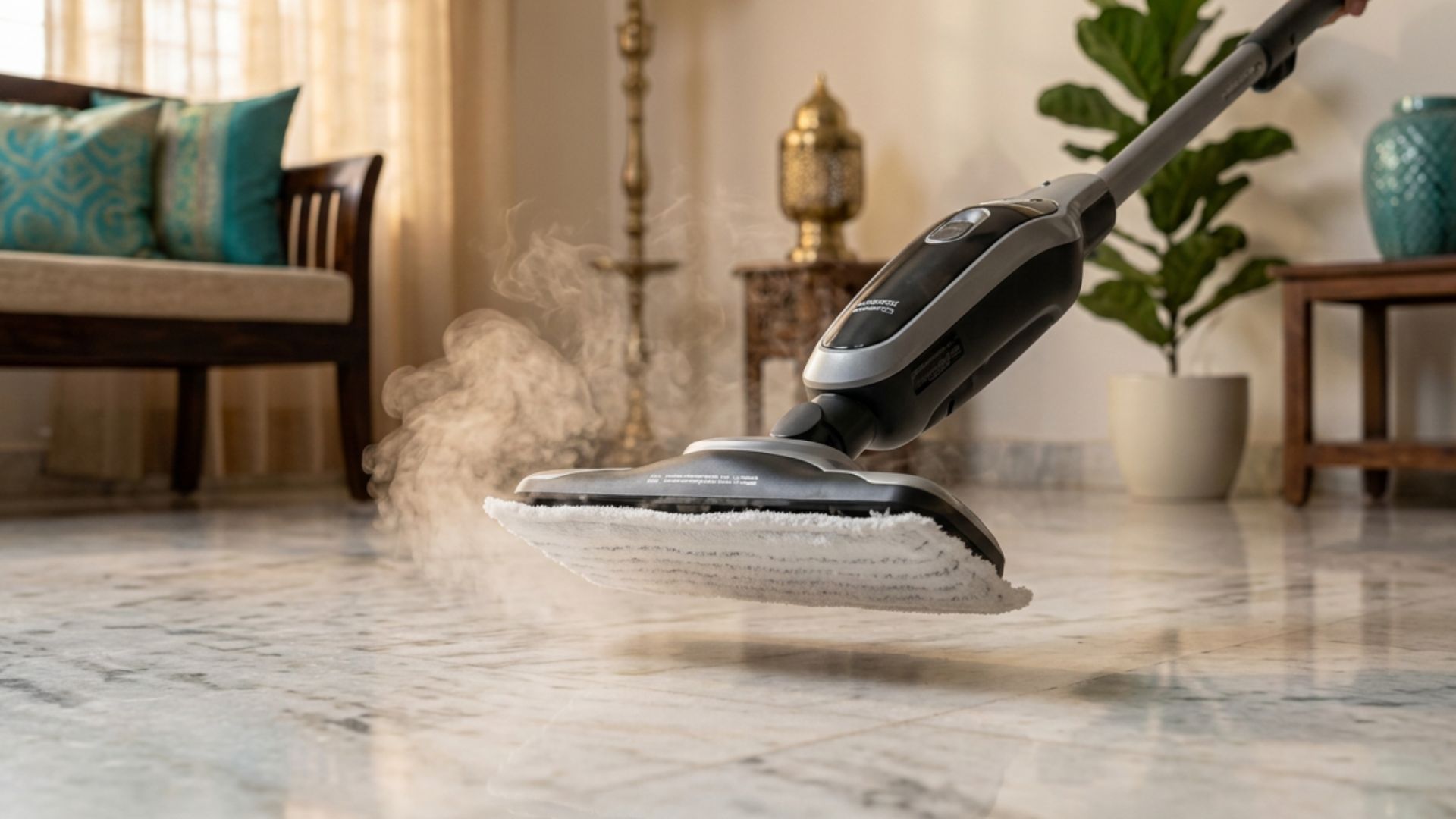
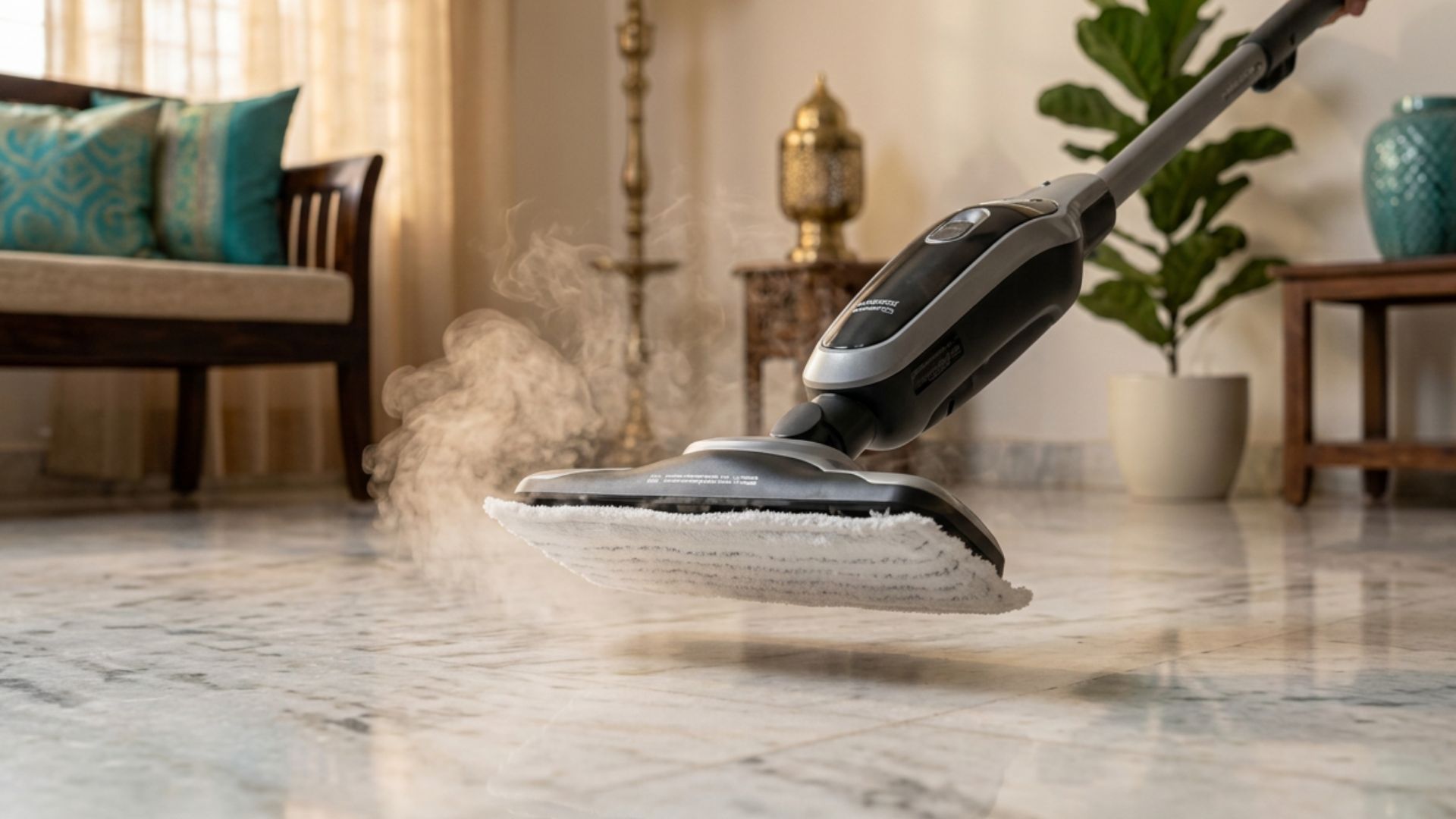
A steam mop heats water in its tank to almost 250 degrees Fahrenheit. That heat turns into steam.
The steam blasts through the mop pad and loosens dirt on contact. Many brands claim this kills up to 99.9% of germs on your floor. That part is true, but only under the right conditions.
Kim Gilmour, a household expert at CHOICE, explains that full sanitizing needs steady heat held on one spot for a while. Doing that for too long can warp your floor or damage the boards underneath.
A steam mop also has no suction. It cannot pick up crumbs, hair, or grit. If you skip sweeping first, you just push dirt around your house instead of removing it.
Get Your Floor and Mop Ready Before You Start
Good results start before you even plug in the mop. A few small steps now save you a mess later. Here is what to do first.
Sweep or Vacuum First

Loose dirt and pet hair need to go before the steam starts. A steam mop pushes debris around instead of lifting it away.
Give your floor a quick sweep or vacuum pass. This clears the surface so the steam can focus on real grime and bacteria, not crumbs and dust.
Fill the Tank with Distilled Water
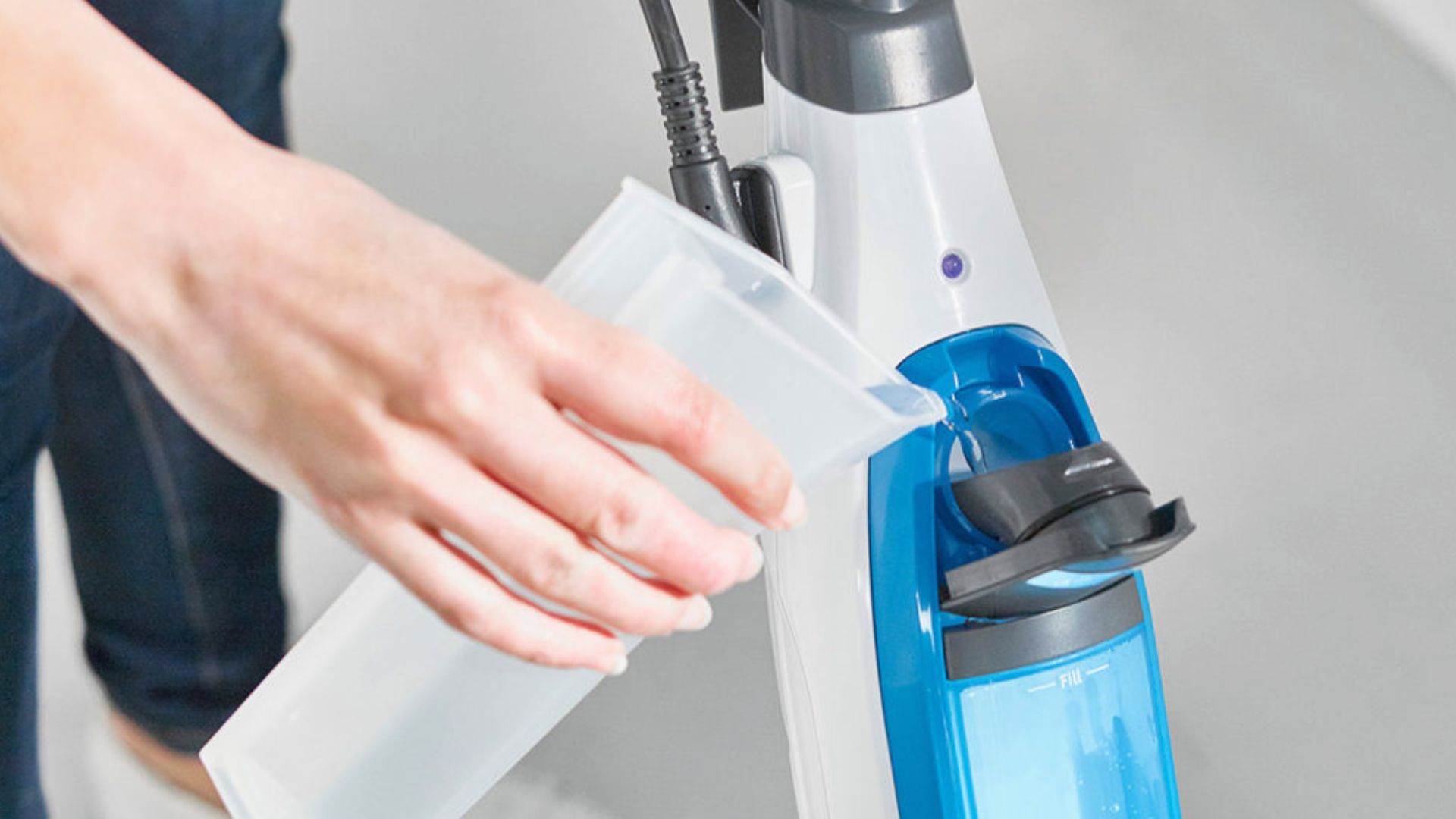
Tap water carries minerals that build up inside your mop over time. This buildup can clog the machine and shorten its life.
Distilled water avoids this problem completely. Most manufacturers recommend it.
Check your user manual to confirm, since some models allow a light cleaning solution too. Also check your tank capacity, since a smaller tank means more refills on a big floor.
Attach a Clean, Dry Mop Pad

Always start with a pad that is clean and fully dry. A damp or dirty pad spreads old grime back onto your floor.
Make sure it locks onto the mop head properly. A loose pad can slip while you clean and leave streaks or missed spots behind.
Test a Small, Hidden Patch First
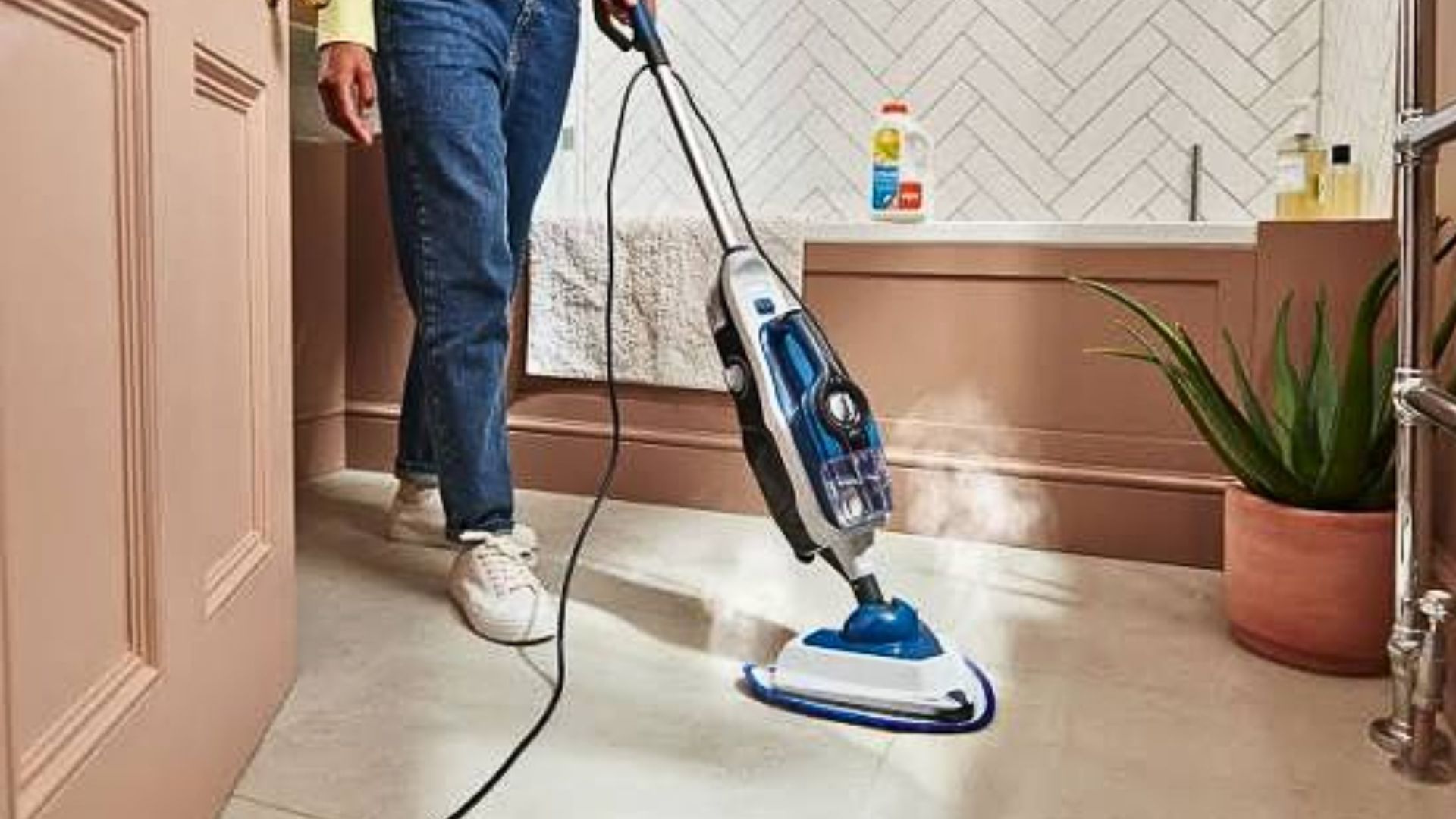
Before you steam the whole room, try a small corner first. Pick a spot that is out of sight, like behind a door or under furniture.
This lets you check your floor's reaction to heat and moisture. If nothing looks off after a minute, you are clear to keep going.
Step by Step: How to Steam Mop Like a Pro?
Once your mop is ready, using it the right way makes all the difference. Small habits during mopping protect your floor and boost your results. Here is how professionals do it.
1. Heating Up and Picking the Right Steam Setting

Plug in your mop only after filling the tank. Wait for the indicator light to show it's ready.
Many mops offer different steam levels for different floors. The tile handles high steam well. Laminate and vinyl need medium heat. Sealed hardwood should only get a low setting with quick, light passes.
2. The Right Way to Move the Mop (Corner to Exit, Straight Lines)
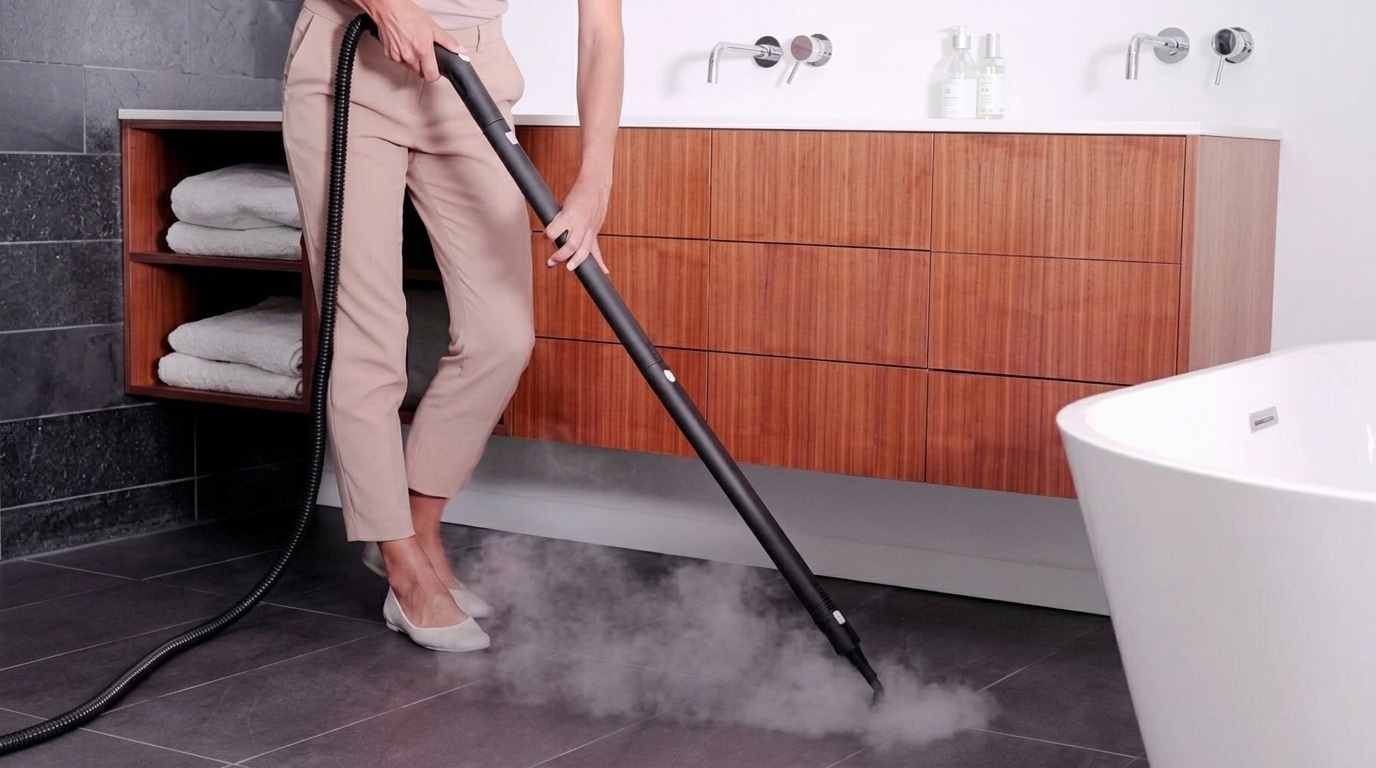
Start mopping from the far corner of the room. Work backward toward the door so you never step on a clean spot.
Move in straight lines with slight overlap between each pass. Let the steam do the work. Pressing down hard does not clean better, it just tires you out faster.
3. When to Change or Rinse the Pad Mid Clean?

A dirty pad spreads grime instead of removing it. If you are cleaning a large area, swap the pad partway through.
Keep a few spare pads ready so you are never stuck using a soaked or soiled one. Fresh pads absorb better and leave floors drier.
4. Shutting Down and Storing It Right After Use

Turn off and unplug the mop once you finish. Empty any leftover water from the tank right away.
Standing water invites mold and bad smells. Remove the pad and wash it based on the care label, usually in a washing machine or by hand with mild soap.
Does Your Floor Type Change the Rules? Here's What to Know
Not every floor reacts to steam the same way. Some surfaces love it, and others can get damaged fast. Knowing your floor type before you start saves you from a costly mistake.
Tile and Sealed Stone (Safe, High Steam)
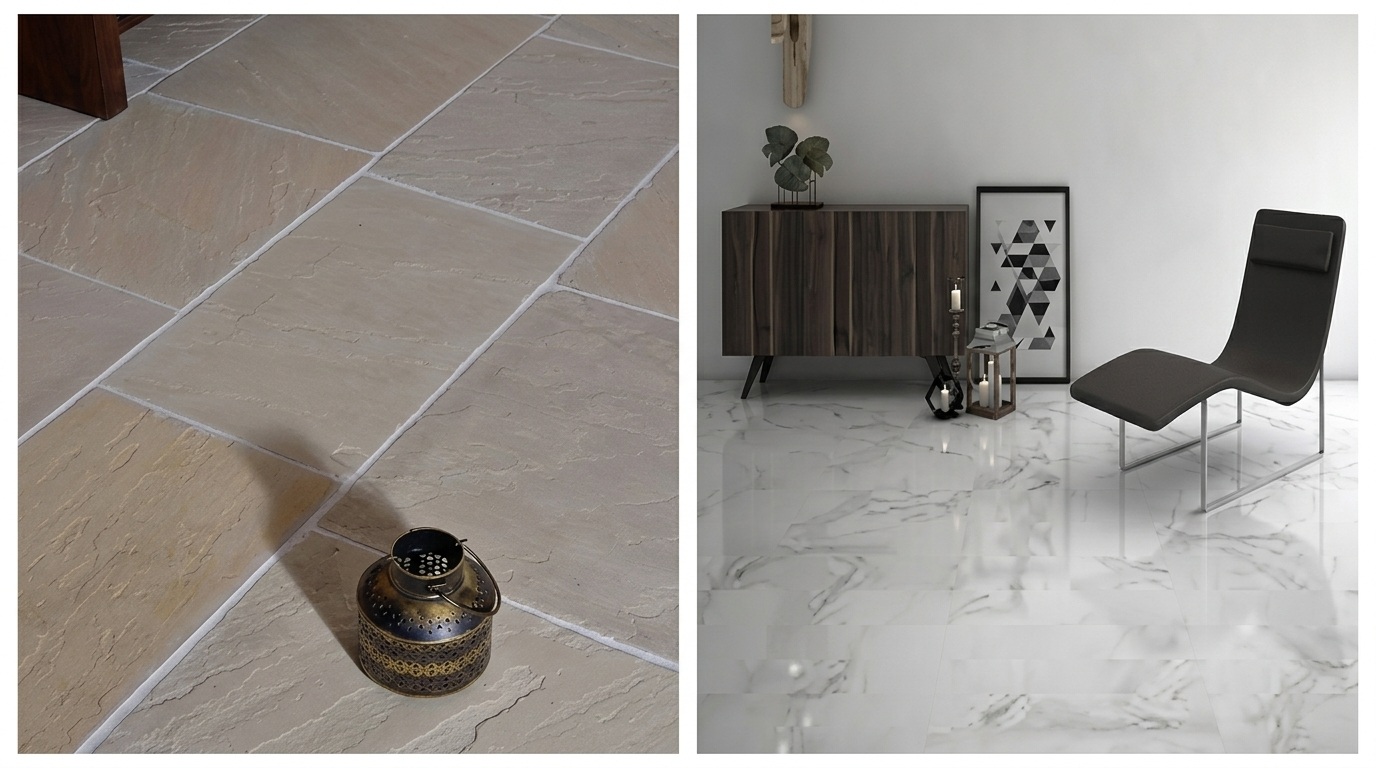
Ceramic and porcelain tile handle steam mopping very well. You can use a high steam setting here without much worry.
Grout lines can benefit too, though tough stains in grout may still need a scrub brush and some detergent. Reseal grout often if you steam it regularly.
Laminate Floors (Medium Steam, Water Resistant Only)
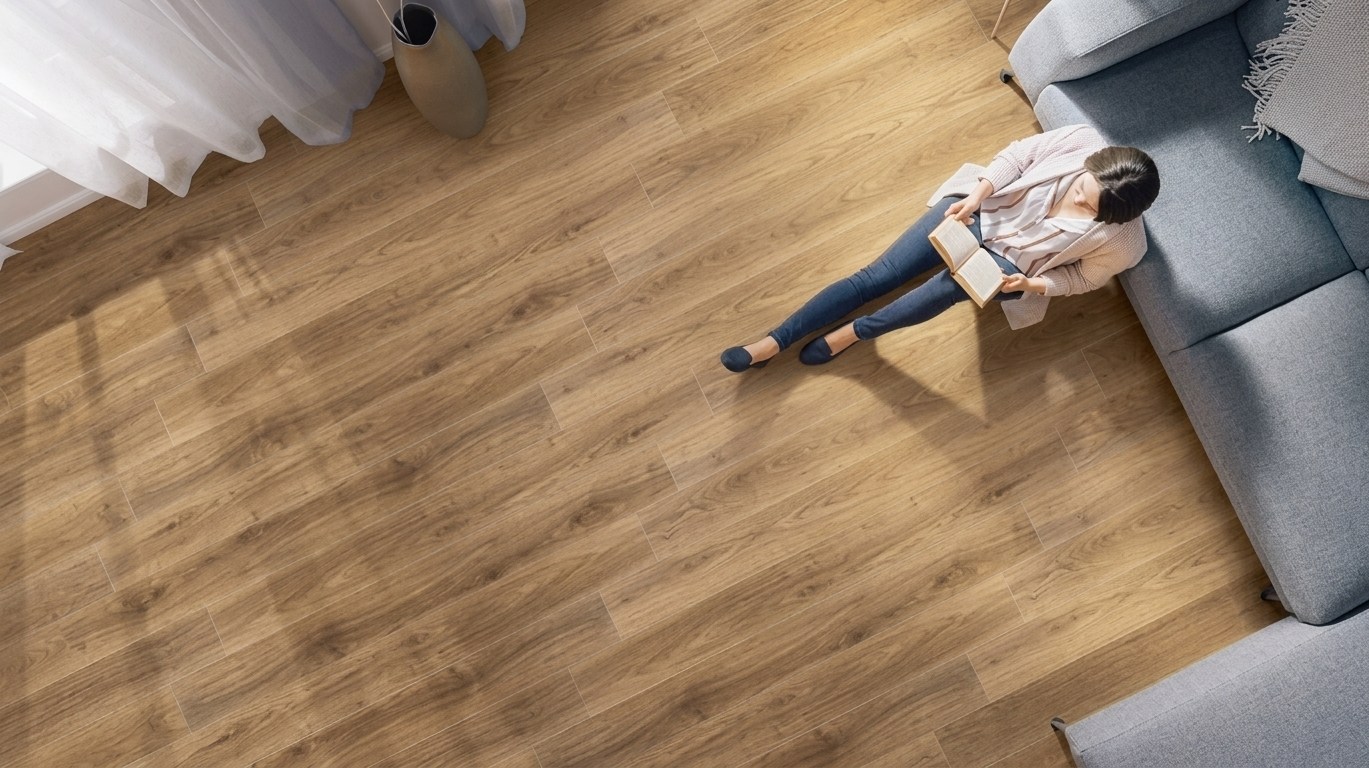
Only water resistant laminate should meet a steam mop, and even then, use a medium setting. Regular laminate has seams where steam can sneak in and swell the core layer underneath.
If you are unsure which type you have, check with the flooring manufacturer before you risk it.
Hardwood, Sealed vs Unsealed (Proceed With Caution)

Sealed hardwood can sometimes take a light, quick pass on the lowest steam setting. Unsealed hardwood is a different story.
Moisture seeps into bare wood fast and causes warping or discoloration. Many flooring experts suggest skipping steam entirely on wood and sticking to a dry microfiber mop instead.
Carpet (Only With a Glider Attachment, and Sparingly)

Some steam mops come with a glider tool made for carpet. This is not the same as a real carpet steamer or shampooer.
It can freshen fibers and cut down on odors, but it will not deep clean or lift real stains. Save it for occasional touch ups, a few times a year at most.
Vinyl, Linoleum, and Cork (Check the Label First)
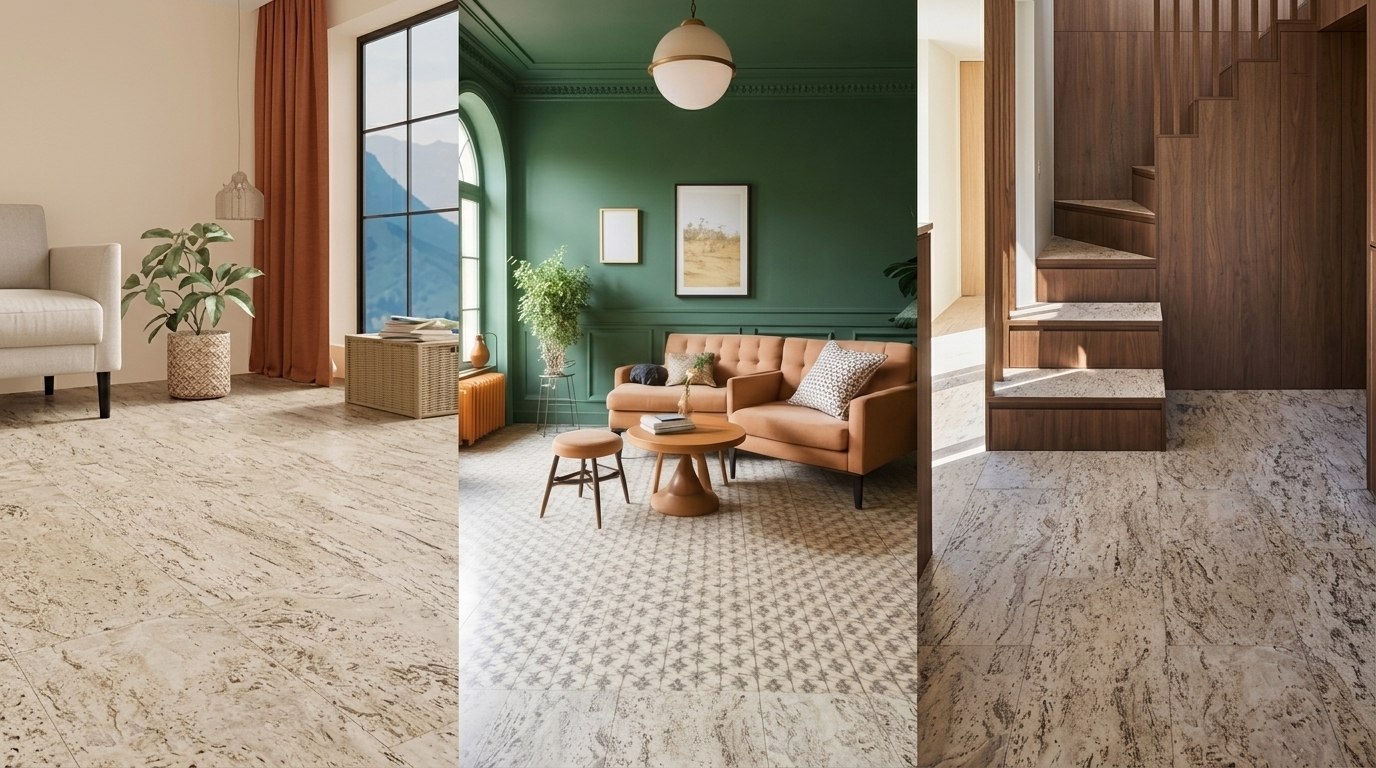
Steam can slide into the seams of vinyl flooring and cause bubbling or melting. Cork reacts poorly to heat and moisture too, so treat it with the same caution as unsealed wood.
Linoleum is sometimes safe on a low setting, but this depends heavily on the brand. Always check your flooring manufacturer's guidelines before running a steam mop over any of these.
Shark, Generic, or Something Else: Does the Brand Change How You Use It?
Every brand builds its steam mop a little differently. Shark models often include multiple steam settings and specific pad types made just for their machines.
Some newer models, like self cleaning versions from brands such as eufy, rinse and dry the pad automatically so you skip that step by hand. Budget or generic mops may have a single steam setting and a simpler tank design.
This changes how much control you have over heat and water flow. Always check your specific manual before your first use. Settings, safe floor types, and pad care steps can vary even between two mops that look almost the same on the shelf.
Mistakes That Ruin Your Steam Mop Results
Here are the most common mistakes that can ruin your steam mop results, from skipping prep steps to ignoring your mop pad.
- Skipping the pre-clean sweep: Steam mops cannot lift dust or crumbs off your floor. Sweep or vacuum first so the steam can focus on real grime.
- Letting the mop sit in one spot too long: This can soak your floor and cause warping or mildew, especially on wood or laminate. Keep the mop gliding at all times.
- Using tap water or adding cleaning chemicals: Tap water leaves mineral deposits that clog the steam vents. Chemicals can damage internal parts and void your warranty. Stick to distilled water only.
- Ignoring the mop pad until it's filthy: A dirty pad just drags grime back onto your floor. Wash it after every session and keep a backup ready.
When a Steam Mop Isn't the Right Tool for the Job?
A steam mop is not built for every mess. Here's when you should reach for a regular mop instead.
- Big spills: Steam mops cannot soak up large amounts of liquid. Use a real mop and bucket for these.
- Deep set stains: Porous grout and tough stains often need detergent and a scrub brush, not just heat.
- Heavy, settled grime: An old fashioned mop and some elbow grease can still get the job done faster.
Save your steam mop for regular maintenance cleaning, and keep your traditional tools around for the messier jobs.
Conclusion
A steam mop can give you clean, sanitized floors fast, but only when you match the right setting to the right surface. Get that one thing right, and you avoid most of the damage people complain about.
Try these steps on your next cleaning day.
Got a steam mop tip of your own? Share it in the comments below. And if this guide helped, pass it along to someone who still mops the old way.
Frequently Asked Questions
How long does a floor take to dry after steam mopping?
Most floors dry within a minute or two since steam mops use very little water. This is much faster than a regular wet mop and bucket.
Can a steam mop remove mold or mildew from floors?
Steam can kill surface mold on sealed, hard floors with repeated passes. It will not fix mold that has already spread into grout or wood underneath.
Is a steam mop safe to use around pets and babies?
Yes, since it skips harsh chemicals and uses only heat and water. Just let the floor dry fully before pets or crawling babies walk on it.
How do I descale a steam mop that has stopped producing steam well?
Run a mix of water and white vinegar through the tank, following your manual's instructions. This clears mineral buildup and restores steam flow.
Can I use a steam mop on stairs?
Some models come with a handheld attachment made for stairs and smaller spaces. Check your manual first, since not every steam mop supports this use.