

You spot something tiny and black crawling across your kitchen counter. You blink. It's gone.
Then you see another one near the bathroom sink.
Sound familiar? I've been there too, and I know how unsettling it feels.
In this blog, I'll help you figure out exactly what those tiny black bugs in house are, where they come from, and how to tell them apart.
From ants to bed bugs to springtails, I've got it all covered right here.
What Are These Tiny Black Bugs in My House?

I saw a tiny black bug on my kitchen counter last year and had no idea what it was. That small moment sent me down a rabbit hole of research.
Here is what I found out. Tiny black bugs in your house can be anything from ants and weevils to fleas, carpet beetles, or springtails.
Each one looks similar at first glance but behaves very differently.
The key is knowing where to look and what signs to check for. That is exactly what this blog covers.
How to Identify Tiny Black Bugs
Identifying tiny black bugs starts with three simple steps: size, movement, and location. Here's how to use each one.
- Check the Size: Bugs at 1–2 mm are usually springtails or booklice. At 3–10 mm, think ants, beetles, or fleas. Size alone narrows it down fast.
- Observe Movement: Crawling points to beetles or ants. Jumping means springtails or fleas. Flying suggests fruit flies or gnats. Watch for a few seconds before you react.
- Look at Where You Found Them: Kitchen bugs are pantry pests. Bathroom bugs love moisture. Bedroom bugs go after fabric or your bed. Plant bugs come from the soil.
Once you check all three, you'll have a much clearer idea of what you're dealing with.
7 Types of Tiny Black Bugs in House
Here's a quick look at the most common tiny black bugs you might find inside your home.
1. Ants
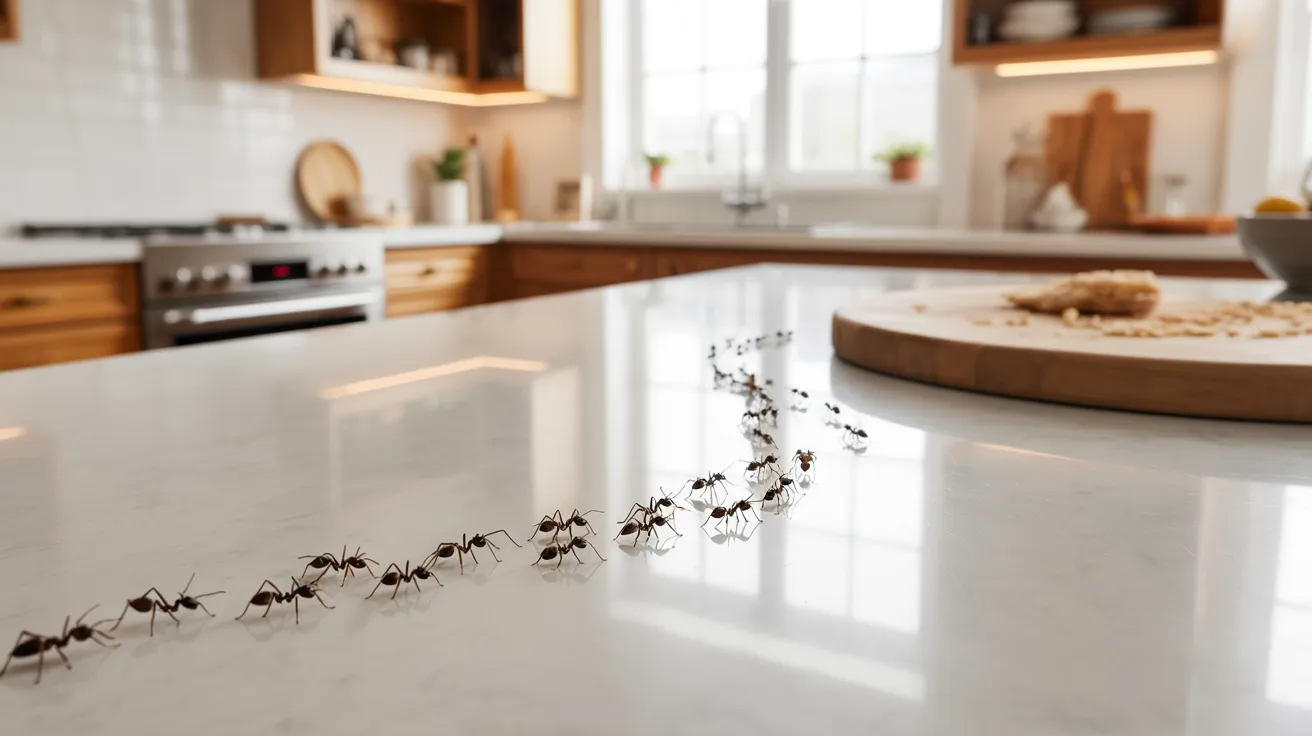
Ants are one of the most common tiny black bugs you'll spot indoors. The clearest sign is their trail behavior.
They move in a line, heading straight toward food or water. You'll usually find them in the kitchen, near pet food bowls, or along baseboards.
They're small, fast, and hard to ignore once they've set up a trail inside. If you see one ant, there are likely hundreds nearby.
2. Carpet Beetles
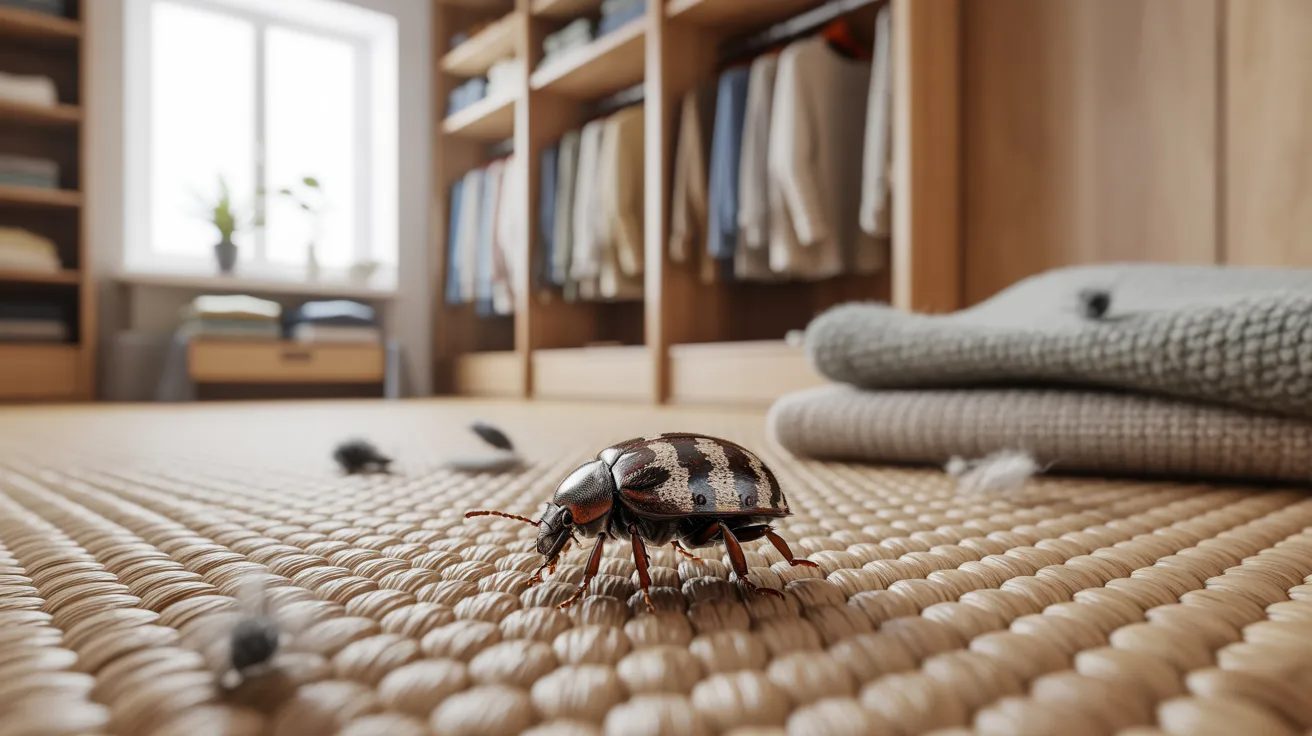
Carpet beetles are small, oval-shaped bugs that go after fabric, wool, fur, and stored clothing. You'll often find them in closets, under furniture, or in areas with rugs.
The most telling sign isn't the bug itself but the damage. They leave behind irregular holes in fabric and sometimes shed skins.
Adult carpet beetles are tiny, dark, and often go unnoticed until the damage is already done.
3. Weevils (Pantry Bugs)
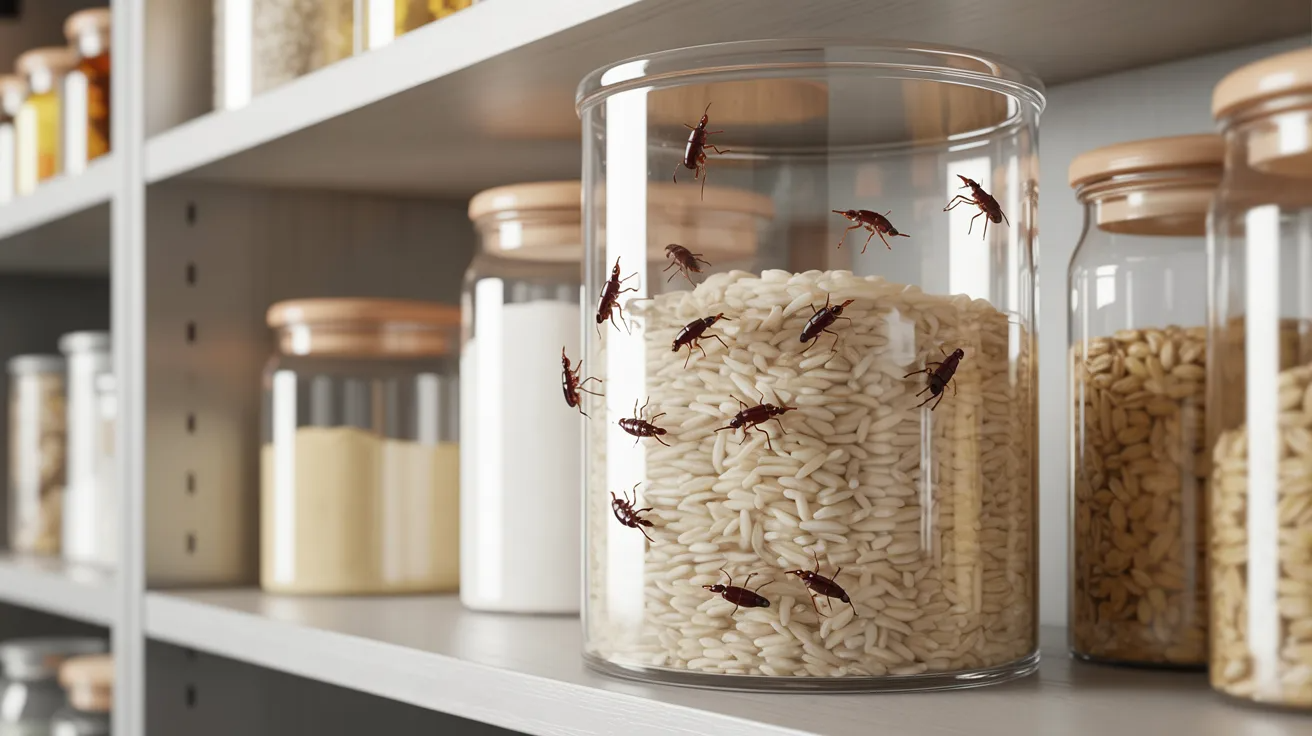
Weevils are tiny beetles found in your dry food storage. Rice, flour, oats, pasta, and cereals are their favorite hiding spots.
They're small, dark, and have a distinctive snout. You'll usually find them inside sealed bags or containers.
If your pantry staples have tiny brown or black bugs crawling around in them, weevils are the likely culprit. Check grains and stored food first.
4. Springtails
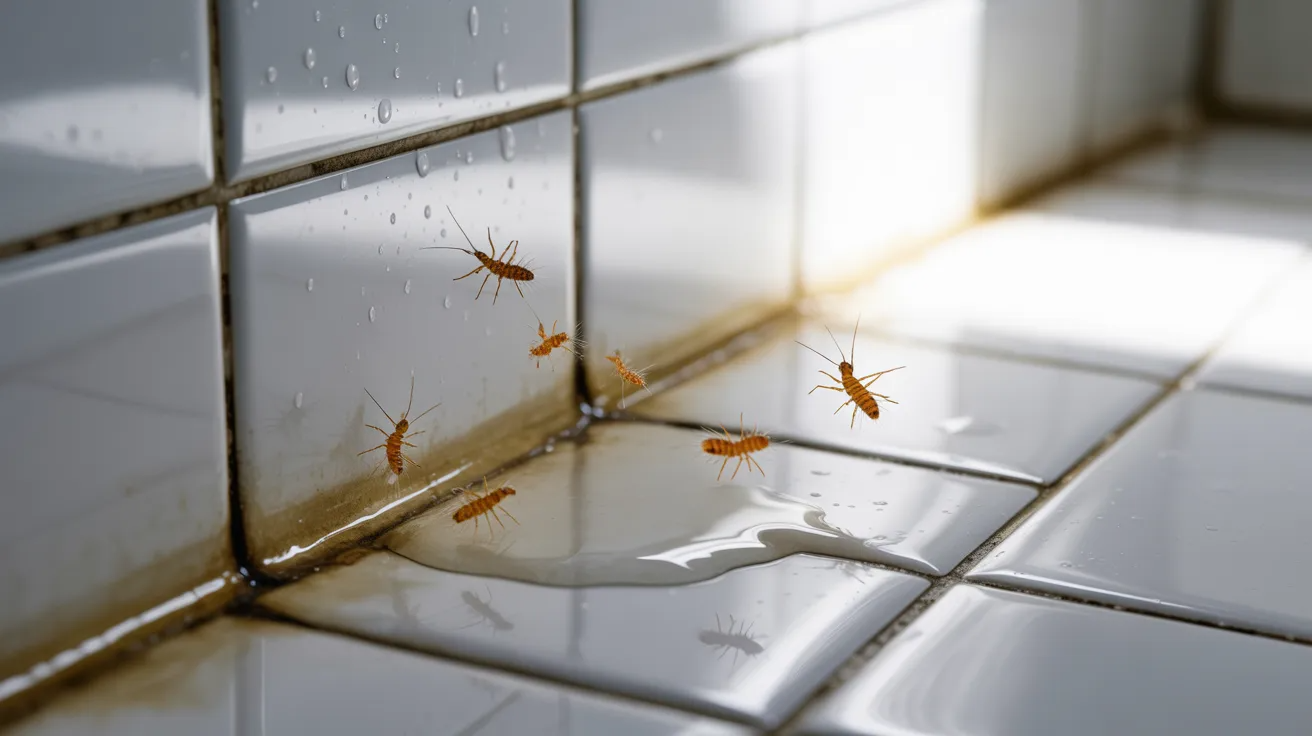
Springtails are tiny jumping bugs that love damp spaces. They don't bite, don't damage fabric, and don't eat your food.
But they show up in large numbers near leaks, wet soil, or humid bathrooms. When disturbed, they jump suddenly using a forked tail-like structure under their body.
That jumping motion is the fastest way to tell them apart from other small bugs. They're harmless but annoying.
5. Booklice
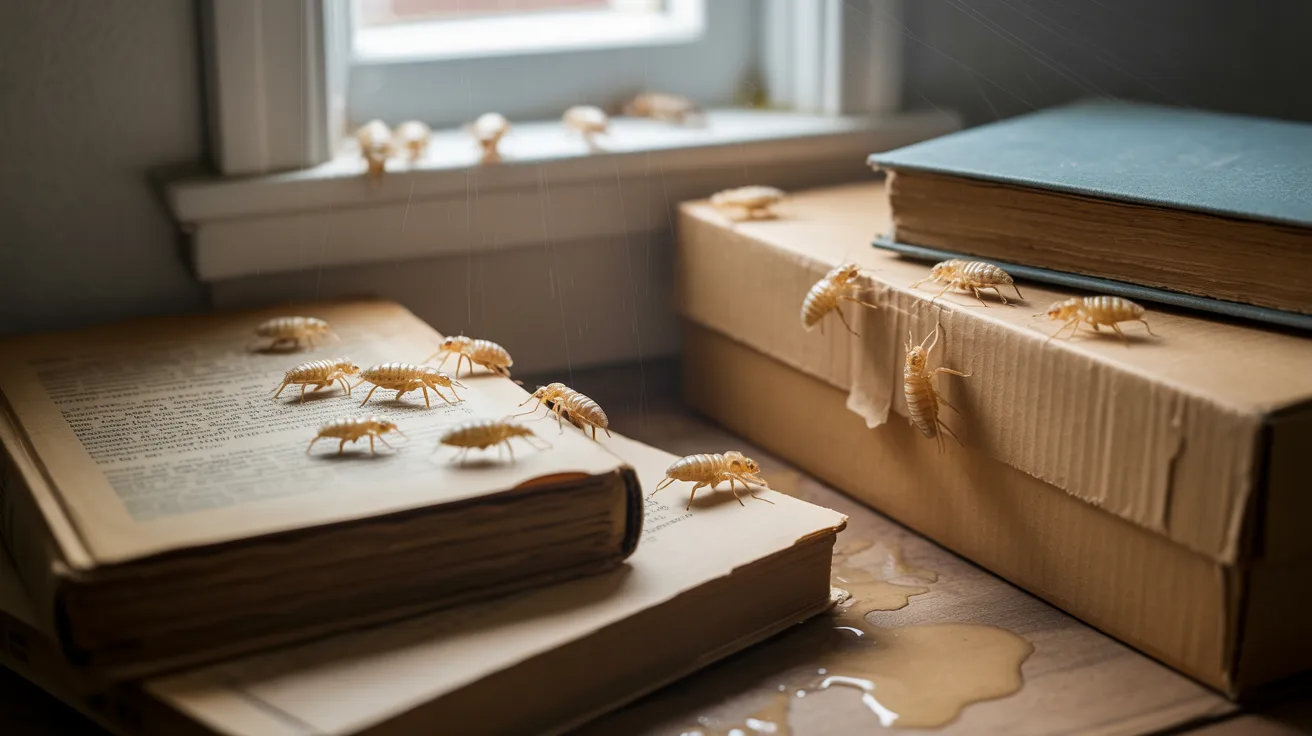
Booklice are soft, tiny bugs found in humid areas of the home. They're often seen crawling on walls, paper, cardboard boxes, or old books.
They thrive in warm, damp conditions and feed on mold or organic matter.
They don't bite and aren't dangerous, but their presence usually means there's too much moisture somewhere. Check for them near window sills, storage rooms, or areas with poor ventilation.
6. Fleas
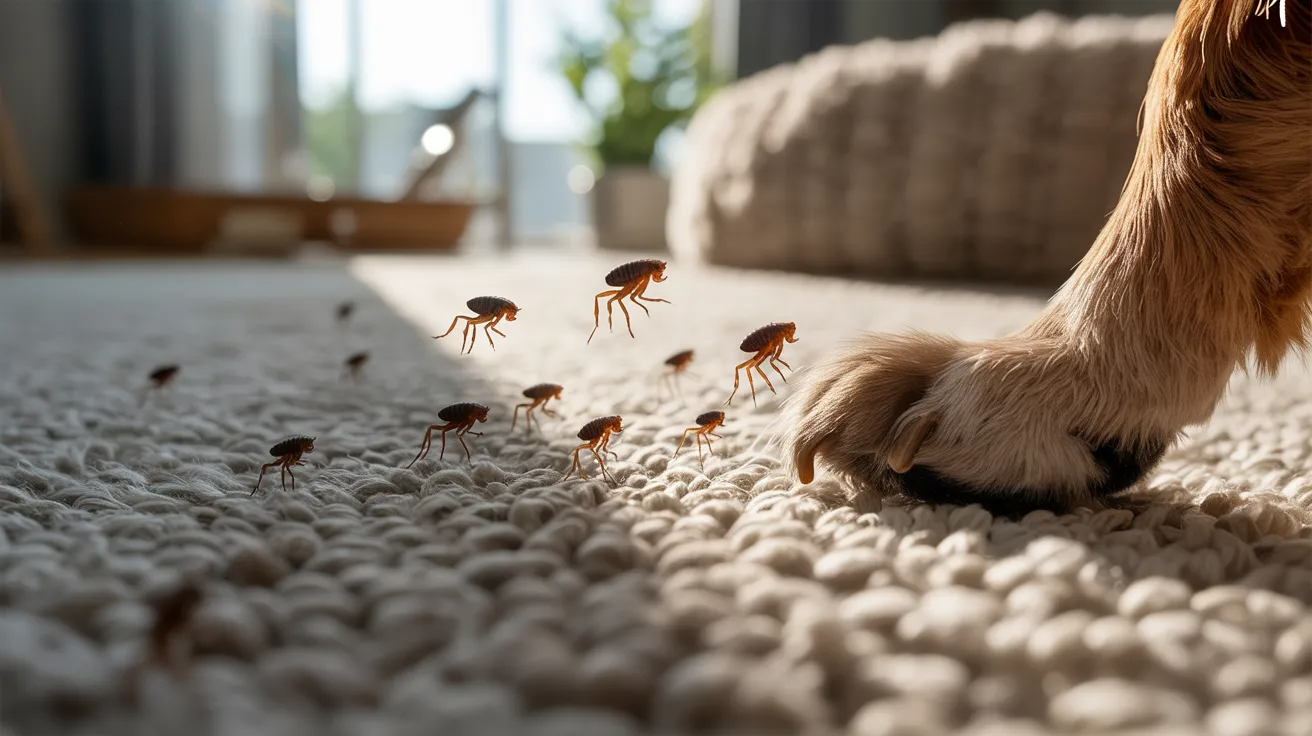
Fleas are tiny, dark brown to black bugs that jump fast and bite hard. They're most common in homes with pets, but they can survive without them too.
You'll find them in carpets, bedding, and upholstered furniture. Flea bites leave small red, itchy spots, usually around the ankles and legs.
If your pet is scratching constantly and you're getting bitten too, fleas are almost certainly the cause.
7. Bed Bugs
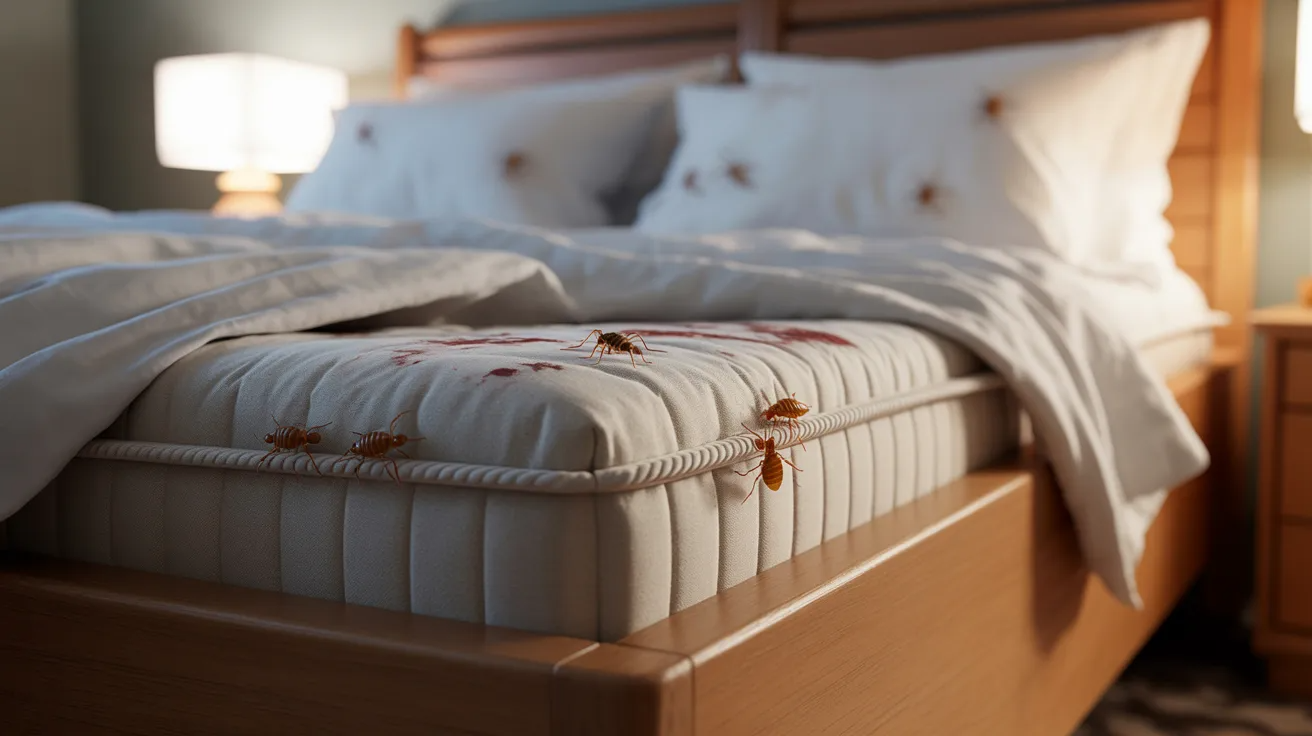
Bed bugs are flat, oval, reddish-brown bugs that hide in mattresses, bed frames, and nearby furniture.
They come out at night to feed and leave behind small bite marks that appear in lines or clusters.
Other signs include tiny dark specks on your sheets, a musty smell, or shed skins near your bed. They don't fly or jump, but they spread fast and are hard to get rid of without targeted treatment.
Quick Identification Table for Tiny Black Bugs
Here's a quick, combined table to identify tiny black bugs based on where you find them and how they behave:
| Location | Behavior | Likely Bugs | Key Identification Clue |
| Kitchen | Crawling / Flying | Weevils, Ants, Fruit Flies | Found near food, grains, or trash |
| Bathroom | Jumping / Crawling | Springtails, Booklice | Appear in damp, humid areas |
| Bedroom | Crawling | Bed Bugs, Carpet Beetles | Found on beds, fabrics, furniture |
| Plants | Flying / Crawling | Fungus Gnats, Spider Mites | Around soil or under leaves |
| Anywhere | Jumping | Fleas, Springtails | Jump when disturbed |
Use this table as a quick reference to match bug type with location and behavior for faster identification.
Signs That Help You Identify the Bug
Before you confirm which bug you're dealing with, look for these clues around your home. They speak louder than the bug itself.
- Black specks or droppings left on surfaces or inside furniture point to an active infestation nearby.
- Shed skins found near baseboards or in dark corners mean the bugs are growing and molting.
- Visible larvae are a strong sign the infestation has been going on for a while.
- Holes in fabric are a clear red flag for carpet beetles, especially in wool or stored clothing.
- Bite marks on skin, usually in clusters or lines, almost always mean fleas or bed bugs.
Spot even two of these signs together and you'll have a good idea of what you're up against.
Conclusion
Finding tiny black bugs in your house is stressful, but it is fixable once you know what you're looking at.
I still remember spotting a bug trail in my kitchen and having no clue what to do next. That's why I wrote this.
You now know how to look, identify, and act fast.
Found your bug? Drop a comment below and tell me which one it was. Share this post with someone dealing with the same problem!
Frequently Asked Questions
What are the most common tiny black bugs found in homes?
Ants, carpet beetles, weevils, springtails, and fleas are the most commonly found tiny black bugs indoors.
Are tiny black bugs in the house harmful?
Some are harmless like springtails and booklice, while others like fleas and bed bugs bite and cause discomfort.
How do I tell the difference between fleas and springtails?
Fleas bite and are found on pets or carpets, while springtails jump but don't bite and prefer damp areas.
Why do I suddenly have tiny black bugs in my house?
Moisture, open food containers, cracks in walls, or pets coming indoors are common reasons bugs show up suddenly.
Can tiny black bugs in the house come from plants?
Yes, fungus gnats and spider mites often come in through infested plant soil brought from outside or a nursery.