
A kitchen sink clogged on both sides is one of those problems that stops your whole day.
I’ve been there, standing with a pile of dirty dishes and nowhere to wash them. It’s frustrating.
But here’s the good news. You don’t need a plumber right away. Most double sink clogs are fixable at home with simple tools.
In this article, I’ll walk you through the real reasons this happens and show you exactly how to fix it, step by step.
Let’s get that water flowing again.
Why Your Kitchen Sink Is Clogged on Both Sides
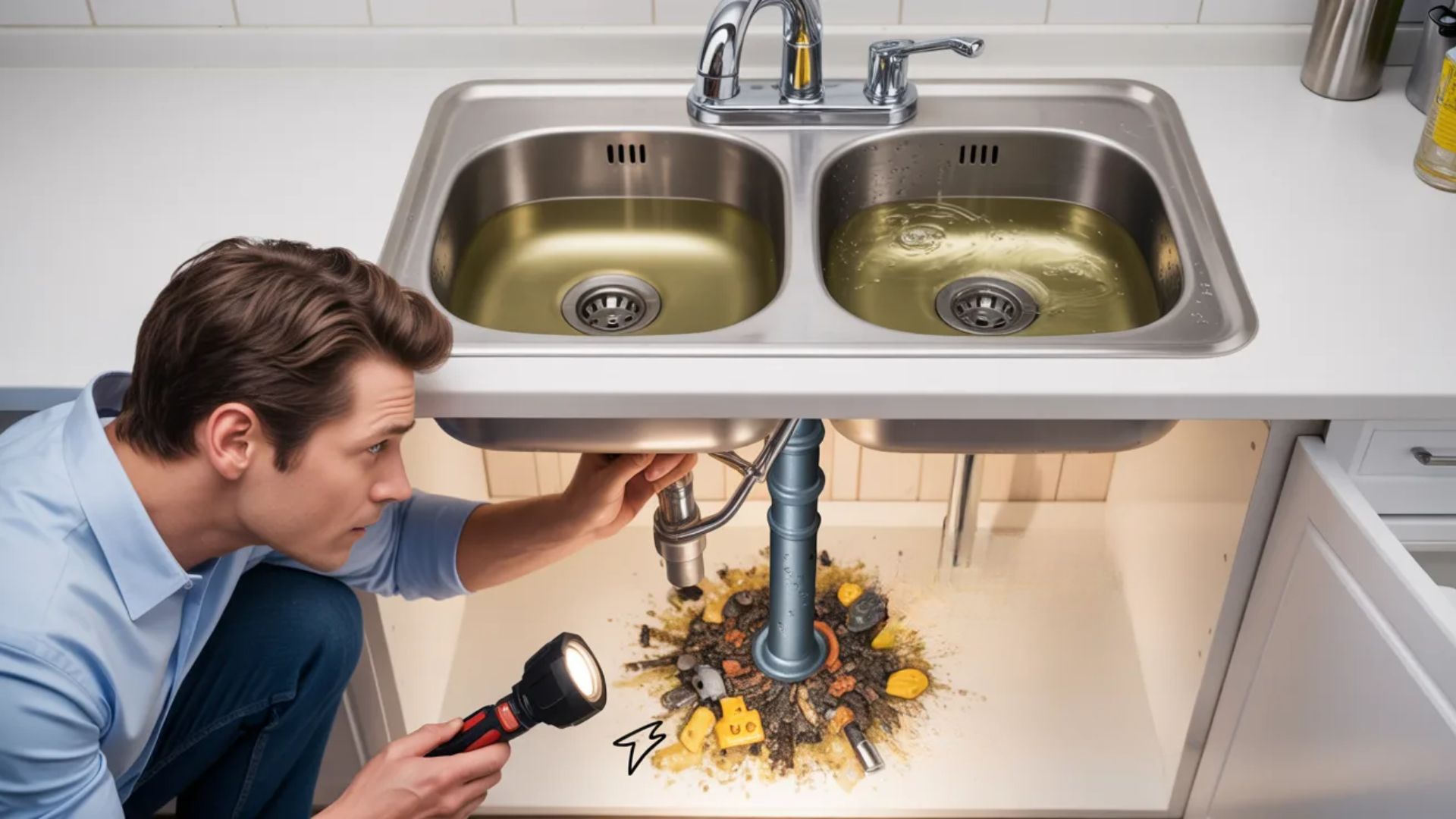
When both sides clog at once, the blockage is almost always sitting in the shared drainpipe below, not just in one basin.
Both sides of a double sink connect to a single pipe before reaching the main drain line.
So when grease, food scraps, or soap buildup collects in that shared section, water backs up on both sides at the same time.
It can also happen when the P-trap gets fully packed or the garbage disposal stops draining properly.
Step-by-Step DIY Methods to Unclog a Kitchen Sink
You don’t need fancy tools. These methods work, and most people already have everything at home.
Step 1: Check and Run the Garbage Disposal
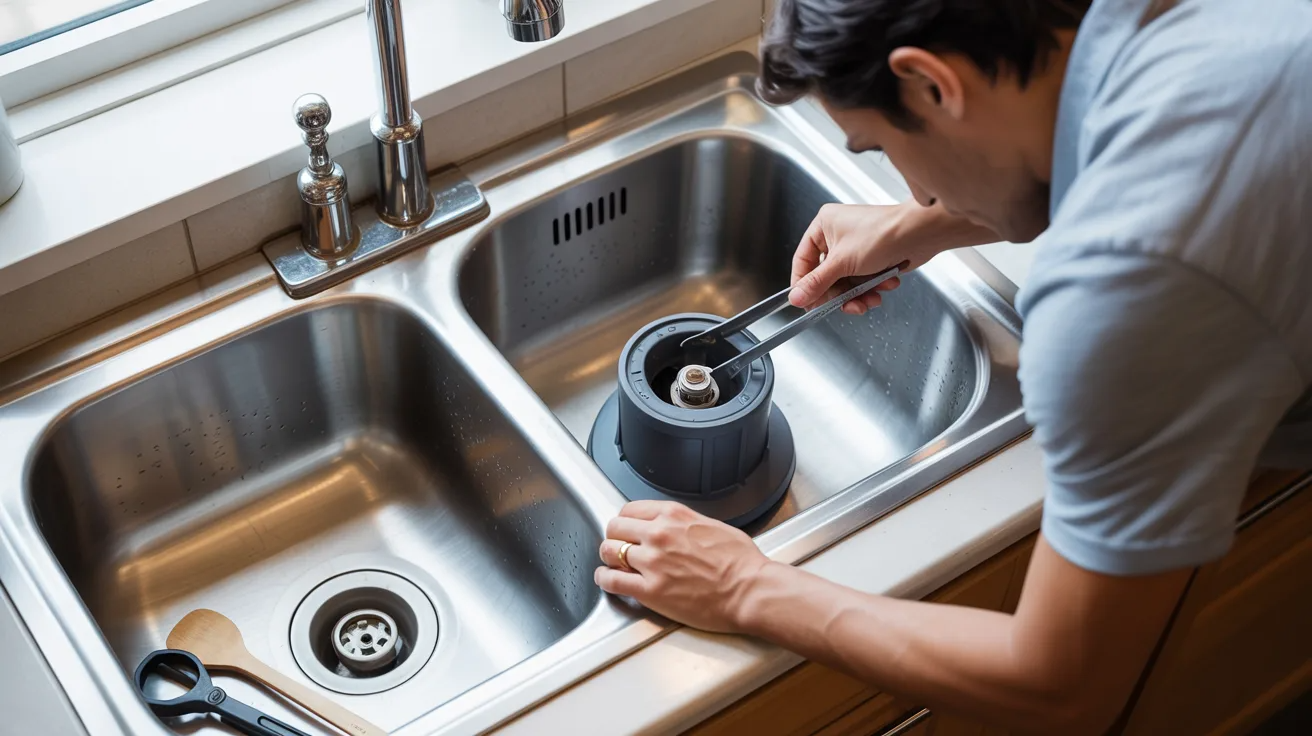
Start here if you have a disposal unit. Turn it on and listen closely. If it runs, it may break up any soft food buildup causing the clog.
If it hums but won’t spin, press the reset button on the bottom of the unit. Never put your hand inside to remove debris, use tongs or a wooden spoon instead.
Clearing the disposal often solves the problem faster than you’d think.
Step 2: Use Boiling Water to Break Grease
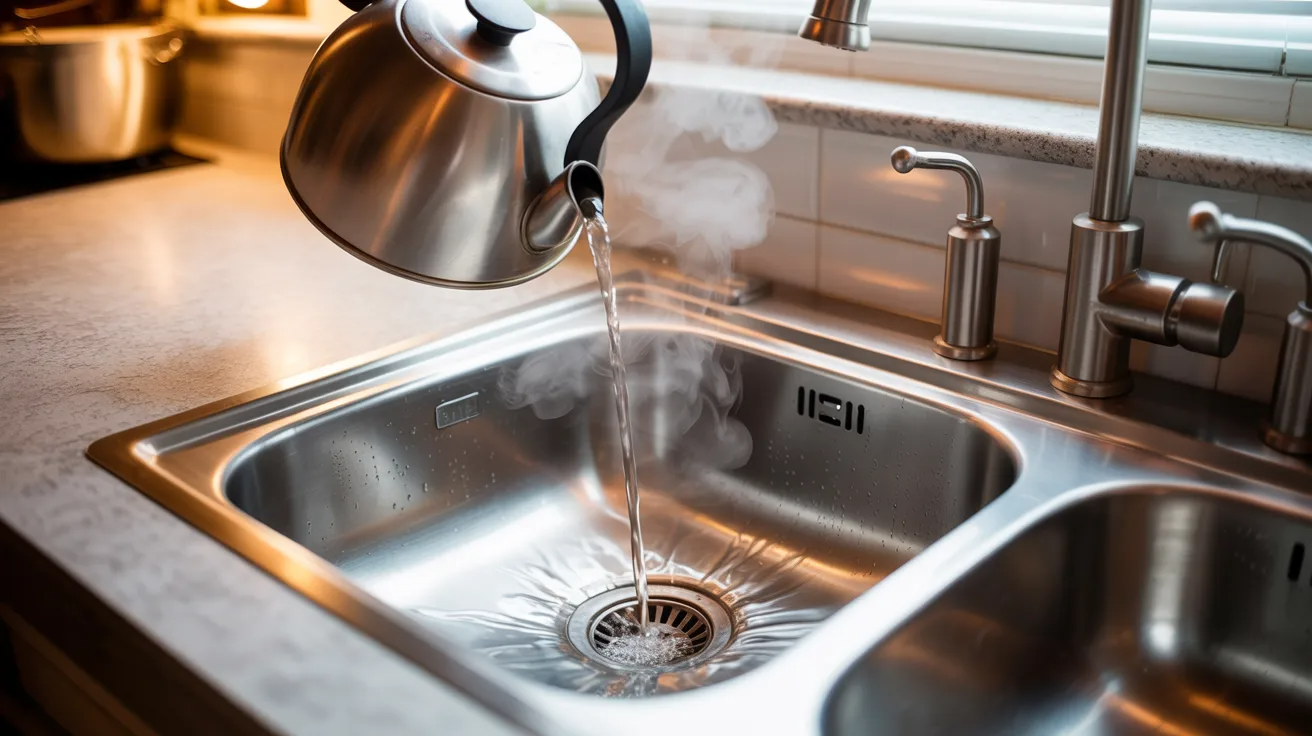
Grease is one of the most common reasons drains back up. Boil a full kettle of water and pour it slowly into both drains.
Do it in stages, pour, pause, pour again. The heat melts built-up grease and loosens stuck food particles along the pipe walls.
If the water starts draining even a little faster, that’s a good sign. Repeat the process two or three times for better results.
Step 3: Try Baking Soda and Vinegar Solution
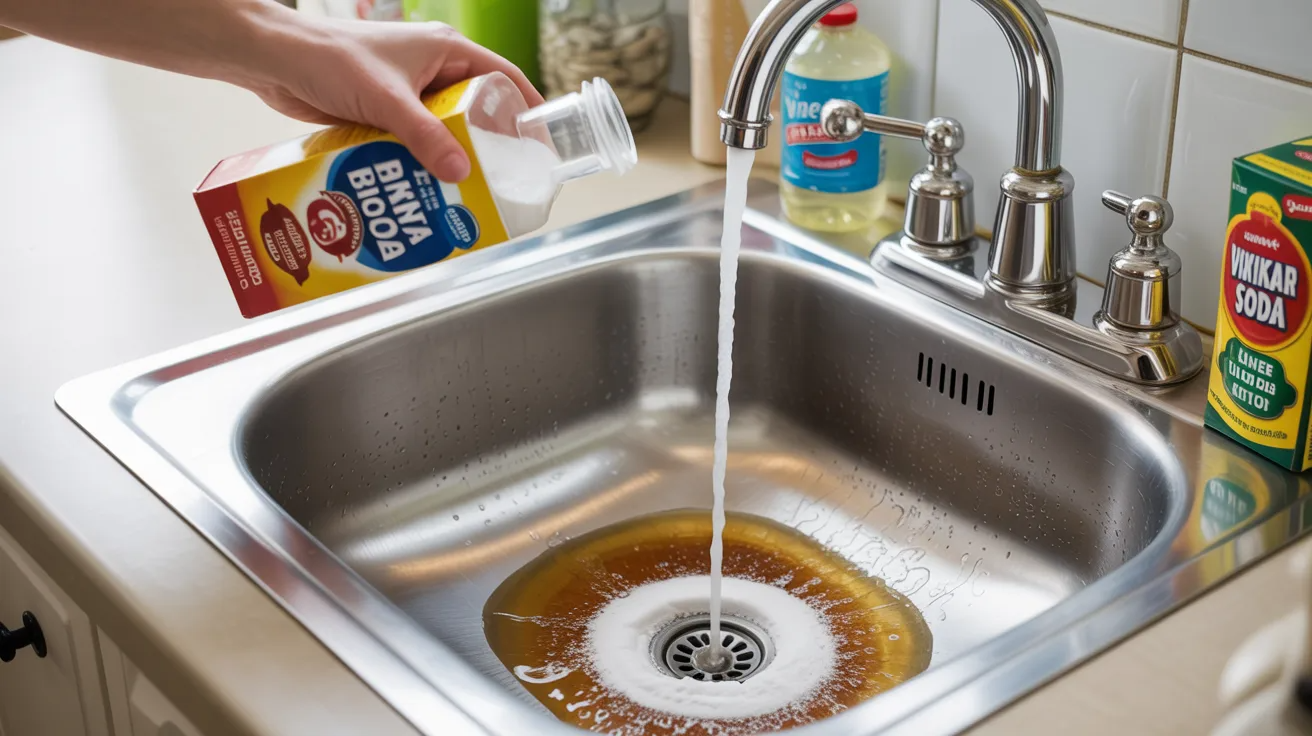
This is my go-to for mild clogs. Pour half a cup of baking soda into each drain. Follow it with half a cup of white vinegar.
You’ll hear a fizzing reaction, that’s normal. Let it sit for 15 to 20 minutes. Then flush both drains with hot or boiling water.
This method is safe for your pipes and works well on soft grease or food buildup. It’s also completely eco-friendly.
Step 4: Plunge Both Sides of the Sink
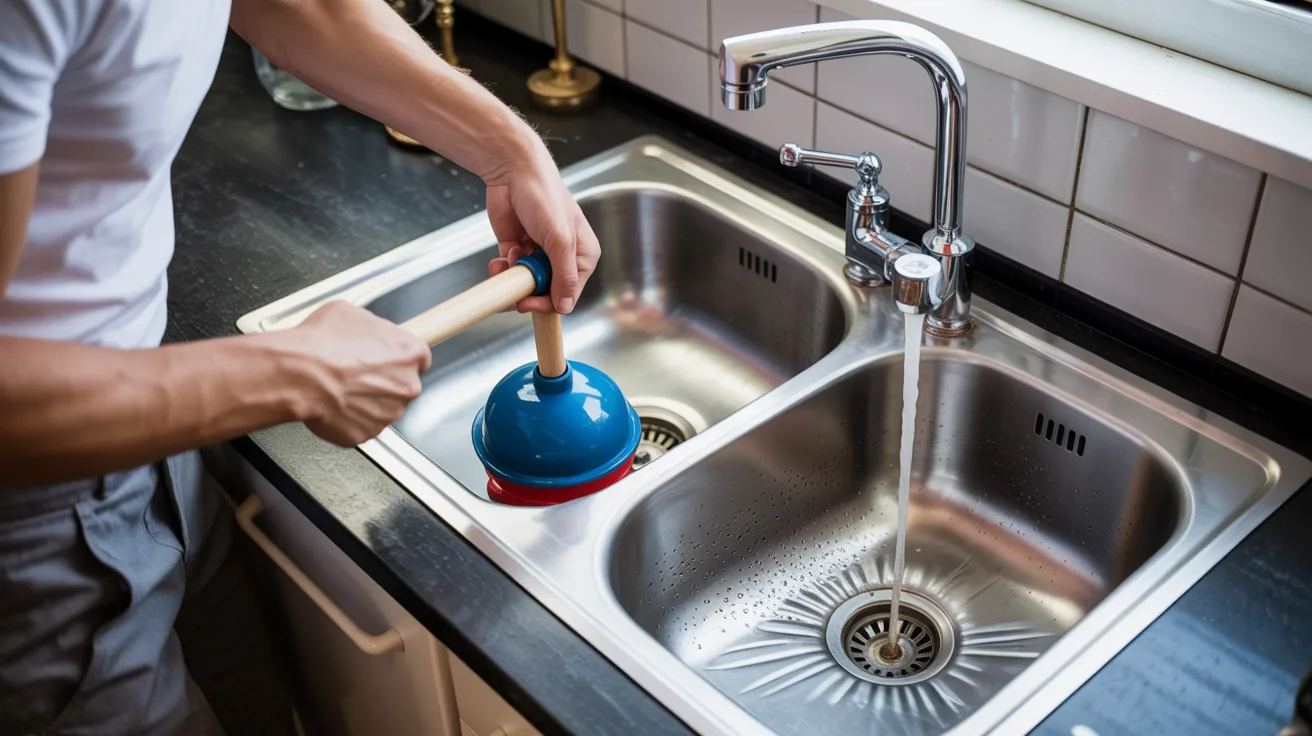
Plunging works best when done the right way. First, seal one drain tightly with a wet cloth or stopper.
Then plunge the other side using firm, steady pumps. The pressure needs somewhere to go, sealing one side forces it toward the clog. Do this 10 to 15 times. Switch sides and repeat.
This helps push or pull soft blockages loose inside the shared drain pipe. Keep at it, sometimes it takes a few rounds.
Step 5: Clean the P-Trap Under the Sink
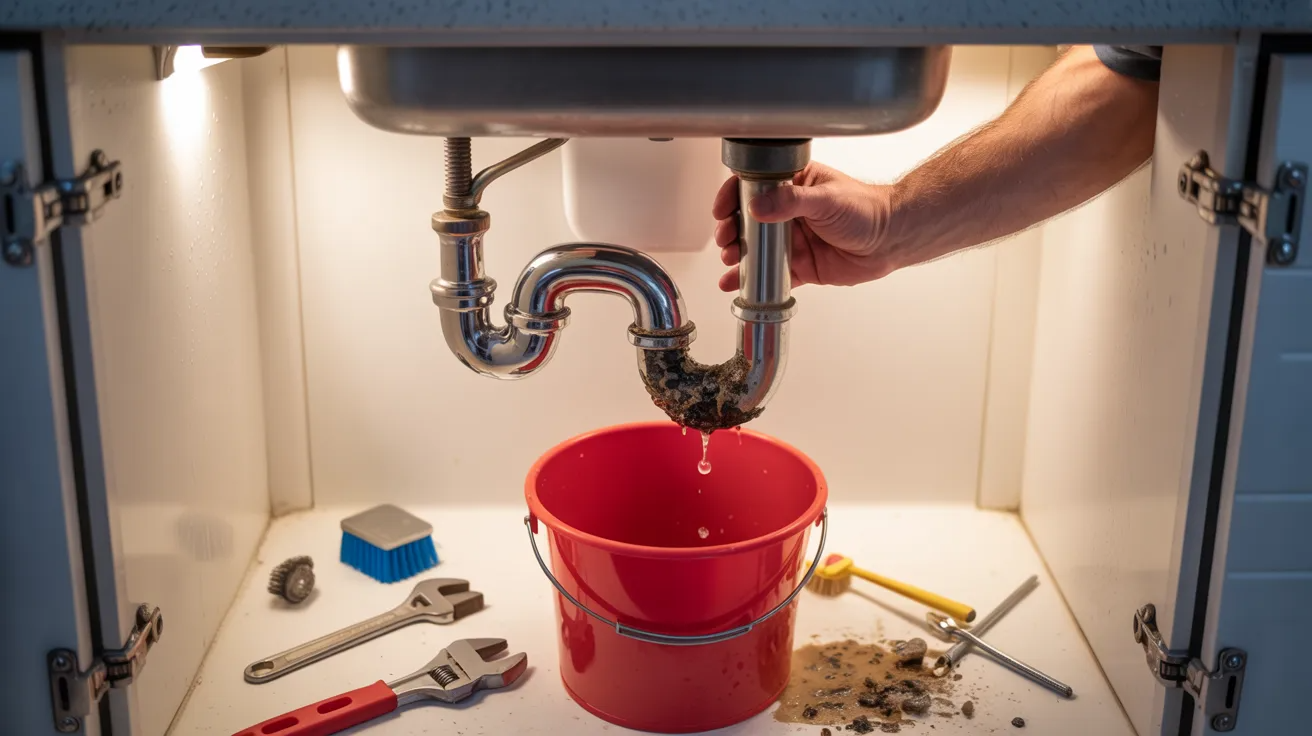
The P-trap is the curved pipe under your sink. It traps debris and is often where clogs hide. Place a bucket under it before you touch anything.
Unscrew the slip nuts on both ends of the curved section by hand or with pliers. Pull it out and clear all the gunk inside. Rinse it well.
Reinstall it, tighten the fittings, and run the water to test. This step fixes a large number of stubborn double-sink clogs.
Step 6: Use a Drain Snake (Auger)
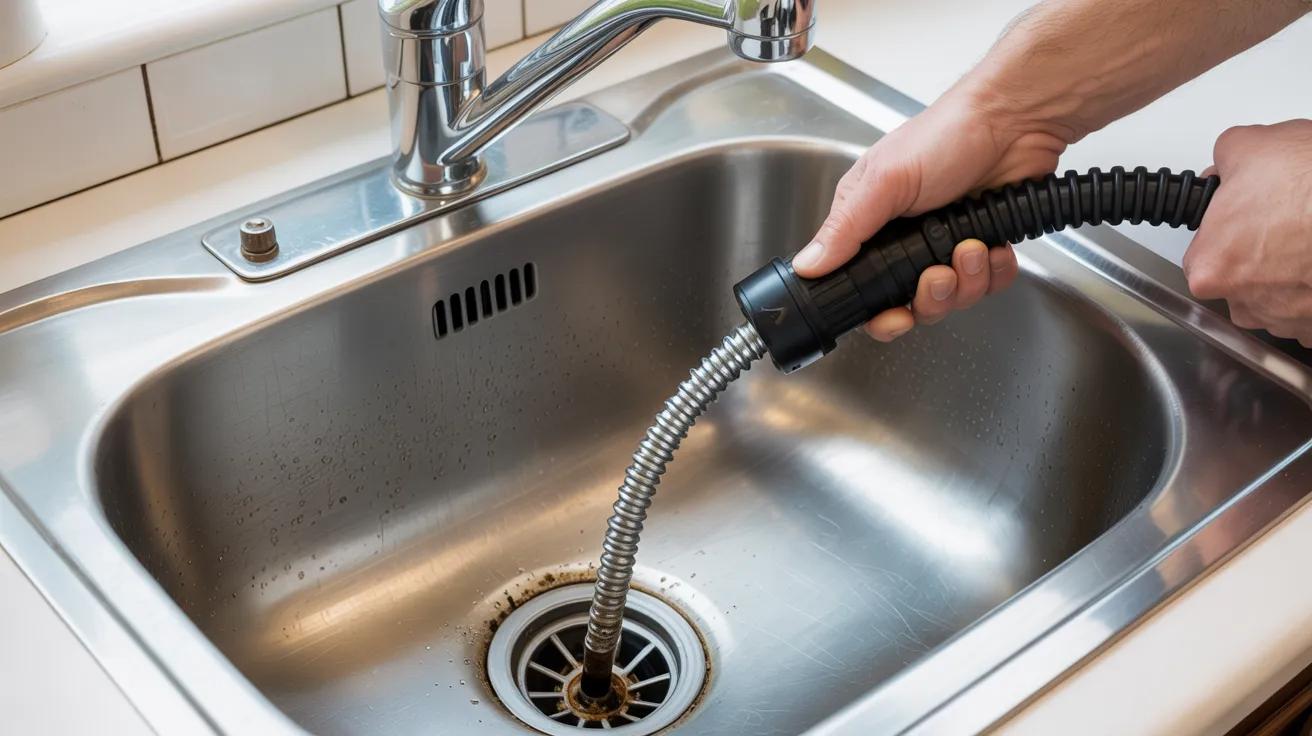
When other methods don’t work, a drain snake usually does. Feed the snake cable into the drain slowly.
Once you feel resistance, turn the handle to break up or hook the clog. Pull it out carefully, debris will come with it. Run water to test the flow.
A snake reaches deep into the drainpipe where hot water and plunging can’t. It’s especially useful for clogs caused by food buildup far down the line.
How to Prevent Kitchen Sink Clogs in the Future
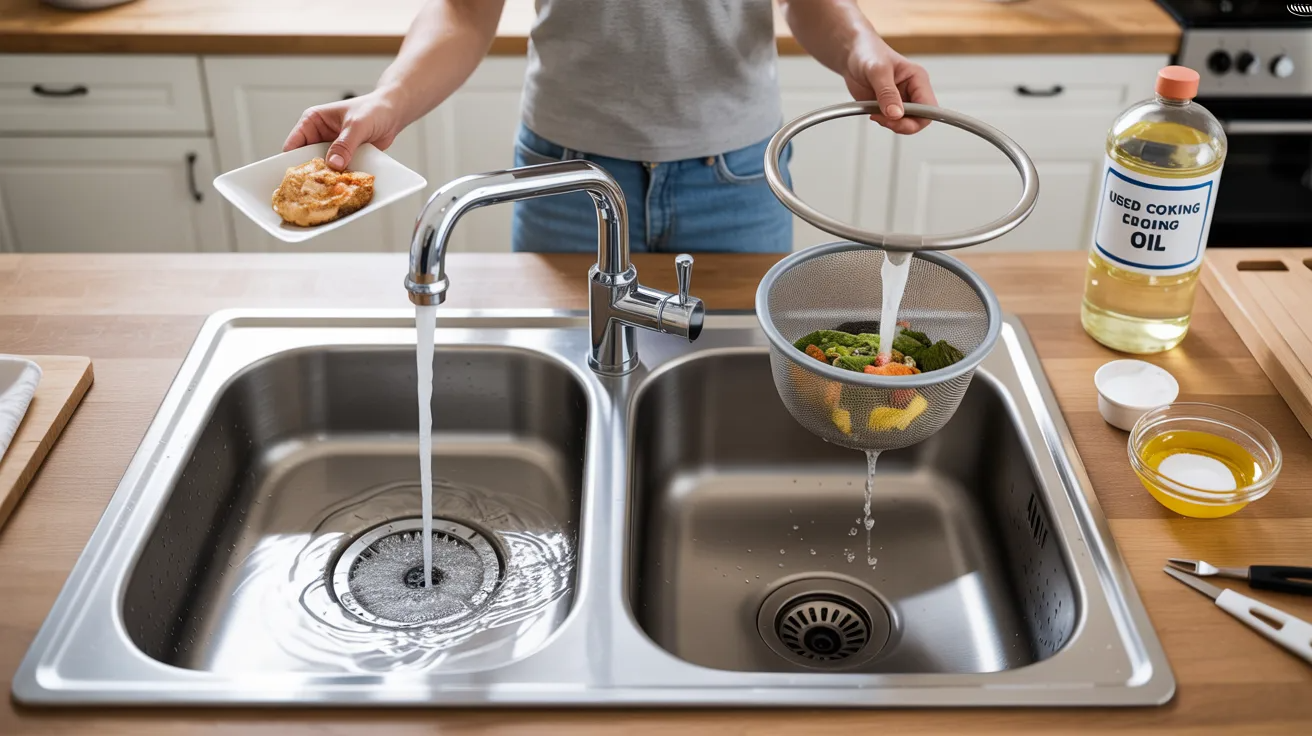
Before washing any dish, scrape leftover food into the trash, not the sink. Never pour cooking grease or oil down the drain.
It looks liquid but hardens inside the pipe as it cools. Coffee grounds and eggshells clump together fast, toss them in the bin instead.
Flush both drains with hot water every week to clear light grease. Use baking soda and vinegar monthly to stop buildup.
Clean the P-trap every few months and fit mesh strainers over both drains to catch debris before it causes a problem.
Mistakes to Avoid While Unclogging a Sink
Small mistakes can turn a simple clog into a bigger problem.
- Chemical drain cleaners eat away at pipe joints and rarely fix deep clogs
- Mixing chemical products creates dangerous fumes and can splash back on your skin
- Ignoring slow drainage early on leads to a full blockage later
- Gurgling sounds and foul smells are warning signs most people brush off too long
- Pouring chemicals after trying other methods makes the situation worse, not better
Catch the signs early and use the right methods, it saves you time and money.
Conclusion
Dealing with a kitchen sink clogged on both sides is frustrating, I know.
I’ve stood at my own sink wondering where to even start.
But most clogs are totally fixable at home, no plumber needed. Work through the steps, and you’ll have water flowing again faster than you think.
Did this help? Drop a comment below and tell me which method worked for you. Share this with a friend who needs it right now.
Frequently Asked Questions
Why is my kitchen sink clogged on both sides at the same time?
Both sides share one drainpipe, so a blockage in that shared line backs up both basins together.
Can I use a plunger on a double kitchen sink?
Yes, seal one drain while plunging the other to force pressure directly toward the clog.
Is it safe to pour boiling water down a kitchen drain?
Yes, for metal pipes, but avoid it if you have PVC pipes, as high heat can loosen joints.
How often should I clean my kitchen sink’s P-trap?
Clean it every three to four months, or sooner if you notice slow drainage or bad smells.
When should I call a plumber for a clogged kitchen sink?
Call a plumber if all DIY methods fail, or if multiple drains in your home are backing up at once.