
Corduroy is one of those fabrics that looks great but can be tricky to wash. One wrong move and you end up with flat ridges, shrinkage, or a lint-covered mess.
I’ve been there, and I know how frustrating it feels.
In this guide, I’ll walk you through how to wash corduroy fabric step by step so your clothes come out clean and soft every time.
We’ll cover prep, washing, drying, and common mistakes to skip. With a little care, your corduroy can last for years.
Understanding Corduroy Fabric
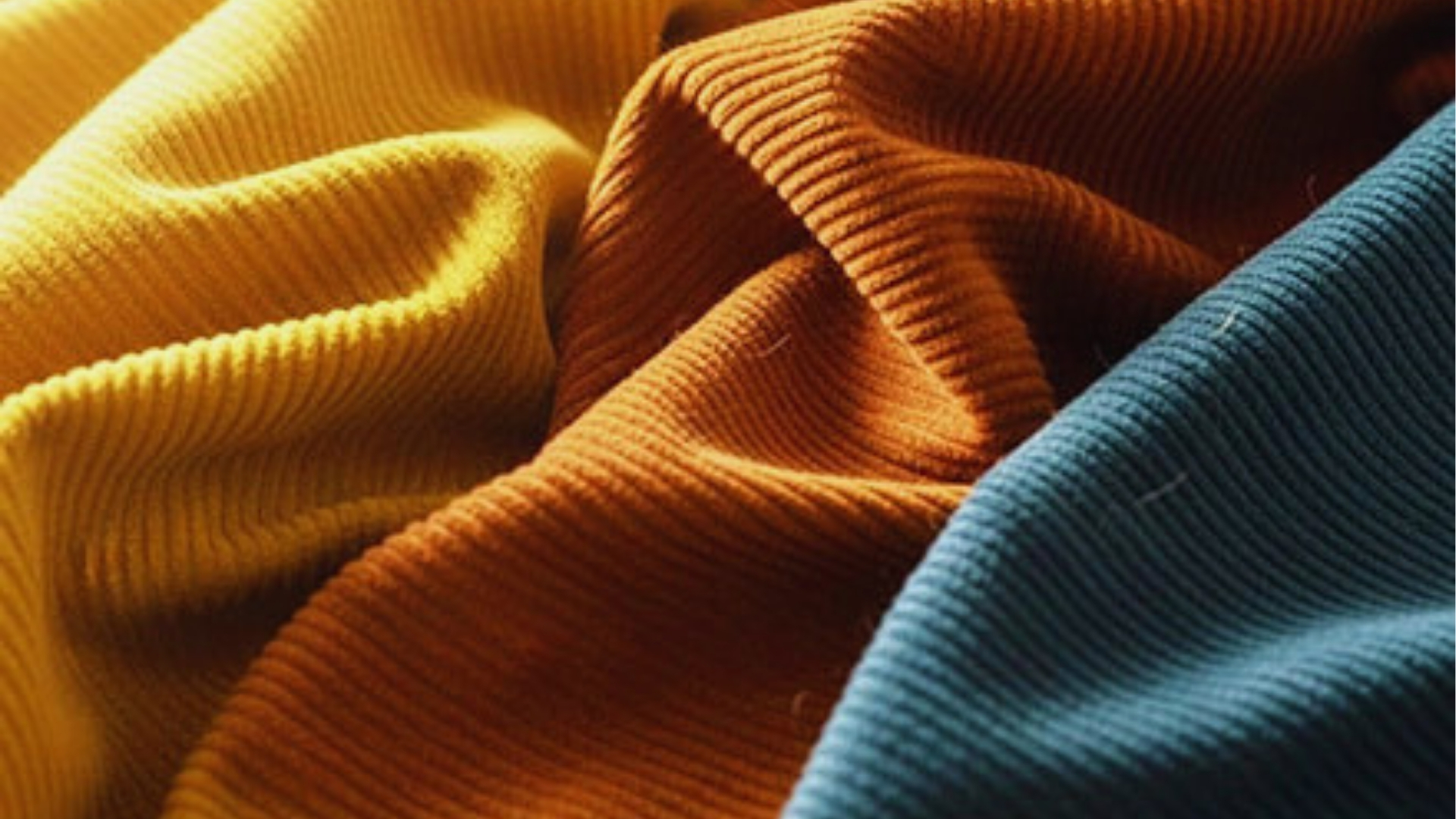
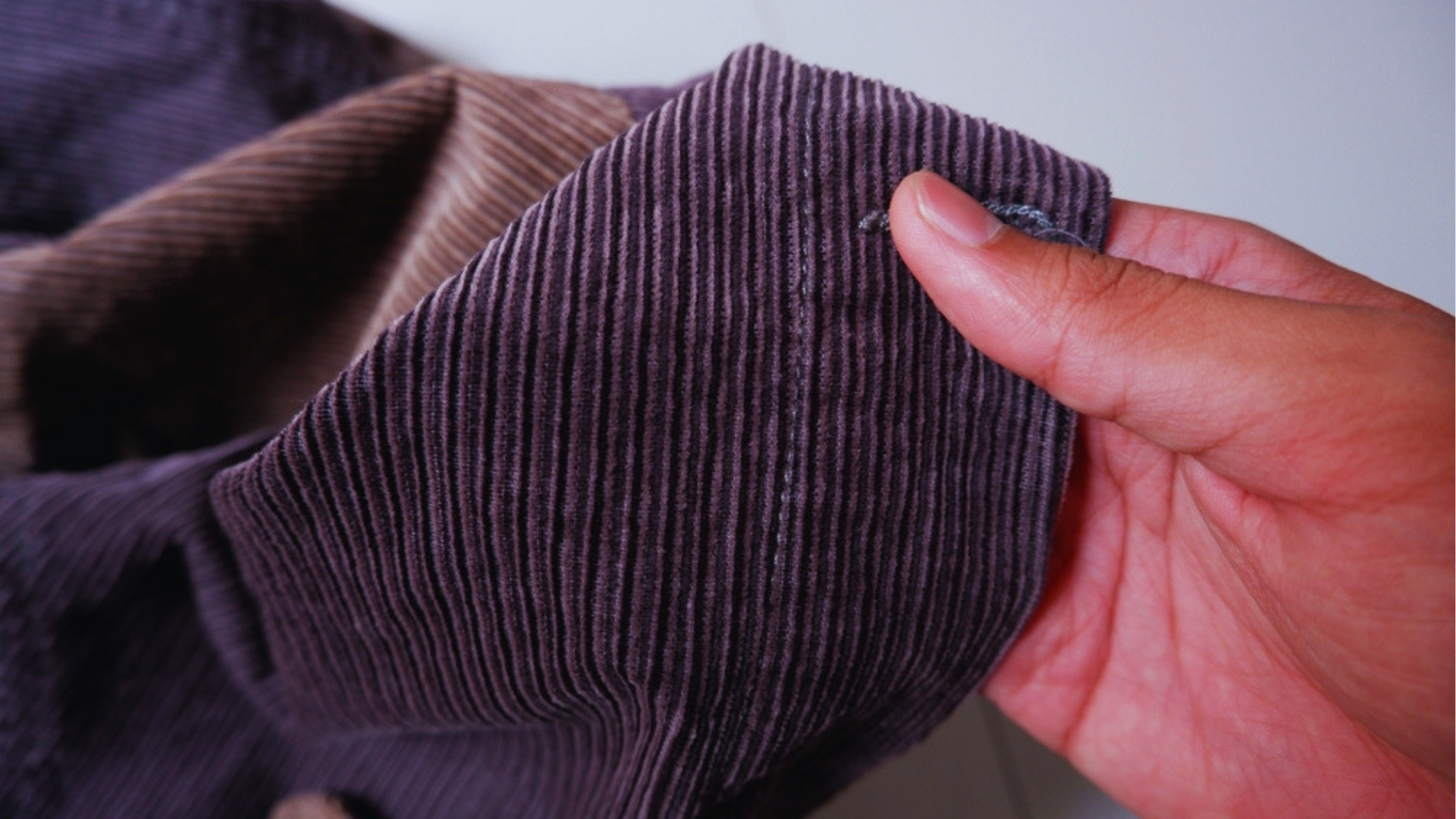
Corduroy is made from cotton or a cotton blend, which means it needs gentle handling. It has raised parallel lines called wales that give it that classic ribbed look.
These wales feel soft but flatten easily if you’re rough with them. The ribbed surface also acts like a magnet for lint and pet hair, picking up loose fibers from other clothes in the wash.
And since most corduroy is cotton-based, it can shrink quickly in hot water or high heat. Understanding this helps you make smarter choices every time you wash it.
Pre-Washing Preparation for Corduroy
A few simple steps before washing can save your corduroy from damage.
Checking the Care Label
Before anything else, read the care label inside your garment. It tells you if the item is machine washable, hand wash only, or dry clean only.
Different corduroy items have different needs based on their fabric blend. Always follow what the label says and never assume all corduroy can be washed the same way.
Sorting by Color and Fabric Type
Wash dark corduroy with dark colors and light corduroy with lights. This prevents color bleeding and keeps your clothes looking their best.
Keep corduroy away from fluffy fabrics like towels or fleece. Those shed a lot of lint, and corduroy will pick it all up during the wash.
Preparing Garments Before Washing
Give the fabric a quick once-over before tossing it in the machine. Remove everything from the pockets and check for any stains.
Treat stains first with a gentle stain remover and let it sit for a few minutes. This small step makes the actual washing much more effective.
How to Wash Corduroy Fabric Step by Step
Follow these five steps carefully to keep your corduroy clean and in great shape.
Step 1: Check the Care Label

Start by reading the washing instructions on the tag. Some corduroy items are machine washable. Others need hand washing or dry cleaning.
- Look for water temperature guidelines
- Check for any “do not bleach” symbols
- Note whether tumble drying is allowed
Knowing this upfront saves you from making costly mistakes.
Step 2: Prepare the Fabric for Washing
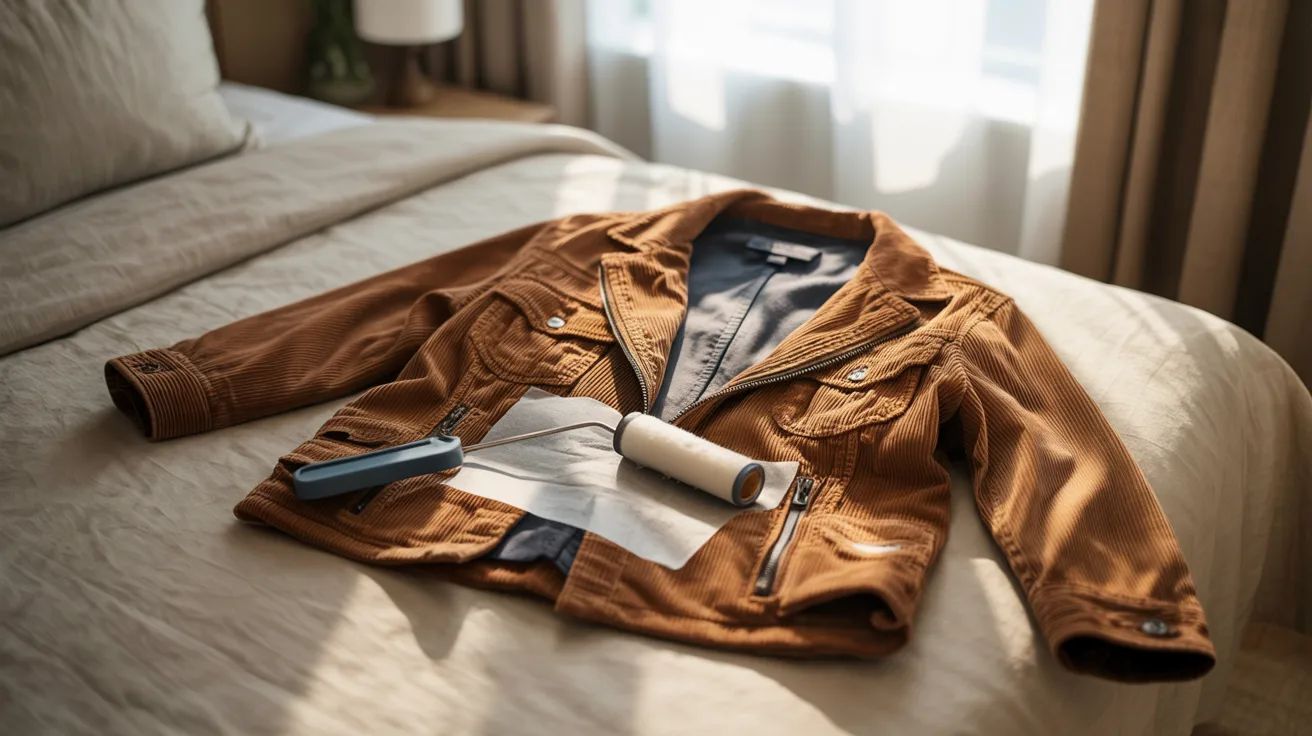
Turn the garment inside out. This protects the wales from friction during the wash cycle. Close all zippers and remove any pins or brooches.
Use a lint roller or soft brush to remove surface dirt and loose fibers. This keeps your washing machine from spreading lint back onto the fabric.
Step 3: Wash Gently
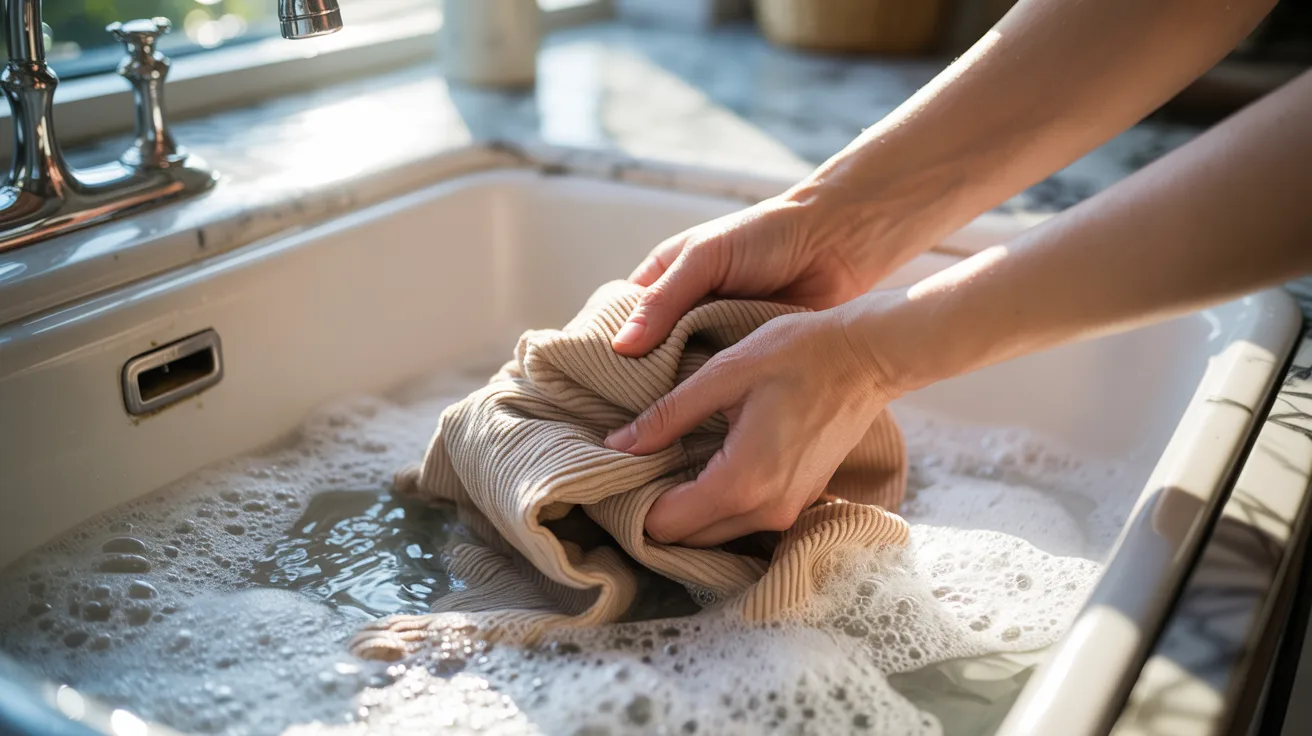
Use cold or lukewarm water only. Hot water causes shrinkage and can fade the color fast.
Pick a mild detergent made for delicate fabrics. Avoid anything with strong chemicals or brighteners.
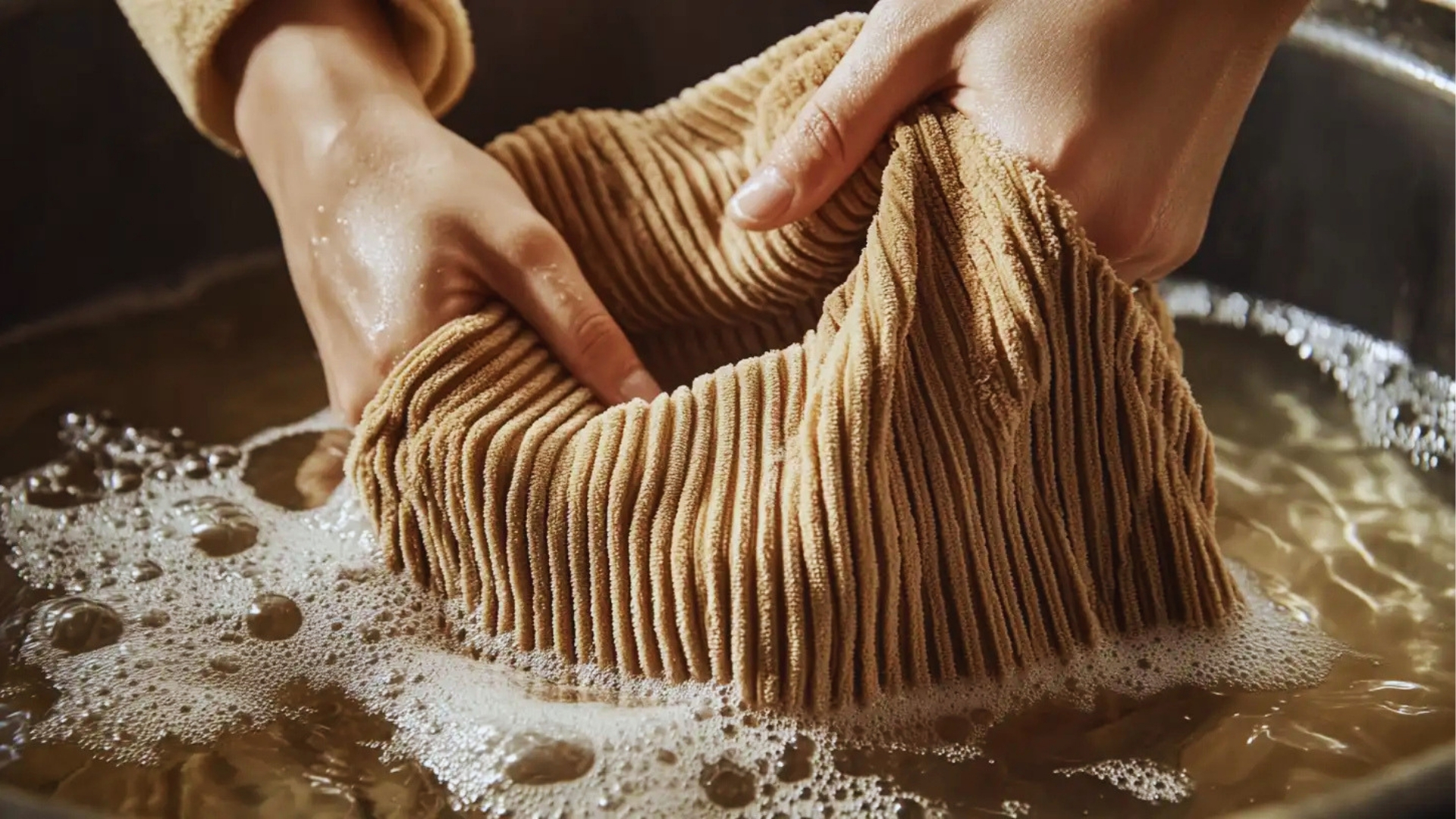
Select the gentle or delicate cycle on your machine. If hand washing, swirl the garment softly in soapy water. Do not scrub or rub hard.
Step 4: Rinse and Remove Excess Water
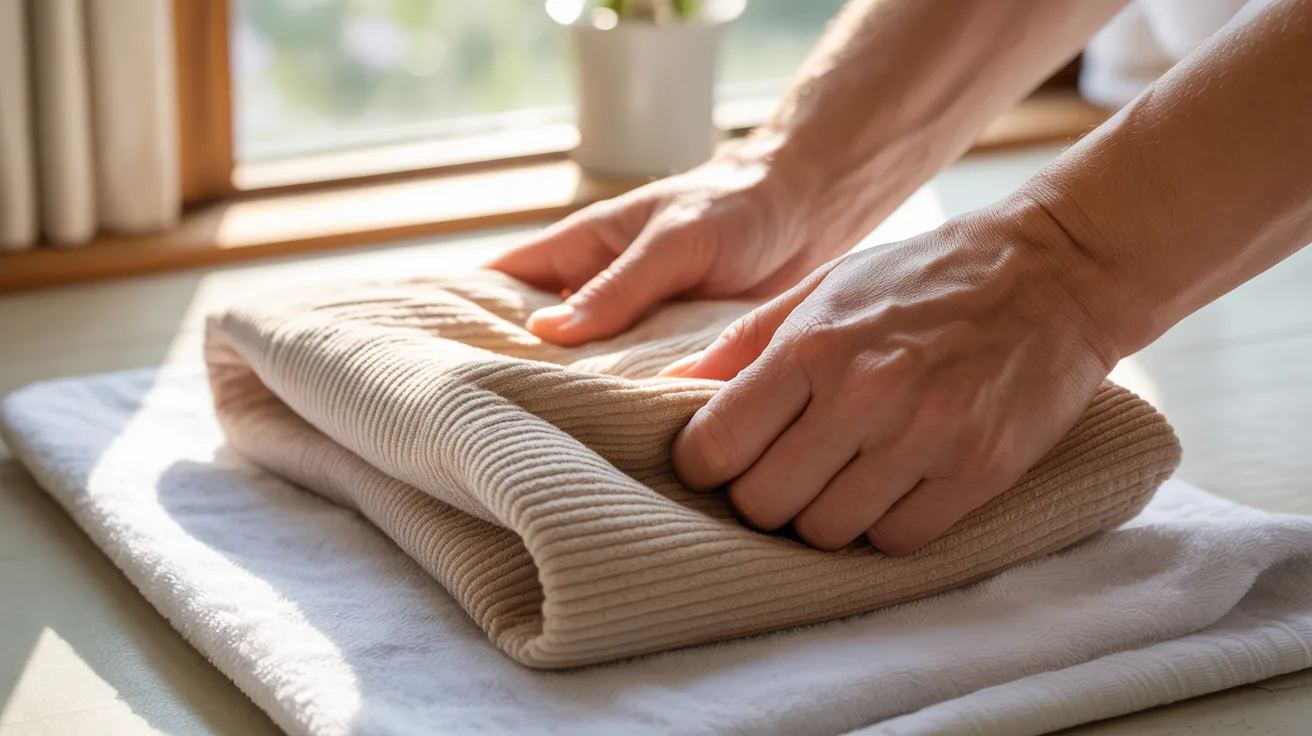
Rinse the garment well to get all the detergent out. Leftover soap can make the fabric feel stiff.
Do not wring or twist the fabric. That can flatten the wales permanently. Instead, gently press the water out with your hands, or roll the garment in a clean towel and press lightly.
Step 5: Dry Properly

Air drying is the safest option. Lay the garment flat on a clean surface or hang it carefully. Keep it away from direct sunlight, which can fade the color.
Avoid high heat in the dryer. If you must use a dryer, choose the lowest heat setting and take it out while still slightly damp.
You can tumble dry on low for a few minutes at the end to help restore some softness to the wales.
Common Mistakes to Avoid When Washing Corduroy
These simple mistakes can ruin your corduroy fast, so it’s worth knowing them.
Using High Heat While Washing or Drying
High heat is the number one enemy of corduroy. It causes shrinkage and flattens the ribbed texture over time.
Always use cool or lukewarm water when washing and keep dryer heat on the lowest setting possible.
Washing With Lint-Producing Fabrics
Towels, wool, and fleece shed a lot of fibers during the wash. Those loose fibers cling deep into the wales of corduroy and are hard to brush out later.
Always wash corduroy separately or with similar smooth fabrics.
Overloading the Washing Machine
When you pack too many clothes into one load, fabrics rub against each other with more force. That extra friction can flatten the wales and wear down the fabric faster.
Give corduroy enough space to move around freely in the drum.
Using Harsh Detergents or Bleach
Strong detergents contain chemicals that break down fabric fibers with repeated use.
Bleach is especially damaging and should never be used on corduroy, even on white or light-colored pieces. Always pick a mild, gentle detergent made for delicate fabrics.
Tips to Keep Corduroy Soft and Long-Lasting
Small habits go a long way in keeping your corduroy looking fresh and feeling soft.
- Brush the wales gently with a soft clothes brush while the fabric is still slightly damp after washing.
- Always brush in the direction of the ridges to help them hold their shape.
- Use a lint roller or fabric brush after each wear to stop lint and dust from building up.
- Hang corduroy in your wardrobe instead of folding it to avoid creases in the wales.
- If you must fold it, lay it flat and smooth it out carefully before storing.
- Keep corduroy away from rough surfaces in the wardrobe that could flatten or snag the ridges.
Conclusion
Caring for corduroy does not have to feel like a big task. Once you know the basics, it becomes second nature. I used to ruin my corduroy pants constantly until I learned these steps. Now they still look great years later.
To recap: check the label, prep the fabric, wash gently, skip the wringing, and air dry. That’s really all it takes.
If this guide helped you, drop a comment below or share it with someone who loves corduroy. You might also enjoy our guide on washing other delicate fabrics.
Frequently Asked Questions
Can I machine wash all types of corduroy?
Not always. Check the care label first. Most corduroy can be machine washed on a gentle cycle, but some items require hand washing or dry cleaning only.
What water temperature is best for washing corduroy?
Cold or lukewarm water works best. Hot water can cause the fabric to shrink and may fade the color, especially in darker shades.
How do I remove lint from corduroy?
Use a lint roller or a soft fabric brush. Brush gently in the direction of the wales to lift lint without flattening the ridges.
Can I put corduroy in the dryer?
You can, but only on the lowest heat setting. It is better to air dry the fabric flat or hanging to avoid any risk of shrinkage.
How often should I wash my corduroy clothes?
Wash corduroy only when needed. Too much washing can wear down the fabric. Spot clean small stains and use a lint brush between washes to keep it fresh.