Got a stain on your favorite polyester shirt or jacket? You're not alone. Polyester is one of the most popular fabrics around, but it can hold onto stains in ways that feel genuinely frustrating especially when regular washing doesn't seem to help.
The good news is that most stains come out with the right approach and a little patience.
This guide walks you through how to remove stains from polyester using simple tools and easy steps. You'll learn how to treat different stain types, which products work best, and how to wash polyester safely without damaging the fabric.
These methods have helped countless people save their favorite clothes.
Why Polyester Stains Differ From Other Fabrics
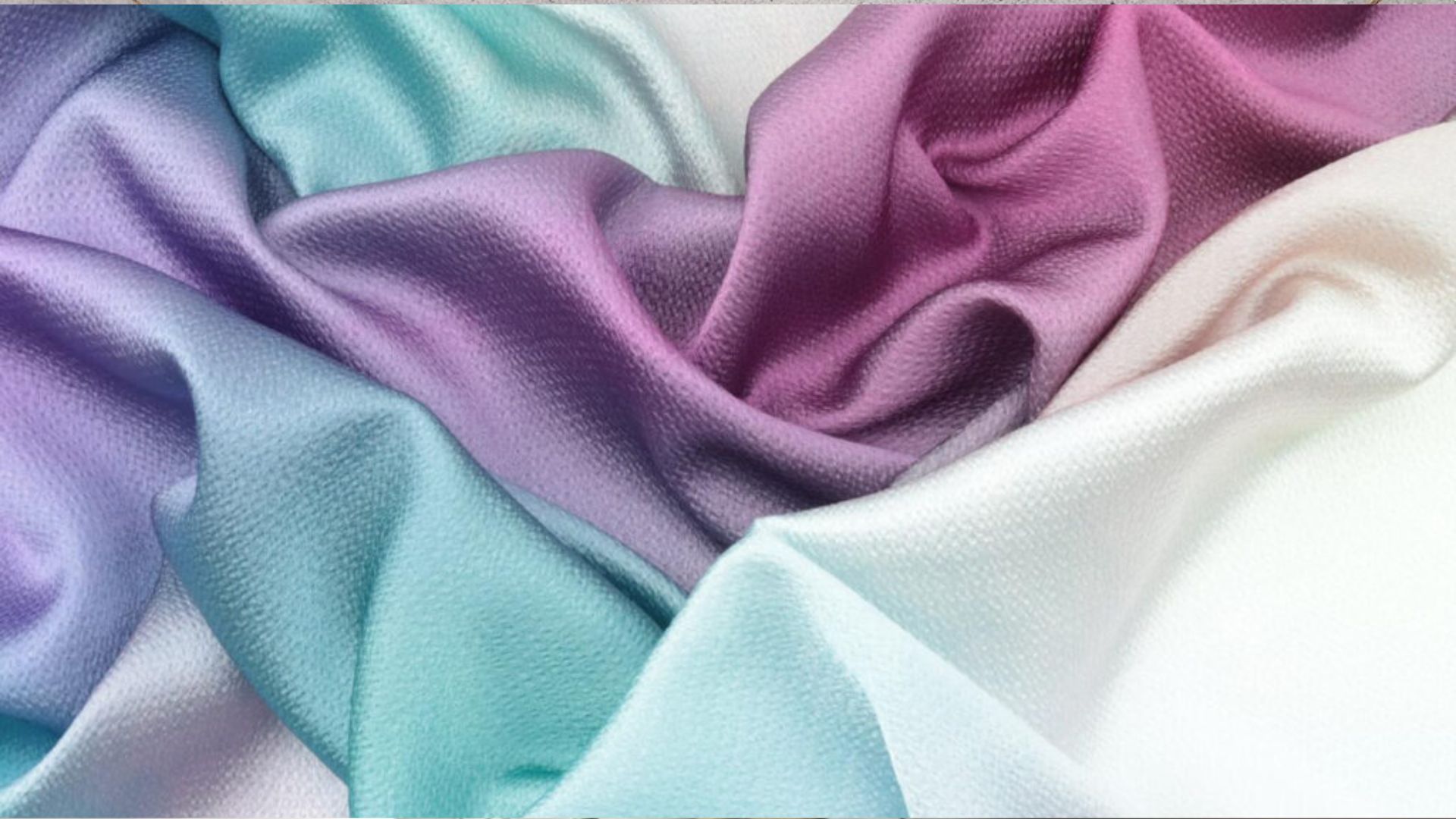
Polyester is a synthetic fabric made from plastic-based fibers. This makes it strong and wrinkle-resistant, but it also creates a few challenges when stains happen.
Unlike cotton, polyester does not absorb water easily. This sounds helpful, but it actually causes problems. Oily and greasy stains tend to bond with synthetic fibers quickly. Once oil gets into the fabric, water alone cannot wash it out.
Polyester also builds up static electricity, which attracts dust and lint. This can make stains look worse over time. The fabric also holds heat, which means drying a stained polyester item in the dryer can permanently set the stain before you even notice it is still there.
It is also worth knowing that polyester is sometimes blended with other fabrics like silk, wool, or rayon. These blends may be less stain-resistant and often need gentler care than pure polyester.
Understanding these differences helps you treat polyester stains the right way, not the way you would treat a cotton or wool garment.
Identify the Type of Stain First
Before you grab any product, figure out what caused the stain. Different stains need different treatments. Using the wrong method can make things worse.
Oil and Grease Stains
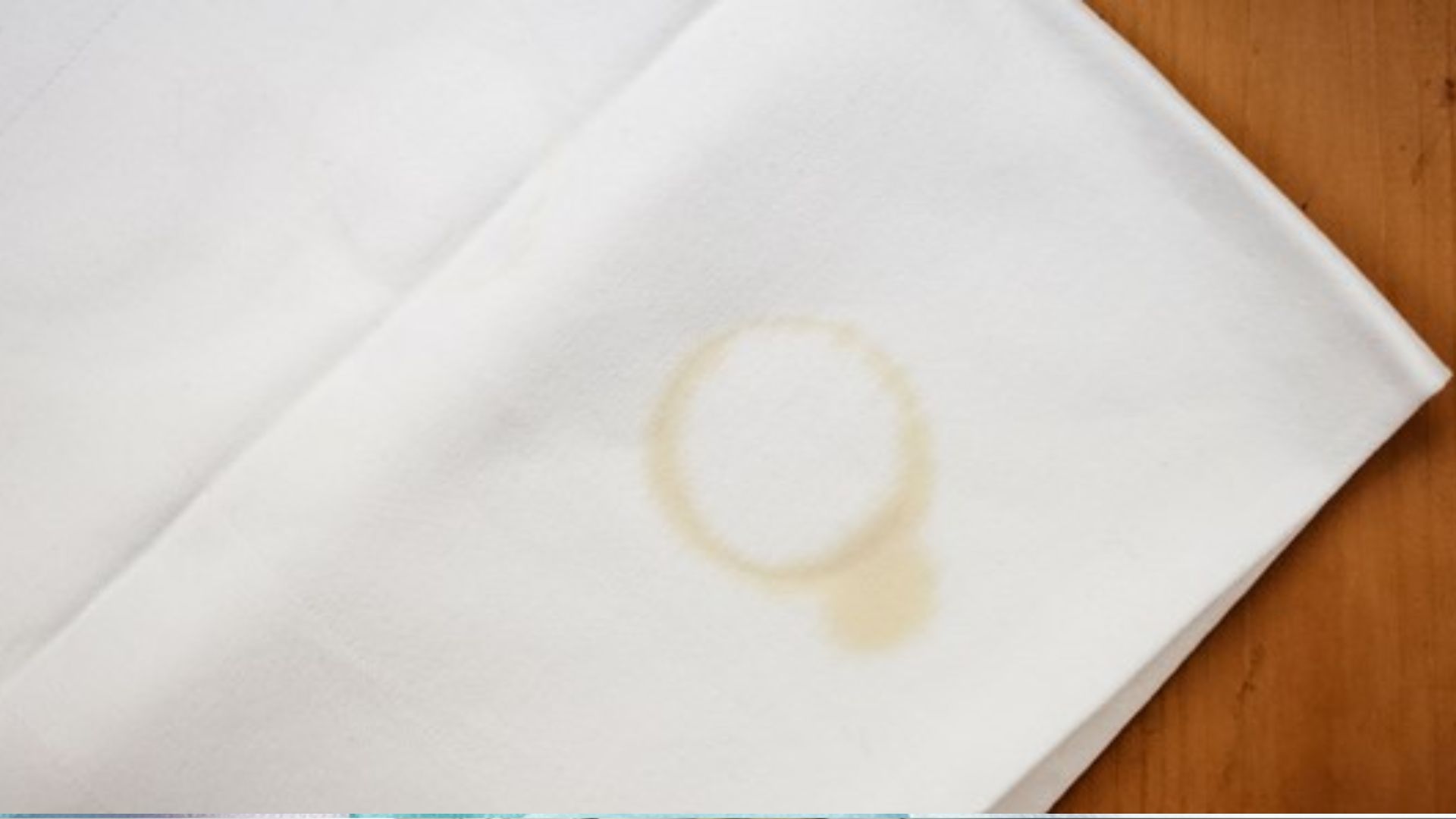
These come from cooking oil, butter, salad dressing, or greasy food. Oil stains often look darker than the fabric around them. They may not show up clearly right away but become more visible once the fabric dries.
Grease bonds strongly to synthetic fibers, so a degreaser spray or dish soap is usually needed to break it down.
Food and Beverage Stains

Coffee, juice, ketchup, tomato sauce, and similar items leave colored marks on polyester. These are water-based stains but may contain tannins or dyes that stain quickly.
Ink, Paint, and Dye Stains
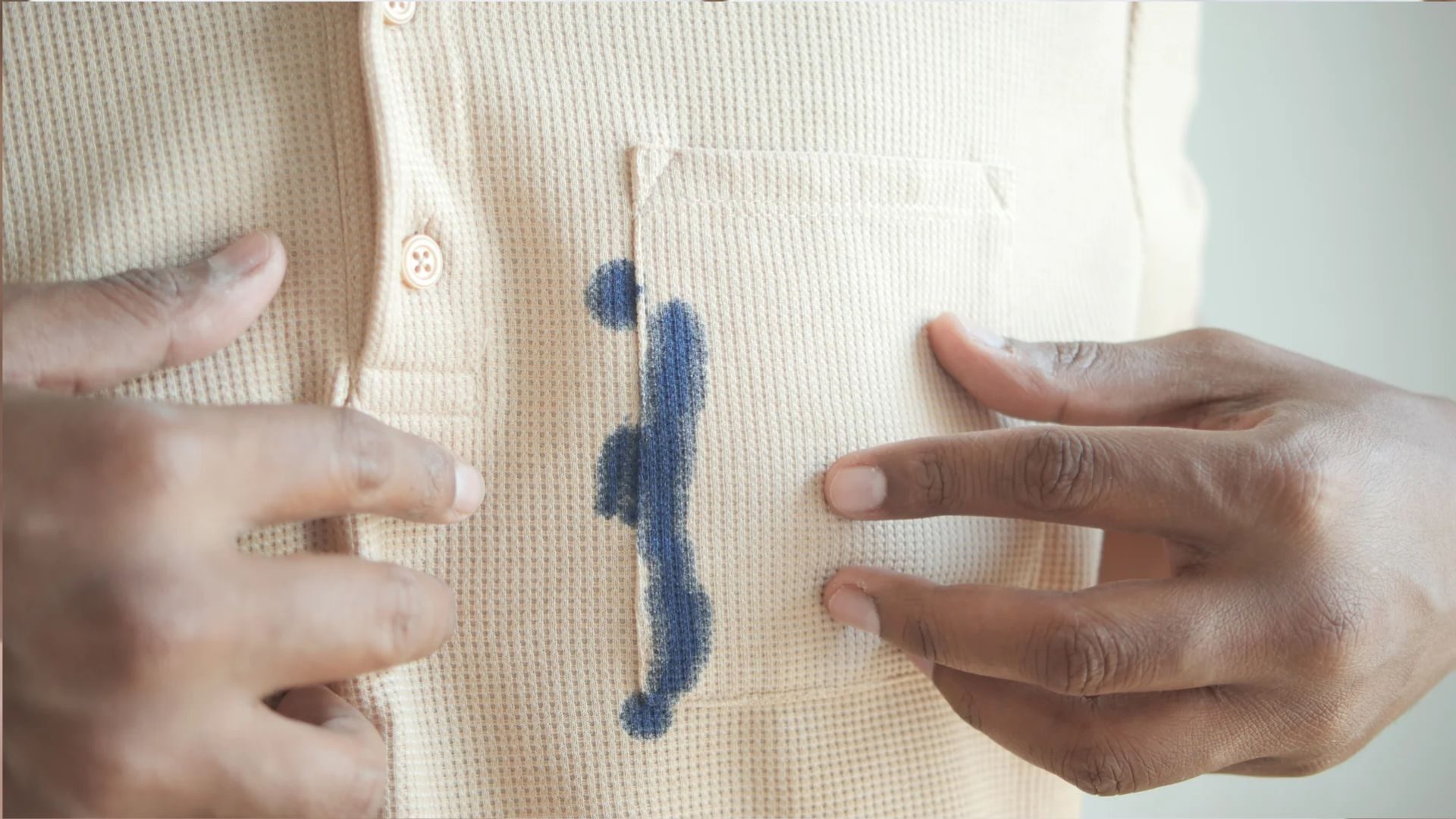
These are some of the trickiest stains to deal with. Ballpoint ink, acrylic paint, and fabric dye can all bond deeply with polyester fibers.
Rubbing alcohol is one of the most effective tools for ink removal. Acting fast is key here.
Sweat, Deodorant, and Body Oil Stains
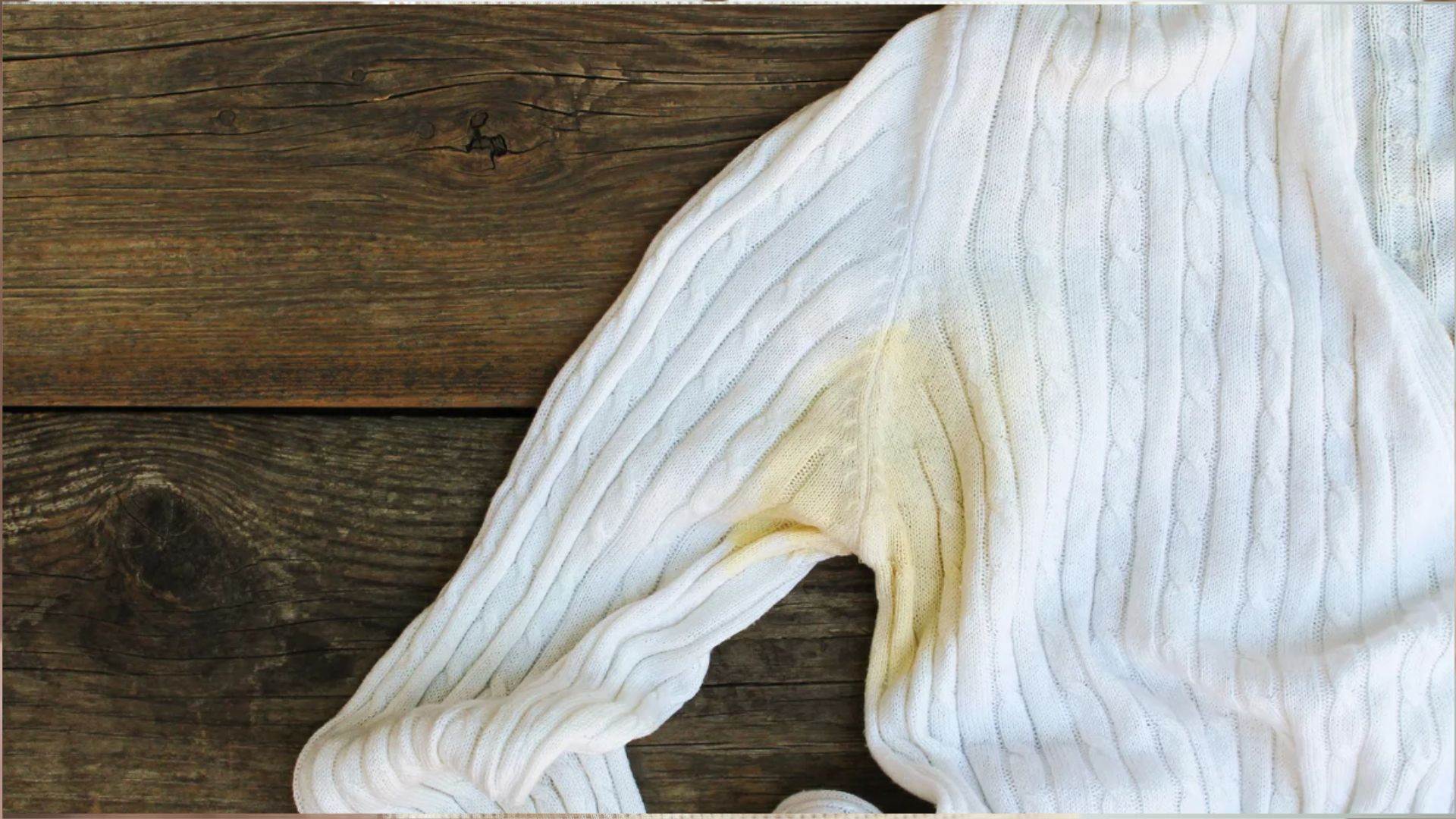
These stains build up over time. They often leave yellowish or white marks, especially under the arms. Body oils also cause fabric to smell even after washing.
Mud, Grass, and Outdoor Stains
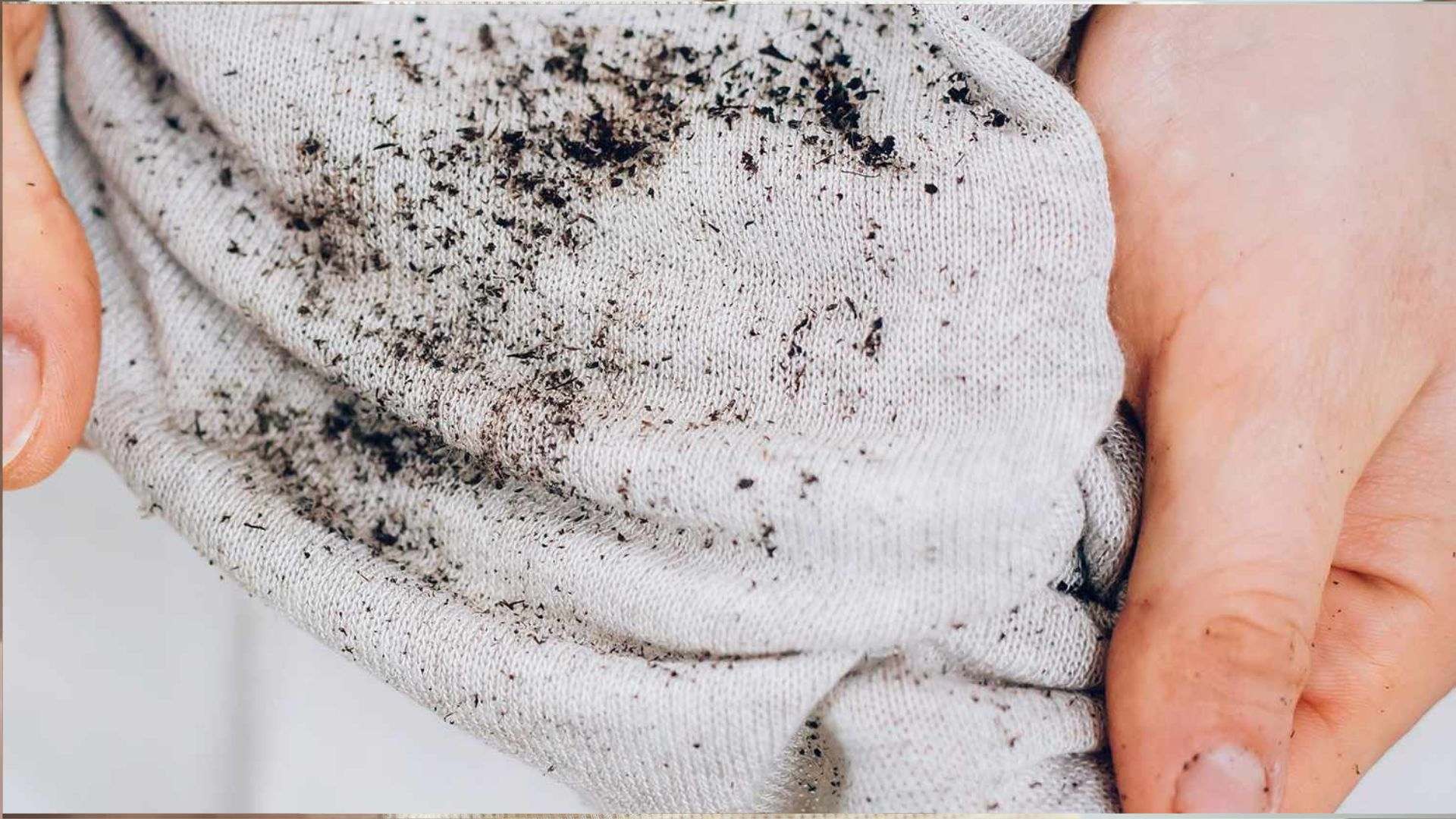
Mud should be allowed to dry completely before you try to remove it. Grass stains contain chlorophyll, which acts like a dye and needs enzyme-based cleaners to break it down.
What You Need Before Removing Polyester Stains

Having the right supplies ready makes the job easier and faster. Here is what to gather before you start
- Cold water
- Clean white cloths or paper towels
- Mild liquid dish soap
- White vinegar
- Baking soda
- A commercial stain remover or enzyme-based cleaner
- A degreaser spray for oil-based stains
- A soft-bristled brush or old toothbrush
- Liquid laundry detergent made for synthetic fabrics
Always check the care label on your garment before treating any stain. It tells you the safe wash temperature and whether any products should be avoided.
Avoid using hot water before the stain is fully removed. Heat sets stains into polyester fibers and makes them much harder to lift later.
How to Remove Stain from Polyester Step by Step
Follow these steps in order and you give yourself the best chance of getting the stain out completely.
Blot the Stain Correctly

As soon as a spill happens, blot the area with a clean white cloth. Press gently and lift straight up. Do not rub or scrub.
Rubbing spreads the stain wider and pushes it deeper into the fabric. Work from the outside edge of the stain toward the center.
Pre-treat with the Right Stain Remover

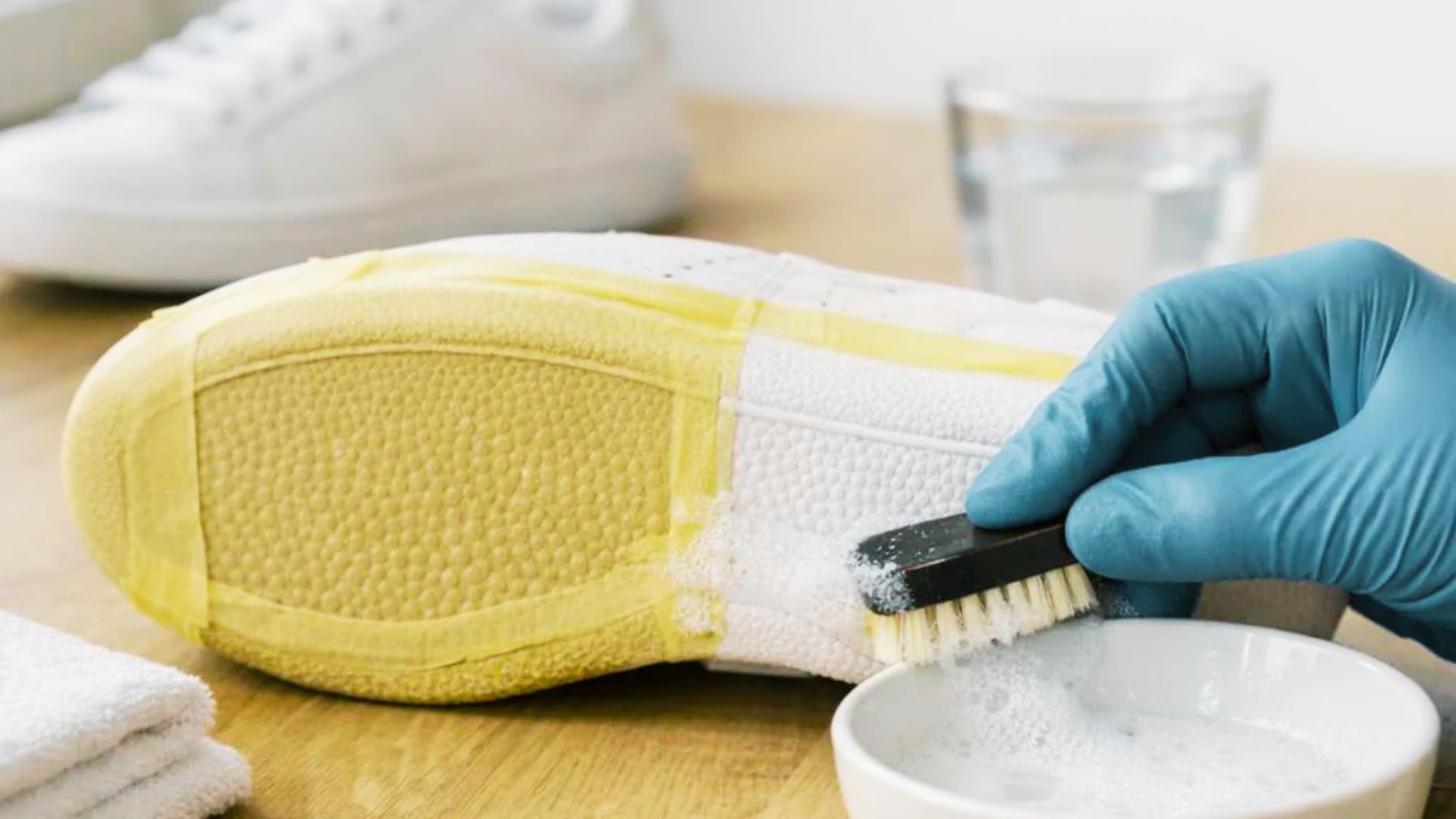
Apply a small amount of liquid dish soap, enzyme cleaner, or commercial stain remover directly to the stain. Let it sit for five to ten minutes.
For greasy stains, a degreaser spray or dish soap works very well because both are designed to cut through oil. Gently work it in with your fingers or a soft brush.
Wash Polyester Using the Correct Water Temperature
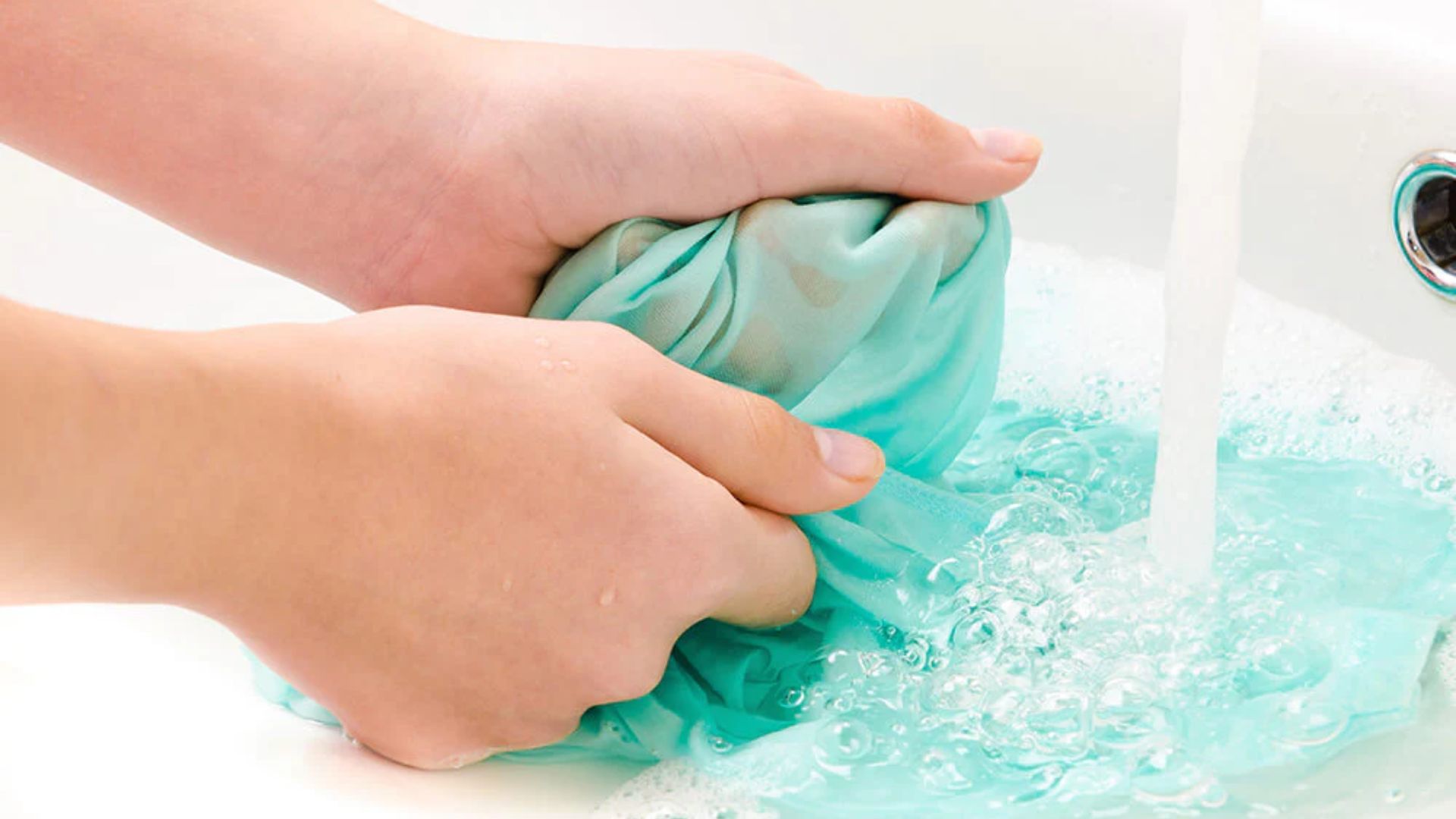
Always check the care label first. Wash the garment in cold or warm water, not hot. Most polyester care labels recommend 30°C to 40°C (86°F to 104°F).
Hot water can shrink polyester and set any remaining stain. Use a gentle or permanent press cycle on your washing machine.
Check the Stain Before Drying

After washing, check the stained area before putting the item in the dryer. If any trace of the stain remains, do not dry it. Heat will lock the stain in. Repeat the treatment instead.
Repeat Treatment if Necessary

Some stains need more than one round of treatment. This is completely normal. Re-apply your pre-treatment, let it soak, and wash again.
Stubborn stains may take two or three tries before they are fully gone.
Best Stain Removal Methods by Stain Type
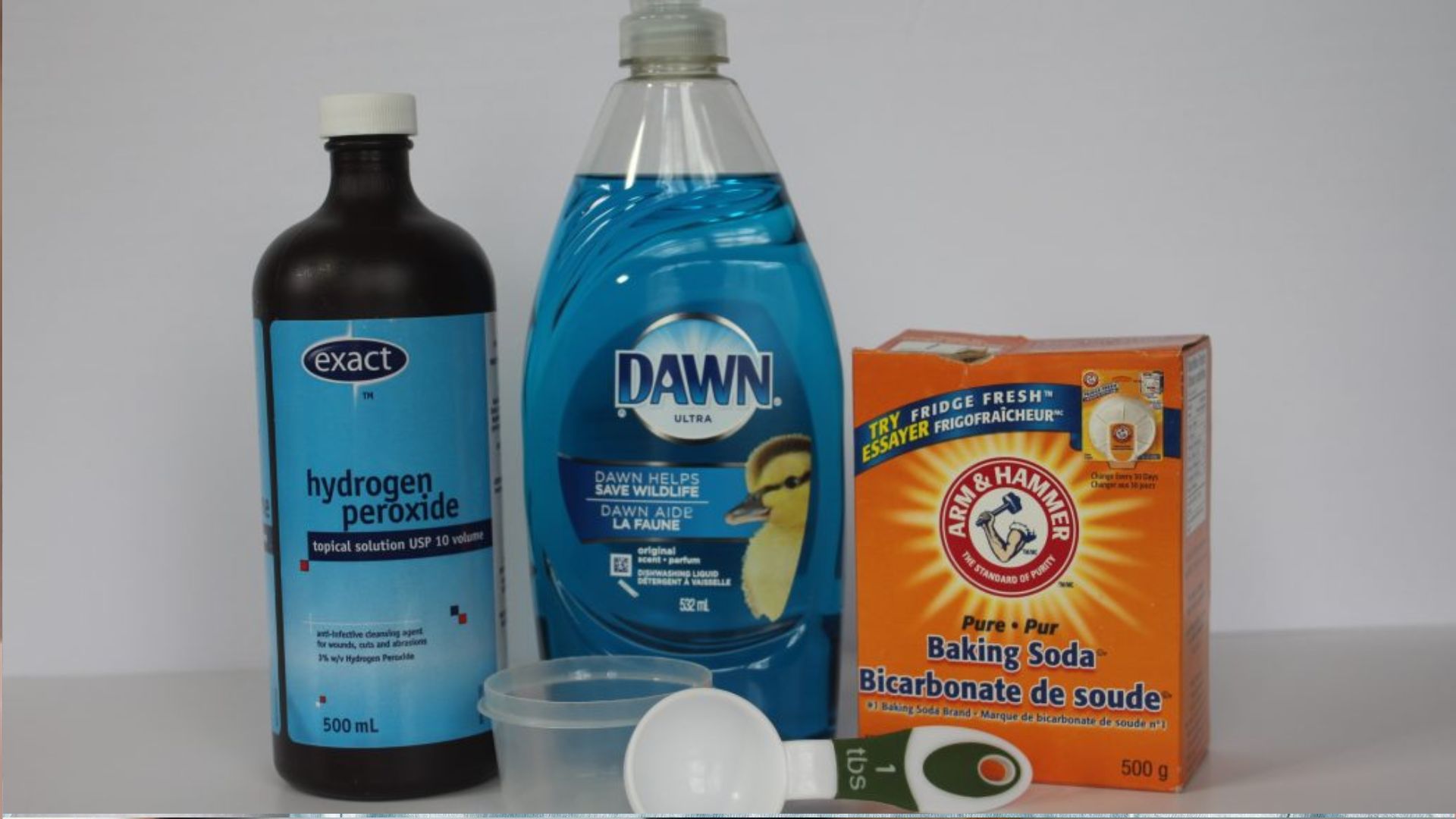
Different stains call for different products, so matching your method to the stain type makes all the difference.
Grease stains:Sprinkle baking soda or cornstarch on the stain and let it sit for 15 minutes to pull oil out of the fibers. Brush it off, then apply a degreaser spray or dish soap directly. Gently scrub, rinse with cool water, and wash as usual.
Coffee, tea, and wine stains: Rinse immediately with cold water. For wine, sprinkle salt on the wet stain first to absorb the liquid. Then mix equal parts white vinegar and liquid dish soap with cold water, apply to the stain, and blot repeatedly. Rinse and wash on a gentle cycle.
Ink stains: Place a clean cloth under the stained area. Apply rubbing alcohol to another cloth and blot the ink stain without rubbing. Keep blotting until the ink lifts, then rinse with cold water and wash normally.
Blood stains: Always use cold water since hot water sets the stain into the fibers. Rinse well, then soak the garment in cold water with a tablespoon of salt or an enzyme-based stain remover for 30 minutes. For light-colored polyester, hydrogen peroxide can also help. Launder in cold water as usual.
Makeup and sunscreen stains: These are usually oil-based, so start with a degreaser spray, dish soap, or a makeup-remover wipe. Let it sit for five minutes, rinse with cool water, and wash normally. Baking soda paste works well on sunscreen stains too.
Washing Polyester After Stain Removal
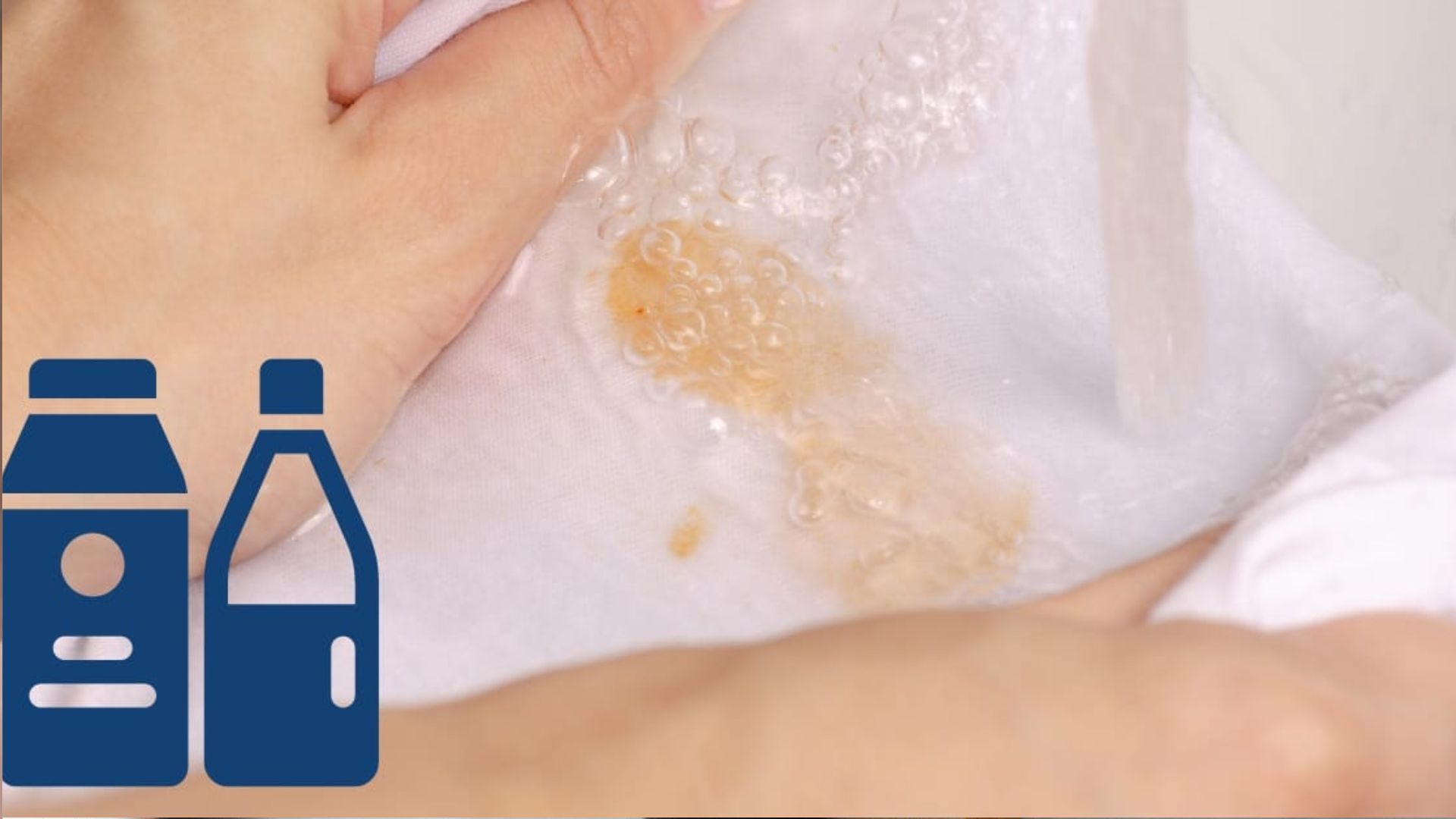
Getting the wash right after stain treatment is just as important as the treatment itself.
Best Washing Machine Settings
Set your machine to a gentle or permanent press cycle. Use cold or warm water. Avoid hot water cycles.
High-speed spin cycles can cause fabric pilling, so choose a lower spin if your machine allows it. Place the item in a mesh laundry bag to reduce friction and protect the surface of the fabric.
Choosing the Right Detergent
Use a liquid laundry detergent rather than powder. Liquid detergents dissolve better in cooler water and rinse out more completely.
Look for formulas made for colors or synthetic fabrics. Avoid fabric softeners, which can coat polyester fibers and reduce the stain-removing effect.
Air Drying vs Machine Drying After Stain Treatment
Air drying is the safest option after treating a stain. Hang the garment or lay it flat. If you use a dryer, choose a low heat setting.
High heat is the biggest risk for polyester because it can warp fibers, set stains, and damage the fabric's shape over time.
How to Remove Old or Set-In Stains from Polyester
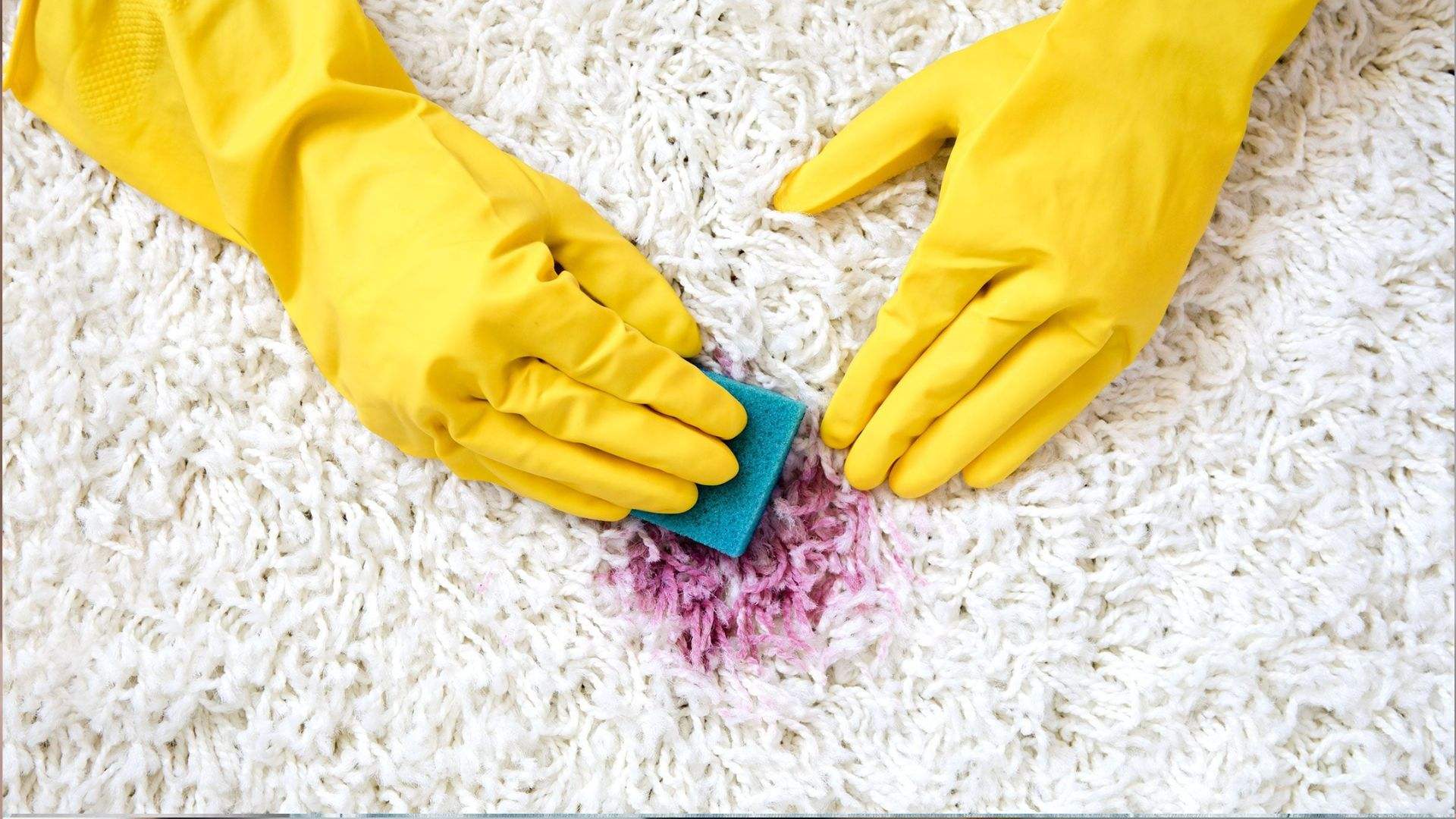
Old stains are harder to lift, but they are not always permanent if you use the right approach. Start by soaking the garment in warm water mixed with liquid laundry detergent for 30 to 60 minutes to revive and loosen dried stains.
After soaking, apply an enzyme cleaner directly to the stain and let it sit for another 15 to 30 minutes before washing. For yellowed or dingy polyester, oxygen bleach like OxiClean is a safe option.
Mix according to the package instructions, soak the stained area for a few hours, then wash as usual. Always confirm colorfastness before soaking a colored item.
Keep in mind that some stains may not come out fully, especially if they were heat-set in a dryer. Rust stains, strong dyes, and very old grease stains can be permanent. At that point, fabric-safe dye, a patch, or creative styling may be your best option.
Polyester Care Tips to Prevent Future Stains

A few simple habits can keep your polyester looking clean and fresh for much longer.
Washing Polyester the Right Way
Always read the care label before washing. Wash polyester inside out to protect the surface. Use a mesh laundry bag to reduce friction.
Cold or warm water with a gentle or permanent press cycle keeps polyester in good shape for longer. Use liquid laundry detergent for the best results with synthetic fabrics.
Treating Spills Immediately
The faster you act, the better your results will be. Blot spills right away. Carry a small stain remover pen or wipe when traveling. Quick action stops stains from bonding to the synthetic fibers.
Separating Clothes to Avoid Stain Transfer
Wash polyester separately from items that bleed color, especially dark denim or new bright fabrics.
Color transfer can create stains that are very hard to remove from white or light-colored polyester. Also check the colorfastness of any new items before washing them together.
Proper Storage for Polyester Garments
Store polyester items clean and dry. Never put away a garment with a stain on it. Over time, even a small stain can oxidize and become much harder to remove.
Hang or fold polyester neatly in a cool, dry place.
Common Stain Removal Mistakes to Avoid
These are the habits that turn a small stain into a permanent one so it's worth knowing them before you start.
- Rubbing a stain instead of blotting is the most common mistake. It spreads the stain and pushes it deeper into the fibers. Using hot water too early is another big one. Heat sets stains before you have a chance to fully remove them.
- Skipping the pre-treatment step often leads to failed washes. Do not just throw a stained item directly into the machine and expect results. Also, avoid using chlorine bleach on polyester.
- It weakens the fibers and can cause discoloration on both solid and blended polyester fabrics. And never dry a garment until you are sure the stain is completely gone. Finally, always check the care label before picking a wash temperature or product.
Expert Tips for Keeping Polyester Looking New
A few simple habits go a long way in keeping your polyester clothes looking fresh wash after wash.
- Turn your polyester garments inside out before every wash. This reduces pilling and surface wear. Wash similar fabrics together and avoid overloading the machine. Less friction means less damage over time.
- Use the lowest dryer setting possible, or better yet, skip the dryer. A short cool tumble followed by air drying gives you the best of both. Store clothes in a breathable garment bag if you are keeping them long-term.
- For white polyester, an occasional soak in oxygen bleach keeps it bright without damaging the fibers. For colored items, confirm colorfastness and wash in cold water.
- Keep clothes out of direct sunlight during drying to help colors stay vibrant. For blended polyester garments with silk or wool, always follow the more delicate fabric's care requirements.
- Turn your polyester garments inside out before every wash. This reduces pilling and surface wear. Wash similar fabrics together and avoid overloading the machine. Less friction means less damage over time.
- Use the lowest dryer setting possible, or better yet, skip the dryer. A short cool tumble followed by air drying gives you the best of both. Store clothes in a breathable garment bag if you are keeping them long-term.
- For white polyester, an occasional soak in oxygen bleach keeps it bright without damaging the fibers. For colored items, confirm colorfastness and wash in cold water.
- Keep clothes out of direct sunlight during drying to help colors stay vibrant. For blended polyester garments with silk or wool, always follow the more delicate fabric's care requirements.
Conclusion
Knowing how to remove stains from polyester can save your favorite clothes from looking worn or ruined. Act fast, blot correctly, use the right products, and always skip the dryer until the stain is fully gone.
Whether it is grease, ink, coffee, or grass, there is a solution that works when you know your stain type and your fabric. Apply what you learned here the next time a spill happens.
If this guide helped you out, share it with someone who could use it or leave a comment below. Taking care of your clothes does not have to be stressful.
Frequently Asked Questions
Can I use a washing machine for all polyester stain removals?
Yes, but always pre-treat the stain first. Tossing polyester straight into the machine without pre-treatment rarely removes stains completely.
Does dry cleaning work better than home treatment for polyester stains?
Not always. Most polyester stains respond well to home treatment. Dry cleaning is worth considering only for delicate blended polyester garments.
Can I use a steam cleaner on stained polyester?
Avoid it. Steam uses heat, which can set the stain deeper into polyester fibers before the stain is fully removed.
Is it safe to soak polyester overnight to remove stains?
Soaking longer than a few hours is not recommended. Extended soaking can weaken polyester fibers and cause colors to fade unevenly.
Will stain remover sprays damage polyester prints or embroidery?
They can. Always spray around printed or embroidered areas and test on a hidden spot first to avoid fading or fiber damage.