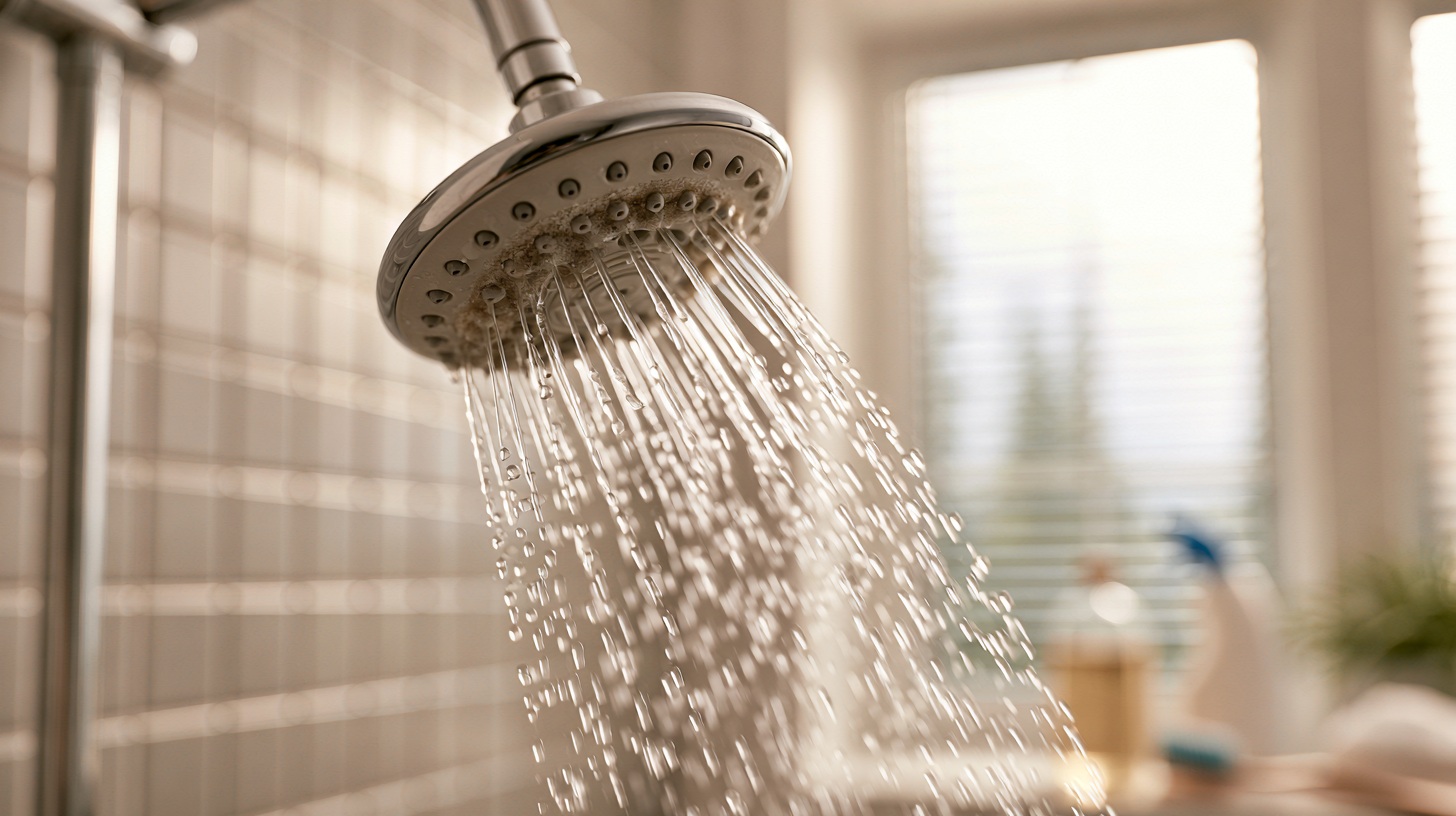
Clogged shower heads are annoying. One day your water pressure is strong. The next day it's weak and spraying in odd directions.
This guide will show you exactly how to fix that. You'll learn what causes the buildup, what you need to clean it, and step by step ways to get your shower head working like new again. I'll also cover methods for shower heads you can remove and ones you can't.
I've cleaned more shower heads than I can count in my own homes over the years, so I know what actually works and what just wastes your time. Let's get your water flowing right again.
Why You Should Clean Your Shower Head

A dirty shower head slows down your water pressure and can even affect your health.
Hard water leaves mineral deposits behind. These deposits build up inside the small holes of your shower head over time.
This buildup blocks water flow. It can also cause uneven spray patterns or water shooting off to the side.
A dirty shower head can also collect bacteria, mold, and biofilm in damp spots. Cleaning it regularly keeps your water pressure strong and your shower head lasting longer.
What You'll Need Before You Start
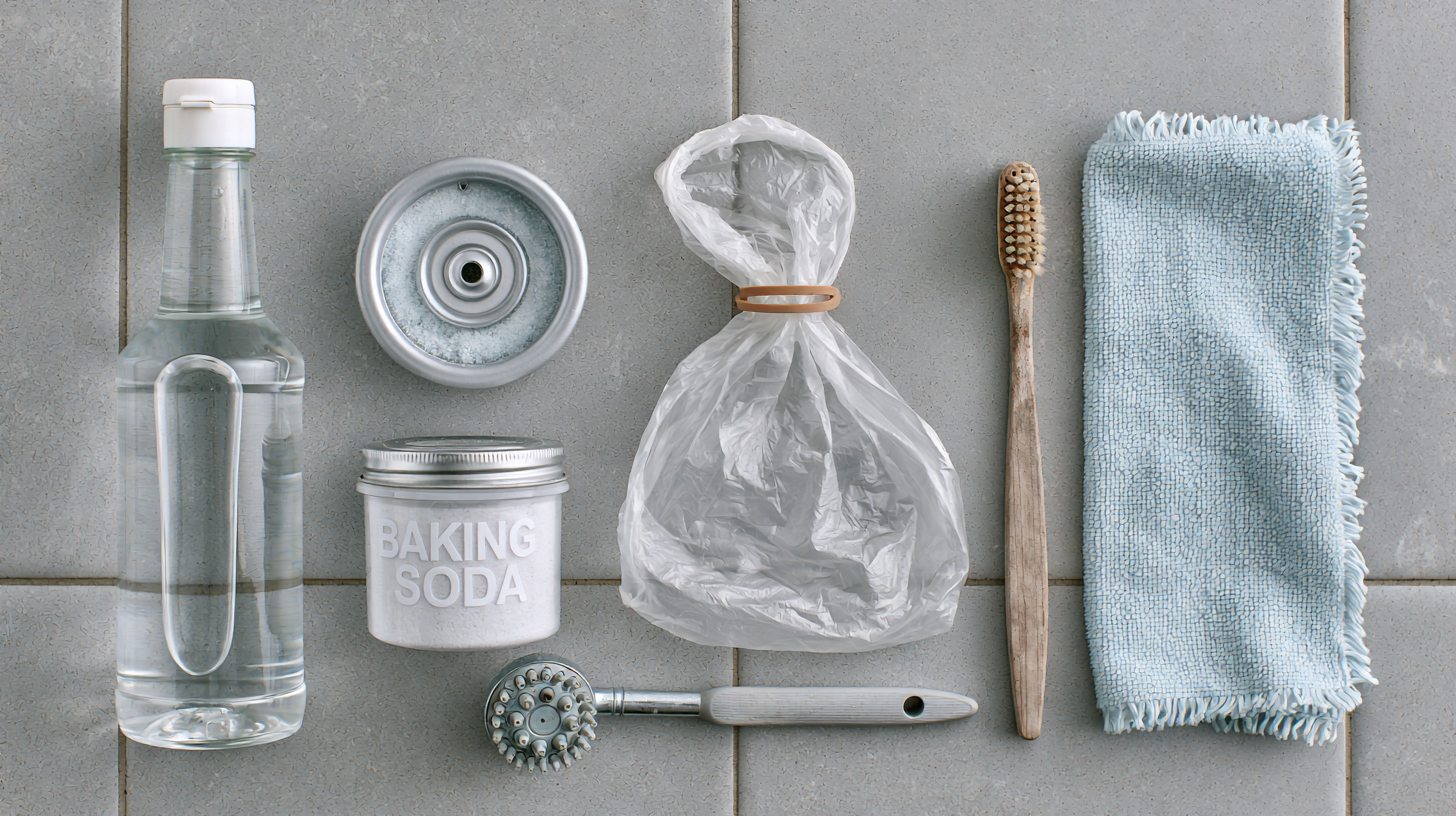
A quick supply check now saves you extra trips later.
Cleaning Supplies You'll Need
Before you start scrubbing, gather everything in one spot. This makes the whole process faster and easier. You likely already have most of these items at home. Here's your full list.
- White vinegar
- Baking soda
- A plastic bag or small container
- A rubber band or twist tie
- An old toothbrush
- A soft cloth
If you don't want to use vinegar, citric acid or plain lemon juice works too. Both break down mineral deposits in a gentler way.
Some people also reach for CLR (Calcium, Lime & Rust Remover) on stubborn buildup, though it needs a much shorter soak time than vinegar.
Is It Safe to Use Vinegar and Baking Soda on All Shower Heads?
Vinegar works well on most metal and plastic shower heads. But some finishes need extra care.
If you have a brass, nickel, gold, or oil-rubbed bronze finish, don't soak it for too long. Vinegar can wear down these finishes if left on too long.
Stick to 30 minutes to an hour for these types. When in doubt, test on a small spot first.
How to Clean Shower Head With Vinegar and Baking Soda
Here's the full process broken down into simple steps.
Step 1: Prepare the Vinegar and Baking Soda Solution
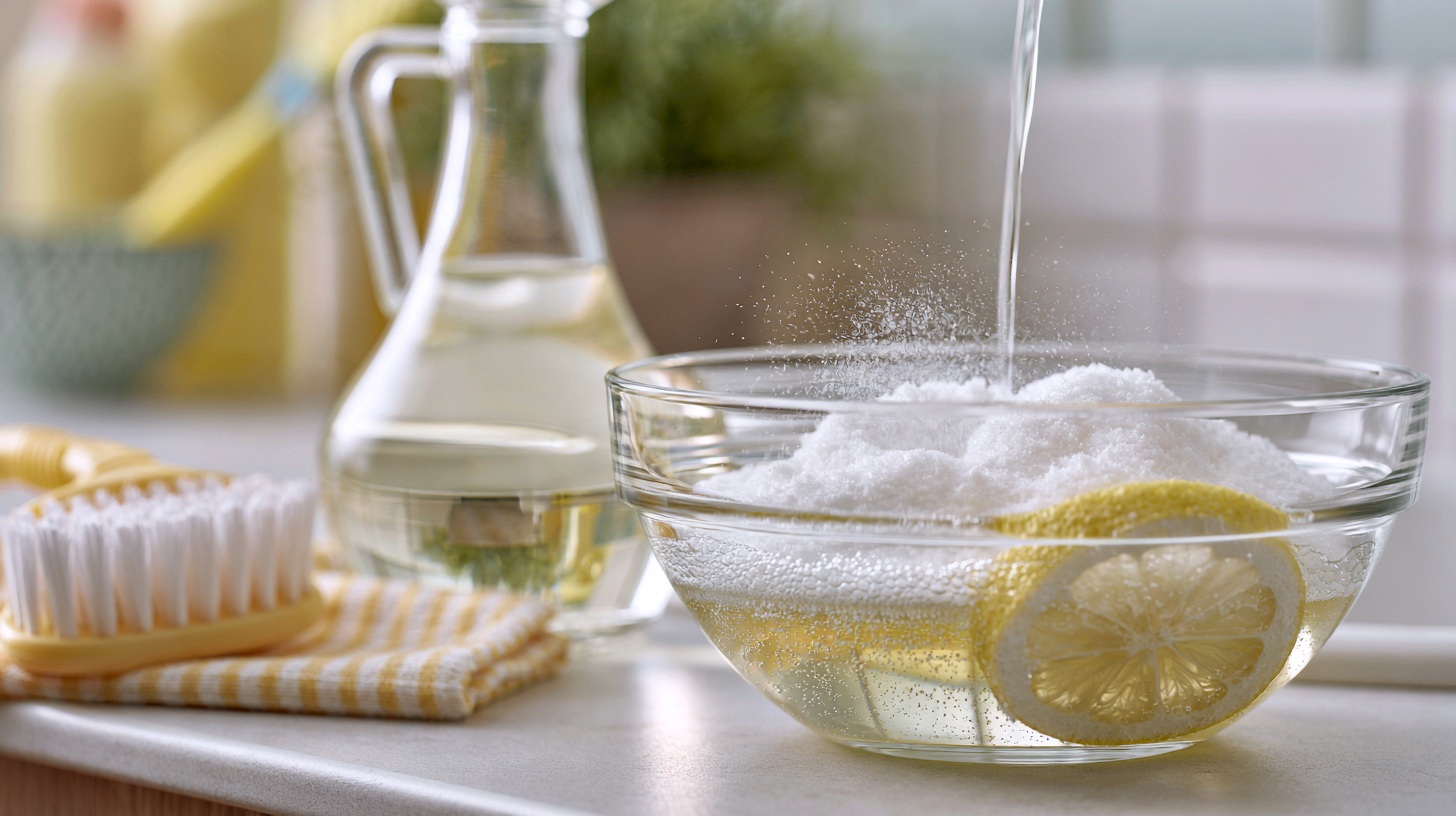
Mix one cup of white vinegar with two tablespoons of baking soda in a bowl. It will fizz a bit. That's normal.
Let it settle for a minute before you use it. Stir gently once the fizzing slows down so the mix stays even.
Step 2: Soak the Shower Head

Pour the mixture into a plastic bag. Wrap the bag around your shower head so the nozzle openings sit inside the liquid.
Secure it with a rubber band so no liquid leaks out. Let it soak for one hour. For heavy buildup, leave it overnight.
Step 3: Scrub Away Mineral Buildup

Remove the bag once the soak time is done. Use an old toothbrush to scrub each nozzle hole one by one.
This loosens any leftover mineral deposits stuck inside. Go slow around the edges so you don't miss any clogged spots.
Step 4: Rinse and Test the Water Flow
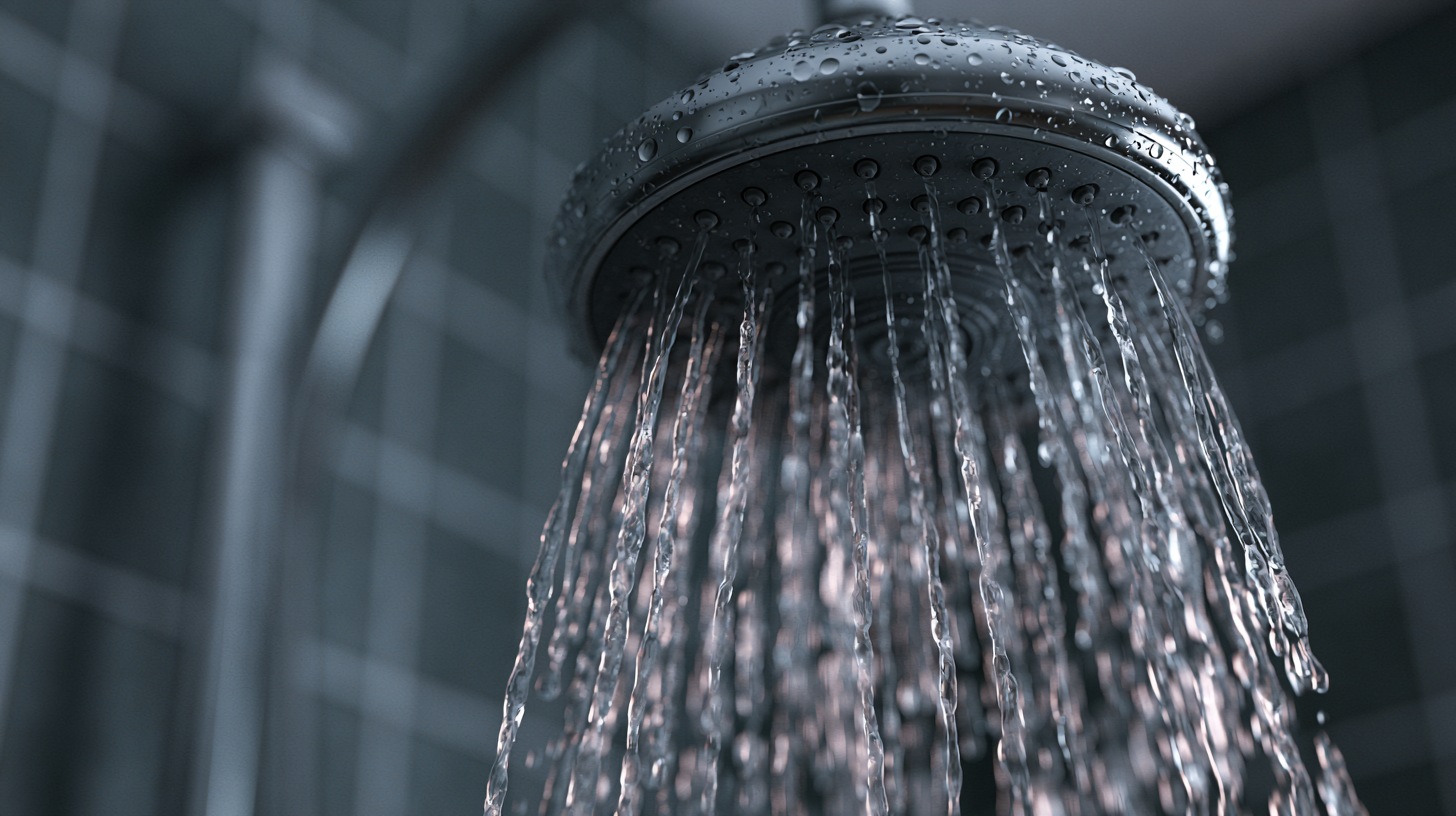
Rinse the shower head with warm water to clear out any loose debris. Turn on the shower and check the spray pattern.
Watch how the water comes out of each nozzle. If it still looks weak, repeat the soak for another hour.
How to Clean a Shower Head Without Removing It
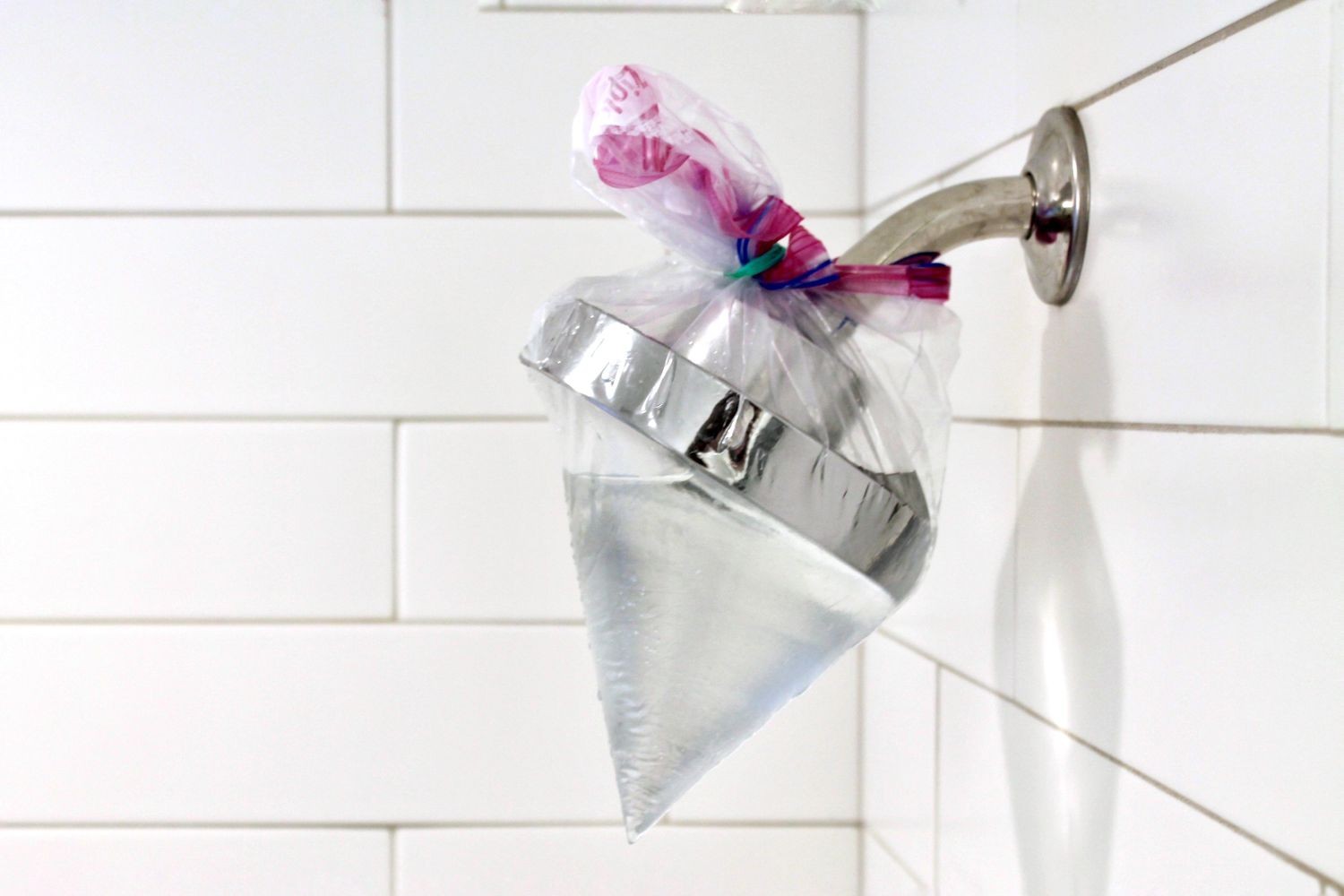
Not every shower head comes off easily, and that's okay. This method works for both fixed and handheld shower heads.
Use the Bag-and-Soak Method
Fill a plastic bag with the vinegar and baking soda mix. Tie it around the shower head with a rubber band.
Make sure the nozzles are fully covered by the liquid. Let it hang in place for at least an hour before moving on.
Rinse and Clear the Spray Nozzles
After soaking, untie the bag and run hot water through the shower head for a minute. This flushes out any loosened buildup.
Use a toothbrush on any nozzles that still look clogged. Give it one more rinse once you're done scrubbing.
How to Clean a Removable Shower Head

If your shower head unscrews, this method gives you a deeper clean.
Remove and Soak the Shower Head
Unscrew the shower head by hand or with a wrench wrapped in a cloth to avoid scratches. Set any small parts aside so you don't lose them.
Submerge it fully in a bowl of the vinegar and baking soda solution for one hour. Make sure every nozzle sits under the liquid.
Scrub, Rinse, and Reinstall
Scrub each nozzle with your toothbrush after the soak. Rinse well under running water until no vinegar smell remains.
Screw the shower head back on by hand first. Test the water flow before you hop in the shower.
How Often Should You Clean Your Shower Head?

Your cleaning schedule depends mostly on your water type.
This depends on your water type. If you have hard water, clean it every 4 to 6 weeks. Soft water areas can go longer, closer to every 2 to 3 months.
Keep an eye on your water pressure. Once it starts to weaken, that's your sign it's time to clean again.
Tips for the Best Cleaning Results
Small cleaning habits and the right techniques can help remove buildup faster and keep your shower head working properly for longer.
- A few small habits make a big difference over time.
- Clean your shower head every 4 to 6 weeks if you have hard water
- Use warm vinegar instead of cold for faster results
- Wipe down the shower head after each use to slow down buildup
- Keep a small brush near the shower for quick touch ups
- Check your water softener if buildup keeps coming back fast
- Try citric acid or lemon juice if you want a gentler option than vinegar
Small Habits That Keep Buildup Away for Good
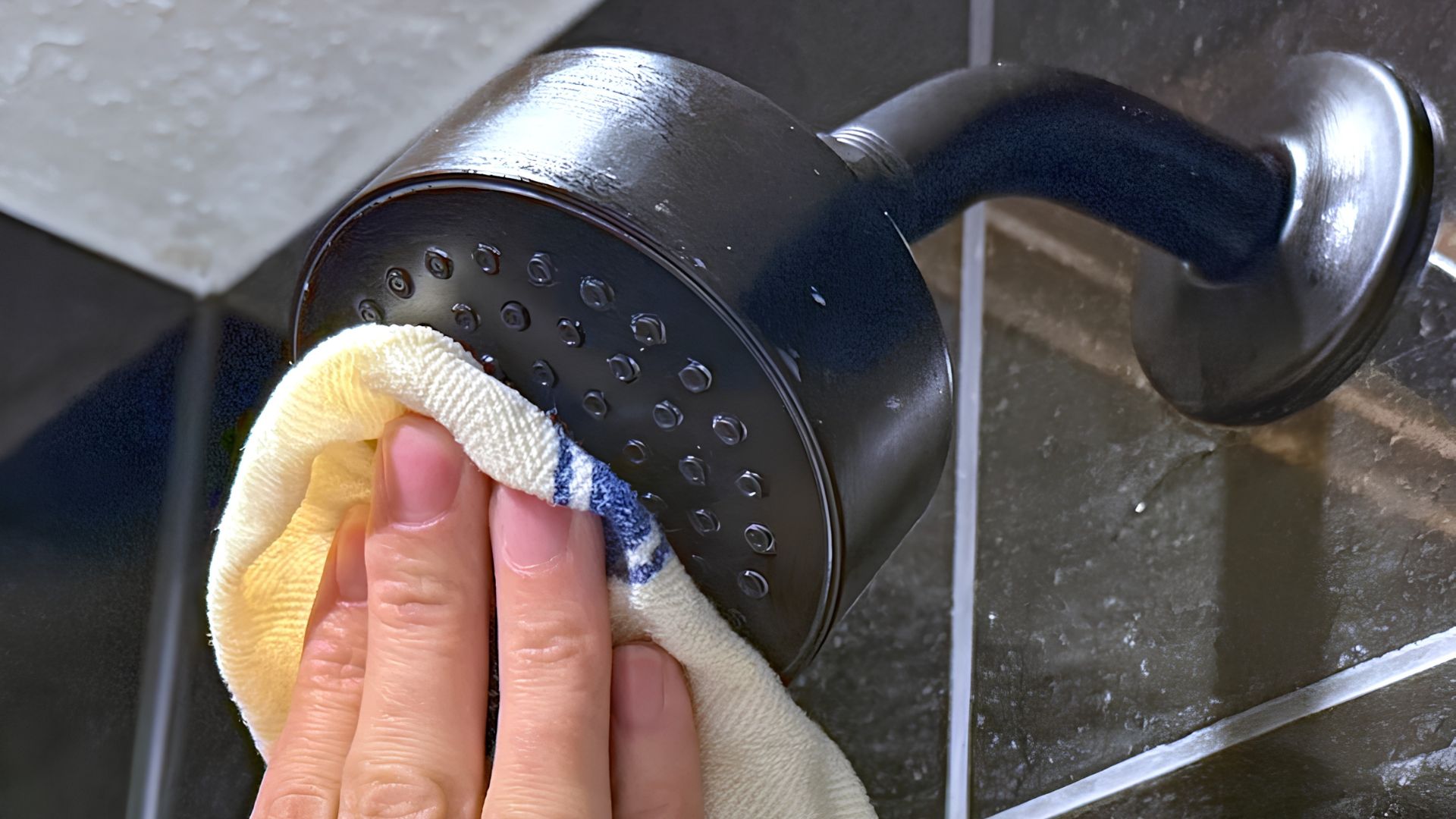
Cleaning your shower head once is good, but building a routine around it makes a bigger difference.
Most people forget about their shower head until the water pressure gets bad again.
A quick wipe down once a week takes only a few seconds and stops mineral deposits from settling in the first place.
If you live in a hard water area, think of this as part of your regular home care, right along with cleaning your coffee maker or kettle.
Small steps like this mean you won't need a deep clean nearly as often.
Common Mistakes to Avoid
- A few missteps can slow down your progress or damage your fixture.
- Soaking metal finishes in vinegar for too long
- Using a wire brush that can scratch the nozzles
- Skipping the rinse step, which leaves a vinegar smell behind
- Ignoring the connection point and filter, where grime often hides
Conclusion
You made it to the end, and now you have everything you need to fix that weak, clogged shower head. I still remember the first time I tried this trick.
I was shocked at how much stronger my water pressure felt afterward.
Give it a try this weekend. Your future showers will thank you. If this helped you out, drop a comment below and let me know how it went.
Feel free to share this with anyone dealing with the same clogged shower head problem.
Frequently Asked Questions
Can I use apple cider vinegar instead of white vinegar?
Yes, apple cider vinegar works the same way. White vinegar is just cheaper and has no color that could stain your fixture.
How long should I let the shower head soak?
One hour works for most buildup. For heavy clogs, let it soak overnight for a deeper clean.
Will vinegar damage my shower head finish?
Plastic and stainless steel are usually safe. Brass and bronze finishes need shorter soak times to avoid damage.
Can I use this method on a handheld shower head?
Yes, the same bag-and-soak method works well on handheld shower heads. Just make sure the nozzles are fully covered.
What if my shower head is still clogged after cleaning?
Try soaking it longer or repeat the process a second time. Stubborn mineral buildup sometimes needs more than one round. If it's still weak, check the filter or mesh screen at the connection point too.
Is CLR better than vinegar for cleaning a shower head?
CLR works faster on tough buildup, but it needs a much shorter soak time and isn't safe for every finish. Vinegar is slower but gentler and works on most shower heads.