
No studs where you need them? I’ve been there, staring at a blank wall wondering how to make it work.
The good news is you don’t need studs to hang wall cabinets safely.
In this blog, I’ll cover how to read your wall, the right tools to use, and a clear step-by-step method that actually holds.
I’ll also share load safety tips and common mistakes to skip.
By the end, you’ll know exactly how to hang wall cabinets without studs and feel confident doing it.
Understanding Your Wall Before Installation
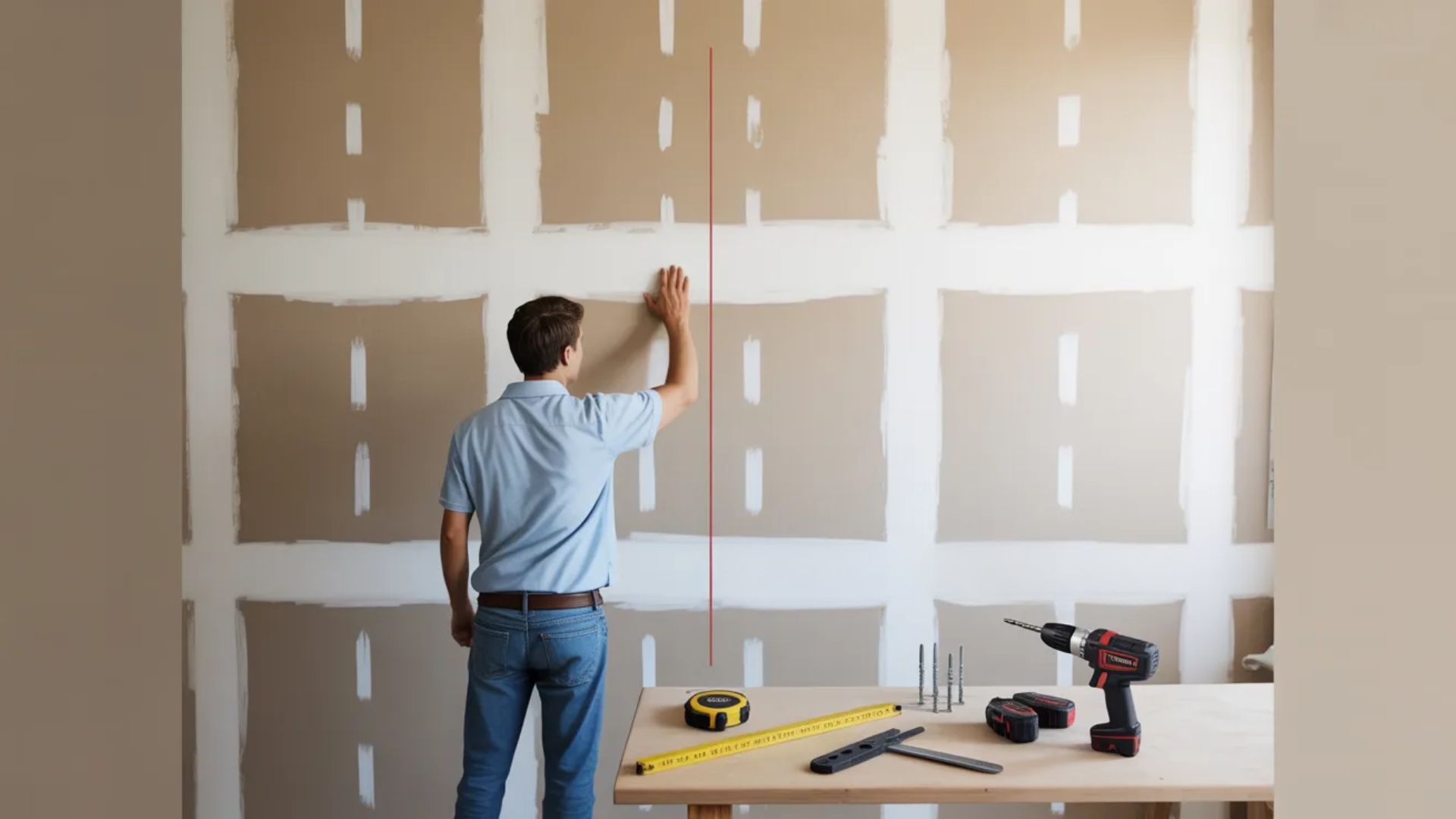
Before you drill a single hole, you need to know what your wall is made of. Most walls in homes are drywall over a wooden or metal frame.
When there is no stud where you need it, the drywall alone cannot hold a heavy cabinet. That is where wall anchors come in.
Different walls need different anchors. Hollow drywall needs toggle bolts. Plaster walls need a stronger grip.
Tap the wall lightly and listen. A hollow sound means no stud behind it. Knowing your wall type before you start saves time and prevents damage later.
Basic Tools and Materials
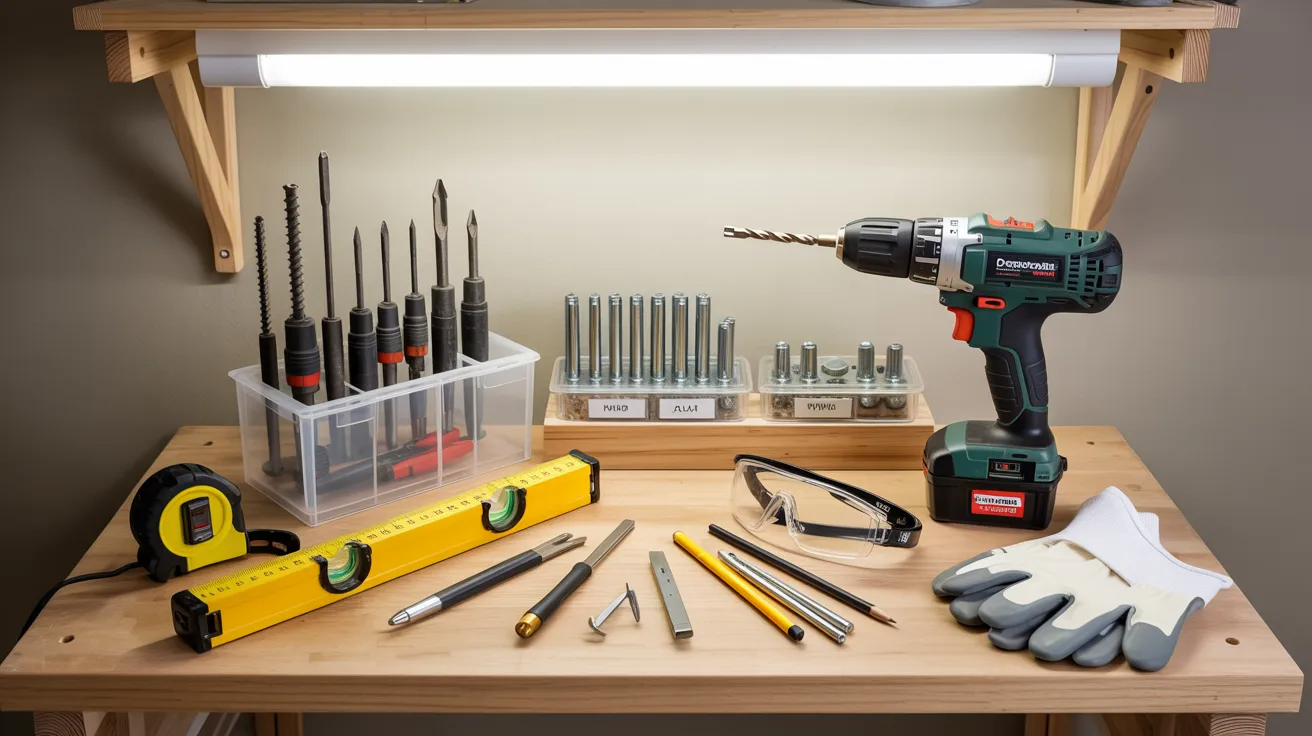
Getting the right tools ready before you start makes the whole process go smoothly.You will need.
- Drill and drill bits: For making clean, accurate pilot holes in the drywall
- Level and measuring tape: To make sure your cabinet sits straight and even on the wall
- Pencil for marking: To mark anchor points clearly before you drill
- Safety glasses: Protect your eyes from dust and debris while drilling
- Gloves: Keep your hands safe when handling sharp anchors and hardware
- Dust mask: Block out drywall dust so you are not breathing it in while you work
Having everything in one place before you start means no stopping halfway through.
Step-by-Step Method to Hang Wall Cabinets Without Studs
Follow these four steps in order and your cabinet will be level, secure, and ready to use.
Step 1: Measure and Mark the Layout
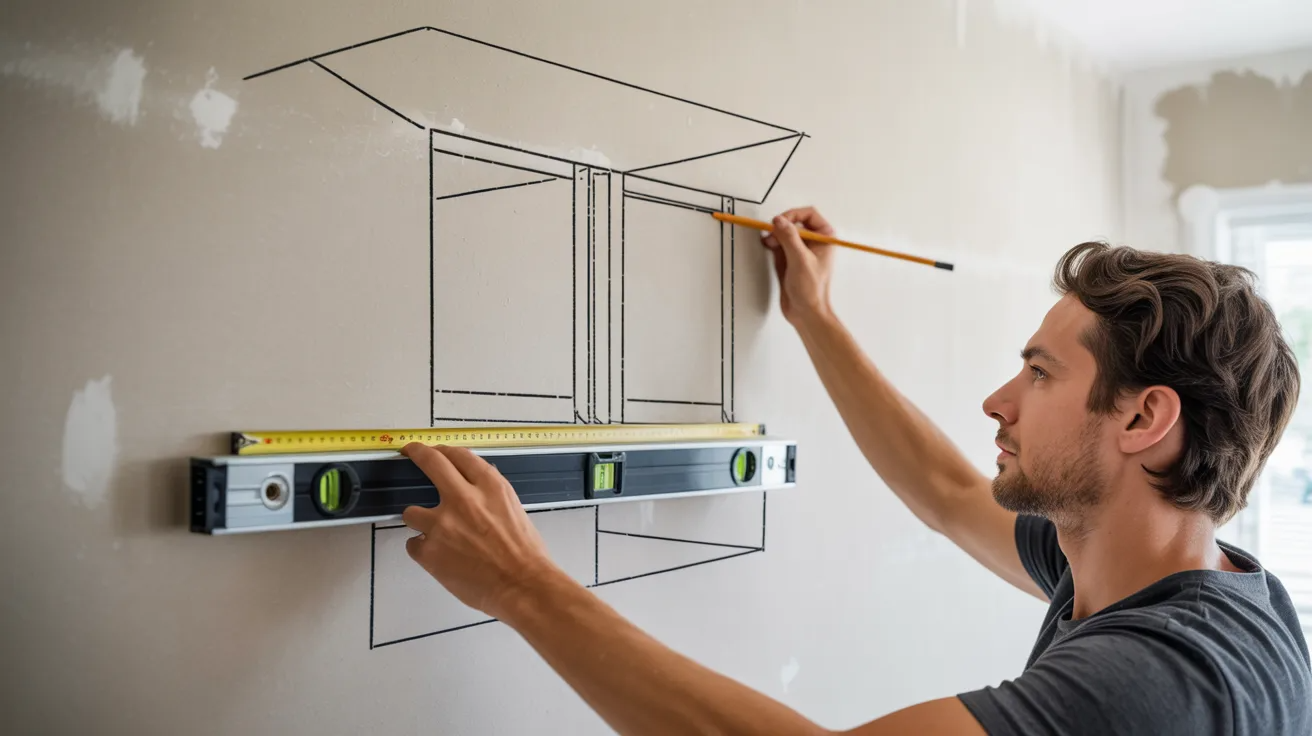
Hold the cabinet up against the wall where you want it to sit. Use a pencil to mark exactly where each anchor point will go.
Then step back and double-check your marks with a level. Getting this step right matters more than any other. A small error here shows up as a crooked cabinet later.
Take your time marking and measuring before you do anything else. Once the layout looks right, you are ready to drill.
Step 2: Drill Pilot Holes
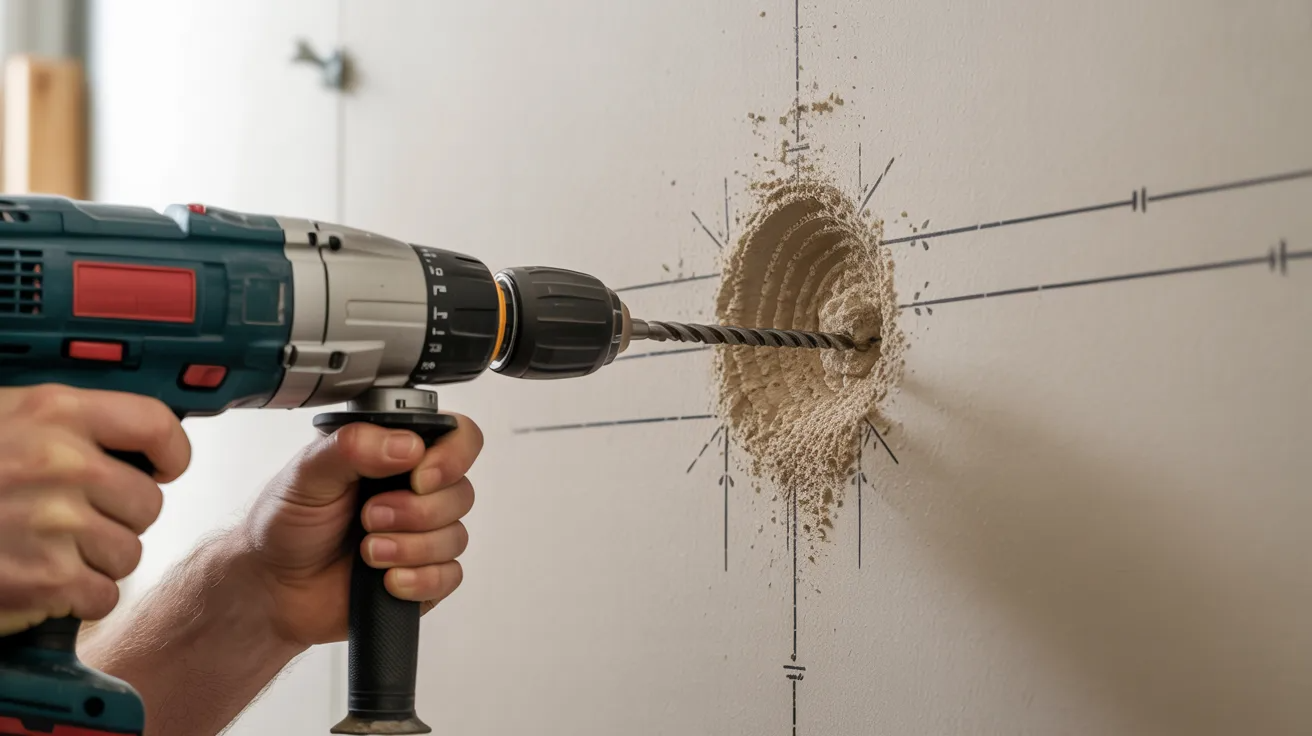
Pick a drill bit that matches the size of your wall anchor. Too small and the anchor won’t fit. Too large and it won’t grip.
Hold the drill straight and go in slowly at each marked point. Do not angle the drill while pressing in.
Once the holes are done, clear away the drywall dust with a dry cloth or a quick blow. Clean holes give anchors a better grip and make the next step much easier to do right.
Step 3: Install Wall Anchors
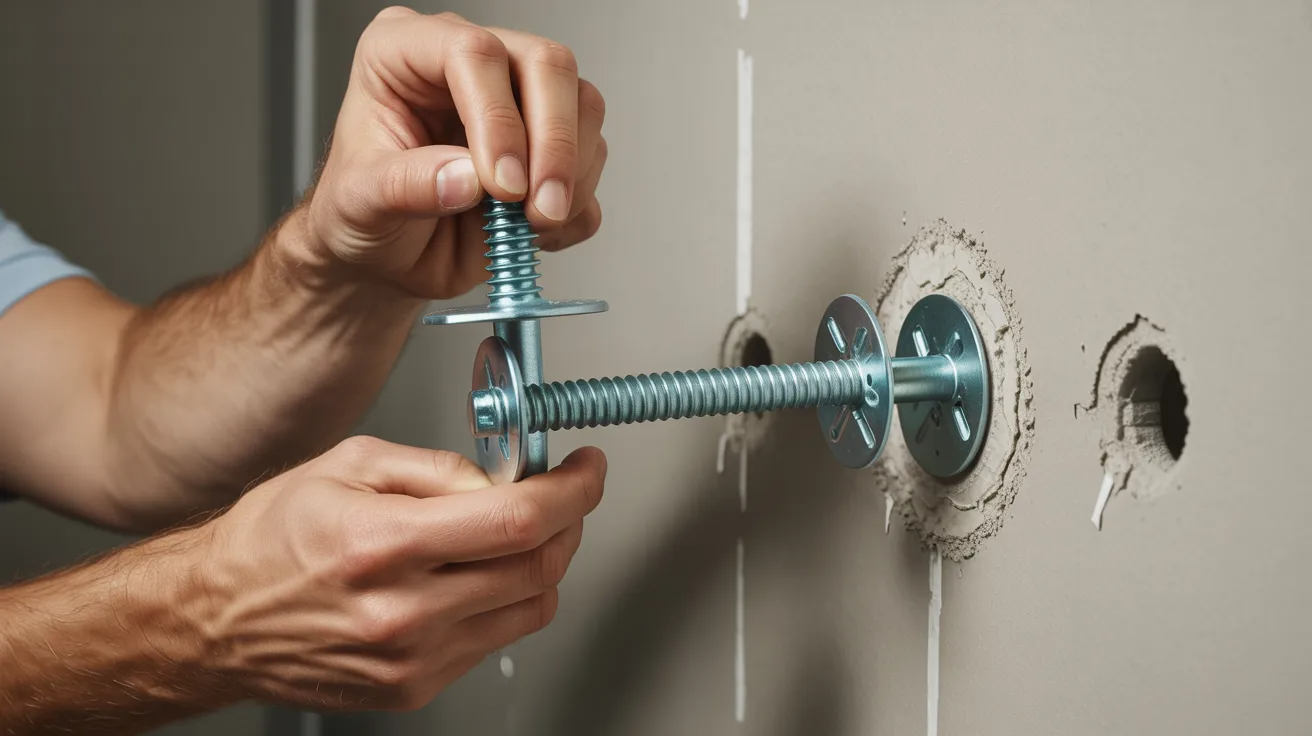
Push your toggle bolts or molly bolts into each pilot hole. Toggle bolts spread open behind the drywall as you tighten them, which is what gives them their holding strength.
Press each anchor in firmly and make sure it sits flush with the wall surface. Give each one a light tug before moving on.
If it moves, it is not set properly. A well-seated anchor is what holds your cabinet in place long-term, so do not rush this step.
Step 4: Mount the Cabinet
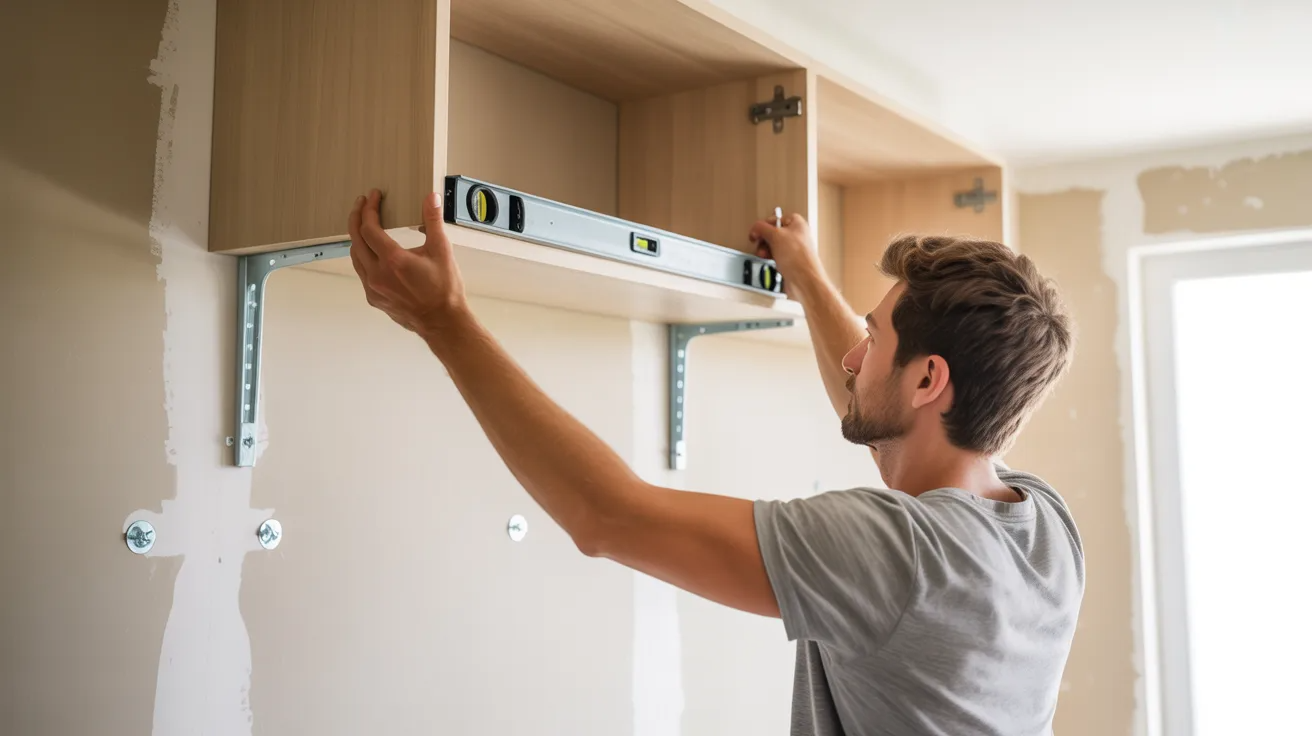
Lift the cabinet and line up its mounting holes with the anchors on the wall. Start each screw by hand so nothing shifts out of place.
Then tighten gradually, going from one screw to the next instead of fully tightening one at a time. Keep your level nearby and check as you go.
Even gradual tightening keeps the cabinet sitting straight. Once all screws are in, give the cabinet a firm push from different angles to confirm it feels solid and is not pulling away from the wall.
Load Safety and Strength Tips
Mounting the cabinet is only half the job. Loading it safely is just as important.
- Match your anchors to the cabinet weight before buying anything. Check the anchor rating on the packaging and stay within it.
- Use multiple anchors per cabinet so the weight is not sitting on just one or two points
- Spread the load evenly by placing heavier items at the bottom of the cabinet and lighter ones on top
- Test stability before loading by pressing firmly on the cabinet from the front, sides, and bottom to check for any movement
- Check for sagging or shifting after the first week of use, especially if the cabinet holds heavier items
Getting the load balance right from the start keeps everything safe and secure long after the install is done.
Conclusion
I hung my first wall cabinet without studs, feeling nervous the whole time. Once I had the right anchors and followed each step, it held perfectly and still does today.
You do not need a stud behind every spot. You just need the right method.
Try it out in your own space. Drop a comment below and let me know how your install turned out!
Frequently Asked Questions
Can wall cabinets really be hung safely without studs?
Yes, as long as you use the right type and rating of wall anchors for the cabinet’s weight.
What is the best anchor type for hanging cabinets in drywall?
Toggle bolts are the strongest option for drywall and hold the most weight per anchor point.
How much weight can drywall anchors hold for cabinets?
Most heavy-duty toggle bolts hold between 50 to 100 pounds each, depending on the brand and size.
How many anchors do I need per cabinet?
Use at least four anchors per cabinet to spread the weight and keep the mount stable over time.
What happens if I use the wrong anchor for my wall type?
The anchor can pull out under load, causing the cabinet to fall and leaving damage on your wall.