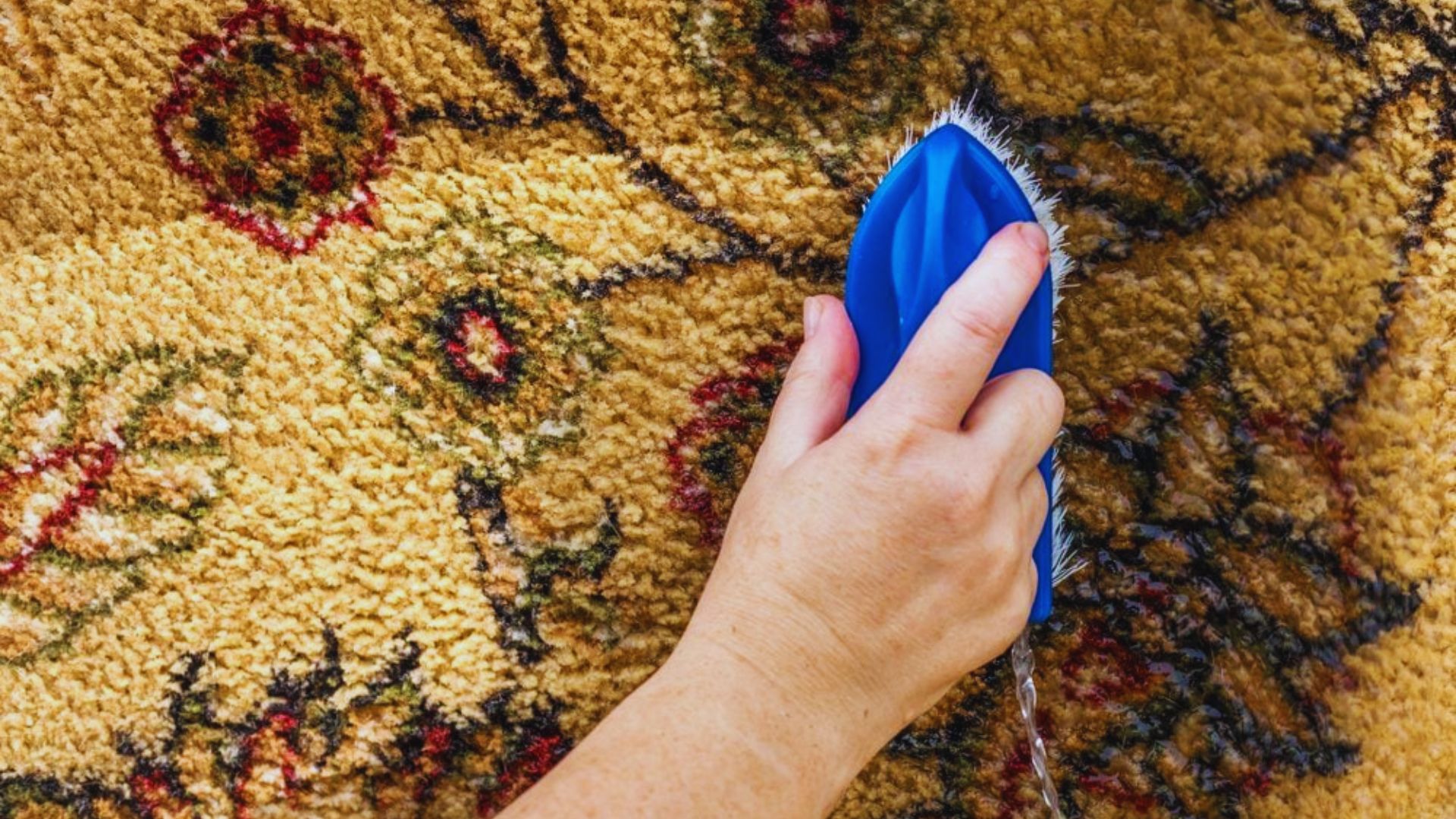

Ever pull a blanket off the couch and get zapped, or watch it cling to everything nearby like it has a mind of its own?
Static electricity turns a cozy blanket into an annoying one fast, especially during dry winter months.
The good news is you don't need anything fancy to fix it. A few household items and small laundry changes can calm static down in minutes and keep it from coming back.
This guide walks you through quick fixes, better washing and drying habits, and simple ways to prevent static before it starts.
Why Do Blankets Become Static?
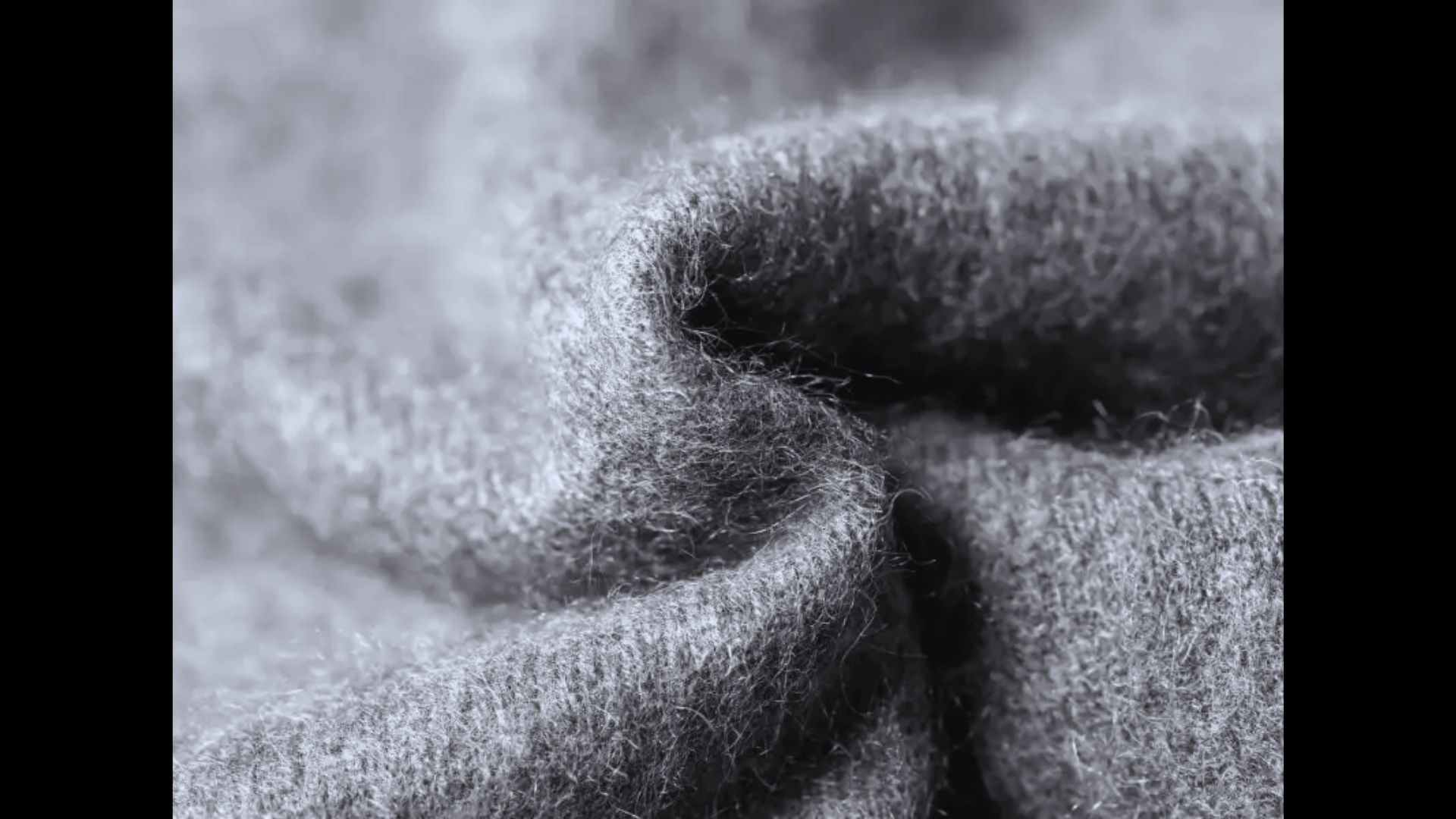
Static builds up when fabric fibers rub against each other and exchange electrons. Friction from movement, dry air, and heat from the dryer all speed this process up.
Dry winter air is a common trigger, since moisture in the air normally helps carry away that extra electric charge.
Without enough humidity, the charge has nowhere to go, so it stays on the fabric and causes that crackling, clingy feeling.
Fabric type plays a big role too. Fleece, microfiber, and polyester blankets are especially prone to static because synthetic fibers hold onto electrons more easily than natural ones.
Rayon and acetate blankets tend to cause the same problem. Cotton, wool, and linen blankets still build up some static, but usually far less than synthetic materials.
Remove Static Right Away
If your blanket is already crackling or clinging to you, a few quick fixes can calm it down in minutes.
Each one works a little differently, so picking the right method depends on how much time you have and what's on hand.
Lightly Mist the Blanket with Water

Fill a spray bottle with plain water and lightly mist the blanket from a few feet away. Moisture helps neutralize the static charge almost instantly.
A washcloth dampened with hot water and wiped over the surface works just as well if you'd rather not use a spray bottle.
This works best as a fast fix, but the effect only lasts until the blanket dries out again.
A light mist of hairspray can also cut static in a pinch, since it works in a similar way to a store-bought anti-static spray.
Wipe with a Dryer Sheet

Rub a used or fresh dryer sheet directly over the surface of the blanket.
Dryer sheets are coated with anti-static agents that reduce the electric charge on contact.
This method works well right before you plan to use the blanket, since the effect can last several hours.
Use a Metal Hanger

Run a metal wire hanger over the blanket's surface. Metal conducts electricity, so it helps pull the static charge away from the fabric.
Just make sure the hanger is bare wire and not coated in plastic, since the coating blocks the effect.
This is a good option if you don't have dryer sheets or spray on hand, though the results are usually shorter-lived than other methods.
Apply an Anti-Static Spray

Anti-static sprays, sold at most grocery or department stores, work similarly to a fine water mist but with added ingredients that keep static away longer.
This method is worth keeping on hand if you deal with static often, since one application can last through several hours of use.
It also helps to keep your own skin moisturized with lotion, since dry skin holds a charge too and can transfer it right back to the blanket.
Wash Blankets to Reduce Static

If static keeps coming back, the real fix usually starts in the wash. A few small changes to your laundry routine can cut down on static buildup before it even starts.
Fabric softener coats fibers with a thin layer that reduces friction between them.
Add it to your wash cycle as directed on the bottle, and you'll notice less static clinging once the blanket is dry.
You can also dilute a bit of liquid fabric softener with water in a spray bottle for a quick refresh on blankets or sheets between full washes.
A half cup of white vinegar added to the rinse cycle works as a natural fabric softener alternative, since it helps break down mineral buildup and residue on the fibers without leaving a scent or coating behind. It also helps to avoid overloading the washer.
Cramming too many items into one load increases friction between fabrics, which sets the stage for static once everything dries, so washing blankets with a bit of extra room in the drum helps limit this friction from the start.
Dry Blankets Properly
Drying habits matter just as much as washing habits when it comes to static. A few adjustments here can make a noticeable difference.
Don't Over-Dry the Blanket

Static tends to build up most when fabric loses all of its natural moisture.
Stopping the dryer as soon as the blanket is dry, rather than running a full extra cycle, helps keep static to a minimum.
Tossing in a damp towel for the last 20 minutes of the cycle adds a bit of moisture back into the drum and helps keep static from building up in the first place.
Add Wool Dryer Balls

Wool dryer balls bounce around the dryer and reduce fabric-on-fabric friction, which is one of the main causes of static.
Every time two layers of fabric rub together in a hot, dry dryer, they trade electrons back and forth, and that trade is what builds up the charge you feel later.
The balls work by physically getting between those layers as they tumble.
Instead of your blanket rubbing against itself or against a towel in the same load, it keeps bumping into a dryer ball instead.
Less fabric-on-fabric contact means less friction, and less friction means less static by the time the cycle ends.
They also help separate layers of fabric so heat and air circulate more evenly.
A blanket that gets bunched up in one corner of the dryer takes longer to dry and holds onto moisture unevenly, which can actually make static worse in spots.
Wool balls help keep the load loose and moving, so the blanket dries at a more even rate all the way through.
Remove the Blanket While Slightly Damp

Taking the blanket out a few minutes before the cycle ends, while it's still slightly damp, leaves just enough moisture in the fibers to prevent static from building up as it finishes air drying.
Static forms most aggressively in the final stretch of a dry cycle.
Once a fabric has lost almost all of its natural moisture.
There is nothing left to help carry away the electric charge building up between fibers, so that last bit of drying time is often when static gets worst.
Pulling the blanket out slightly early skips that stretch entirely.
The trick is timing it right. You want the blanket damp, not wet.
If it's still dripping or heavy with water, it needs more time in the dryer.If it feels just barely cool and slightly moist to the touch, that's the sweet spot.
Prevent Static from Coming Back

Fixing static once is helpful, but preventing it from returning saves you the hassle altogether, especially during dry winter months.
Running a humidifier in your bedroom or living space adds moisture back into the air, which naturally reduces static buildup on fabric throughout your home, not just on your blankets.
If you don't have a humidifier, a bowl of water left near a heat source or a few houseplants in the room can help raise humidity in a smaller way. Storing your blankets correctly matters too.
Keep them in a space that isn't overly dry, like a closet away from heating vents, and fold them loosely instead of packing them tightly to limit friction between the fibers while they're stored.
If static is a recurring problem no matter what you try, switching to a cotton, wool, or linen blanket can reduce it significantly compared to fleece or polyester options, since natural fibers hold onto less of an electric charge overall.
Common Mistakes to Avoid
A few habits make static worse without people realizing it. Watch out for these:
- Using high heat too long. Extended time on high heat strips too much moisture from the fabric, which increases static buildup.
- Skipping fabric softener or vinegar. Washing blankets with plain detergent alone leaves fibers more prone to friction and static.
- Storing blankets in very dry areas. Closets near heating vents or in low-humidity rooms encourage static to build up even before you use the blanket.
- Ignoring fabric type. Treating a polyester blanket the same as a cotton one often means using less effective prevention methods for that specific material.
Conclusion
Static on a blanket doesn't have to be a constant battle.
Once you know how to remove static from a blanket using a quick mist, a dryer sheet, or a metal hanger, you can calm things down in seconds whenever it happens.
Pair that with better washing and drying habits, and static becomes far less of a problem over time. Try one of these fixes tonight and see the difference for yourself.
If this guide helped, share it with someone who's tired of getting zapped, or drop a comment with the method that worked best for you.
Frequently Asked Questions
Is it safe to use anti-static methods on an electric blanket?
Avoid spraying liquids directly on electric blankets. Instead, use a dryer sheet wipe or a wire hanger, and never submerge the wiring in moisture.
Can aluminum foil balls replace wool dryer balls for reducing static?
Yes, a few balls of crumpled foil work similarly to wool dryer balls, helping separate fabric layers and reduce friction during the drying cycle.
Does walking on carpet make blanket static worse?
Yes, carpet fibers build up their own charge, and touching a blanket right after crossing carpet can transfer extra static onto the fabric.
Do fragrance-free detergents cause more static than scented ones?
Fragrance-free detergents sometimes lack the coating agents found in scented formulas, which can leave fibers slightly more prone to static buildup after washing.