
Sweat bees may be tiny, but they can quickly become a nuisance when you're spending time outside. These small bees are attracted to the salt and moisture in your sweat, which is why they often buzz around people during hot summer days.
The good news is that you do not have to stop enjoying your yard or patio because of them. This guide explains how to get rid of sweat bees using simple DIY methods, homemade repellents, and easy prevention tips.
We will also walk through how to make your outdoor space less inviting for sweat bees while protecting these helpful pollinators that play an important role in gardens and the environment.
What Are Sweat Bees and Why Are They Showing Up

Sweat bees are small bees, often with a shiny green or metallic look. Most of them live alone and dig nests in the ground, not in hives. You'll usually spot them on hot days, landing on your skin mid-yard work or backyard hangout.
They're not really after you. They're after your sweat. The salt and moisture in your perspiration draw them in fast.
A few things make your yard extra attractive to them. Bare or sandy soil gives them easy digging spots for nests. Sweet or floral perfumes and lotions can smell like flowers to them. And your own sweat is basically a dinner bell.
Natural Ways to Keep Sweat Bees Away
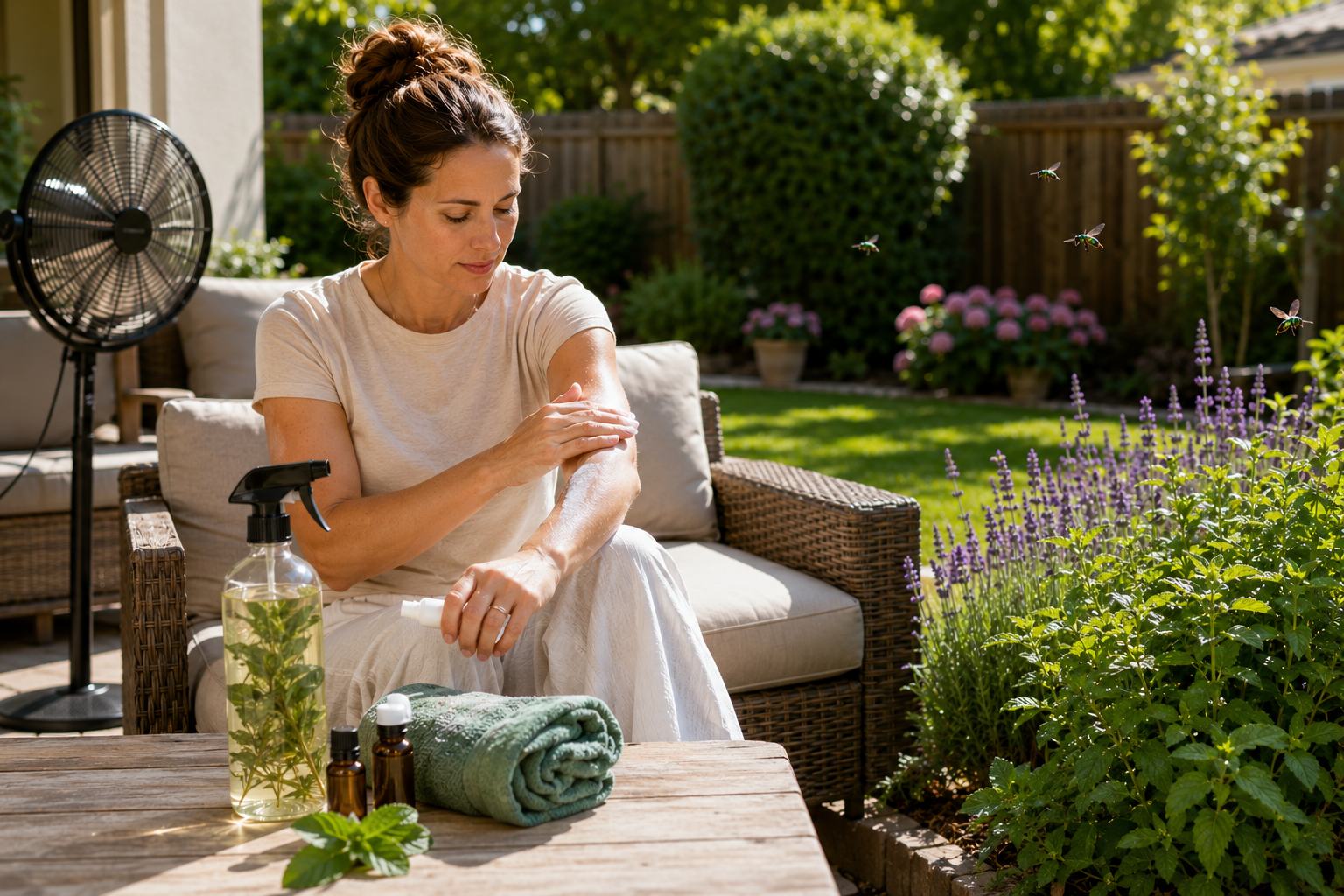
Keeping sweat bees away is often easier than removing them after they've settled in. A few simple changes to your daily routine and outdoor setup can make a big difference.
1.Wash or Wipe Away Sweat Frequently
Sweat bees are attracted to the salt and minerals in human sweat. If you're spending time outdoors, wipe your skin with a damp towel or rinse off after heavy activity. Wearing clean, dry clothing can also help reduce attraction.
This simple habit is one of the easiest ways to lower the chances of sweat bees hovering around you while gardening, hiking, or relaxing outside.
2.Use Essential Oil Repellents
Some essential oils may help discourage sweat bees because they dislike certain strong scents. Peppermint, citronella, eucalyptus, and lemon eucalyptus oils are popular choices.
Always dilute a few drops with a carrier oil or water before applying to your skin or spraying around outdoor seating areas. Test a small area first to avoid skin irritation, and reapply as needed.
3.Try a Homemade Sweat Bee Spray
A homemade spray can help keep sweat bees away from patios, decks, and garden seating areas. Mix equal parts water and white vinegar in a spray bottle, then add a few drops of peppermint or citronella essential oil if desired.
Shake well before each use and spray around outdoor surfaces, not directly on plants, flowers, or bees. Reapply after rain for better results.
4.Wear Unscented Personal Care Products
Floral and sweet-smelling products can attract sweat bees because they resemble flower scents. Choose fragrance-free soaps, lotions, deodorants, sunscreens, and hair products when spending time outside.
Reducing strong scents makes you less appealing to these insects. This small adjustment is especially helpful during gardening, outdoor sports, or summer gatherings where sweat bees are more active.
5.Set Up Outdoor Fans
Sweat bees are weak fliers, so moving air makes it difficult for them to hover or land. Place portable or oscillating fans near patios, picnic tables, porches, or outdoor work areas where you spend the most time.
Even a gentle breeze can discourage them from gathering nearby. Fans also help keep you cooler, reducing sweat that would otherwise attract more bees.
How to Make Your Yard Less Attractive to Sweat Bees
Sweat bees often choose quiet, dry areas to build their nests. Making a few changes to your yard can encourage them to move elsewhere.
1.Cover Bare Soil with Mulch

Sweat bees prefer nesting in dry, exposed soil, especially in sunny areas. Cover bare patches with wood mulch, gravel, or ground cover plants to make the ground less suitable for tunneling.
A layer of mulch that is 2 to 3 inches thick works well in most garden beds. This also helps retain soil moisture and reduces weed growth.
2.Water Dry Ground Regularly

Dry, loose soil is ideal for sweat bee nests. Watering these areas regularly keeps the ground moist and less inviting for tunneling.
During hot summer months, focus on watering exposed patches every few days, depending on rainfall and soil conditions.
Avoid overwatering your lawn, but keep problem areas damp enough to discourage bees from settling there.
3.Remove Yard Debris

Piles of fallen branches, rotting wood, leaves, and unused garden materials can provide shelter for many insects, including sweat bees.
Clean up yard debris regularly and store firewood away from outdoor seating areas. Keeping your yard tidy improves its appearance and removes places where bees and other pests may gather or seek protection.
4.Seal Gaps Around Your Home
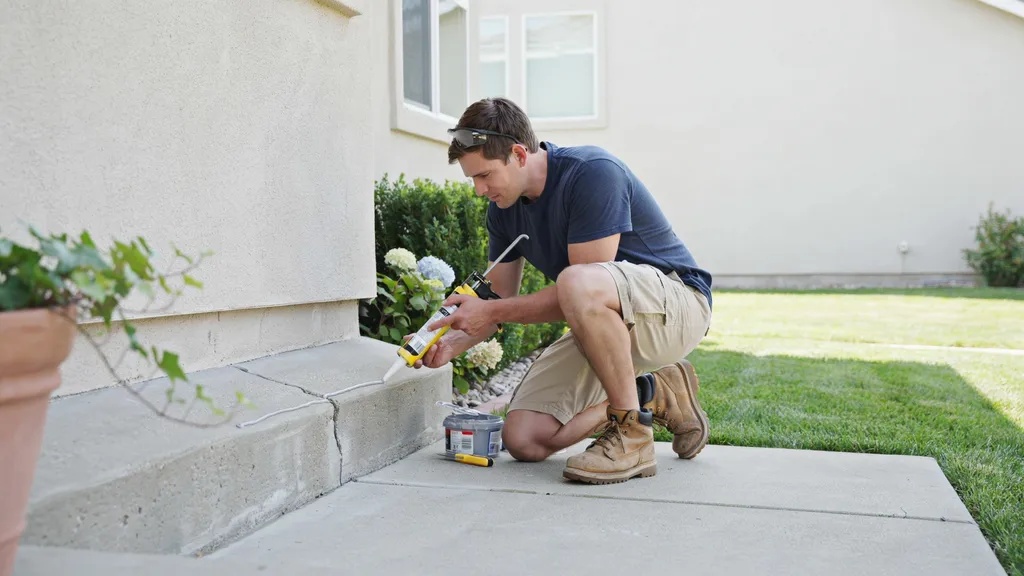
Inspect your home's foundation, patio edges, walkways, and other outdoor structures for small cracks or openings. While sweat bees mainly nest in the ground, sealing these gaps helps eliminate protected spaces where insects may gather.
Use an outdoor-grade sealant to close visible openings and combine this step with regular yard maintenance for better long-term prevention.
Should You Remove a Sweat Bee Nest?
In many cases, you do not need to remove a sweat bee nest, especially if it is small and located away from places where people spend time.
Sweat bees are valuable pollinators and usually sting only when disturbed. However, removal may be necessary if the nest is close to children's play areas, patios, walkways, or other high-traffic spots where accidental contact is more likely.
If you notice several nests forming around your property, it is best to address the problem early. For large nesting colonies, hard-to-reach locations, or if someone in your household has a bee allergy, contact a licensed pest control professional to remove the nest safely.
Common Mistakes That Attract More Sweat Bees

Sometimes, everyday habits can make sweat bees more likely to hover around you or settle in your yard. Avoiding these common mistakes can help reduce their presence and make outdoor activities much more comfortable.
- Wearing floral perfumes outdoors: Floral and fruity fragrances can resemble the scent of flowers, making you more attractive to sweat bees while spending time outside.
- Leaving bare patches of soil: Dry, exposed soil provides the perfect place for sweat bees to dig their nests. Cover these areas with mulch or ground cover whenever possible.
- Ignoring regular yard maintenance: Fallen branches, piles of leaves, and other yard debris can create sheltered spots that attract insects and make your yard more inviting.
- Swatting at bees: Rapid movements can make sweat bees feel threatened. Stay calm and gently brush them away instead of swatting.
- Using strong sweet-smelling lotions: Heavily scented lotions, sunscreens, and body sprays can attract sweat bees, especially during hot weather when you're sweating.
- Walking barefoot near nesting sites: Stepping close to or directly on a ground nest can disturb the bees and increase the chance of getting stung.
By avoiding these simple mistakes and following a few preventive habits, you can greatly reduce unwanted encounters with sweat bees and enjoy your outdoor space with fewer interruptions.
Plants and Natural Scents That May Help Repel Sweat Bees
Some fragrant plants may help make outdoor spaces less appealing to sweat bees. While they won't eliminate bees, planting them near patios, decks, or garden seating areas can support other prevention methods and create a more comfortable outdoor environment.
| Plant | How It May Help | Best Location | Extra Benefit |
| Mint | Strong aroma may discourage sweat bees from lingering nearby. | Patio pots or garden borders | Helps repel some other insects and can be used in drinks and recipes. |
| Citronella Grass | Citrus-like scent may help keep sweat bees away from outdoor seating areas. | Decks, patios, or large containers | Adds a fresh fragrance and may deter mosquitoes. |
| Eucalyptus | Produces a strong scent that many insects tend to avoid. | Large yards or spacious containers | Aromatic foliage that can also provide light shade. |
| Basil | Strong herbal scent may reduce insect activity around the plant. | Vegetable gardens or patio containers | Useful for cooking and easy to grow in warm weather. |
| Lavender | Fragrant oils may discourage sweat bees from gathering close to people. | Garden beds, borders, or walkways | Adds color to the landscape and attracts beneficial pollinators like butterflies. |
For the best results, combine these plants with regular yard maintenance, reduced bare soil, and personal prevention habits. Together, these simple steps can help keep sweat bees away while maintaining a healthy and pollinator-friendly garden.
Safety Tips if a Sweat Bee Lands on You
- If a sweat bee lands on you, stay calm and avoid swatting or sudden movements, since this may cause it to sting in self-defense.
- Sweat bees are usually attracted to the salt in your sweat, so they'll often fly away on their own after a few moments.
- If needed, gently brush the bee away with your hand, a piece of clothing, or a soft cloth instead of striking at it.
- If you do get stung, wash the area with soap and water, apply a cold compress to reduce swelling, and watch for signs of an allergic reaction.
- Seek medical attention immediately if you experience difficulty breathing or severe swelling.
Conclusion
Learning how to get rid of sweat bees doesn't have to be complicated. In most cases, a combination of simple habits like wiping away sweat, avoiding heavily scented products, covering bare soil, and keeping your yard well-maintained is enough to keep them from becoming a nuisance.
Since sweat bees are important pollinators, it's best to focus on safe deterrents instead of harming them whenever possible. With a little consistency, you can enjoy your outdoor spaces with fewer unwanted visitors.
If you found these tips helpful, leave a comment below, share this guide with others, or explore our other pest control articles for more practical outdoor solutions.
Frequently Asked Questions
Are sweat bees dangerous?
No, sweat bees are generally not dangerous. They are usually gentle insects and sting only if they feel trapped or threatened. Most stings cause mild pain and swelling that goes away within a short time.
Do sweat bees make hives?
Most sweat bees do not build large hives like honey bees. Many species are solitary and nest in small tunnels dug into dry, sandy soil, while some live in small underground groups.
What smell do sweat bees dislike most?
Strong scents such as peppermint, citronella, eucalyptus, and lemon eucalyptus may help deter sweat bees. While these scents are not guaranteed to repel every bee, they can reduce activity around outdoor spaces.
Why are sweat bees attracted to me and not others?
Sweat bees are mainly attracted to the salt and minerals in sweat. People who sweat more, spend longer outdoors, or wear sweet-smelling lotions and perfumes may attract more sweat bees than others.
What time of day are sweat bees most active?
Sweat bees are usually most active during warm, sunny hours, especially from late morning through the afternoon. Their activity often increases on hot, humid days when people are more likely to sweat outdoors.