
Brass looks great until it doesn't. Over time, that warm golden shine fades and turns dull or greenish.
I've been there, staring at a tarnished brass lamp wondering if it was ruined for good.
It's not. And I'll show you exactly how to fix it.
In this guide, you'll learn how to clean brass using 7 easy methods with things already in your kitchen. I've tested these myself, and they actually work.
We'll cover what causes tarnish, what supplies you need, mistakes to avoid, and a simple step-by-step process to get brass looking new again.
Everything You Need to Know Before You Clean Brass
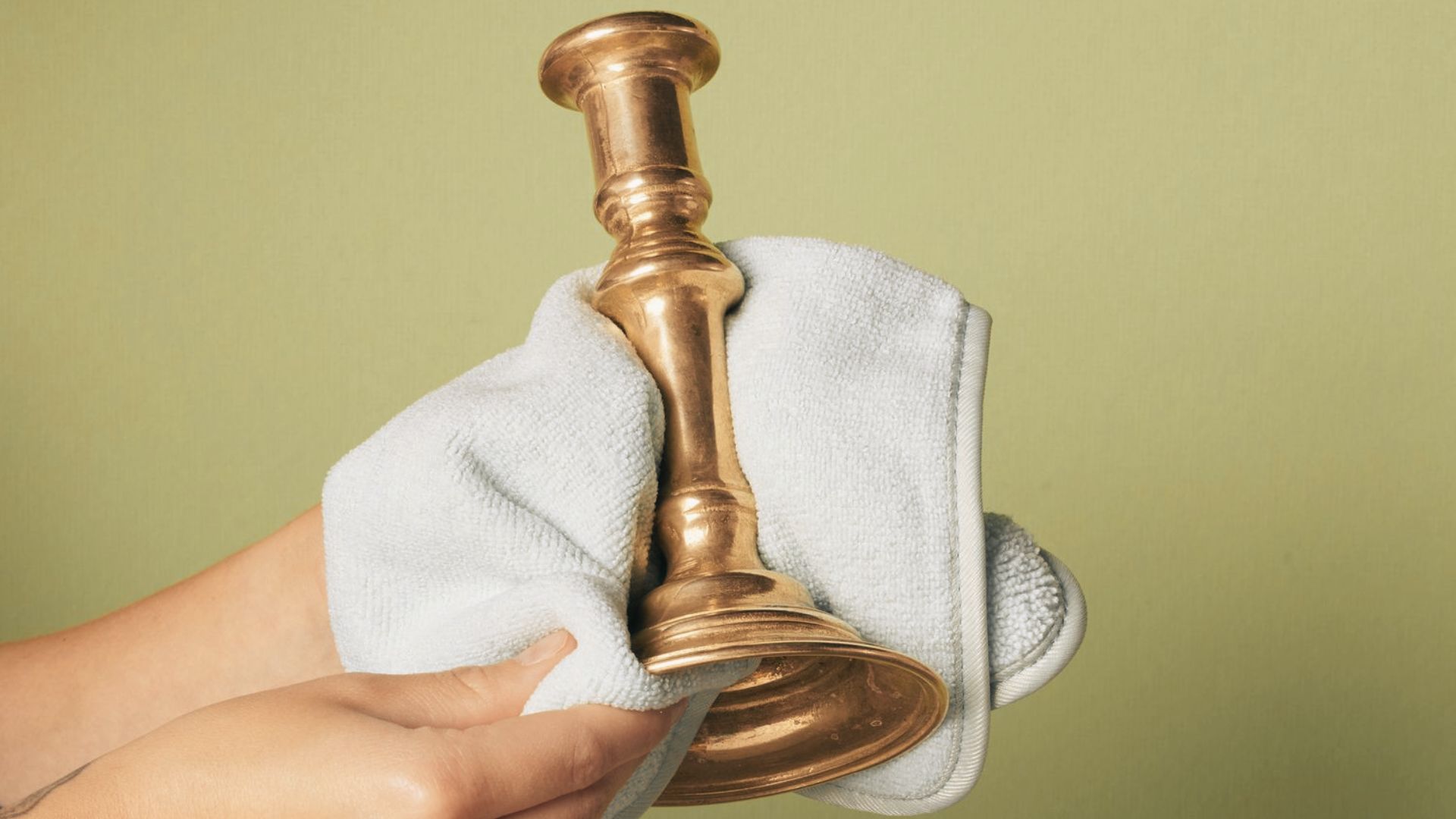
Before cleaning brass, a few basics will save you time and prevent damage. First, check if your item is real brass by holding a magnet to it.
If it sticks, it is brass-plated, not solid. Solid brass needs different care than plated brass. Gather soft clothes, an old toothbrush, mild soap, and warm water.
Avoid steel wool as it scratches. Never use bleach or skip rinsing. Also check if the brass is lacquered.
Lacquered brass only needs soapy water. Once you know your brass type, you are ready to clean.
7 Easy Methods to Clean Brass at Home
Here are seven tried-and-true ways to bring brass back to life using everyday ingredients.
1. How to Clean Brass With Ketchup
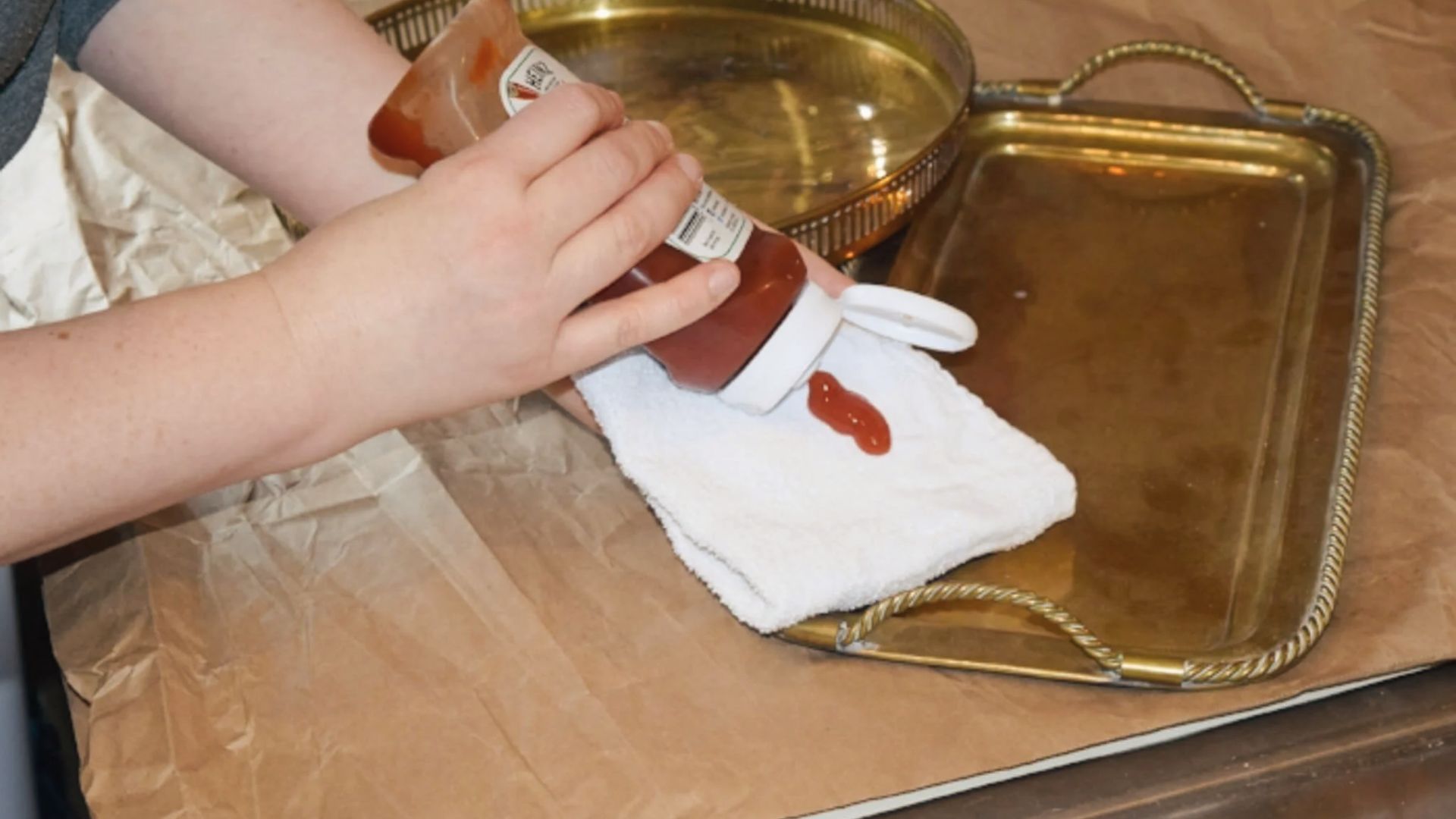
This one surprises people. Ketchup contains mild acids from tomatoes and vinegar that break down tarnish.
Apply a thin layer of ketchup directly onto the brass. Let it sit for 10 to 15 minutes.
Then rub gently with a soft cloth. Rinse with warm water and dry completely.
This works well for lightly tarnished items like doorknobs or candleholders.
2. How to Clean Brass With Vinegar and Salt
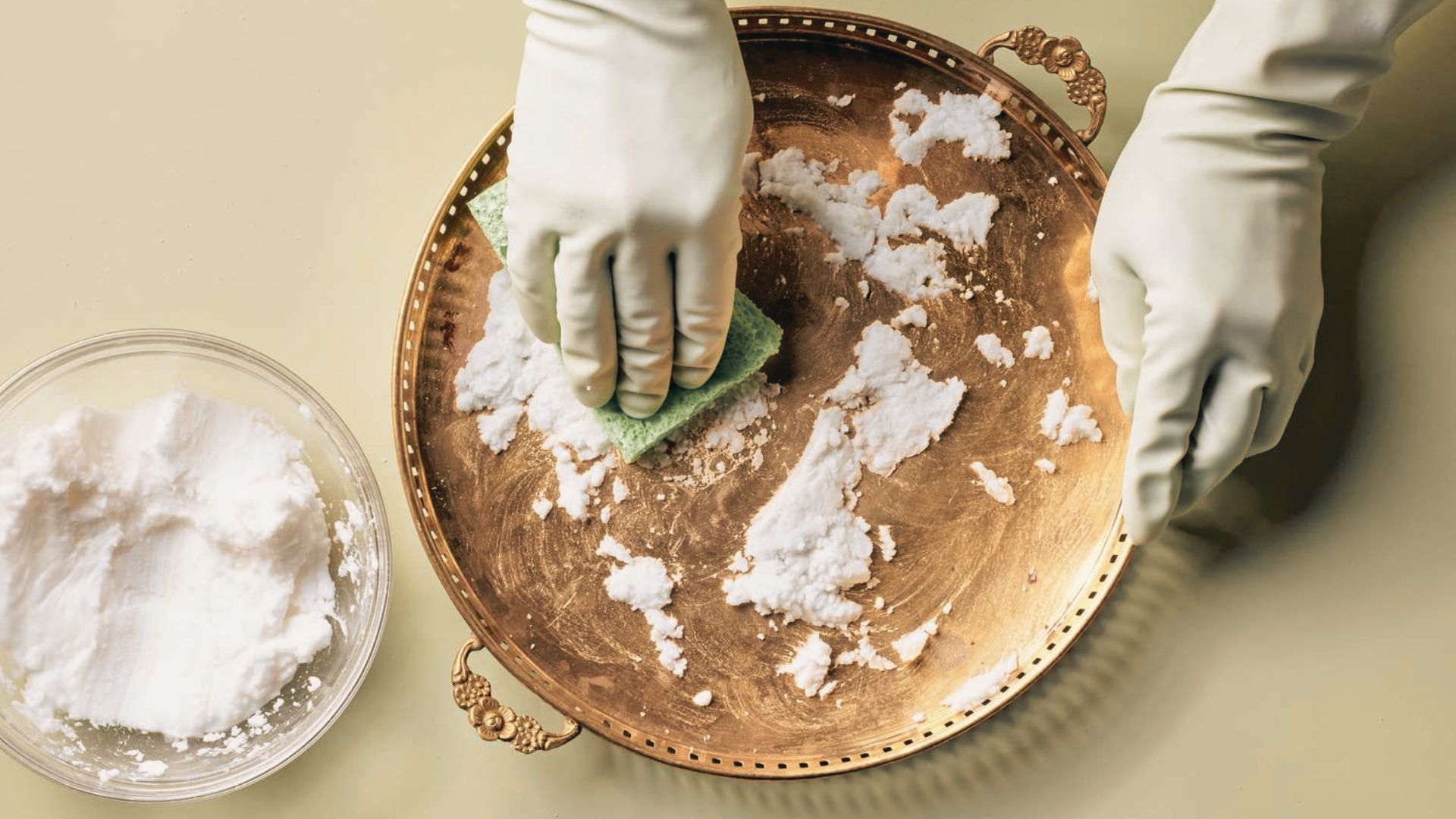
Mix one teaspoon of salt with half a cup of white vinegar. Stir until the salt dissolves. You can also add a little flour to make a paste.
Apply it to the brass and let it sit for 10 minutes. Rub gently, rinse well, and dry.
The combination of acid and salt lifts stubborn tarnish without scratching.
3. How to Clean Brass With Lemon and Baking Soda
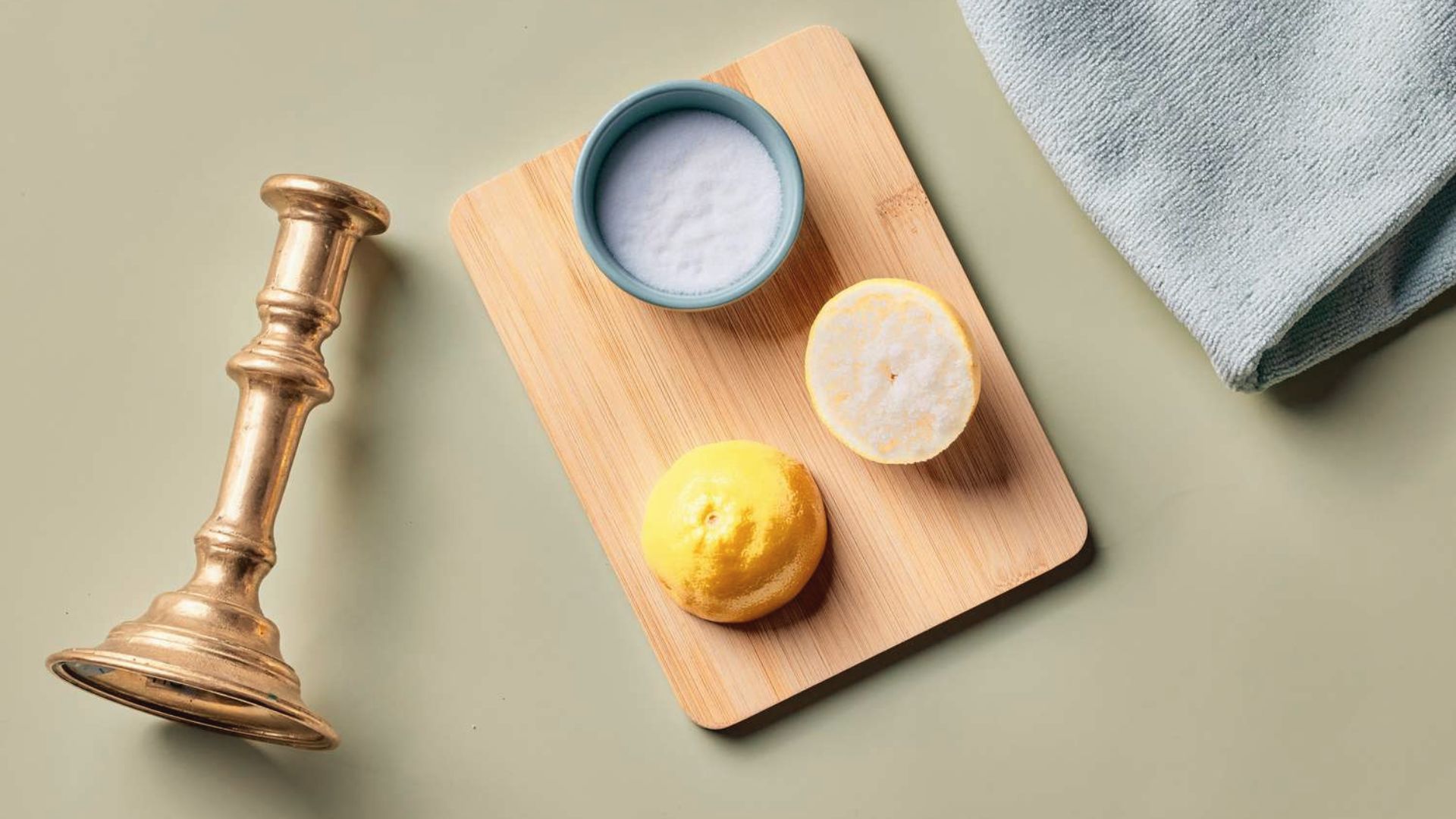
Cut a lemon in half and dip the cut side into baking soda. Rub it directly on the brass in small circles.
The baking soda acts as a gentle scrub while the lemon acid cuts through the tarnish. Let it sit for a few minutes, then rinse and dry.
This method is great for moderately tarnished items and leaves a fresh smell too.
4. How to Clean Brass With Flour, Salt, and Vinegar

This old-fashioned paste works really well on heavily tarnished brass.
Mix one teaspoon of salt, one teaspoon of flour, and enough white vinegar to make a thick paste.
Apply it to the brass and let it sit for up to an hour. Rub in circles with a soft cloth, rinse well, and dry.
The flour helps the paste stick longer so the acids can do more work.
5. How to Clean Brass Items With Yogurt
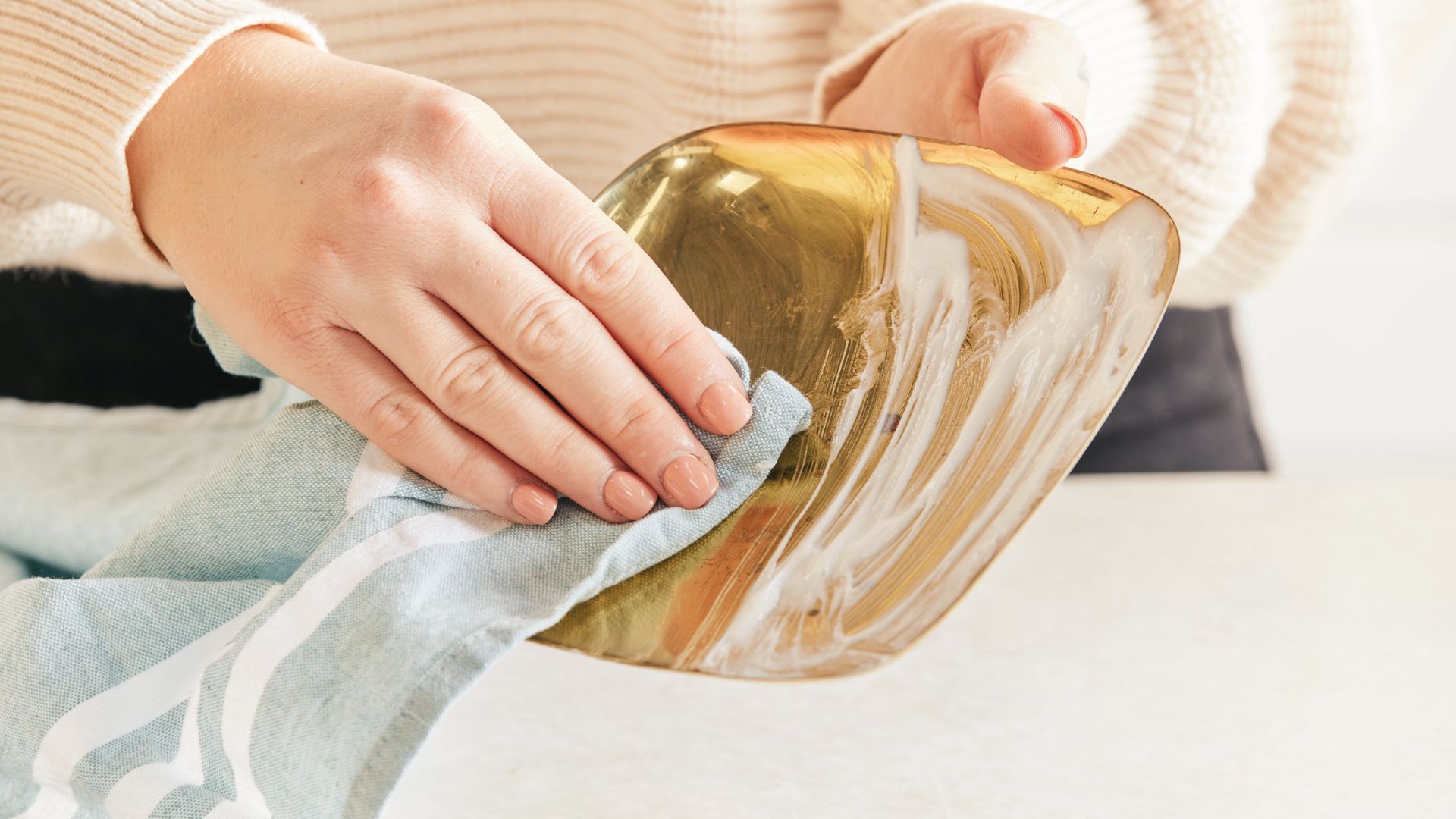
Plain yogurt contains lactic acid, which gently removes tarnish. It's one of the mildest options available.
Spread a thin layer of plain yogurt over the brass. Let it sit for 30 minutes to an hour. Wipe it off with a soft cloth, rinse, and dry.
This method is safe for decorative items that need a gentle touch.
6. How to Clean Brass Using Brass Polish
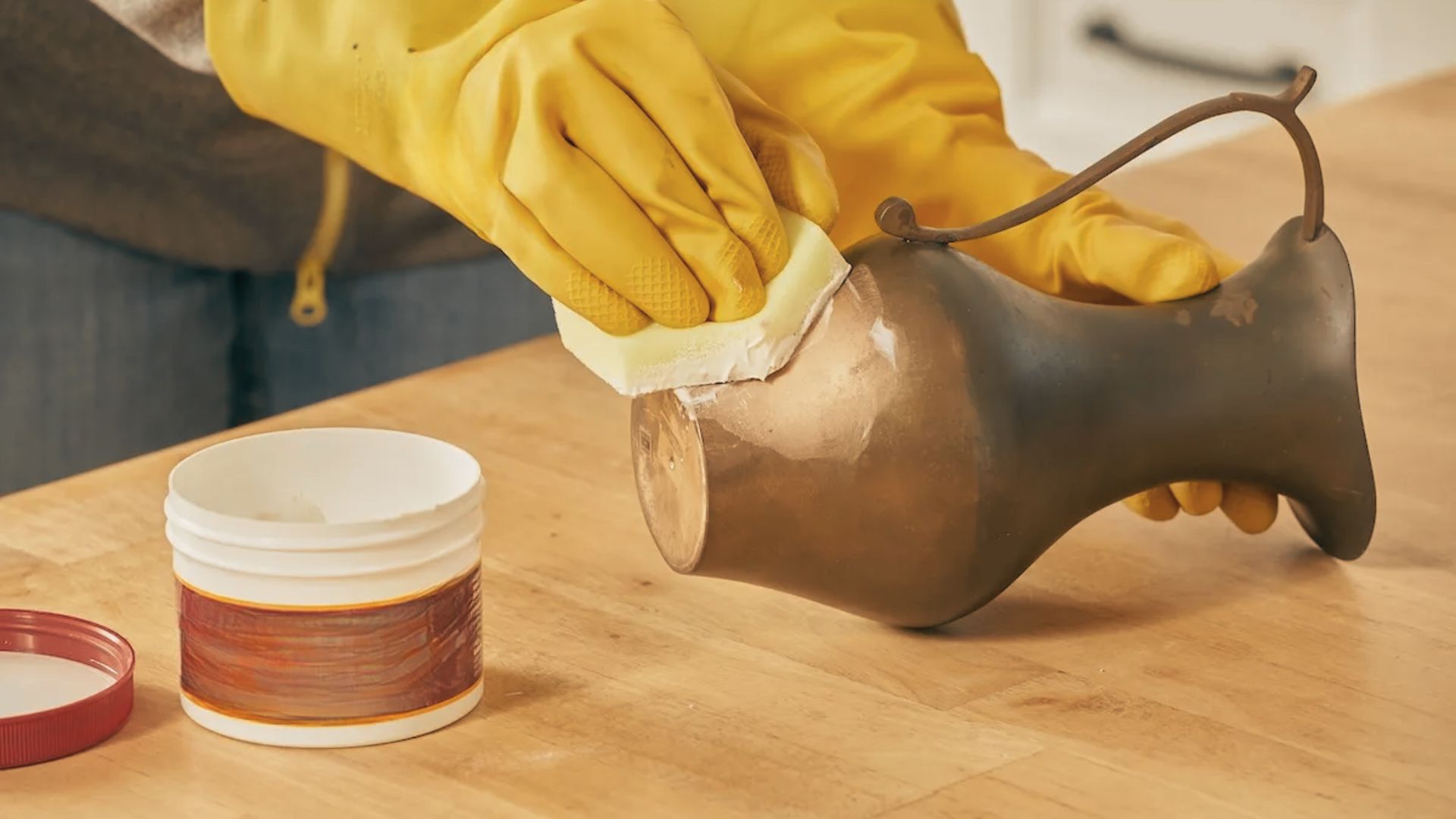
Commercial brass polish is made specifically for this job. It's reliable and works quickly.
Apply a small amount to a soft cloth. Rub it onto the brass using circular motions.
Follow the product's instructions for how long to leave it. Then buff with a clean cloth until it shines.
Brass polish is the best option for antique brass or pieces with detailed engravings.
7. How to Clean Brass at Home With Baking Soda
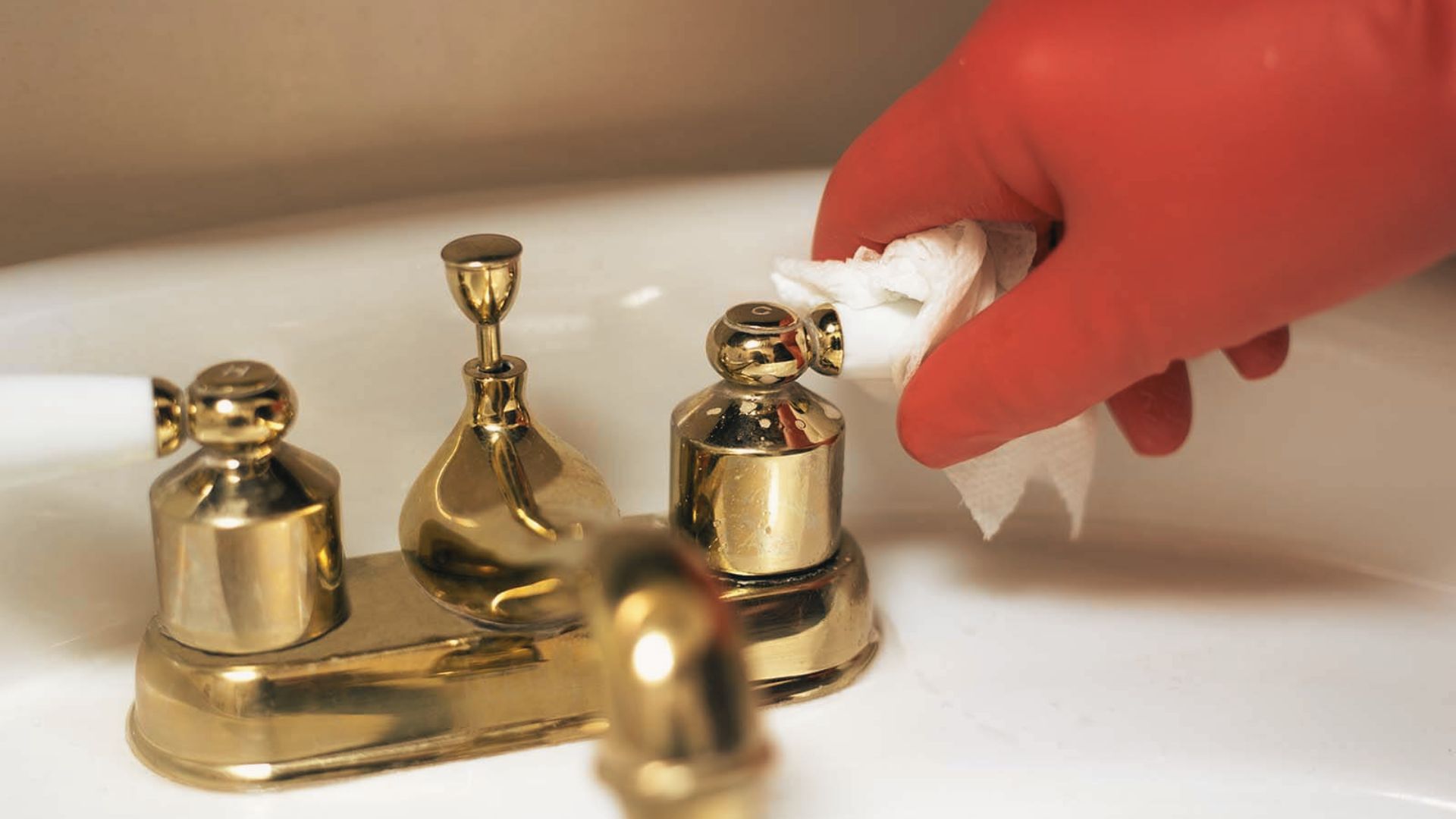
Make a paste using baking soda and water. Use just enough water to form a thick consistency.
Apply it to the brass and rub gently with a soft cloth or toothbrush. Let it sit for 5 to 10 minutes. Rinse with warm water and dry immediately.
This method is simple, affordable, and effective for everyday cleaning.
Step-by-Step Process for Cleaning Brass Properly
Follow these steps in order for the best results every time.
Step 1: Clean and Prepare the Surface
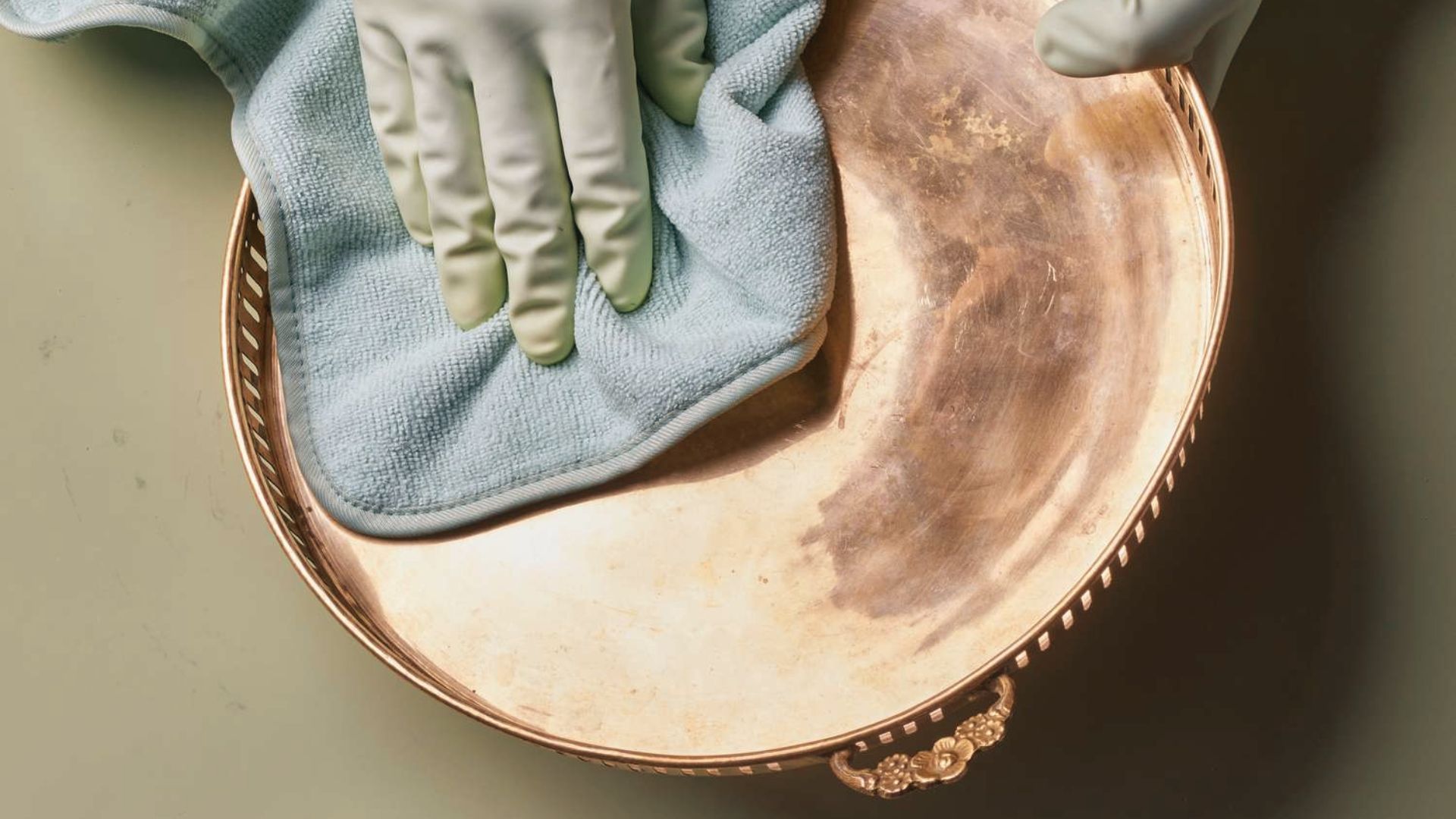
Start by wiping the brass item with a dry soft cloth. This removes loose dust and dirt before you apply anything.
Skipping this step can cause scratching during cleaning. Make sure the surface is clear and ready before moving forward.
Step 2: Apply Your Cleaner and Let It Sit
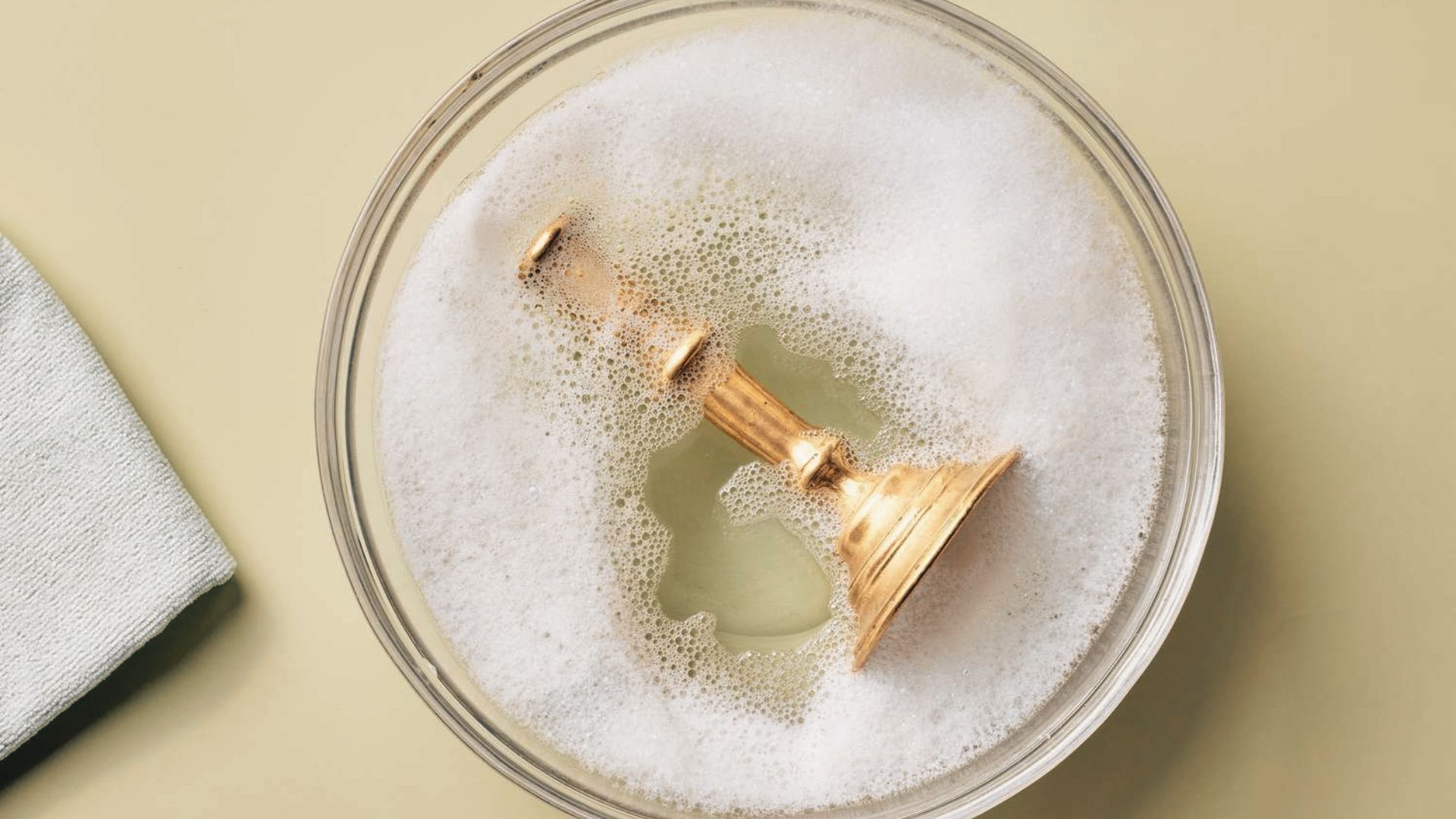
Pick one of the seven methods and apply it evenly across the brass. Use a soft cloth or old toothbrush to work it into tight corners.
Let the cleaner sit for 5 to 15 minutes. Heavily tarnished pieces may need up to an hour with a paste-based method.
Step 3: Rinse, Dry, and Buff for Shine
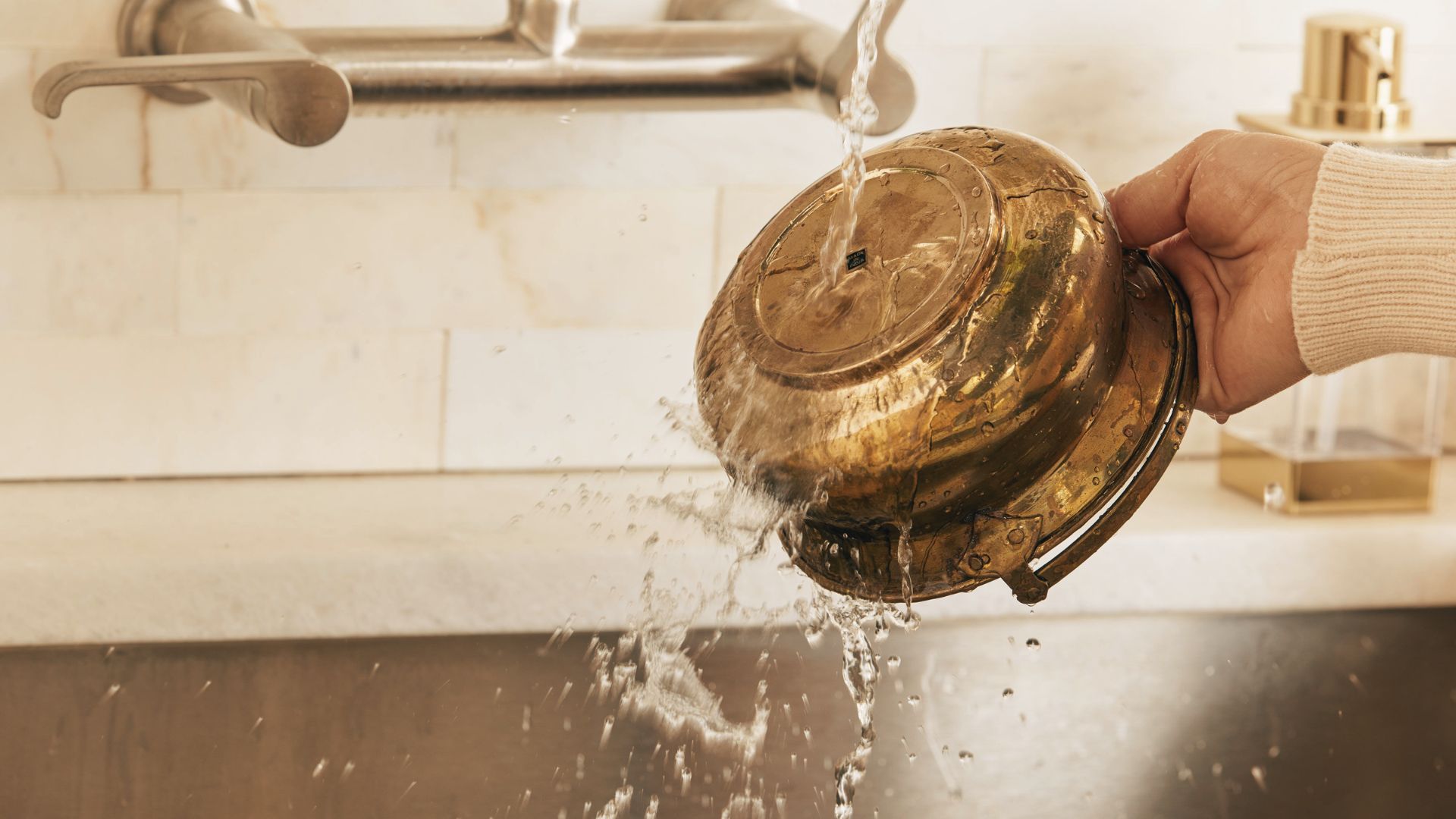
Rinse the brass thoroughly with warm water and make sure no residue is left behind. Dry it right away with a clean soft cloth.
Never let it air dry as water causes spots and tarnish. Once dry, buff with a cloth in small circular motions and add a tiny bit of olive oil for extra shine and protection.
Tips to Keep Brass Clean and Shiny Longer
A little regular care keeps brass looking great without deep cleaning every time.
- Avoid touching brass with bare hands. Oils from skin speed up tarnish. Use gloves when handling polished pieces.
- Apply a thin coat of linseed oil or wax after cleaning. This creates a barrier and slows down tarnish.
- Store brass in a cool, dry place. Wrap items in soft cloth or acid-free tissue paper for long-term storage.
- Never store brass in plastic bags. They trap moisture and make tarnishing worse over time.
- Wipe brass down weekly with a dry cloth. Every few months, do a light clean with warm soapy water and dry fully.
Conclusion
Brass doesn't have to stay dull. I used to think tarnished brass was beyond saving until I tried the lemon and baking soda method on an old lamp.
It came out looking brand new in under 20 minutes.How to clean brass is simpler than most people think.
Pick one method, follow the steps, and keep up with regular care. Your brass will stay bright much longer.
Give it a try this weekend. Then come back and let me know which method worked best for you. I'd love to hear it!
Frequently Asked Questions
What Is the Easiest Way to Clean Brass?
The easiest method is ketchup. Apply it, wait 10 minutes, rub gently, and rinse. It's simple, safe, and works well for light tarnish.
How Do You Clean Brass Naturally at Home?
You can use lemon and baking soda, vinegar and salt, or plain yogurt. These are natural, affordable, and easy to find in any kitchen.
Can Vinegar Damage Brass?
Vinegar is safe for solid brass when used correctly. Don't leave it on too long, rinse it off within 15 to 30 minutes. Leaving acid on brass for hours can cause discoloration.
How Often Should Brass Be Cleaned?
It depends on how much the item is used. Decorative pieces may only need cleaning every few months. Frequently touched items like handles may need attention every few weeks.
Does Toothpaste Work on Brass?
Yes, plain white toothpaste can be used as a mild abrasive cleaner. Apply a small amount, rub gently with a soft cloth, rinse, and dry. Avoid gel-based toothpaste as it doesn't work as well.