
I opened my fridge one morning and the smell hit me instantly. There it was, a patch of mold sitting right on the shelf. Not a great start to the day.
If this has happened to you, you are not alone. Fridge mold is more common than people think. The good news is that you do not need to throw out your fridge.
With the right steps, you can clean it safely and stop it from coming back. Let me show you how.
Can You Safely Clean and Reuse a Moldy Fridge?
Yes, you can clean a moldy fridge, but only if the mold stays on surfaces like shelves or walls. That kind of mold is manageable with the right cleaning steps.
If mold has spread into the vents or insulation, it is time to replace the fridge. Mold that deep is hard to fully remove.
Before you start cleaning, wear gloves and a mask. Keep the area ventilated. Never mix bleach with other cleaners.
Why Mold Grows in Refrigerators
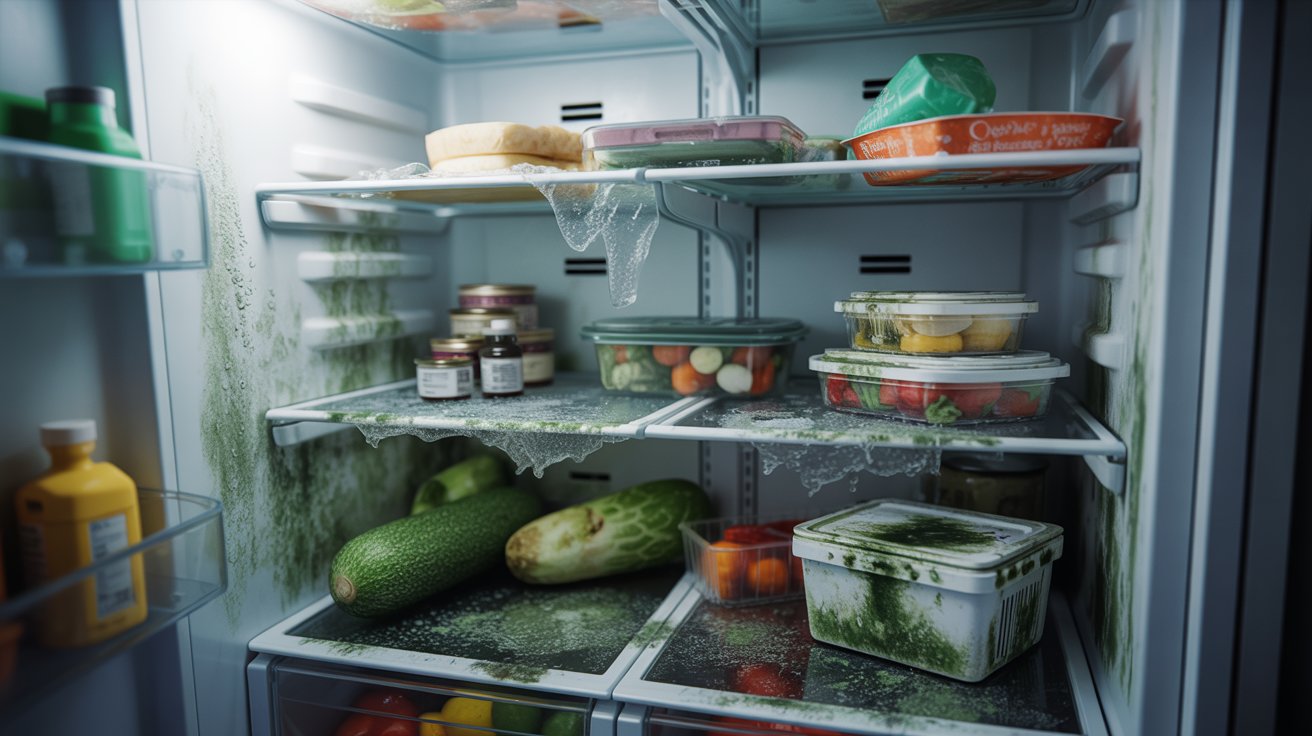
Mold grows in fridges because of three main things: spoiled food, excess moisture, and poor airflow. When food sits too long or spills go uncleaned, mold finds the perfect spot to grow.
It spreads fast too. Mold releases spores that travel through the air inside your fridge. Within days, it can move from one shelf to another. A small patch can turn into a big problem if you ignore it.
What You Need to Clean a Moldy Fridge
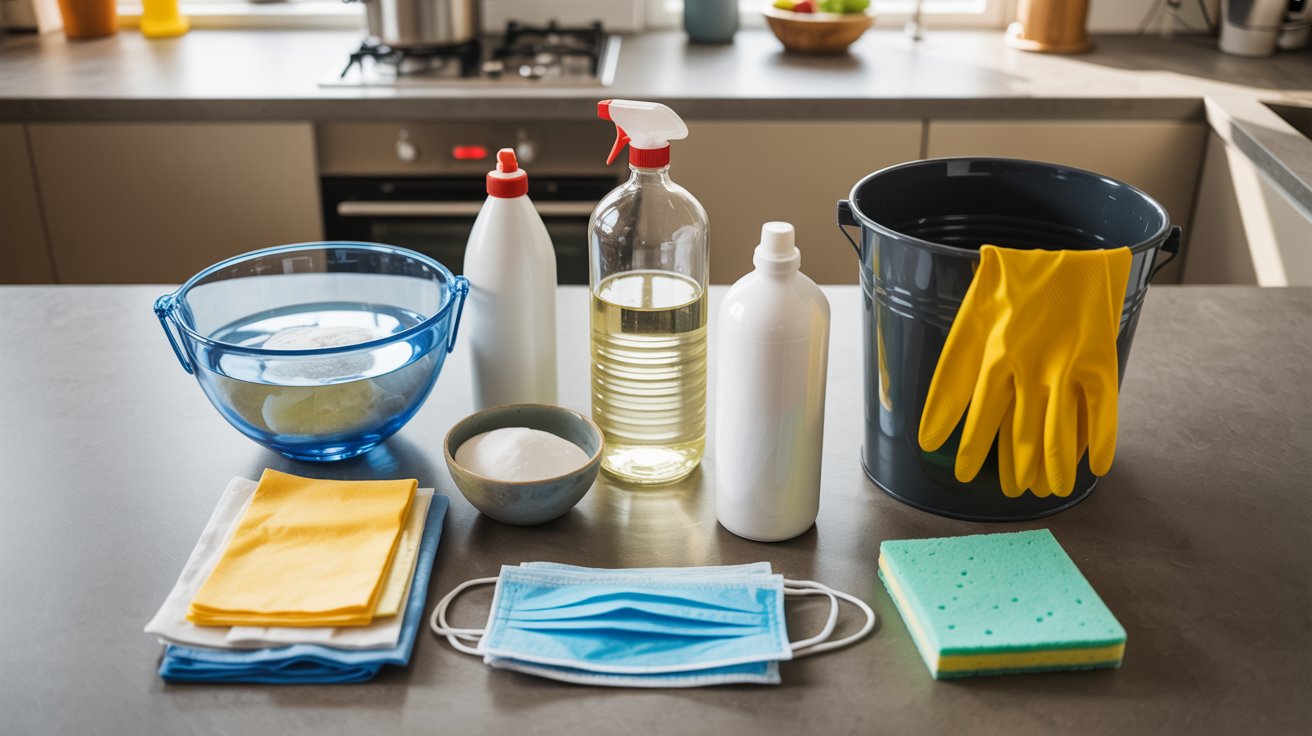
Here is everything you need before you start:
Cleaning Supplies:
- White vinegar
- Baking soda
- Warm water
Safety Gear:
- Rubber gloves
- Face mask
- Clean cloths or sponges
Keep all of this ready before you begin. It makes the cleaning process faster and much safer.
How to Clean a Moldy Fridge (5 Easy Steps)
Follow these five simple steps to get rid of fridge mold safely and keep it from coming back.
Step 1: Unplug and Empty the Fridge

Start by unplugging the fridge. Take out all the food and check every item. Throw away anything spoiled or expired. Do not skip this step. Cleaning around food does not work. A fully empty fridge gives you proper access to every surface.
Step 2: Take Out Shelves and Drawers
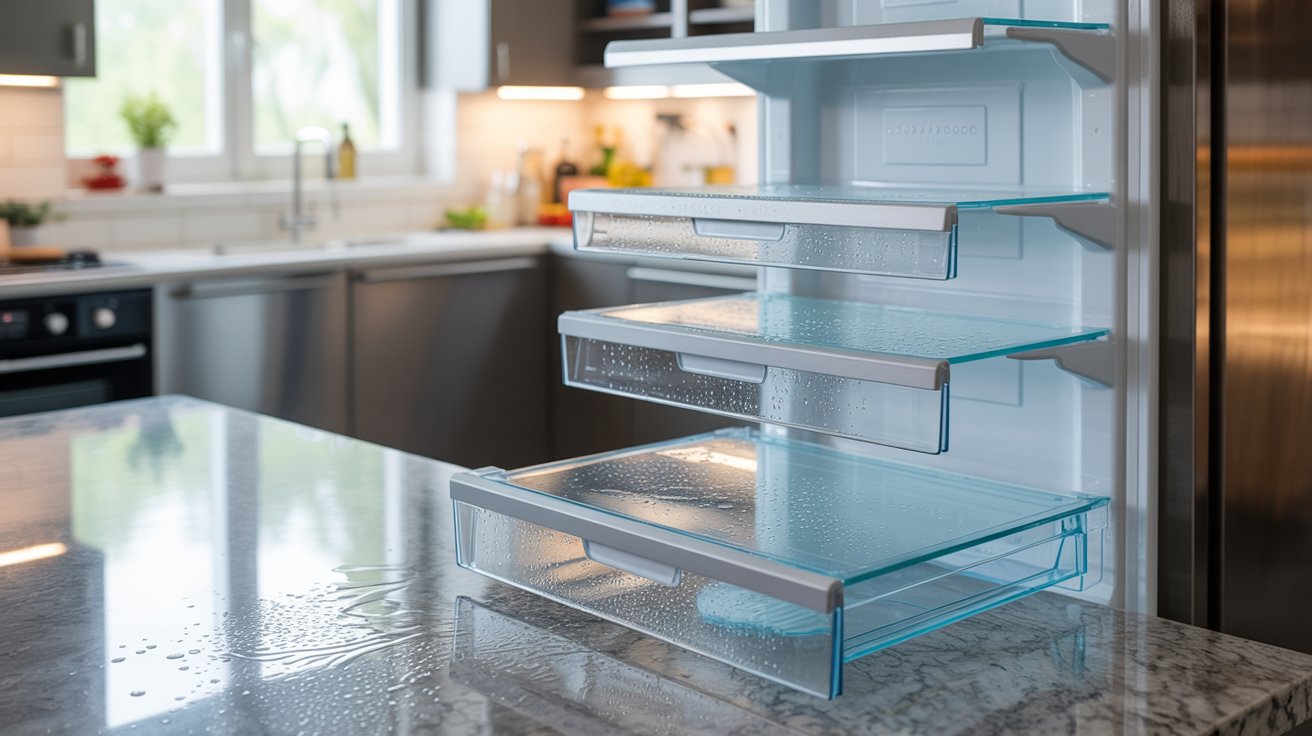
Remove all shelves and drawers carefully. Let them sit at room temperature before you clean them. Cleaning cold glass with warm water can cause cracks. Once they warm up, wash them separately in the sink with warm water and vinegar.
Step 3: Clean with Vinegar or Baking Soda Solution
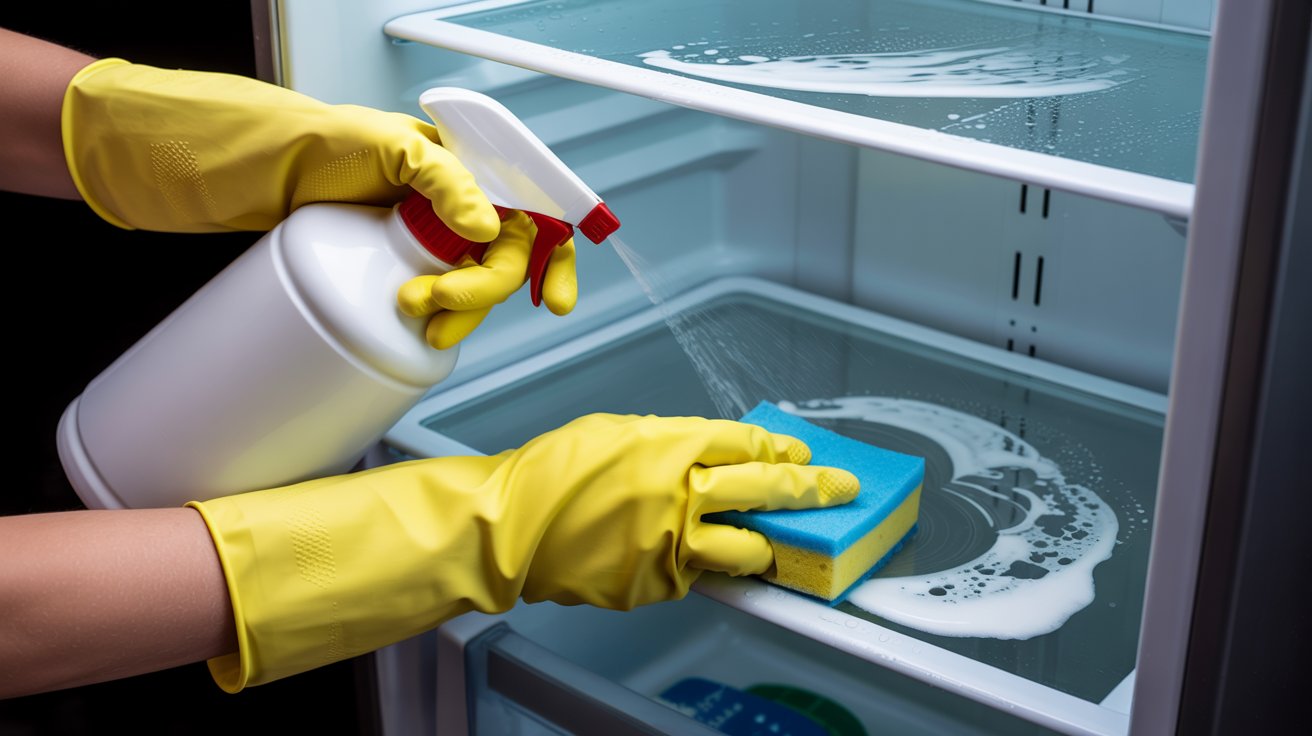
Spray white vinegar directly on all interior surfaces. Let it sit for a few minutes, then scrub well. For tough spots, make a paste with baking soda and water. Scrub and wipe clean. Vinegar kills mold naturally without harsh chemicals.
Step 4: Focus on Seals, Corners, and Hidden Areas
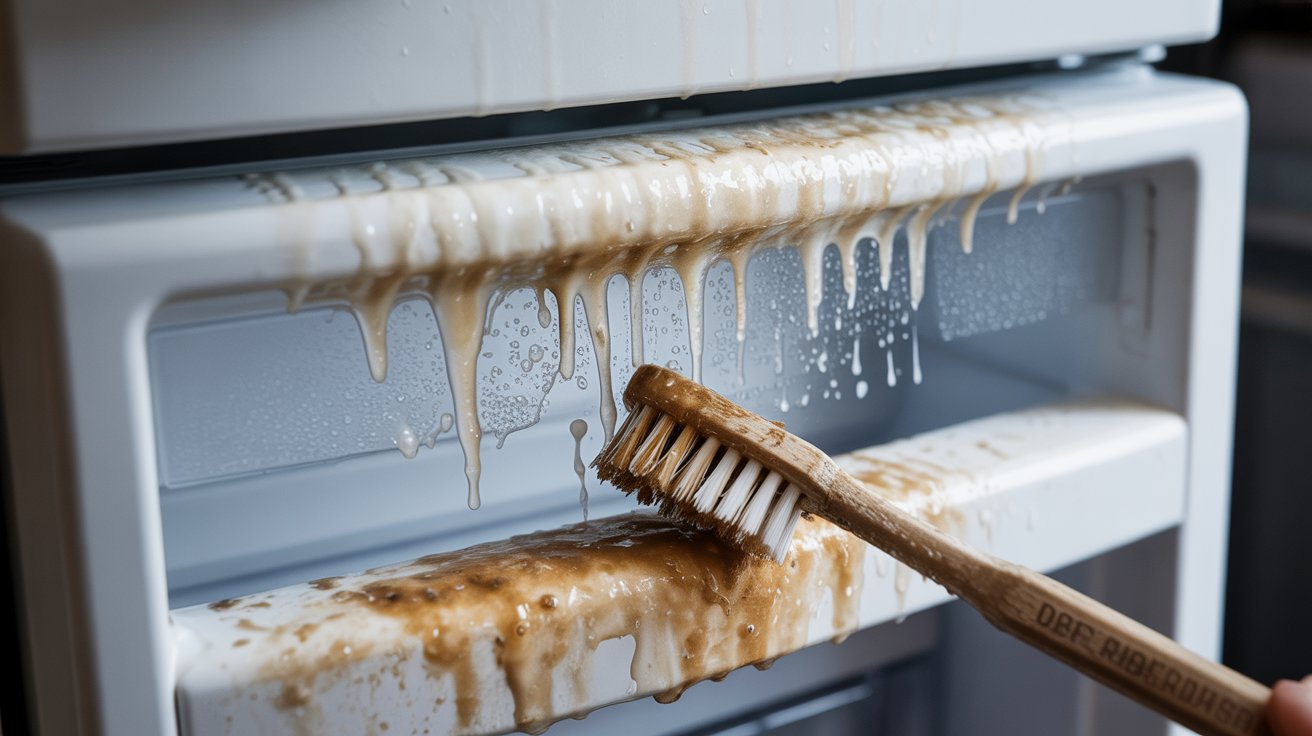
Mold loves tight spaces. Check the door gasket, corners, and edges carefully. Use an old toothbrush to scrub the rubber seal. These spots are easy to miss but collect the most mold. Clean them thoroughly before moving on.
Step 5: Rinse, Dry, and Air Out Completely
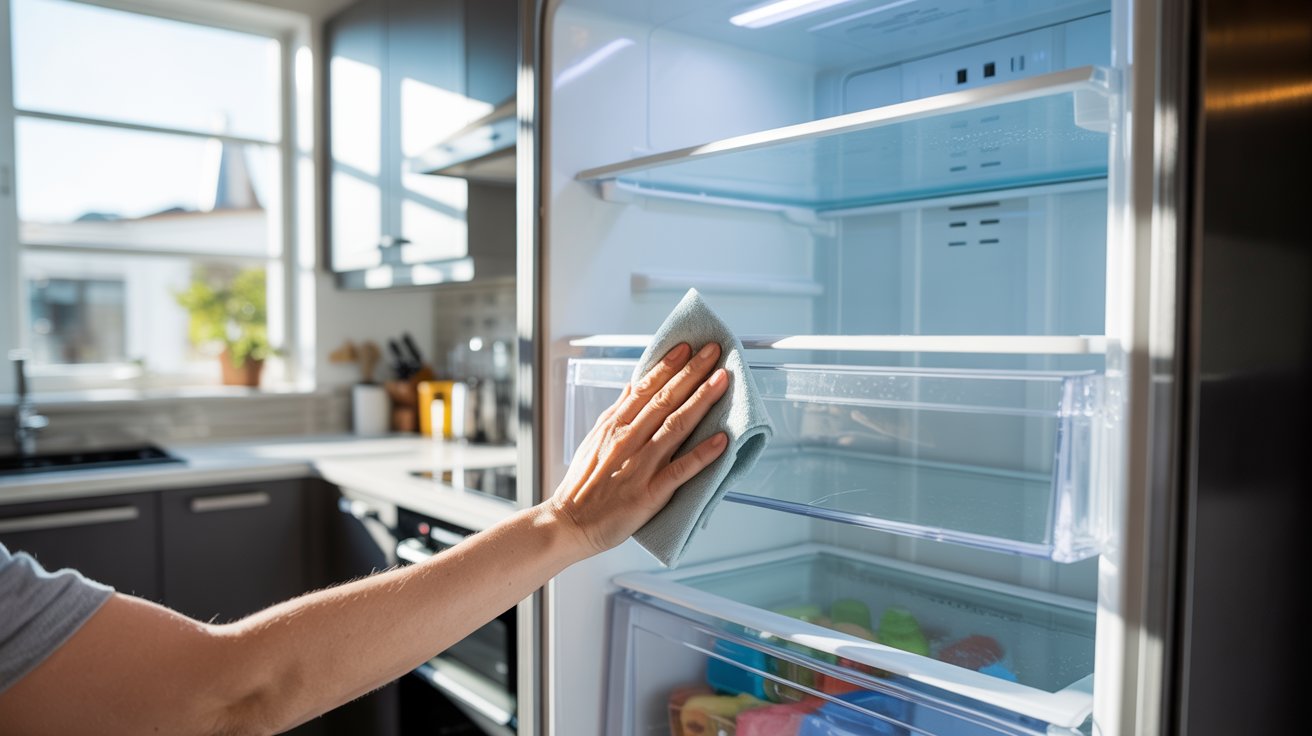
Wipe all surfaces with a clean damp cloth to rinse off the vinegar. Then dry everything fully with a dry cloth. Leave the fridge door open for at least an hour. No moisture should remain before you plug it back in.
How to Remove Odors After Cleaning
A clean fridge can still smell off after a mold cleanup.
Place an open box of baking soda inside to absorb leftover odors. You can also wipe the interior with fresh lemon juice. It cuts through the smell fast.
After that, leave the fridge door open for an hour or two. Fresh air does a lot of the work. Do not close it too soon or the smell will linger.
How to Prevent Mold from Coming Back
Keep these habits in place and mold will not be a problem again.
- Always store food in sealed containers. Open packages and uncovered leftovers release moisture that speeds up mold growth.
- Clean your fridge every two weeks. Wipe down shelves and check for spills before they sit too long.
- Throw out expired food right away. Old food is the number one reason mold starts growing in the first place.
- Keep your fridge temperature between 35°F and 38°F. Mold grows faster in warmer conditions, so the right setting matters.
- Check the door seal regularly. A loose or dirty gasket lets warm air in and creates the moisture mold needs.
Conclusion
A moldy fridge does not always mean you need a new one. With the right steps, you can clean it up and use it safely again.
I have seen how a good scrub with vinegar and proper drying can make a big difference. The key is to not rush the process.
Keep up with regular cleaning and your fridge will stay fresh.
Got questions about fridge mold? Drop them in the comments below!
Frequently Asked Questions
Can I use bleach to clean a moldy fridge?
You can use a small amount of bleach mixed with water. But never mix bleach with vinegar or other cleaners as it creates harmful fumes.
How long does it take to clean a moldy fridge?
A thorough cleaning usually takes one to two hours. Add extra time if you need to air it out fully before plugging it back in.
Is it safe to use a fridge after mold removal?
Yes, it is safe as long as you cleaned all surfaces properly and dried everything completely. Make sure no moisture is left inside before restocking it.
What causes mold to keep coming back in my fridge?
Mold keeps coming back because of leftover moisture, expired food, or a dirty door seal. Regular cleaning and proper food storage will stop it from returning.
Can mold in a fridge make you sick?
Yes, mold exposure can cause allergic reactions, breathing issues, and stomach problems. Always wear gloves and a mask when cleaning mold to protect yourself.