

I picked the wrong upper cabinet depth during my kitchen remodel and regretted it for months. Too deep, hard to reach, and nothing stored the way I planned.
Sound familiar? Most people guess on cabinet size and end up frustrated.
In this post, I’ll cover exactly how deep are upper cabinets, standard widths and heights, proper placement, and how to pick the right size for your kitchen.
Read this before you buy a single cabinet. It could save you a costly mistake.
Why Upper Cabinet Dimensions Matter
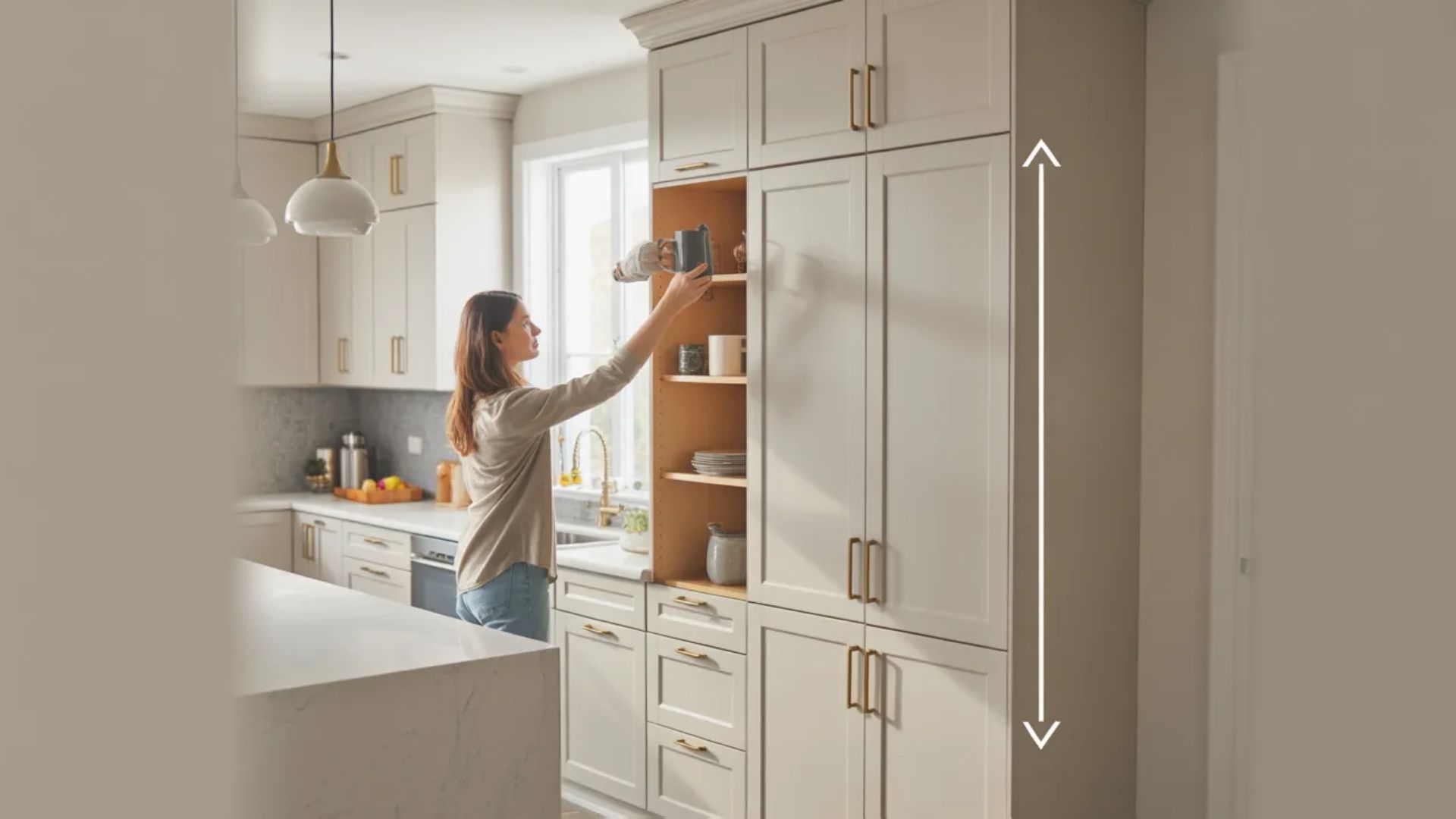
Upper cabinet dimensions affect more than just looks. They change how you use your kitchen every single day.
Shallower cabinets are easier to reach, especially for shorter people, while deeper ones hold more but can feel harder to access.
The right width and height also improve how well you organize your space. Everyday items stay within reach, and bulkier things get proper storage.
Getting these numbers right also keeps your kitchen proportional. Upper cabinets that are too tall or too deep can throw off the balance between upper and lower cabinets and make the whole kitchen feel off.
Standard Dimensions of Upper Cabinets
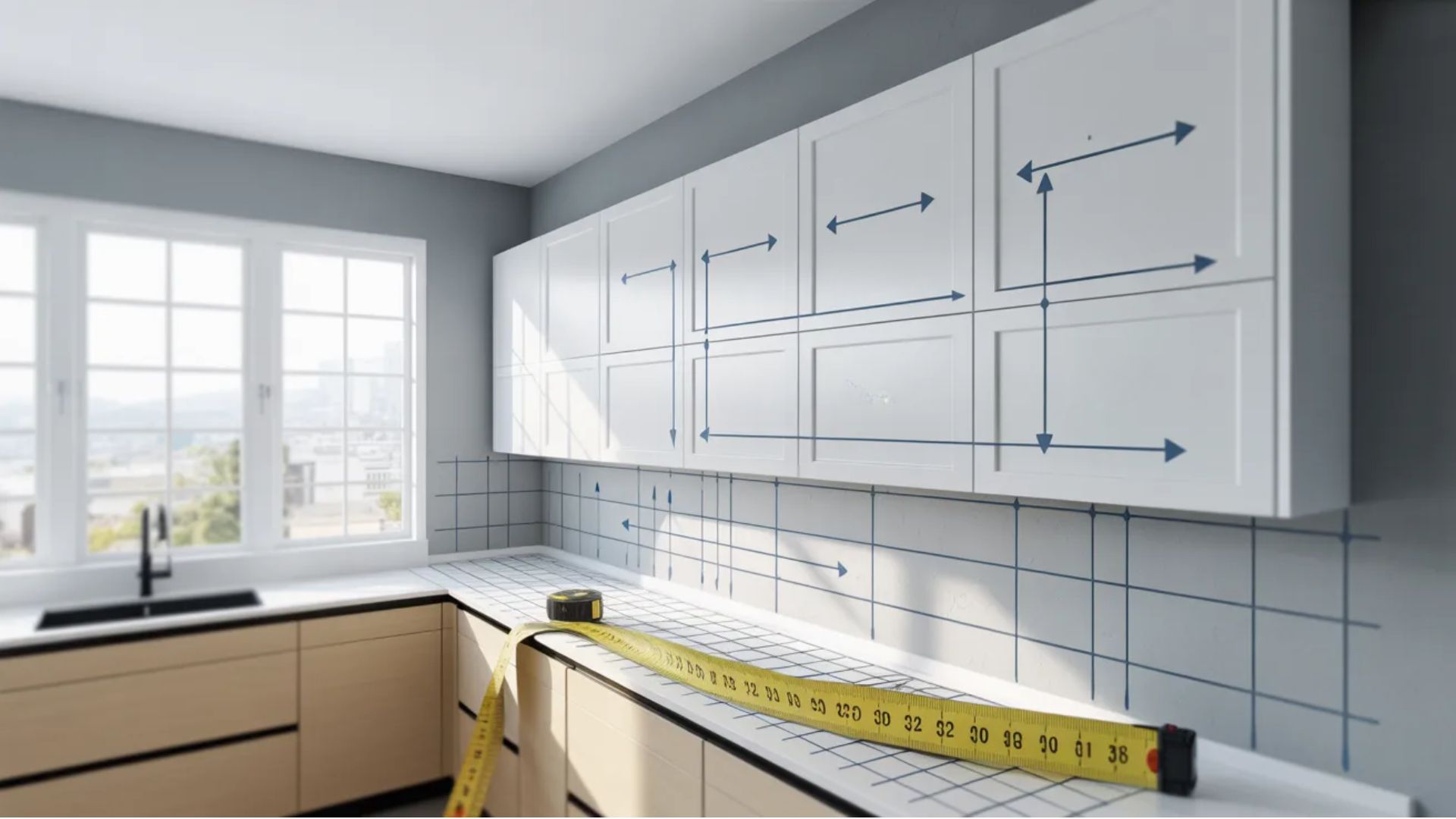
Upper cabinets come in standard sizes, but knowing which one fits your kitchen takes a little more thought.
Depth of Upper Cabinets
The most common depth for upper cabinets is 12 inches. This works well for most kitchens and keeps items within easy reach.
For smaller kitchens, shallower options at 10 to 11 inches can open up the space and make it feel less cramped.
Deeper cabinets at 15 to 24 inches are usually placed above the refrigerator or used for custom storage needs where extra depth makes sense.
Width of Upper Cabinets
Upper cabinets typically range from 9 to 36 inches wide. They come in 3-inch increments, so you have plenty of options to work with.
This range makes it easier to fit cabinets around appliances, windows, and doorways without leaving awkward gaps.
Choosing the right width for each section of your kitchen helps you get cleaner lines and better use of every inch of wall space.
Height of Upper Cabinets
Upper cabinets commonly come in three heights: 30, 36, and 42 inches. A 30-inch cabinet works well in kitchens with 8-foot ceilings, leaving some space above the cabinet.
A 36-inch cabinet is a solid middle-ground option for most kitchens. A 42-inch cabinet reaches close to the ceiling, giving you a clean, built-in look and more storage overall.
Your ceiling height is the biggest factor in deciding which height works best.
Standard Upper Cabinet Dimensions
Here’s a quick look at standard upper cabinet dimensions to help you choose the right size for your kitchen.
| Dimension | Standard Range | Common Sizes | Notes |
|---|---|---|---|
|
Depth |
10–12 inches |
12 inches (most common) |
Up to 15–24 inches for custom or above refrigerator |
|
Width |
9–36 inches |
9, 12, 15, 18, 24, 30, 36 inches |
Available in 3-inch increments for flexible layouts |
|
Height |
30–42 inches |
30, 36, 42 inches |
Depends on ceiling height and design preference |
This table makes it easy for readers to quickly scan standard upper cabinet sizes and choose what fits their kitchen.
Standard Placement of Upper Cabinets
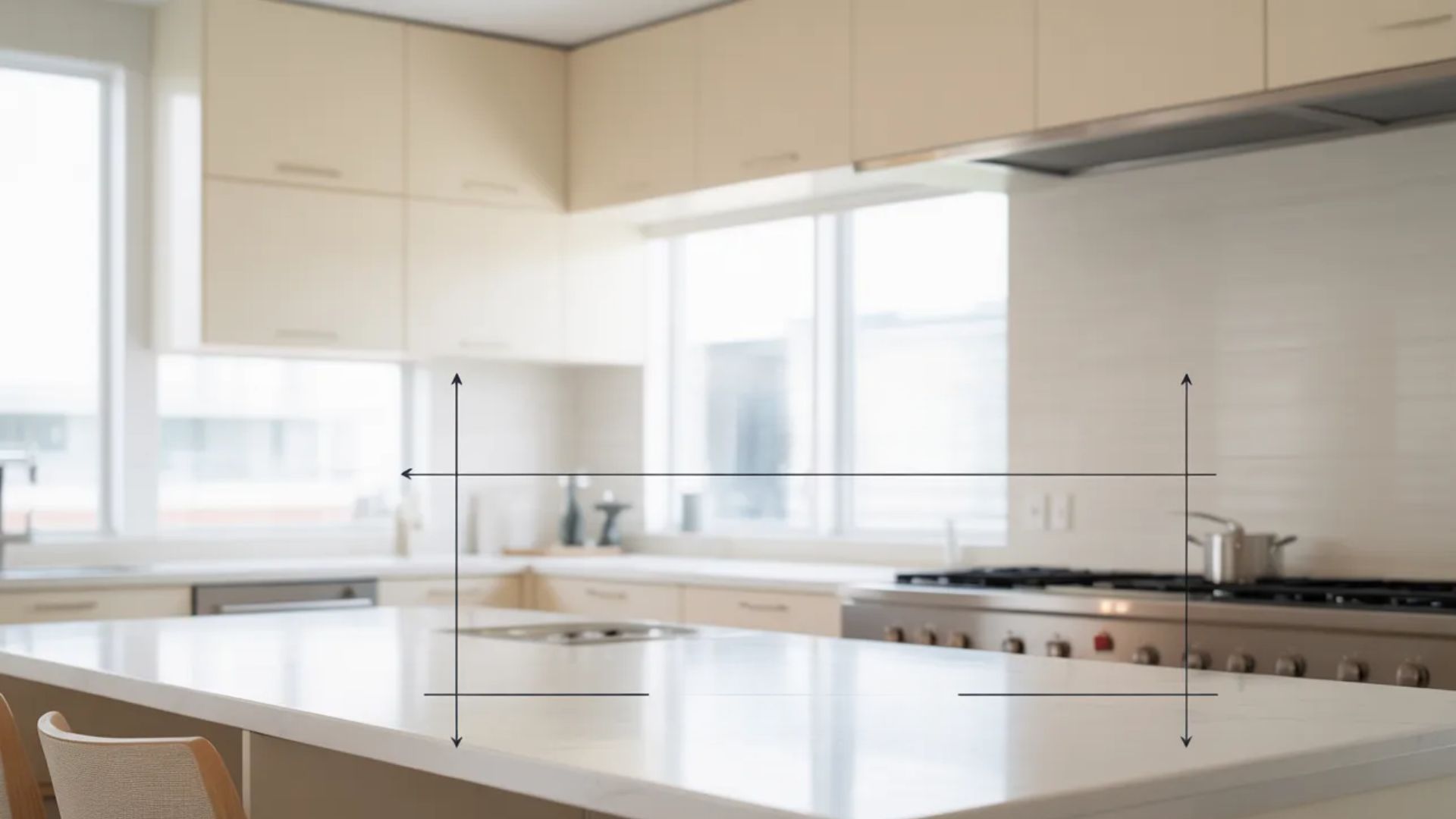
Placement is just as important as size. Getting the height and position right affects both function and how your kitchen looks.
Distance from Countertop
Upper cabinets are usually installed 18 inches above the countertop. This leaves enough room to work comfortably and use small appliances without bumping into the cabinet bottom.
That said, this number can range from 15 to 20 inches depending on personal preference or the height of the people using the kitchen most.
Going lower can make the space feel tighter, while going higher can make cabinets harder to reach.
Total Height from Floor
The bottom of most upper cabinets sits about 54 inches from the floor. This combines the standard 36-inch counter height with the 18-inch gap above it.
This placement keeps the cabinets accessible for most adults without the need to stretch too far.
If your counters sit at a different height, adjust accordingly so the gap between counter and cabinet stays comfortable and practical.
Choosing the Right Upper Cabinet Size
Matching your cabinet size to your kitchen conditions is the smartest place to start.
- Small kitchens: Go with shallower cabinets at 10 to 12 inches deep and shorter heights to avoid a cramped feel
- Large kitchens: Deeper and taller cabinets make better use of wall space and add more storage room
- Everyday items: Standard 12-inch deep cabinets work well for plates, glasses, and daily pantry staples
- Bulk storage: Deeper cabinets above the fridge or in corners handle larger, less-used items cleanly
- Taller ceilings: A 9 or 10-foot ceiling gives you room for 42-inch cabinets and a built-in look
Get these three factors right, and picking your cabinet size becomes much simpler.
Conclusion
Picking the right upper cabinet size made a huge difference in my kitchen.
Once I got the depth, height, and placement right, everything clicked. It’s one of those decisions that looks small on paper but changes how your kitchen works every day.
Now it’s your turn. Measure your space, use the sizes covered here, and get it right before you buy.
Drop a comment below with your kitchen size. And share this with someone planning a remodel.
Frequently Asked Questions
How deep are standard upper kitchen cabinets?
Most upper cabinets are 12 inches deep, with options ranging from 10 to 24 inches based on kitchen size and use.
How high should I hang my upper cabinets above the counter?
The standard gap is 18 inches, but anywhere from 15 to 20 inches works depending on your comfort and layout.
Can I mix different upper cabinet heights in one kitchen?
Yes, mixing heights works well, especially near the stove, windows, or open shelving areas.
What upper cabinet depth works best for a small kitchen?
A 10 to 11-inch depth keeps things reachable and makes the kitchen feel more open.
Do upper cabinets always need to go to the ceiling?
No, but 42-inch cabinets give you more storage and a cleaner built-in look if your ceiling allows it.