
Do you leave your charger plugged in all day? Or keep your TV on standby every night? You could be paying more than you should.
This article shows you exactly which appliances waste electricity even when not in use and what unplugging them can save you each month.
We cover vampire power, standby consumption, and real bill impact. Based on verified energy data and practical testing, every tip here is easy to apply.
By the end, you’ll know what to unplug and what to leave alone.
Understanding Standby Power and Electricity Savings

Many electronic devices continue drawing power even when switched off, a phenomenon known as standby power or “vampire energy.” Televisions, microwaves, gaming consoles, and chargers are common culprits, collectively accounting for up to 10% of a household’s electricity bill.
This silent consumption occurs because devices maintain memory functions, remote-control readiness, or clock displays.
Simple habits like using power strips with switches, unplugging idle devices, or choosing energy-efficient appliances can significantly reduce this waste, lowering both your electricity costs and overall carbon footprint.
How Much Electricity Do Plugged-In Appliances Use?
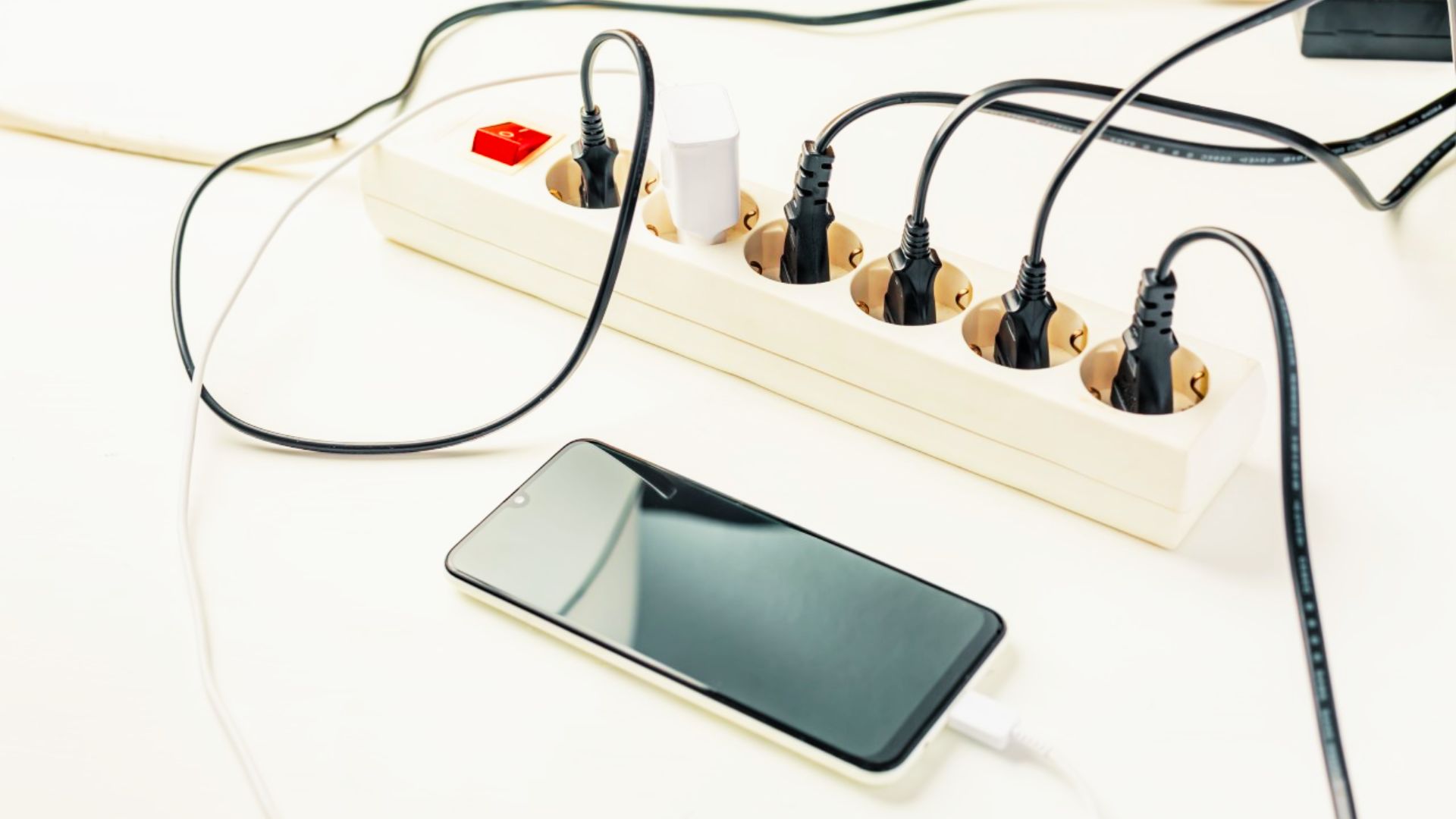
Plugged-in appliances silently drain power all day, even when they appear completely off.
Average Standby Power Consumption in Homes
The average household has dozens of devices consuming standby power at once. Standby consumption accounts for roughly 5–10% of total home electricity use.
That translates to around 50–100 watts being drawn continuously in most homes.
How Phantom Loads Increase Electricity Bills
Phantom loads are the power devices drawn while in standby or “off” mode. A single device may only pull 1–5 watts, but dozens running 24/7 add up fast.
Over a year, this silent consumption can add $100–$200 or more to your bill.
Estimated Annual Energy Waste From Idle Devices
Idle devices in an average home can waste 400–1,000 kWh of electricity annually. The U.S.
Department of Energy confirms standby power accounts for billions of wasted kilowatt-hours nationwide.
That’s comparable to running an extra refrigerator for several months straight.
Which Appliances Use the Most Standby Electricity?

Certain household appliances consume far more standby power than most people ever notice.
TVs, Cable Boxes, and Streaming Devices
Cable boxes consume up to 15–30 watts even when no one is watching. Smart TVs in standby draw 1–5 watts, and streaming sticks add another 1–3 watts on top.
A full entertainment setup can waste over 200 kWh per year doing nothing.
Computers, Gaming Consoles, and Wi-Fi Routers
Gaming consoles in standby draw 10–15 watts, especially with auto-update features enabled. Desktop computers in sleep mode use 1–10 watts, while routers run constantly at 5–20 watts.
These devices almost never get unplugged, making them steady sources of wasted energy.
Microwave Ovens and Kitchen Appliances
A microwave’s clock and control panel draw 2–7 watts around the clock. Coffee makers and toaster ovens with digital displays behave the same way.
Since these appliances stay plugged in year-round, their standby drain is easy to overlook.
Phone Chargers and Small Electronics
A charger left plugged in without a phone still draws 0.1–0.5 watts of power. Multiply that across multiple chargers, smart speakers, and small gadgets, and it adds up.
These low-draw devices are easy to ignore but contribute meaningfully to overall standby waste.
Appliances You Should Unplug to Save Electricity
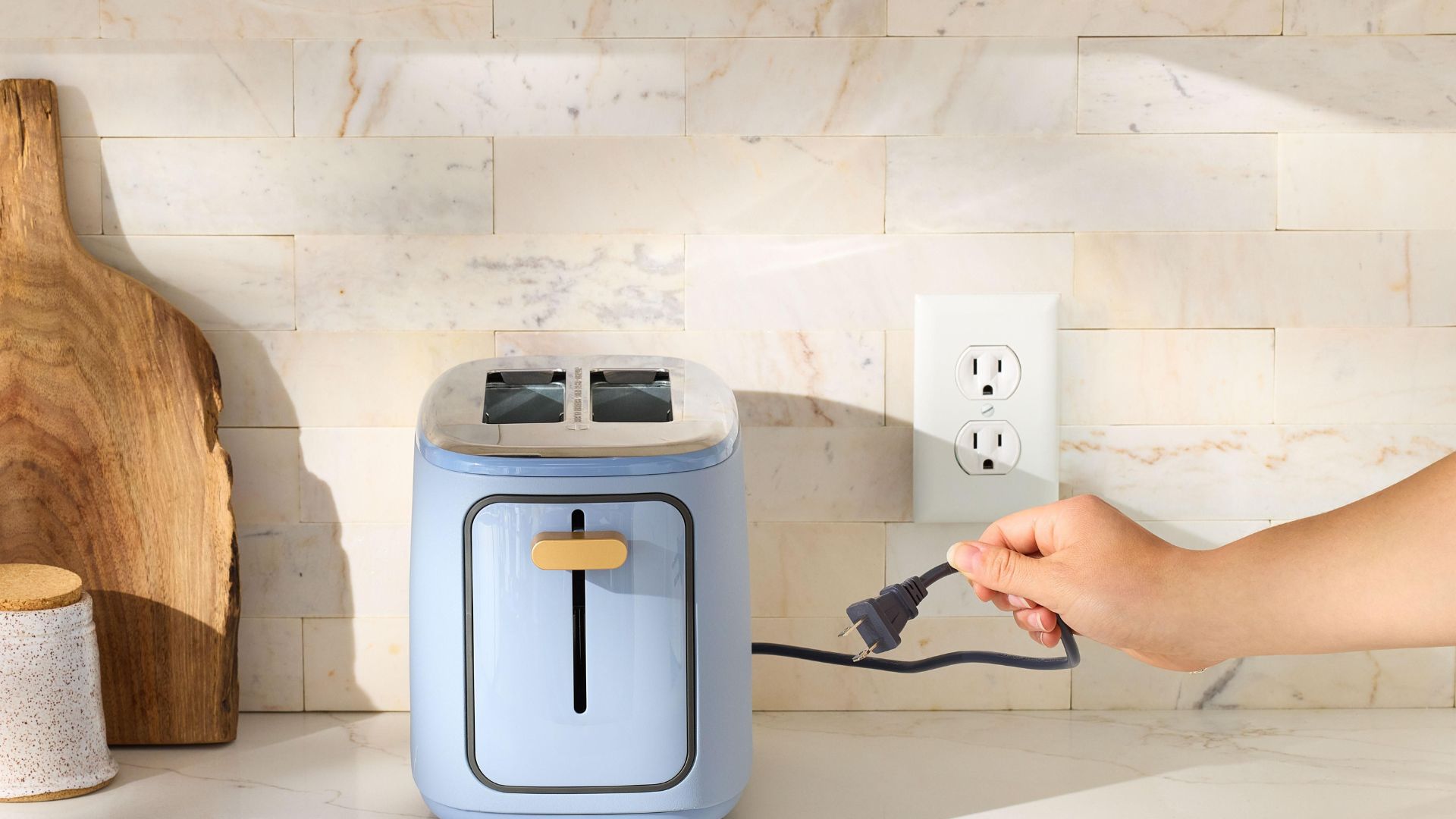
Most plugged-in appliances quietly drain electricity even when you are not using them.
Chargers and Devices Not in Use
Phone chargers, laptop adapters, and earbud cases pull standby power even without a device attached. This phantom load adds up across every outlet in your home.
Unplug chargers once the device is fully charged or not in use.
Home Entertainment Systems
TVs, gaming consoles, soundbars, and streaming sticks consume steady trickles of energy in standby mode 24/7.
A smart power strip lets you cut power to all of them with one switch. Turning it off daily can shave noticeable watts off your monthly bill.
Printers, Desktop Computers, and Monitors
Printers heat their internal components regularly even when idle, making them quiet but consistent power wasters.
Desktop computers and monitors on standby also draw significant passive power. Switch off their power strip when your workday ends.
Seasonal and Rarely Used Appliances
Air coolers, heaters, and holiday lighting sit idle for months but still draw standby current. Unplug them fully once the season is over.
For extra refrigerators used occasionally, consider whether keeping them running year-round is worth the cost.
Appliances That Should Stay Plugged In
Refrigerators, medical devices, security systems, and routers should remain connected at all times. Unplugging your fridge forces it to work harder and can spoil food.
Focus your unplugging habits on entertainment, charging, and office equipment only.
Do You Save Money by Unplugging Appliances?
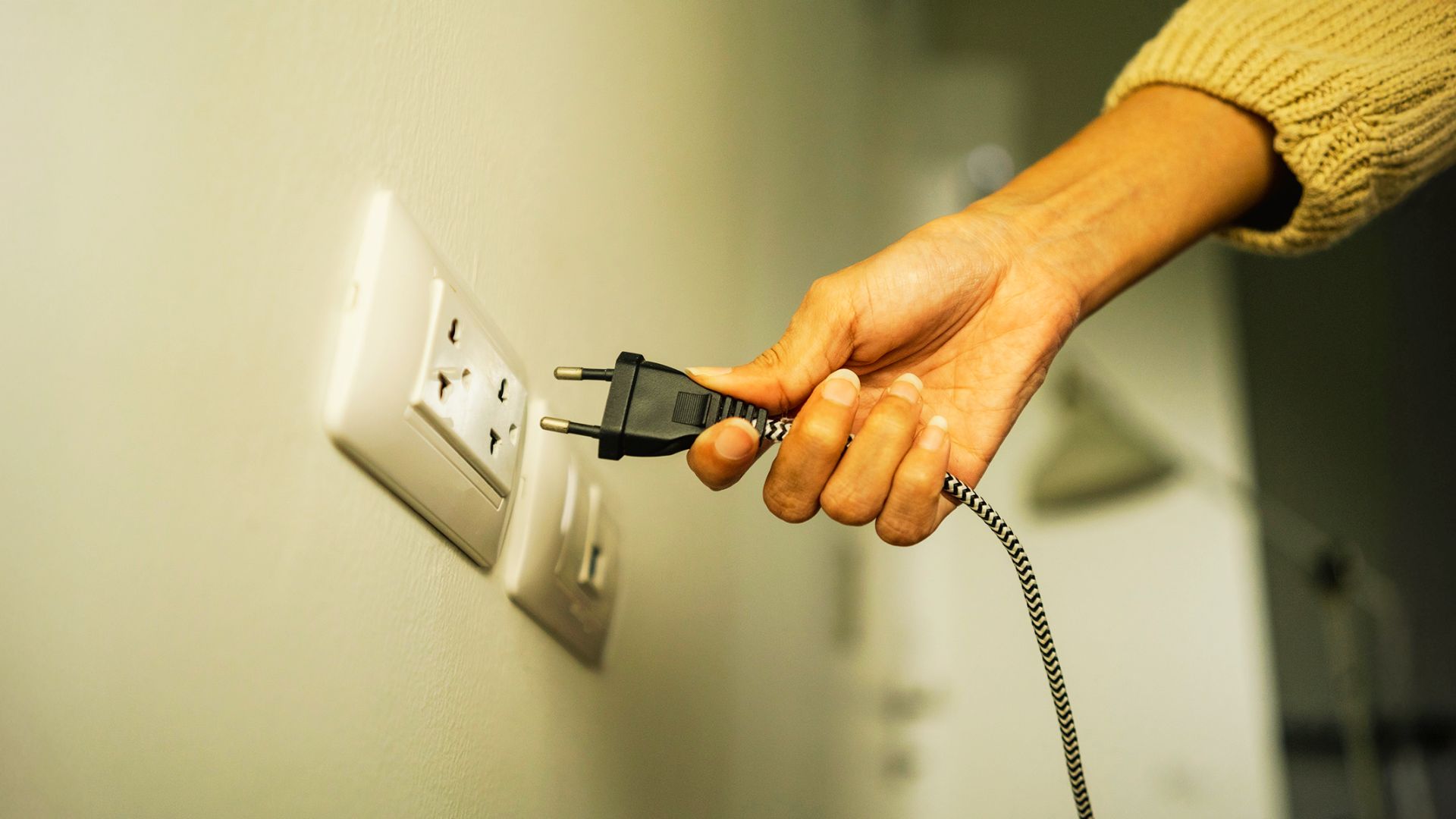
Unplugging idle appliances is one of the simplest ways to cut electricity costs without any major lifestyle changes.
How Much Money Can You Actually Save?
Standby power can make up 5% to 10% of a typical household’s electricity consumption.
Consistent unplugging habits can save several hundred rupees per month depending on your usage. The savings compound quickly when applied across multiple devices at home.
Is Unplugging Appliances Worth the Effort?
For high-draw devices like entertainment systems and desktop setups, the effort is minimal and the return is steady.
Using smart strips or labelled outlet zones makes the habit nearly automatic. Targeting just three or four major idle devices gets you most of the benefit.
Small Changes That Make the Biggest Difference
Switching off power strips instead of leaving devices on standby is the highest-impact habit you can build. Charging phones only until full and then unplugging also adds up over time.
Pair these habits with an energy monitor to see real-time results and stay consistent.
Tips to Reduce Electricity Waste From Appliances
Small changes in how you use your appliances can lower your electricity bill and save energy every day.
- Smart strips and smart plugs cut standby power automatically
- Switching off at the wall stops all hidden power draw
- Old appliances waste more power than newer efficient models
- Upgrading one appliance can lower your monthly bill noticeably
- Track energy use regularly to spot and fix wasteful habits
Conclusion
Honestly, when I first started paying attention to standby power, I was surprised by how much it added up.
Just leaving the TV and chargers plugged in was quietly draining my bill every month. Small changes really do make a difference.
Start with one or two outlets this week and you will likely notice the results. If this post helped you, drop a comment below or share it with someone looking to cut costs. I would love to hear what works for you.
Frequently Asked Questions
Does unplugging appliances save electricity overnight?
Yes, many devices draw power even when idle, so unplugging them overnight does cut electricity use. These small savings add up across weeks and months on your energy bill.
How much money can unplugging appliances save per year?
Most households can save between £30 and £80 per year by reducing standby power across devices. The exact amount depends on your energy tariff and how many appliances you unplug regularly.
Does leaving chargers plugged in waste electricity?
Chargers left plugged in without a device still draw a small amount of power called phantom load. Across several chargers in your home, this adds a real cost over a year.
What appliances use the most standby power?
Televisions, gaming consoles, set-top boxes, and microwaves are the biggest standby power consumers. They can draw between 5 and 20 watts continuously, even when not in use.
Is switching off at the wall the same as unplugging?
Switching off at the wall cuts the circuit and stops standby power just as effectively as unplugging. Unplugging is the only way to be fully certain no electricity is being drawn.