

I almost paid a plumber to install a vent pipe for my electric water heater. A friend stopped me just in time. That one conversation saved me hundreds of dollars.
So I started digging deeper and what I found surprised me more than I expected.
Do electric water heaters need to be vented? Most people assume yes because they have seen vent pipes on water heaters before.
But that assumption can cost you real money. Before you plan your installation or hire anyone, read this first. The answer is simpler than you think, and it changes everything.
Do Electric Water Heaters Need to Be Vented?
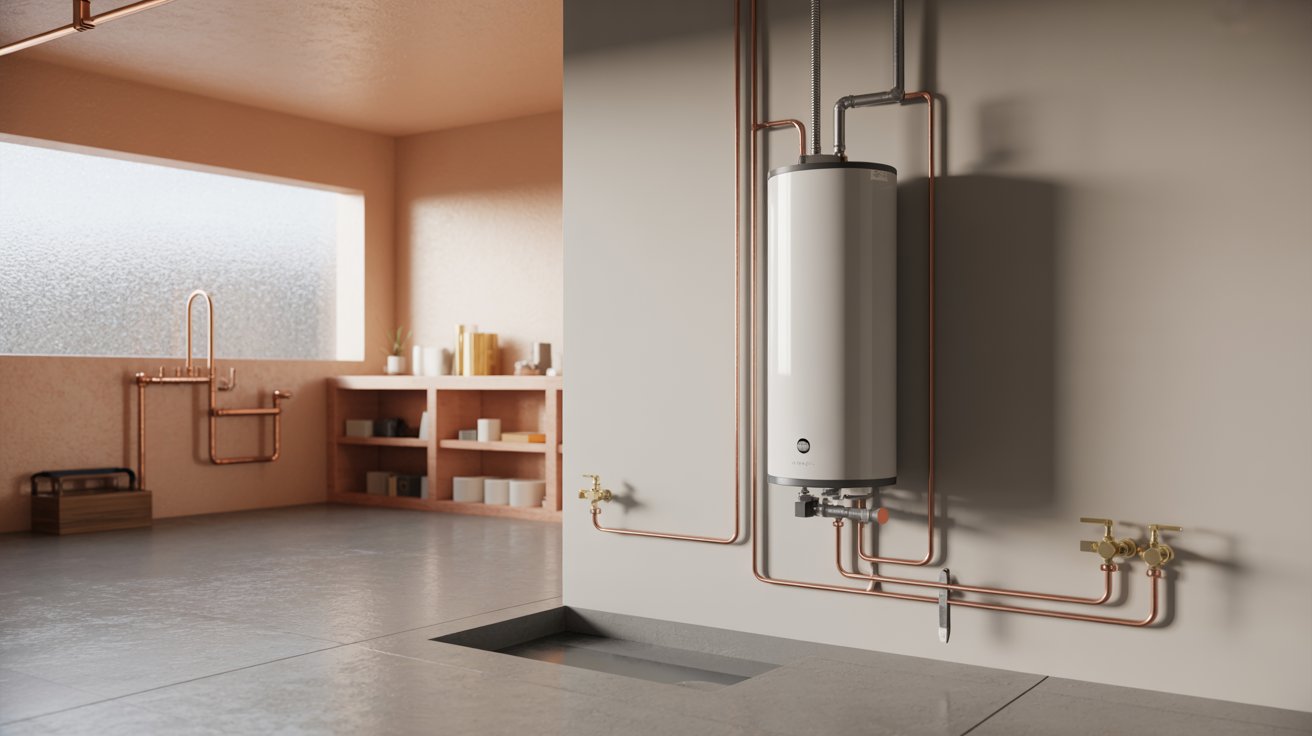
No. Electric water heaters do not need any venting system at all. This is one of the clearest differences between electric and gas models.
The reason is simple. Electric heaters do not burn any fuel. No combustion means no harmful gases are produced during operation.
Gas and propane water heaters, on the other hand, burn fuel to heat water. That process releases carbon monoxide and other exhaust gases that must be safely removed from your home.
So when people ask do electric water heaters need to be vented, the answer is a firm no. You can skip the vent pipe entirely with an electric unit.
Why Venting Is Required for Some Water Heaters
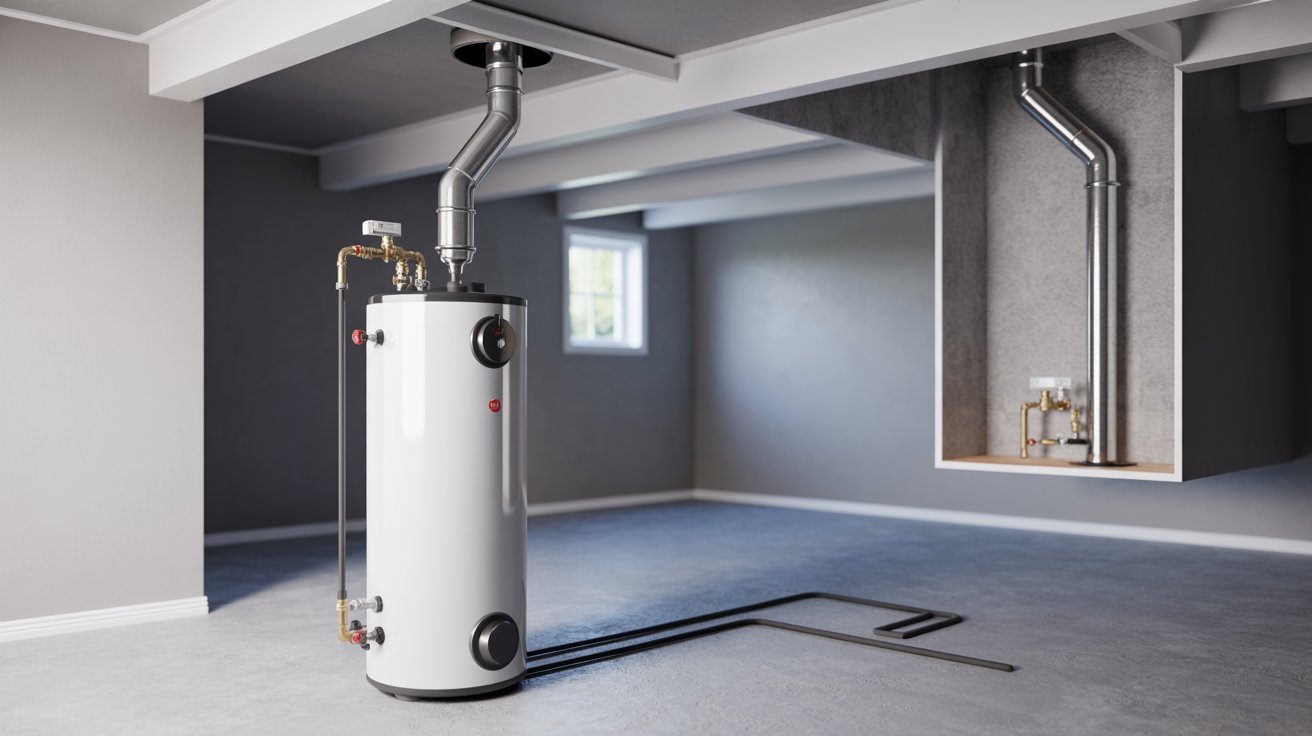
Not every water heater works the same way. The ones that need venting are the ones that burn fuel to operate. Understanding this distinction helps you make better decisions about your home setup.
How Combustion Creates Harmful Gases
Gas water heaters burn natural gas or propane inside a combustion chamber. This process produces carbon monoxide, a colorless and odorless gas that is extremely dangerous in enclosed spaces.
Without proper venting, those gases have nowhere to go. They build up inside your home and create a serious health risk.
This is why building codes require gas water heaters to have a dedicated venting system. It is not optional. It is a safety requirement.
The Role of Vent Pipes and Flues
Vent pipes and flues carry exhaust gases from the water heater directly outside your home. They work by creating a pathway for harmful air to exit safely.
These systems must be installed correctly and inspected regularly. A cracked or blocked flue is one of the most common causes of carbon monoxide incidents at home.
Building codes are very specific about vent sizing, material, and routing. A licensed plumber or HVAC technician should always handle this kind of installation.
How Electric Water Heaters Work (And Why They Don't Need Venting)
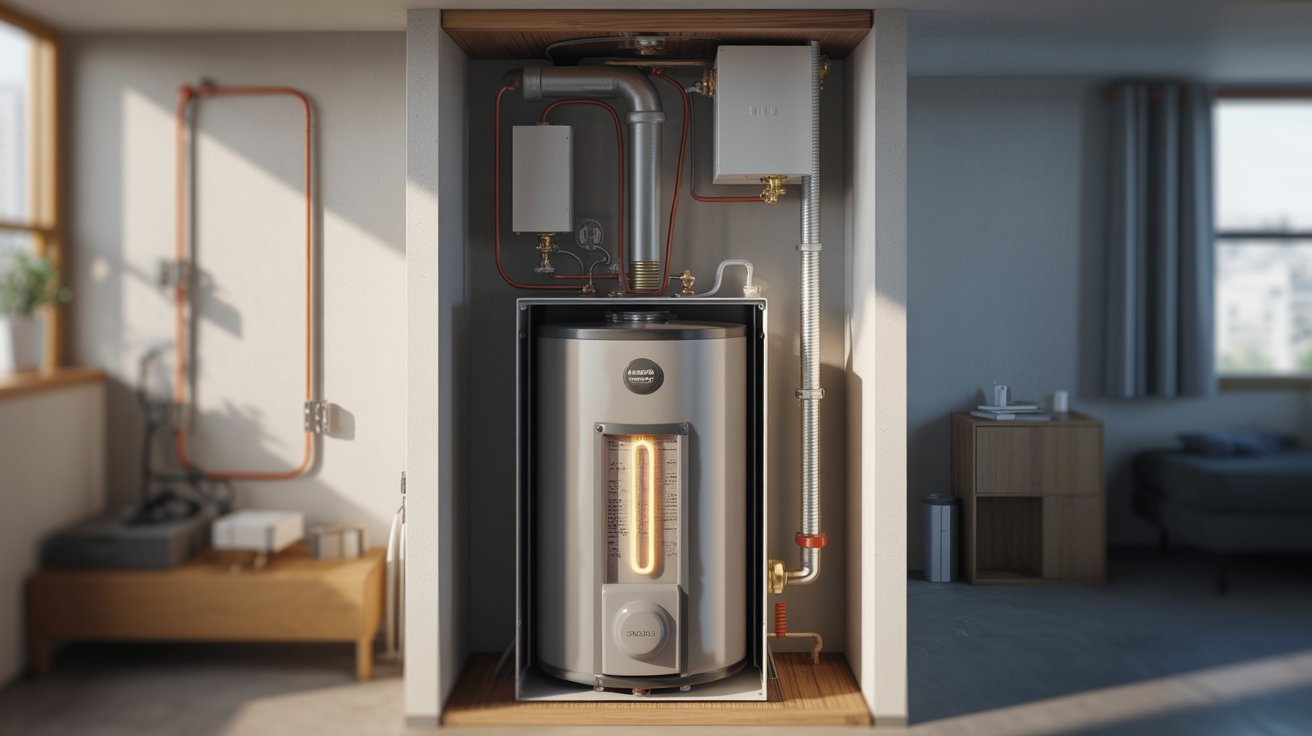
Electric water heaters use heating elements, not burners. These elements work the same way as the coil inside an electric kettle. They heat the water directly without burning anything.
Because there is no combustion happening, no gases are produced at any point during operation. The system is completely closed and self-contained.
There are no fumes, no exhaust, and no byproducts that need to be removed from the air. This makes electric water heaters far simpler to install.
They are also safer for indoor spaces like apartments, closets, and utility rooms where installing a vent would be difficult or impossible.
Are There Any Situations Where Venting Might Be Needed?

This is where some confusion comes in. Do electric water heaters need to be vented in any special situation? The short answer is still no. But there are a few things worth knowing.
Some people confuse venting with general airflow. These are two very different things. A vent system removes combustion gases. Airflow just means the room has adequate circulation.
If your electric water heater is placed in a very tight or enclosed space, you should make sure there is enough room around it for heat to dissipate properly. This is about safety clearance, not venting.
Good airflow in the room also helps during maintenance and keeps the unit from overheating in an unusually confined space. But again, this is airflow, not a vent requirement.
Electric vs Gas Water Heaters: Venting Comparison
Both types of water heaters heat water but they do it in very different ways. Those differences have a direct impact on installation, cost, and safety. Here is a clear side-by-side breakdown.
| Feature | Electric Water Heater | Gas Water Heater |
| Venting Required | No | Yes |
| Installation Complexity | Low | High |
| Safety Concerns | Minimal | Carbon monoxide risk |
| Upfront Installation Cost | Lower | Higher (vent system adds cost) |
| Placement Flexibility | High | Limited by vent routing |
| Ongoing Maintenance | Low | Higher (vent inspection needed) |
Benefits of Electric Water Heaters (No Venting Required)
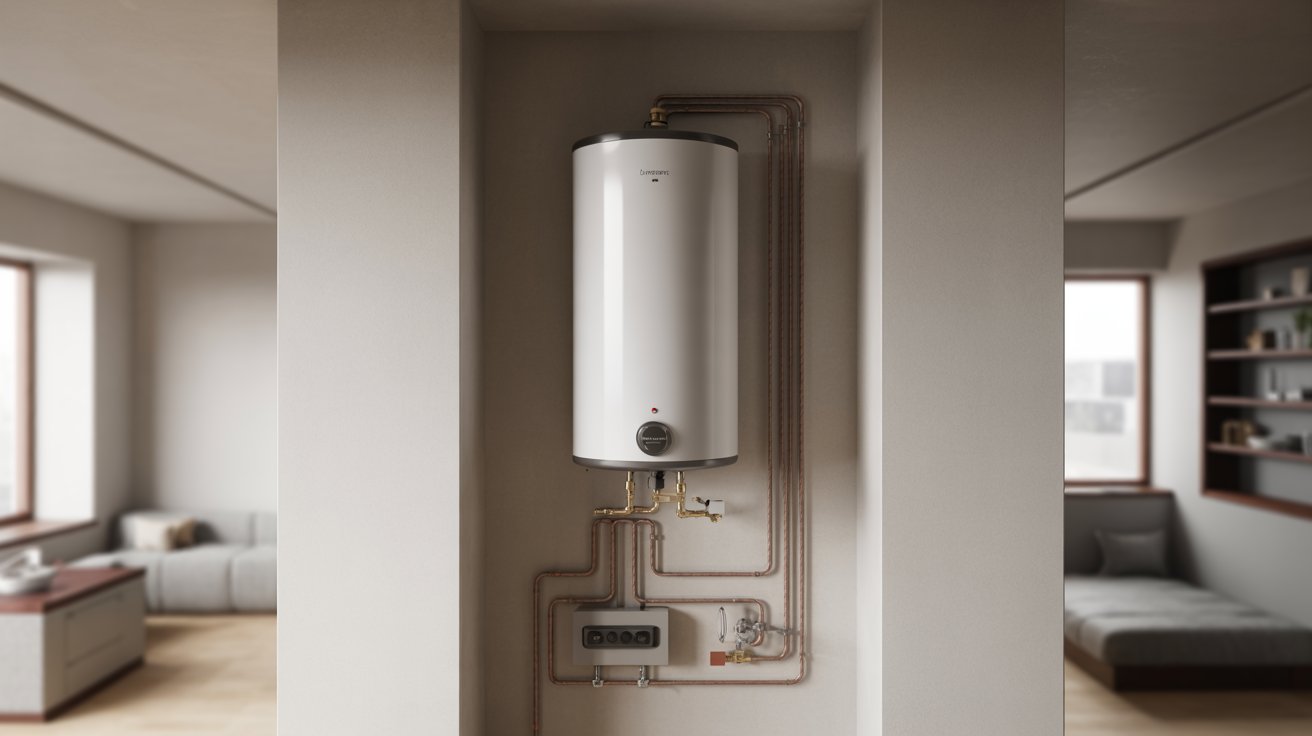
One of the biggest reasons people switch to electric water heaters is how much simpler the whole setup is. No vent system means fewer parts, fewer complications, and fewer things that can go wrong over time.
This simplicity carries benefits that go well beyond just the installation day.
- Easier installation: No vent pipes or flues needed, which cuts down on labor time and material costs significantly.
- Lower upfront costs: Skipping the venting system saves a noticeable amount on your total installation bill.
- Flexible placement: Electric units can go in closets, small utility rooms, or apartments where gas venting would be impossible.
- Reduced maintenance: Without a vent system to inspect and clean, your annual maintenance checklist gets much shorter.
- Energy efficiency: Modern electric water heaters, especially heat pump models, are highly efficient and cost-effective over time.
When you add all of this up, the no-vent advantage is one of the strongest reasons to go electric, especially if you are in a space where running vent pipes would be a major project.
Installation Requirements for Electric Water Heaters
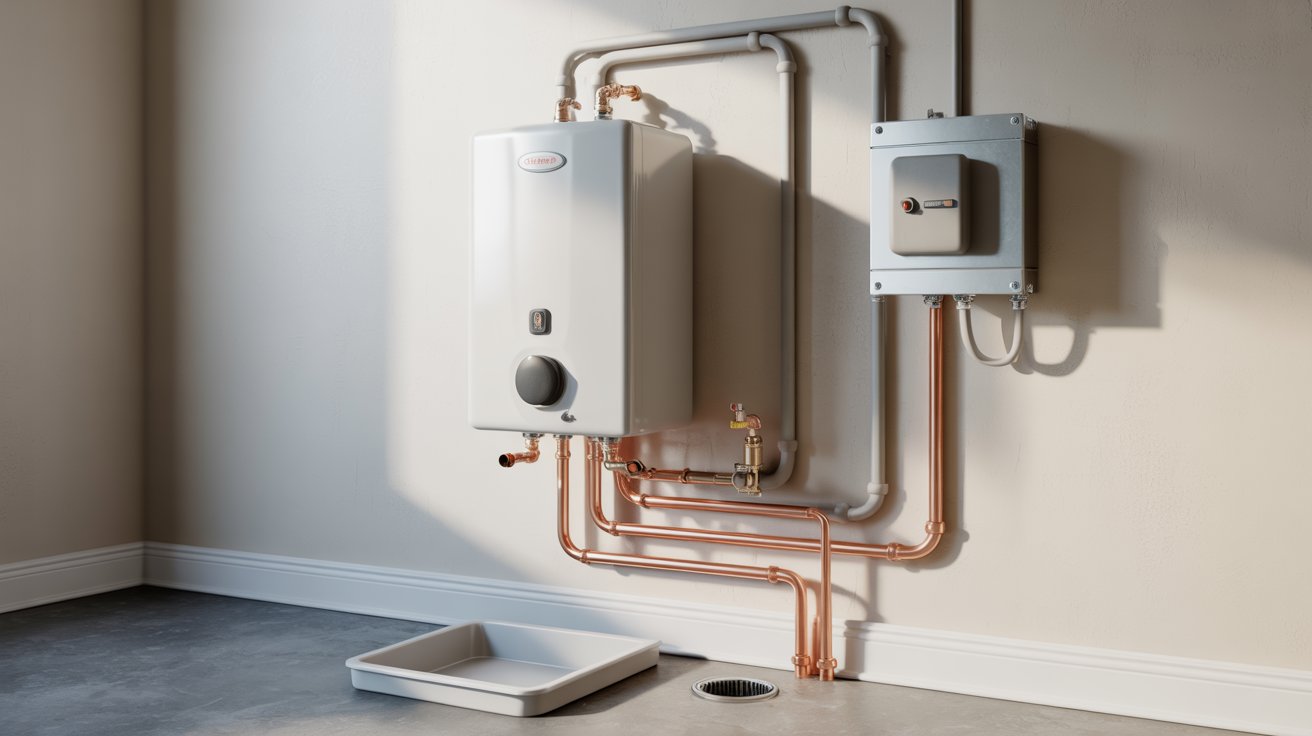
Even though electric water heaters skip the venting requirement, they do have their own set of installation needs. Getting these right from the start saves you from bigger problems later.
Electrical Setup and Power Needs
Most standard electric water heaters run on a 240-volt circuit. This is a dedicated circuit, meaning no other appliances should share it.
The circuit breaker size typically needs to match the heater's wattage. A 4500-watt heater usually requires a 30-amp breaker at minimum.
Always have a licensed electrician handle the wiring. Incorrect electrical setup is one of the most common causes of water heater failures and fire hazards.
Space and Clearance Guidelines
Your electric water heater needs a few inches of clearance on all sides. This allows heat to dissipate and gives you access for maintenance.
Avoid placing it directly against walls or in corners where airflow is completely blocked. Even though no venting is required, the unit still generates heat during operation.
Check your manufacturer's manual for exact clearance measurements. These vary by model and tank size.
Plumbing and Safety Components
Every electric water heater must have a pressure relief valve installed. This valve releases pressure if the tank overheats or pressure builds too high inside.
A drain pan placed beneath the unit is also a smart addition. It catches any leaks before they damage your flooring or cabinetry.
Make sure all plumbing connections are tight and properly sealed. Loose connections are the number one source of slow leaks that go unnoticed for months.
Common Myths About Electric Water Heater Venting
There is a lot of confusion floating around about whether electric water heaters need special venting or safety systems. Most of it is simply not true. Let me set the record straight on the most common ones.
These myths spread because people assume all water heaters work the same way. They do not, and believing the wrong information can lead to unnecessary costs or poor installation decisions.
- Myth: All water heaters need vents. Only gas and propane water heaters need venting. Electric models produce no combustion gases and require no vent system at all.
- Myth: Electric heaters produce harmful gases. They do not. Electric heating elements heat water without burning any fuel, so there are zero fumes or exhaust gases involved.
- Myth: Venting improves performance. For electric water heaters, this is completely false. Adding a vent serves no function and does nothing to improve heating speed, efficiency, or lifespan.
Now that you know the truth, you can move forward with confidence. Do not let these myths push you into paying for equipment or installation work you simply do not need.
When Should You Choose an Electric Water Heater?
Electric water heaters are a great fit for a wide range of situations. They are not the right choice for everyone, but they work very well in the following cases.
Apartments and small homes are ideal for electric units. The flexibility of placement and the lack of venting requirements make them much easier to fit into compact spaces.
If your home does not have a gas supply line, electric is the practical and often the only option. Running a new gas line is expensive and not always possible depending on your location.
Budget-conscious installations also benefit from going electric. Without the cost of a vent system, the overall setup expense is noticeably lower.
That said, gas water heaters may still be preferred in larger homes with high hot water demand or in areas where gas is significantly cheaper than electricity. It is about matching the right system to your actual needs.
Conclusion
Choosing the right water heater should not be stressful. Now you know the facts, and you can move forward without second-guessing yourself. Do electric water heaters need to be vented?
Absolutely not. That alone makes the decision so much simpler for most homeowners. So what is holding you back? Are you still comparing your options or ready to install?
Drop your question or experience in the comments below. I read everything. And if this cleared things up for you, share it with someone who is about to make the same decision right now.
Frequently Asked Quetions
Do Electric Tankless Water Heaters Need to Be Vented?
No, electric tankless water heaters do not require any venting because they do not burn fuel of any kind. They heat water instantly using electric elements, which produce no gases or exhaust.
Can I Install an Electric Water Heater in a Closed Room?
Yes, you can install it in an enclosed space, but make sure there is enough room around the unit for proper clearance and maintenance access. No dedicated vent is required, but basic airflow in the room is still recommended.
Why Do Gas Water Heaters Need Venting but Electric Ones Don't?
Gas water heaters burn fuel, which produces carbon monoxide and other harmful gases that must be safely removed from the home. Electric water heaters use heating elements and produce no gases at all, so venting is simply not necessary.
Is Ventilation Still Important for Electric Water Heaters?
General room airflow is helpful for heat dissipation and maintenance access, but no dedicated vent system is required. This is very different from the mandatory venting that gas water heaters need for safety.
Are Electric Water Heaters Safer Than Gas Models?
Electric water heaters carry significantly lower risk when it comes to gas leaks and carbon monoxide exposure. They are generally considered the safer option for enclosed or residential spaces where combustion risks are a concern.