
I came home one evening and stopped dead in the doorway. There was a sharp, sweet smell hanging in the air. No one had used nail polish remover.
Nothing had been cleaned. I had no idea where it was coming from.
That is exactly the kind of moment that makes you wonder, is acetone smell in house dangerous, or am I overthinking this? The truth is, it depends.
And the answer is not always obvious. I dug deep into every possible cause so you do not have to guess. Some of what I found genuinely caught me off guard.
Is an Acetone Smell in the House Dangerous?

It depends entirely on the source. In many cases, it is just a spilled product or something off-gassing.
But in some situations, an acetone smell in house can be genuinely dangerous and needs immediate attention.
Acetone is flammable. If the concentration in a room gets high enough and there is an open flame or spark nearby, it becomes a fire hazard. That is not something to take lightly.
Inhaling large amounts of acetone vapors can cause dizziness, headaches, nausea, and throat irritation. Short exposure to low levels is usually not harmful for healthy adults, but prolonged exposure is a different story.
If the smell is strong, sudden, and you cannot find an obvious source, act quickly. Open windows, leave the room, and investigate from there.
11 Common Reasons You Smell Acetone in Your House
There are more sources of acetone smell than most people expect. Some are harmless, some need attention, and a few require urgent action. Here is a full breakdown.
1. Nail Polish Remover or Beauty Products

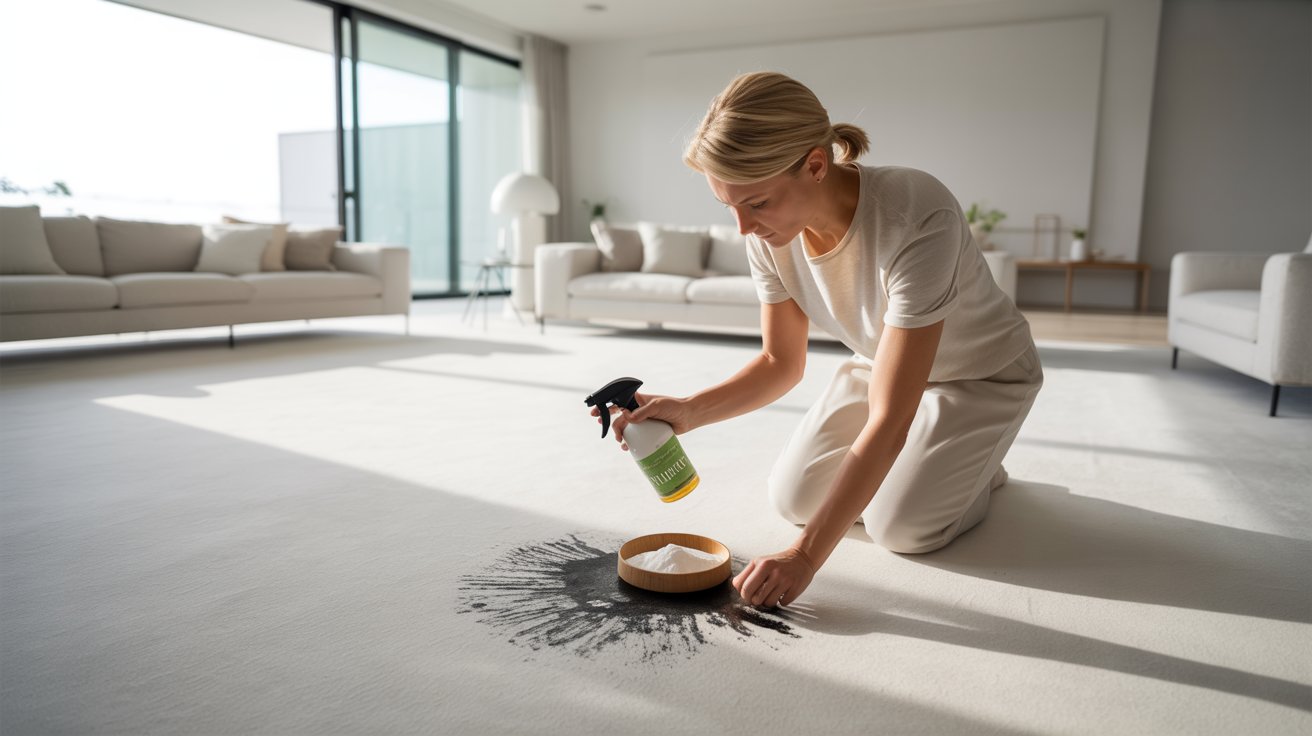
This is the most common household source. Nail polish remover is almost pure acetone, and even a small spill can fill a room with that sharp, chemical smell.
Open bottles left on a dresser or bathroom counter release vapors steadily. You do not need a big spill for the smell to spread.
Check your bathroom first. Nine times out of ten, this is where the smell is coming from.
2. Cleaning Products Containing Solvents

Many household cleaners contain acetone or similar solvents. Degreasers, adhesive removers, and some surface cleaners are common examples.
Using them in a closed space without ventilation concentrates the smell quickly. Even dried residue on surfaces can continue to off-gas for a while.
Always read labels and use solvent-based cleaners with windows open.
3. Paint, Thinners, or DIY Renovation Work

If you have recently painted, varnished, or done any renovation work, that sweet chemical smell is likely coming from the materials used.
Paint thinners, lacquers, and wood finishes all contain solvents that smell similar to acetone. In a closed room, these fumes build up fast.
Poor ventilation is almost always the problem here. Open windows and use fans to move air through the space.
4. Leaking Refrigerant or HVAC Issues
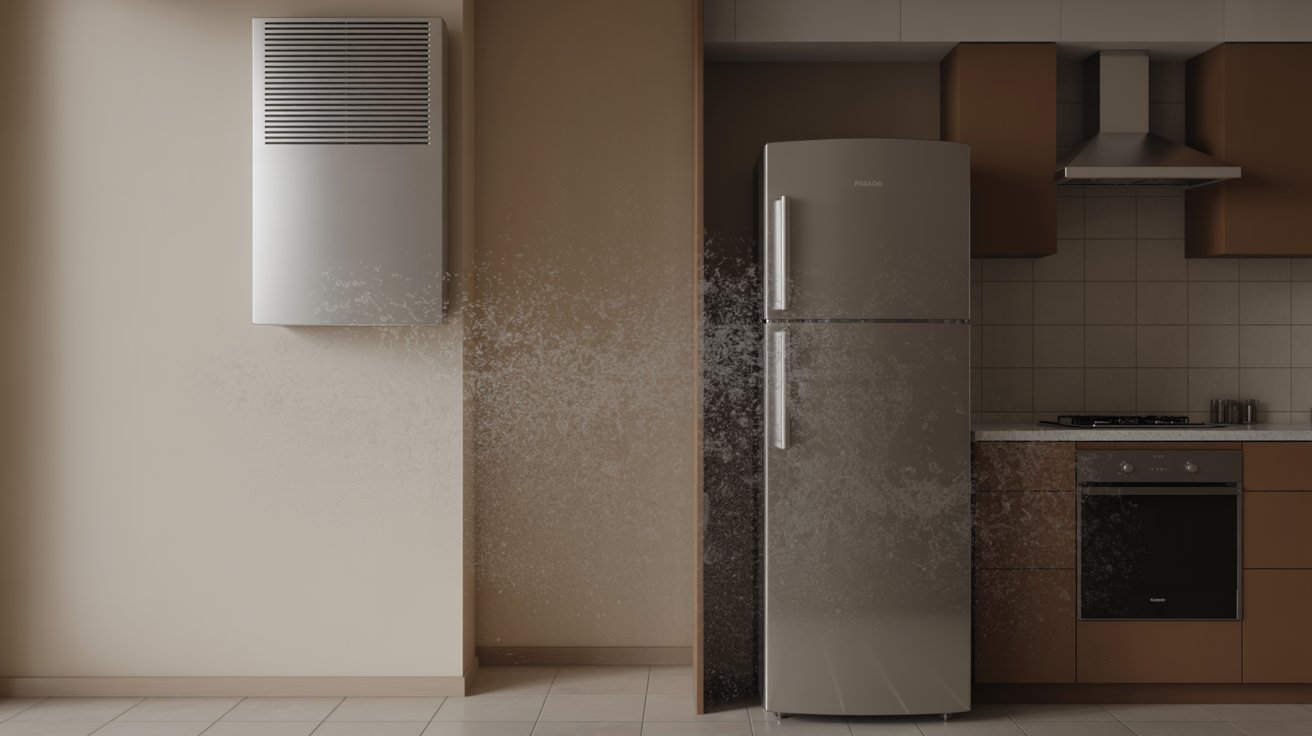
Some refrigerants used in air conditioning systems and refrigerators produce a chemical smell when they leak. It can sometimes come across as sweet or acetone-like.
This is not something you can fix yourself. A refrigerant leak needs a licensed technician to diagnose and repair it.
If the smell is strongest near your fridge or HVAC unit, that is your first clue. Do not ignore it.
5. Gas Leaks or Chemical Reactions
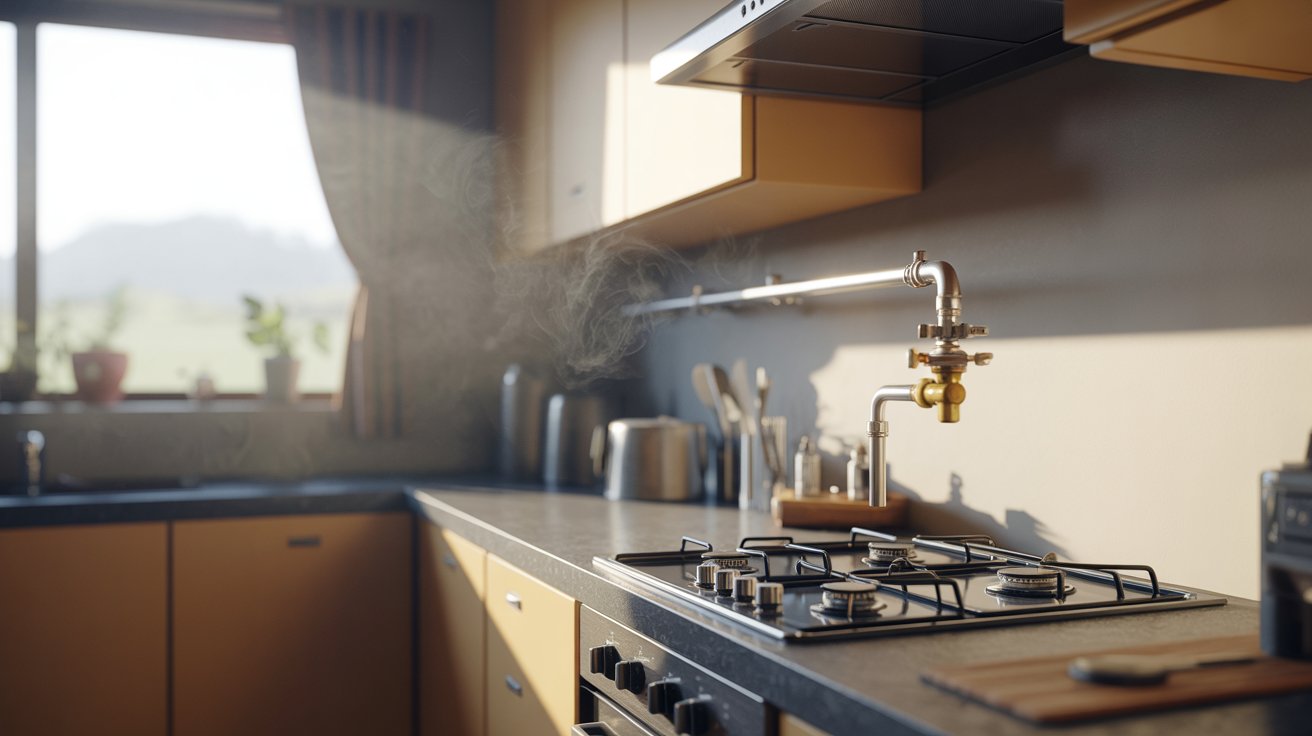
Natural gas itself is odorless, but the additive used to make it detectable has a sulfur or rotten egg smell, not an acetone one. So a pure acetone smell is unlikely to be a standard gas leak.
However, certain chemical reactions or propane leaks can produce sweet or solvent-like odors. If you are unsure, treat it seriously.
When in doubt, leave the house and call your gas provider or emergency services. It is always better to be wrong than to ignore a real leak.
6. Mold Producing Musty-Chemical Odors

Not all mold smells musty. Some types of mold produce volatile organic compounds that smell sweet, sharp, or chemical-like. Acetone is one of the compounds certain molds release.
This is often a sign of hidden moisture problems inside walls, under flooring, or in crawl spaces. The mold itself may not be visible.
If the smell is strongest in a specific area and you cannot find any product causing it, check for moisture damage nearby.
7. Electrical Overheating or Burning Components

Overheating wires, circuit boards, and electrical components can produce a sharp chemical smell. Some people describe it as sweet or similar to nail polish remover.
This is one of the more serious causes on this list. Overheating electrical components are a fire risk and need immediate attention.
If the smell is coming from an outlet, appliance, or your electrical panel, stop using that circuit and call an electrician.
8. Stored Chemicals or Improper Storage
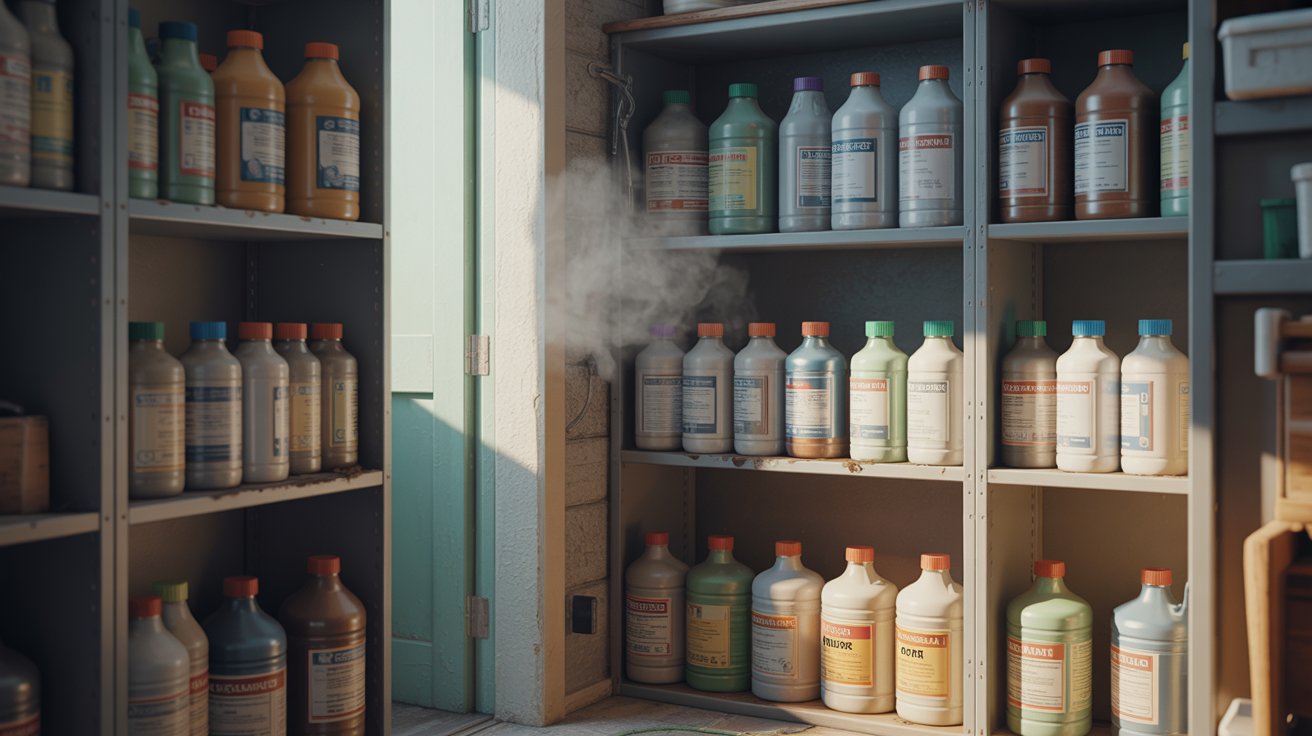
Garages, cleaning cabinets, and utility rooms are common places where chemicals are stored without much thought. Over time, containers degrade or lids loosen, and vapors escape.
Sometimes chemicals stored near each other react and produce new odors. Even products that seem harmless individually can create strong smells when stored together.
Go through your storage areas regularly. Dispose of old or unlabeled chemicals safely.
9. New Furniture or Synthetic Materials (Off-Gassing)

New furniture, carpets, mattresses, and flooring often release chemical fumes for the first few weeks after purchase. This is called off-gassing, and it happens because of adhesives, foams, and synthetic finishes used in manufacturing.
In new homes or recently furnished rooms, this is an extremely common source of acetone-like smells. It is usually harmless but uncomfortable.
Ventilating the room well and giving new items time to air out resolves it in most cases.
10. Pest Infestation (Rodents or Insects)
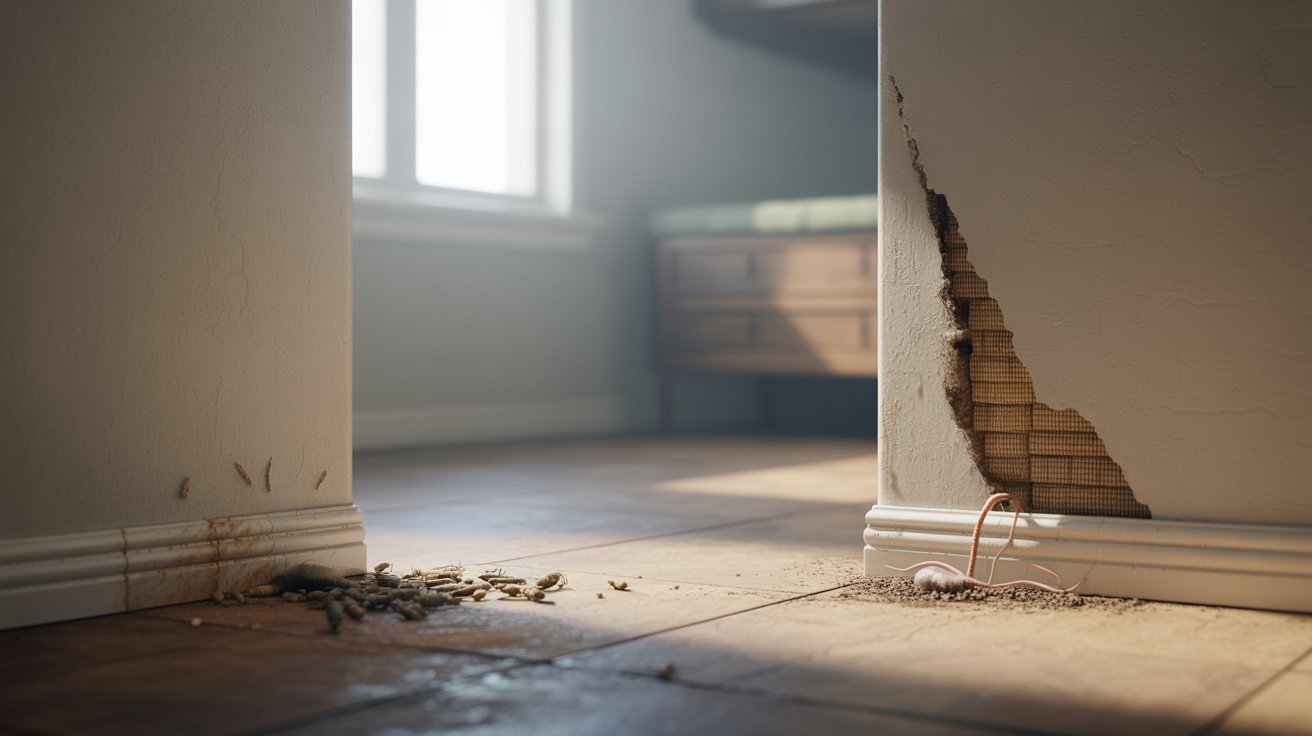
Certain pests produce chemical-like odors. Rodent urine and nesting materials can create sharp, unpleasant smells that sometimes get mistaken for chemical sources.
Some insects, including certain beetles and ants, also release compounds that smell sweet or chemical. Larger infestations tend to produce stronger odors.
If the smell is concentrated in one area and you cannot find any obvious chemical source, check for signs of pests inside walls or under floors.
11. Health-Related Causes (Breath or Body Odor)

This one surprises people. Sometimes the acetone smell is not coming from the house at all. It is coming from a person.
Fruity or acetone-like breath is a known symptom of diabetic ketoacidosis, a serious condition where the body produces excess ketones. People following strict low-carb or ketogenic diets can also produce this smell in smaller amounts.
If you smell acetone only around one person or only notice it indoors when that person is present, a health-related cause is worth considering.
How to Identify the Source of Acetone Smell
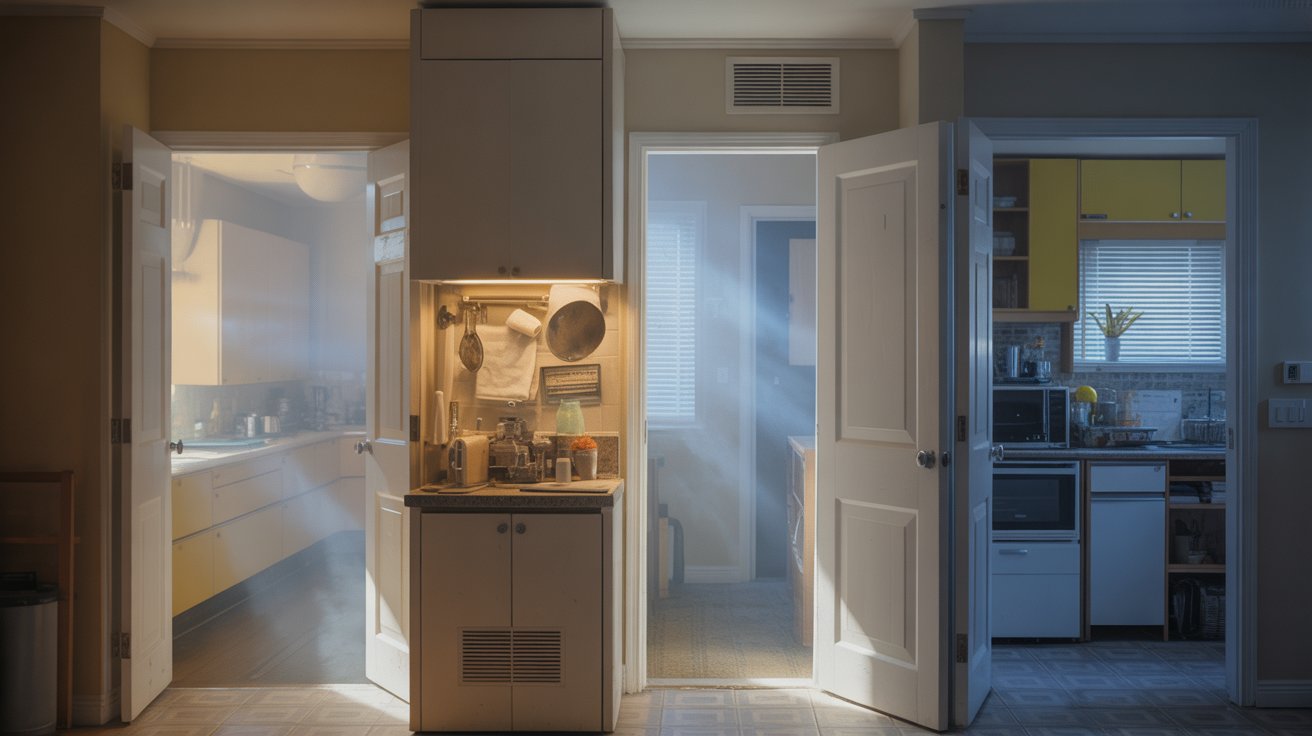
Start with the room where the smell is strongest. Stand in the center and try to figure out which direction the smell comes from. Smell intensity drops the further you get from the source.
Go room by room if you cannot pinpoint it quickly. Check bathrooms first for beauty products, then kitchens for cleaners, then garages for stored chemicals. Open cabinets and get close to appliances.
Pay attention to when the smell is strongest. If it appears after the HVAC turns on, the source may be inside the ductwork or near the unit. If it appears only at night, temperature changes may be causing vapors to rise from a spill or stored product.
If you go through every room and still cannot find it, consider calling a professional. Some sources, like refrigerant leaks or hidden mold, need equipment to detect properly.
What to Do Immediately If You Smell Acetone
Open windows and doors right away. Getting fresh air moving through the space lowers the concentration of vapors quickly. Do not wait to figure out the source before ventilating.
Remove any obvious products you find. Cap open bottles, move containers outside, and dispose of anything spilled or damaged. Keep them away from heat or open flames.
Do not use lighters, matches, or anything that creates a spark until you have identified the source. Acetone vapors are flammable and can ignite if the concentration is high enough.
If the smell is very strong, you feel dizzy or nauseous, or you cannot find any household source for it, leave the house. Call emergency services if you suspect a refrigerant leak, electrical fault, or anything you cannot safely handle yourself.
How to Prevent Acetone Smells in the Future
Most acetone smell problems are preventable. A few simple habits go a long way toward keeping your home safe and odor-free.
Here is what I recommend doing consistently:
- Store chemicals properly: Keep all solvents, cleaners, and beauty products in sealed containers. Store them in ventilated areas away from heat sources
- Ventilate when using products: Any time you use paint, cleaners, or nail products, open windows. Run a fan if possible
- Check HVAC and appliances regularly: Schedule annual maintenance for your air conditioning and refrigerator. Catching small leaks early prevents bigger problems
- Dispose of old chemicals safely: Do not keep unlabeled or expired chemical products. Check with your local waste disposal program for proper disposal
- Address moisture issues quickly: Fix leaks and damp areas before mold has a chance to grow and produce odors
Good habits now save you from stressful situations later. Most of these take just a few minutes and make a real difference.
Conclusion
Not every acetone smell in house dangerous situation turns into a real crisis.
But the ones that do give you warning signs first. That is the part most people miss because they simply do not know what to look for.
Now you do. You have everything you need to act fast, stay safe, and stop second-guessing yourself.
If this guide gave you clarity, share it with someone who might be dealing with the same thing.
And if you are still trying to track down a smell in your home, leave a comment below. Let us figure it out together.
Frequently Asked Questions
Is an Acetone Smell in the House Always Dangerous?
No, it is not always dangerous, but it can indicate serious issues depending on the source. Always investigate rather than ignore it.
Why Does My House Smell Like Acetone at Night?
Temperature changes and reduced ventilation at night can cause vapors from spills or stored products to become more noticeable. HVAC cycles can also circulate trapped odors through the house.
Can Mold Smell Like Acetone?
Yes, certain types of mold produce volatile compounds that create a sweet or chemical-like odor. If you suspect hidden mold, check areas with moisture damage.
What Does It Mean If I Smell Acetone but No One Else Does?
It could be a health-related cause or a higher personal sensitivity to the compound. If it is persistent and only you notice it, speaking with a doctor is a good step.
How Long Does Acetone Smell Last Indoors?
It depends on the source and how well ventilated the space is. With proper airflow, the smell usually fades quickly once the source is removed or sealed.