
I still remember holding my first acacia wood spoon and thinking, “Looks great, but is it actually safe?” If that sounds like you, you are in the right place.
Acacia wood has taken over kitchens fast. But looks mean nothing if the material is not safe for cooking.
In this article, I will cover the safety, anti-bacterial properties, wood comparisons, and care tips for acacia wood utensils.
By the end, you will know exactly what to put in your kitchen and why.
What is Acacia Wood?

Acacia wood comes from the Acacia tree, which grows across Africa, Australia, and parts of Asia.
It is a dense hardwood known for its natural strength and water resistance. The wood has a tight grain, which makes it less likely to absorb moisture or crack over time.
Compared to softer woods, acacia holds up well under daily kitchen use.
It is heavier and more durable than many other wood types, making it a reliable and long-lasting material for kitchen tools.
Is Acacia Wood Safe for Cooking?
Yes, acacia wood is safe for cooking, and here is exactly what you need to know.
Non-Toxic Properties

Acacia wood does not contain harmful chemicals that can leach into your food. It is completely natural and free from toxic substances.
When you use acacia utensils for cooking or food prep, nothing harmful passes into your meals.
Many food safety experts consider it a safe material for chopping boards, spoons, and spatulas. You can use acacia utensils daily without worrying about contamination.
Anti-Bacterial Qualities

Acacia wood has a tight grain that resists moisture absorption. Bacteria need moisture to grow, so this matters in the kitchen.
The wood’s natural oils also help slow bacterial growth on its surface. Research on hardwoods shows that bacteria die off faster on wood than on plastic.
This makes acacia a smart choice for cleaner, safer kitchen tools. Regular washing still matters, but the wood itself works in your favor every single day.
Allergies and Considerations

In rare cases, some people may have sensitivity to acacia wood’s natural oils. This is not common, but it is worth knowing.
Most users have no reaction at all. If you have a known wood allergy or very sensitive skin, test contact with the wood before regular use.
For the vast majority of people, acacia wood is completely safe. Children and adults alike can use acacia utensils without any concern in day-to-day cooking.
Benefits of Using Acacia Wood for Cooking Utensils
Acacia wood offers real, practical benefits that make it stand out in any kitchen.
Knife-Friendly Surface
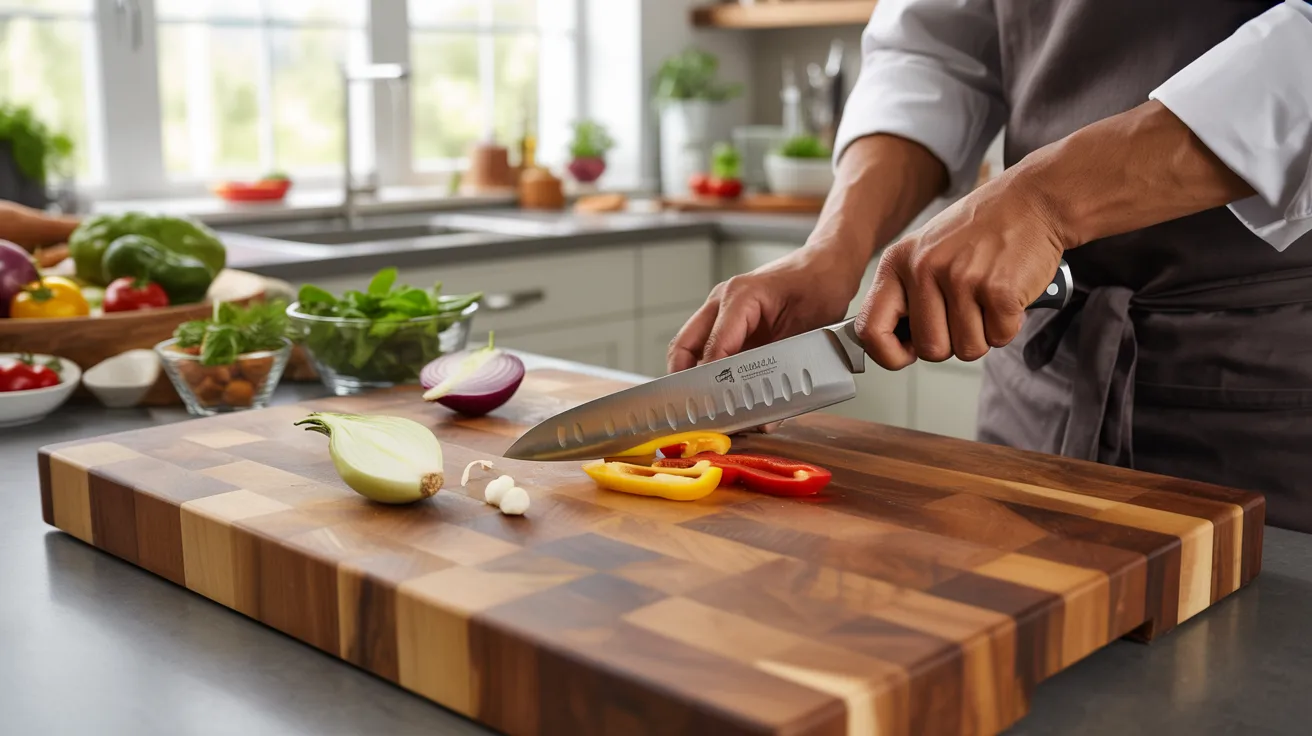
Acacia wood has a soft enough surface to protect your knife blades during use. Metal and glass surfaces dull knives fast.
Acacia absorbs the impact of cutting, which means your knives stay sharper for longer. This is a big deal if you cook often and care about your kitchen tools.
It also reduces the scraping sound that harder surfaces create. A good acacia chopping board can make everyday cooking feel much smoother and more enjoyable.
Longevity and Durability

Acacia wood can last for years when cared for properly. It does not warp or crack easily, which is a common problem with lighter woods.
The dense grain holds its shape even after repeated washing and drying cycles. With regular oiling, an acacia utensil can serve your kitchen for a decade or more.
This makes it a cost-effective choice in the long run. Buying once and caring well always beats replacing cheap tools every year.
Food Safety and Hygiene
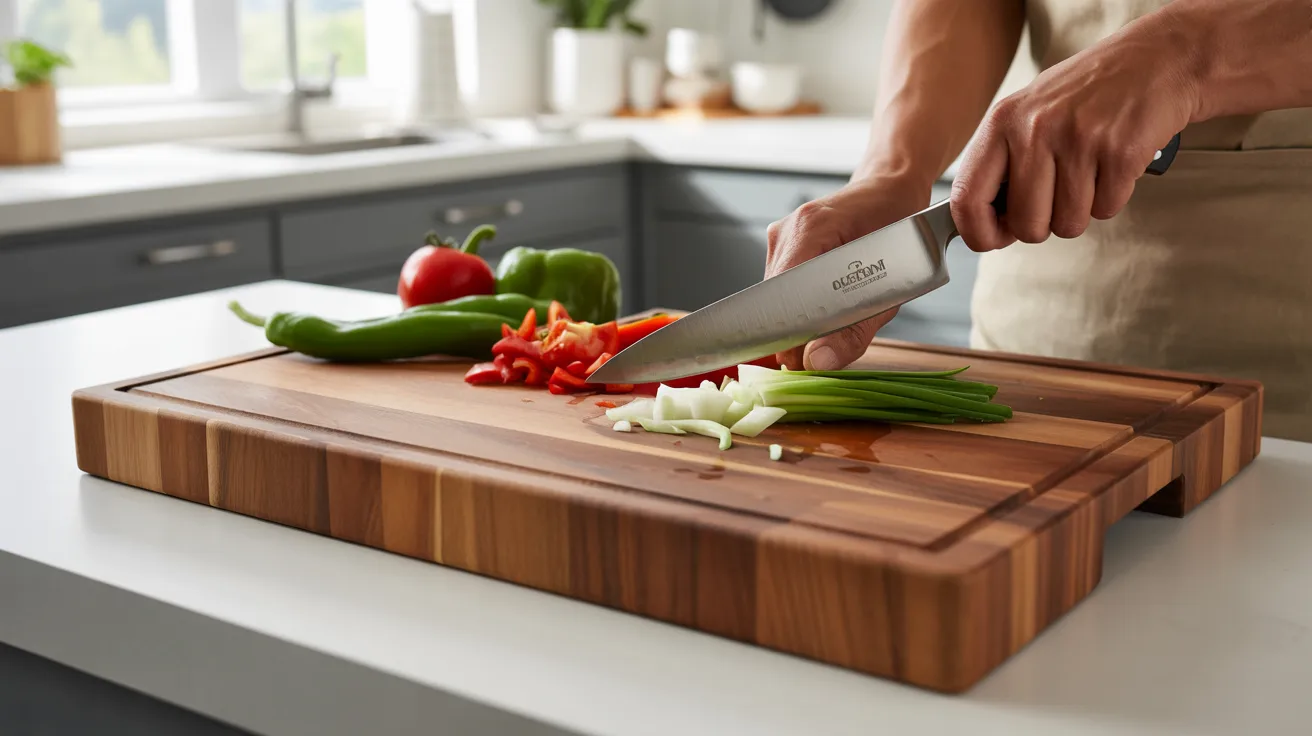
Acacia wood has a closed grain, meaning it has fewer tiny gaps where bacteria can hide. Plastic utensils develop small cuts and scratches over time, and bacteria live inside those grooves.
Acacia does not scratch as easily. This makes it a more hygienic choice compared to many plastic options.
As long as you clean it after every use and keep it dry, acacia remains a safe and reliable surface for all your food prep needs.
Comparing Acacia Wood with Other Kitchen Woods
Here is how acacia stacks up against three common kitchen wood types.
Acacia vs Maple

Maple is a popular choice for cutting boards. It is hard and smooth. But acacia is denser and more water-resistant than maple overall.
Acacia handles moisture better in typical kitchen conditions. Maple can absorb water and swell over time without proper care.
Acacia’s natural oils give it an edge in wet or humid environments. Both are knife-friendly, but acacia tends to need less frequent oiling to stay in good shape.
Acacia vs Mango Wood

Mango wood is lighter and often less expensive than acacia. It has a pleasant look but is not as dense. Acacia is heavier and holds up better under heavy daily use.
Both come from sustainable sources, so neither has a clear edge on that front. Mango wood is a fine choice for light kitchen tasks.
but if you want something that lasts longer and resists moisture better, acacia is the stronger option for regular, everyday kitchen use.
Acacia vs Bamboo
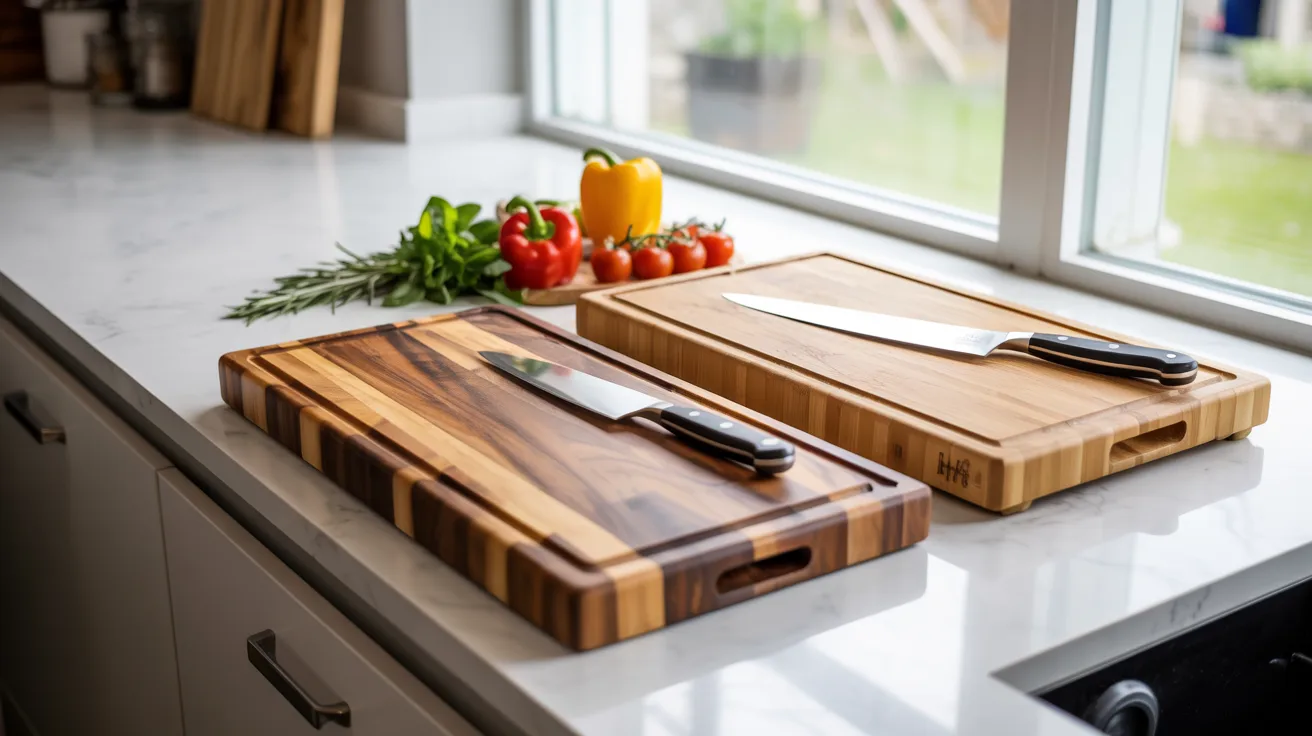
Bamboo is often called eco-friendly, and it is. But bamboo is actually grass, not wood. It is very hard, which can dull your knife blades faster over time.
Acacia is gentler on knives while still being highly durable. Bamboo requires less maintenance overall, but acacia feels warmer and is easier on blades during cutting.
If knife care matters to you, acacia is a better fit. Both are solid options depending on what you prioritize most.
How to Maintain Acacia Wood for Safe Use
Simple daily habits keep acacia wood clean, hygienic, and in great shape for years.
- Wash with warm water: Use mild soap and a soft cloth after every use, never soak it in water or leave it submerged.
- Dry right away: Pat the utensil dry with a clean towel immediately after washing to stop moisture from settling into the wood.
- Oil regularly: Apply a food-safe oil like mineral oil, coconut oil, or beeswax every few weeks to prevent the wood from drying out or cracking.
- Store in a dry spot: Keep acacia utensils in a cool, dry area, avoid storing them in damp spaces or stacking them while still wet.
- Skip the dishwasher: High heat and water pressure in dishwashers will cause acacia wood to crack, split, and break down much faster.
Conclusion
I switched to acacia wood utensils a few years ago and never looked back. They feel solid, clean up fast, and keep my knives sharper longer.
Acacia wood is safe, durable, and built for real kitchen use.
Did this help you decide? Drop a comment below and tell me your experience.
Know someone upgrading their kitchen? Share this with them right now. They will thank you later.
Frequently Asked Questions
Is acacia wood food safe?
Yes. It is natural, non-toxic, and does not leach anything harmful into your food.
How often should I oil my acacia wood utensils?
Every three to four weeks using mineral oil, coconut oil, or beeswax works well.
Can acacia wood utensils go in the dishwasher?
No. Always hand wash them. Dishwasher heat causes cracking and warping fast.
Does acacia wood harbor bacteria?
No. Its tight grain resists moisture, which slows bacterial growth significantly.
How long does acacia wood last in the kitchen?
With basic care, acacia wood utensils can last for many years easily.