

I have done it too.
You walk away from the kitchen, and then it hits you: did I turn off the stove?
When you accidentally leave a gas stove on without flame, every second matters. Gas builds up fast, and the risks are real.
In this blog, I will walk you through what happens when this occurs, the steps to take right away, how to check if your home is safe, and how to stop it from happening again.
I have got you covered.
What Happens When a Gas Stove Is Left On Without a Flame
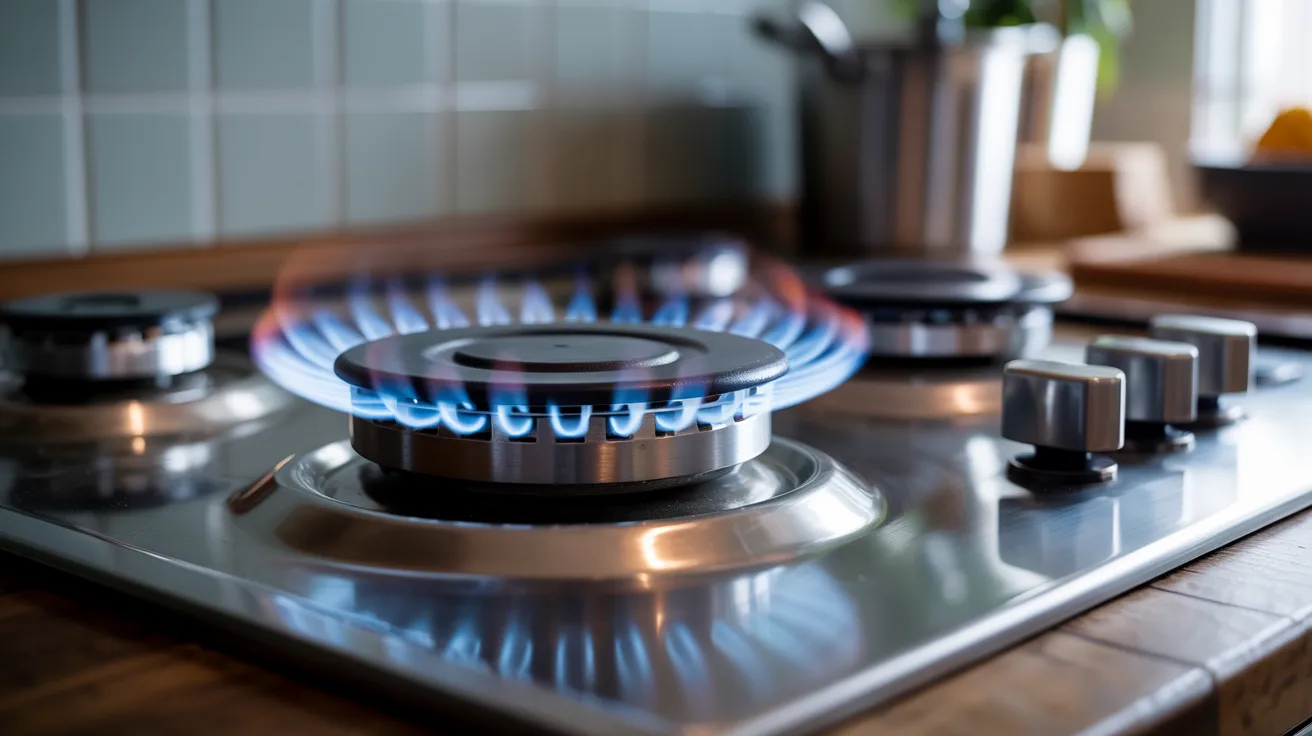
When you accidentally left gas stove on without flame, raw gas flows into your kitchen with no heat to burn it off.
This gas, usually natural gas or propane, builds up in the air quickly. It cannot be seen, but it can be smelled.
Over time, it can push oxygen out of the room and create a serious risk of explosion or poisoning.
Even a small spark from a light switch can ignite it.
Immediate Steps to Take If You Accidentally Left Gas Stove On Without Flame
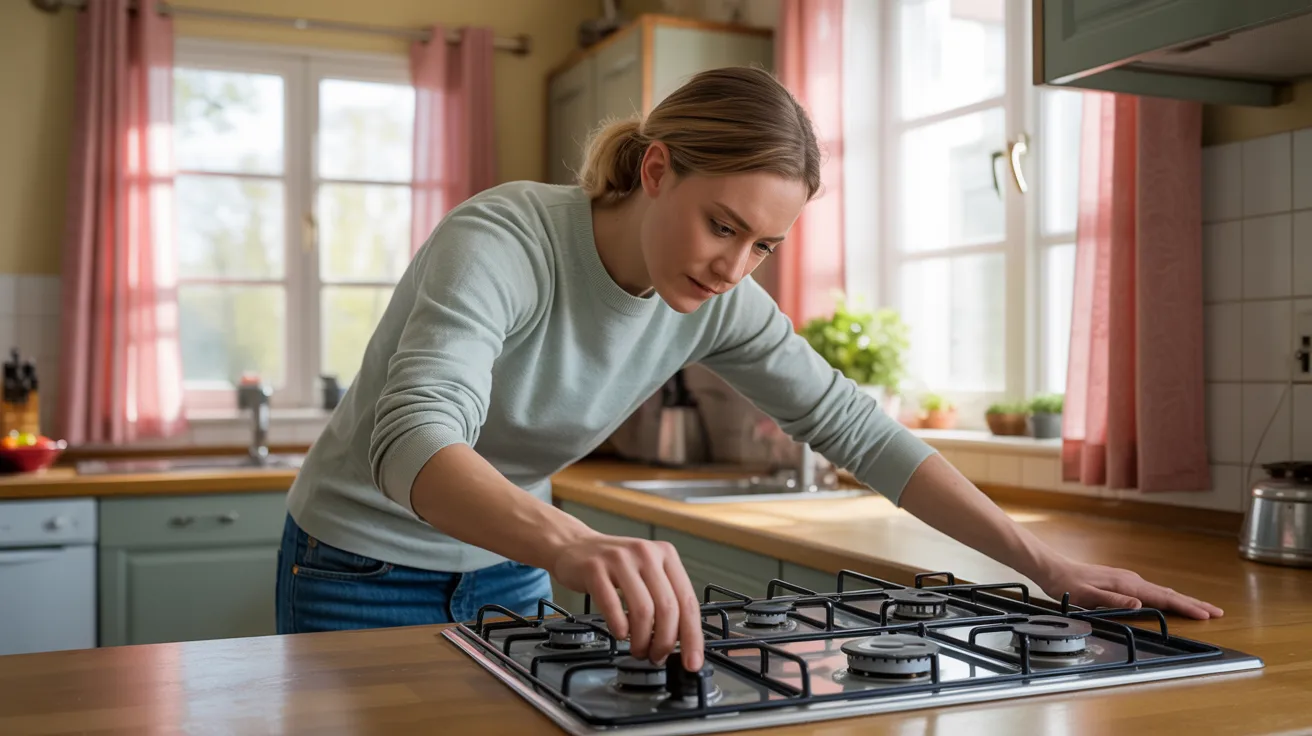
Acting fast is the most important thing you can do. Here is what to do, step by step.
Turn the Burner Off Immediately
The first thing you need to do is turn the burner knob to the off position. Do it calmly and do not rush.
Turning it off cuts the gas supply at the source and stops more gas from entering the room. This one step can make the biggest difference in keeping your home safe.
Open Windows and Doors for Ventilation
After turning the burner off, open every window and door in the kitchen and nearby rooms. Fresh air helps push the built-up gas out of your home.
Do not use fans with electrical switches, as those can cause a spark. Let the natural airflow do the work for you.
Avoid Using Electrical Switches or Flames
Do not flip any light switches, use your phone, or light a match inside the house right away. Even a tiny spark can ignite built-up gas in the air.
Step outside first if you need to make a call. Wait until the area is fully aired out before using any electrical items.
Leave the Area if the Gas Smell Is Strong
If the gas smell is strong or you feel lightheaded, get out of the house right away. Do not wait around.
Take your family and pets with you. Go to a neighbor’s house or stand well away from the building.
Call your gas company or emergency services from outside.
How to Tell If Your Home Is Safe After Ventilating

Once you have ventilated the space, here is how to check if things are safe:
- The gas smell has fully gone away after 15 to 20 minutes of ventilation
- No one in the home feels dizzy, nauseous, or has a headache
- You do not hear any hissing sounds near the stove or gas line
- A gas detector or carbon monoxide alarm shows no alert
- Your gas company has checked and cleared the space if the leak was strong
Health Symptoms to Watch for After Gas Exposure

Gas exposure can affect your body even before you notice the smell. Know the signs.
Common Signs Like Headache or Dizziness
If you were in the kitchen for a while after the gas was left on, watch for headaches, dizziness, nausea, or a feeling of being tired.
These are early signs of gas inhalation. Some people also feel short of breath or notice their eyes watering.
Get fresh air right away if any of these symptoms appear.
When to Seek Medical Attention
If symptoms do not go away after getting fresh air, seek medical help. Chest pain, confusion, or fainting are serious signs and need emergency care.
Do not ignore these. Children and elderly people are more sensitive to gas exposure, so check on them first.
When in doubt, call a doctor or go to the emergency room.
When You Should Call Emergency Services or a Gas Professional

Some situations go beyond what you can handle on your own.
Here is when to call for help:
- The gas smell is very strong and does not go away even after ventilation
- Someone in the home is showing serious symptoms like confusion or chest pain
- You hear a hissing sound near the stove or gas line
- You cannot locate or turn off the gas valve
- You are unsure if the home is fully safe after the incident
Tips to Prevent Leaving a Gas Stove On Without Flame
Small habits can stop this from happening again:
- Set a kitchen timer every time you turn on a burner so you do not forget it
- Do a quick stove check before leaving the kitchen or going to bed
- Use a gas stove with an automatic shut-off feature if possible
- Place a sticky note near the door as a reminder to check the stove
- Install a gas leak detector in your kitchen for an added layer of safety
Conclusion
I know how scary it feels to realize you accidentally left a gas stove on without flame. It has happened to me, and that moment of panic is real.
But the good news is, if you act fast and follow the right steps, you can keep yourself and your family safe.
Take a breath, turn it off, air out the space, and check on everyone. If this blog helped you, share it with someone who cooks at home.
Drop a comment below and let me know your experience.
Frequently Asked Questions
Is it dangerous to leave a gas stove on without a flame for a few minutes?
Yes, even a few minutes can allow gas to build up in the air. The risk depends on how well-ventilated your kitchen is. It is always better to act quickly.
How long does it take for gas to clear from a room?
With windows and doors open, it usually takes 15 to 20 minutes for the gas to clear. If the smell stays longer than that, leave the house and call your gas company.
Can I use a fan to speed up ventilation after a gas leak?
Only use a battery-powered fan or open windows manually. Do not flip electrical fan switches, as they can create a spark that may ignite the gas.
Should I call 911 if I accidentally left the gas stove on without flame?
Call 911 if the smell is very strong, someone feels unwell, or you cannot shut off the gas. It is always better to be safe and get professional help.
What does natural gas smell like, and how do I know if it is still in the air?
Natural gas is odorless on its own, but gas companies add a chemical that smells like rotten eggs or sulfur. If you still smell that after ventilating, gas may still be present.