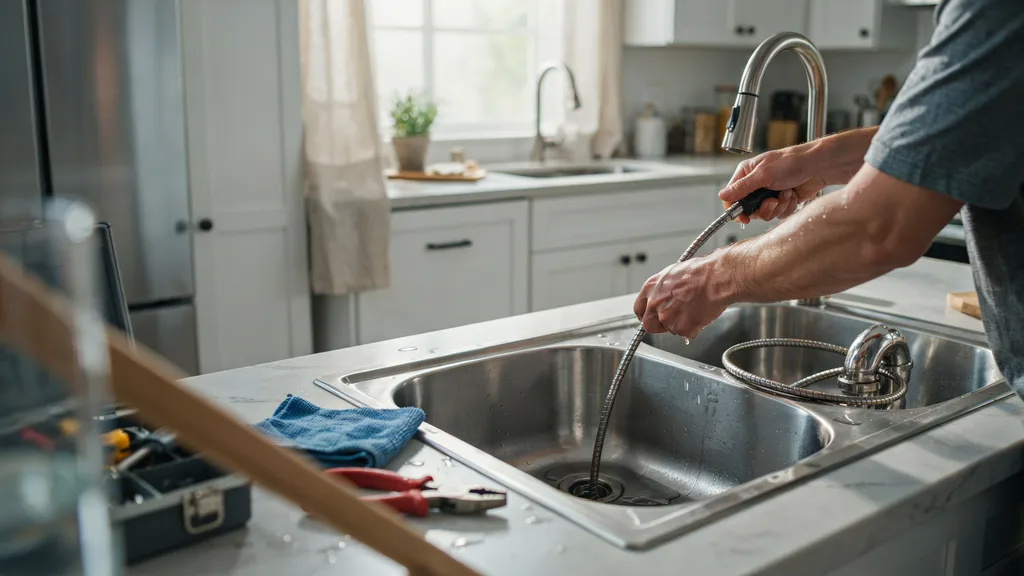
My sink used to drain so slow, I thought it had given up completely. A plunger barely helped.
That's when I finally bought a drain snake. I had no idea what I was doing at first, and I made a few mistakes along the way.
If your sink, tub, or shower keeps backing up, you are in the right spot. I will show you how to use a drain snake the right way, based on what actually worked for me at home.
This guide covers the tools you need, the steps to follow, and which drain snake fits your clog. You will also learn when it's time to call a plumber instead.
By the end, you will feel ready to clear that clog yourself.
What Is a Drain Snake and When Should You Use One?

A drain snake is a long, flexible cable made to reach deep into a pipe and break up or pull out a clog.
It works where a plunger can't, especially on clogs further down the line. You feed the cable into the drain, then turn a handle to push it forward.
As it moves, the tip either hooks onto debris or breaks it apart. Drain snakes work well on hair clogs in bathroom sinks, grease buildup in kitchen drains, and soap scum in showers and tubs.
If your drain is slow or fully blocked and a plunger hasn't fixed it, a drain snake is often the next step.
Types of Drain Snakes and How to Choose the Right One
Choose the right drain snake for faster, safer, and more effective clog removal.
| Type | Best For | Use |
| Manual Drain Snake | Sinks, showers, bathtubs | Best for most household clogs |
| Drill-Powered Drain Snake | Tough sink and laundry drain clogs | Removes stubborn blockages faster |
| Electric Drain Auger | Main drain lines | Clears deep or recurring clogs |
| Toilet Auger | Toilets | Safely clears toilet clogs without damaging porcelain |
For most home drain clogs, a manual drain snake is the best choice. Use a toilet auger for toilets and an electric drain auger for main sewer line blockages.
Tools and Material Needed

Gather these items first so you're not stopping halfway through the job.
- Drain snake or plumbing auger
- Rubber gloves
- Safety glasses
- Bucket
- Towels or rags
- Flashlight (optional)
Safety Precautions Before Using a Drain Snake
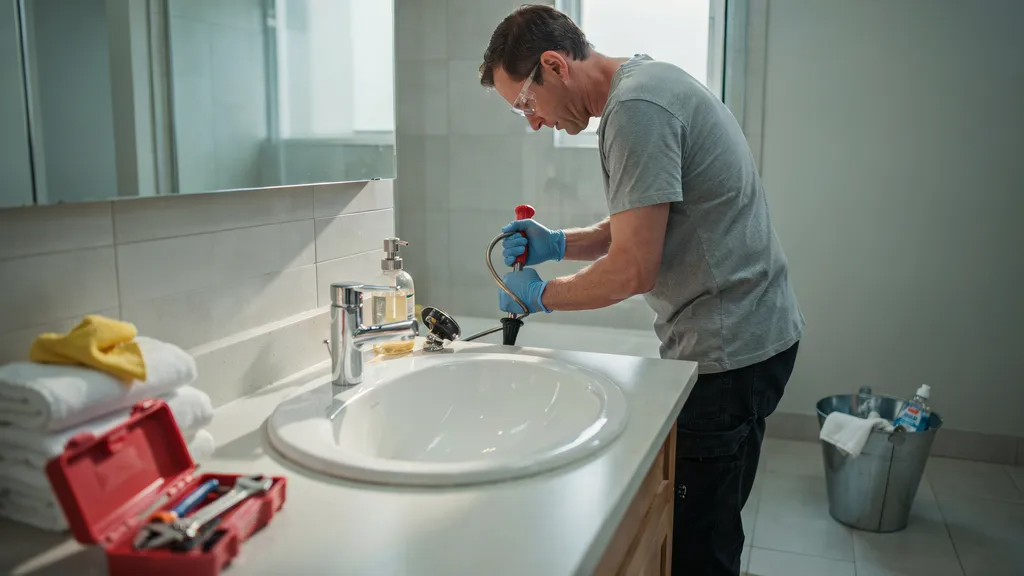
A few simple precautions keep this job safe and mess free.
- Never use a drain snake right after pouring chemical drain cleaners
- Wear gloves and eye protection
- Remove standing water if possible
- Choose the correct drain snake for the type of drain
- Feed the cable slowly and never force it
- Stop immediately if the cable twists, kinks, or binds
How to Use a Drain Snake: Step-by-Step
Follow these steps in order for a clean, safe clog removal.
Step 1: Inspect the Drain and Prepare the Area

Start by removing the drain cover or stopper. Pull out any visible hair or debris by hand first. Lay towels around the area to catch drips or splashes.
If you're working under a sink, place a bucket below the pipe in case water spills out as you work. A little prep now saves you cleanup later.
Step 2: Insert the Drain Snake Correctly
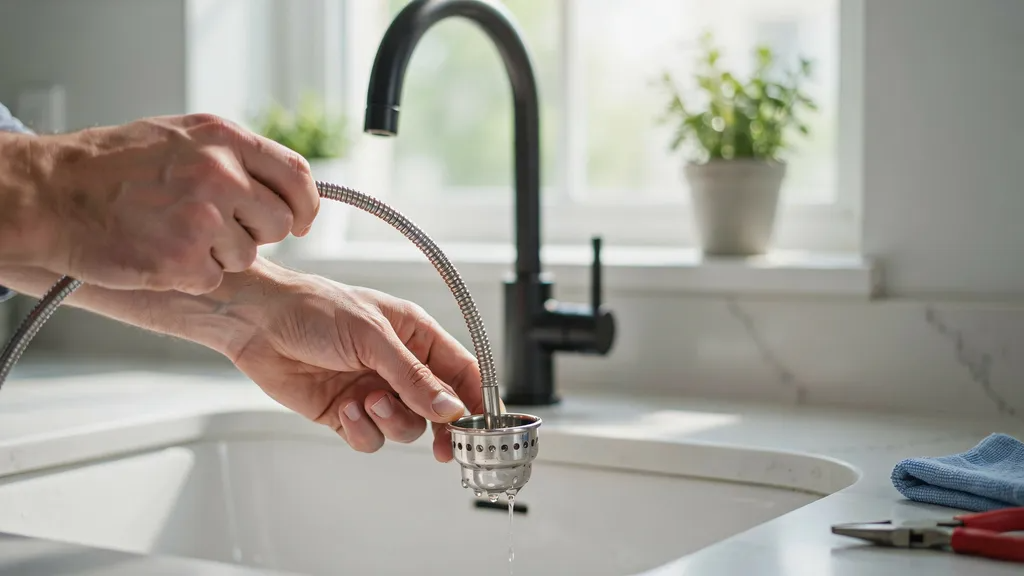
Feed the cable slowly into the drain opening. Don't rush this part. Let the cable follow the natural curve of the pipe instead of pushing it straight.
Keep feeding it in until you feel some resistance. That resistance usually means you've reached a bend or the clog itself.
Step 3: Rotate the Snake to Reach the Clog
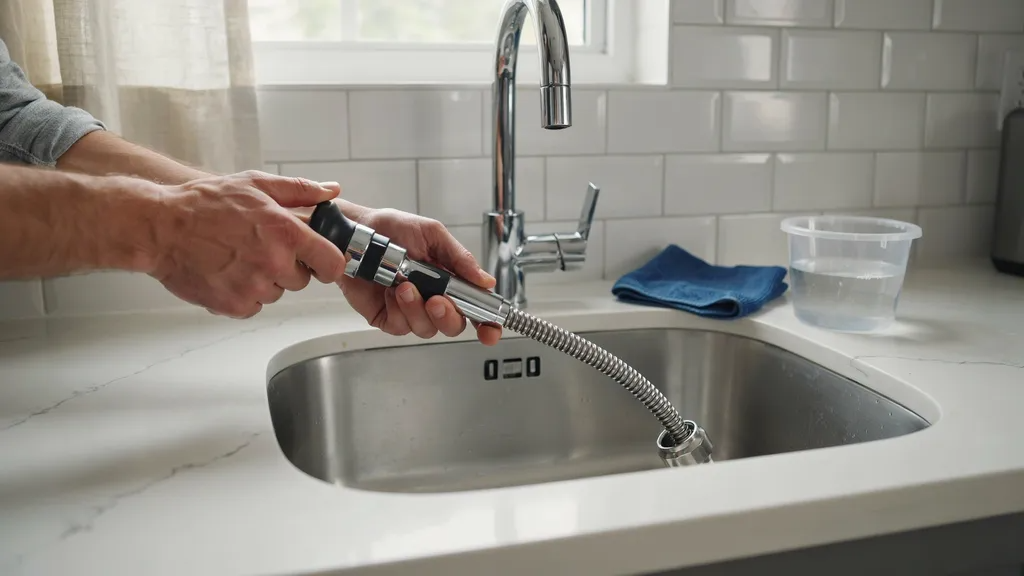
Turn the handle steadily, usually clockwise, as you push the cable forward. Apply gentle, even pressure the whole time.
Avoid jamming it through bends or stuck spots. If it stops moving, ease off slightly and try turning again. Forcing it can damage the pipe or the cable itself.
Step 4: Break Up or Retrieve the Clog

Keep rotating while you push gently forward. The tip of the snake should hook onto debris or break the clog into smaller pieces.
Once you feel it catch onto something, pull the cable back slowly. This often drags out hair, grease, or other buildup stuck in the pipe.
Step 5: Remove the Snake and Flush the Drain

Pull the cable back out slowly and steadily. Wipe it down with a rag as it comes out, since it will likely be covered in buildup.
Once it's fully out, run hot water down the drain to flush out any leftover debris. Repeat the process if the water still drains slowly.
Common Use Cases for a Drain Snake
A drain snake works well in more places than most people realize:
- Bathroom sink clogs: usually caused by hair and soap buildup.
- Kitchen sink clogs: often from grease and food bits.
- Shower drains: hair is the main culprit here too.
- Bathtub drains:soap scum and hair build up over time.
- Floor drains: debris and dirt collect easily.
- Laundry drains: lint and fabric bits cause slow drains.
- Toilet clogs:only use a toilet auger, never a regular drain snake.
- Minor branch drain clogs: smaller pipes feeding into the main line.
Severe blockages in the main sewer line usually need professional equipment, not a household snake.
When a Drain Snake Won't Solve the Problem

A drain snake handles a lot of clogs, but not every one. Tree roots growing into a pipe need professional cutting tools, not a cable.
Broken or collapsed pipes won't clear no matter how much you push or turn. Heavy grease and scale buildup along the pipe walls often need stronger equipment to fully clear.
Main sewer line blockages usually need a plumber with commercial grade tools. If the same drain clogs again and again, even after snaking it, that's a sign of a bigger issue underneath.
Gurgling sounds, slow drains in multiple fixtures at once, or sewage smells all point to a problem that needs a professional to look closer.
Tips to Prevent Future Drain Clogs
A few small habits go a long way in keeping your drains clear.
- Install drain strainers to catch hair and debris before they go down the pipe.
- Remove hair and debris from drains on a regular basis, not just when it's slow.
- Never pour grease or oil down the drain, since it hardens and builds up over time.
- Flush drains with hot water every so often to keep buildup from settling in.
- Address slow drains early, before a small clog turns into a full blockage.
Conclusion
The first time I used a drain snake, I felt a little unsure of myself.
By the time I pulled out a clump of hair and grime, I felt like I had won something small but real.
You can get that same win. Next time a drain slows down, grab your tools and try how to use a drain snake for yourself.
Let me know in the comments how it worked out, or share this with someone who needs it too.
Frequently Asked Questions
Can a drain snake damage my pipes?
Yes, if you force it too hard, so always feed it in slowly.
How far should I push a drain snake into the drain?
Push it in until you feel resistance, then stop and start turning.
Can I use a drain snake on a toilet?
No, use a toilet auger instead to avoid scratching the porcelain.
How often should I snake my drains?
Only when needed, but address slow drains early to avoid full clogs.
Is a drain snake better than a chemical drain cleaner?
Yes, it clears clogs without the harsh chemicals that can damage pipes over time.