Sweat stains on hats are frustrating. That yellowish ring around the inside of your favorite cap can make it look old and dirty really fast.
If you've been wondering how to get sweat stains out of hats without ruining them, you're in the right place.
This guide walks you through the best cleaning methods for different hat materials, what products actually work, and how to stop stains from coming back after you clean them.
You'll also learn the common mistakes most people make that end up damaging their hats even more.
We've tested these methods across different hat types, so the advice here is practical and reliable. With a few simple steps, your hats can look clean and fresh again.
Understanding Sweat Stains on Hats
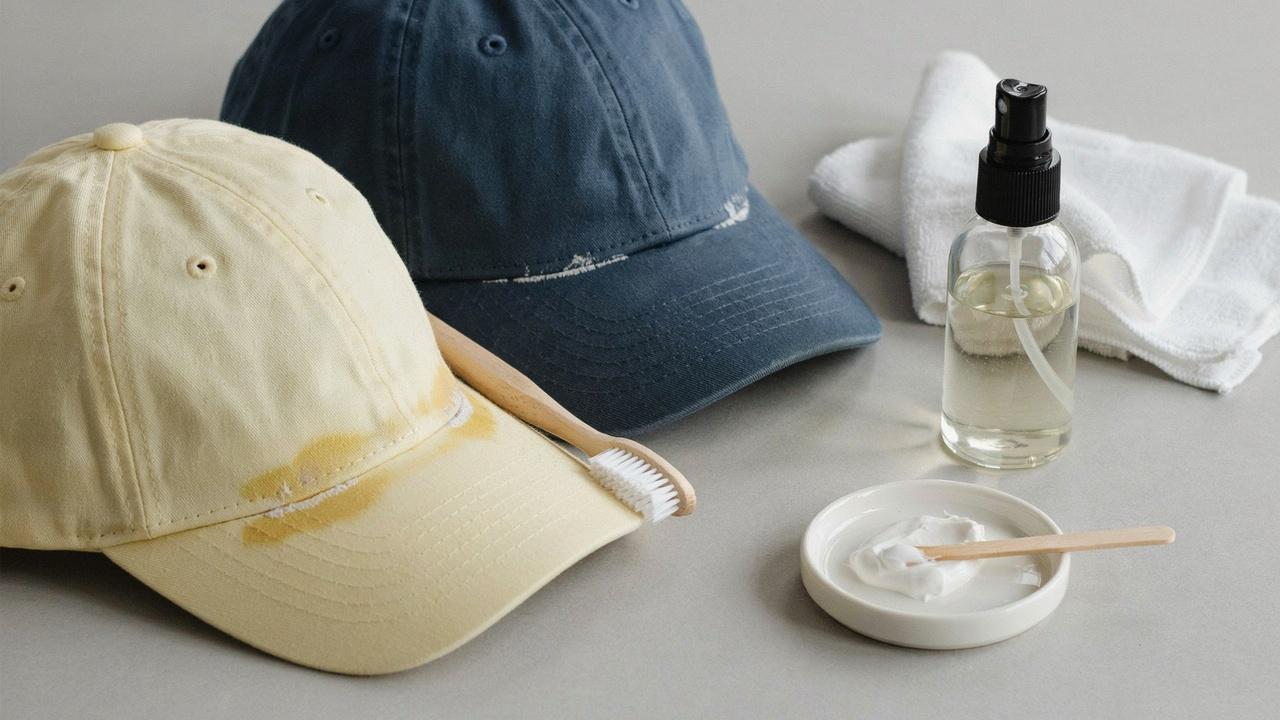
Sweat stains don't just look bad. They can also weaken hat fabric over time if left untreated. Sweat contains salt, oils, and a compound called urea.
When it soaks into hat fabric and dries, these residues build up and turn yellow. Heat from the sun or a dryer makes them set deeper, which makes removal harder later.
Body oils and hair products also play a big role. They transfer from your skin and hair to the hat's inner band every time you wear it, adding to the buildup over time.
Light-colored cotton hats show stains the fastest, while wool hats absorb moisture quickly and develop yellow rings if not cleaned often.
Darker hats often show salt lines and develop a stiff texture instead. Synthetic fabrics like polyester and moisture-wicking materials hold up better but can still trap odors.
Straw hats are the most fragile and can warp with too much water.
The key takeaway is simple. Fresh stains are far easier to remove than old, set-in ones, so acting quickly always pays off.
How to Get Sweat Stains Out of Hats With Different Cleaning Methods
There is no single method that works for every hat. The right approach depends on the material, how bad the stain is, and how much time you have. Here are the most effective options.
Hand Washing for Most Hats
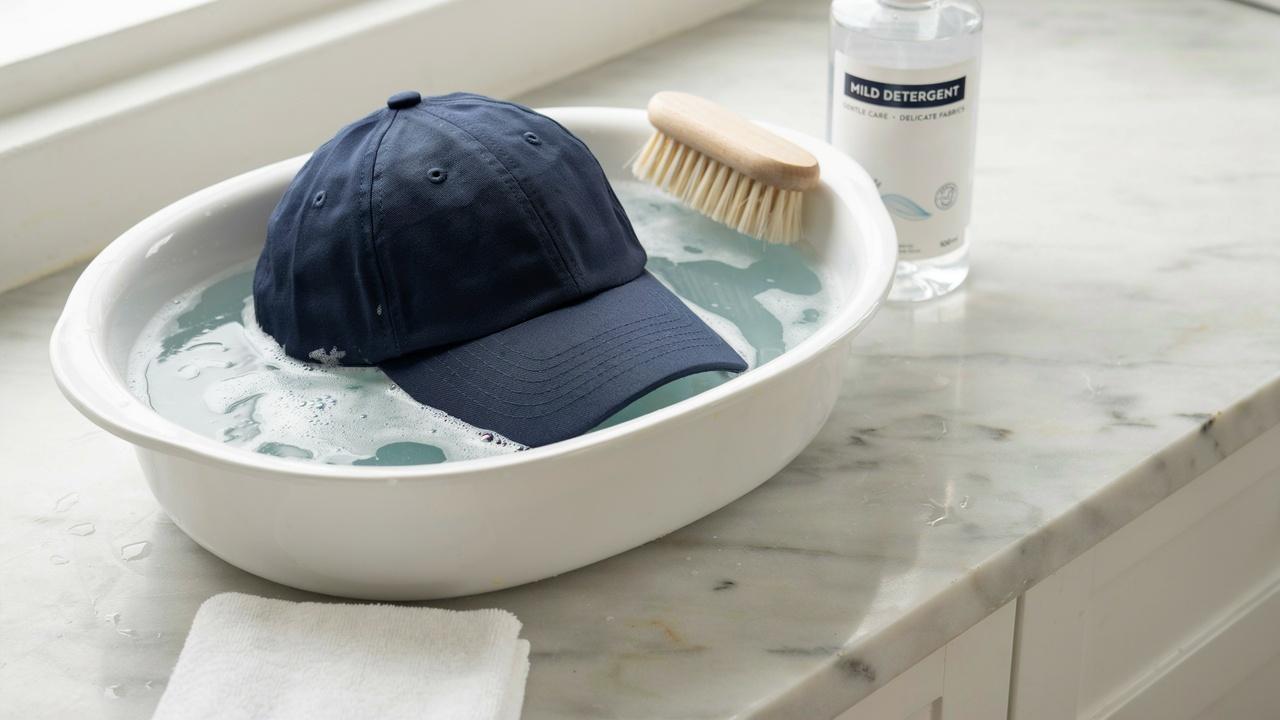
Fill a basin with cool or lukewarm water. Add a small amount of mild detergent and mix it in.
Submerge the hat and gently work the soapy water into the stained areas using your fingers or a soft brush.
Rinse thoroughly with cool water until no soap remains. This method works well for cotton and most everyday hats.
Spot Cleaning for Delicate Hats
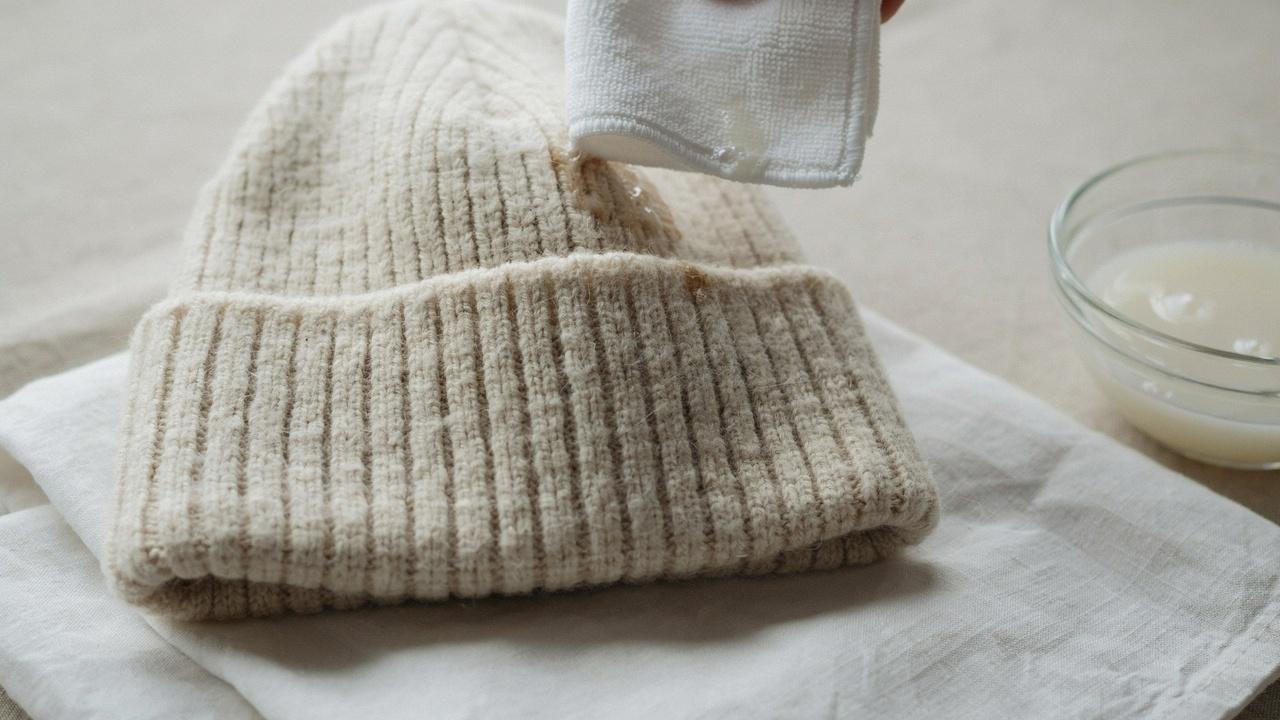
For hats you don't want to fully soak, spot cleaning is a safer choice. Dampen a clean cloth with cool water and a tiny drop of mild soap.
Gently dab the stained area. Don't rub hard. Work from the outside of the stain inward to avoid spreading it. Blot with a dry cloth after removing moisture.
Baking Soda Paste Method
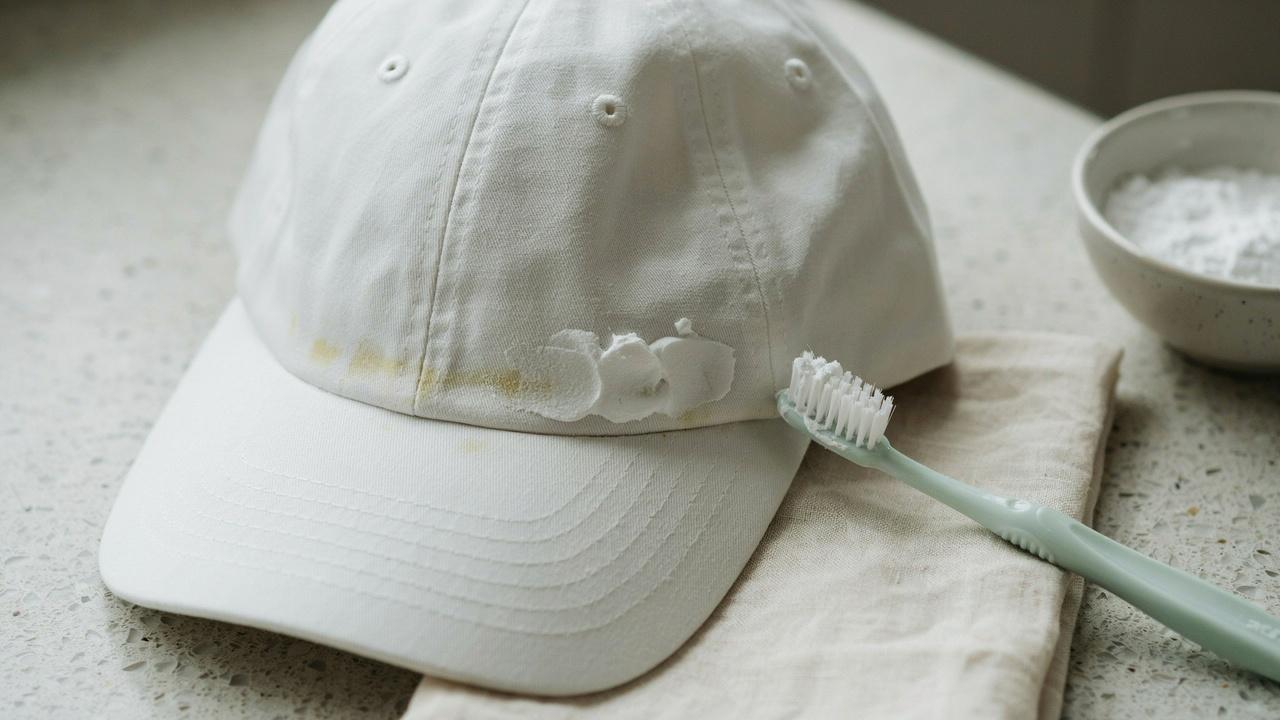
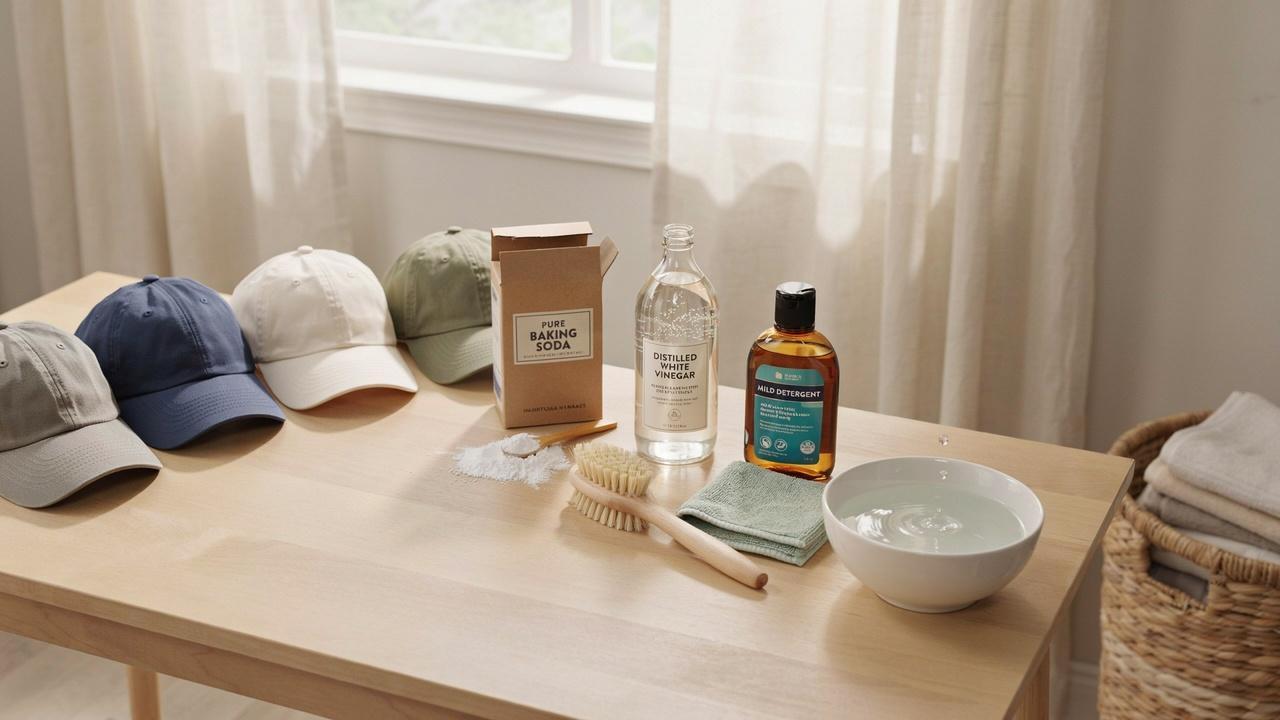
Mix baking soda with just enough water to form a thick paste. Apply it directly to the sweat stain and let it sit for 30 minutes.
The baking soda helps lift oils and neutralize odors. Scrub gently with a soft toothbrush, then rinse clean. This works especially well on cotton hats with tough, set-in stains.
White Vinegar Solution
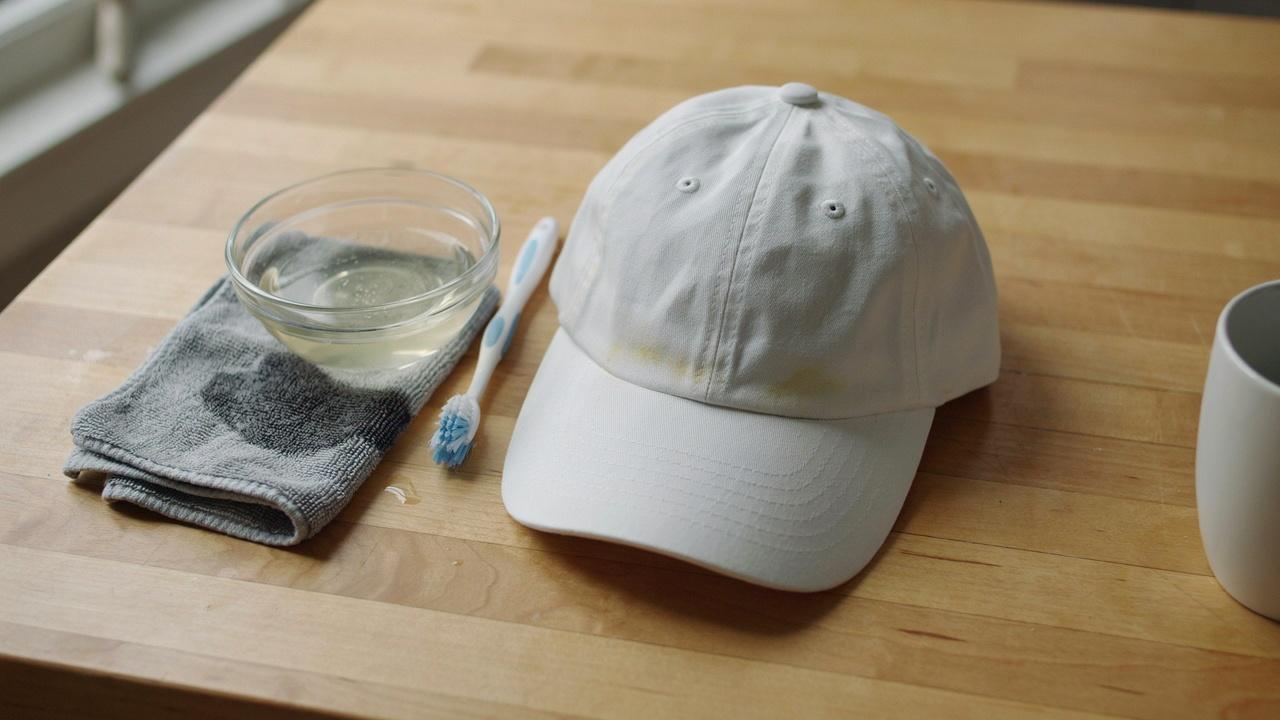
White vinegar is mildly acidic, which helps break down the mineral deposits left by sweat. Mix equal parts white vinegar and water in a small bowl.
Apply the solution to the stain with a cloth or brush. Let it sit for 15 to 20 minutes, then rinse with cool water. It also helps with odor.
Lemon juice mixed with water works the same way and is a good swap for cotton hats, though you should skip it on wool or straw.
Hydrogen Peroxide for White Hats
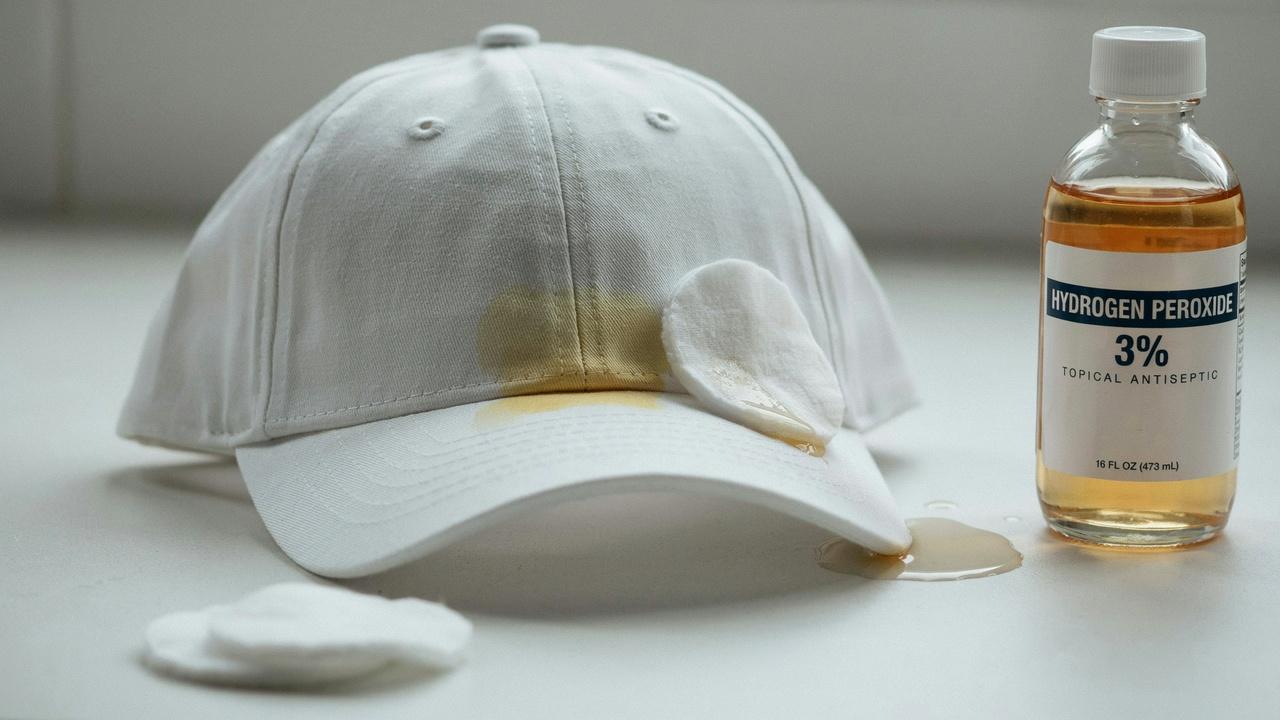
For white or very light hats, hydrogen peroxide can help lift yellow sweat stains without bleach. Use a 3% solution, which is the standard you find at most drugstores.
Apply it directly to the stain, let it sit for about 10 minutes, then rinse well. Avoid using this on colored hats as it may cause fading.
Mild Dish Soap or Laundry Detergent
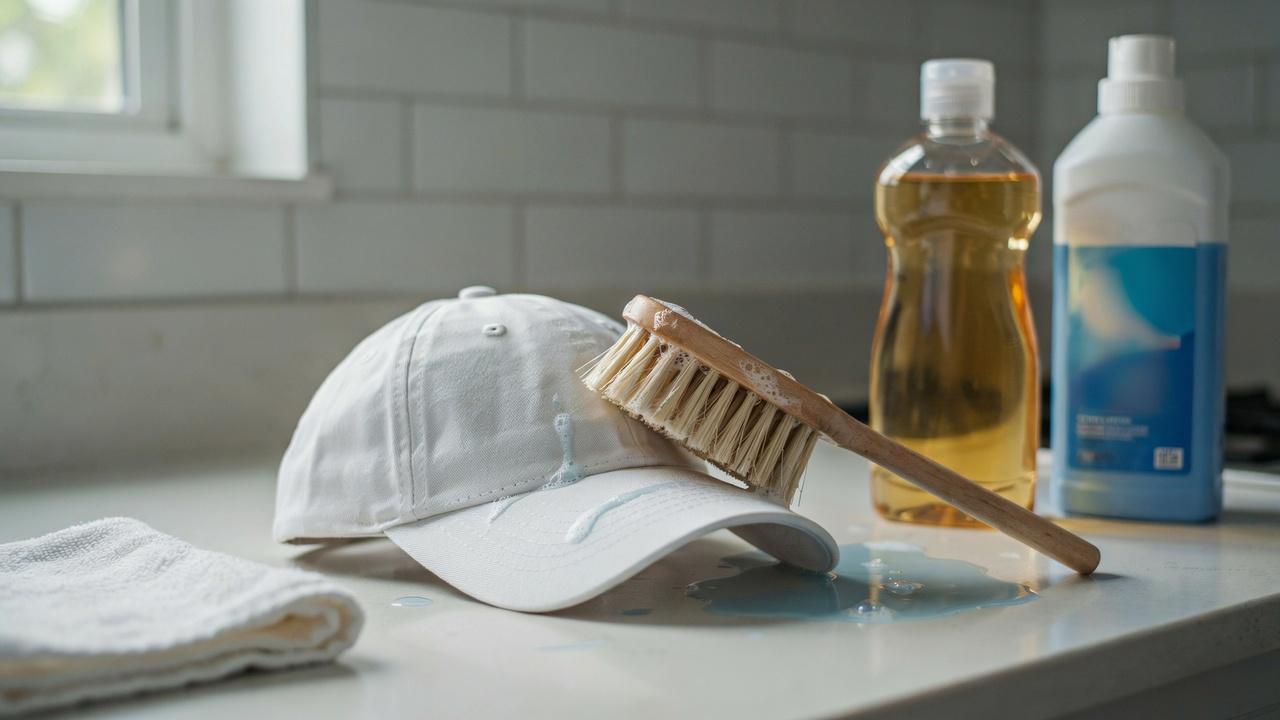
A small amount of gentle dish soap or liquid laundry detergent mixed with cool water works for most hat types. Apply it to the stained area and work it in gently.
These soaps are designed to cut through grease and oils, which makes them effective on sweat stains. Always rinse completely to avoid soap residue buildup.
For heavy buildup on the inner brim, rubbing a small amount of shampoo into the area first can help break down body oils before you rinse.
Cleaning Cotton, Wool, Synthetic, and Straw Hats Safely
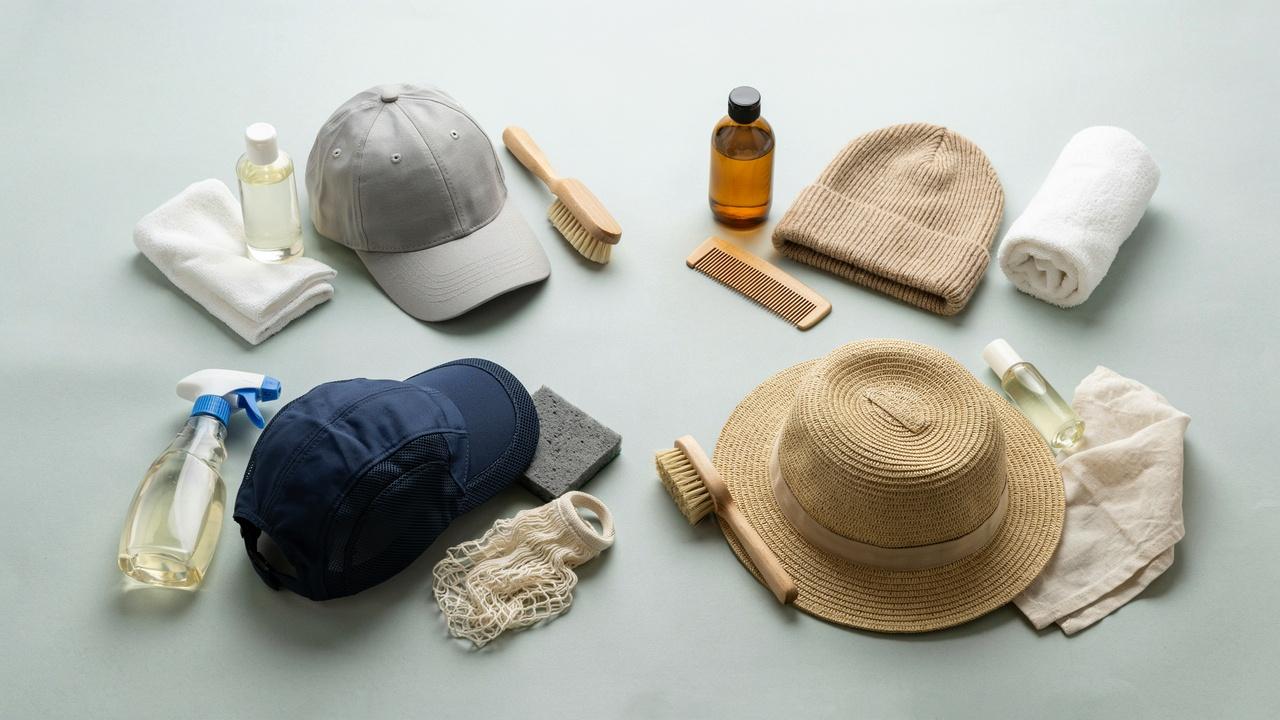
Cotton hats handle hand washing well. Use cool water and mild detergent. Wool hats need extra care. Use cold water and a detergent made for wool to prevent shrinking.
Synthetic hats, including those made from moisture-wicking fabrics, can usually handle a bit more scrubbing but still do best with cool water.
Straw hats should only be spot cleaned. Never submerge them in water as the shape can be permanently lost.
Hand Washing vs Machine Washing Which Is Better?
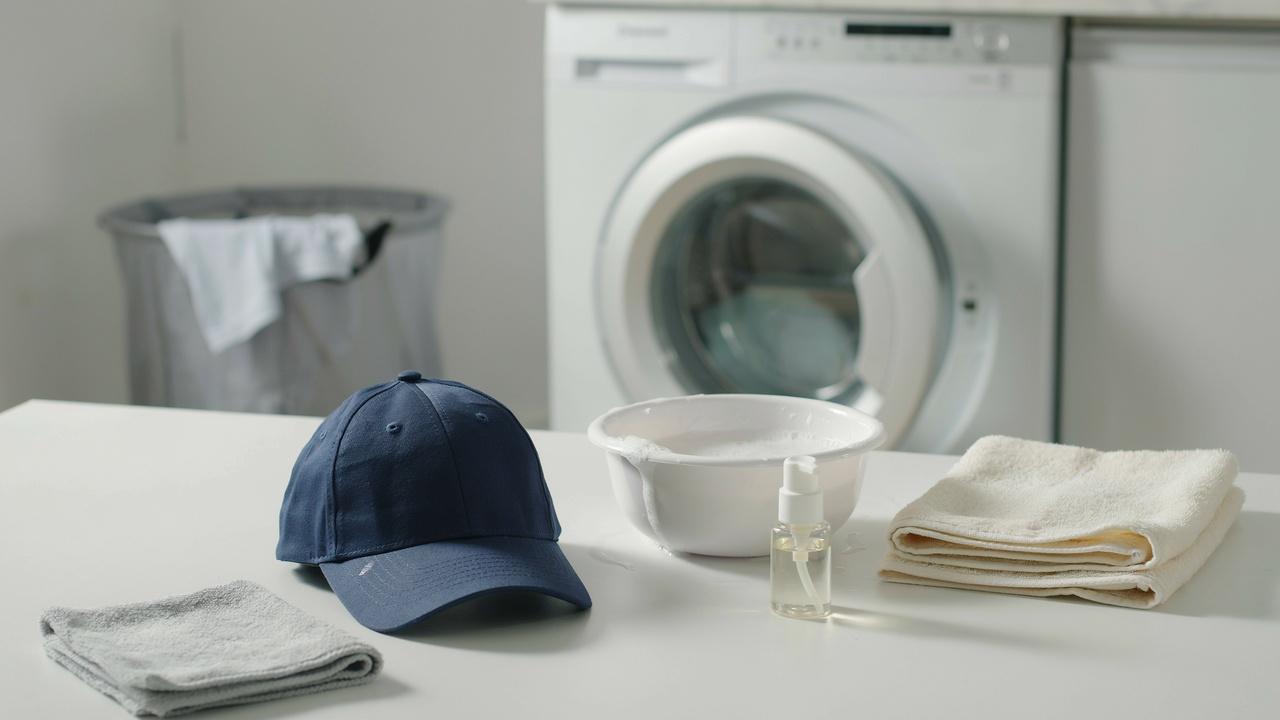
Many people reach for the washing machine first. But when it comes to hats, that can cause real damage. Here is how to decide which method is right for your situation.
When Hand Washing Is the Best Option
Hand washing gives you control. You can target specific stains, use gentle pressure, and make sure the hat keeps its shape.
It works best for most baseball caps, bucket hats, and any hat with a structured brim. If the care label says hand wash only, always follow that instruction.
When Machine Washing Is Safe
Some hats made of durable cotton or synthetic materials can handle a gentle machine wash cycle. Place the hat in a mesh laundry bag to protect it.
Use cold water and a gentle cycle with mild detergent. Skip the spin cycle if possible, as it can bend the brim out of shape.
Hats That Should Never Go in the Washer
Wool hats, straw hats, vintage hats, and any hat with a cardboard brim should never go in the washing machine.
Many hats made before 1983 have cardboard brims instead of the plastic brims common today.
Water will warp them permanently. The agitation and heat can also cause shrinking or shape damage on structured hats. When in doubt, hand wash or spot clean.
How to Prevent Sweat Stains From Coming Back
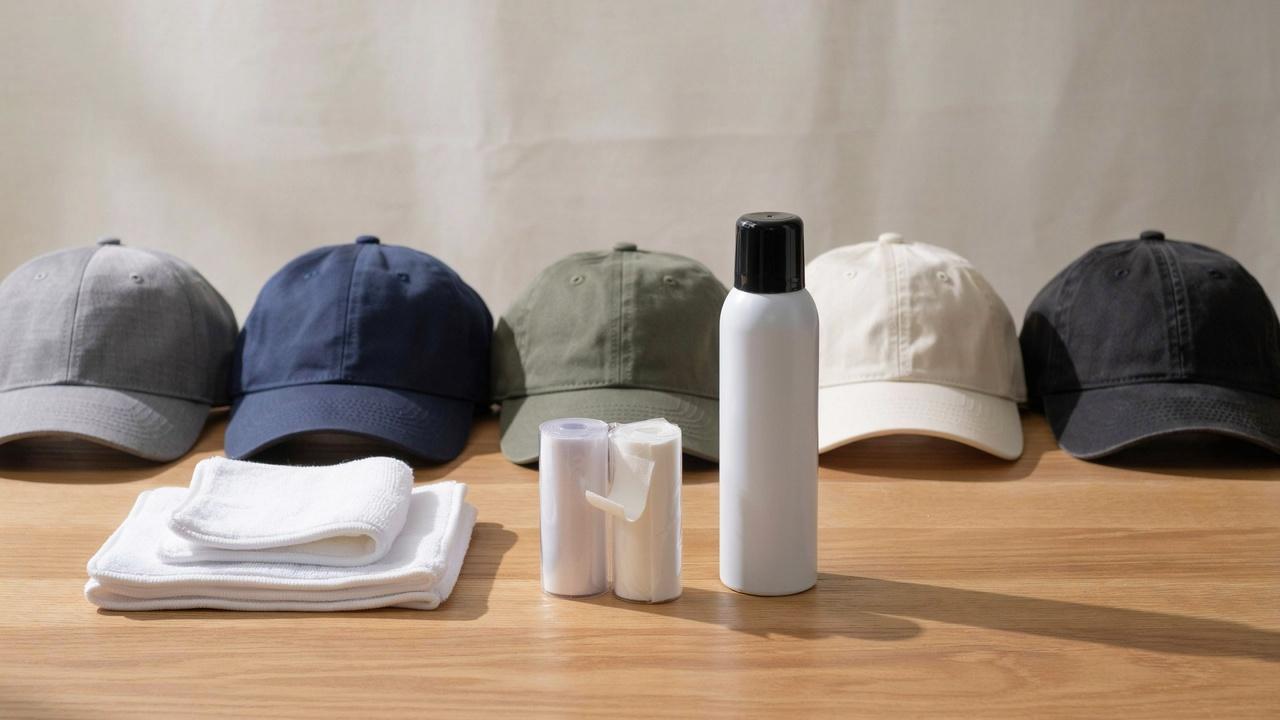
Cleaning hats is easier than removing deep stains. A few simple habits can keep sweat stains from building up in the first place.
Use Hat Liners or Sweatbands
Hat liners and sweatbands are thin strips that sit inside the hat band. They absorb sweat before it reaches the hat fabric. Many are washable and reusable.
They're a simple and affordable way to protect your hats, especially during summer or workouts.
Clean Hats Regularly
Don't wait for stains to show before washing your hat. Light cleaning every few weeks keeps oils and salt from building up.
A quick wipe down of the sweatband area after wearing can make a big difference over time.
Rotate Hats Between Wears
Wearing the same hat every day gives sweat little time to dry out fully. Rotating between a few hats lets each one dry and air out properly.
This reduces moisture buildup and extends the life of each hat.
Store Hats Properly
Store hats in a cool, dry place away from direct sunlight. Use a hat rack or a rounded stand to help them keep their shape.
Avoid stacking hats on top of each other for long periods as this can press the brims out of shape and trap moisture.
Common Mistakes to Avoid When Cleaning Hats
Even with the best intentions, it's easy to damage a hat during cleaning. These are the most common errors people make.
Using Hot Water or Harsh Cleaners
Hot water causes fabric to shrink and colors to fade. Harsh cleaners like bleach can weaken hat fibers and cause discoloration, especially on colored hats.
Stick to cool water and mild cleaning products for best results.
Scrubbing Too Aggressively
Scrubbing hard might seem like it would remove stains faster, but it often spreads the stain and damages the fabric.
Use a soft brush or cloth and apply gentle, circular pressure. Patience works better than force here.
Drying Hats the Wrong Way
Never put a hat in the dryer unless the care label specifically says it is safe. The heat can shrink the fabric and warp the brim. Instead, reshape the hat by hand while it is still damp.
Place it over an upside-down bowl or coffee can to hold its form, and let it air dry fully from there.
Skipping the Care Label
The care label is there for a reason. It tells you exactly how the manufacturer recommends cleaning the hat. Ignoring it can lead to shrinking, color loss, or permanent shape damage.
Always check it before trying any cleaning method.
Tips to Keep Your Hats Clean and Sweat-Free
A little maintenance goes a long way. These simple habits help keep hats looking their best between washes.
- After each wear, wipe the inside sweatband with a damp cloth to remove fresh sweat and salt before they dry and set into the fabric.
- Always let your hat air dry completely before storing it. Place it on a hat stand or upside down on a towel to help it keep its shape.
- If a hat smells off between washes, sprinkle baking soda inside, leave it for a few hours, then shake it out to freshen it up.
- A light spray of diluted white vinegar also works well to neutralize odors. Let the hat air out fully before wearing it again.
- Consider applying a fabric protector spray to new hats before you wear them. It creates a moisture barrier that makes sweat stains less likely to set into the fabric in the first place.
- If the sweatband is heavily stained, stiff, or breaking down, replace it. Replacement sweatbands are cheap and make the hat feel much better to wear.
Conclusion
Knowing how to get sweat stains out of hats can save your favorite caps from looking worn and dirty. The right method depends on your hat's material and how bad the stain is.
Whether you use baking soda, vinegar, or a simple hand wash, acting quickly always gives you the best results. Make hat care a regular habit and you'll spend a lot less time scrubbing later.
If this guide helped you, share it with someone who's been fighting the same battle, or drop a comment below with your go-to hat cleaning tip.
Frequently Asked Questions
Can you use dish soap to clean the inside of a hat?
Yes, a small amount of mild dish soap mixed with cool water works well on the inside sweatband to break down oils and salt buildup.
How do you get rid of hat smell without washing it?
Sprinkle baking soda inside the hat, leave it for a few hours, then shake it out. A light spray of diluted white vinegar also helps remove odors.
Is it safe to use OxiClean on hats?
OxiClean can be used on some cotton hats for stubborn stains. Always test on a small hidden area first to check for color changes or fabric damage.
How long does it take for a hat to air dry after washing?
Most hats take six to twelve hours to dry fully when air dried at room temperature. Drying time depends on the material and how thick the fabric is.
Can you prevent sweat stains on a new hat before they start?
Yes, applying a fabric protector spray to a new hat can create a barrier that repels moisture and makes stains less likely to set into the fabric.