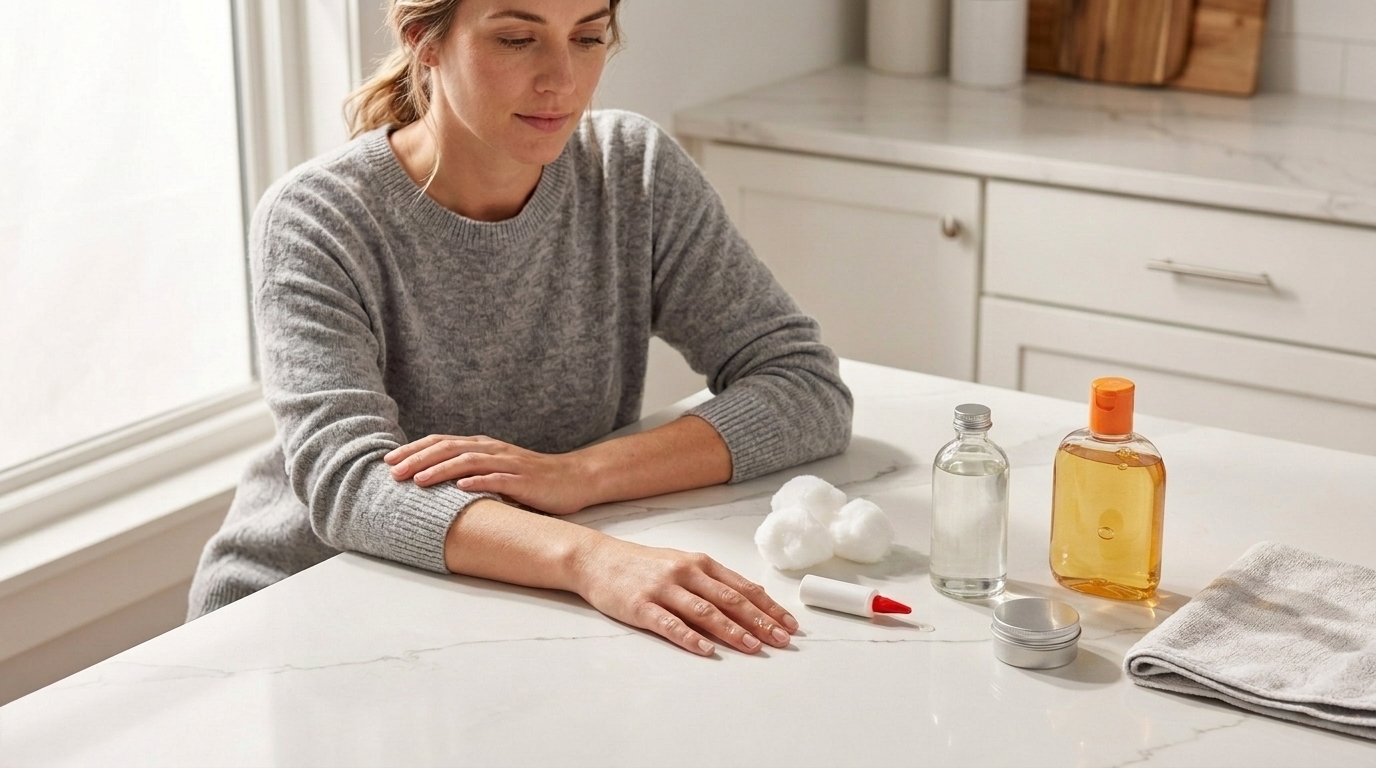
Super glue gets on everything, your fingers, your clothes, your countertops. One second you're fixing something, and the next you're stuck.
If you've ever tried to pull bonded skin apart or scrub dried glue off a surface, you know how frustrating it can be.
This article covers how to remove super glue with easy home methods using simple items you likely already have at home.
You'll learn what works on different surfaces, what to avoid, and how to handle dried or stubborn glue without causing more damage.
These methods are practical, easy to follow, and work for most common situations. Whether the glue landed on your skin, fabric, or furniture, this guide will help you remove it quickly and safely.
Understanding Super Glue and Safe Removal
Super glue contains a chemical called cyanoacrylate that reacts to moisture the moment it touches a surface, which is why it hardens almost instantly and bonds so strongly.
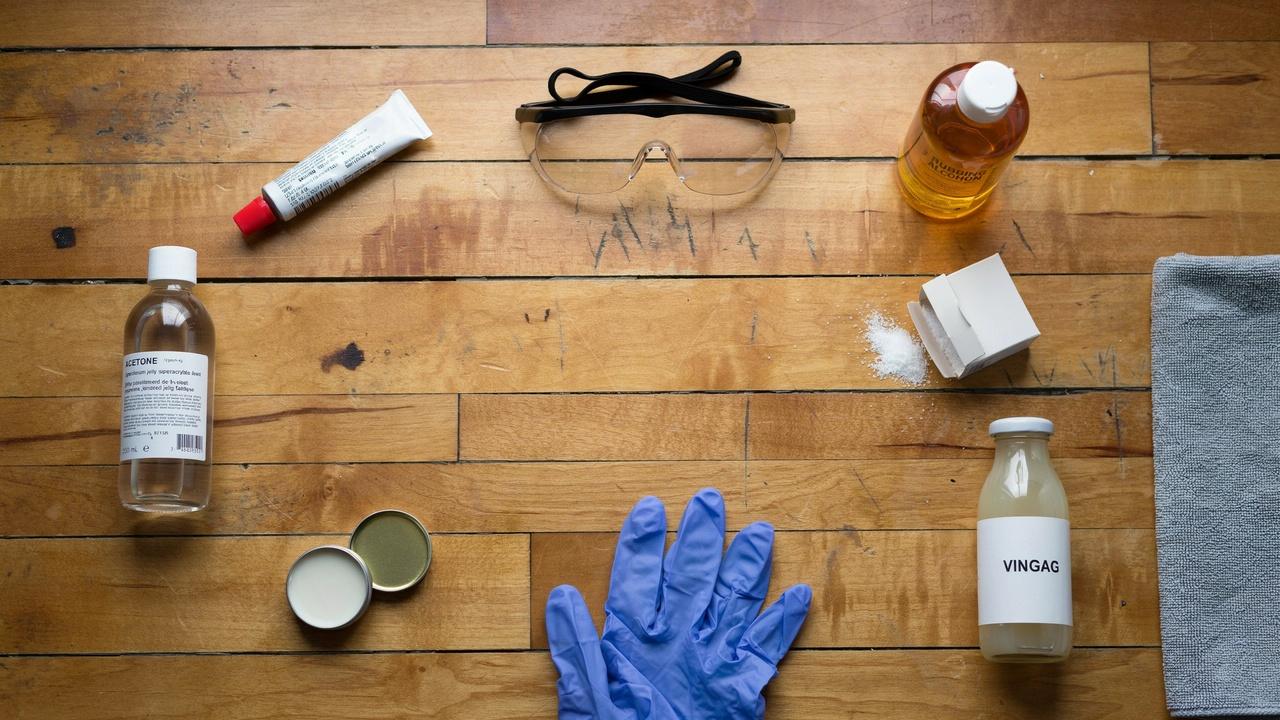
Before you try to remove it, take a few safety steps first. Always work in a well-ventilated area when using acetone or alcohol, and keep these products away from your eyes and mouth.
Wear protective gloves and safety goggles when handling both super glue and acetone to avoid skin and eye irritation. Never force bonded skin apart as it can cause a real injury.
The good news is you don't need to buy anything special. Many items already in your home can break down super glue effectively.
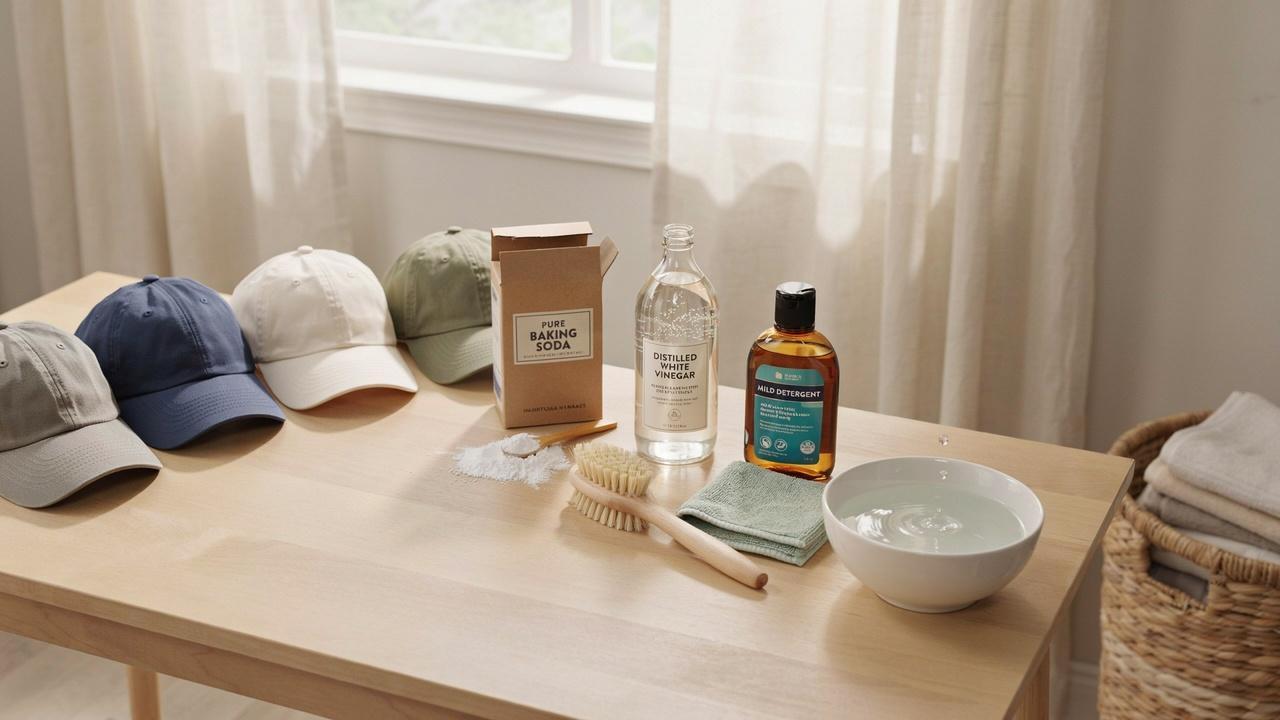
Acetone-based nail polish remover, warm soapy water, petroleum jelly, cooking oil, baking soda, white vinegar, rubbing alcohol, and even butter can all help get the job done.
How to Remove Super Glue With Easy Home Methods
Knowing how to remove super glue with easy home methods can save you time and money. These options are simple and use things most people already have at home.
Warm Soapy Water
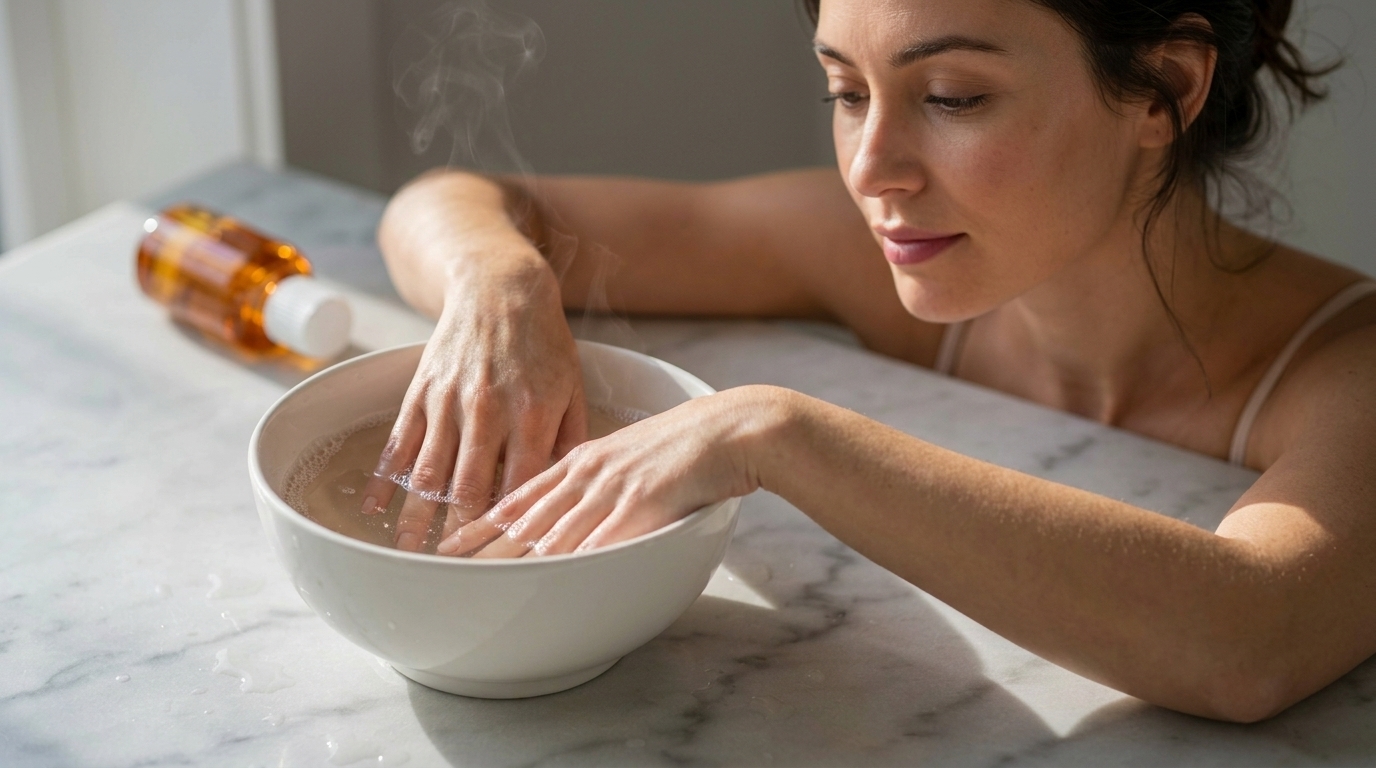
This is the gentlest method and a good place to start. Soak the affected area in warm soapy water for several minutes.
The warmth helps soften the glue, and the soap helps loosen its grip. Gently rub or peel the glue away. This works best on skin and fresh glue that hasn't fully cured.
Acetone or Nail Polish Remover
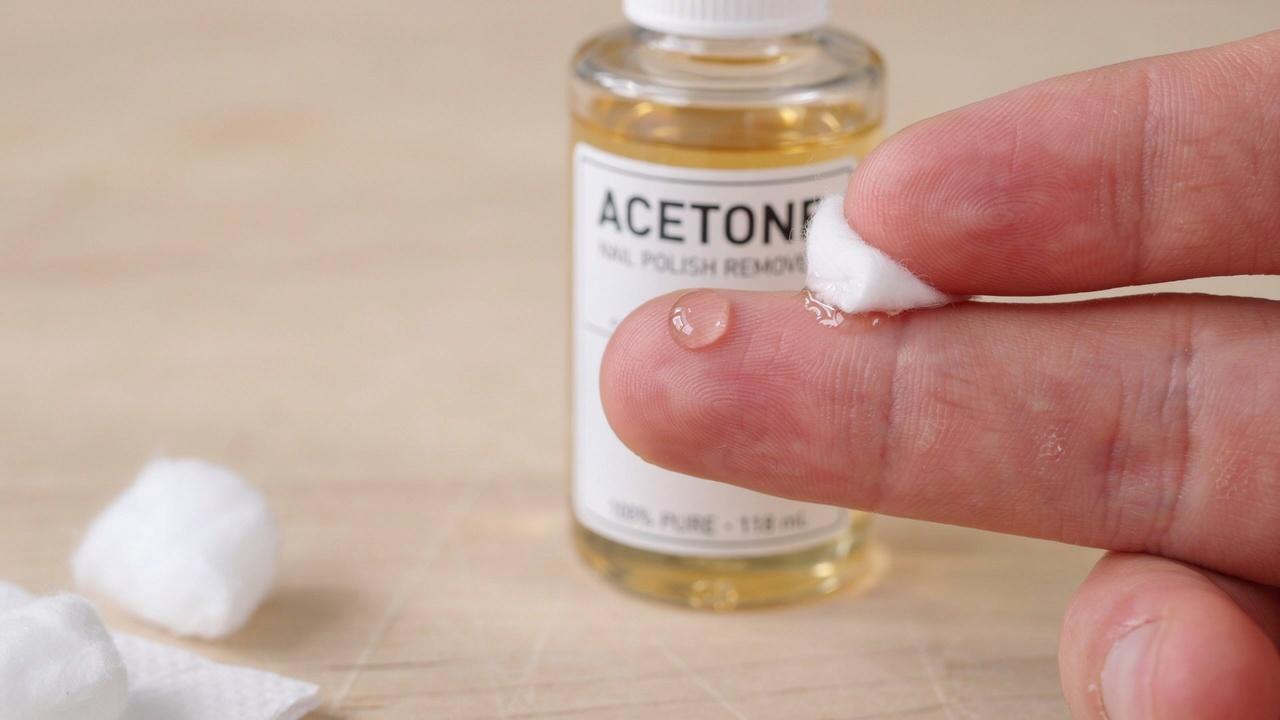
Acetone is one of the most effective solvents for super glue. Apply it to the glue using a cotton ball or swab. Let it sit for a minute or two, then gently rub the area.
Repeat if needed. Make sure the nail polish remover you're using actually contains acetone, as some brands are acetone-free and won't work as well.
For hardened deposits, you can mix a small amount of acetone with baking soda to help dissolve the bond faster.
Petroleum Jelly, Cooking Oil, or Butter
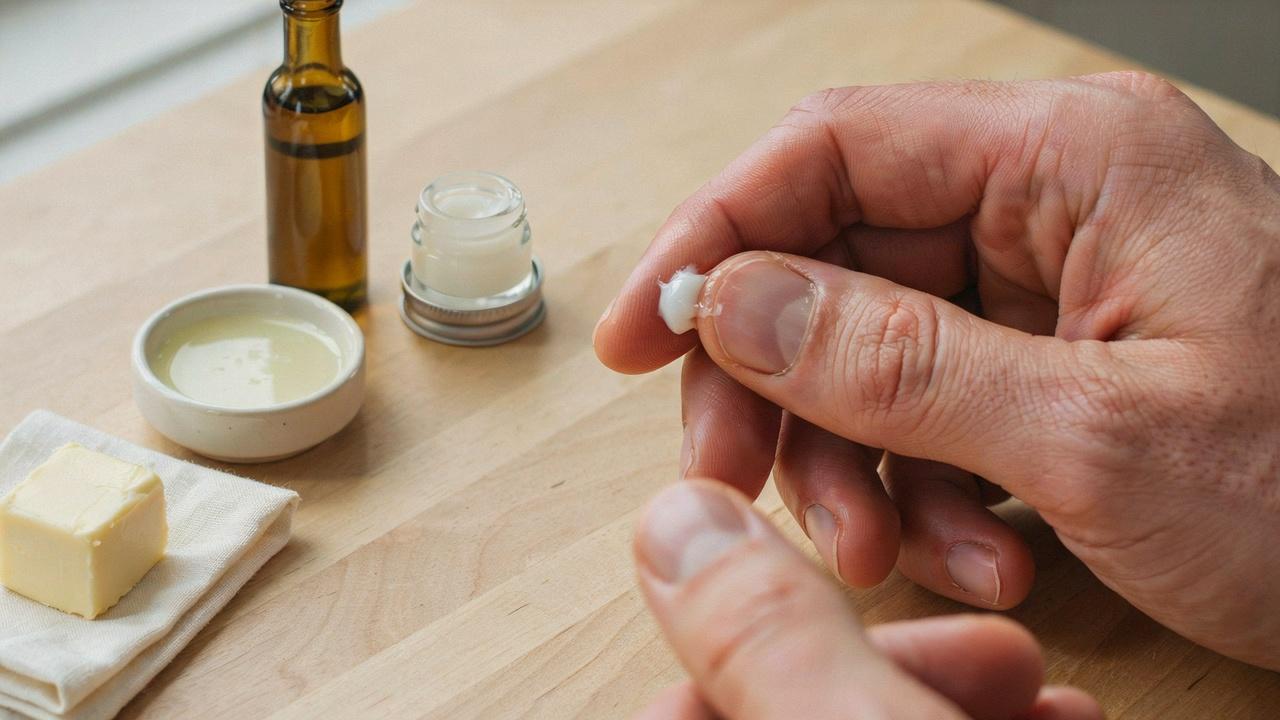
These work well on skin and are very gentle. Rub petroleum jelly, olive oil, coconut oil, or even regular butter onto the glued area.
Work it in slowly and the glue should start to loosen. Peanut butter and margarine work the same way and are especially useful for removing glue from hair, lips, or other sensitive areas.
This method takes more time, but it's safe and causes no irritation.
Baking Soda Paste
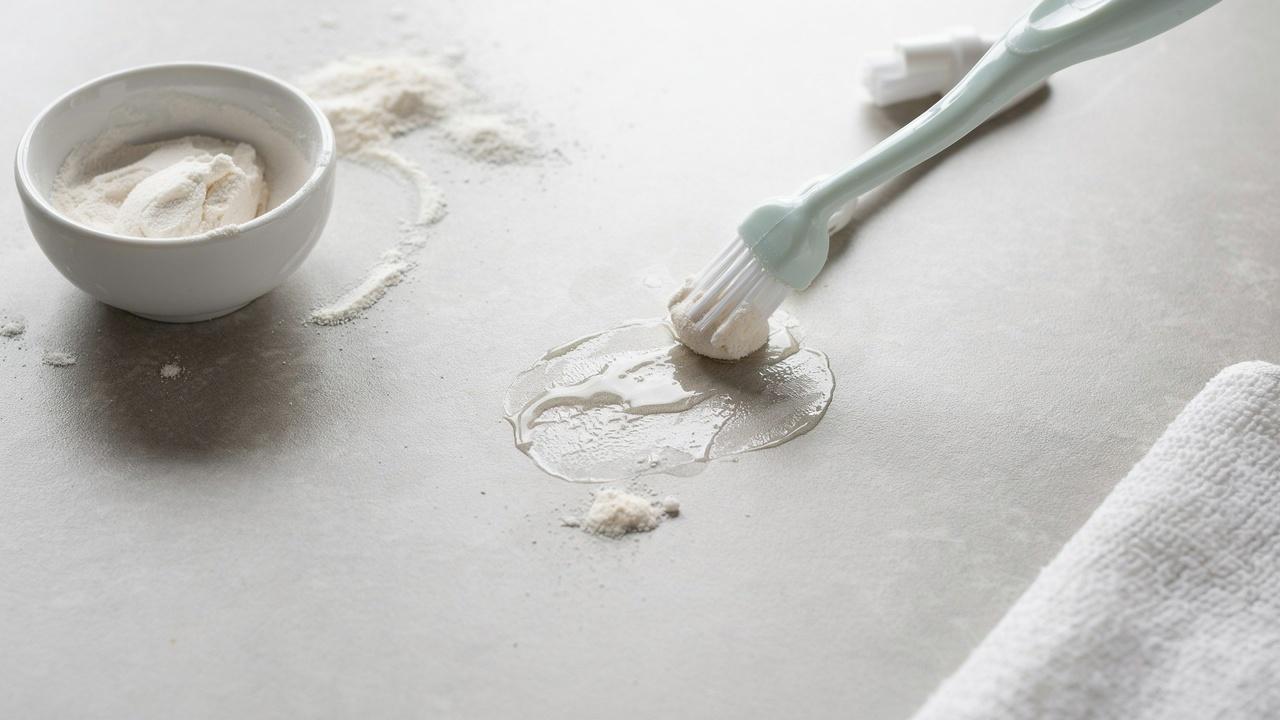
Mix baking soda with a small amount of water to form a paste. Apply it to the glue and let it sit for a few minutes. Then rub gently with a cloth or soft brush.
Baking soda has a mild abrasive quality that can help lift the glue without scratching most surfaces. For extra strength on skin, mix it with coconut oil instead of water.
Vinegar or Rubbing Alcohol
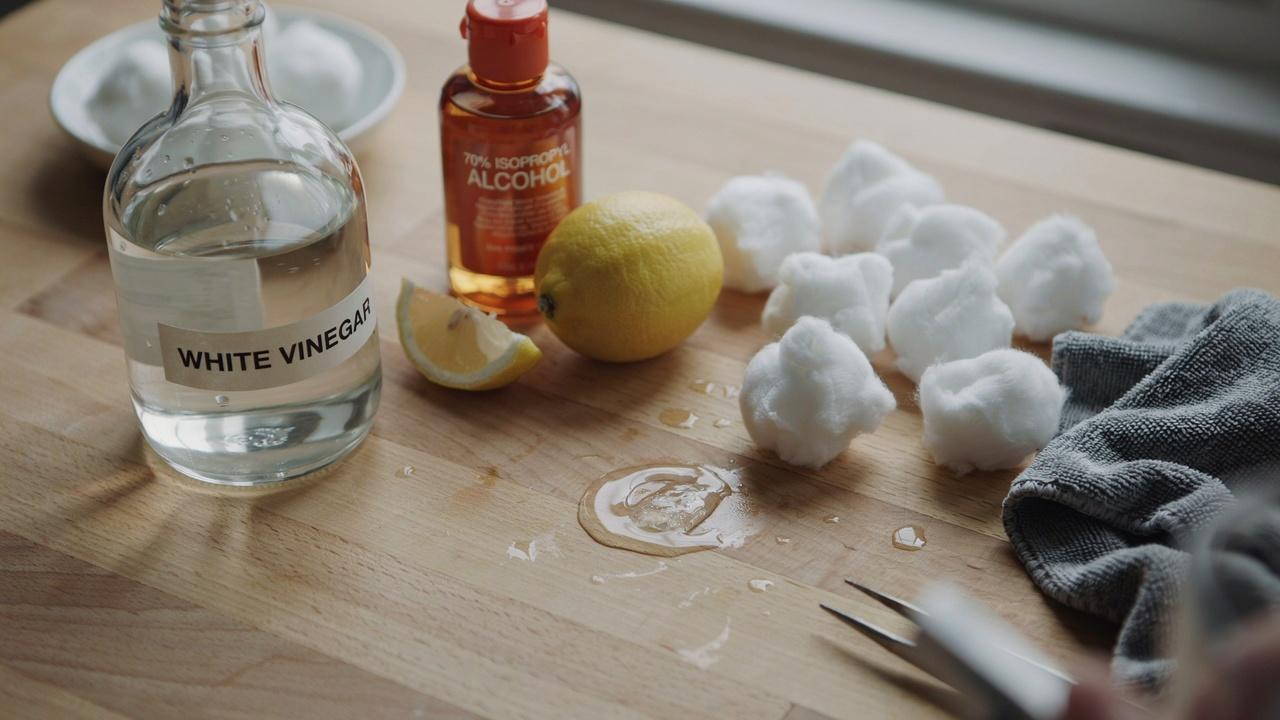
White vinegar, apple cider vinegar, lemon juice, and rubbing alcohol can all help break down super glue. Soak a cloth or cotton ball and press it against the glue for a few minutes.
Then gently scrub or peel. These are good options for surfaces where you don't want to use acetone.
Commercial Super Glue Removers
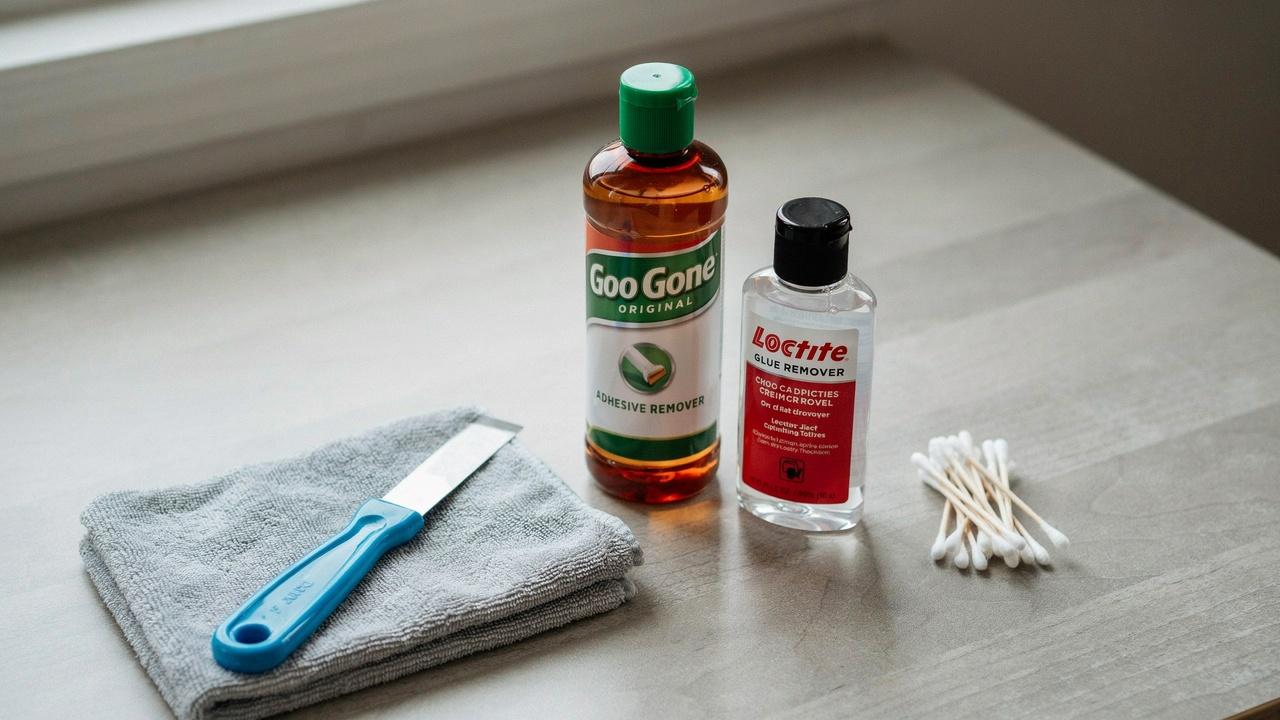
Products like Goo Gone or Loctite Glue Remover are made specifically for this job. Follow the instructions on the label.
These are good when home methods aren't cutting it or when you're dealing with a large area of dried glue.
How to Remove Super Glue From Different Surfaces
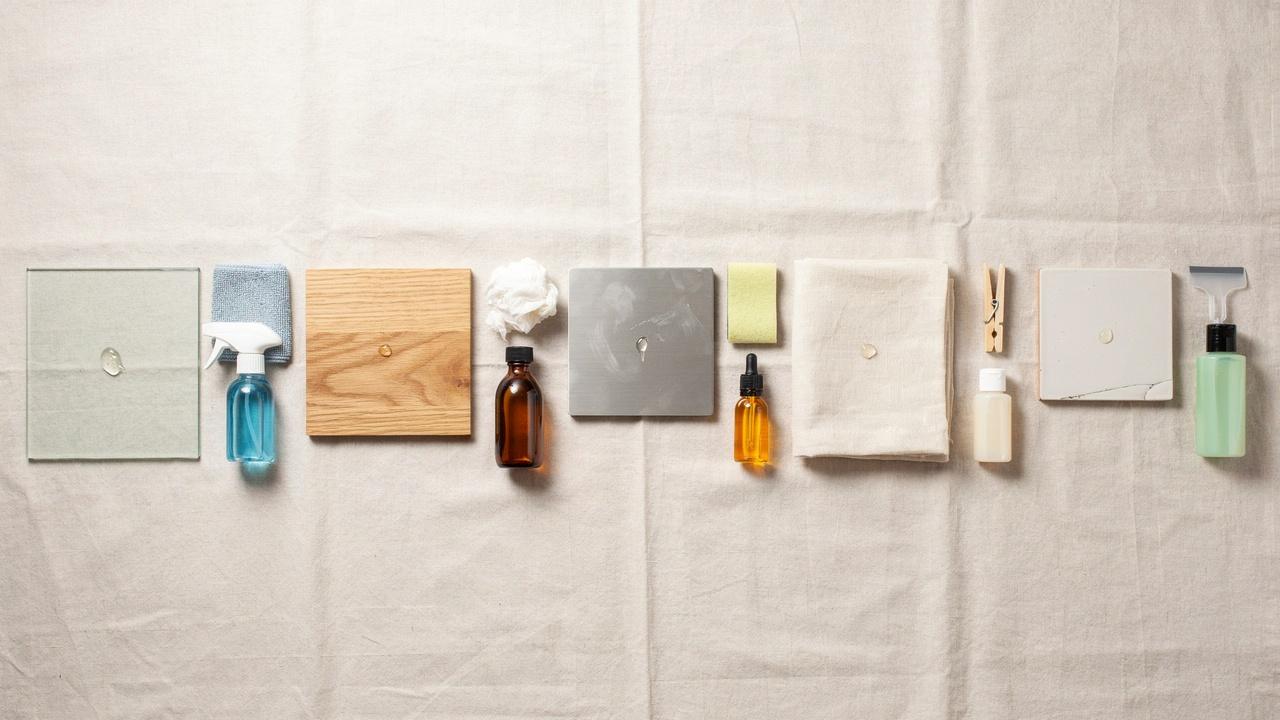
Super glue behaves differently depending on what it's bonded to. Here's what works best for each surface.
Skin and Fingers
Soak your skin in warm soapy water for at least five minutes to soften the glue before trying anything else.
Then apply acetone or petroleum jelly and rub gently in a circular motion. Never pull bonded fingers apart as this can tear the skin.
If your fingers are stuck together, slowly roll them apart after soaking rather than forcing them open. Use acetone sparingly on skin and wash the area with soap and water afterward to avoid dryness.
Clothes and Fabric
Never put glued fabric in the dryer as heat locks the glue in permanently. Apply acetone carefully to colorfast fabrics using a cotton ball and always test a hidden area first.
For delicate materials like silk or wool, rubbing alcohol is a much safer option. Once the glue is fully removed, wash the item normally to clear any solvent residue.
Glass
Acetone is safe to use on glass and works very well at dissolving super glue without leaving damage.
Soak a cotton ball in acetone, press it against the glue, and leave it for one to two minutes before wiping.
A plastic scraper or spatula can help lift any remaining softened glue without scratching the surface. Finish by wiping the glass clean with a damp cloth to remove any residue.
Wood, Desks, and Countertops
Wood requires extra care because acetone can strip the finish or leave a dull patch behind.
Start with warm soapy water or rubbing alcohol applied with a soft cloth and rub the glue gently without pressing too hard.
For laminate countertops, acetone is generally safe but always do a spot test in an inconspicuous area first.
After removing the glue, wipe the surface clean and apply a wood conditioner or polish to restore its appearance.
Metal
Acetone or a water and white vinegar solution both work well on metal. Apply your chosen solvent with a cotton ball and let it sit for a few minutes.
Then use a plastic scraper to gently lift the softened glue. For larger dried drops, you can carefully tap the hardened glue to make it more brittle before scraping.
How to Handle Dried or Stubborn Super Glue
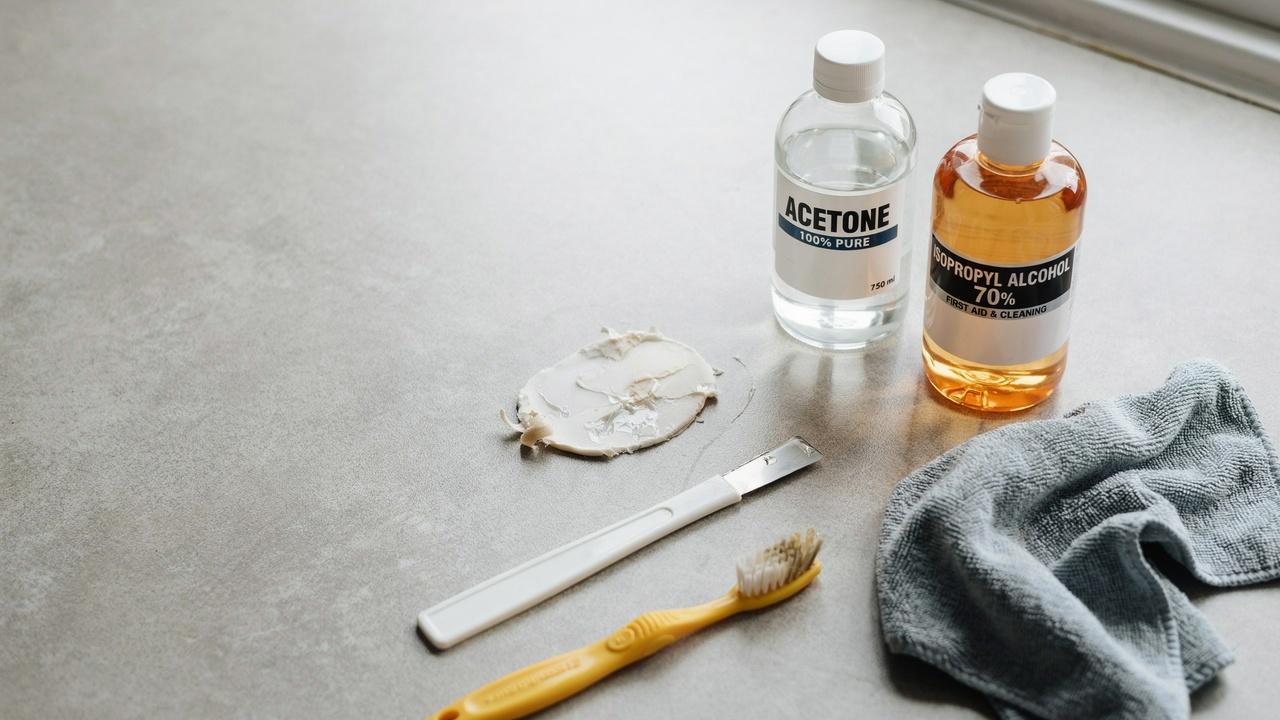
Dried glue is harder to remove, but not impossible. You just need a little more time and the right approach.
How to Soften Hardened Glue
Apply a solvent like acetone or rubbing alcohol and let it soak in for several minutes. Warm soapy water also helps.
The goal is to rehydrate and soften the glue so it loses its grip. Don't rush this step.
If the object is small and heat-safe, placing it in the freezer for 30 to 60 minutes can make the glue brittle enough to chip off cleanly.
What to Do If the Glue Won't Come Off
Try layering your approach. Apply acetone, wait, then rub. If that doesn't work, try soaking longer.
You can also gently use a plastic scraper or an old toothbrush to work the glue off bit by bit. Never use metal tools as they can scratch or gouge the surface.
How to Remove Leftover Glue Residue Without Damaging the Surface
After the main glue comes off, there's often a thin sticky residue left behind. Rub it with a cloth dampened with acetone or alcohol.
For surfaces sensitive to chemicals, use oil or petroleum jelly instead. Work slowly and wipe clean with a damp cloth when done.
When to Avoid Certain Super Glue Removal Methods
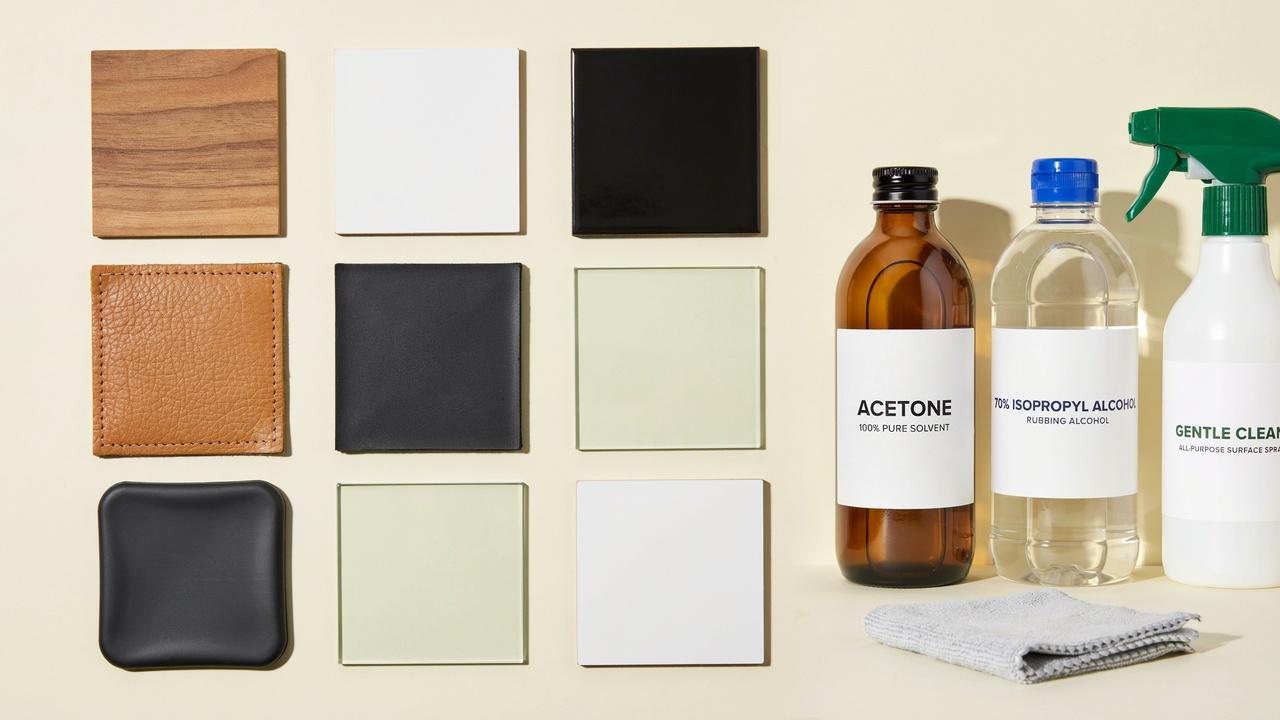
Not every method works for every situation. Knowing when to stop can save your surface from more damage.
Surfaces That Can Be Damaged by Acetone
Acetone can damage painted surfaces, some plastics, rubber, leather, and finished wood. Always test on a hidden area before using it.
If the surface reacts badly, switch to a milder option like rubbing alcohol or warm soapy water.
When Household Remedies Aren't Enough
If you've tried multiple methods and the glue isn't budging, the bond may be too strong for home solutions.
This can happen with old, thick, or multi-layer glue deposits. At this point, a commercial remover is your best option.
When to Use a Commercial Super Glue Remover Instead
Use a commercial product when the glue covers a large area, has been there a long time, or is on a surface where gentle methods aren't working.
These products are formulated to be stronger and more targeted than household options.
Common Mistakes to Avoid
Even with the right products, it's easy to make the problem worse if you're not careful.
Using the Wrong Solvent for the Surface
Acetone is great on glass and metal but can ruin plastic and some wood finishes. Always match the solvent to the surface. When in doubt, start with the mildest option and work up.
Scraping Glue With Sharp Metal Tools
Metal scrapers, knives, and razor blades can scratch or gouge surfaces. Use a plastic scraper or spatula, an old credit card, or your fingernail instead.
Let the solvent do most of the work before you try to scrape.
Pulling Bonded Skin Apart Forcefully
This is one of the most common and most painful mistakes. Pulling bonded skin can tear it. Always soak the area first and gently roll or slide the skin apart rather than pulling.
Skipping a Spot Test Before Applying a Remover
Always test any solvent on a small, hidden area first. This is especially important on fabric, painted surfaces, and plastic. A spot test takes 30 seconds and can prevent permanent damage.
Expert Tips for Easier Super Glue Removal
A few smart habits can make the whole process go much smoother.
- Always test your chosen remover on a small hidden area first and wait a few minutes to check for discoloration or damage before applying it to the full surface.
- Never scrub or wipe too soon after applying a solvent. Give it at least one to two minutes to break down the glue, and longer for thick or dried deposits.
- Use a plastic scraper or old toothbrush to gently work the glue off after the solvent has softened it, rather than rubbing hard with a cloth right away.
- Once the glue is removed, wipe the surface clean with a damp cloth to remove any solvent residue that could cause irritation or damage over time.
- For wood and furniture, apply a thin layer of polish or conditioner after cleaning. For skin, wash the area and use a moisturizer to prevent dryness or irritation.
Conclusion
Super glue can be a real headache, but it doesn't have to be permanent. Now that you know how to remove super glue with easy home methods, you have everything you need to handle it without panic.
Start with the gentlest method, be patient, and always spot tests before using anything strong. Most glue comes off with a little time and the right approach.
If this guide helped you, share it with someone who might need it, drop a comment with your experience, or check out related articles on household cleaning tips.
Frequently Asked Questions
Can super glue be removed with just water?
Plain water alone usually won't remove cured super glue. Warm soapy water can soften fresh or light glue on skin but rarely works on hard surfaces.
Is it safe to use acetone on skin to remove super glue?
Acetone is generally safe for brief skin contact. Use it sparingly, avoid broken skin, and wash the area thoroughly with soap and water afterward.
How long does it take for super glue to fully cure?
Super glue sets in seconds but fully cures in 24 hours. Removing it is easier when it hasn't completely hardened yet.
Can super glue damage surfaces permanently if left too long?
Yes, on porous surfaces like wood or fabric, glue left for weeks can stain or bond deeply, making removal harder without causing some surface damage.
Does freezing help remove super glue from objects?
Yes, placing an item in the freezer for 30 to 60 minutes can make super glue brittle, allowing you to chip it off more easily.