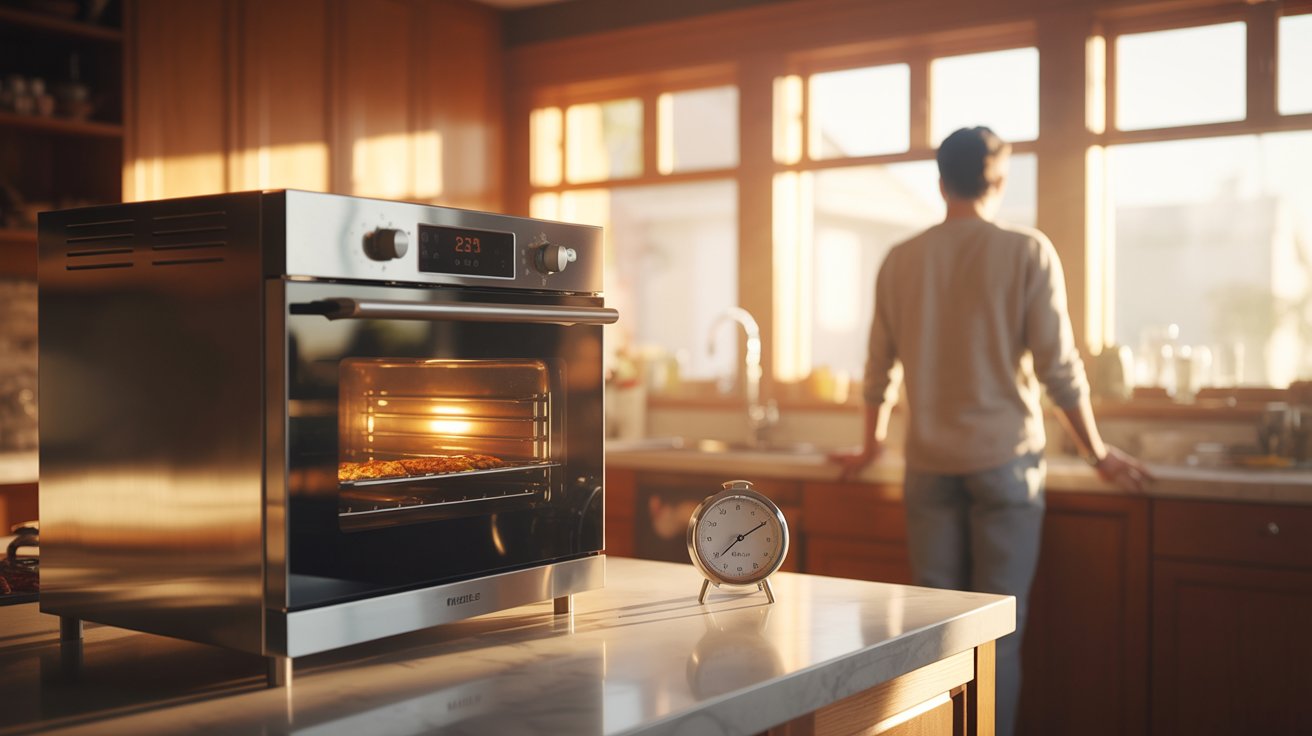
Most people set the oven temperature, wait for the beep, and put the food straight in. I used to do the same thing. It feels like the right move.
But here is the truth: that beep does not mean your oven is fully ready. The walls and racks are still heating up.
I learned this the hard way after too many flat cakes and unevenly cooked meals. So how long should you actually wait?
Let me break it down in a way that finally makes sense.
How Long Should You Preheat an Oven?
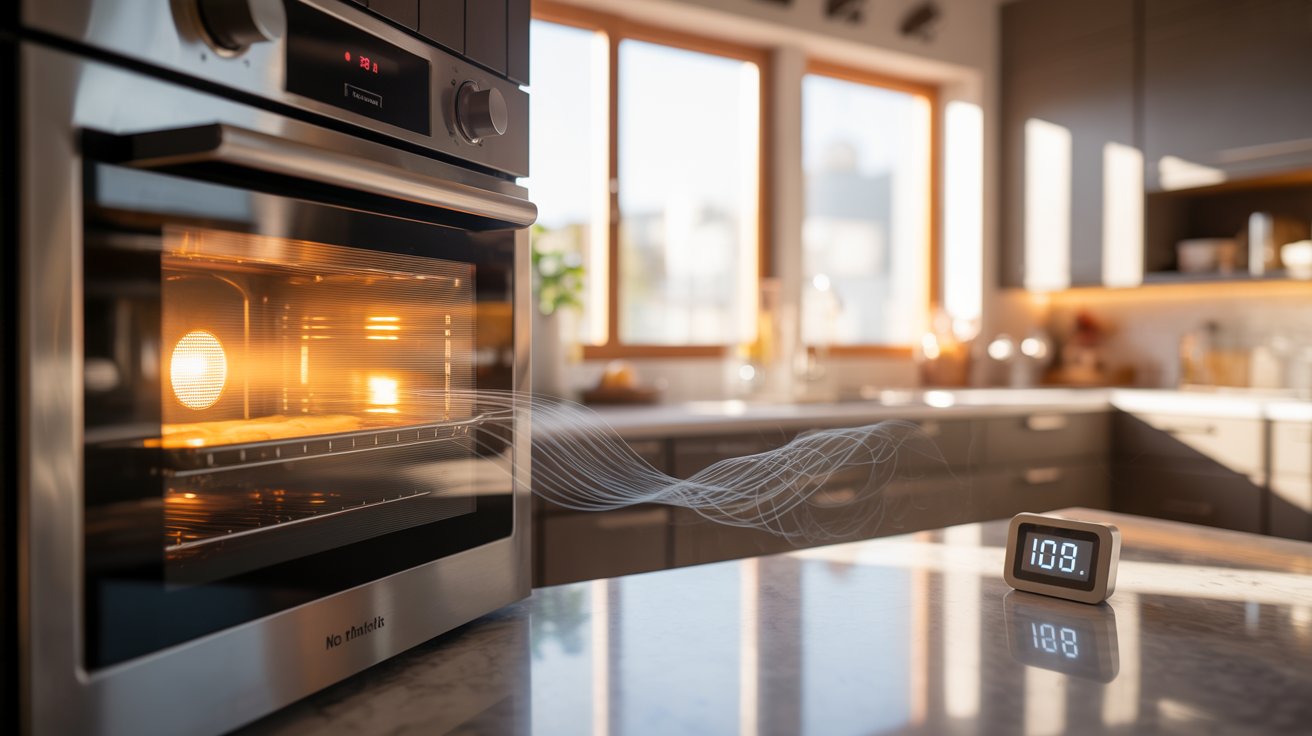
Most ovens take anywhere from 10 to 20 minutes to preheat. For consistent results, 15 to 20 minutes is the sweet spot most cooks stick to.
A simple rule to follow: if you’re baking at 350°F, give it about 15 minutes. Going higher than that? Add a few more minutes.
Some ovens hit temperature faster, but waiting the full time means the heat is even throughout. That makes a real difference in how your food turns out.
Do Most People Actually Wait for the Oven to Preheat?
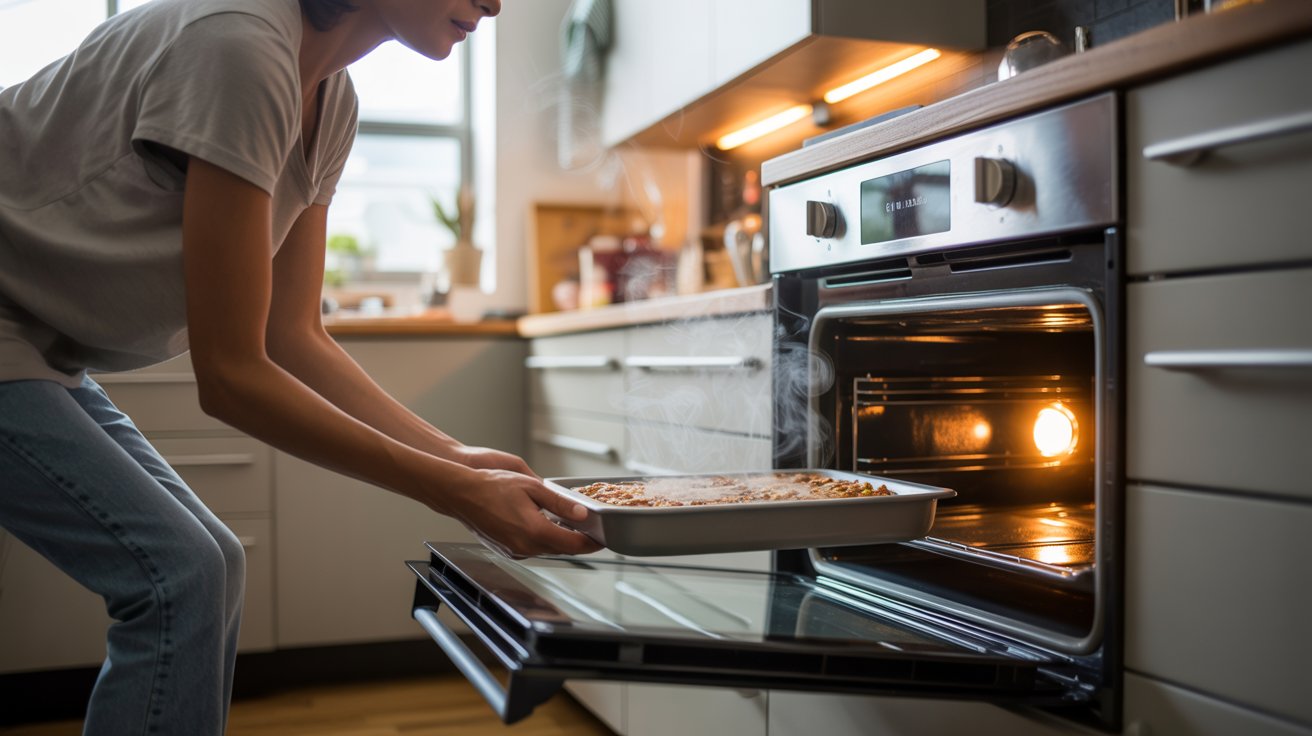
Most people hit start and walk away. But does skipping the wait actually ruin your food?
Common Habits of Home Cooks
Most home cooks hear the preheat beep and put the food in right away. It feels like the oven is ready, so why wait? Some people skip preheating entirely. They figure the oven will heat up while the food is inside anyway, so it seems like a harmless shortcut.
Why People Don’t Wait
Time is the biggest reason. Nobody wants to stand around waiting for an oven when dinner needs to be on the table. Some people also misunderstand what the beep means.
It signals that the air inside reached the set temperature, but the walls and racks are still catching up.
And a lot of cooks genuinely believe skipping a few minutes of preheating makes no real difference. For some dishes, that’s partly true. For others, it can throw off the whole cook.
What Happens If You Don’t Wait for Preheating?
Skipping the preheat seems harmless. But your food tells a different story every single time.
Baking Results
Skipping preheat hits baked goods the hardest. Cakes can come out flat or dense, and cookies tend to spread unevenly instead of holding their shape.
Cooking Results
For regular cooking, the damage is less dramatic but still noticeable. Food cooks unevenly, and you often end up waiting longer than the recipe says anyway. So the time you thought you saved? You didn’t really save it.
Why Experts Recommend Waiting
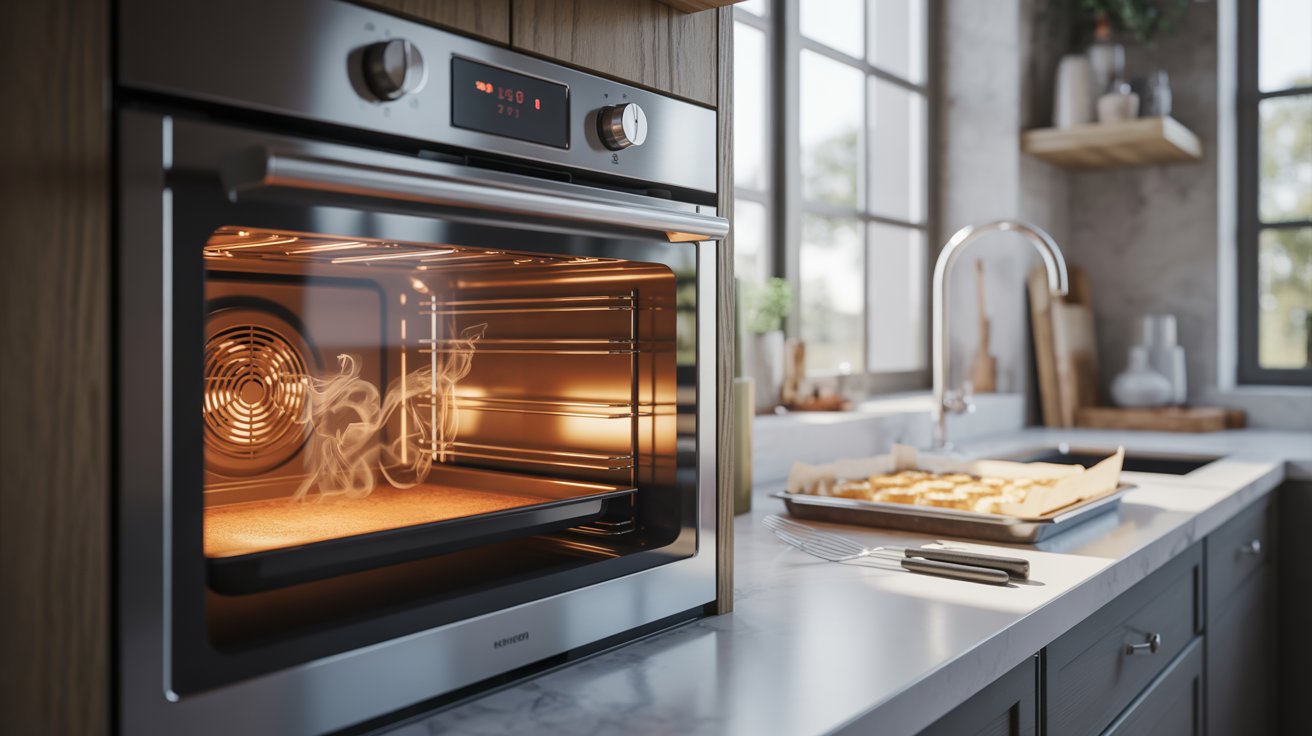
The beep is just the beginning. Real oven readiness takes a little more time than most people think.
Even Heat Distribution
The beep only means the air inside hit your target temperature. The walls and racks are still warming up. Food needs heat from all sides, not just the air around it. Giving it that extra few minutes means everything is hot and ready at once.
Better Cooking Accuracy
Every recipe you follow was tested in a fully preheated oven. When you skip that step, the timing is off from the start. Your food may need more time, or it may cook unevenly. Following the recipe as written only works when the oven is actually ready.
Is the Oven Preheat Beep Reliable?
When your oven beeps, only the air inside has reached the set temperature. The walls, racks, and floor are still catching up. So the heat isn’t even or stable yet.
Most people load the oven the second they hear the beep. It feels right since the oven signaled it was ready. But experts say wait an extra 5 to 10 minutes after the beep.
That short window lets everything inside fully heat up. It’s a small habit that costs you almost nothing but makes a real difference.
When It’s Okay Not to Wait
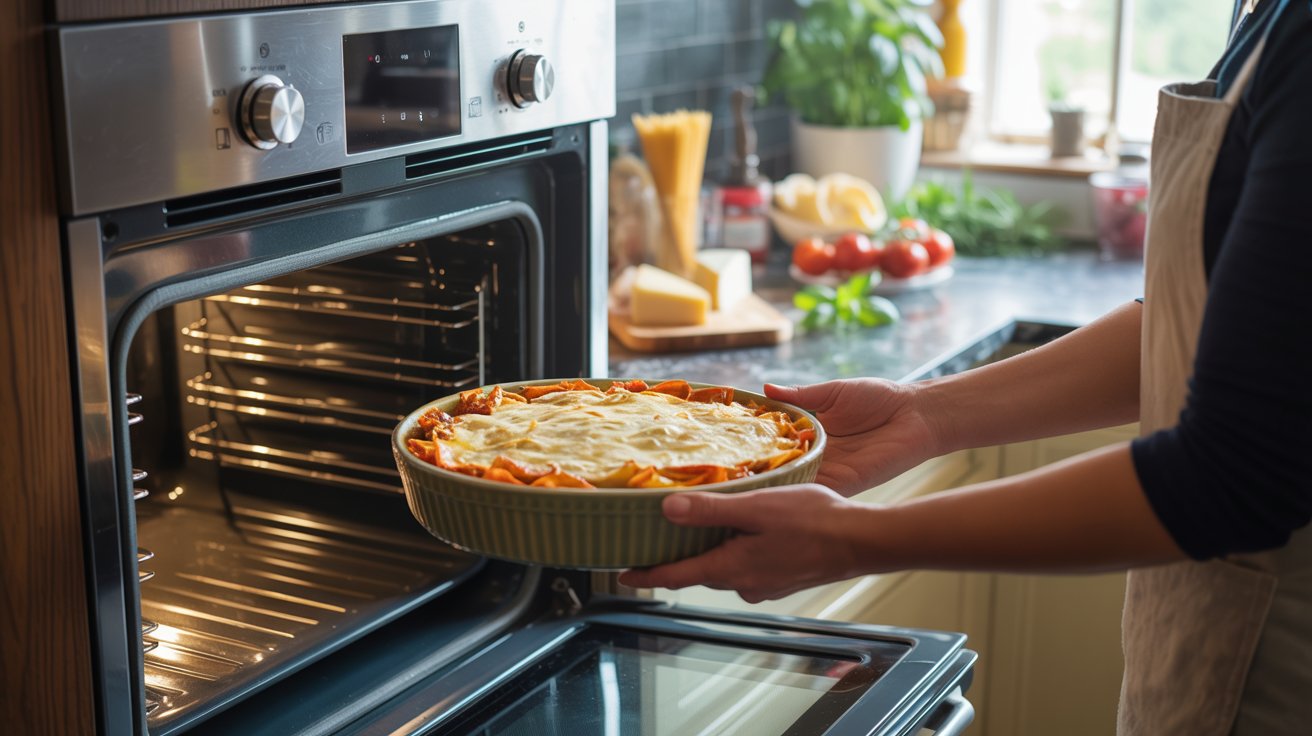
Not every recipe needs a hot oven from the start. Some dishes actually prefer it cold.
Dishes That Can Skip Preheating
Not every dish needs a fully heated oven. Casseroles and baked pasta do fine starting cold. The slow heat buildup actually works in their favor. Slow-cooked meals are the same. They spend so long in the oven that the first few minutes of uneven heat make no real difference.
Situations Where Starting Cold Works Better
Some things turn out better without preheating. Toasting nuts in a cold oven lets them warm up gradually for more even results. Long cooking recipes follow the same logic. When something spends hours in the oven, a cold start can help with texture and moisture.
Tips Based on Real Cooking Habits
Not every cook has the same routine. These tips work for both the patient and the impatient.
- Use convection mode when you’re short on time. It circulates hot air faster and cuts down preheat time by a few minutes.
- Wait at least 15 minutes for better results. That extra time makes sure the heat is even before your food goes in.
- Use an oven thermometer to check accuracy. Your oven’s display and the actual temperature inside don’t always match.
- Don’t rely only on the beep. It’s a starting signal, not a finish line. Give it a few more minutes after it goes off.
- Match your preheat time to what you’re cooking. Baked goods need a fully ready oven. Casseroles and slow dishes can be more forgiving.
Conclusion
Most people don’t wait long enough when preheating, and I get it.
Time is tight. But after years of cooking, I can tell you that those extra few minutes genuinely change your results.
The sweet spot is 15 to 20 minutes. That’s really all it takes for a fully ready oven. Give it that time and your food will thank you.
Try it on your next bake and see the difference for yourself.
Frequently Asked Questions
How long does it take to preheat an oven to 350°F?
Most ovens reach 350°F in about 15 minutes. Waiting the full time ensures the heat is even before your food goes in.
Does the preheat beep mean the oven is fully ready?
Not exactly. The beep means the air inside hit the target temperature, but the walls and racks are still warming up. Give it 5 to 10 more minutes.
What happens if you put food in before the oven is preheated?
Baked goods like cakes and cookies are affected the most. They can turn out flat, dense, or unevenly cooked when the oven isn’t fully ready.
Are there dishes that don’t need a preheated oven?
Yes. Casseroles, baked pasta, and slow-cooked meals do fine starting in a cold oven. The gradual heat buildup actually works well for these dishes.
How can I tell if my oven is actually at the right temperature?
Use an oven thermometer. Your oven’s display and the actual internal temperature don’t always match, so a thermometer gives you a more accurate read.