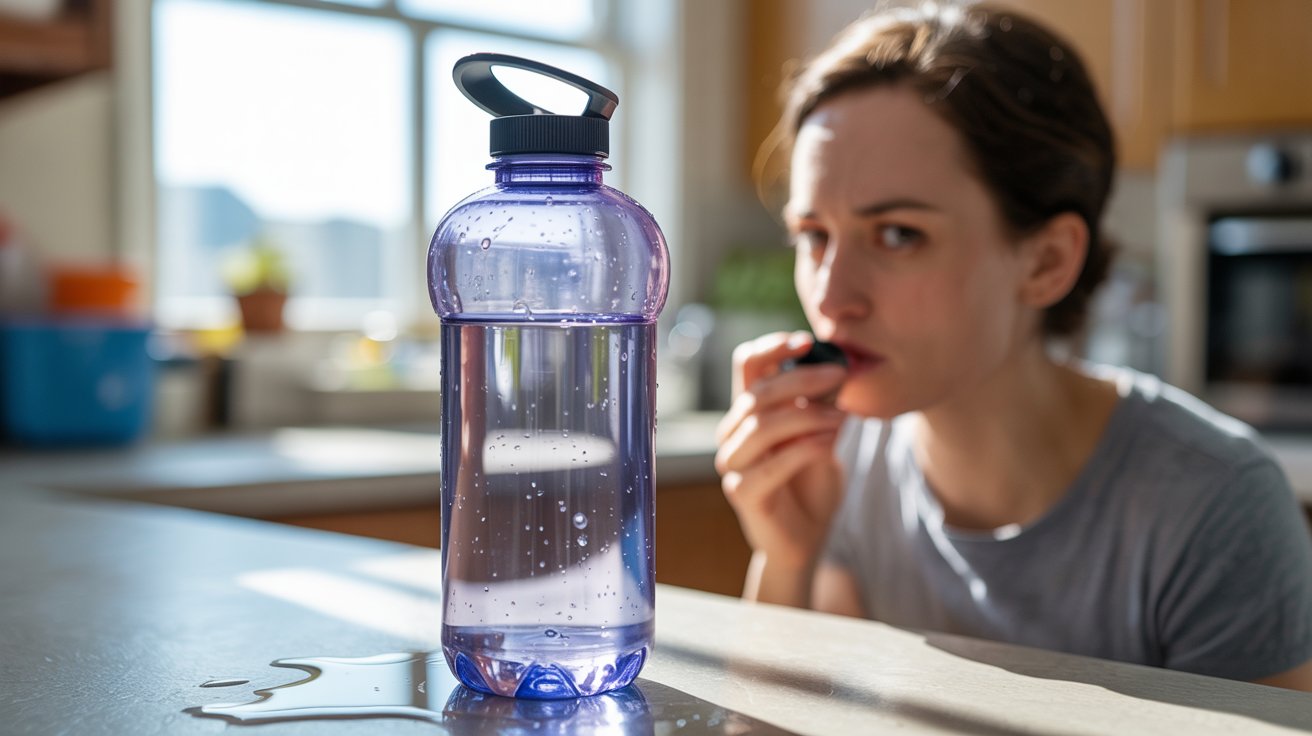
My water bottle smelled terrible and I had no idea why. I was washing it regularly, or so I thought. But every sip had that weird, stale odor clinging to it. Sound familiar?
If you’ve ever wondered why does my water bottle smell bad even after a rinse, you’re not alone.
The answer surprised me, and the fixes were things I already had at home. Stick around because what’s actually causing that smell inside your bottle might not be what you expect.
Why Does My Water Bottle Smell? (Quick Explanation)
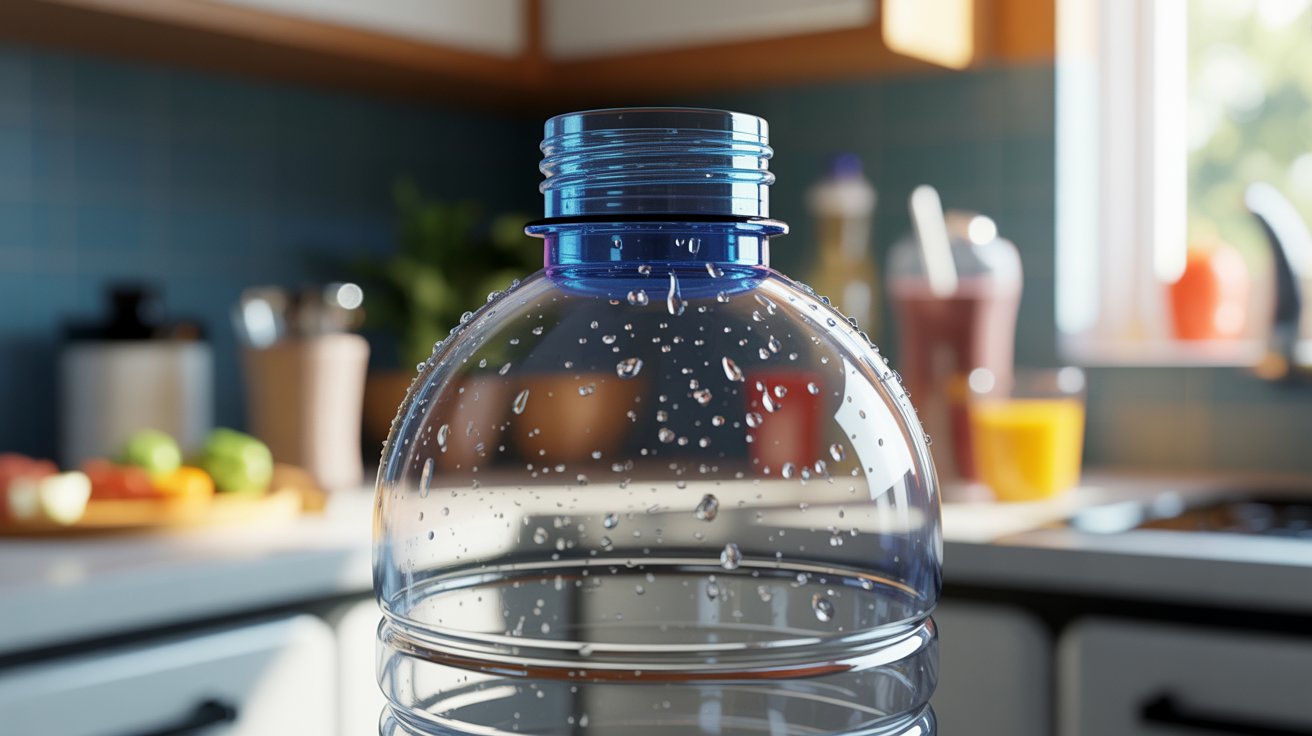
The most common reason is bacteria. Every time you drink, you introduce moisture and tiny particles into the bottle. That creates a warm, damp space where bacteria grow fast.
Drinks like coffee, juice, or protein shakes leave behind residue. Even after a rinse, those residues stick to the walls and lid. Over time, they start to smell.
Closing your bottle before it dries is one of the biggest mistakes. Trapped moisture with zero airflow is the perfect setup for odor.
The material matters too. Plastic holds smells longer than stainless steel or glass. And if you’re not deep cleaning regularly, the problem just builds up over time.
5 Proven Methods to Remove Water Bottle Smell
Good news: you don’t need fancy products to fix this. These five methods use things you probably already have at home and they actually work.
1. Baking Soda Deep Clean
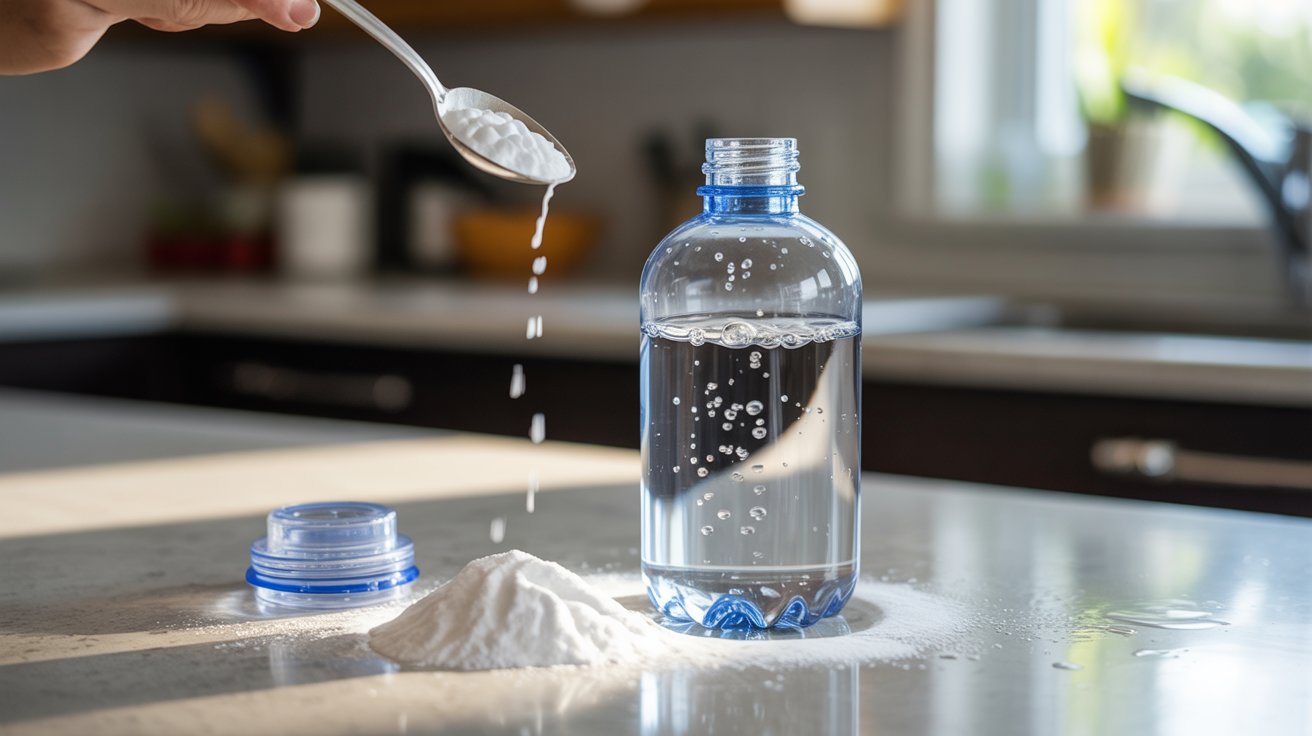
Baking soda is one of the best natural odor fighters out there. It works by neutralizing the acids and compounds that cause bad smells, not just masking them.
Add one to two teaspoons of baking soda into your bottle. Fill it with warm water, shake it well, and let it sit for at least 30 minutes.
Rinse it out thoroughly and let it air dry completely. This method works really well for mild to moderate smells and is safe for almost every bottle type.
Repeat once a week as part of your regular cleaning routine. You’ll notice the difference pretty quickly.
2. Vinegar Rinse for Strong Odors
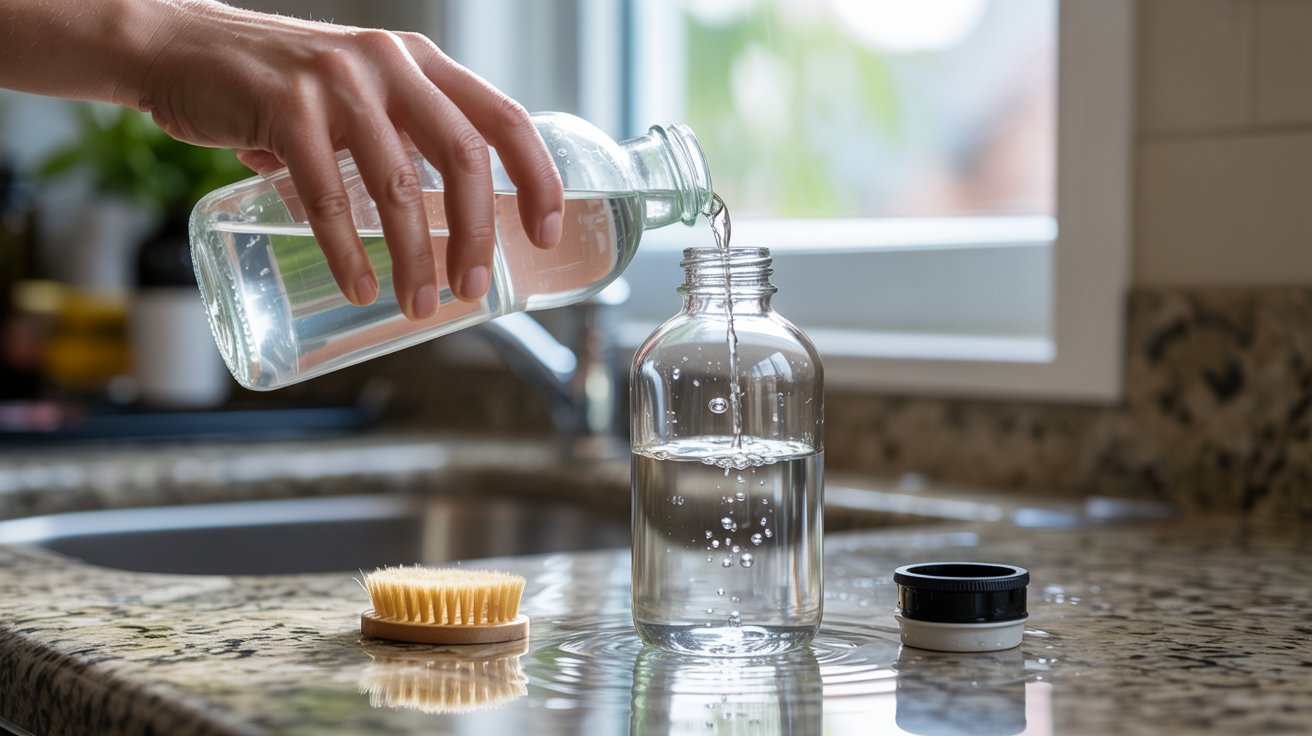
If the smell is strong, white vinegar is your best bet. It kills bacteria and breaks down stubborn residue that rinsing alone can’t touch.
Fill your bottle halfway with white vinegar and the rest with water. Let it soak for 30 to 60 minutes, depending on how bad the smell is.
After soaking, scrub the inside with a bottle brush, then rinse very well with clean water. If you don’t rinse enough, the vinegar smell can linger.
This is the method I go back to whenever my bottle starts smelling really off. It works fast and costs almost nothing.
3. Lemon and Warm Water Hack
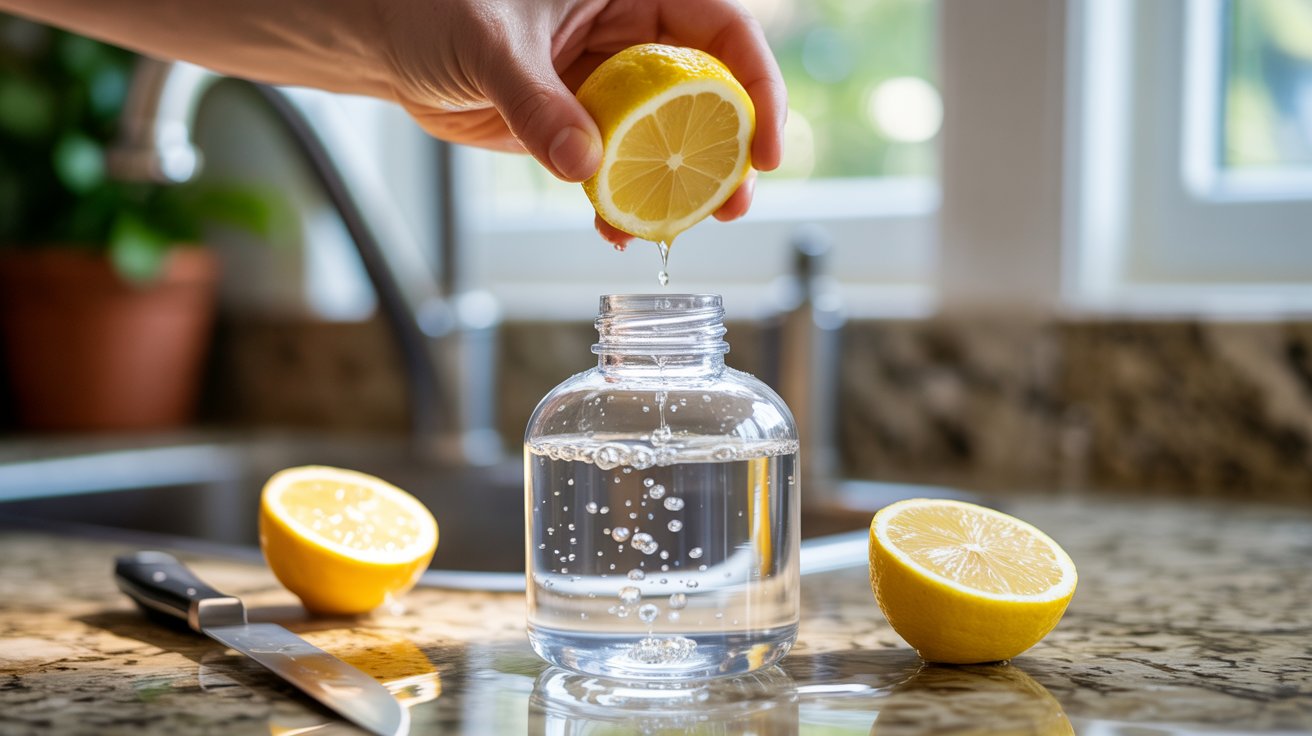
Lemon is a natural deodorizer and it leaves your bottle smelling clean and fresh. It’s a great option for regular maintenance cleaning.
Squeeze half a lemon into your bottle, fill it with warm water, and let it sit for 15 to 20 minutes. Then rinse and dry as usual.
As a bonus, lemon also helps remove light stains from the inside of the bottle. It’s gentle enough to use a few times a week without any issues.
This one is my go-to between deep cleans. Simple, quick, and it actually smells good after.
4. Use Bottle Cleaning Brushes Properly
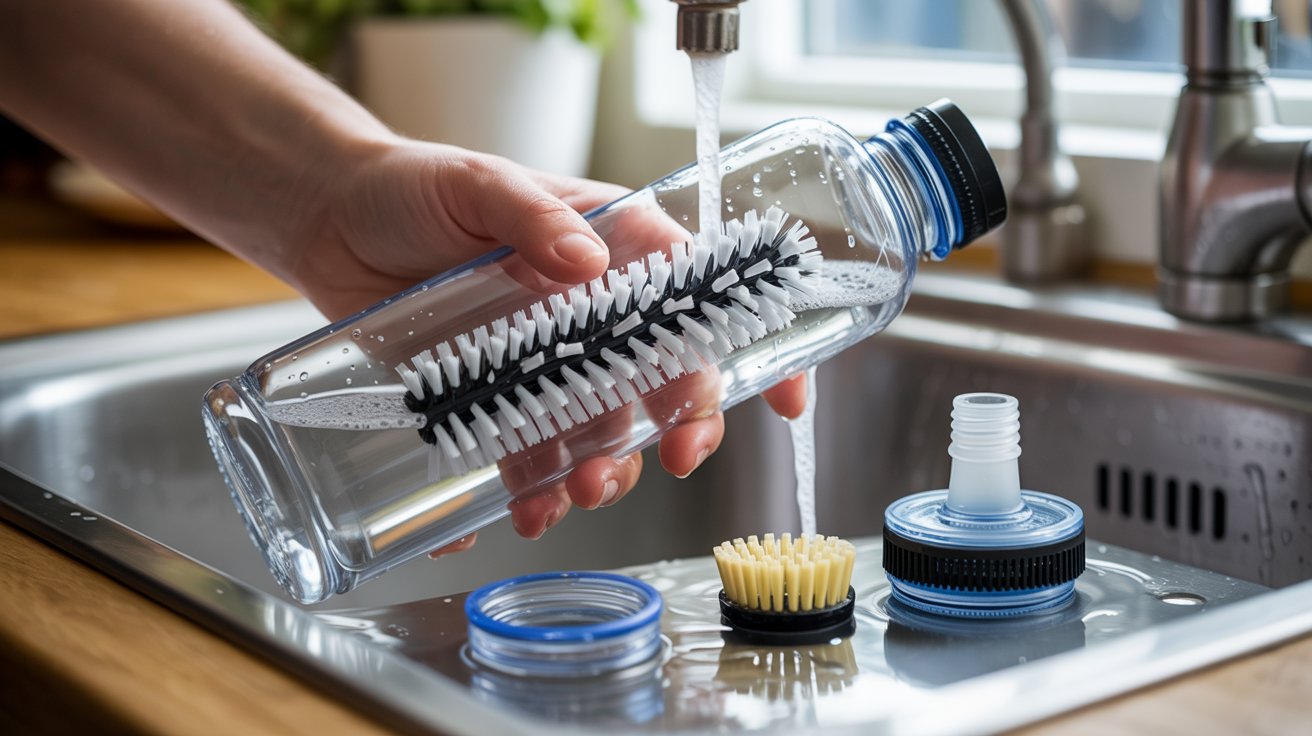
Rinsing your bottle is not the same as cleaning it. You need a brush to actually scrub the inside walls where residue builds up.
Pay extra attention to the lid, straw, and corners. These are the spots where bacteria hide the most and where most people forget to scrub.
A good bottle brush set usually comes with a small brush for straws and lids too. Use it every time you do a proper clean.
Skipping the brush is one of the main reasons why does my water bottle smell keep coming back even after washing. The brush makes a real difference.
5. Dishwasher (If Safe)
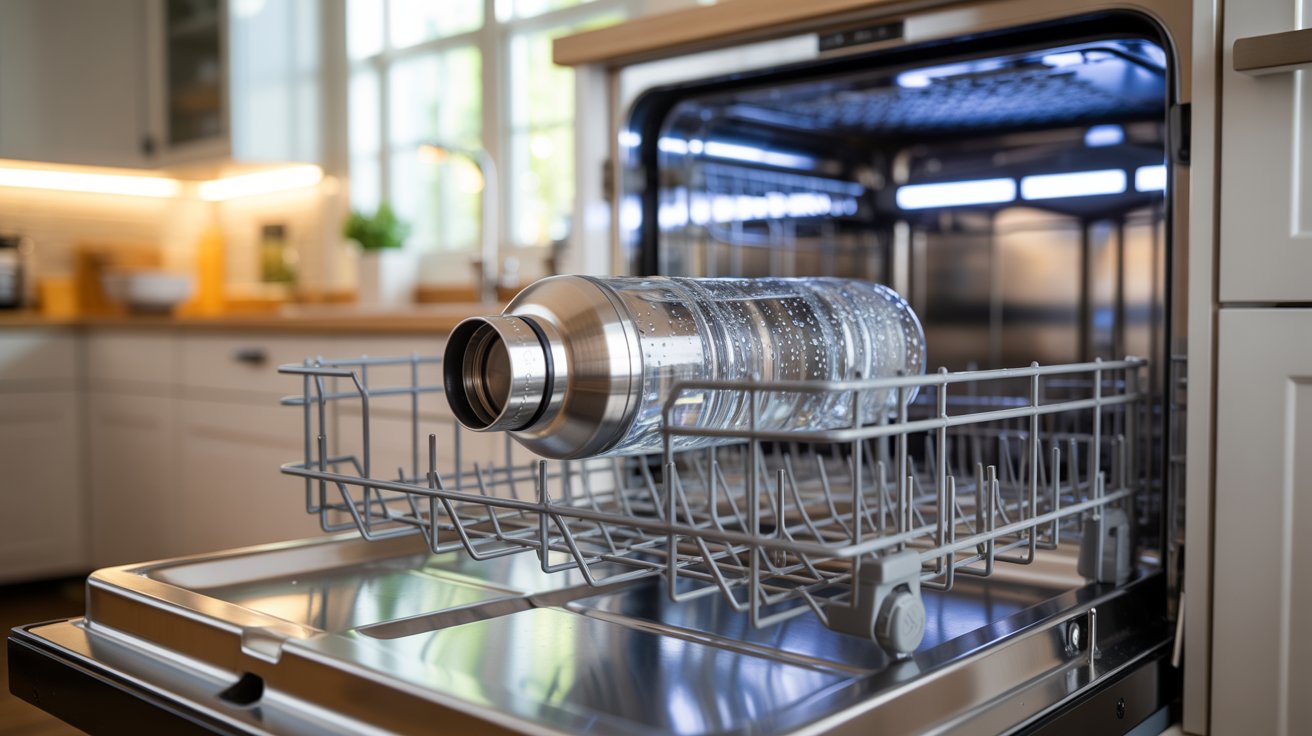
Before you toss your bottle in the dishwasher, check the label or manufacturer’s instructions. Not all bottles are dishwasher safe.
Stainless steel and dishwasher-safe plastic bottles do really well in there. The high heat kills odor-causing bacteria that hand washing sometimes misses.
Place the bottle on the top rack for best results. Make sure the lid and any removable parts go in separately so water can reach every surface.
If your bottle is dishwasher safe, running it through once a week is a solid habit. Just make sure everything dries fully before you close it up.
Common Mistakes That Cause Bad Smell
Most people clean their bottles but still deal with smell. That’s usually because of a few small habits that are easy to overlook but make a big difference.
- Leaving water sitting in the bottle overnight regularly
- Closing the bottle while the inside is still wet
- Using it for flavored drinks without a proper deep clean after
- Ignoring the lid and straw during cleaning
- Not letting the bottle air dry completely before storing it
These mistakes seem minor but they add up fast. Fixing just one or two of them can seriously cut down on how often you deal with a smelly bottle.
When Should You Replace Your Water Bottle?
Sometimes cleaning isn’t enough. If you’ve tried everything and the smell is still there, it might be time to move on.
Visible mold or dark discoloration inside the bottle is a clear sign. No amount of cleaning will fully fix that.
If the plastic inside is scratched, bacteria can hide in those grooves and no brush will reach them. That’s when the bottle becomes more of a problem than a solution.
Worn-out seals and lids that don’t close properly also let in air and moisture in the wrong ways. Replacing just the lid sometimes helps, but if the whole bottle is old, replacing it is the smarter call.
Conclusion
Now you know exactly why does my water bottle smell and what to do about it. The fix is simpler than most people think. You don’t need special products or a lot of time.
Just a little consistency goes a long way. Start with one method today and build from there. Your bottle should work for you, not against you. Which method are you trying first? Drop it in the comments.
And if this helped, share it with someone who’s been putting up with a smelly bottle way too long.
Frequently Asked Questions
Why Does My Water Bottle Smell Even After Washing?
Bacteria often hide inside lids, straws, and corners that a basic rinse doesn’t reach. Try deep cleaning with vinegar or baking soda and scrubbing with a bottle brush.
How Often Should I Clean My Water Bottle?
A quick rinse daily and a proper deep clean once a week is the right routine. If you use it for flavored drinks, clean it thoroughly right after.
Can Mold Grow Inside Water Bottles?
Yes, mold grows easily in bottles that are closed while still wet or stored in warm spots. Always let your bottle air dry fully before sealing it.
What Is the Fastest Way to Remove Bad Odor?
A vinegar soak for 30 to 60 minutes or a baking soda rinse works quickly and effectively. Rinse well after either method to avoid any leftover smell.
Is It Safe to Drink From a Smelly Water Bottle?
No, a bad smell usually means bacteria are present and that can affect your health. Clean the bottle properly or replace it if the smell won’t go away.