
Bad bathroom lighting ruins everything.
I learned that the hard way after years of applying makeup in a dim bathroom and wondering why I looked so off in photos.
In this post, I’ll walk you through exactly how many lumens you need, how to calculate it for your space, and where to place your lights for the best results.
No confusing jargon. Just clear, simple answers that will finally help you get your bathroom lighting right.
What Are Lumens and How Do They Work?
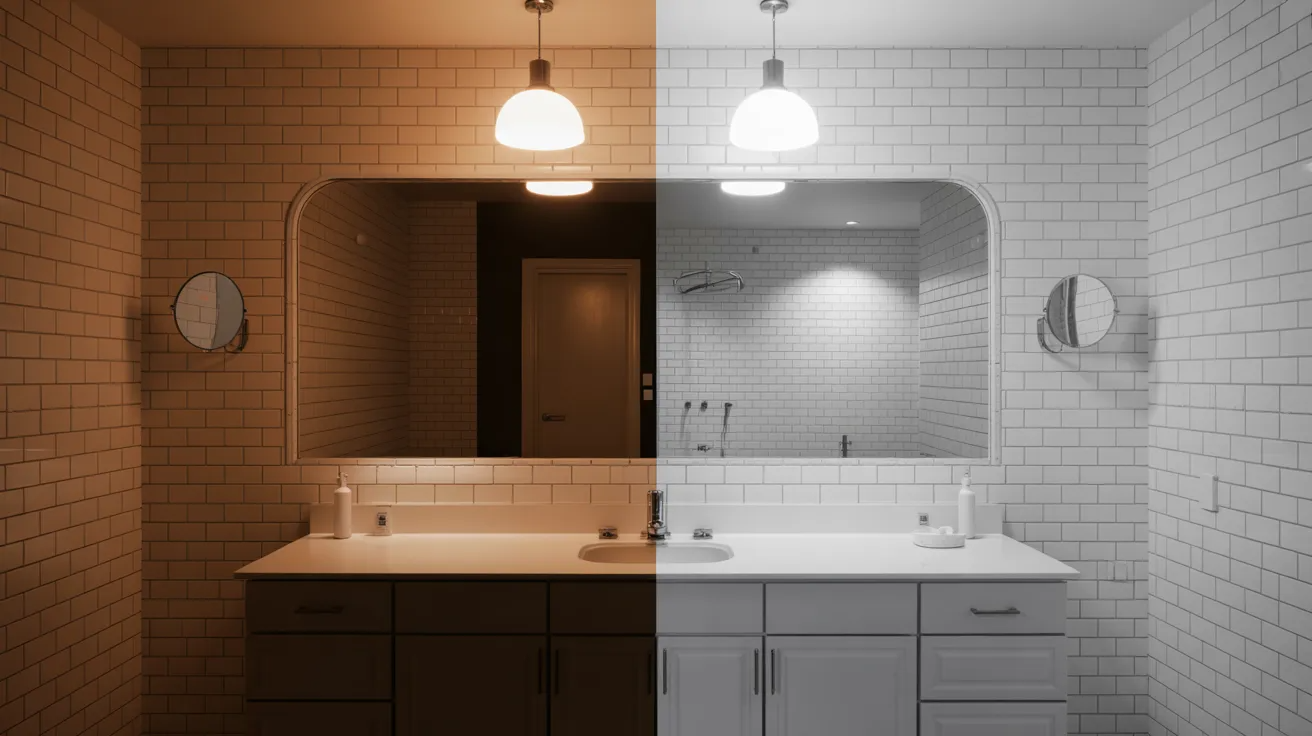
Most people think watts measure brightness. They don’t. Watts measure energy use. Lumens measure actual light output.
So when you’re buying a bulb, lumens are what matter. A higher lumen count means a brighter light. A lower count means a dimmer one.
I used to grab whatever bulb fit the socket. Big mistake. Once I started reading lumen counts, my lighting improved so much.
Think of lumens as the real brightness number your bathroom needs to function well.
How to Calculate Lumens for a Bathroom
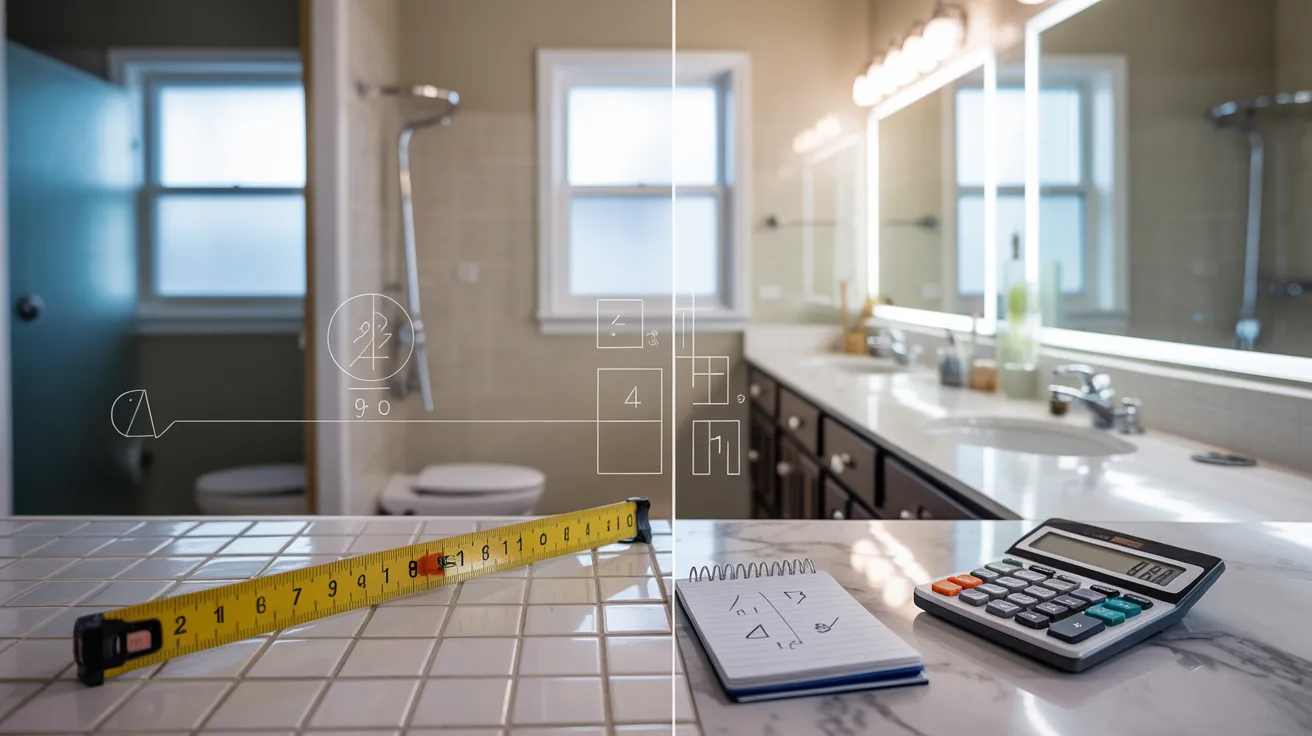
Getting the right brightness is simple once you know your room’s square footage and the recommended foot-candles for bathrooms.
Lumens Formula
Square feet × recommended foot-candles = total lumens needed
That’s it. Measure your bathroom floor area, multiply by the foot-candle recommendation, and you have your target lumen count. No guessing. No eyeballing. Just math that works.
Recommended Brightness Levels
Bathrooms need 70 to 80 lumens per square foot. That’s the standard range recommended for most bathroom spaces. Here’s a quick way to apply that:
- Small bathroom (35 sq ft): Around 2,450 to 2,800 lumens total
- Medium bathroom (60 sq ft): Around 4,200 to 4,800 lumens total
- Large bathroom (100 sq ft): Around 7,000 to 8,000 lumens total
These are starting points. Your ceiling height, wall color, and natural light can shift the number slightly.
But staying in this range gives most bathrooms a comfortable, functional glow without being too harsh or too dim.
How Many Lumens for Bathroom Vanity Lighting
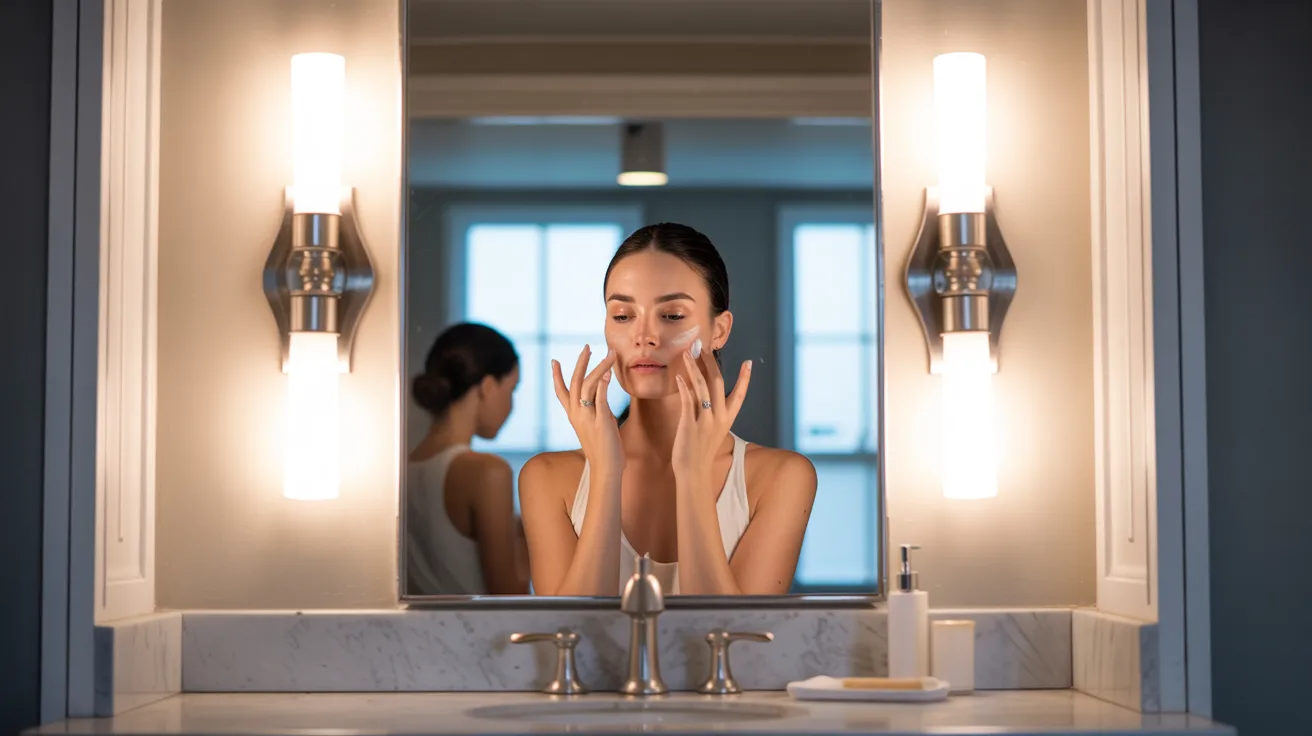
The vanity is where you need the most brightness. Grooming, skincare, shaving, all of it requires clear, even light.
The minimum recommended lumen count for a vanity area is around 1,600 lumens. Going lower makes it harder to see detail.
I once had a single overhead bulb above my mirror and kept missing spots while shaving.
Switching to side-mounted vanity lights at 1,800 lumens changed everything. Your vanity deserves proper brightness. Don’t shortchange it.
LED Lighting Placement Guide for Bathrooms
Where you put your lights matters just as much as how bright they are. Poor placement creates shadows even with the right lumen count.
Vanity Light Placement
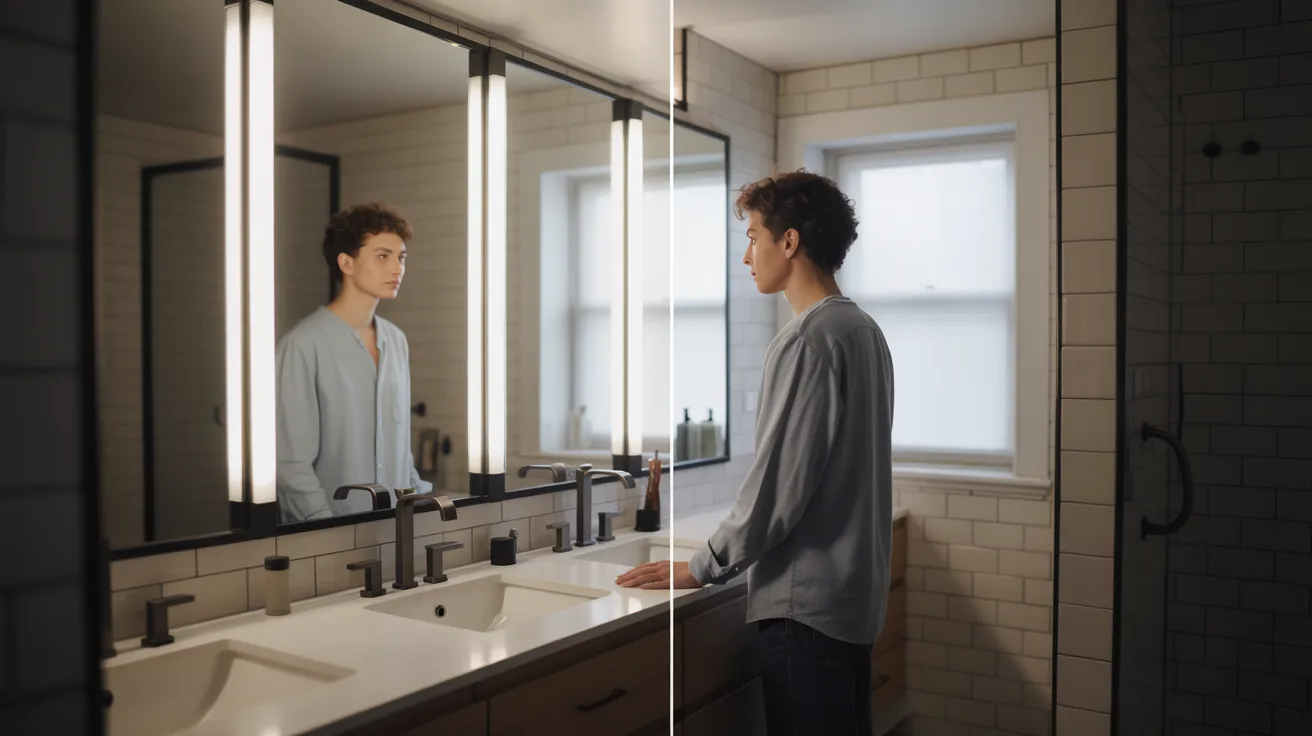
Side lighting is the best option for vanity areas. Mounting lights on both sides of the mirror at eye level gives you even coverage across your face.
No harsh shadows. No dark spots. Overhead-only vanity lighting is one of the most common mistakes in bathroom design.
It casts shadows under your nose and chin, making tasks like shaving or applying liner much harder than they need to be.
Ceiling & Ambient Lighting
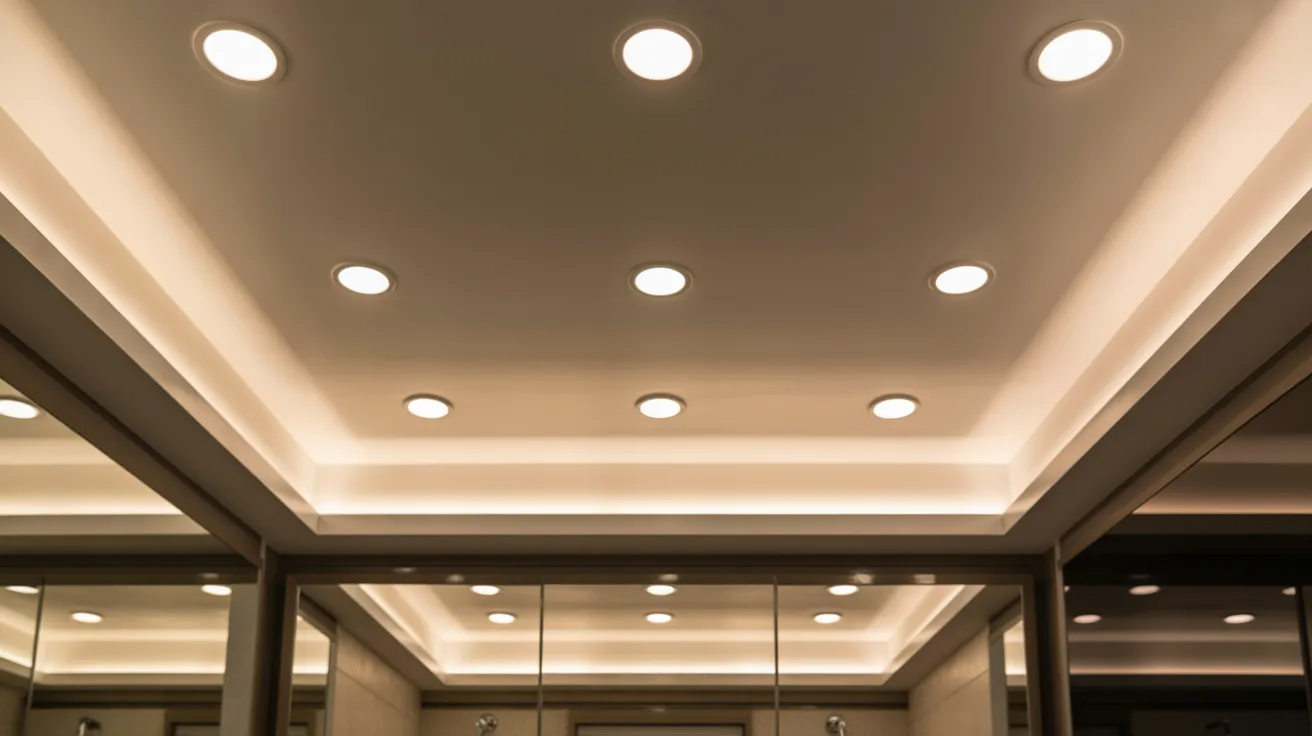
Ceiling lights handle overall room brightness. For a well-lit bathroom, you want even light distribution across the full space, not just a single bulb in the center.
Recessed lights spaced evenly or a flush-mount fixture with a wide spread work well. The best setups combine ambient ceiling light with task lighting near the vanity.
Together, they cover the whole room without leaving dark corners or uneven patches.
Factors That Affect Bathroom Lighting Needs
Your bathroom’s brightness needs aren’t one-size-fits-all. A few things can raise or lower how many lumens you actually need.
- Room size and ceiling height: Larger rooms and higher ceilings need more lumens to stay well lit
- Wall color and reflectivity: Light walls bounce light back. Dark walls absorb it and need more output
- Natural light: A window reduces how much artificial light you need during the day
- Personal preference: Some people like bright light. Others prefer it softer. Your comfort matters
- Fixture type: The same bulb can feel very different depending on the shade or housing used
Factor these in, and you’ll build a much more accurate lighting plan.
Conclusion
Getting bathroom lighting right is simpler than you think. Start with your square footage, use the lumen formula, and place your lights where they count.
I used to grab whatever bulb was cheapest. Once I switched to checking lumens, everything looked better instantly.
Now it’s your turn. Try the formula for your bathroom and drop your results in the comments.
Found this helpful? Share it with someone still struggling with dim, frustrating bathroom lighting.
Frequently Asked Questions
How many lumens do I need for a small bathroom?
A small bathroom around 35 square feet needs roughly 2,450 to 2,800 lumens for good overall brightness.
Can I use a single bulb for my bathroom vanity?
One bulb rarely gives enough light for grooming tasks, so at least 1,600 lumens across multiple sources works best.
Are LED bulbs better for bathroom lighting?
Yes, LEDs give you more lumens per watt, last longer, and handle bathroom humidity better than most other bulb types.
Does ceiling height affect how many lumens I need?
Yes, higher ceilings spread light over a larger area, so you’ll need a higher lumen count to keep the space well lit.
What color temperature works best for bathroom lighting?
A color temperature between 2,700K and 3,000K gives warm, natural light that works well for both grooming and general use.