

A squeaking washer is annoying, and ignoring it can lead to costly repairs. This article breaks down exactly why your washing machine is making that noise and what you can do to fix it.
We cover the most common causes, warning signs, and when to call a pro.
With over a decade of appliance repair experience, we have helped thousands of homeowners solve this exact problem.
By the end, you will know what is wrong and how to fix it. Stop guessing and start fixing.
Common Signs Your Washer Squeaking Needs Attention
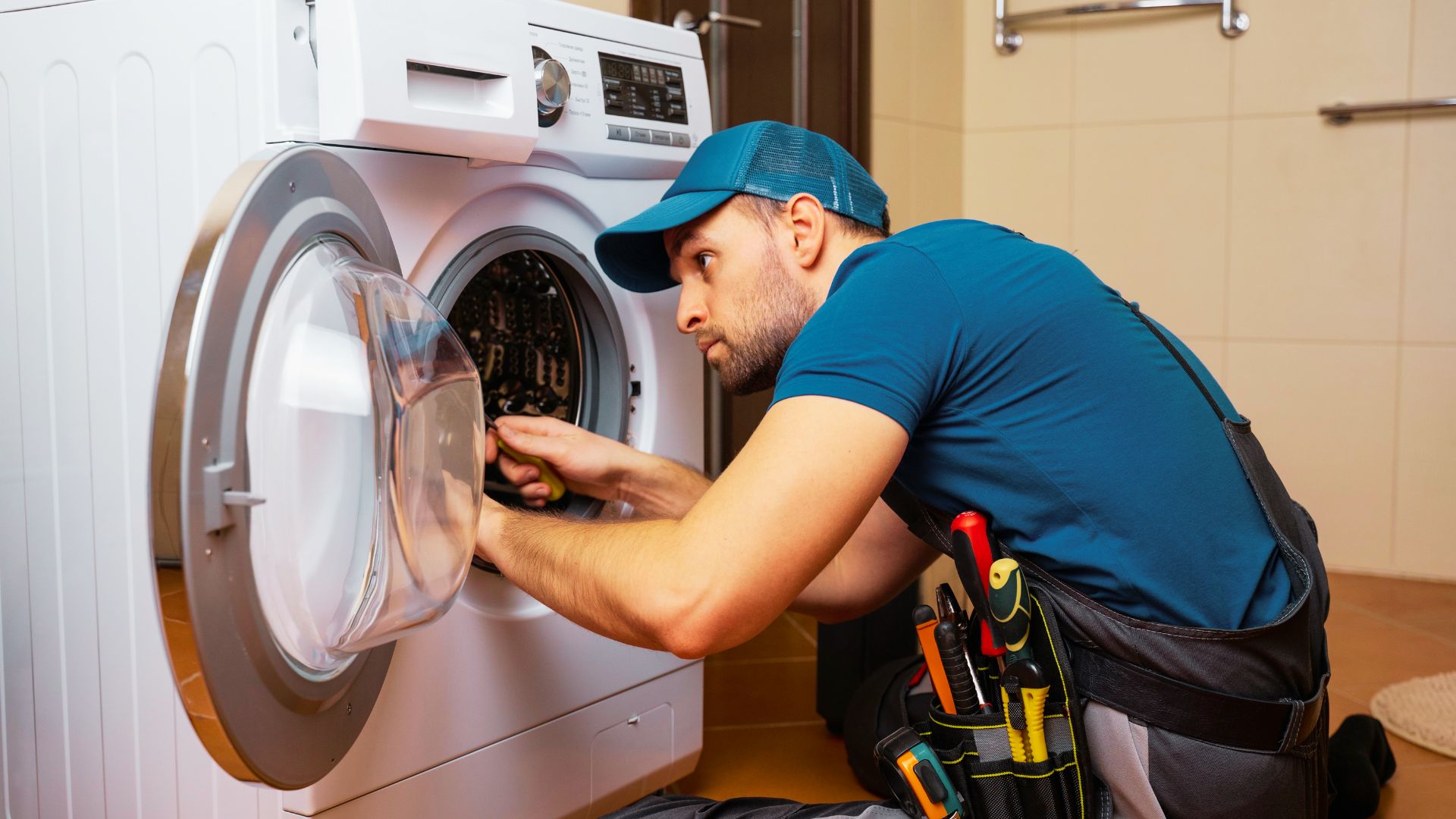
A squeaking washer is rarely just background noise. If your machine squeals during the spin cycle, rattles on startup, or produces a grinding sound mid-wash, these are clear warning signs something is wrong.
Other red flags include unusual vibrations, burning smells, or the noise getting louder over time. Worn drum bearings, a loose belt, or an overloaded drum are common culprits.
Ignoring these signs can lead to costly repairs down the line, so addressing the issue early is always the smarter choice.
Why Is My Washer Squeaking During the Wash Cycle?

Wash cycle squeaking usually signals worn or stressed internal components.
Overloaded or Unbalanced Loads
Too many clothes force the motor and suspension to work harder than designed, creating friction between moving parts. Keep loads balanced and within the recommended capacity to avoid this stress.
Worn Drive Belt Issues
A stretched or frayed drive belt slips against the pulleys during agitation, producing a high-pitched squeak. Replacing the belt early prevents further damage to the motor and drum.
Motor and Pulley Strain
Worn motors or pulleys create friction during the wash cycle, often worsened by lint buildup or lack of lubrication. Regular inspection of these parts catches problems before they escalate.
Suspension Rod and Shock Absorber Problems
Worn suspension rods and shock absorbers allow the drum to shift and rub against surrounding parts. This contact causes squeaking that typically gets louder as the cycle continues.
Why Heavy Loads Make Squeaking Worse
Heavy loads increase pressure on bearings, suspension rods, and the motor, causing already-worn parts to squeak more intensely. Splitting large loads into smaller ones reduces strain and extends component life.
Why Is My Washer Squeaking When It Spins?
Spin cycle squeaking is usually louder because high-speed rotation puts far greater stress on internal parts.
Why Spin Cycles Create More Stress on the Washer
High-speed spinning pushes bearings, belts, and the motor to their limits. Parts that hold up during gentle agitation often fail or produce noise under this increased demand.
Drum Bearing Wear and Failure
Worn drum bearings cause the inner tub to wobble and grind during spinning, creating a loud squealing or rumbling sound.
Replacing bearings promptly protects the drum shaft and outer tub from further damage.
Loose or Slipping Washer Belt
A loose or heat-glazed belt slips against the drum pulley at high speeds, producing squeaking that worsens as spin speed increases.
Tightening or replacing the belt resolves this quickly and at low cost.
Most Common Causes of a Squeaking Washing Machine
A squeaking washing machine is usually a sign that one or more internal components are worn, loose, or failing.
Worn-Out Drive Belt
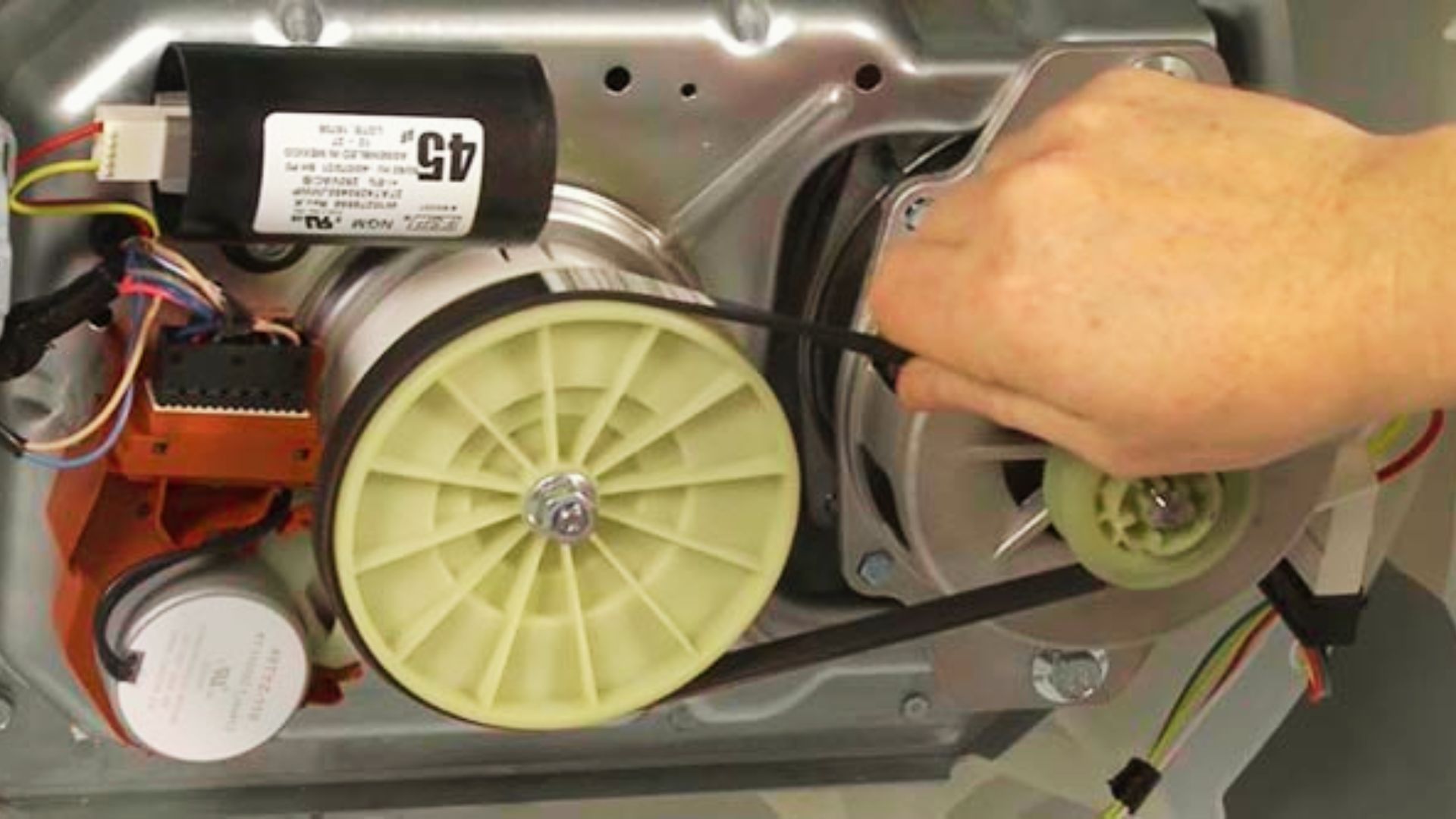
The drive belt connects the motor to the drum, and over time it can crack, fray, or stretch. When it loses its grip, it slips against the pulleys and produces a high-pitched squeak.
Replacing a worn belt is one of the most common fixes for this issue.
Faulty Drum Bearings
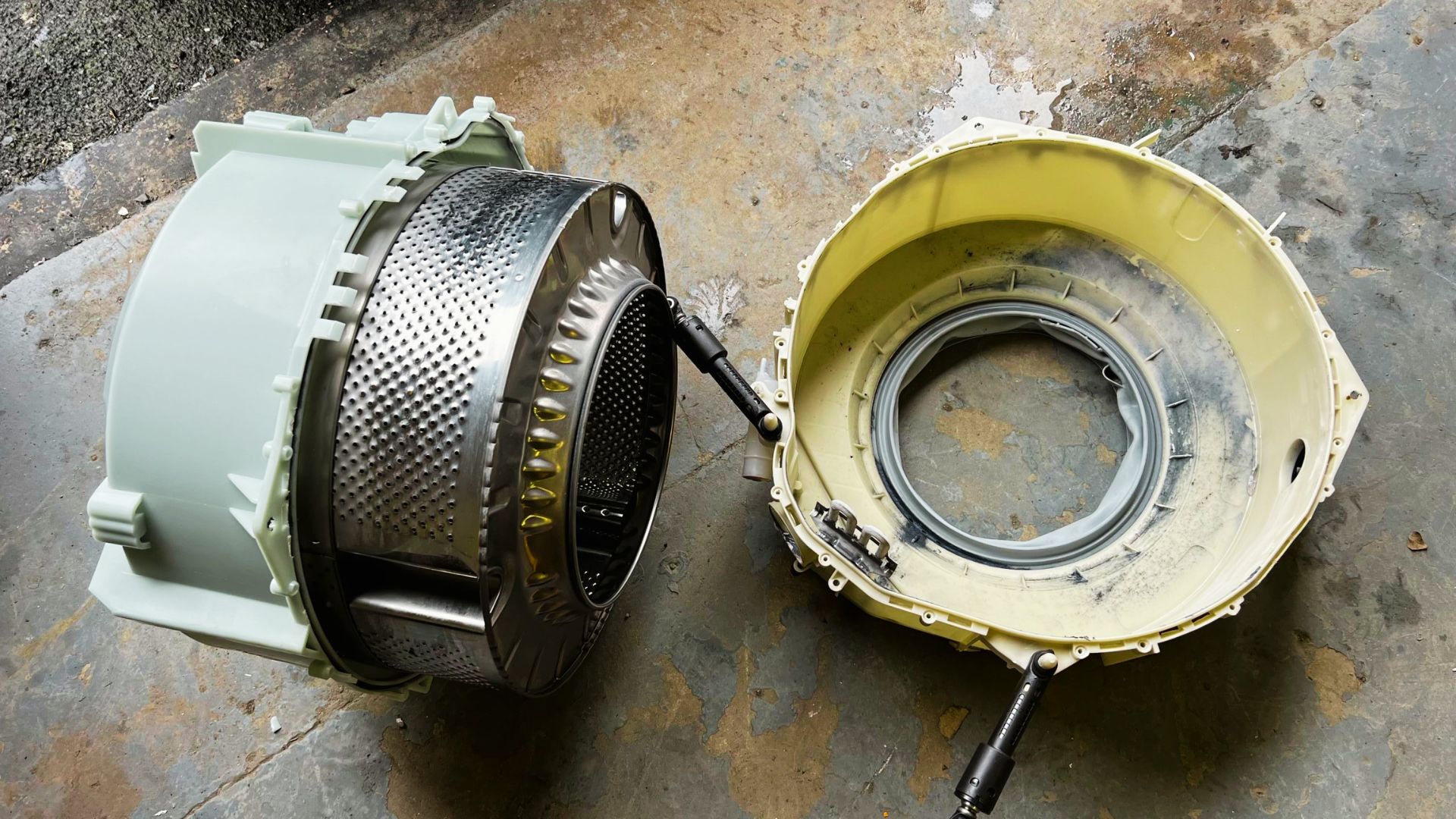
Drum bearings support the inner tub and allow it to spin smoothly. When they wear out, you'll notice a grinding or squealing noise that gets louder as the spin cycle speeds up.
Ignoring this can lead to more serious damage to the drum shaft.
Damaged Motor or Pulley

The motor pulley can loosen, crack, or seize over time, causing friction that results in squeaking. A failing motor may also produce unusual noises alongside reduced spinning power.
Both parts should be inspected if the sound is coming from the back of the machine.
Drain Pump Problems
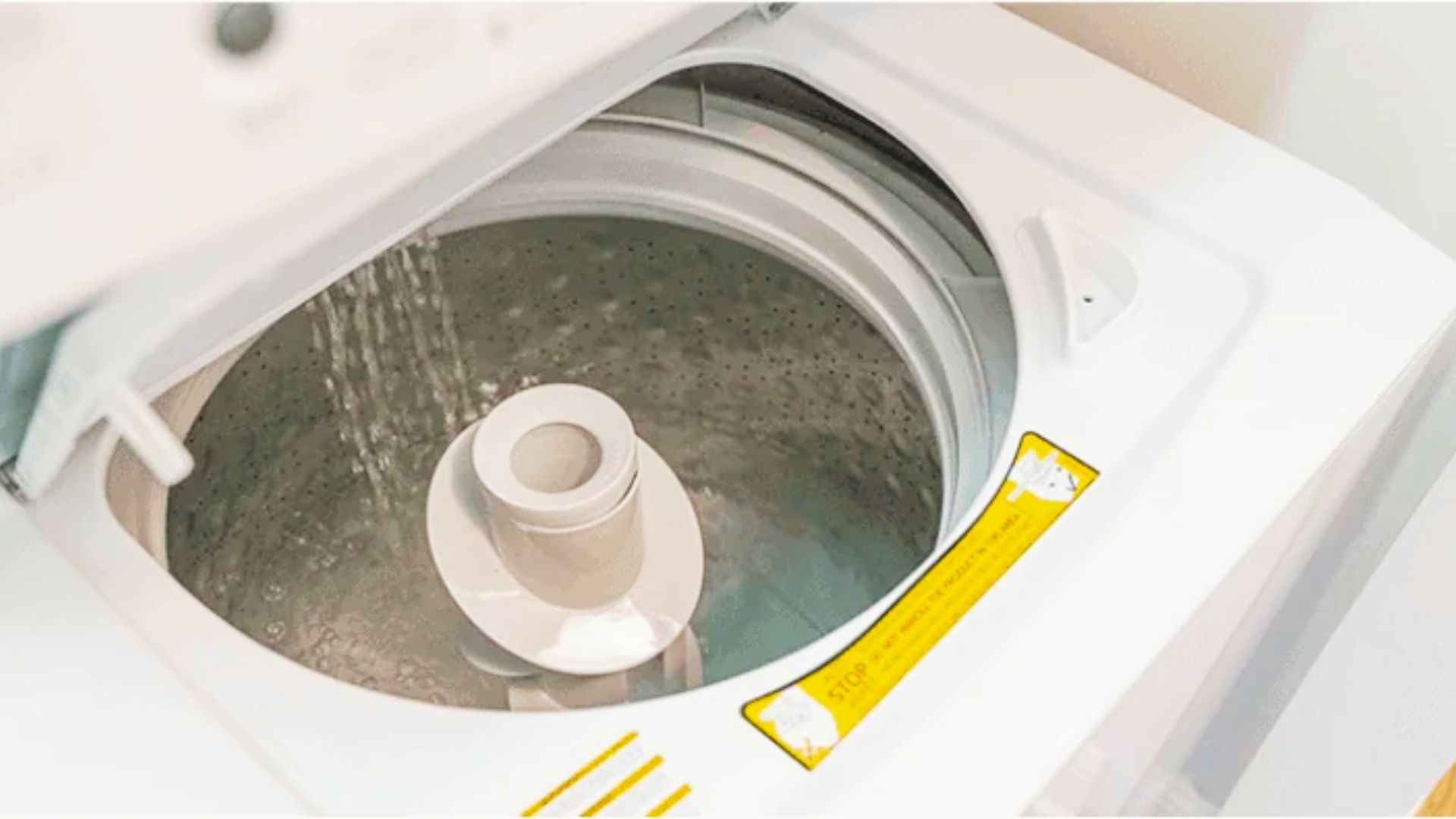
A blocked or damaged drain pump can squeak when it struggles to push water out. Small objects like coins or fabric caught in the pump create resistance and noise.
Checking and clearing the pump is a straightforward step worth doing early.
How to Fix a Squeaking Washer at Home
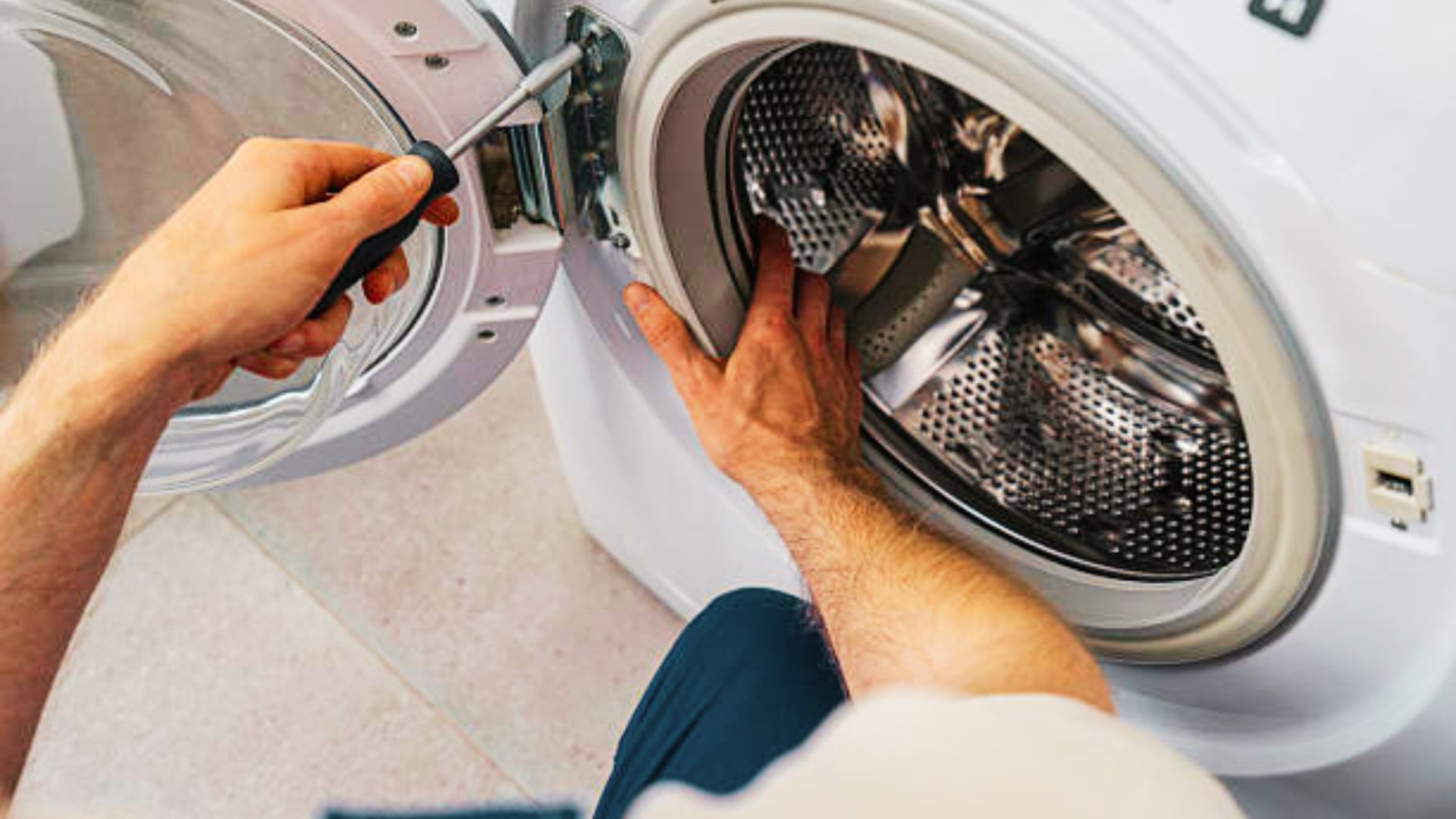
Most squeaking issues can be sorted with basic checks and simple fixes before calling in a technician.
Rebalance the Laundry Load
Unevenly distributed laundry causes the drum to wobble and rub against the machine casing. Stop the cycle and manually spread the clothes evenly inside the drum.
Restart the wash and check whether the noise stops.
Avoid Overloading the Washer
Too much weight puts excessive pressure on the drum bearings and drive belt. Stick to the recommended load capacity listed in your machine's manual.
Running smaller loads consistently will extend the life of key components.
Inspect and Replace the Washer Belt
Unplug the machine and access the back panel to examine the drive belt. Look for signs of cracking, fraying, or looseness around the pulleys.
If the belt is damaged, replace it with one that matches your model's specifications.
Tighten Loose Components
Vibration over time can cause screws, panels, and brackets to loosen inside the machine. Use a screwdriver to check and tighten any accessible fasteners around the drum and motor area.
Even small loose parts can produce surprisingly loud noises during a spin cycle.
Clean the Drain Pump Filter
Locate the pump filter, usually behind a small panel at the front bottom of the machine. Remove it carefully, clear out any debris, and rinse it thoroughly before replacing it.
A clean filter allows the pump to run quietly and efficiently.
Tips to Prevent Washer Squeaking in the Future
- Never fill the drum more than three-quarters full and always distribute clothes evenly.
- Wash heavy items like towels and bedding in their own separate cycle.
- Check and adjust all four feet regularly to keep the washer level.
- Clean the drum and inspect internal parts like the belt and pulleys every few months.
- Address any new squeaks or rattles right away before they turn into costly repairs.
Conclusion
Dealing with a squeaking washer is genuinely frustrating. I remember ignoring that annoying sound for weeks before realizing a loose drum bearing was slowly causing more damage.
Once I tightened things up and added a little lubrication, the silence felt like relief.
Now that you know the main causes behind washer squeaking, the best ways to fix a squeaking washer, and how regular maintenance prevents future problems, you're fully equipped to handle it.
Got a tip that worked for you? Drop it in the comments below.
Frequently Asked Questions
Why Is My Washer Squeaking During Spin Cycle?
Worn drum bearings or a damaged drive belt are usually the cause of squeaking during the spin cycle. Getting these parts replaced early can prevent bigger mechanical problems down the line.
Why Is My Washer Squeaking During the Wash Cycle?
Squeaking during the wash cycle often means the tub seal or drum bearings are wearing out from friction. Have a technician inspect these parts before the issue gets worse.
Why Is My Washer Squeaking When Washing Heavy Loads?
Extra weight puts added stress on the bearings, motor mounts, and drive belt, triggering squeaking sounds. Try reducing your load size until the machine gets properly inspected.
Can a Washer Belt Cause Squeaking?
Yes, a loose, cracked, or worn drive belt is a very common cause of washer squeaking. It is an affordable fix that can save you from a much costlier repair later.
Is It Safe to Use a Squeaking Washer?
Using a squeaking washer briefly is generally okay, but ignoring it long-term can lead to serious damage. Get it checked as soon as possible to avoid a full breakdown.