
I’ve been using stainless steel water bottles for years, and I’ll be honest. I didn’t clean mine right for a long time. Just rinsing it felt like enough. It wasn’t.
This guide on how to clean stainless steel water bottles properly walks you through everything, from daily washing and deep cleaning to odor removal and common mistakes.
I’ve tested these methods myself, and they work. You’ll also find natural cleaning solutions, the right tools to use, and dishwasher safety tips. A clean bottle simply tastes better and lasts longer.
Understanding Proper Cleaning Basics
Stainless steel looks clean, but inside it tells a different story. Bacteria grow fast in moist, dark spaces, and your bottle is exactly that.
Even plain water leaves mineral deposits over time. Coffee, juice, or protein shakes make buildup happen even faster.
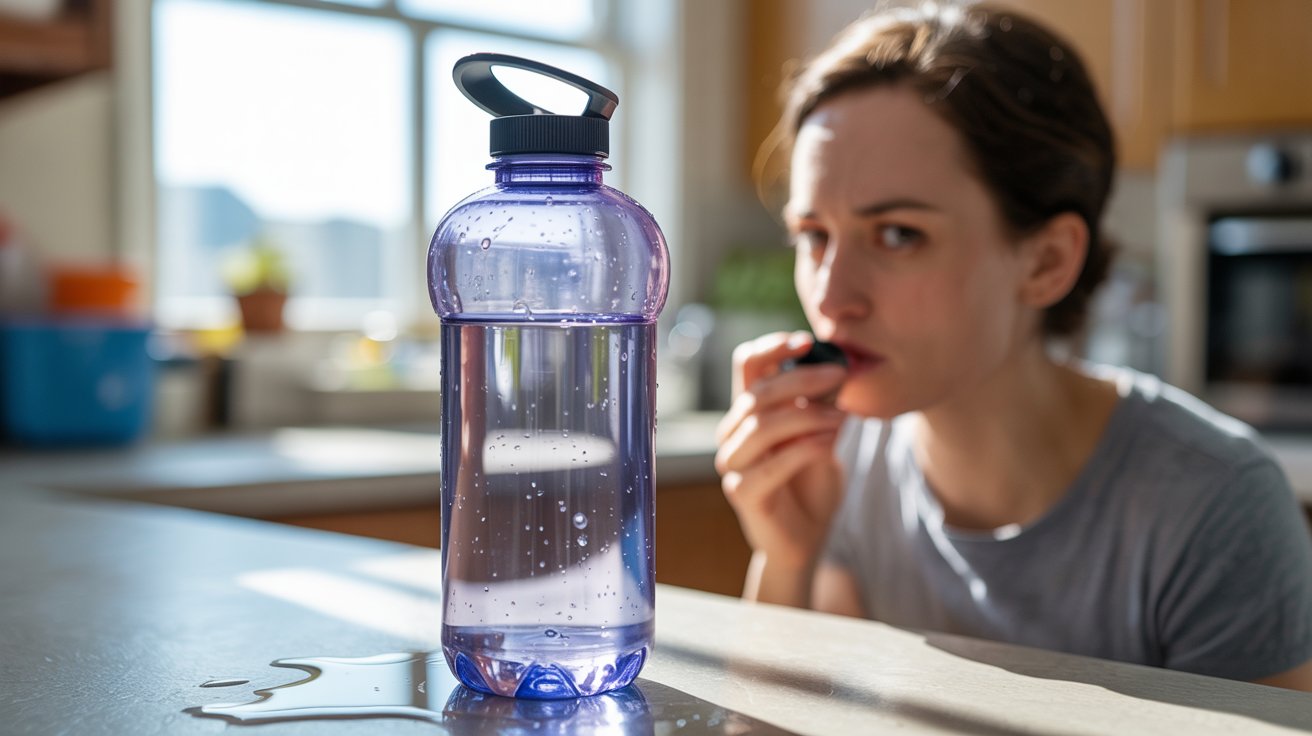
Mold can form around the lid seal within days. You won’t always see it, but you will smell it. Cleaning is not optional. It is hygiene.
Wash your bottle with soap and water every single day to stop bacteria from settling in. Deep clean once or twice a week using baking soda or vinegar to break down stubborn buildup.
Step-by-Step Guide to Clean Stainless Steel Water Bottle Properly
Follow these simple steps in order and your bottle will stay clean, fresh, and odor-free.
Step 1: Wash with Warm Water and Mild Soap
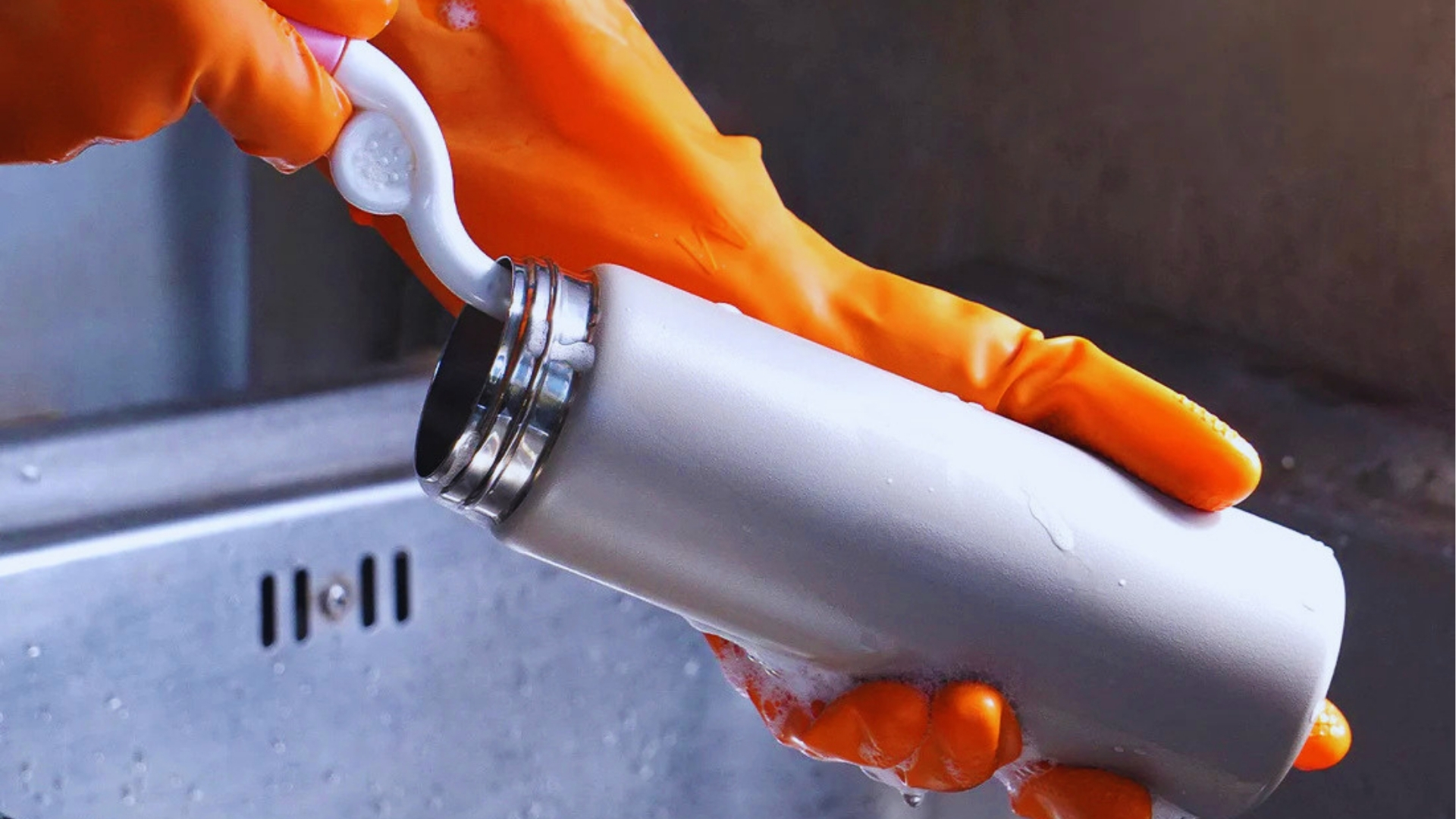
Start simple. Add a few drops of dish soap and fill the bottle halfway with warm water. Close the lid and shake it well. Let it sit for one to two minutes.
Warm water loosens grease and light residue. Mild soap breaks it down without damaging the steel. Don’t use boiling water. It can warp plastic lids and loosen seals.
Step 2: Use a Bottle Brush for Deep Cleaning
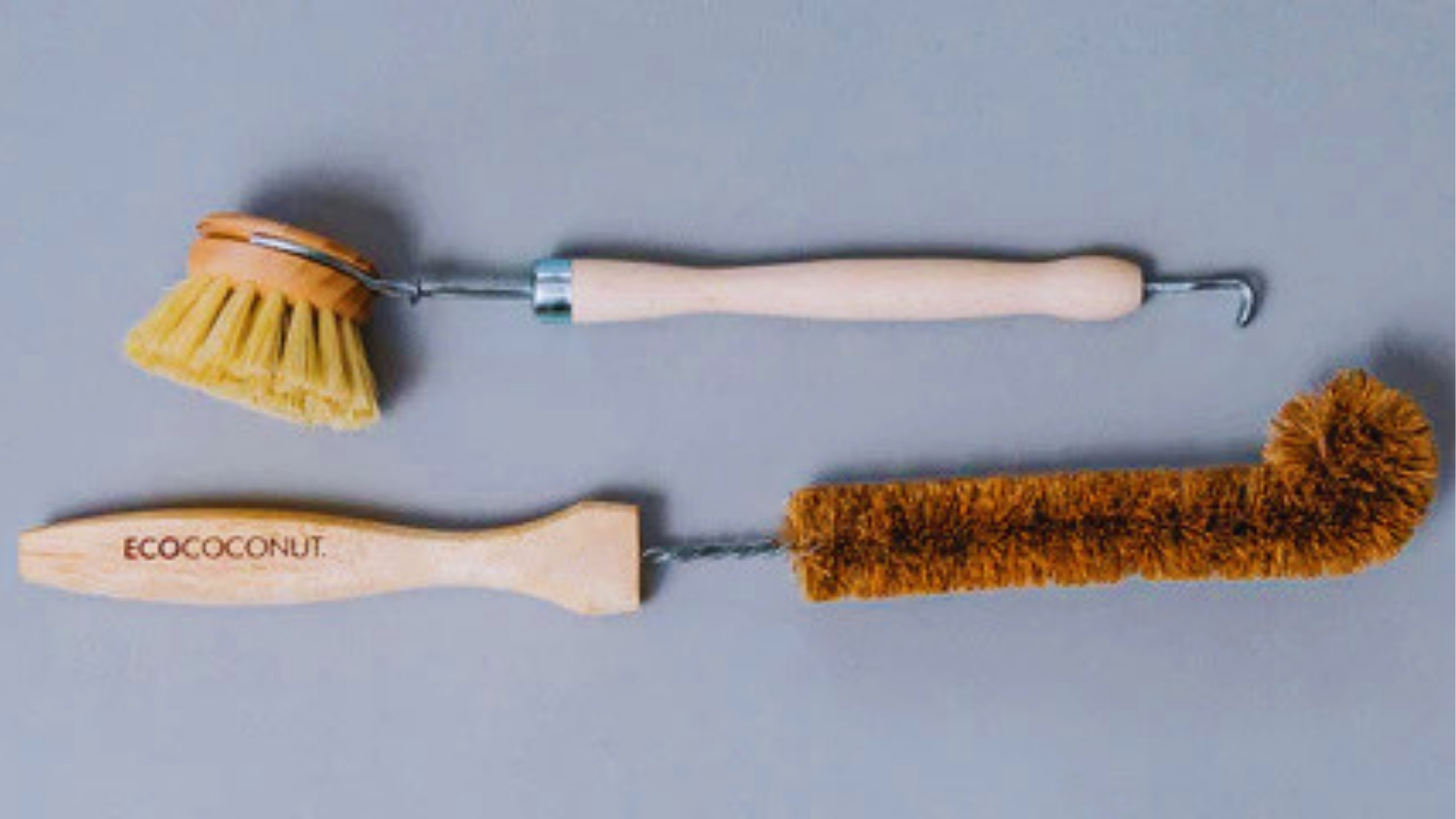
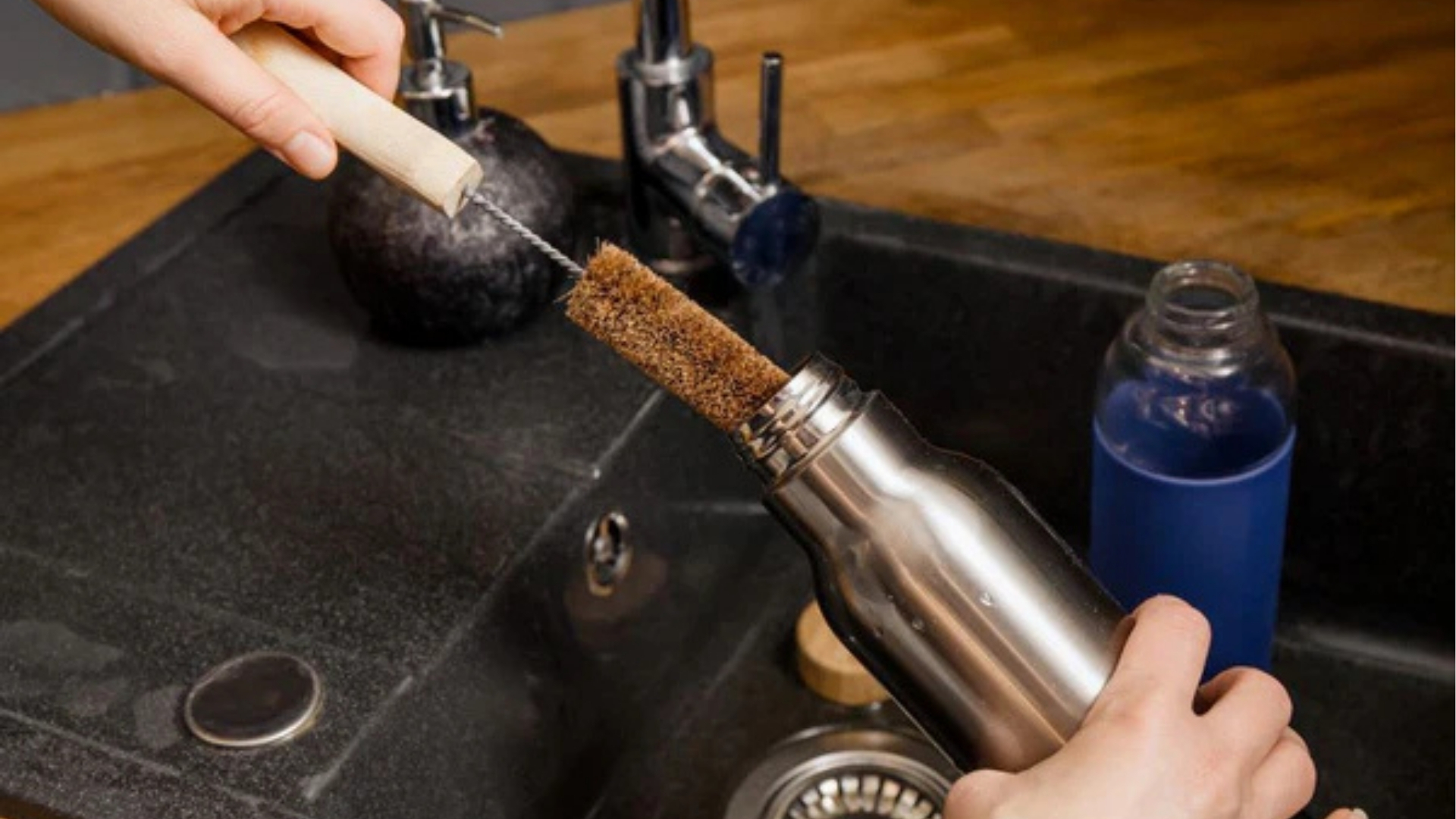
A regular sponge won’t reach the bottom. You need a long bottle brush for this. Scrub the inside walls in circular motions.
Pay extra attention to the bottom corners where gunk collects. A good brush makes a big difference here. Do this at least three to four times a week.
Step 3: Clean Lid, Seal, and Straw Properly
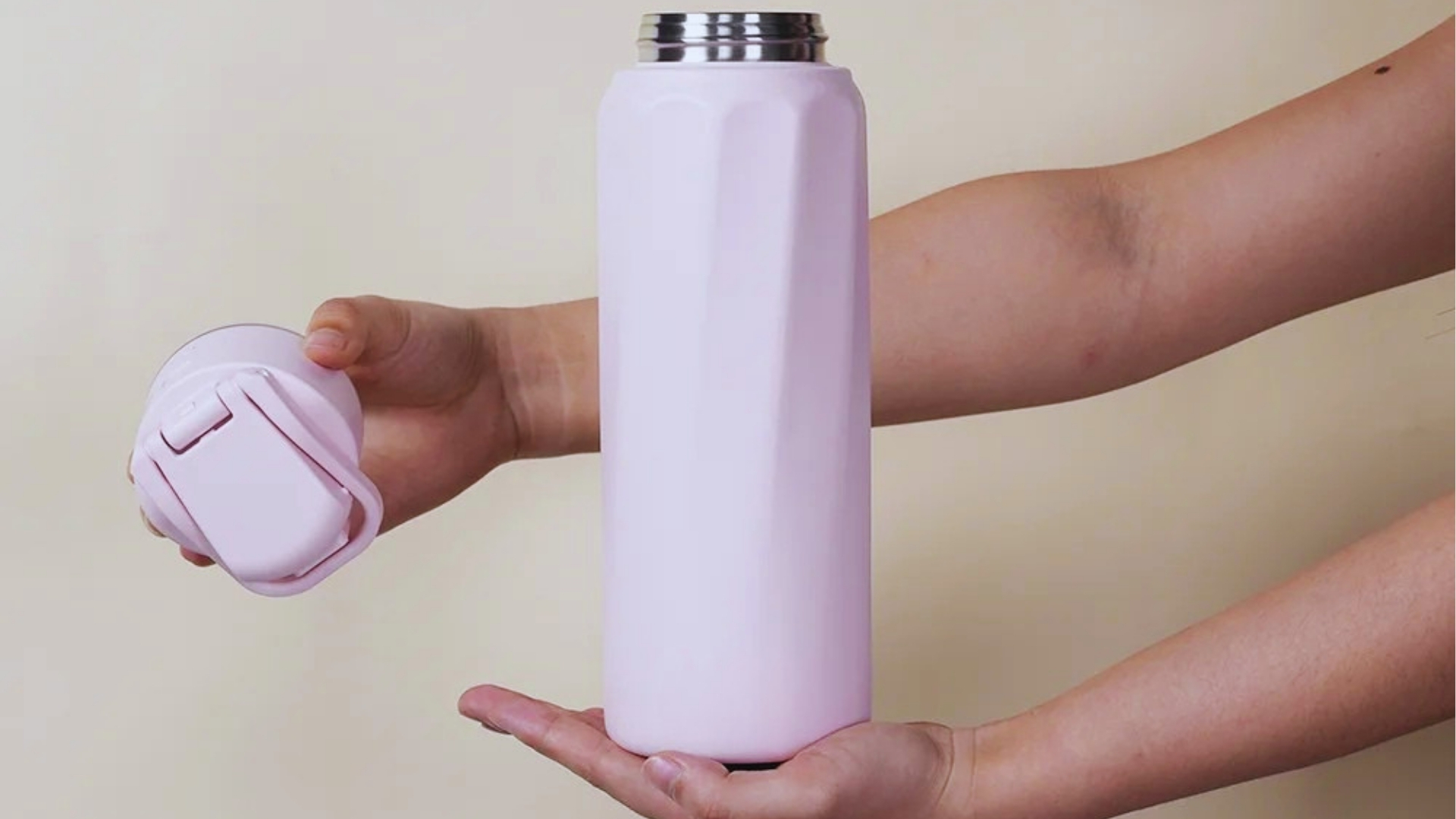
This is the step most people skip and it’s where the smell usually comes from. Remove the lid. Pull out the rubber seal if it comes off. Wash each part separately with soap and a small brush or straw cleaner.
Check for dark spots or sliminess around the seal. That’s mold. Scrub it off completely. If your bottle has a straw, push a thin straw brush through it from both ends.
Step 4: Rinse Thoroughly to Remove Residue
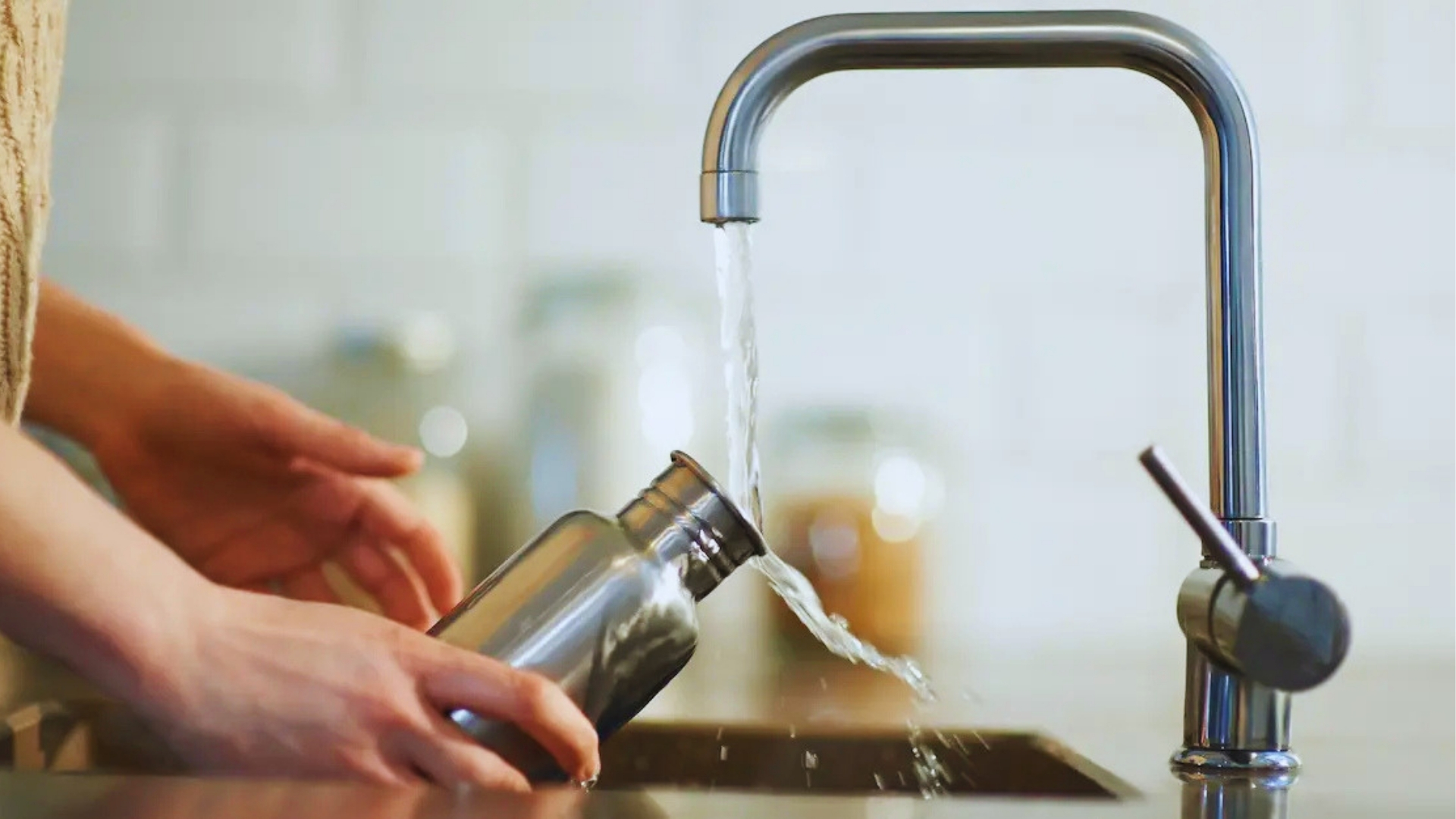
Soap residue affects taste. Rinse the bottle at least two to three times with clean water. Hold it upside down and run water through the opening.
Then rinse the lid and seal the same way. Smell the inside after rinsing. If you catch a soapy scent, rinse once more.
Step 5: Dry Completely to Prevent Odor
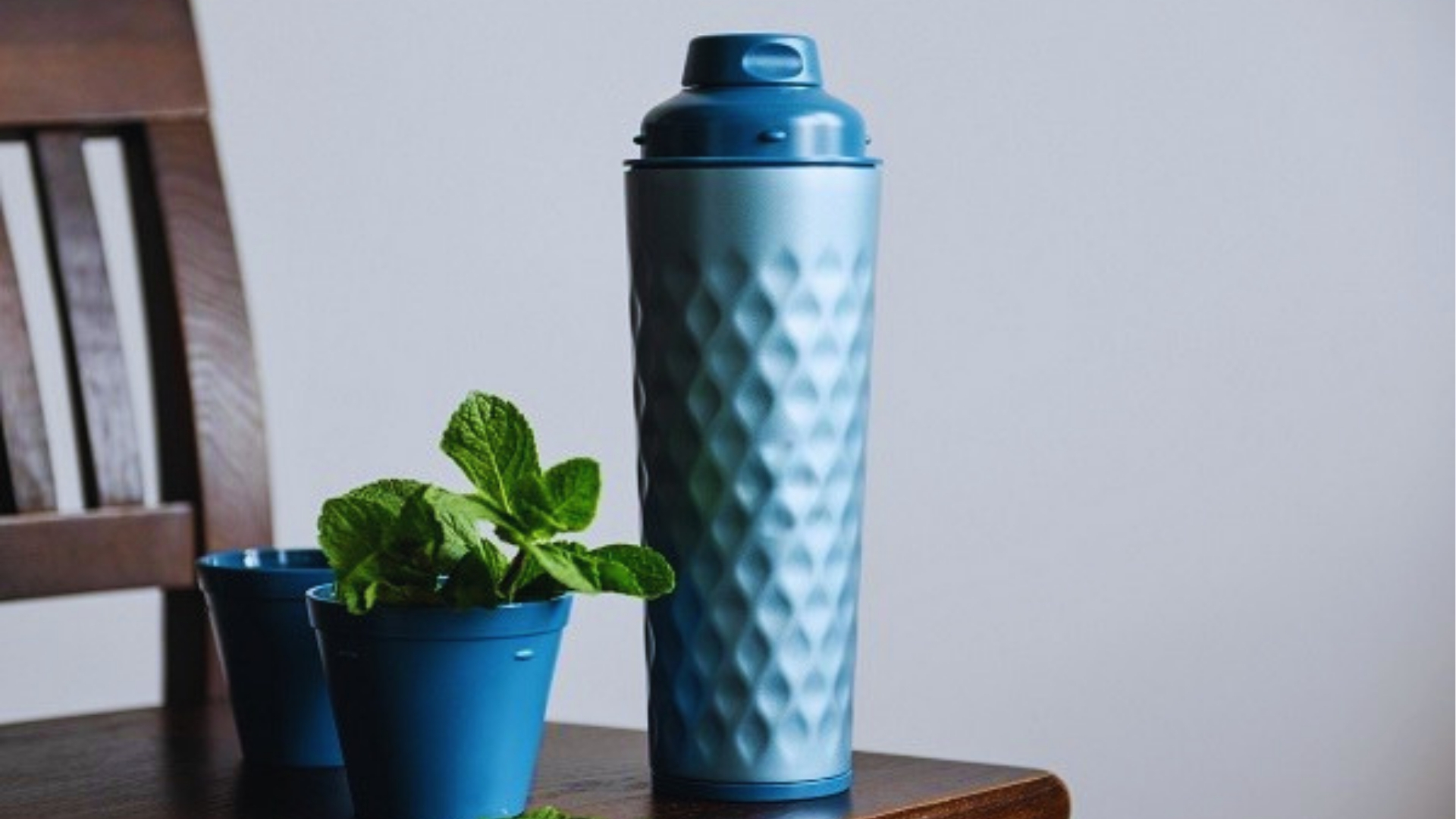
Never cap a wet bottle. Moisture trapped inside causes odor and mold growth. After washing, place the bottle upside down on a drying rack.
Leave the lid off. Let it air dry fully, usually a few hours. If you’re in a hurry, pat the inside dry with a clean paper towel first.
Natural Ways to Remove Odor and Stains
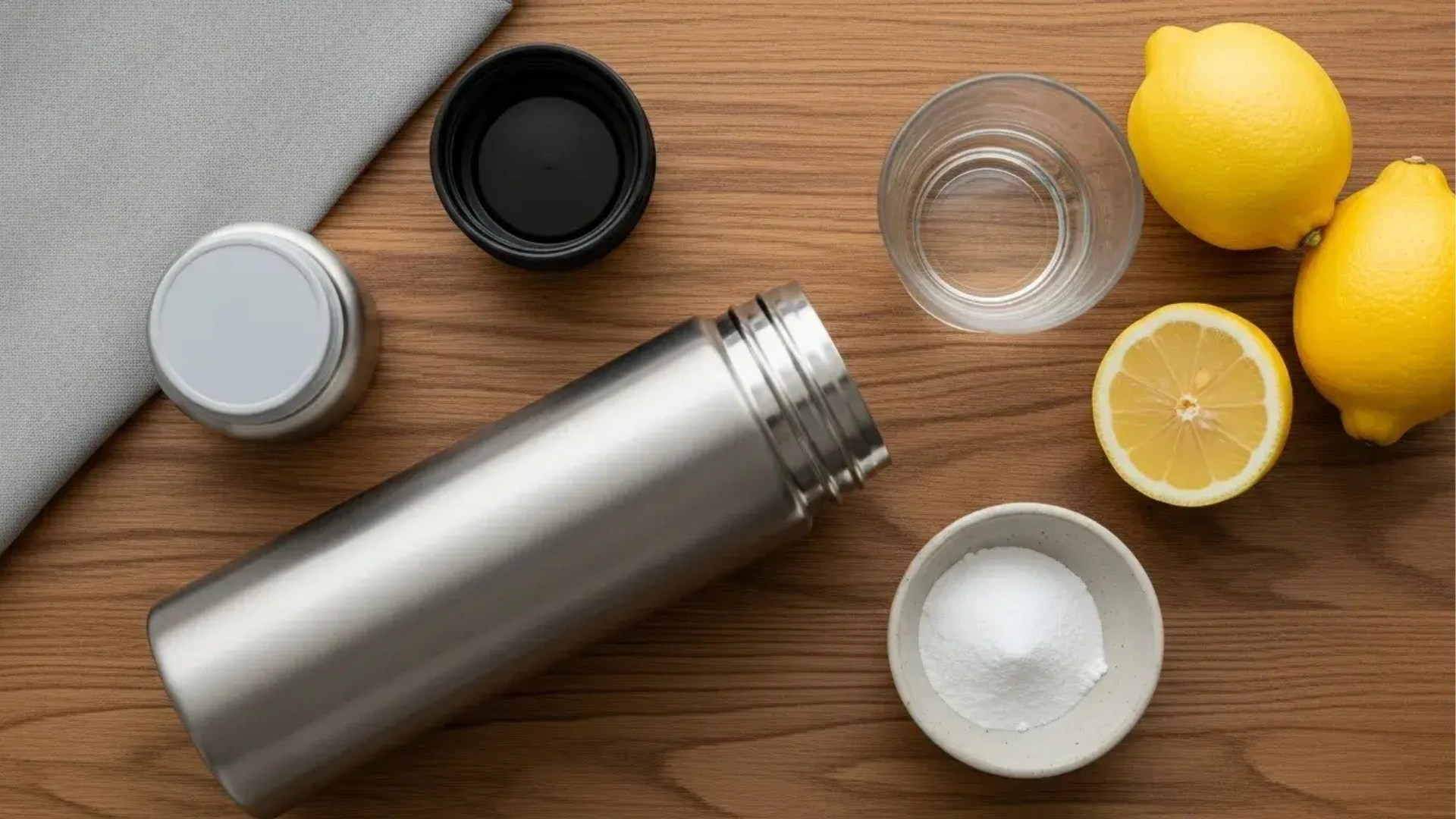
Simple kitchen items can handle tough smells and stains without harsh chemicals.
Baking Soda for Deep Cleaning
Add one tablespoon of baking soda to the bottle. Fill it with warm water. Let it sit overnight. Rinse it out the next morning.
Baking soda is a mild abrasive. It breaks down stains and absorbs odors.
Vinegar for Odor Removal
Fill the bottle halfway with white vinegar. Add warm water to fill it up. Let it sit for 30 minutes to an hour.
Vinegar kills bacteria and cuts through stubborn smells. Rinse well afterward so the vinegar taste is completely gone.
Lemon for Freshness and Shine
Cut a lemon and squeeze the juice inside the bottle. Add warm water. Let it sit for 20 to 30 minutes.
Lemon is a natural deodorizer and leaves the inside smelling clean. It also helps with light staining on the steel.
Tools That Make Cleaning Easier
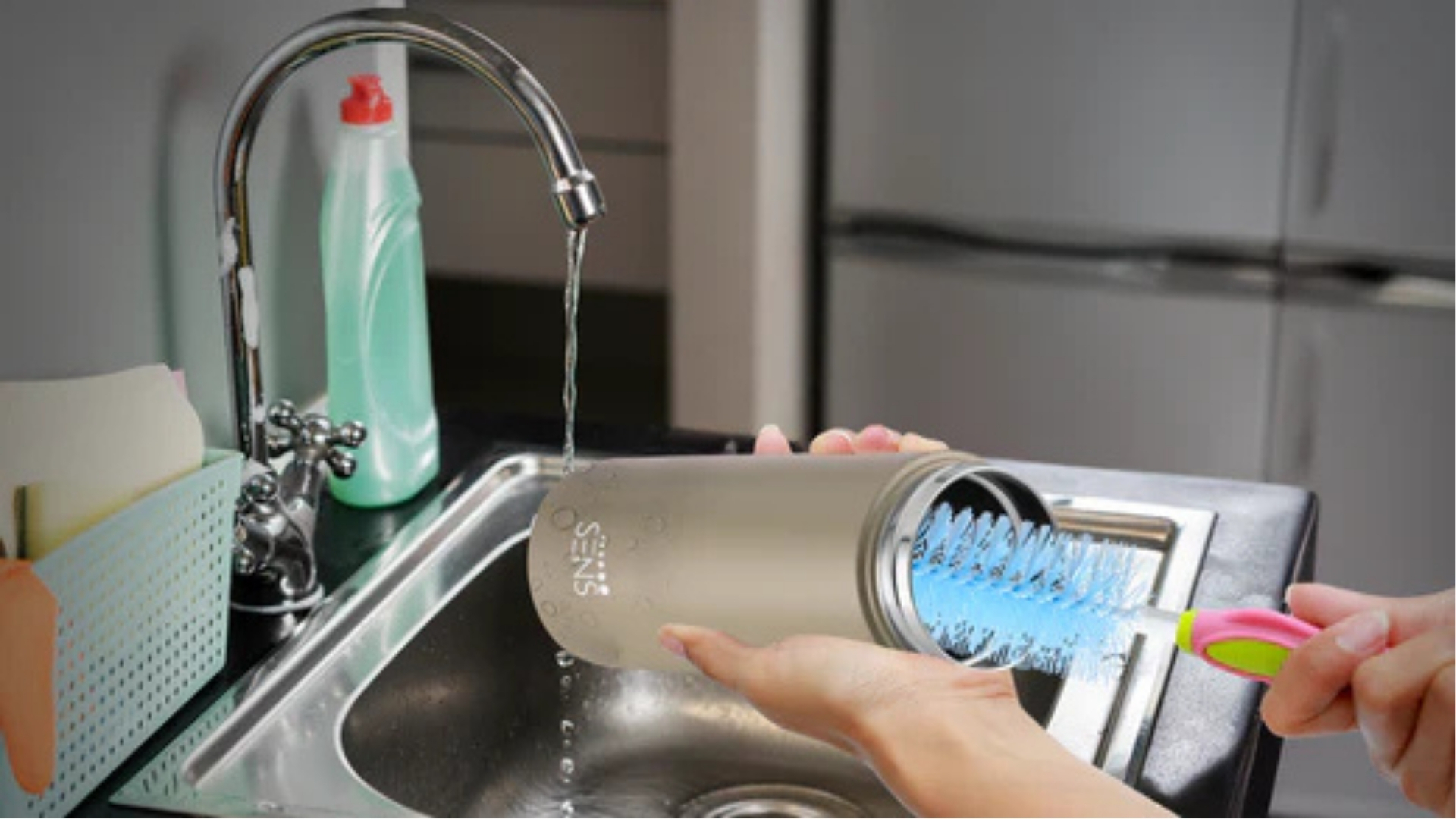
The right tools save time and make sure no spot inside the bottle gets missed.
Bottle Brushes and Straw Cleaners
A long-handled bottle brush with firm bristles is the most useful tool you can own for this. Get a thin straw brush too if your bottle has a straw or small spout.
Look for brushes with a small end cap brush that reaches the bottom corners easily.
Drying Racks and Proper Air Drying
A drying rack that holds bottles upside down is worth it. It keeps the opening clear so air flows through. Avoid drying on a flat surface with the opening face down; it traps moisture inside.
Can You Put a Stainless Steel Water Bottle in the Dishwasher?
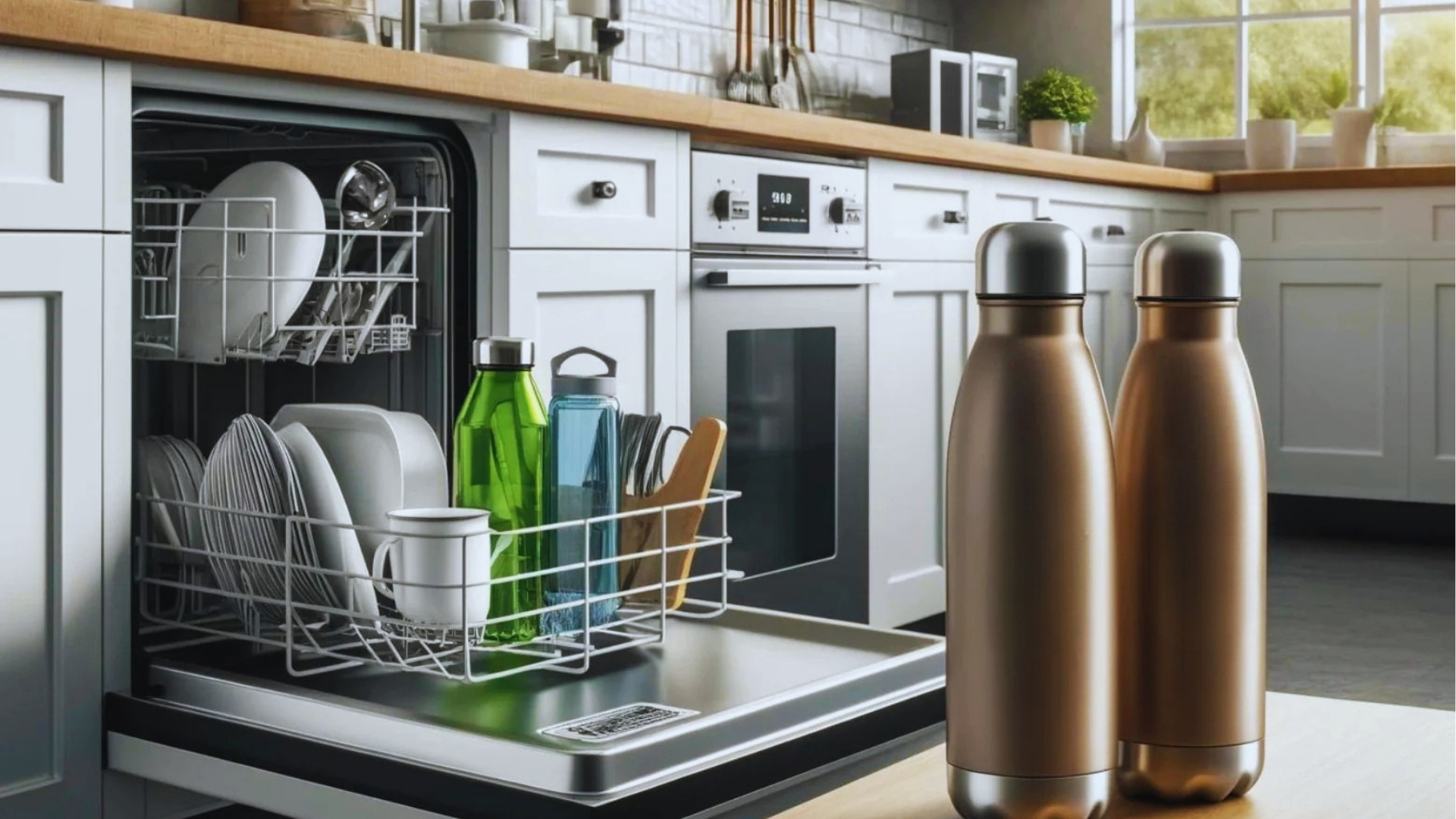
Not all stainless steel bottles are dishwasher safe. Here’s how to know the difference.
When It’s Safe to Use the Dishwasher
Some bottles are labeled “dishwasher safe.” If yours is, place it on the top rack. Wash the lid and seal separately by hand for best results.
When You Should Avoid It
If your bottle is double-walled or vacuum insulated, keep it out of the dishwasher. High heat damages the seal between the walls and reduces insulation over time.
When in doubt, hand wash. It takes two minutes and keeps the bottle in better shape.
Common Mistakes to Avoid While Cleaning
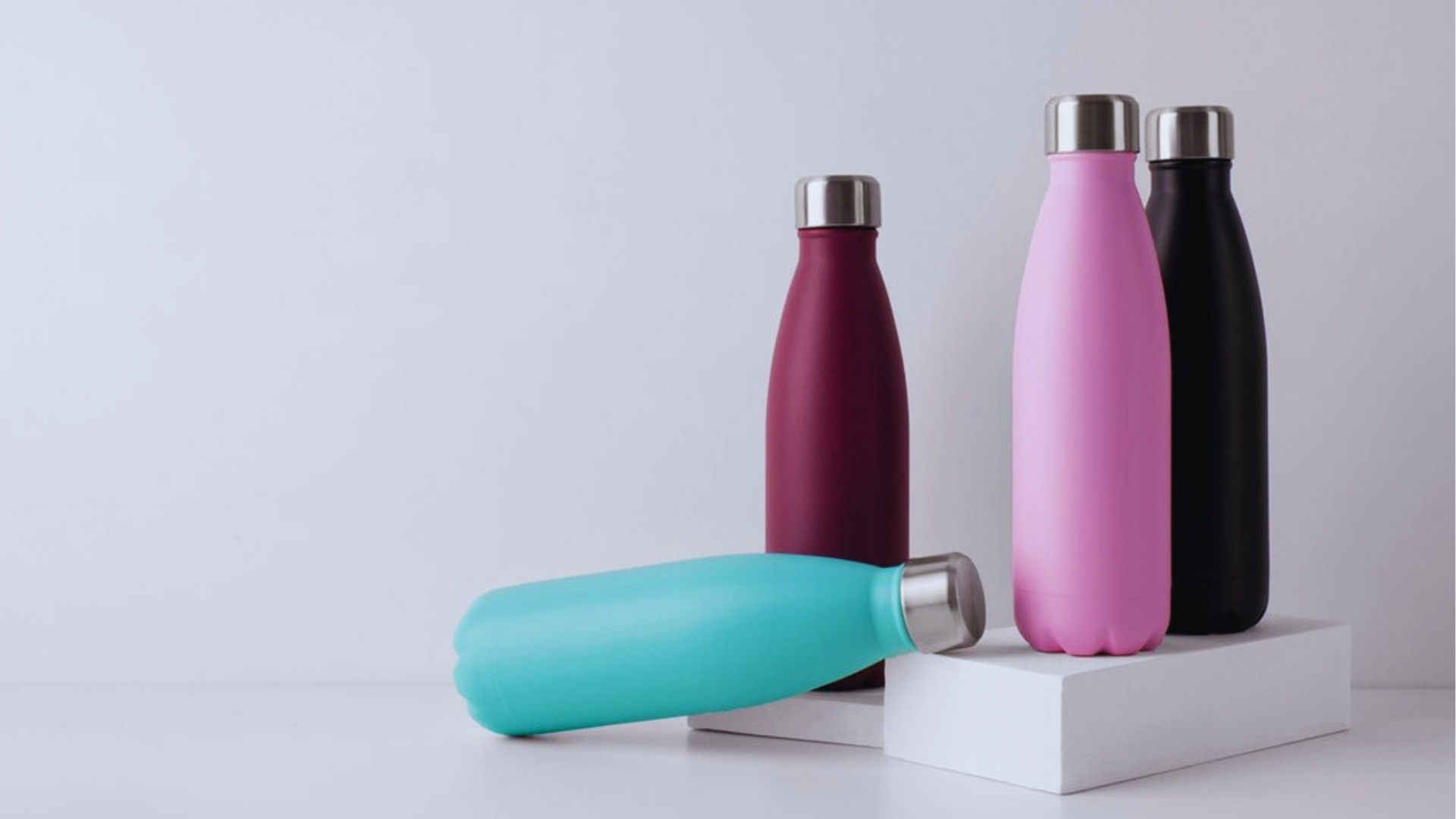
These small errors are the reason most bottles start smelling bad within a week.
Leaving Soap Residue Inside
Always rinse more than once. Soap left inside affects how your water tastes and can upset your stomach over time.
Ignoring Lid and Mouthpiece
The lid collects more bacteria than the bottle body. Clean it every single day. Remove seals when possible and wash underneath them.
Using Harsh Scrubbers or Boiling Water
Steel wool scratches the inside surface. Scratches create tiny grooves where bacteria hide. Use soft brushes only. Boiling water can damage the vacuum seal that keeps your bottle insulated.
Not Drying the Bottle Properly
This is the number one cause of bad smell. Even a slightly damp bottle starts developing odor within 24 hours. Always dry fully before storing.
My Experience Keeping a Stainless Steel Bottle Odor-Free
Here’s what actually worked after trial and error over time.
What Didn’t Work at First
I used to rinse my bottle and think it was clean. Within a few days, it smelled off. I tried wiping the inside with a cloth that didn’t help either. The lid was the real problem. I wasn’t cleaning it at all.
Simple Habits That Made a Big Difference
Once I started removing the seal from the lid and washing it daily, the smell stopped completely. I also started leaving the lid off when storing the bottle overnight.
Baking soda soaks once a week keeps it completely fresh. It takes five minutes and works better than any product I’ve tried.
Practical Tips to Keep Your Water Bottle Clean Longer
Small daily habits make a big difference in how fresh and clean your bottle stays.
- Rinse your bottle after every use, even if it only has water in it.
- Wash it the same day if you drink anything other than plain water.
- Store the bottle with the lid off so air can move through and moisture does not build up.
- Keep it in a cool, dry spot not sealed in a bag or cabinet right after use.
- Deep clean immediately if you left a drink inside overnight or notice any odd smell.
- Check the lid and seal for dark spots regularly and clean them right away if you spot any.
Conclusion
Keeping your stainless steel bottle clean doesn’t have to be hard. A quick daily wash and a deeper clean a few times a week is all it takes. I ignored the lid for too long. Once I fixed that, everything changed.
How to clean a stainless steel water bottle properly comes down to simple habits done consistently. Start today. Your bottle and your health will thank you.
If this helped, drop a comment below or share it with someone who needs it. Check out related posts for more easy care tips.
Frequently Asked Questions
How often should I clean my stainless steel water bottle?
Clean it with soap and water every day. Do a deep clean with baking soda or vinegar two to three times a week for best results.
Why does my stainless steel bottle smell bad even after washing?
The smell usually comes from the lid seal or a bottle that was stored while still wet. Clean the seal separately and always dry fully before capping.
Can I use bleach to clean a stainless steel water bottle?
Avoid bleach. It can damage the steel surface and leave behind a chemical taste. Use baking soda or vinegar instead for safe, effective cleaning.
What is the best natural way to remove stains from a stainless steel bottle?
A baking soda and warm water soak overnight works well. For odor and staining together, white vinegar left in the bottle for an hour is very effective.
Is it safe to put a stainless steel water bottle in the dishwasher?
Only if the label says dishwasher safe. Vacuum-insulated bottles should always be hand washed to protect the insulation layer.