
Picking the right pan feels small, but it changes how you cook every single day. I have used both aluminum and stainless steel cookware in my own kitchen for years, and the difference is very real.
This blog covers aluminum vs stainless steel cookware in full detail how they perform, how long they last, which one is safer, and which one suits your cooking style best.
I will break it all down in simple words so you can make a smart choice without overspending. No fluff, just honest experience backed by real daily use.
Understanding Aluminum vs Stainless Steel
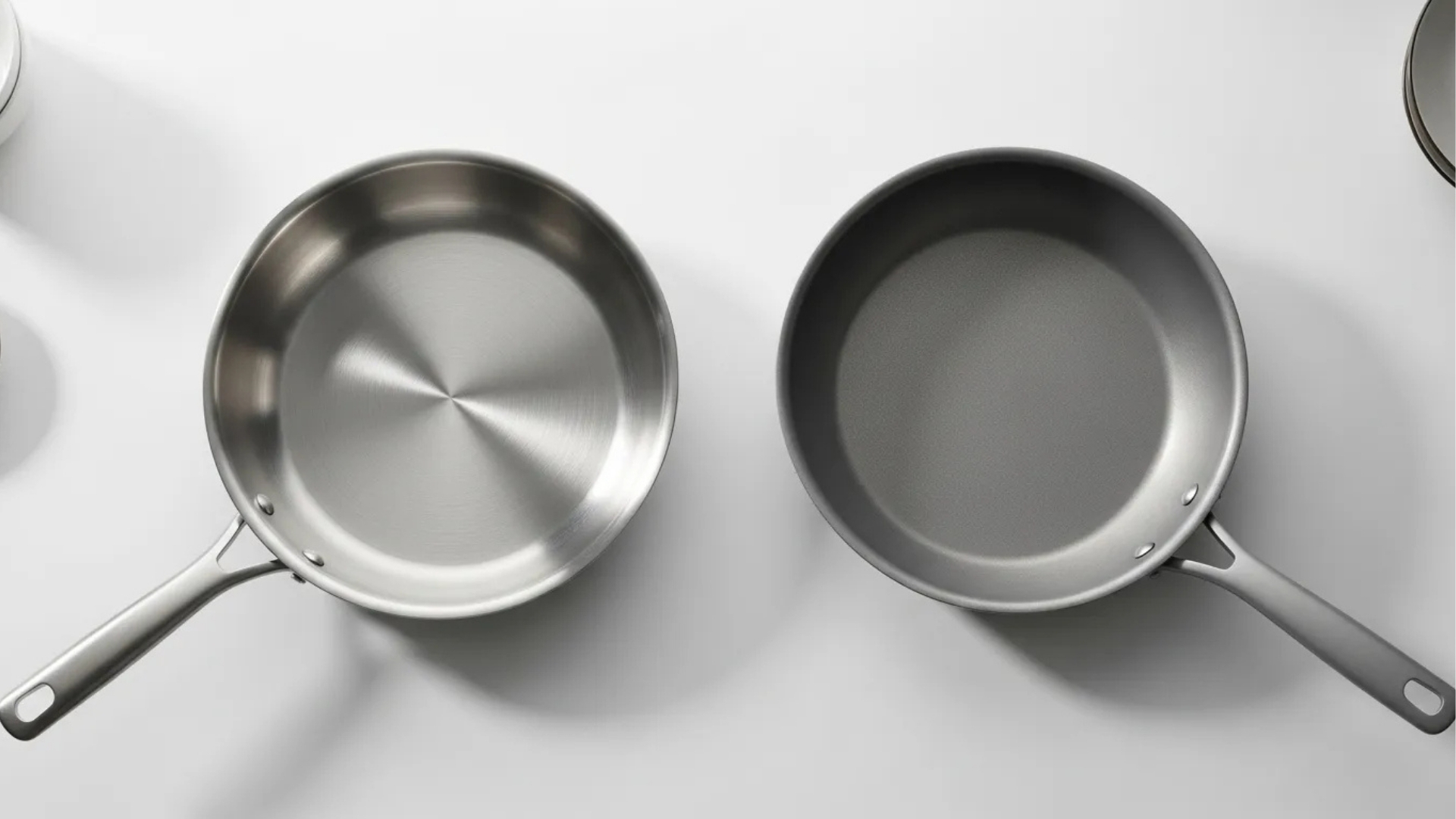
Aluminum and stainless steel are the two most common cookware materials, and both have real strengths. Aluminum is lightweight, heats up fast, and costs less common in budget pans and restaurant kitchens.
Stainless steel is denser, more durable, and doesn’t react with food. It’s built to last years in both home and professional kitchens.
The key differences come down to a few things: aluminum heats faster but stainless steel heats more evenly; aluminum is lighter but stainless steel is sturdier; and aluminum reacts with acidic foods while stainless steel does not.
Knowing this upfront saves you money and regret.
Aluminum vs Stainless Steel Cookware Quick Comparison
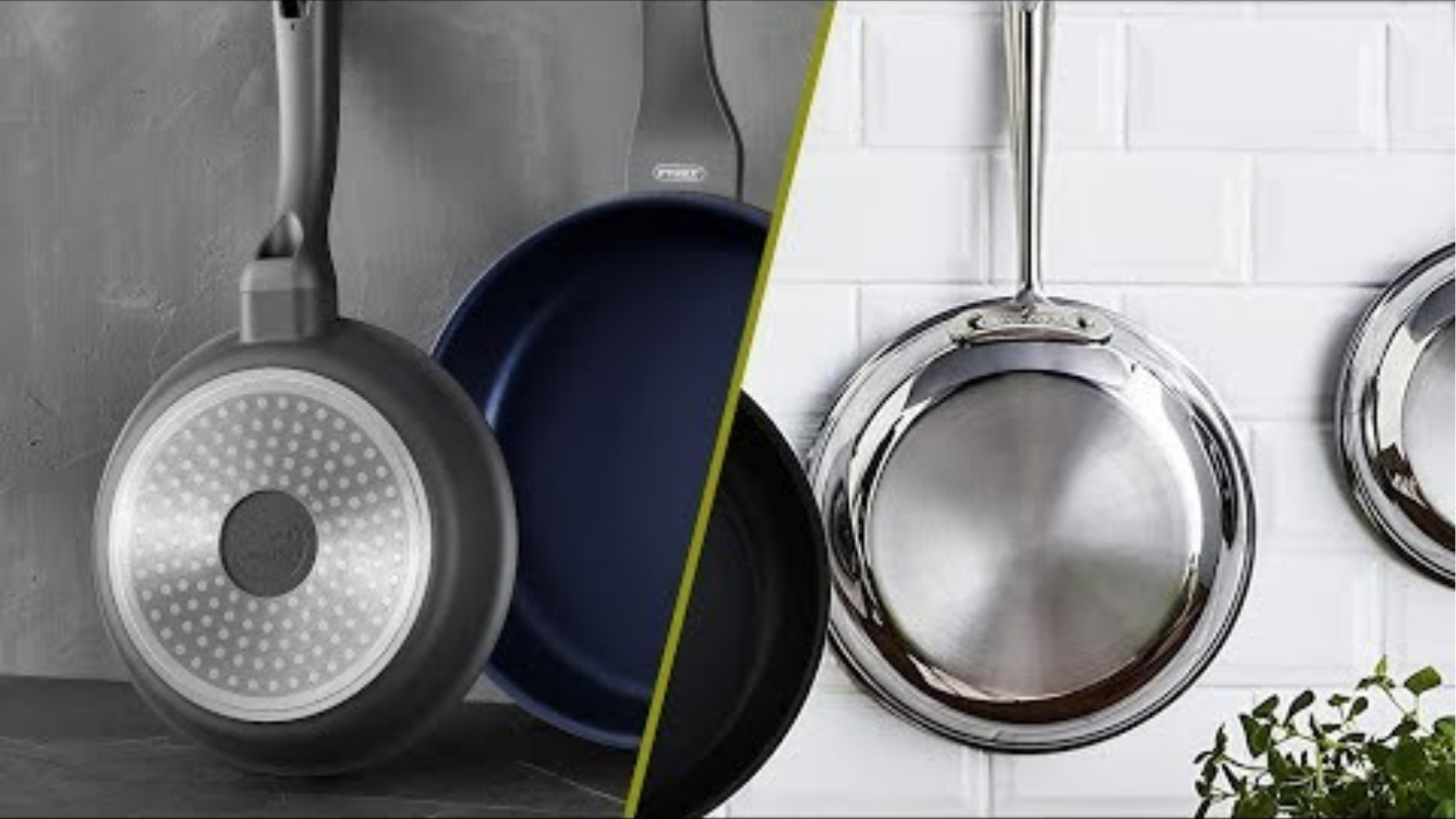
Side-by-side facts to help you see what actually matters in real cooking.
|
Factor |
Aluminum Cookware |
Stainless Steel Cookware |
|
Heat Conductivity |
Heats up very quickly and spreads heat fast. Ideal for quick cooking like frying or boiling. |
Slower to heat but offers more control and stable cooking once hot. |
|
Durability and Lifespan |
Prone to dents, scratches, and warping over time. |
Highly durable, resistant to scratches, dents, and long-term wear. |
|
Safety and Reactivity |
Can react with acidic or alkaline foods, affecting taste (especially uncoated). |
Non-reactive and safe for all types of foods, including acidic dishes. |
|
Weight and Handling |
Lightweight and easy to handle, ideal for quick or frequent movement. |
Heavier but more stable on the stove; slightly harder to handle. |
|
Price vs Long-Term Value |
Cheaper upfront but may need replacement sooner. |
Higher initial cost but better long-term value due to durability. |
My Experience Using Aluminum vs Stainless Steel Cookware
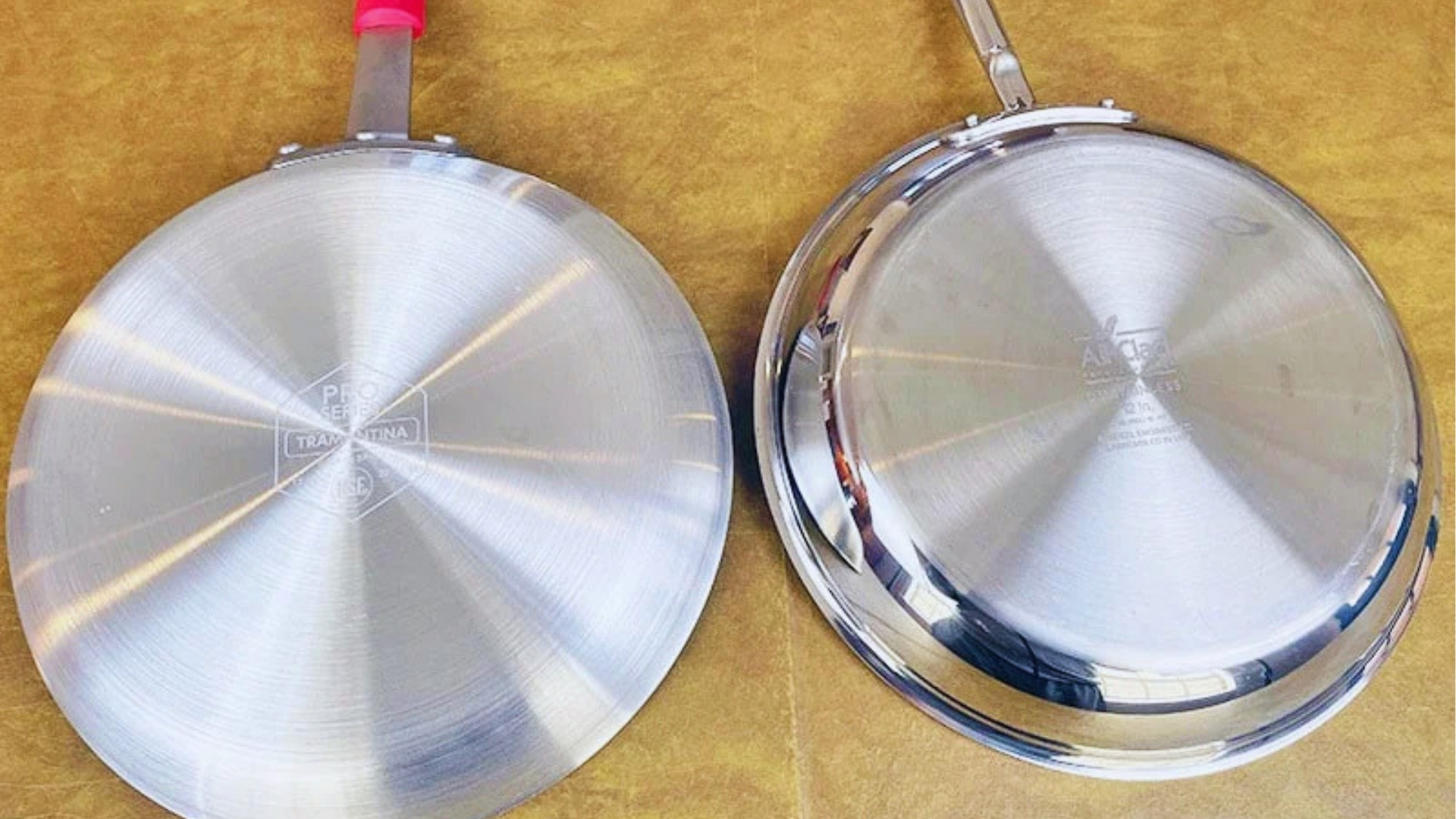
Real kitchen use, honest results, no sponsored opinions here.
Cooking, Ease of Use, and Daily Handling
In daily cooking, aluminum pans heat up so fast that I had to lower my flame to avoid burning food. They’re great for quick tasks like making eggs or sautéing vegetables.
Stainless steel takes a bit more patience to heat, but once it’s ready, it cooks more evenly. I also found stainless steel easier to use for curries and tomato-based gravies since there’s no reaction.
Aluminum is lighter and easy to grab quickly. Stainless steel feels more solid and stable, especially on a gas stove.
Durability Over Time
After regular use, my aluminum pan started showing scratches within a few months. It also warped slightly from high heat. My stainless steel pan, on the other hand, still looks almost the same as when I bought it two years ago.
It handles rough cleaning and high heat without any visible damage. If you cook daily and want something that holds up, stainless steel is clearly the stronger choice.
Food Safety and Overall Experience
I noticed a slight metallic taste when cooking lemon rice in an uncoated aluminum pan. That was enough for me to stop using it for acidic dishes. Stainless steel had no such issue.
Overall, stainless steel feels safer and more reliable for a wide range of recipes. Aluminum works well for dry cooking, baking, or boiling tasks where reactivity isn’t a concern.
Which Cookware Is Better for You? (Honest Verdict)
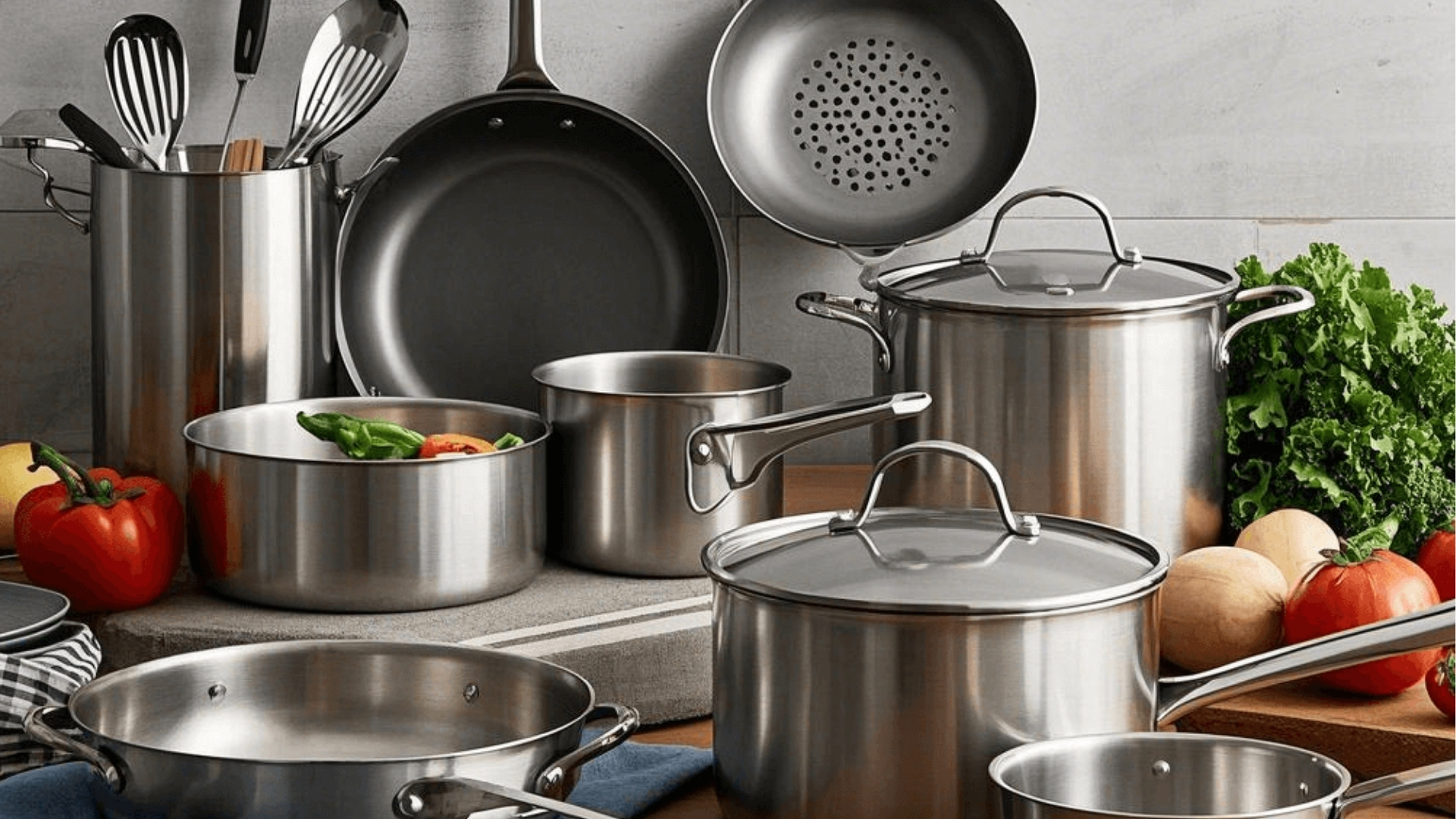
No marketing talk, just a straight answer based on how real people cook.
Best for Budget and Quick Cooking – Aluminum
If you’re on a tight budget or need something lightweight for fast cooking, aluminum works. It’s good for boiling, frying, and baking where speed matters more than longevity.
Best for Durability and Long-Term Use – Stainless Steel
If you cook regularly and want something that lasts, stainless steel is worth the extra cost. It handles heat well, doesn’t react with food, and stays in good shape for years.
When Using Both Makes Sense
Many home cooks keep one of each. Use aluminum for quick tasks and stainless steel for slow-cooked or acidic dishes. This combo covers most kitchen needs without overspending.
What About Clad Cookware? (Best of Both Worlds)
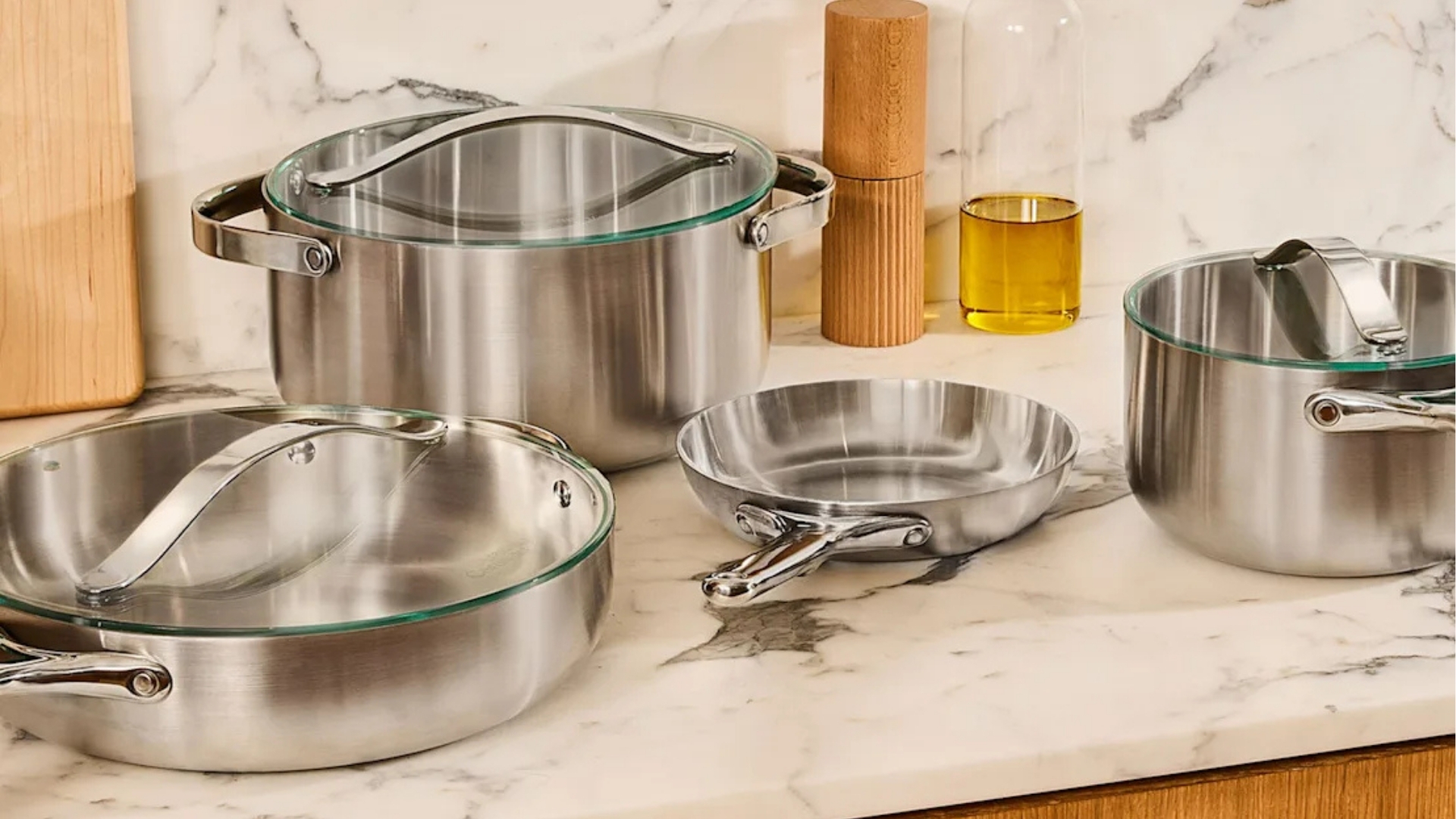
A smarter option that combines the strengths of both metals in one pan.
How Clad Cookware Works
Clad cookware is built with an aluminum core sandwiched inside a stainless steel exterior. The aluminum layer heats up fast and spreads heat evenly across the pan.
The stainless steel outside handles that heat without warping or reacting with your food. This means you get the speed of aluminum and the safety of stainless steel in one single pan.
It works well for everything from quick frying to slow-cooked gravies.
Is It Worth the Price?
Clad cookware costs more than both standard aluminum and stainless steel pans. But it solves the biggest problems each metal has on its own.
No reactivity with acidic foods, no slow uneven heating, and no fragile surface that scratches easily. For someone who cooks daily and wants one reliable pan that lasts years, it makes sense.
It’s not a budget buy, but for serious home cooks, it’s often the last cookware they need to buy.
Tips to Choose the Right Cookware for Your Kitchen
Practical advice to help you spend smart and cook better.
- Match cookware to your cooking style, quick stir-fries suit aluminum, while curries and stews need stainless steel.
- Acidic recipes like tomato or lemon dishes work better in stainless steel to avoid any unwanted reaction.
- Check stove compatibility before buying most aluminum pans that don’t work on induction without a magnetic base.
- Always read the label carefully so you know exactly what stove types your new cookware supports.
- A cheap aluminum pan replaced yearly costs more long term than one good stainless steel pan.
- When unsure, buy one of each, use both for a month, and decide based on real kitchen experience.
Conclusion
Choosing between aluminum vs stainless steel cookware doesn’t have to be stressful. From my own kitchen use, I can say both have their place.
Aluminum is fast and light, great for simple tasks. Stainless steel is tough and safe, better for everyday cooking long term.
Think about what you cook most, your budget, and how long you want your pan to last. Make a smart, simple choice.
If this helped you, drop a comment below or share it with someone who’s also trying to pick the right pan.
Frequently Asked Questions
Is aluminum cookware safe for daily cooking?
Yes, coated aluminum is generally safe. Avoid using uncoated aluminum pans for acidic foods like tomatoes or lemon-based dishes, as they can react and affect taste.
Does stainless steel cookware need special care?
Not much. Wash it with warm soapy water and dry it quickly to avoid water spots. Avoid steel wool, which can scratch the surface over time.
Can I use aluminum pans on an induction stove?
Standard aluminum pans don’t work on induction stoves. You need pans with a magnetic base. Always check the product label before buying for induction cooking.
Which is easier to clean: aluminum or stainless steel?
Aluminum is easier to clean but scratches more easily. Stainless steel takes a little more effort but handles scrubbing better without getting damaged.
Is clad cookware worth the higher price?
For regular home cooks, yes. Clad cookware combines fast heating with durability and safety. It costs more upfront but often replaces the need for multiple pans over time.