
I’ve been there, standing in the kitchen, holding a perfectly good induction pan and wondering, can I use induction cookware on a gas stove without ruining it? It’s a fair question, and you’re not alone in asking it.
In this article, I’ll cover what makes induction cookware different, how it performs on gas stoves, and when to be careful.
I’ve tested this myself and researched it thoroughly, so you’re getting real answers here.
Short answer: Yes, you usually can. But there’s more to know.
Understanding Induction Cookware and Gas Stove Compatibility
Before mixing your cookware with a different stove type, it helps to understand how each works. Induction cookware needs a magnetic base, usually stainless steel or cast iron, to respond to the electromagnetic field of an induction cooktop.
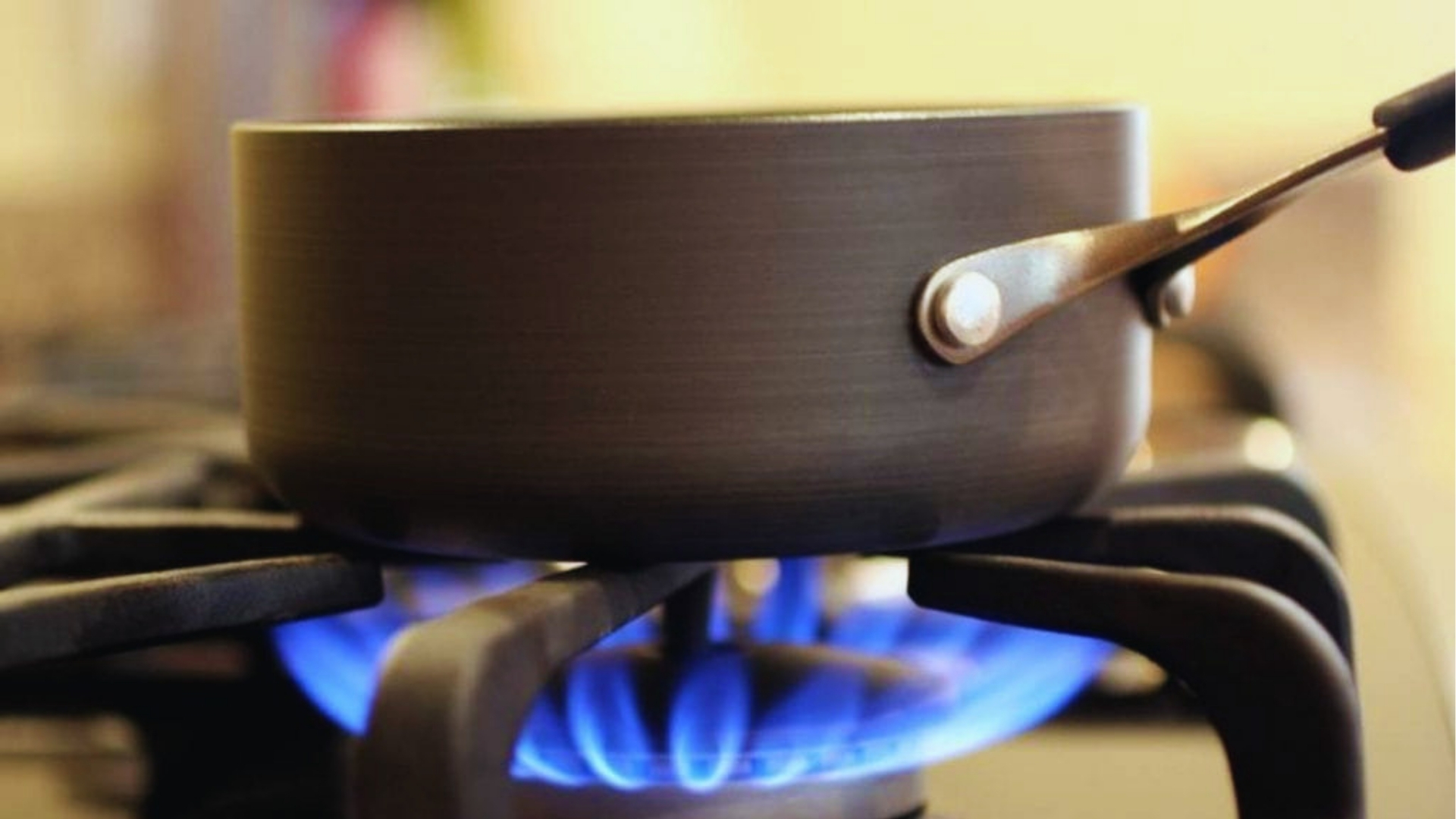
Gas stoves work differently. They use an open flame that heats the pan through direct contact with fire and hot air. No magnetic field is involved.
Since induction cookware is made from durable, heat-safe materials like stainless steel, cast iron, and hard-anodized aluminum, it handles gas heat without any trouble. The pan simply heats up like any other cookware would.
Can You Use Induction Cookware on a Gas Stove?
The direct answer, safety breakdown, and real-life situations where it works or needs extra care.
Clear Answer With Safety Perspective
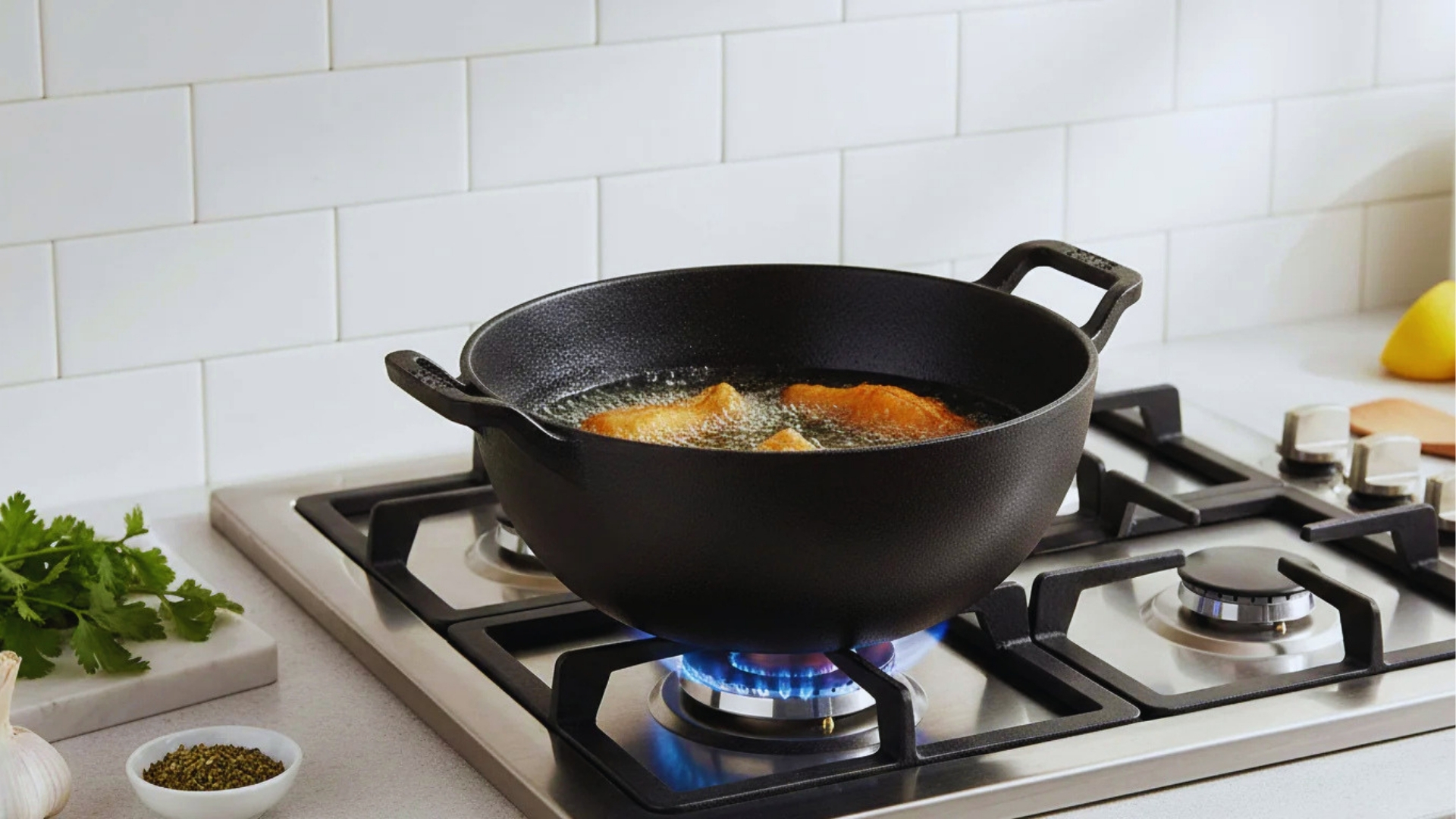
Yes, you can use induction cookware on a gas stove in most cases. The cookware is made to handle high heat, and gas stoves don’t produce any energy type that would conflict with the material. It is generally safe.
Situations Where It Works Perfectly
- Stainless steel induction pans work well on gas with no issues
- Cast iron induction cookware performs the same on gas as it does on induction
- Multi-layer pans with flat bases sit evenly on gas grates and heat well
Cases Where Caution Is Needed
Some non-stick induction pans use coatings that can wear faster under direct flame.
Also, pans with plastic or silicone handles may not be rated for the side heat a gas burner produces. Always check before using those.
Key Factors That Affect Performance on Gas Stoves
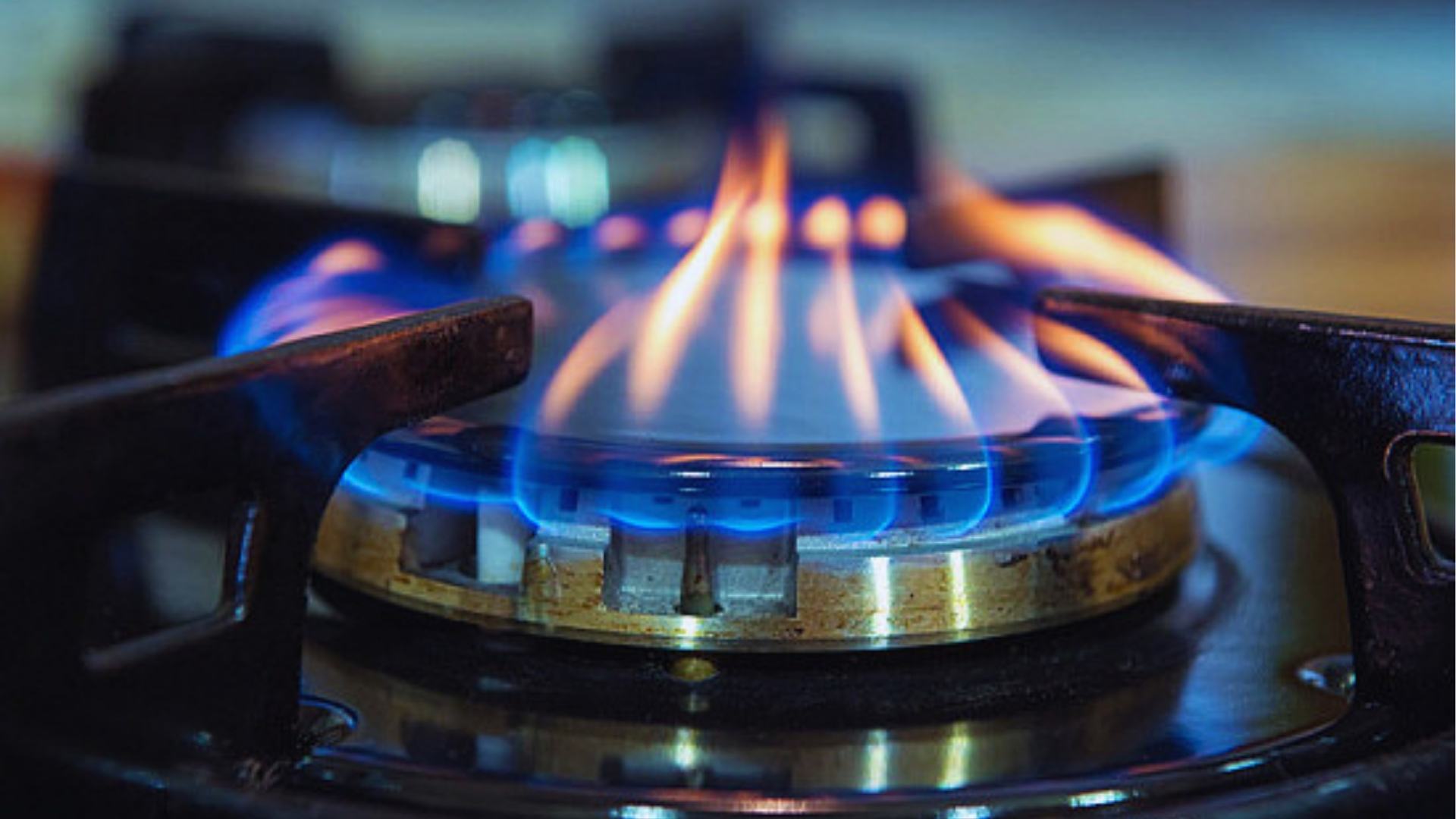
These four things decide how well your induction pan handles a gas burner.
Material and Heat Resistance
The material matters most. Stainless steel and cast iron are built for high heat, so they’re safe.
Thin aluminum pans, even if induction-compatible, might warp over time under direct flame. Go for thick-bottomed cookware for the best results.
Flat vs Uneven Base Design
Most induction cookware has a flat base, which is needed for good contact on induction cooktops. On gas, this is less critical since the flame heats from below regardless.
But a flat base still helps the pan sit stable on the grate.
Coating Durability Under Flame
Non-stick coatings can take damage from gas flames, especially if the flame goes past the pan’s edge. High heat from a side flame can break down the coating over time.
Keep the flame within the base area to protect the coating.
Handle Safety and Heat Exposure
Gas burners produce heat that spreads sideways. Handles made of plastic or rubber may not handle that well over time. Metal handles are a safer choice when using any pan regularly on gas.
Pros and Cons of Using Induction Cookware on Gas
A balanced look at what you gain and what to watch out for.
Benefits Like Durability and Even Heating
Induction cookware is often built to a higher standard. The bases are thicker, the materials are stronger, and the construction is more solid.
This means it usually heats evenly on gas too, and lasts longer than cheaper cookware.
Downsides Like Weight and Discoloration
Induction pans, especially multi-layer ones, can be heavy. Over time, the base may also show discoloration from gas flames.
This doesn’t affect performance but can make the pan look worn. Burn marks are common and mostly cosmetic.
Is It Better Than Regular Cookware?
For gas cooking, regular cookware designed for gas works perfectly fine. But induction cookware isn’t a step down.
It’s just made for a different primary use. On gas, it performs well and often better than low-quality regular pans.
How to Check If Your Induction Cookware Is Gas-Safe
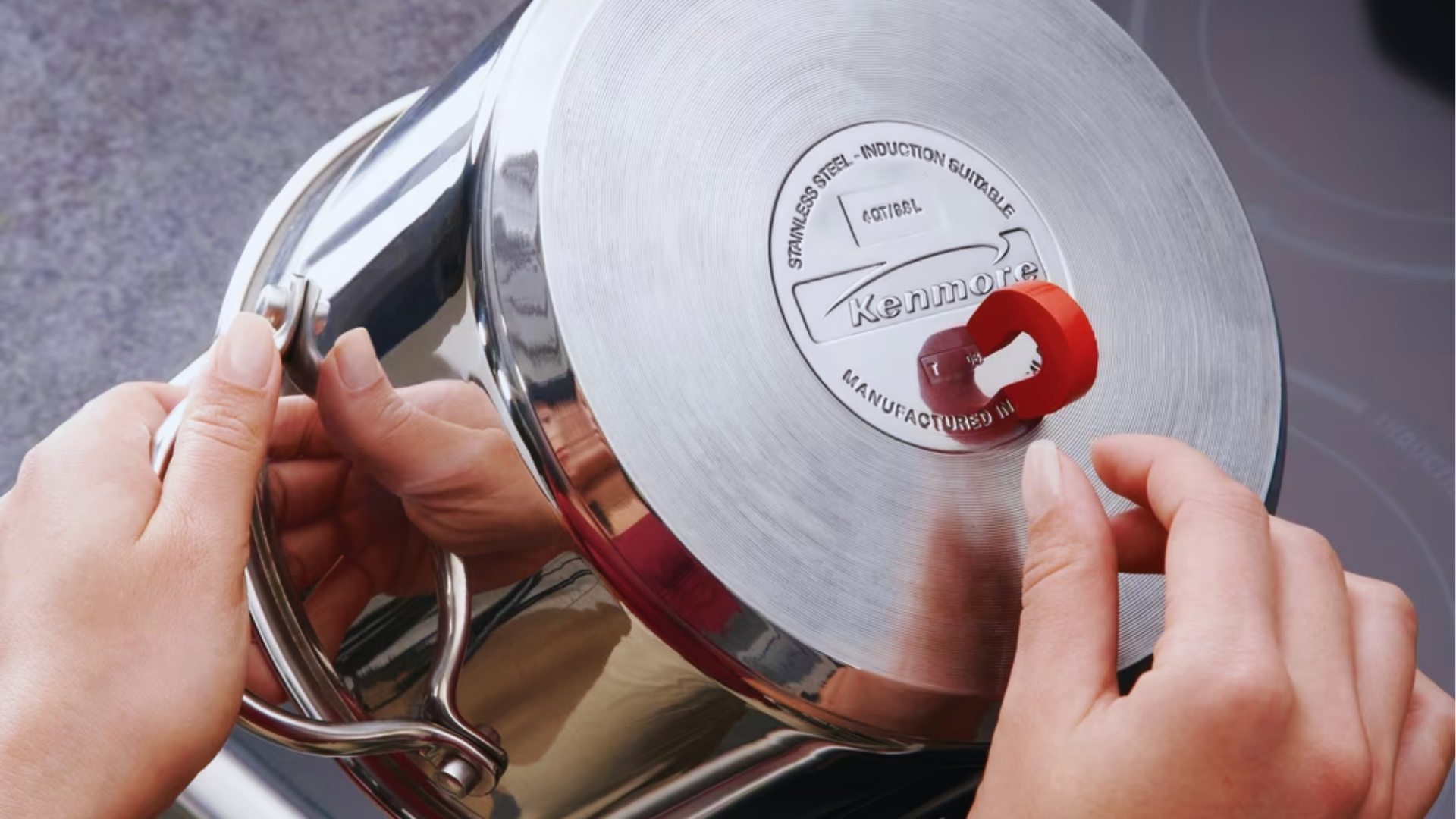
Three quick checks to do before putting your induction pan on a gas burner.
Simple Magnet Test
Hold a magnet to the base of the pan. If it sticks, the pan has a magnetic base, which means it’s made of strong, heat-resistant material.
This is a good sign it will handle gas heat without warping or cracking.
Reading Labels and Symbols
Look at the bottom of the pan or the packaging. A symbol showing a flame means it’s approved for gas use.
If you only see the induction coil symbol, check the manufacturer’s website or manual to confirm gas compatibility.
First-Time Usage Safety Check
The first time you use it on gas, keep the heat at medium. Watch for any unusual smells, warping, or coating changes.
If nothing looks off after a few uses, you’re good to continue using it on gas regularly.
Tips for Safely Using Induction Cookware on a Gas Stove
Simple habits that protect your cookware and keep your cooking safe.
- Never heat an empty pan on high flame as it can warp the base or ruin the coating fast.
- Always keep the flame within the pan’s base diameter to protect handles and outer layers.
- Clean burn marks and soot from the base after every use to maintain even heating.
- Built-up carbon on the bottom can affect heat distribution over time, so clean regularly.
- Check the label or manual before using your induction pan on gas to confirm compatibility.
- Use medium heat as a default setting to protect non-stick coatings and extend pan life.
Conclusion
So, can you use induction cookware on a gas stove? Yes, and it works better than most people think. I started using my induction pan on gas when my cooktop stopped working.
The food cooked evenly, and the pan held up fine. No warping, no issues. Just keep the flame within the base, avoid overheating, and clean the bottom regularly.
That’s really all it takes. If this helped you, drop a comment below or share it with a friend who’s been wondering the same thing. Happy cooking!
Frequently Asked Questions
Can induction pans be used on a gas stove daily?
Yes, most induction pans handle daily gas stove use well. Stick to medium heat and clean the base regularly to keep the pan in good shape.
Will using induction cookware on gas void its warranty?
It depends on the brand. Some manufacturers cover gas use, while others don’t. Always read the warranty card or check the brand’s website before regular gas use.
Does the induction symbol mean it only works on induction?
No. The induction symbol just means the pan is compatible with induction cooktops. It can still be used on gas, electric, or ceramic stoves unless the label says otherwise.
Can non-stick induction pans be used on high gas flame?
It’s better to avoid high flame with non-stick pans. High heat can damage the coating faster. Medium heat is the safe range for non-stick cookware on any stove type.
Why does my induction pan turn black on the bottom when used on gas?
This happens because of carbon buildup from the gas flame. It’s normal and cosmetic. Clean the base with a pan cleaner or baking soda paste after each use to reduce buildup.