
I’ve spent years testing laundry products, and starch is one thing most people overlook. What does starch do to clothes? It stiffens fabric, reduces wrinkles, and gives garments a clean, pressed look.
In this guide, I’ll cover how starch works on fabric, its real benefits and drawbacks, and when and how to use it right.
Whether you iron daily or just want your dress shirts to look sharp, this guide breaks it all down. You’ll walk away knowing exactly when starch helps and when to skip it.
Understanding Laundry Starch
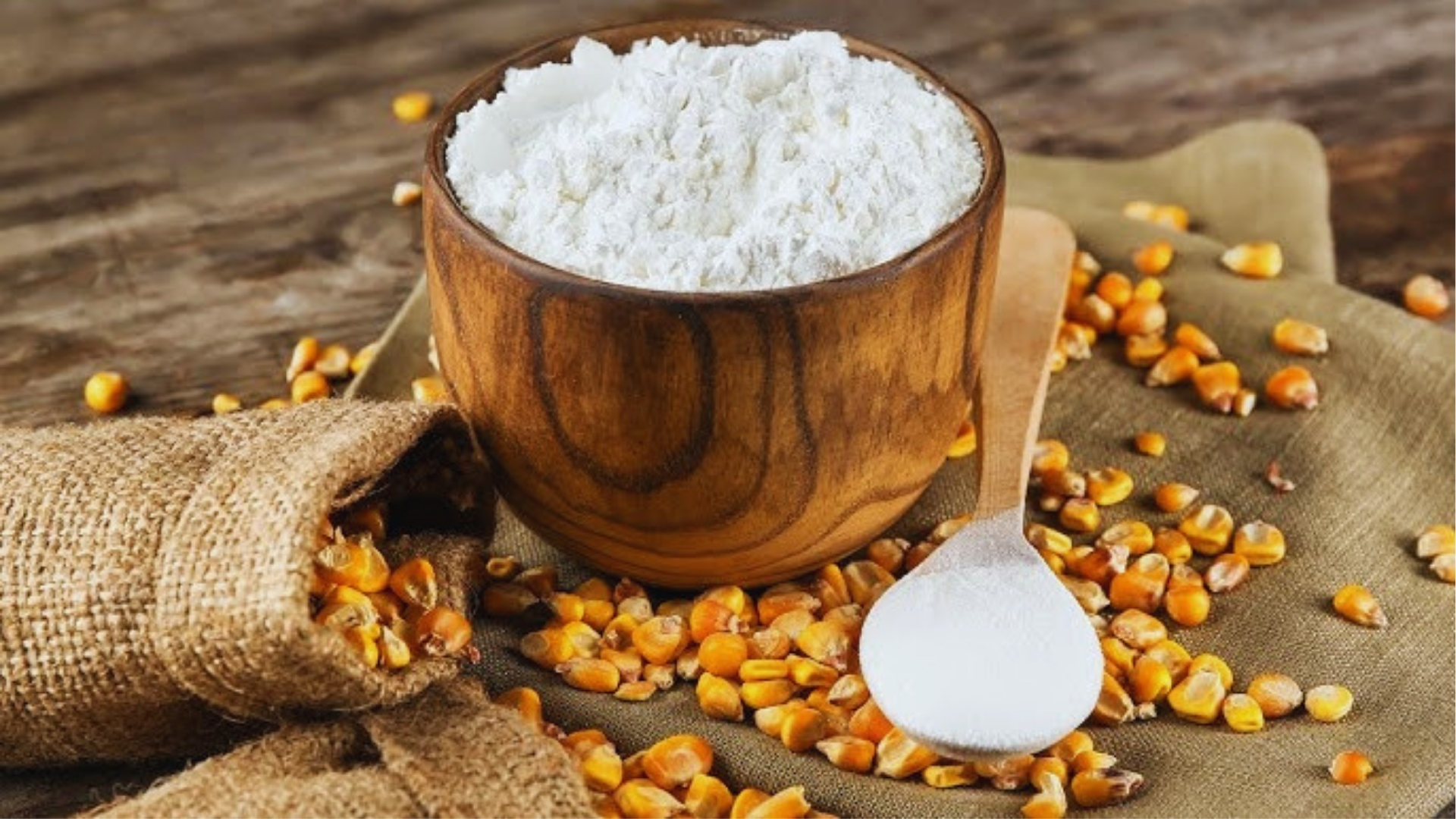
Starch is a natural carbohydrate made from corn, wheat, or rice. When you spray or soak it into fabric, it coats the fibers. That coating dries stiff when heat from the iron is applied.
The result is a firmer, smoother fabric surface. It doesn’t change the fabric itself. It just sits on top of the fibers temporarily and holds them in place.
Most starch washes out in the next wash cycle. There are three common types: spray starch, liquid starch, and powdered starch.
Spray starch is the most popular for home use because it’s quick and easy to apply.
What Does Starch Do to Clothes? Effects Explained
Here’s a clear breakdown of the real effects starch has on your clothing.
Adds Stiffness and Structure
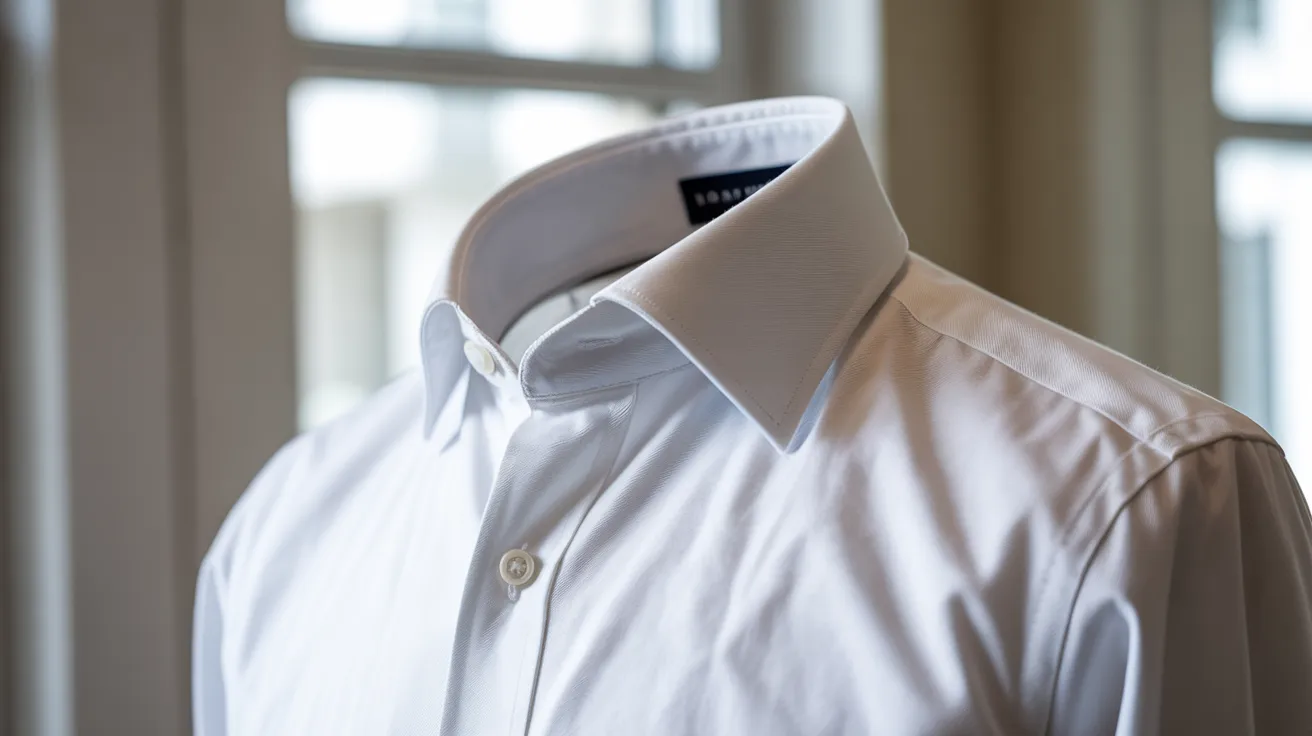
Starch coats fabric fibers and makes them firm. Shirt collars stay flat and dress shirts hold their shape all day. The more starch you apply, the stiffer the result.
This is why it’s so common in professional settings.
Creates a Crisp, Polished Look
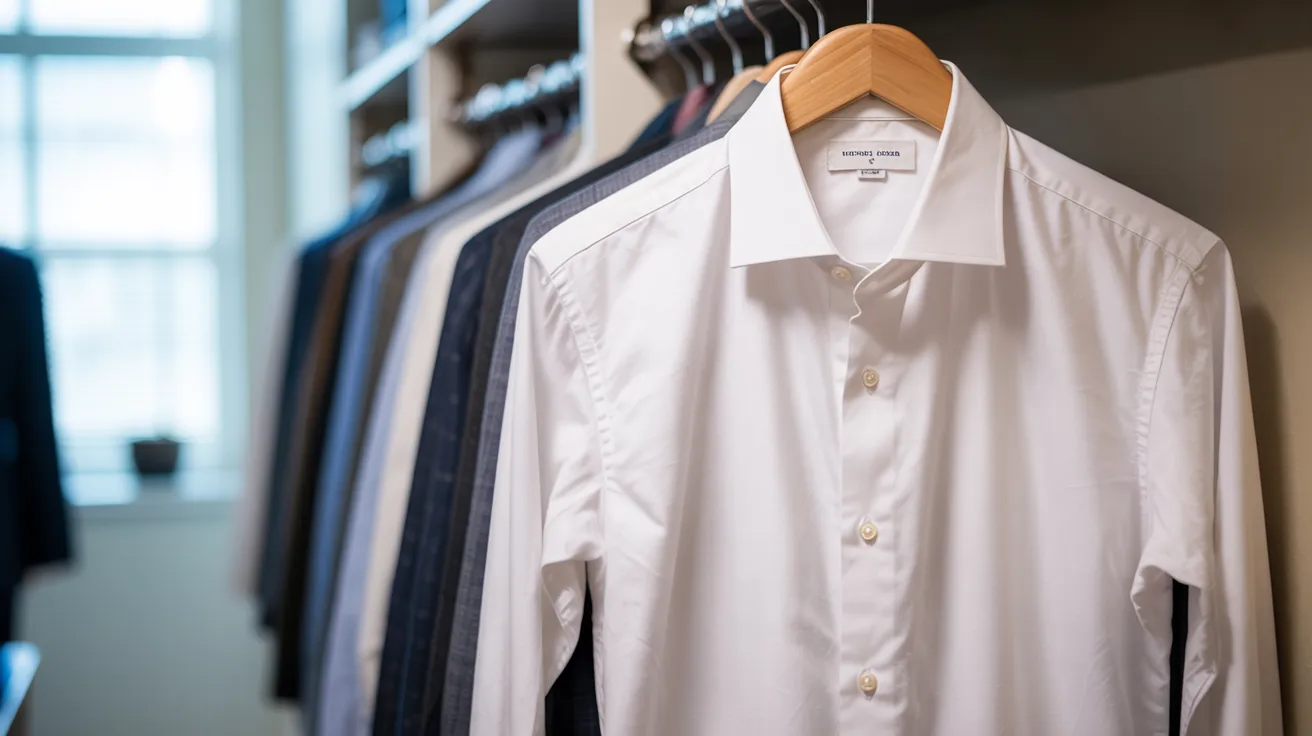
Starched clothes look neat and well-maintained. There’s a clear difference between a starched collar and a soft, unstarched one.
The fabric looks tighter and more intentional, giving off a clean, put-together appearance.
Makes Ironing Easier
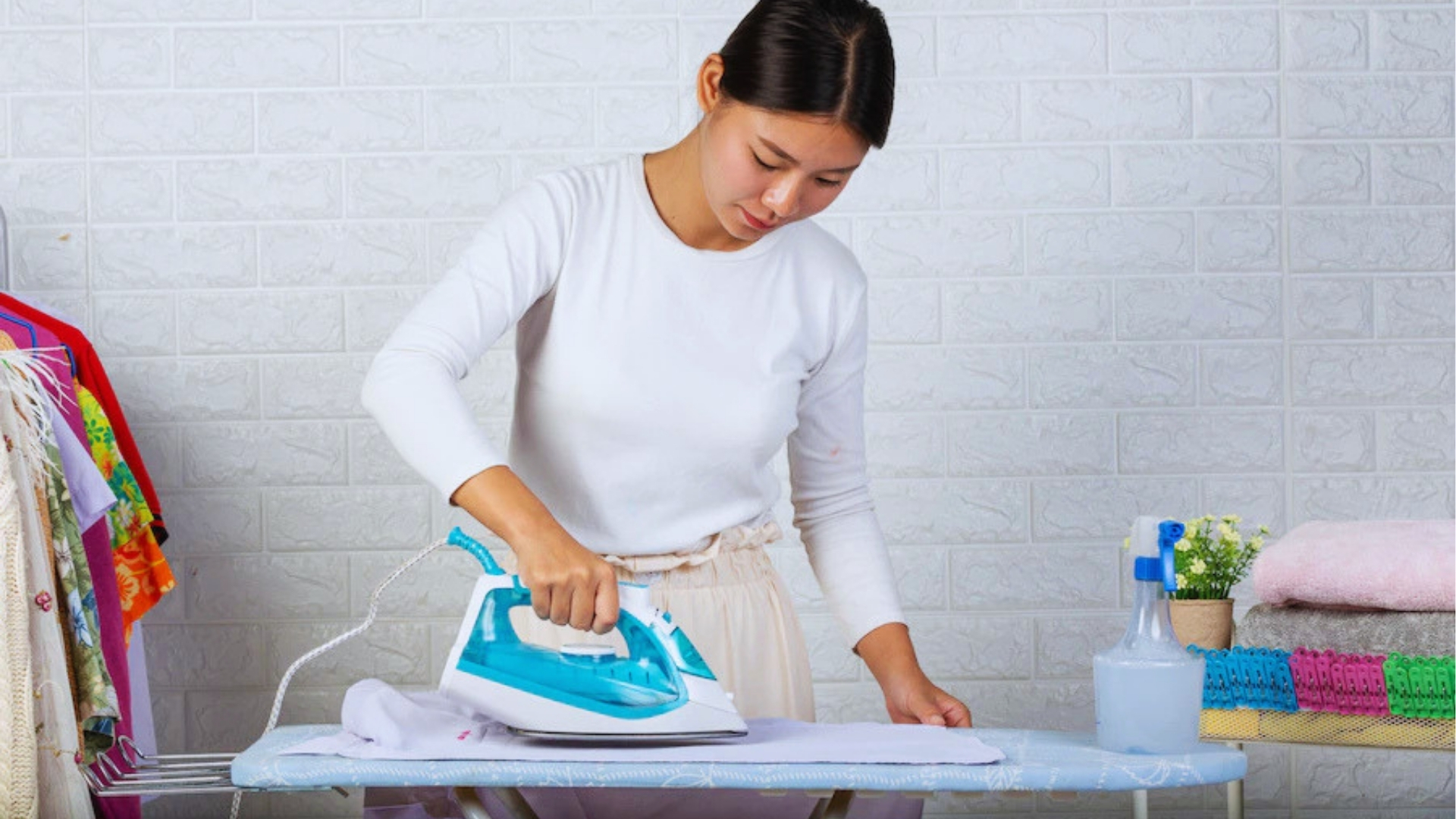
Starch helps the iron glide across fabric more smoothly. Wrinkles come out faster, and you spend less time going over the same spot. If you iron regularly, this alone makes starch worth using.
Helps Reduce Wrinkles
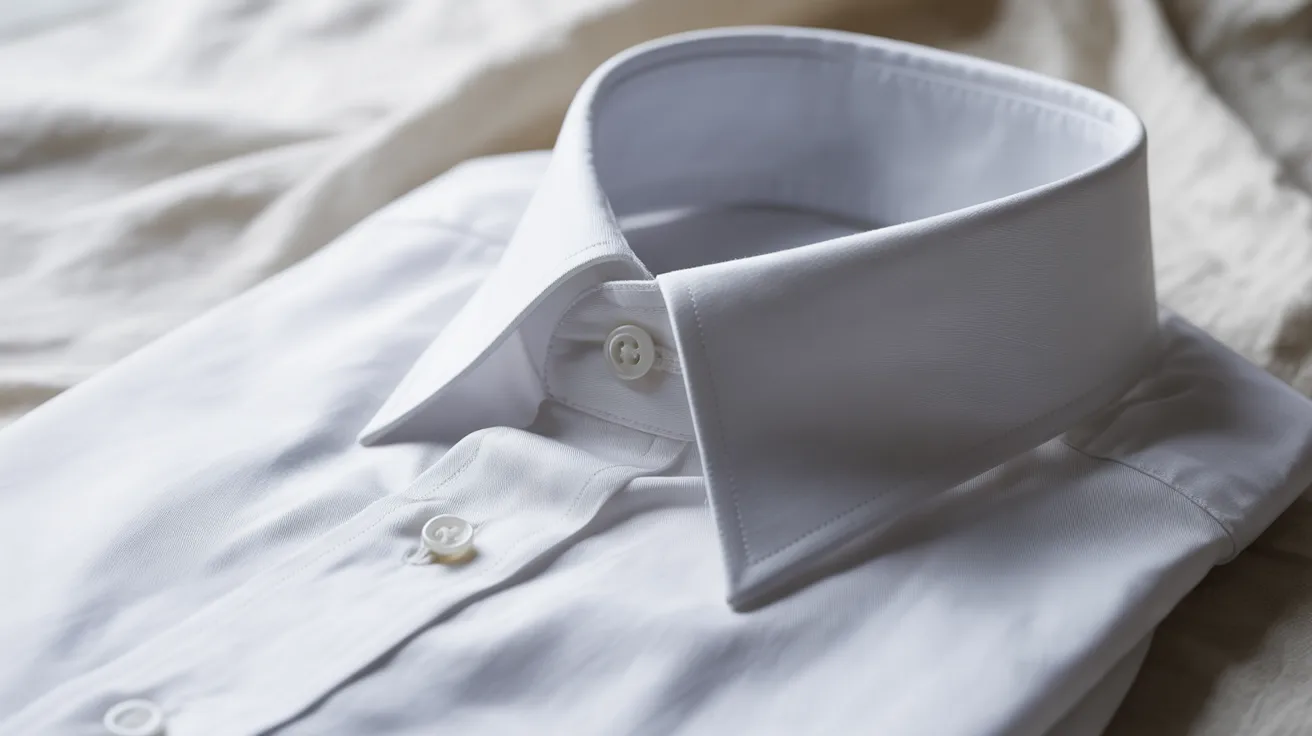
Starched fabric holds its pressed shape much longer throughout the day. It resists folding and creasing better than untreated fabric.
That means fewer touch-ups between wears and a cleaner look by the end of the day.
Acts as a Protective Layer Against Stains

Starch creates a light barrier between the fabric and outside elements. Spills and light dirt sit on the surface rather than soaking straight into the fibers.
This makes spot cleaning quicker and easier after each wear.
When and Where Should You Use Starch?

Not every fabric or situation calls for starch. Here’s how to decide.
Best Fabrics for Starch (Cotton, Linen)
Cotton and linen respond best to starch. They’re natural fibers that hold the starch coating well and iron out smoothly.
Avoid starching:
- Silk
- Wool
- Synthetic blends like polyester
These fabrics can be damaged by starch or don’t hold it effectively.
When to Avoid Using Starch
Skip starch on casual clothes like t-shirts, joggers, and loungewear. It adds unnecessary stiffness where comfort matters most.
Stretchy fabrics like spandex or jersey can lose their flexibility when starched.
Also avoid it on clothes with beads, sequins, or printed designs, as starch can loosen embellishments or crack surface prints over time.
Choosing Between Light, Medium, and Heavy Starch
- Light starch: soft crispness, good for daily wear
- Medium starch: noticeable stiffness, common for office wear
- Heavy starch: very stiff, used for uniforms or formal events
Start light if you’re new to starching. You can always add more.
Drawbacks of Starching Clothes
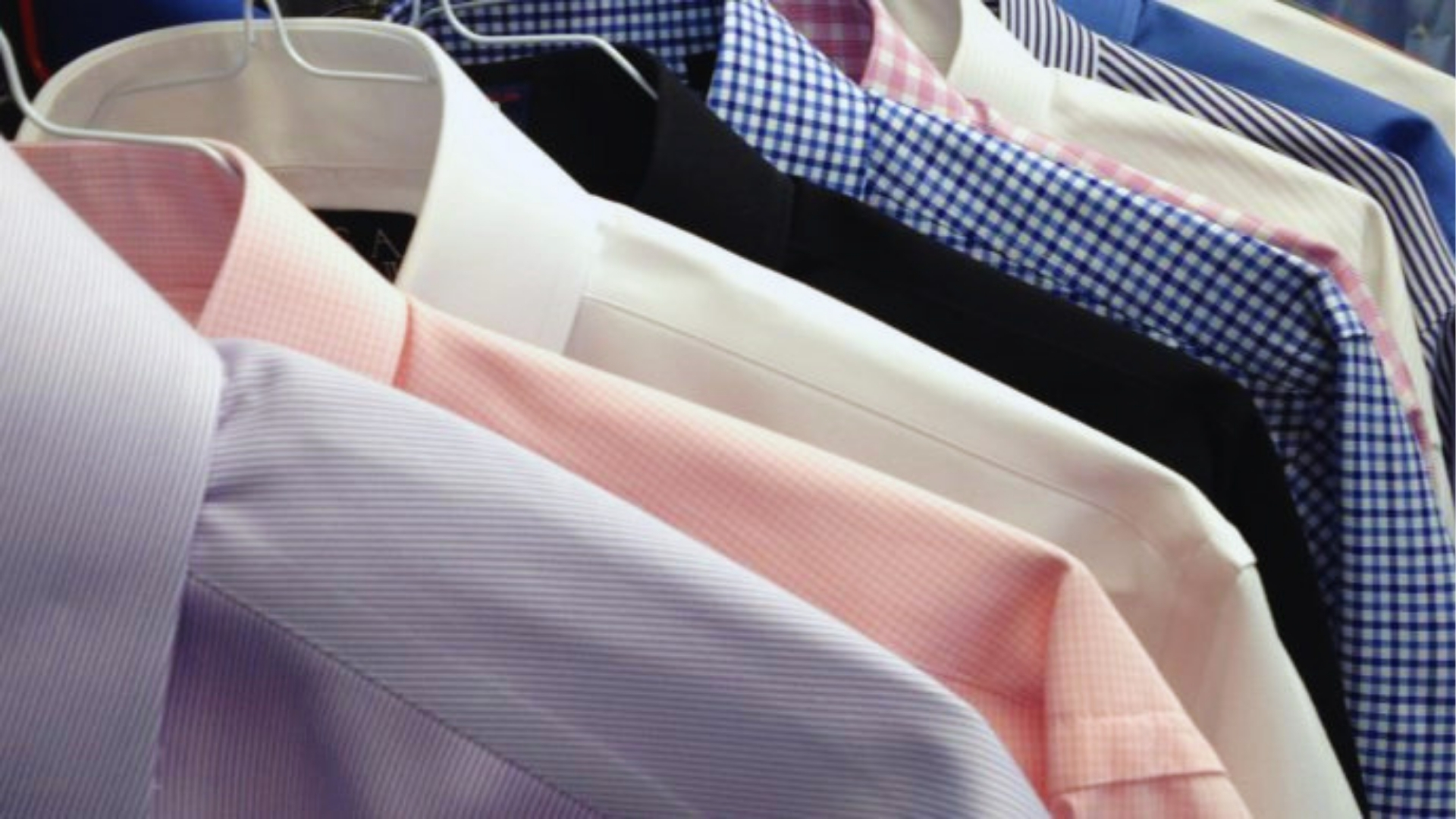
Starch has real downsides. Knowing them helps you use it wisely.
Can Feel Stiff or Uncomfortable
Too much starch makes fabric rough against the skin. This is a common complaint with heavily starched collars and cuffs.
If you wear a shirt all day, that stiffness can become irritating. Use light starch for everyday comfort.
May Weaken Fabric Fibers Over Time
Regular and heavy starching can slowly break down fabric fibers. The starch dries and becomes slightly abrasive when pressed with heat repeatedly.
Over months or years, this can lead to thinning fabric, especially in high-friction areas.
Can Cause Fraying on Collars and Cuffs
Collars and cuffs take the most starch and the most wear. The combination of stiffness and movement creates friction.
Over time, this leads to visible fraying along edges. Rotate your starched shirts and avoid applying starch to the same spots every single wash.
Benefits of Using Starch on Clothes

Starch offers more than just stiffness. Here’s why many people keep it in their laundry routine.
Keeps Clothes Looking Fresh Longer
A starched shirt stays crisp for more hours than an untreated one. You won’t need to re-iron mid-day. The fabric holds its pressed look from morning to evening.
This saves time and keeps you looking neat all day.
Ideal for Business and Formal Wear
Uniforms, dress shirts, and formal trousers benefit the most from starch. These clothes are expected to look sharp.
Starch helps meet that standard without extra effort. It’s a simple step that makes a visible difference.
Helps Maintain Garment Shape
Over time, repeated washing can soften fabric and cause it to lose its shape. Regular starching helps shirts and pants hold their intended structure for longer.
It keeps collars flat, sleeves straight, and fabric looking well-kept.
Tips for Using Starch Effectively
A few simple habits make a big difference in how starch performs on your clothes.
- Spray starch from 6–8 inches away for an even, light mist never soak the fabric.
- Test on a small hidden area before using a new starch product.
- Heavy application causes flaking and weakens fibers over time keep it light.
- Use only as much starch as the garment actually needs to look neat.
- Match the starch level to the occasion more for formal wear, less for everyday shirts.
- Think about how the garment will be worn before deciding how stiff it needs to be.
Conclusion
I started using starch on my dress shirts years ago, and it genuinely changed how put-together I looked at work. But I also learned the hard way that overdoing it leads to stiff, uncomfortable collars by noon.
The key is balance. Use light starch for daily wear and save heavier applications for formal occasions. Your clothes will look great and last longer.
Tried starch before? Drop a comment below and share your experience. And if this helped, pass it along to someone who irons regularly.
Frequently Asked Questions
Does starch damage clothes over time?
Yes, heavy or frequent use can weaken fabric fibers. Using starch in moderation and rotating garments reduces this risk significantly.
Can I use starch on all types of fabric?
No. Starch works best on cotton and linen. Avoid using it on silk, wool, or synthetic fabrics as it can cause damage or poor results.
How long does starch last on clothes?
Starch typically lasts through one wear. It washes out in the next laundry cycle, so you’ll need to reapply after each wash if you want the same effect.
Is spray starch better than liquid starch?
Spray starch is more convenient for home use. Liquid starch gives more even coverage and is better for heavier fabrics or larger batches of clothing.
Can starch cause skin irritation?
It can for some people, especially with heavy applications near the neck or wrists. Switching to light starch or rinsing collars after ironing can help reduce any irritation.