
Stiff towels. Clothes that still smell after a full wash cycle. I kept blaming my detergent. Turns out, the problem wasn’t what I was using. It was what I was missing.
White vinegar in laundry sounds strange, I get it.
A kitchen staple in the washing machine? But once I started digging into real people’s experiences online, I had to try it myself.
What happened next genuinely caught me off guard.
Stick around, because this guide covers everything I learned, including the tips that actually work and the mistakes worth avoiding.
Why Everyone is Talking About White Vinegar in Laundry
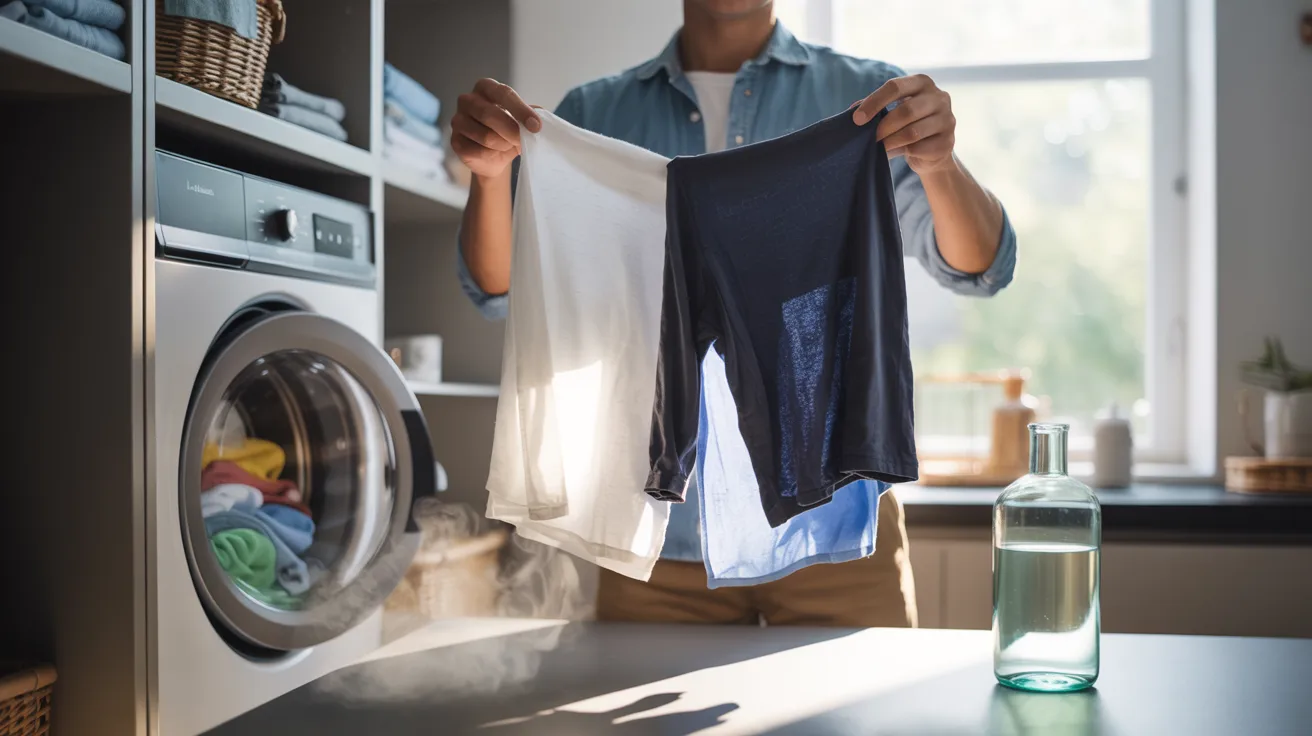
Walk into any laundry-focused forum or Facebook group, and you’ll find threads about white vinegar. It’s become one of the most talked-about cleaning hacks in home care communities worldwide.
People love it because it does several things at once. It deodorizes, softens fabrics, removes residue, and helps clothes come out cleaner overall. All without a long list of chemicals.
Some users even report it keeps dark colors from fading and helps whites stay brighter for longer. That caught a lot of people off guard, including me.
What’s also interesting is the washing machine benefit. Regular vinegar cycles can reduce buildup inside the drum and keep the machine running cleaner. That’s a bonus most people don’t expect going in.
How White Vinegar Works in Laundry
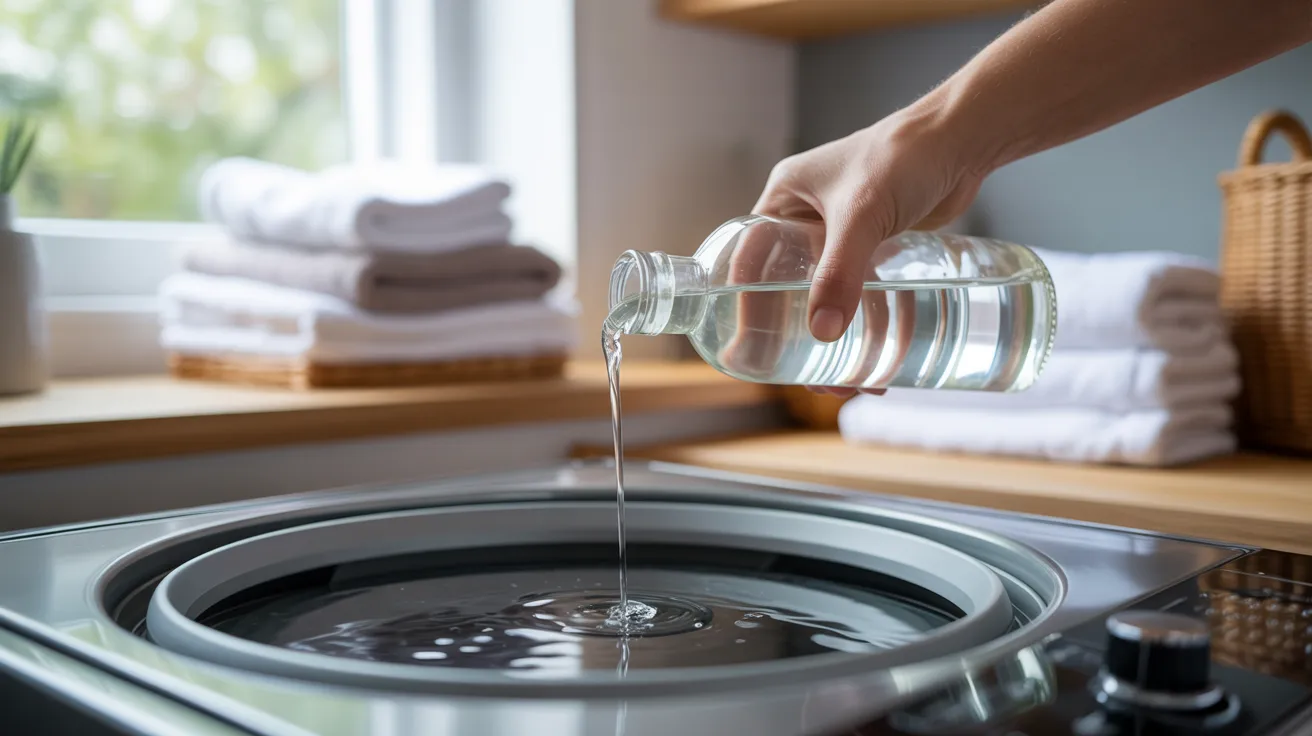
White vinegar is acidic. That acidity is what makes it so effective in the wash. It breaks down soap residue that regular rinsing often leaves behind.
It also neutralizes odors at a chemical level rather than masking them. That’s why gym clothes and musty towels respond so well to it.
Compared to commercial fabric softeners, vinegar doesn’t coat the fabric fibers. It softens by removing mineral deposits and detergent buildup instead. That’s a key difference.
Forum users often share how using white vinegar in laundry helps them get clothes smelling fresh without relying on heavy synthetic fragrances or harsh chemicals. The results speak for themselves.
Practical Ways to Use White Vinegar in Laundry
There’s more than one way to bring white vinegar into your laundry routine. Here’s a breakdown of the most effective methods, each with its own purpose.
As a Fabric Softener
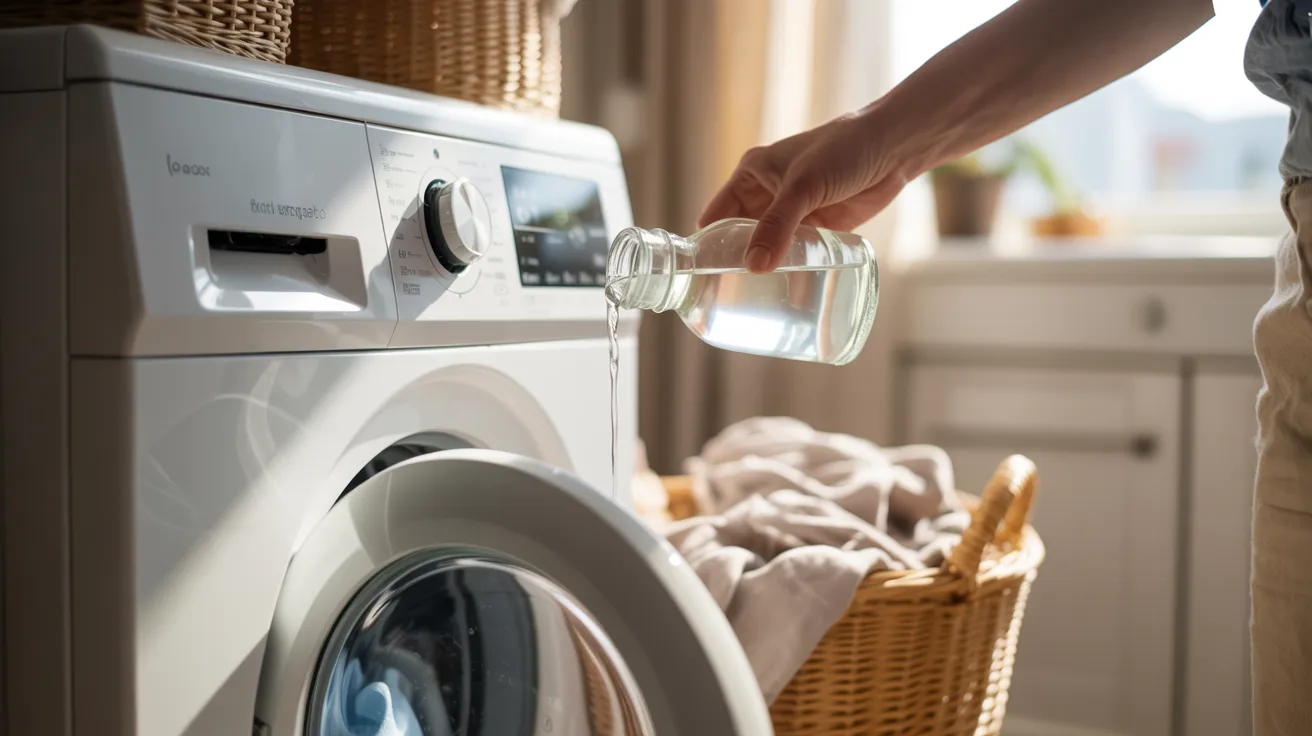
Pour half to one cup of white vinegar directly into the fabric softener compartment before starting the cycle. That’s all there is to it.
It softens clothes naturally by stripping away the detergent and mineral buildup that makes fabrics feel stiff. No greasy coating, no heavy scent.
One tip I picked up from a social media thread: if your clothes have been feeling extra rough lately, try two cycles with vinegar back to back. Several users swore by this reset method.
It’s also a solid eco-friendly swap. Less plastic packaging, fewer synthetic ingredients, and a much lower cost per load.
For Stain Removal
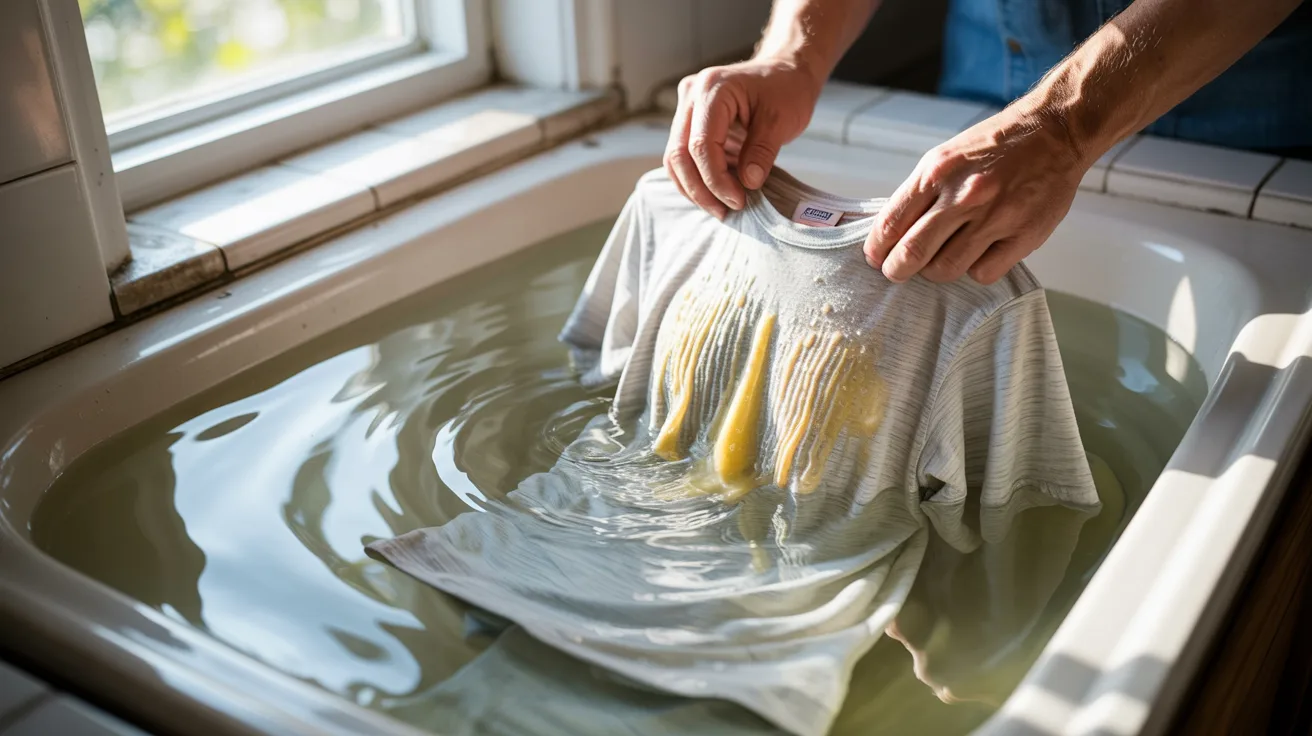
For stains, pre-soaking works best. Mix equal parts white vinegar and water, then soak the stained item for 30 minutes before washing.
This works particularly well on sweat stains, deodorant marks, and light food stains. The acidity loosens the stain so the wash cycle can do its job properly.
Many users have shared how to use white vinegar in laundry for stubborn stains, especially on workout clothes that go through heavy use. It’s become a go-to pre-treatment in a lot of households.
Don’t expect miracles on set-in or very dark stains. For those, you may need to repeat the soak or combine with another treatment.
To Eliminate Odors
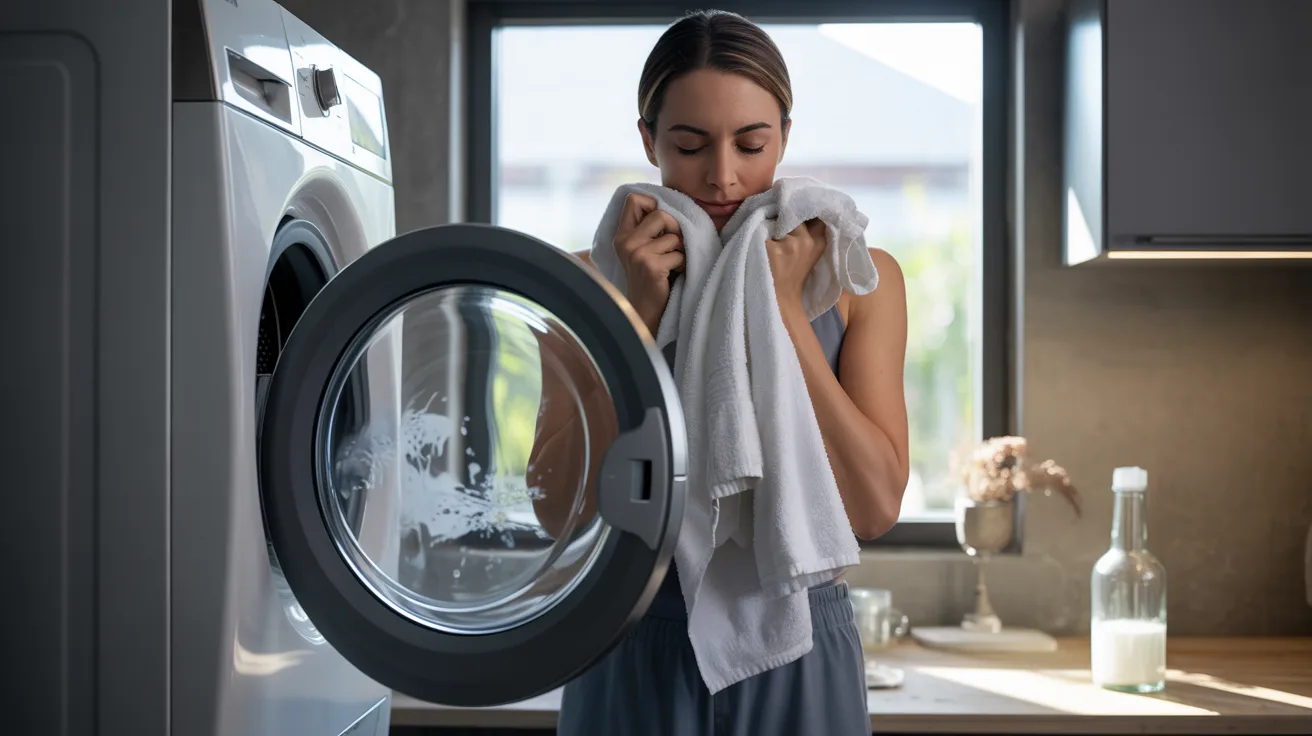
Vinegar is one of the best natural odor neutralizers out there. Add half a cup to the wash cycle and let it work through the rinse.
It’s especially good on gym clothes, towels, and any fabric that’s been sitting damp for too long. The musty smell that lingers after regular washing? Vinegar handles that well.
If the fabric allows it, use hot water for maximum deodorizing. Hot water helps the vinegar penetrate the fibers more effectively.
Don’t worry about your clothes smelling like vinegar when they come out. The scent fades completely as the fabric dries.
Brighten Colors and Whites
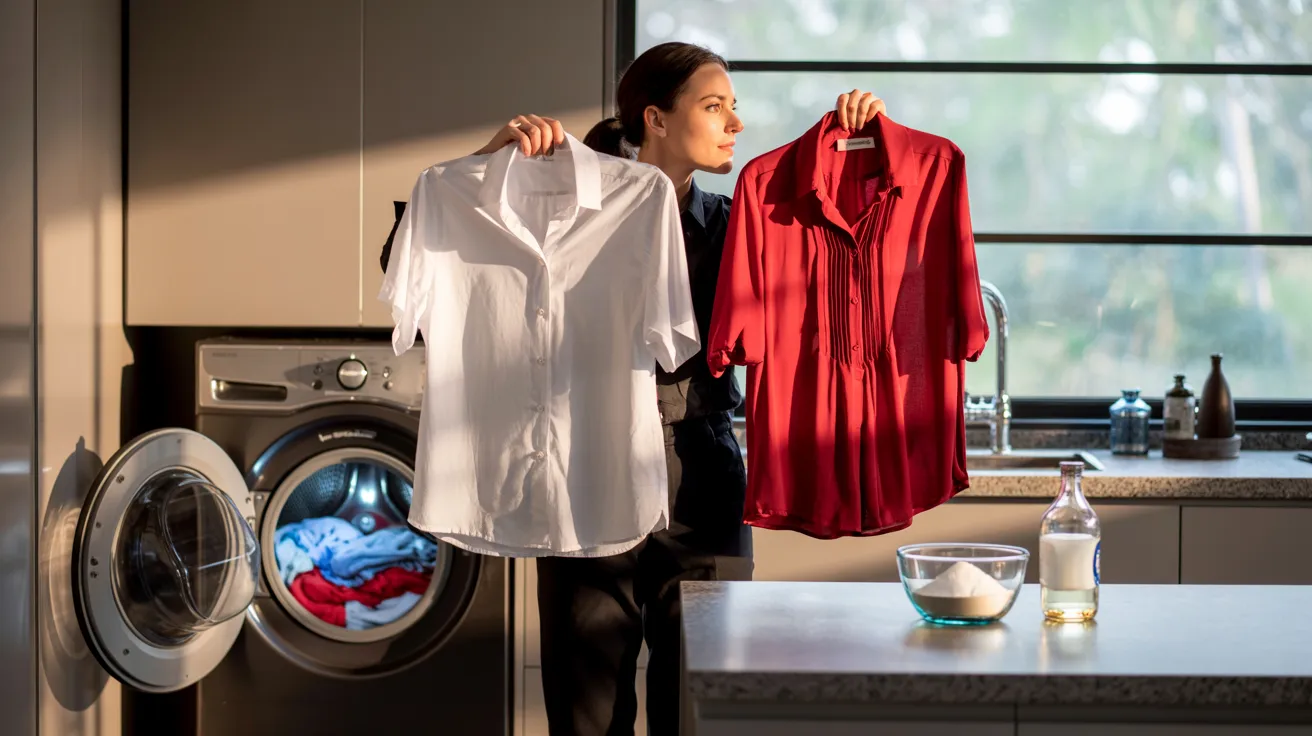
Adding vinegar to your wash helps preserve the brightness of colors over time. It stops minerals and detergent from dulling the fibers wash after wash.
For whites, pair white vinegar with a small amount of baking soda. Several people in DIY laundry forums recommend this combination for a natural whitening boost.
I tried it on a few faded white tees, and while it didn’t bleach them back to new, they did come out noticeably cleaner and brighter.
Consistency matters here. One wash won’t show dramatic results, but regular use makes a real difference over weeks.
Maintain Your Washing Machine
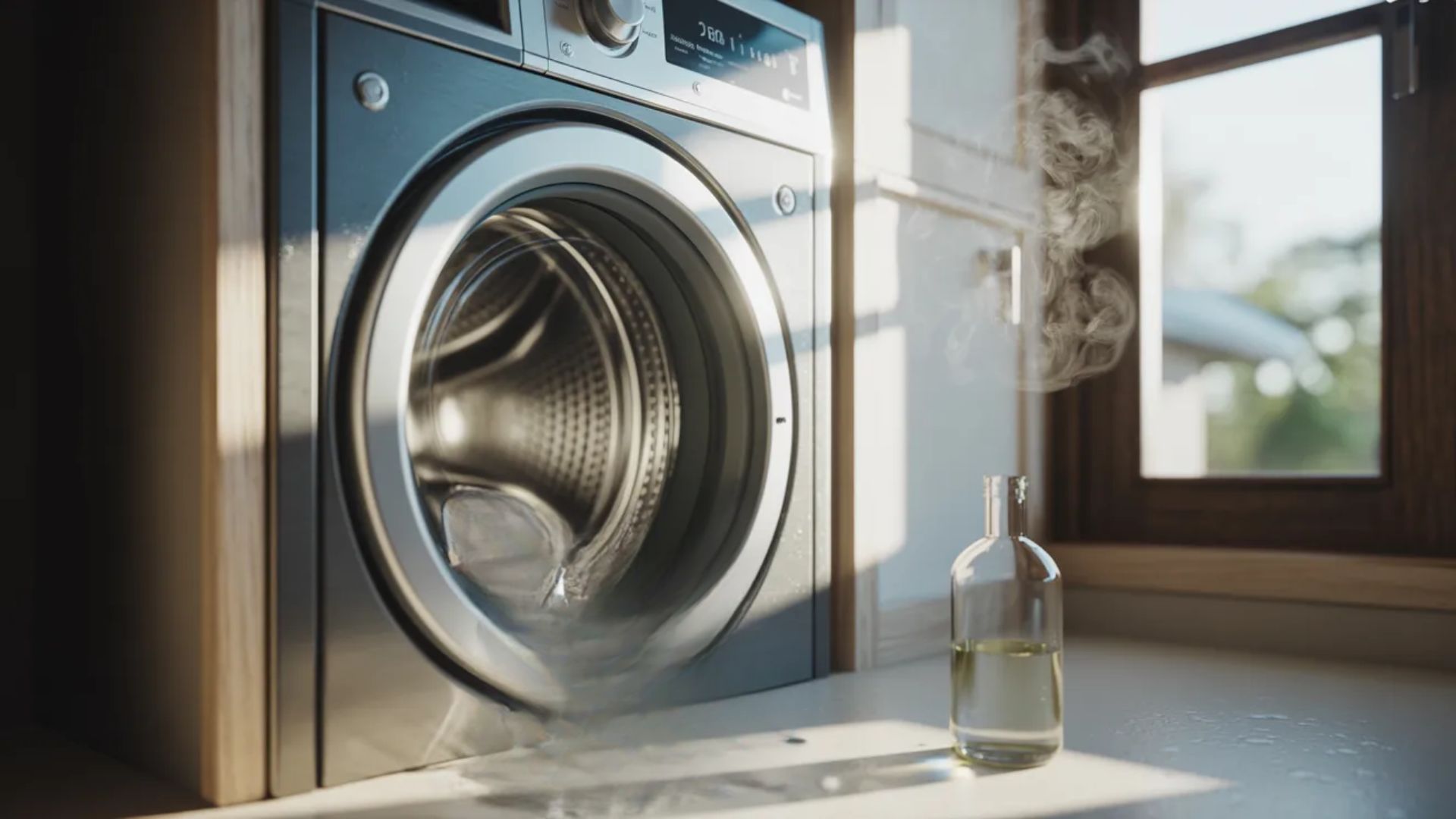
Once a month, run an empty hot water cycle with one to two cups of white vinegar. No clothes, no detergent, just vinegar and water.
This breaks down soap scum, hard water deposits, and any residue sitting in the drum or pipes. Forum users consistently mention this habit keeping their machines cleaner and odor-free.
It also helps prevent mold and mildew buildup, which is a common issue in front-load washers especially.
It’s one of those simple maintenance habits that people wish they’d started sooner.
Common Mistakes to Avoid When Using White Vinegar in Laundry
White vinegar is gentle and effective, but there are a few ways people go wrong with it. Knowing these mistakes upfront saves you from dealing with damage or disappointing results later.
Here’s what to watch out for:
- Overusing it without diluting properly: Too much vinegar too often can wear down rubber seals inside your washing machine over time
- Using it on delicate fabrics: Silk, acetate, and other delicate materials don’t respond well to acidity, always check the care label first
- Mixing it directly with bleach: This creates harmful fumes and should never be done, use one or the other, never both together
- Expecting it to work like detergent: Vinegar complements your wash, it doesn’t replace proper cleaning agents
- Pouring it directly on fabric: Always dilute or add it to the softener compartment rather than applying it straight onto clothing
Real users across forums have flagged all of these issues. Most negative experiences with vinegar in laundry come down to using too much or using it on the wrong fabrics. Keep it measured and intentional, and you’ll get solid results every time.
Additional Tips from Real Users
The laundry community online is full of clever vinegar hacks that go beyond the basics. Here are some of the most popular ones worth trying.
- Add a few drops of essential oil to your vinegar before pouring it into the softener compartment, lavender, eucalyptus, and tea tree are popular choices for a natural scent boost
- Use it as a pre-treatment spray by mixing vinegar and water in a small spray bottle, spritz directly on stains before tossing clothes in the wash
- Soak smelly shoes or shoe insoles in a diluted vinegar solution for 30 minutes to cut through odor-causing bacteria
- Use it on cloth diapers to break down residue and keep them fresh without harsh detergents
- Run a vinegar cycle after moving into a new home to clean out the washing machine before your first proper laundry load
These tips come straight from real people sharing what works in their households. Small tweaks like these make a big difference when you’re trying to keep laundry simple and affordable.
Conclusion
Honestly, I was late to this. But once I made the switch, I never looked back.
The best part? You don’t need to overhaul your entire routine. Just start small. Try one tip this week and see what happens. I’d genuinely love to know how it goes for you.
Drop a comment below and tell me which method you tried first.
Did it work? Did something surprise you? And if you found this helpful, share it with a friend who’s still overspending on fabric softener. They’ll thank you later.
Frequently Asked Questions
Can I Use White Vinegar in Every Laundry Load?
It’s safe for most everyday fabrics and works well as a regular addition to your wash. Skip it on delicate materials like silk or acetate to avoid any fiber damage.
Will Vinegar Remove All Stains?
White vinegar works best on sweat, deodorant marks, light food stains, and soap residue. Tougher or deeply set stains may need additional treatment alongside vinegar.
Does White Vinegar Replace Detergent?
No, it’s not a replacement for detergent but it works well alongside it. Think of it as a booster that improves your detergent’s performance.
Can Vinegar Damage My Washing Machine?
Used in moderation, it’s safe for most machines. Just avoid mixing it with bleach at any point during the cycle.
How Much Vinegar Should I Use Per Load?
Half a cup to one full cup added to the softener compartment is the standard amount. More than that isn’t necessary and won’t improve results.