
Black clothes are great until they come out of the wash covered in lint. It is frustrating. You put them in clean and they come out looking like you rolled in a pile of fluff.
I have been there. More than once.
This article covers why black clothes attract lint, what actually works to remove it, and how to stop it from happening again. You will also learn which popular methods waste your time.
I have tested these tips at home so you do not have to guess.
Let’s get into it.
Why Do Black Clothes Attract So Much Lint?

Black clothes do not attract more lint than light ones. They just make it more visible. Here are the main reasons it happens.
Towels shed tiny fibers constantly and are one of the biggest lint producers in any load. Washing them with black clothes means those fibers land right on your dark items.
Synthetic fabrics like polyester and nylon build up static in the dryer. That static pulls lint from other items and holds it against the fabric.
Looser or fuzzier materials like fleece and wool collect lint easily. Smoother, tightly woven fabrics do not have the same problem.
What Actually Works to Remove Lint From Black Clothes
Here are the methods that genuinely work. I have grouped them by type so you can choose based on what you have at home right now.
Damp Sponge or Scouring Pad (Most Recommended)
This is the method I keep coming back to. Take a slightly damp sponge or the soft side of a scouring pad and run it in one direction across your clothes.
The lint bunches up and comes off easily. It is cheap, quick, and you do not need to buy anything special. Many people online who deal with this regularly say this is their go-to fix.
It works best on dry clothes that you have lightly misted or right after they come out of the dryer and cool down.
Lint Roller vs Masking Tape
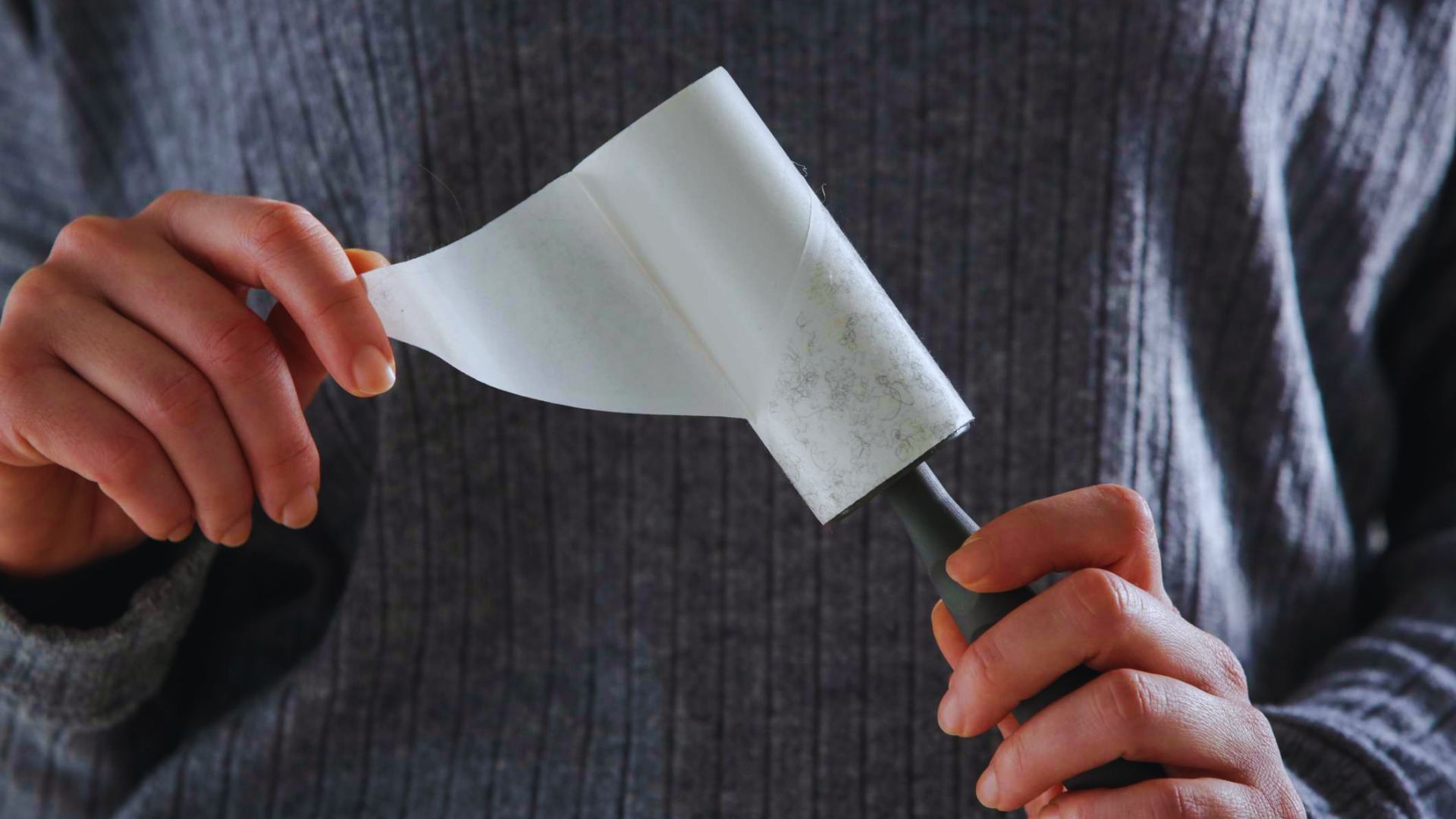
A lint roller works well for quick touch-ups. It is good for removing light surface lint before you head out. Masking tape does the same job in a pinch. Just wrap it around your hand sticky side out and press it against the fabric.
The difference is that a lint roller covers more area faster. Masking tape is better for small spots. Neither is ideal for clothes that are heavily covered in lint.
Dryer Sheet Trick (Only Works When Damp)
The common mistake people make here is rubbing a dry dryer sheet on dry clothes. That does very little. The trick works when the fabric is slightly damp. Rub a dryer sheet over the surface in one direction.
It reduces static and picks up light lint. Once the clothes are fully dry, the effect fades fast. So use this one right after drying, before everything sets.
Wool Dryer Ball Hack
Wool dryer balls work in the dryer to reduce static and separate clothes so lint does not transfer as easily. They are also useful on dry clothes already covered in lint.
Roll one gently over the surface of thicker fabrics like sweaters or fleece. It grabs loose fibers and pulls them away. This works best on heavier materials. It may not do much on thin fabrics.
Quick “Air Only” Dryer Method
If you are short on time, toss your lint-covered black clothes in the dryer on the air-only or no-heat setting for about 10 minutes. This loosens lint and lets the lint trap catch some of it.
You still need to follow up with a roller or sponge, but you will have much less to deal with after. This is a good first step if your clothes are very heavily covered.
Quick Fixes People Use in a Hurry (2 to 5 Minute Solutions)
Sometimes you need to look presentable fast. These are the fastest fixes.
Use Tape or Sticky Surface
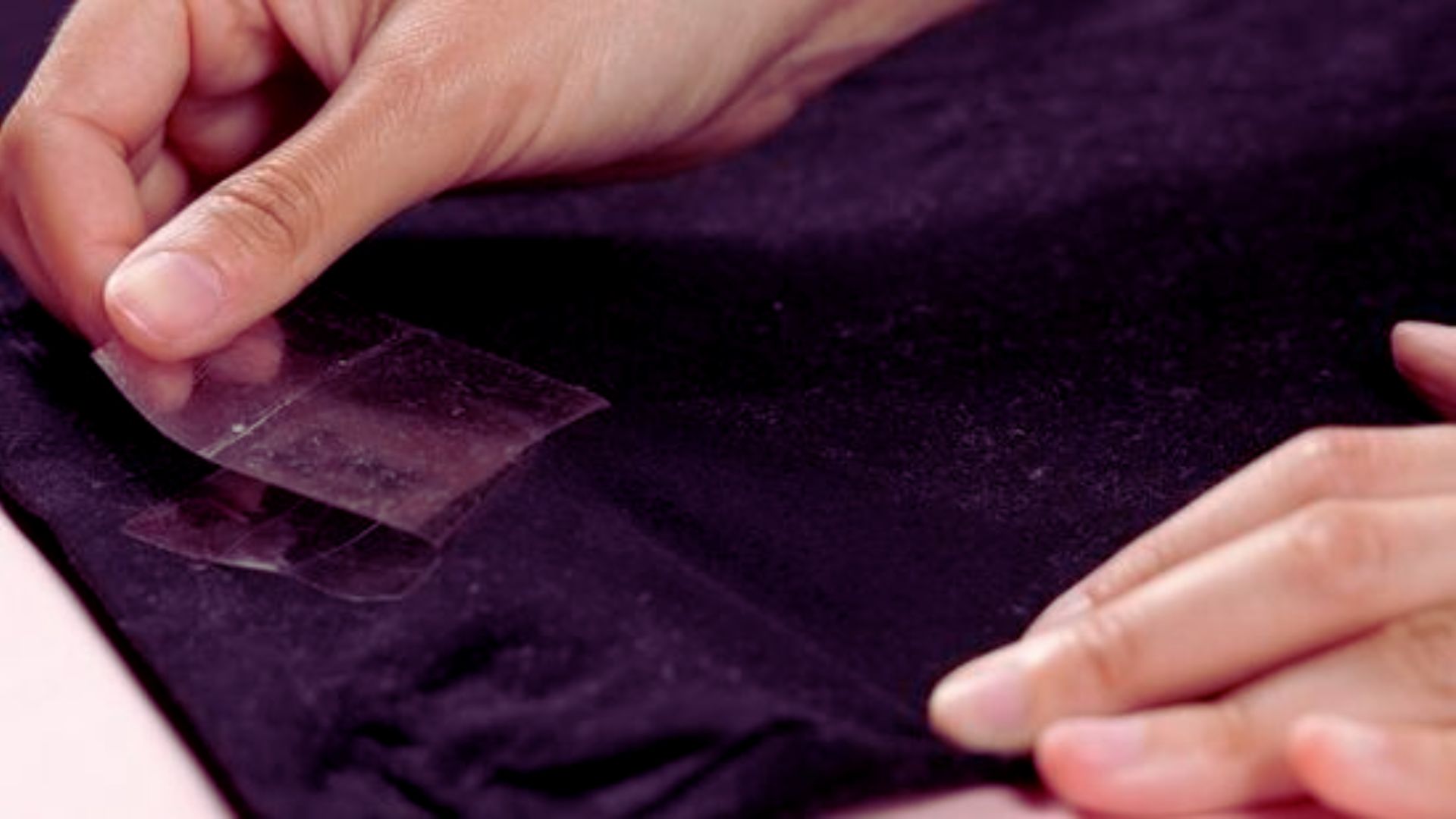
Wrap tape around your hand, sticky side out, and press it over the fabric. A lint roller works the same way.
This takes about two minutes and removes most surface lint quickly. It is not perfect for thick lint buildup but works well for a fast clean-up before going out.
Lightly Dampen Hands or Cloth
Run your hands under water and shake off the excess. Then stroke your clothes downward in one direction.
The moisture grabs loose fibers and collects them at the bottom edge. A damp cloth works even better. This takes less than three minutes and requires nothing extra.
Quick Dryer Tumble Trick
Throw your clothes in the dryer on the lowest heat or air-only setting for five to ten minutes.
This does not remove all lint but loosens it enough that a quick roll with tape or a sponge finishes the job fast.
Methods People Suggest but Don’t Work Well

Some advice gets repeated online but does not actually help. Here is what to skip.
Rewashing Clothes Again Without Changes
If your clothes come out of the wash covered in lint, washing them again the exact same way will give you the exact same result. Lint gets trapped in fabric fibers.
Water alone does not release it. You need to change something, like separating the load or using a different setting, or the problem just repeats.
Vinegar in Every Load
White vinegar can help reduce static in some cases. But adding it to every load does not prevent lint buildup.
Overusing vinegar can also damage elastic bands and certain fabric coatings over time. It is not harmful in small amounts, but treating it as a lint solution will disappoint you.
Harsh Scrubbing or Pumice Stones
Scrubbing black fabric hard to remove lint causes more damage than it fixes. It pulls at the fibers, creates pilling, and can leave visible marks.
Pumice stones are sometimes suggested, but they are too rough for most clothing. Stick to soft sponges or fabric shavers designed for clothes.
Lint vs Pilling (Why Your Method Might Not Work)
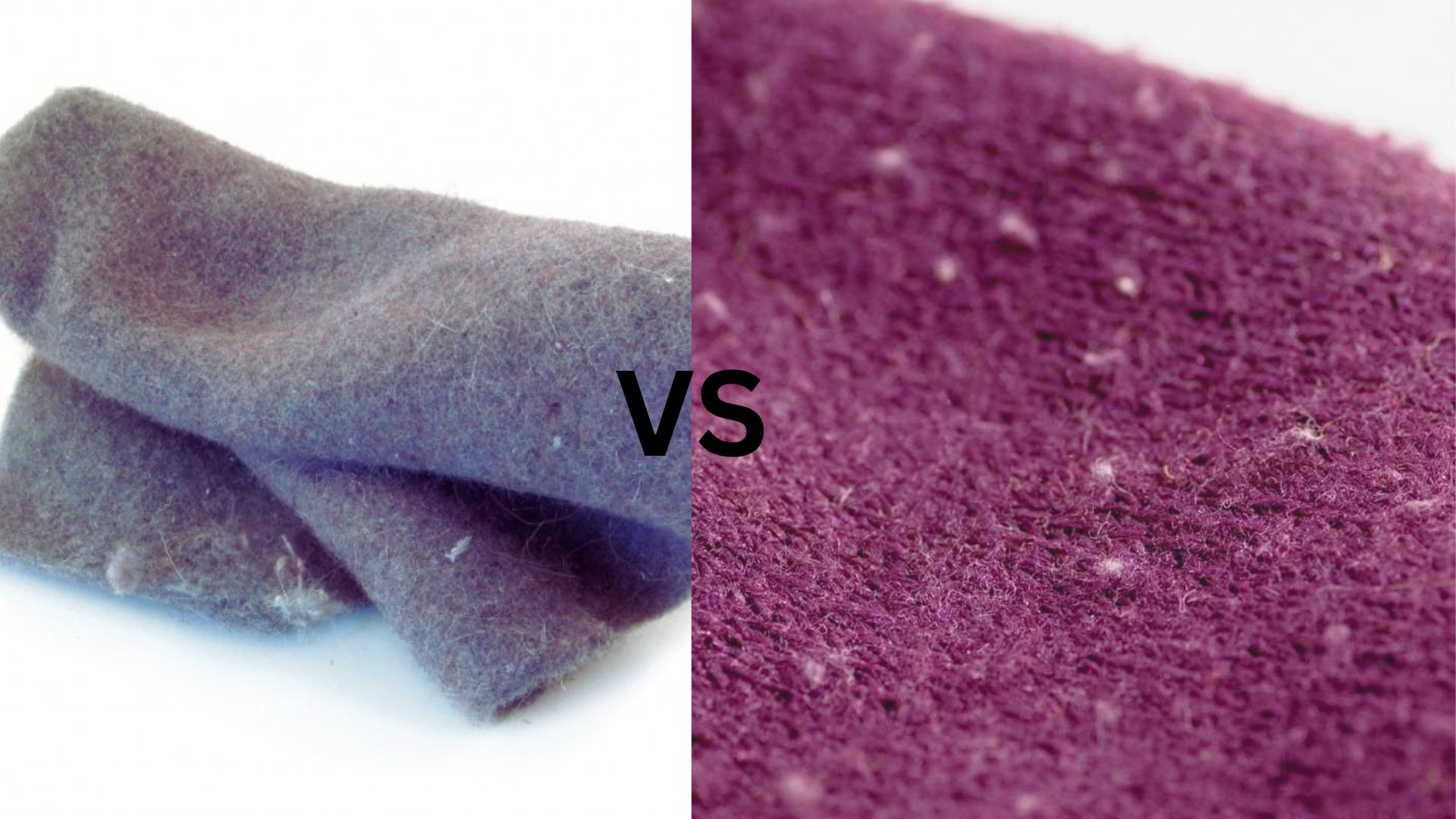
If you have been trying to remove lint but nothing seems to work, you might actually be dealing with pilling instead. These are two different problems.
What is Lint?
Lint is made up of loose fibers that land on the surface of your clothes from outside sources, like other clothes, towels, or even the air. It sits on top of the fabric and usually comes off with a roller or damp sponge.
What is Pilling?
Pilling happens when the fibers in the fabric itself break down and tangle into small balls on the surface. Pills are attached to the cloth. They do not come off with a lint roller. You need a fabric shaver or a sweater stone to remove them.
Different Problems, Different Solutions
If your black clothes look fuzzy and the fuzz does not come off easily, it is probably pilling, not lint. Using the wrong method wastes time. Check which one you are dealing with before you start.
Best Routine to Keep Black Clothes Lint-Free
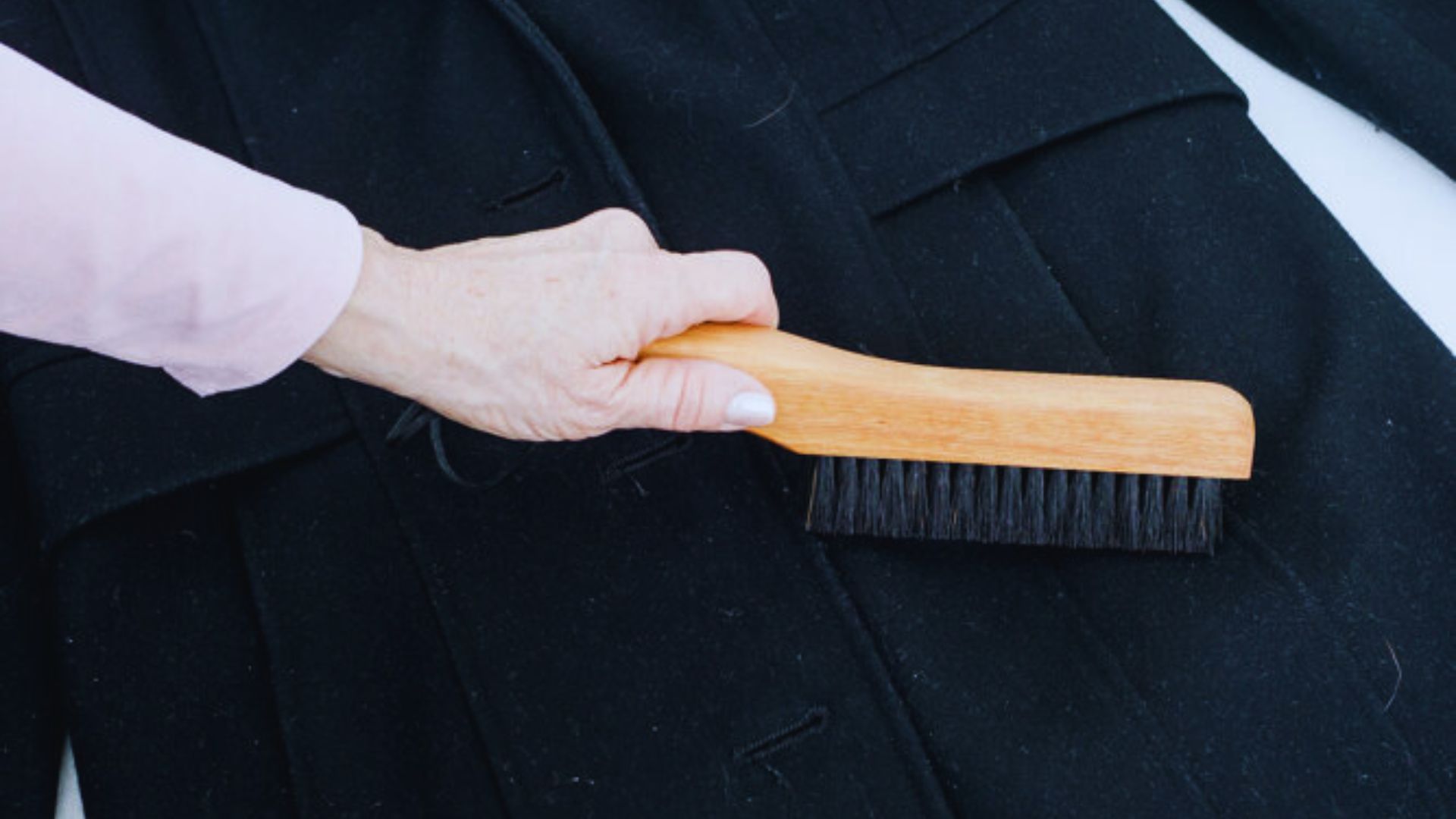
Having a simple routine makes this much easier to manage.
Before Washing
Sort your clothes carefully. Keep towels, fleece, and heavy fabrics in one pile. Put your black clothes in a separate load.
Turn them inside out. Check pockets for any tissues or debris, since these create huge amounts of lint.
During Washing and Drying
Use a gentle cycle with cold water. Add a dryer sheet or wool dryer balls. Set the dryer to low heat.
Clean the lint trap before you start the dryer. Do not overload either machine.
After Laundry
Once clothes are dry, do a quick lint check before folding or hanging them. Keep a lint roller near your laundry area.
A 30-second check after every load saves you from wearing lint-covered clothes later.
Conclusion
Dealing with lint on black clothes used to drive me a little crazy. I would pull out what I thought was a clean outfit and it looked like I had been cuddling a cat. Once I started separating my laundry properly and keeping a damp sponge nearby, the whole problem became much more manageable.
These fixes are simple. You do not need to spend money on anything fancy. Try one or two tips from this guide and see what works for you.
If you found this helpful, drop a comment below and share what method worked best for you. Sharing this with a friend who loves black clothes would mean a lot too.
Frequently Asked Questions
Why does my black clothing always attract lint even after washing?
Black clothes make lint more visible than light-colored ones. Mixing them with heavy lint producers like towels in the same wash load is usually the main cause.
What is the fastest way to remove lint from black clothes at home?
A damp sponge wiped in one direction works very quickly. A lint roller or tape wrapped around your hand also removes surface lint in under two minutes.
Does washing black clothes inside out actually help with lint?
Yes, it does. Turning clothes inside out means the outer surface has less contact with other fabrics, so it picks up fewer loose fibers during washing.
Can I use a regular dryer sheet to remove lint from dry clothes?
A dry dryer sheet on dry fabric does very little. It works better when the fabric is slightly damp. Use it right after drying before the clothes fully cool.
What is the difference between lint and pilling, and how do I treat each?
Lint is loose fibers that sit on the surface and come off with a roller or sponge. Pilling is tangled fabric fibers forming small balls that need a fabric shaver to remove.